Discussion
Loading...

#Tag

  • About
  • Code of conduct
  • Privacy
  • About Bonfire
Media Revolution Channel
Media Revolution Channel boosted
abolitionmedia
@abolitionmedia@abolitionmedia.noblogs.org  ·  activity timestamp 18 hours ago

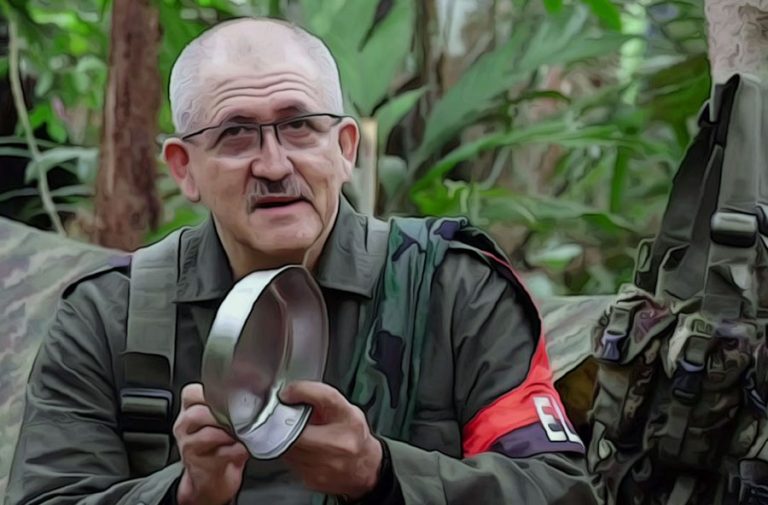
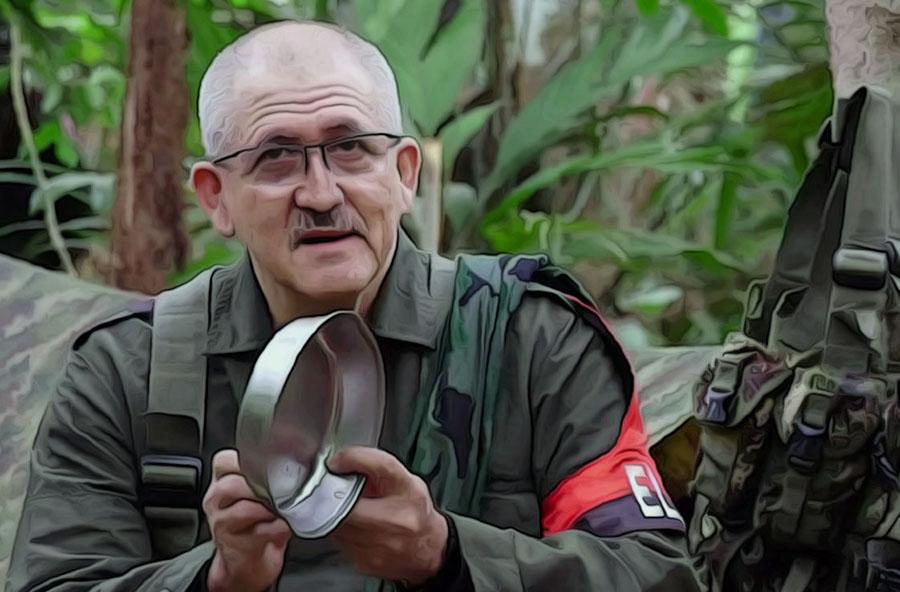
Antonio García: ‘A National Agreement Is Required’

In the last week, Antonio García, first comandante of the ELN, gave interviews to journalists from the United Kingdom, France and the United States; Here we present a selection of his responses, about the kidnapping of President Maduro, the resistance to imperialist aggression and the political solution to the conflict.

THE SUNDAY TIMES NEWSPAPER OF THE UNITED KINGDOM

[1] What impact does the arrest of Nicolás Maduro have on the political and military strategy of the National Liberation Army?

AG: The impact is not for the ELN, but for international legislation, since any president of any government, who does not share the policy of the United States, can be attacked and kidnapped by the American military forces. It also sets a precedent for the application of extraterritorial justice, destroying the sovereignty of the judicial systems of other countries, putting an end to the existence of Nation States.

For the ELN it is the reaffirmation of the existence of flesh and blood imperialism and that it does not distance itself from wars, to deal or understand with other States, legitimizing the right to defense and the fight of resistance.

[2] In the case of a direct military intervention by the United States in Venezuela, what would be the position and reaction of the ELN?

AG: The ELN at various times in its history has been linked to international solidarity, the José Antonio Galán National Pro-Liberation Brigade, which would give rise to the ELN, was created to link itself to fighting with the Cuban people, in the October crisis in 1962. We also had comrades supporting the struggle in Nicaragua, El Salvador and other processes.

We are an Organization linked to the struggle of the National Liberation Movements of the world and we listen when they call us, to support the struggle of the people, we are not interventionist, when they call us we support in solidarity and therefore we place ourselves under the orders of those people and processes. We do not direct anything where it does not belong to us.

FRENCH PRESS AGENCY (AFP)

[3] What changes for you as a structure that operates on the border, the fact that Nicolás Maduro is no longer the president of Venezuela? Is it true that you are or were in Venezuelan territory and began your return to Colombia?

AG: The location of the ELN structures is defined by the strategic plan, Colombia’s land borders are 5 and two oceans. Due to its configuration, for each of them there is a definition in the plan, the same with the seas and rivers, no one ‘puts their eggs in one basket’. What happened in Venezuela affects the continent because the American troops kidnapped a President, who even made Petro change his speech.

The ELN is focused with priority on Colombia. The government and the military have always said that I spend my time abroad, that is not new, if I told them now that I was abroad, they would say that I was in Colombia. What I do specify is that there is no exodus in the ELN and it is attentive to threats.

[4] Alias ​​Iván Mordisco proposed a union of guerrillas to fight against the United States, will you accept?

AG: As soon as the demobilization dissident groups began to form, they were told that we agreed to talk when they were unified, so as not to talk to each faction, but they could not join and it became complex. If it is to defend the Homeland against the foreign aggressor, we will find ourselves in the fight.

MAX BEARAK FROM THE NEW YORK TIMES

[5] Has the ELN been increasing its military capabilities in anticipation of offensives by Colombian and US forces?

AG: The generation and creation of capabilities with the application of technology in our weapons is not new, that cannot be improvised, the State military has realized, it is no longer a secret, we have been developing that plan for more than 10 years in our military industry, in various types of weapons.

[6] Are you still open to dialogue with President Petro, or do you feel that he has abandoned the peace process with the ELN?

AG: The ELN speaks to the country, it presents its proposal for a National Agreement to all political and social forces, to all candidates for the next government; Of course, Petro is part of the political game in the composition of forces in the next elections. Now it is about going beyond a dialogue, to build a more in-depth route that allows overcoming both the country’s structural crisis and the social, political and armed conflict.

We have already seen that all governments have fallen short in their peace policies and a national agreement is required that makes this possible, a truly constituent process that has the strength to produce the changes that the regime and the political class block in parliament.

Source: https://eln-voces.net/2026/01/19/antonio-garcia-se-requiere-un-acuerdo-de-pais/

https://abolitionmedia.noblogs.org/?p=27557 #AntonioGarcía #colombia #eln #guerrilla #southAmerica #usImperialism #venezuela
https://eln-voces.net

ANTONIO GARCÍA: ‘SE REQUIERE UN ACUERDO DE PAÍS’

Sorry, no caption provided by author
  • Copy link
  • Flag this post
  • Block
abolitionmedia
@abolitionmedia@abolitionmedia.noblogs.org  ·  activity timestamp 18 hours ago

Antonio García: ‘A National Agreement Is Required’

In the last week, Antonio García, first comandante of the ELN, gave interviews to journalists from the United Kingdom, France and the United States; Here we present a selection of his responses, about the kidnapping of President Maduro, the resistance to imperialist aggression and the political solution to the conflict.

THE SUNDAY TIMES NEWSPAPER OF THE UNITED KINGDOM

[1] What impact does the arrest of Nicolás Maduro have on the political and military strategy of the National Liberation Army?

AG: The impact is not for the ELN, but for international legislation, since any president of any government, who does not share the policy of the United States, can be attacked and kidnapped by the American military forces. It also sets a precedent for the application of extraterritorial justice, destroying the sovereignty of the judicial systems of other countries, putting an end to the existence of Nation States.

For the ELN it is the reaffirmation of the existence of flesh and blood imperialism and that it does not distance itself from wars, to deal or understand with other States, legitimizing the right to defense and the fight of resistance.

[2] In the case of a direct military intervention by the United States in Venezuela, what would be the position and reaction of the ELN?

AG: The ELN at various times in its history has been linked to international solidarity, the José Antonio Galán National Pro-Liberation Brigade, which would give rise to the ELN, was created to link itself to fighting with the Cuban people, in the October crisis in 1962. We also had comrades supporting the struggle in Nicaragua, El Salvador and other processes.

We are an Organization linked to the struggle of the National Liberation Movements of the world and we listen when they call us, to support the struggle of the people, we are not interventionist, when they call us we support in solidarity and therefore we place ourselves under the orders of those people and processes. We do not direct anything where it does not belong to us.

FRENCH PRESS AGENCY (AFP)

[3] What changes for you as a structure that operates on the border, the fact that Nicolás Maduro is no longer the president of Venezuela? Is it true that you are or were in Venezuelan territory and began your return to Colombia?

AG: The location of the ELN structures is defined by the strategic plan, Colombia’s land borders are 5 and two oceans. Due to its configuration, for each of them there is a definition in the plan, the same with the seas and rivers, no one ‘puts their eggs in one basket’. What happened in Venezuela affects the continent because the American troops kidnapped a President, who even made Petro change his speech.

The ELN is focused with priority on Colombia. The government and the military have always said that I spend my time abroad, that is not new, if I told them now that I was abroad, they would say that I was in Colombia. What I do specify is that there is no exodus in the ELN and it is attentive to threats.

[4] Alias ​​Iván Mordisco proposed a union of guerrillas to fight against the United States, will you accept?

AG: As soon as the demobilization dissident groups began to form, they were told that we agreed to talk when they were unified, so as not to talk to each faction, but they could not join and it became complex. If it is to defend the Homeland against the foreign aggressor, we will find ourselves in the fight.

MAX BEARAK FROM THE NEW YORK TIMES

[5] Has the ELN been increasing its military capabilities in anticipation of offensives by Colombian and US forces?

AG: The generation and creation of capabilities with the application of technology in our weapons is not new, that cannot be improvised, the State military has realized, it is no longer a secret, we have been developing that plan for more than 10 years in our military industry, in various types of weapons.

[6] Are you still open to dialogue with President Petro, or do you feel that he has abandoned the peace process with the ELN?

AG: The ELN speaks to the country, it presents its proposal for a National Agreement to all political and social forces, to all candidates for the next government; Of course, Petro is part of the political game in the composition of forces in the next elections. Now it is about going beyond a dialogue, to build a more in-depth route that allows overcoming both the country’s structural crisis and the social, political and armed conflict.

We have already seen that all governments have fallen short in their peace policies and a national agreement is required that makes this possible, a truly constituent process that has the strength to produce the changes that the regime and the political class block in parliament.

Source: https://eln-voces.net/2026/01/19/antonio-garcia-se-requiere-un-acuerdo-de-pais/

https://abolitionmedia.noblogs.org/?p=27557 #AntonioGarcía #colombia #eln #guerrilla #southAmerica #usImperialism #venezuela
https://eln-voces.net

ANTONIO GARCÍA: ‘SE REQUIERE UN ACUERDO DE PAÍS’

Sorry, no caption provided by author
  • Copy link
  • Flag this post
  • Block
Media Revolution Channel
Media Revolution Channel boosted
abolitionmedia
@abolitionmedia@abolitionmedia.noblogs.org  ·  activity timestamp 5 days ago

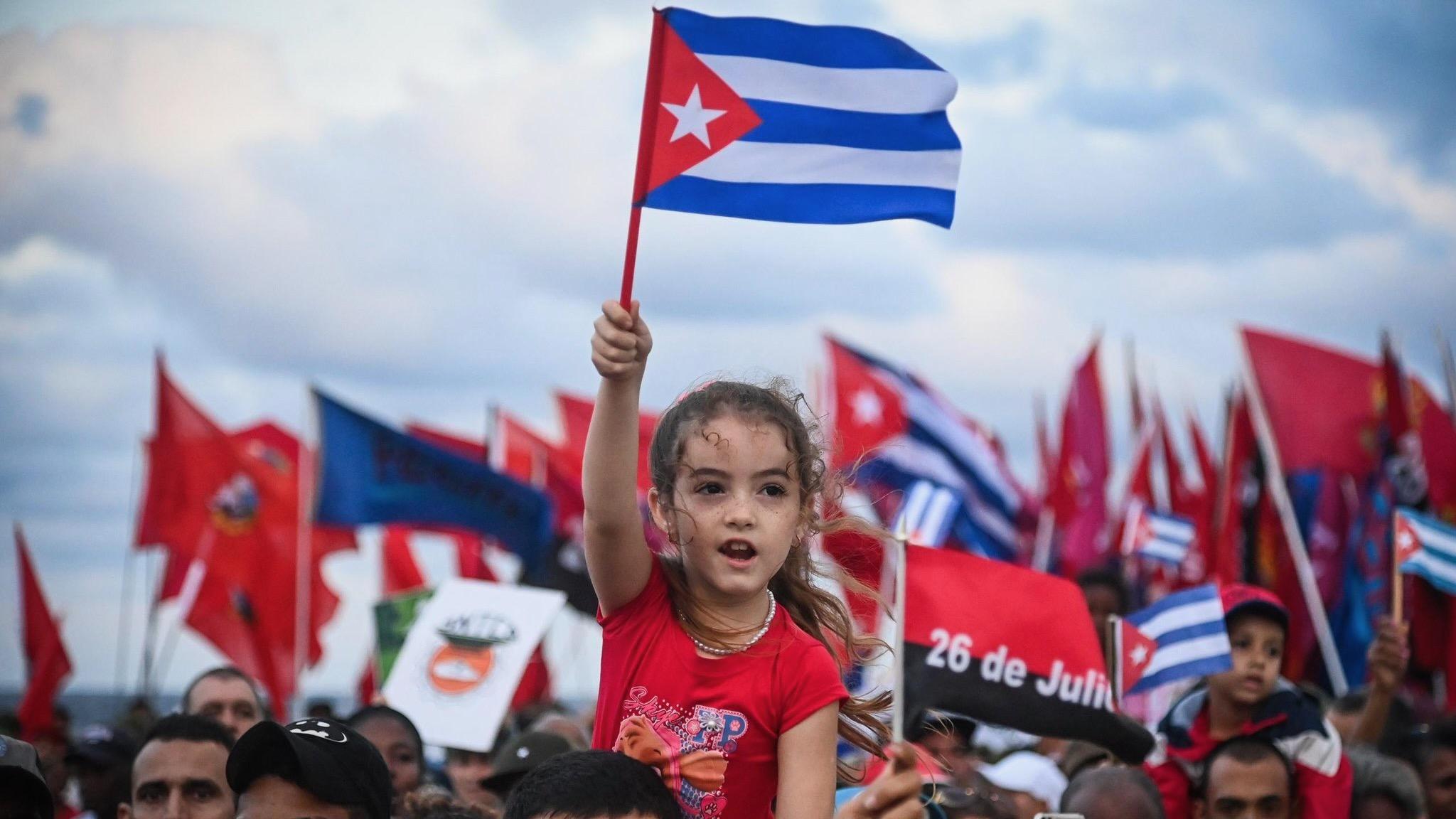
“The Yankee Empire is in Irreversible Decline”: Cubans Respond to Trump’s Threats

Three weeks later, the ramifications of the unprecedented US attack on Venezuela continue to reverberate. The military action in itself provoked nearly unanimous condemnation among experts in international diplomacy and law and has been also been a tremendous source of pain for the families of the more than 100 people killed in the nearly two-hour operation on South American territory.

The illegal operation also sparked concerns about the consequences that such a unilateral measure taken by Washington will have on the region and on global geopolitics.

After the attack, several journalists asked Donald Trump directly if the next target would be Cuba, which his administration has been targeting by exacerbating the economic blockade and seizing Venezuelan tankers bound for the island. They repeated threats made by his own Secretary of State, Marco Rubio, a declared opponent of the revolutionary government.

Trump’s ambiguous response to reporters sparked much speculation, until the US president himself wrote on Truth Social: “Cuba lived, for many years, on large amounts of oil and money from Venezuela. In return, Cuba provided “Security Services” for the last two Venezuelan dictators, BUT NOT ANYMORE! Most of those Cubans are DEAD from last week’s U.S.A. attack, and Venezuela doesn’t need protection anymore from the thugs and extortionists who held them hostage for so many years. Venezuela now has the United States of America, the most powerful military in the World (by far!), to protect them, and protect them we will. THERE WILL BE NO MORE OIL OR MONEY GOING TO CUBA – ZERO! I strongly suggest they make a deal, BEFORE IT IS TOO LATE.”

Despite threats, a massive march of nearly 500,000 people paraded through the streets of Havana to honor the 32 Cuban combatants who were killed in Venezuela. During the march, the country’s top leaders promised that they would not surrender in the face of renewed imperialist aggression.

Abel Prieto, Cuban writer and the president of Casa de las Américas, and Dr. José R. Cabañas, the director of the Center for International Policy Research and former Cuban ambassador to the United States, spoke to Peoples Dispatch to share their perspectives on the threats lodged by Trump and how the attack on Venezuela has transformed the region.

Regarding the regional impact of the US military action that resulted, among other things, in the capture of Venezuelan President Nicolás Maduro and his wife Cilia Flores, Abel Prieto asserts that this is an act of extreme right-wing aggression that broke the most basic rules of international law and opens a new and dark chapter in the history of the Americas.

“What the Trump administration did in Venezuela was an act of fascist barbarism, completely illegal, against all norms of civilized coexistence between nations,” he said. “It represents the beginning of a sinister era where, as Ivan Karamazov said, ‘everything is permitted’ for the most powerful. It has been a blow to the Venezuelan people, to the Cuban people, and to all Latin American peoples.”

“However,” Prieto says, the attack has also turned the tide among the progressive movement, “I believe it has strengthened anti-imperialism and anti-fascism in all decent people, whether they are on the left or not. The Yankee Empire is in irreversible decline, and this makes it more violent and rabid.”

Dr. José R. Cabañas, for his part, affirms that the United States’ act of ignoring and destroying international law reveals a geopolitical purpose that cannot be hidden: “The full application of the Monroe Doctrine attempts to dominate the region’s natural resources, prevent countries such as Russia or China, but also the European Union as a whole, from developing preferential economic ties with Latin American and Caribbean nations. The actions of January 3 against Caracas and other subsequent actions have caused fear among certain political forces in the region, but at the same time have reinforced the independent national agenda of several governments that have demanded that the US develop bilateral relations based on greater equality and respect.”

An emboldened empire will be met with steadfast resistance

Regarding the growing danger facing Cuba following Washington’s more aggressive stance, Prieto states: “This supposed ‘victory’ [in Venezuela] has emboldened [the United States]. That is why there are threats against Cuba.”

We feel a mixture of pain and pride [for the 32 Cuban combatants killed on January 3]. Pain, obviously, because 32 Cuban families have been brutally torn apart. Pride, because we know that they faced an enemy that was vastly superior in numbers and military technology, and that they fell with courage and honor, doing their duty. They are our heroes, and they will inspire us in the face of any new aggression.”

Dr. Cabañas agrees that the killing of the 32 Cuban soldiers in combat is already an act of aggression against Cuba: “At the moment, the most significant impact on Cuba has been the loss of our 32 heroes who fell defending the same ideals as our internationalists in Africa, Grenada, or other regions of the world. The imperial forces do not understand the ties between Venezuela and Cuba, which long predate the revolutionary processes of both nations. Their roots go back to the independence movements against the European colonial powers.”

In this regard, Prieto added that the defense of the Cuban Revolution will be carried out to the bitter end: “I don’t know how far these fascists, full of hatred and lacking in morals, will go to hurt Cuba. Our people are not afraid. They will defend their Revolution in the worst circumstances, without ever giving up.”

A long history of aggression and resistance

Perhaps that is why Cuba is the country that has known the most in the history of the entire continent about US hostility and boycotts against a sovereign government. Dr. Cabañas recalls: “Over the last 67 years, the United States has used every weapon possible to destroy the Cuban Revolution. In the 1960s, there were more than 100 CIA-armed gangs in the country that caused hundreds of deaths among the civilian population; there were several terrorist actions, from the invasion of Playa Girón to the persecution of Cuban ships on the high seas.”

The former diplomat recalled that this year marks the 50th anniversary of one of the worst CIA-backed terrorist attacks against Cuba “which claimed dozens of civilian victims. In the 1970s, strains of animal and human diseases were introduced into the country, causing great losses.”

He also recalled that the economic and commercial blockade is a US strategy of attrition that the Cuban people know better than anyone: “The blockade against Cuba was originally established in 1962, but it was updated in legislative bodies that were approved in 1992 and 1996. Not to mention the barrage of negative information against the country, trying to isolate it from the rest of the international community and cause frustration among the local population.”

In this regard, Dr. Cabañas recalls that for six decades, despite facing diverse and persistent attacks, the Cuban Revolution has creatively resisted and continued building a society that centers people’s needs and defies US interests for the region. “They have tried to use all means to destroy us and have failed in their essential purpose. Cuba faced the COVID-19 pandemic with its own resources and had five times fewer victims than the United States, which supposedly had all the resources to prevent thousands of deaths.”

Now, Dr. Cabañas says, Cuba faces the effects of an even stronger economic, commercial, and financial blockade, “But even under these circumstances, Cuba repeats the same question: how would the country progress if it were not the victim of that hostile policy, which is much older and much more complex than the recent events we are referring to now?”

Perhaps that is why Cuba has also been the country that has most vigorously rejected US intervention in Venezuela, not only through diplomatic communiqués, but also through the mobilization of masses who rejected an aggression that seems to loom as a possibility on its borders. Dr. Cabañas states: “Havana was perhaps the capital that, in a matter of hours, mobilized its population for a mass demonstration condemning the crimes committed against Venezuela. These demonstrations have spread throughout the country… Our government has repeatedly expressed Cuba’s historic position both in terms of solidarity with our Latin American and Caribbean brothers and sisters, and in terms of the respectful and equal relationship that the United States is obliged to have with its neighbors and with the international community as a whole.”

source: People’s Dispatch

https://abolitionmedia.noblogs.org/?p=27356 #antiColonialism #antiImperialism #cuba #havana #resistance #venezuela
Peoples Dispatch

"The Yankee Empire is in irreversible decline": Cubans respond to Trump's threats : Peoples Dispatch

In the wake of the unilateral US attack on Venezuela, an emboldened empire has sought to intimidate and threaten other nations which threaten its total hegemony.
Peoples Dispatch

“To die for the freedom of a brother people is the highest form of living”: Cuba honors 32 killed in Venezuela : Peoples Dispatch

During the commemoration of the combatants who fell on January 3, several Cuban leaders responded to Washington's threats and affirmed that they will not surrender in the face of adversity.
Peoples Dispatch

Trump intensifies threats against Cuba : Peoples Dispatch

The US president warned Cuban authorities that if they do not engage in dialogue, it will soon be “too late.” Cuban authorities have announced that Cuba is a sovereign country that is being punished for following a path different from that desired by Washington.
Sorry, no caption provided by author
  • Copy link
  • Flag this post
  • Block
abolitionmedia
@abolitionmedia@abolitionmedia.noblogs.org  ·  activity timestamp 5 days ago

“The Yankee Empire is in Irreversible Decline”: Cubans Respond to Trump’s Threats

Three weeks later, the ramifications of the unprecedented US attack on Venezuela continue to reverberate. The military action in itself provoked nearly unanimous condemnation among experts in international diplomacy and law and has been also been a tremendous source of pain for the families of the more than 100 people killed in the nearly two-hour operation on South American territory.

The illegal operation also sparked concerns about the consequences that such a unilateral measure taken by Washington will have on the region and on global geopolitics.

After the attack, several journalists asked Donald Trump directly if the next target would be Cuba, which his administration has been targeting by exacerbating the economic blockade and seizing Venezuelan tankers bound for the island. They repeated threats made by his own Secretary of State, Marco Rubio, a declared opponent of the revolutionary government.

Trump’s ambiguous response to reporters sparked much speculation, until the US president himself wrote on Truth Social: “Cuba lived, for many years, on large amounts of oil and money from Venezuela. In return, Cuba provided “Security Services” for the last two Venezuelan dictators, BUT NOT ANYMORE! Most of those Cubans are DEAD from last week’s U.S.A. attack, and Venezuela doesn’t need protection anymore from the thugs and extortionists who held them hostage for so many years. Venezuela now has the United States of America, the most powerful military in the World (by far!), to protect them, and protect them we will. THERE WILL BE NO MORE OIL OR MONEY GOING TO CUBA – ZERO! I strongly suggest they make a deal, BEFORE IT IS TOO LATE.”

Despite threats, a massive march of nearly 500,000 people paraded through the streets of Havana to honor the 32 Cuban combatants who were killed in Venezuela. During the march, the country’s top leaders promised that they would not surrender in the face of renewed imperialist aggression.

Abel Prieto, Cuban writer and the president of Casa de las Américas, and Dr. José R. Cabañas, the director of the Center for International Policy Research and former Cuban ambassador to the United States, spoke to Peoples Dispatch to share their perspectives on the threats lodged by Trump and how the attack on Venezuela has transformed the region.

Regarding the regional impact of the US military action that resulted, among other things, in the capture of Venezuelan President Nicolás Maduro and his wife Cilia Flores, Abel Prieto asserts that this is an act of extreme right-wing aggression that broke the most basic rules of international law and opens a new and dark chapter in the history of the Americas.

“What the Trump administration did in Venezuela was an act of fascist barbarism, completely illegal, against all norms of civilized coexistence between nations,” he said. “It represents the beginning of a sinister era where, as Ivan Karamazov said, ‘everything is permitted’ for the most powerful. It has been a blow to the Venezuelan people, to the Cuban people, and to all Latin American peoples.”

“However,” Prieto says, the attack has also turned the tide among the progressive movement, “I believe it has strengthened anti-imperialism and anti-fascism in all decent people, whether they are on the left or not. The Yankee Empire is in irreversible decline, and this makes it more violent and rabid.”

Dr. José R. Cabañas, for his part, affirms that the United States’ act of ignoring and destroying international law reveals a geopolitical purpose that cannot be hidden: “The full application of the Monroe Doctrine attempts to dominate the region’s natural resources, prevent countries such as Russia or China, but also the European Union as a whole, from developing preferential economic ties with Latin American and Caribbean nations. The actions of January 3 against Caracas and other subsequent actions have caused fear among certain political forces in the region, but at the same time have reinforced the independent national agenda of several governments that have demanded that the US develop bilateral relations based on greater equality and respect.”

An emboldened empire will be met with steadfast resistance

Regarding the growing danger facing Cuba following Washington’s more aggressive stance, Prieto states: “This supposed ‘victory’ [in Venezuela] has emboldened [the United States]. That is why there are threats against Cuba.”

We feel a mixture of pain and pride [for the 32 Cuban combatants killed on January 3]. Pain, obviously, because 32 Cuban families have been brutally torn apart. Pride, because we know that they faced an enemy that was vastly superior in numbers and military technology, and that they fell with courage and honor, doing their duty. They are our heroes, and they will inspire us in the face of any new aggression.”

Dr. Cabañas agrees that the killing of the 32 Cuban soldiers in combat is already an act of aggression against Cuba: “At the moment, the most significant impact on Cuba has been the loss of our 32 heroes who fell defending the same ideals as our internationalists in Africa, Grenada, or other regions of the world. The imperial forces do not understand the ties between Venezuela and Cuba, which long predate the revolutionary processes of both nations. Their roots go back to the independence movements against the European colonial powers.”

In this regard, Prieto added that the defense of the Cuban Revolution will be carried out to the bitter end: “I don’t know how far these fascists, full of hatred and lacking in morals, will go to hurt Cuba. Our people are not afraid. They will defend their Revolution in the worst circumstances, without ever giving up.”

A long history of aggression and resistance

Perhaps that is why Cuba is the country that has known the most in the history of the entire continent about US hostility and boycotts against a sovereign government. Dr. Cabañas recalls: “Over the last 67 years, the United States has used every weapon possible to destroy the Cuban Revolution. In the 1960s, there were more than 100 CIA-armed gangs in the country that caused hundreds of deaths among the civilian population; there were several terrorist actions, from the invasion of Playa Girón to the persecution of Cuban ships on the high seas.”

The former diplomat recalled that this year marks the 50th anniversary of one of the worst CIA-backed terrorist attacks against Cuba “which claimed dozens of civilian victims. In the 1970s, strains of animal and human diseases were introduced into the country, causing great losses.”

He also recalled that the economic and commercial blockade is a US strategy of attrition that the Cuban people know better than anyone: “The blockade against Cuba was originally established in 1962, but it was updated in legislative bodies that were approved in 1992 and 1996. Not to mention the barrage of negative information against the country, trying to isolate it from the rest of the international community and cause frustration among the local population.”

In this regard, Dr. Cabañas recalls that for six decades, despite facing diverse and persistent attacks, the Cuban Revolution has creatively resisted and continued building a society that centers people’s needs and defies US interests for the region. “They have tried to use all means to destroy us and have failed in their essential purpose. Cuba faced the COVID-19 pandemic with its own resources and had five times fewer victims than the United States, which supposedly had all the resources to prevent thousands of deaths.”

Now, Dr. Cabañas says, Cuba faces the effects of an even stronger economic, commercial, and financial blockade, “But even under these circumstances, Cuba repeats the same question: how would the country progress if it were not the victim of that hostile policy, which is much older and much more complex than the recent events we are referring to now?”

Perhaps that is why Cuba has also been the country that has most vigorously rejected US intervention in Venezuela, not only through diplomatic communiqués, but also through the mobilization of masses who rejected an aggression that seems to loom as a possibility on its borders. Dr. Cabañas states: “Havana was perhaps the capital that, in a matter of hours, mobilized its population for a mass demonstration condemning the crimes committed against Venezuela. These demonstrations have spread throughout the country… Our government has repeatedly expressed Cuba’s historic position both in terms of solidarity with our Latin American and Caribbean brothers and sisters, and in terms of the respectful and equal relationship that the United States is obliged to have with its neighbors and with the international community as a whole.”

source: People’s Dispatch

https://abolitionmedia.noblogs.org/?p=27356 #antiColonialism #antiImperialism #cuba #havana #resistance #venezuela
Peoples Dispatch

"The Yankee Empire is in irreversible decline": Cubans respond to Trump's threats : Peoples Dispatch

In the wake of the unilateral US attack on Venezuela, an emboldened empire has sought to intimidate and threaten other nations which threaten its total hegemony.
Peoples Dispatch

“To die for the freedom of a brother people is the highest form of living”: Cuba honors 32 killed in Venezuela : Peoples Dispatch

During the commemoration of the combatants who fell on January 3, several Cuban leaders responded to Washington's threats and affirmed that they will not surrender in the face of adversity.
Peoples Dispatch

Trump intensifies threats against Cuba : Peoples Dispatch

The US president warned Cuban authorities that if they do not engage in dialogue, it will soon be “too late.” Cuban authorities have announced that Cuba is a sovereign country that is being punished for following a path different from that desired by Washington.
Sorry, no caption provided by author
  • Copy link
  • Flag this post
  • Block
Nonilex
@Nonilex@masto.ai  ·  activity timestamp 5 days ago

#Trump spent a while talking about #Venezuela, predicting that the country would do "fantastically well" under #US #control after the US military abduction of former president Nicolás #Maduro.

"Venezuela is going to make more money in the next 6 months than they've made in the last 20 years. Every major #oil company's coming in with us. It's amazing," he falsely claimed, without elaborating.

#MafiaState #imperialism #geopolitics #economy #law #InternationalLaw #WEF

Nonilex
@Nonilex@masto.ai replied  ·  activity timestamp 5 days ago

#Trump praised the admin run by interim President #DelcyRodríguez, saying it had been cooperating well with US authorities.

"Once the attack ended, the attack ended & they said, let's make a deal. More people should do that," he said in an unveiled threat.

#MafiaState #imperialism #geopolitics #Venezuela #oil #theft #piracy #NewWorldOrder #law #InternationalLaw #WEF

https://masto.ai/tags/DelcyRodr%C3%ADguez
  • Copy link
  • Flag this comment
  • Block
Nonilex
@Nonilex@masto.ai  ·  activity timestamp 5 days ago

"The USA is the economic engine on the planet. & when America booms, the entire world booms....You all follow us down & you follow us up," #Trump said.

"Certain places in Europe are not recognizable frankly anymore. They're not recognizable."

"I want to see Europe go good, but it's not heading in the right direction." [sic]

He claimed a focus on #GreenEnergy & mass #immigration were factors that had hurt #Europe, without citing evidence.

#MafiaState #geopolitics #InternationalLaw #WEF

Nonilex
@Nonilex@masto.ai replied  ·  activity timestamp 5 days ago

#Trump spent a while talking about #Venezuela, predicting that the country would do "fantastically well" under #US #control after the US military abduction of former president Nicolás #Maduro.

"Venezuela is going to make more money in the next 6 months than they've made in the last 20 years. Every major #oil company's coming in with us. It's amazing," he falsely claimed, without elaborating.

#MafiaState #imperialism #geopolitics #economy #law #InternationalLaw #WEF

  • Copy link
  • Flag this comment
  • Block
Media Revolution Channel
Media Revolution Channel boosted
abolitionmedia
@abolitionmedia@abolitionmedia.noblogs.org  ·  activity timestamp 6 days ago

‘We Fought Until Almost all of us Were Down’: Cuban Combatant Recounts U.S. Attack in Venezuela
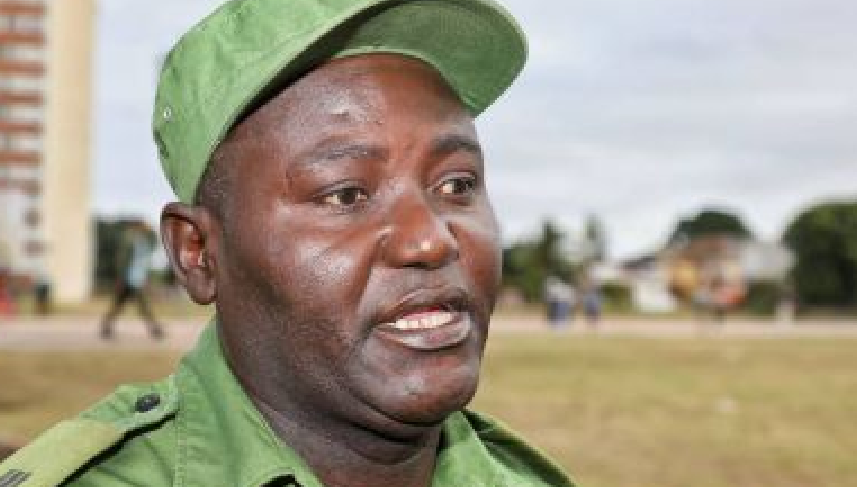
CAMAGÜEY, Cuba — Yohandris Varona Torres saw the photos of the 32 Cubans killed in Venezuela on Jan. 3 and could not help but become emotional. He did so this morning during the tribute held in the Nicolás Guillén Protocol Hall in Camagüey. It was not the first time he had looked at them. He did not have images of strangers in front of him. They were his comrades. And we know that death becomes more real when it touches close to your family, friends, your team.

He spoke little. Perhaps he could not find the words. Only the precise ones needed to make us understand the pain. All in less than five minutes. He walked upright, but his eyes still held a sadness difficult to explain. From Vertientes in Camagüey, he had been in Venezuela for two months and six days as part of personal security when the attack occurred—the most intense experience in 23 years of military service, and his very first internationalist mission.

“We fought there against the aircraft that were machine-gunning us. Despite the fact that our weapons were smaller, we never stopped fighting—we confronted them. I have my training and I know how to fight, but they were superior to us. In that moment my only thought was to fight. We had to fire, and I started doing it.

“That night I had gone on guard duty at midnight and was supposed to be on post for six hours. The attack happened around 2:00 a.m. It was early morning. Everything was dark. If a helicopter comes straight at you, the only thing you can do is shoot at it and defend yourself. That’s how it was. Until the very last moment we were firing.”

Yohandris—spelled with an h in the middle, as he corrected us—was there that night, in the same place where his comrades fell, those of all Cuba. This good Cuban carried them all, and today I can only imagine the weight he carried and still carries with him: the weight of death, pain, helplessness, and injustice.

“Our comrades are a source of glory for all of Cuba. They were my brothers. They were working with me. I saw them all fall and I carried all of them. There was no support from anyone for that, but no body was left on the field. We preserved them in one of our sleeping quarters. I cannot explain the pain. But at least no one was left in Venezuela. They are here, in our homeland.

“My country will always have my willingness to confront the enemy wherever necessary. That’s how the Commander taught us. And the deaths of my comrades cannot be in vain.”

The pain is inside. Just above the stomach. He does not need to tell me. I know it. Noble men feel it that way. And there, a few fingers higher up, in the throat, the helplessness, the rage toward those who believe they have the right and the power to take the lives of good people, the not knowing what to say, the shame of carrying in one’s arms the weight of unjust death.

All that remains is the pain that we could not stop them.

By Gretel Díaz Montalvo
Trabajadores

What Yohandri Varona Torres saw with his own eyes on Jan. 3 during the United States’ attack on Venezuela will never be forgotten. He had arrived in the South American nation barely two months and six days earlier. This man from Camagüey, born in the community of Jagüey in Vertientes, had gone there to serve in personal security support. That, he says, is what Fidel taught him—so wherever he was needed, he would go.

But that Saturday turned fatal. At midnight he took up his position. He was assigned a six-hour guard shift. And although everything seemed calm, Yohandri knew that the greatest danger was letting one’s guard down. That is why he carried out his duty with vigilance bordering on excess.

It was close to 2 a.m. when he saw the first of the helicopters belonging to the group of U.S. commandos that would land in Caracas that morning to kidnap President Nicolás Maduro.

He barely had time to leave the post where he was standing guard, take cover several meters away, and begin firing. To that decision—or to luck—he owes his life. As if guided by a plan of millimetric precision, the attackers directed their fire at the guard booth that only seconds earlier he had occupied.

“They had much greater firepower than we did,” Yohandri recounts. “We only had light weapons. Another advantage they had was that they seemed to know exactly where everything was. That’s how they fired at the guard posts and the sleeping quarters where we Cubans were, and they managed to kill—among the first—our leaders.”

With some 23 years of experience in the Department of Personal Security, this first sergeant had never lived through anything even remotely similar. But training had prepared him well, and that morning he emptied magazine after magazine firing at the enemy.

“There was nothing to do but fire and fire. Defend and kill,” he stated.

“Despite their advantage in firepower,” he added, “I am sure we inflicted casualties on them. More than they acknowledge. We fought hard. We kept firing until almost all of us were falling, dead or wounded.”

This was not a quick or easy battle, as Trump and his henchmen initially tried to make people believe. As the days have passed, it has been confirmed that only death and the lack of ammunition managed to extinguish the Cubans’ resistance.

Yohandri remembers everything with terrible clarity. His eyes seem to replay the images one by one. He cries. He cries with rage. He says he will never forget the confrontation, but above all the hours afterward, when the surviving members of the group had to transport the bodies of their fallen compatriots.

“We carried them and took them to a building that had been damaged but allowed us to shelter them. It was very hard, because they were men we knew, with whom we had lived until just hours earlier. But we took them all. We did not abandon a single one.

“When the bombs begin to fall, the only thing you think about is fighting. We were there for that, and that is what we did. All that remains for me is the pain that we could not stop them. And this pain,” he says as he strikes his chest, “I have to settle it with the enemy.”

Testimony of a Cuban combatant who defended President Maduro

Taken from the Facebook page of Ignacio Ramonet

Yohandris Varona Torres had been in Venezuela for two months and six days as a member of the Personal Security detail when the attack occurred—the most intense experience of his 23 years of military service, and his first internationalist mission.

But that Saturday, Jan. 3, turned fatal. At midnight he took up his position. He was assigned a six-hour guard shift. And although everything appeared calm, Yohandri knew that the greatest danger was letting one’s guard down. That is why he carried out his duty with vigilance bordering on excess.

It was close to 2 a.m. when he saw the first of the helicopters belonging to the group of U.S. commandos that would land in Caracas that morning to kidnap President Nicolás Maduro.

He barely had time to leave the post where he was standing guard, take cover several meters away, and begin firing. To that decision—or to luck—he owes his life. As if guided by a plan of millimetric precision, the attackers directed their fire at the guard booth that only seconds earlier he had occupied.

“They had much greater firepower than we did,” Yohandri recounts. “We only had light weapons. Another advantage they had was that they seemed to know exactly where everything was. That’s how they fired at the guard posts and the sleeping quarters where we Cubans were, and they managed to kill—among the first—our leaders.”

With some 23 years of experience in the Directorate of Personal Security, this first sergeant had never lived through anything even remotely similar. But training had prepared him well, and that morning he emptied magazine after magazine firing at the enemy.

“There was nothing to do but fire and fire. Defend and kill,” he stated.

“We fought there against the aircraft that were machine-gunning us. Despite the fact that our weapons were smaller, we never stopped fighting—we confronted them. I have my training and I know how to fight, but they were superior to us. In that moment my only thought was to fight. We had to fire, and I started doing it.”

“Despite their advantage in firepower,” he added, “I am sure we inflicted casualties on them. More than they acknowledge. We fought hard. We kept firing until almost all of us were falling, dead or wounded.”

This was not a quick or easy battle, as Trump and his henchmen initially tried to make people believe. As the days have passed, it has been confirmed that only death and the lack of ammunition managed to extinguish the Cubans’ resistance.

Yohandri remembers everything with terrible clarity. His eyes seem to replay the images one by one. He cries. He cries with rage.

He says he will never forget the confrontation, but above all the hours afterward, when the surviving members of the group had to transport the bodies of their fallen compatriots.

“We carried them and took them to a building that had been damaged but allowed us to shelter them. It was very hard, because they were men we knew, with whom we had lived until just hours earlier. But we took them all. We did not abandon a single one.

“When the bombs begin to fall, the only thing you think about is fighting. We were there for that, and that is what we did. All that remains for me is the pain that we could not stop them. And this pain,” he says as he strikes his chest, “I have to settle it with the enemy.”

Yohandri Varona Torres: a moving testimony

By Yamylé Fernández Rodríguez
Radio Reloj

Camagüey, Cuba — With a voice broken by pain and indignation, first officer Yohandri Varona Torres from Camagüey recalls Jan. 3, when his comrades fell in combat after fighting fiercely against the U.S. aggression against Venezuela.

Backed by 23 years of experience as a personal security specialist, Varona Torres had arrived in Caracas just over two months earlier. On the day of the tragic events, he was on guard duty.

He recalls that around 2:00 a.m. they spotted the enemy helicopters, and there was always the certainty that it was necessary to fight to the end, because the Yankees had come determined to leave death and destruction.

He shared daily life with all of the fallen Cubans, and their loss is deeply painful, says first officer Yohandri Varona Torres, who held their lifeless bodies in his arms and now swears he will know how to honor them as they deserve.

Originally published by Adelante, Trabajadores, and Radio Reloj.
Translated by Struggle-La Lucha.

Source: cubainformacion.tv

https://abolitionmedia.noblogs.org/?p=27325 #colonialism #cuba #imperialism #maduro #venezuela
cubainformación.tv

"Estoy seguro de que les hicimos bajas. Más de las que ellos reconocen. Nos batimos duro. Seguimos tirando hasta que casi todos fuimos cayendo, muertos o heridos"

Foto: Leandro Pérez Pérez/Adelante.
Sorry, no caption provided by author
  • Copy link
  • Flag this post
  • Block
abolitionmedia
@abolitionmedia@abolitionmedia.noblogs.org  ·  activity timestamp 6 days ago

‘We Fought Until Almost all of us Were Down’: Cuban Combatant Recounts U.S. Attack in Venezuela

CAMAGÜEY, Cuba — Yohandris Varona Torres saw the photos of the 32 Cubans killed in Venezuela on Jan. 3 and could not help but become emotional. He did so this morning during the tribute held in the Nicolás Guillén Protocol Hall in Camagüey. It was not the first time he had looked at them. He did not have images of strangers in front of him. They were his comrades. And we know that death becomes more real when it touches close to your family, friends, your team.

He spoke little. Perhaps he could not find the words. Only the precise ones needed to make us understand the pain. All in less than five minutes. He walked upright, but his eyes still held a sadness difficult to explain. From Vertientes in Camagüey, he had been in Venezuela for two months and six days as part of personal security when the attack occurred—the most intense experience in 23 years of military service, and his very first internationalist mission.

“We fought there against the aircraft that were machine-gunning us. Despite the fact that our weapons were smaller, we never stopped fighting—we confronted them. I have my training and I know how to fight, but they were superior to us. In that moment my only thought was to fight. We had to fire, and I started doing it.

“That night I had gone on guard duty at midnight and was supposed to be on post for six hours. The attack happened around 2:00 a.m. It was early morning. Everything was dark. If a helicopter comes straight at you, the only thing you can do is shoot at it and defend yourself. That’s how it was. Until the very last moment we were firing.”

Yohandris—spelled with an h in the middle, as he corrected us—was there that night, in the same place where his comrades fell, those of all Cuba. This good Cuban carried them all, and today I can only imagine the weight he carried and still carries with him: the weight of death, pain, helplessness, and injustice.

“Our comrades are a source of glory for all of Cuba. They were my brothers. They were working with me. I saw them all fall and I carried all of them. There was no support from anyone for that, but no body was left on the field. We preserved them in one of our sleeping quarters. I cannot explain the pain. But at least no one was left in Venezuela. They are here, in our homeland.

“My country will always have my willingness to confront the enemy wherever necessary. That’s how the Commander taught us. And the deaths of my comrades cannot be in vain.”

The pain is inside. Just above the stomach. He does not need to tell me. I know it. Noble men feel it that way. And there, a few fingers higher up, in the throat, the helplessness, the rage toward those who believe they have the right and the power to take the lives of good people, the not knowing what to say, the shame of carrying in one’s arms the weight of unjust death.

All that remains is the pain that we could not stop them.

By Gretel Díaz Montalvo
Trabajadores

What Yohandri Varona Torres saw with his own eyes on Jan. 3 during the United States’ attack on Venezuela will never be forgotten. He had arrived in the South American nation barely two months and six days earlier. This man from Camagüey, born in the community of Jagüey in Vertientes, had gone there to serve in personal security support. That, he says, is what Fidel taught him—so wherever he was needed, he would go.

But that Saturday turned fatal. At midnight he took up his position. He was assigned a six-hour guard shift. And although everything seemed calm, Yohandri knew that the greatest danger was letting one’s guard down. That is why he carried out his duty with vigilance bordering on excess.

It was close to 2 a.m. when he saw the first of the helicopters belonging to the group of U.S. commandos that would land in Caracas that morning to kidnap President Nicolás Maduro.

He barely had time to leave the post where he was standing guard, take cover several meters away, and begin firing. To that decision—or to luck—he owes his life. As if guided by a plan of millimetric precision, the attackers directed their fire at the guard booth that only seconds earlier he had occupied.

“They had much greater firepower than we did,” Yohandri recounts. “We only had light weapons. Another advantage they had was that they seemed to know exactly where everything was. That’s how they fired at the guard posts and the sleeping quarters where we Cubans were, and they managed to kill—among the first—our leaders.”

With some 23 years of experience in the Department of Personal Security, this first sergeant had never lived through anything even remotely similar. But training had prepared him well, and that morning he emptied magazine after magazine firing at the enemy.

“There was nothing to do but fire and fire. Defend and kill,” he stated.

“Despite their advantage in firepower,” he added, “I am sure we inflicted casualties on them. More than they acknowledge. We fought hard. We kept firing until almost all of us were falling, dead or wounded.”

This was not a quick or easy battle, as Trump and his henchmen initially tried to make people believe. As the days have passed, it has been confirmed that only death and the lack of ammunition managed to extinguish the Cubans’ resistance.

Yohandri remembers everything with terrible clarity. His eyes seem to replay the images one by one. He cries. He cries with rage. He says he will never forget the confrontation, but above all the hours afterward, when the surviving members of the group had to transport the bodies of their fallen compatriots.

“We carried them and took them to a building that had been damaged but allowed us to shelter them. It was very hard, because they were men we knew, with whom we had lived until just hours earlier. But we took them all. We did not abandon a single one.

“When the bombs begin to fall, the only thing you think about is fighting. We were there for that, and that is what we did. All that remains for me is the pain that we could not stop them. And this pain,” he says as he strikes his chest, “I have to settle it with the enemy.”

Testimony of a Cuban combatant who defended President Maduro

Taken from the Facebook page of Ignacio Ramonet

Yohandris Varona Torres had been in Venezuela for two months and six days as a member of the Personal Security detail when the attack occurred—the most intense experience of his 23 years of military service, and his first internationalist mission.

But that Saturday, Jan. 3, turned fatal. At midnight he took up his position. He was assigned a six-hour guard shift. And although everything appeared calm, Yohandri knew that the greatest danger was letting one’s guard down. That is why he carried out his duty with vigilance bordering on excess.

It was close to 2 a.m. when he saw the first of the helicopters belonging to the group of U.S. commandos that would land in Caracas that morning to kidnap President Nicolás Maduro.

He barely had time to leave the post where he was standing guard, take cover several meters away, and begin firing. To that decision—or to luck—he owes his life. As if guided by a plan of millimetric precision, the attackers directed their fire at the guard booth that only seconds earlier he had occupied.

“They had much greater firepower than we did,” Yohandri recounts. “We only had light weapons. Another advantage they had was that they seemed to know exactly where everything was. That’s how they fired at the guard posts and the sleeping quarters where we Cubans were, and they managed to kill—among the first—our leaders.”

With some 23 years of experience in the Directorate of Personal Security, this first sergeant had never lived through anything even remotely similar. But training had prepared him well, and that morning he emptied magazine after magazine firing at the enemy.

“There was nothing to do but fire and fire. Defend and kill,” he stated.

“We fought there against the aircraft that were machine-gunning us. Despite the fact that our weapons were smaller, we never stopped fighting—we confronted them. I have my training and I know how to fight, but they were superior to us. In that moment my only thought was to fight. We had to fire, and I started doing it.”

“Despite their advantage in firepower,” he added, “I am sure we inflicted casualties on them. More than they acknowledge. We fought hard. We kept firing until almost all of us were falling, dead or wounded.”

This was not a quick or easy battle, as Trump and his henchmen initially tried to make people believe. As the days have passed, it has been confirmed that only death and the lack of ammunition managed to extinguish the Cubans’ resistance.

Yohandri remembers everything with terrible clarity. His eyes seem to replay the images one by one. He cries. He cries with rage.

He says he will never forget the confrontation, but above all the hours afterward, when the surviving members of the group had to transport the bodies of their fallen compatriots.

“We carried them and took them to a building that had been damaged but allowed us to shelter them. It was very hard, because they were men we knew, with whom we had lived until just hours earlier. But we took them all. We did not abandon a single one.

“When the bombs begin to fall, the only thing you think about is fighting. We were there for that, and that is what we did. All that remains for me is the pain that we could not stop them. And this pain,” he says as he strikes his chest, “I have to settle it with the enemy.”

Yohandri Varona Torres: a moving testimony

By Yamylé Fernández Rodríguez
Radio Reloj

Camagüey, Cuba — With a voice broken by pain and indignation, first officer Yohandri Varona Torres from Camagüey recalls Jan. 3, when his comrades fell in combat after fighting fiercely against the U.S. aggression against Venezuela.

Backed by 23 years of experience as a personal security specialist, Varona Torres had arrived in Caracas just over two months earlier. On the day of the tragic events, he was on guard duty.

He recalls that around 2:00 a.m. they spotted the enemy helicopters, and there was always the certainty that it was necessary to fight to the end, because the Yankees had come determined to leave death and destruction.

He shared daily life with all of the fallen Cubans, and their loss is deeply painful, says first officer Yohandri Varona Torres, who held their lifeless bodies in his arms and now swears he will know how to honor them as they deserve.

Originally published by Adelante, Trabajadores, and Radio Reloj.
Translated by Struggle-La Lucha.

Source: cubainformacion.tv

https://abolitionmedia.noblogs.org/?p=27325 #colonialism #cuba #imperialism #maduro #venezuela
cubainformación.tv

"Estoy seguro de que les hicimos bajas. Más de las que ellos reconocen. Nos batimos duro. Seguimos tirando hasta que casi todos fuimos cayendo, muertos o heridos"

Foto: Leandro Pérez Pérez/Adelante.
Sorry, no caption provided by author
  • Copy link
  • Flag this post
  • Block
RonSupportsYou
@RonSupportsYou@mastodon.social  ·  activity timestamp last week

"Top #Catholic Clerics Denounce U.S. Foreign Policy,
citing recent events in #Venezuela, #Ukraine and #Greenland":
https://www.nytimes.com/2026/01/19/us/catholics-trump-archbishops.html
"The cardinals call for a genuinely moral foreign policy
in which “military action must be seen only as a last resort."
#Trump #extremism #PutinsPuppet #politics copy: @renewedresistance #religion #HumanRights

https://www.nytimes.com

Top Catholic Clerics Denounce U.S. Foreign Policy

  • Copy link
  • Flag this post
  • Block
Log in

Encryptr.net Social

This is a forward thinking server running the Bonfire social media platform.

LGBTQA+ and BPOC friendly.

Encryptr.net Social: About · Code of conduct · Privacy ·
Encryptr.net social · 1.0.0-rc.3.6 no JS en
Automatic federation enabled
  • Explore
  • About
  • Code of Conduct
Home
Login