African Savannah Elephants Use ‘Names’ to Communicate
New research reveals that African savannah #elephants use unique, ‘names’ to call one another, showcasing their incredible intelligence and deep social bonds. Unlike other animals, these majestic creatures communicate with non-imitative calls, highlighting their advanced cognitive abilities. This discovery opens new doors to understanding the evolution of language and cognition in animals. Dive into the fascinating world of elephant communication! 🐘🌍✨ They face many threats to their survival, help them to survive when you #Boycottpalmoil #Boycott4Wildlife
🐘✨ Elephants know each other by name! Exciting new #research reveals African savannah #elephants use unique name-like calls to communicate, showcasing their incredible intelligence, deep social bonds. @palmoildetect #Boycottpalmoil #Boycott4Wildlife 🌍💚 https://wp.me/pcFhgU-8we
Share to BlueSky Share to Twitter🐘🔍 Groundbreaking #research #study shows #elephants don’t just trumpet—they call each other by name! These majestic creatures have complex social lives and advanced #cognition. Help them to survive when you #Boycottpalmoil #Boycott4Wildlife 🐾🌿https://wp.me/pcFhgU-8we
Share to BlueSky Share to TwitterIn a groundbreaking 2024 study, researchers have discovered that African savannah elephants Loxodonta africana communicate with each other using unique name-like calls, similar to how humans use personal names. This discovery, published in Nature Ecology & Evolution, places elephants among a rare group of animals known to use individual-specific vocalisations.
The Study and Its Findings
A team of international researchers employed artificial intelligence to analyse 469 rumbles—deep, low-frequency sounds—made by two herds of wild elephants in Kenya’s Amboseli National Park and Samburu National Reserve between 1986 and 2022. The AI model successfully identified the intended recipient of these calls 27.5% of the time, a rate significantly higher than random chance. This finding suggests that the elephants’ calls contain individual-specific information akin to names.
The study also involved playback experiments where recordings of these rumbles were played to the elephants. The subjects responded more rapidly and vocally to calls originally addressed to them compared to those directed at other elephants. This indicates that elephants can recognise and respond to their own ‘names’ even when the call is out of context.
 Research: African Savannah Elephants Use ‘Names’ to Call One Another
Implications for Animal Communication and Cognition
Unlike dolphins and parrots, who call to each other by mimicking their sounds, elephants use unique, non-imitative calls. This discovery is significant as it suggests that elephants have a capacity for abstract thought and complex social cognition. The ability to use arbitrary sounds to label individuals is a trait shared with humans, highlighting the advanced cognitive abilities of elephants. In a fascinating example of interspecies communication (unrelated to the study) an orphaned baby elephant named Tsavo responds to his keeper calling his name at Sheldrick Wildlife Trust in Kenya.
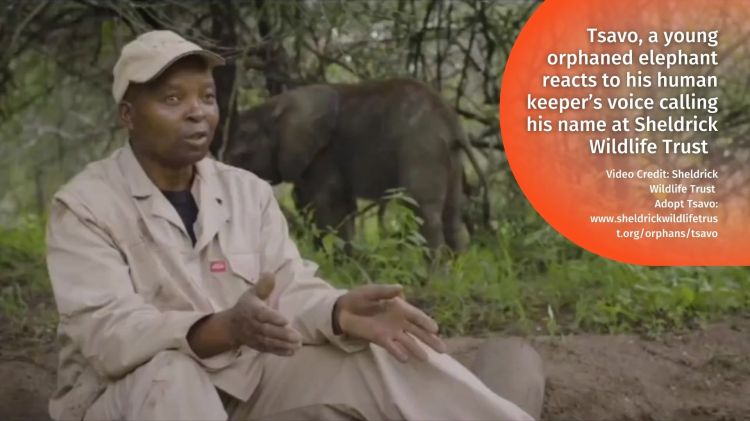 Tsavo the baby elephant responds to his keeper calling his name. Image Credit: Sheldrick Wildlife Trust
 The findings also underscore the importance of social bonds among elephants. The need to call each other by name implies a sophisticated social structure and communication system. Understanding these communication patterns gives deeper insights into the evolution of language and cognition in both humans and animals.
Further Reading
- Pardo, M. A., Fristrup, K., Lolchuragi, D. S., Poole, J. H., Granli, P., Moss, C., Douglas-Hamilton, I., & Wittemyer, G. (2024). African elephants address one another with individually specific name-like calls. Nature Ecology & Evolution. https://www.nature.com/articles/s41559-024-02420-w
- Agence France-Presse. (2024, June 11). Elephants call each other by name, study finds. The Guardian. https://www.theguardian.com/science/article/2024/jun/10/elephant-names-study-ai
- Perfetto, I. (2024, June 11). Elephants talk to each other using name-like calls! Cosmos Magazine. https://cosmosmagazine.com/nature/animals/hello-elephants-talk-to-each-other-using-name-like-calls/
- Pardo, M. (2024, June 12). African elephants address one another with name-like calls − similar to humans. The Conversation. https://theconversation.com/african-elephants-address-one-another-with-name-like-calls-similar-to-humans-232096
Learn about other animals endangered by palm oil and other agriculture
GlobalSouth America S.E. AsiaIndiaAfricaWest Papua & PNG
Southern Pudu Pudu puda

Blue-streaked Lory Eos reticulata

Blonde Capuchin Sapajus flavius

Savage’s Glass Frog Centrolene savagei
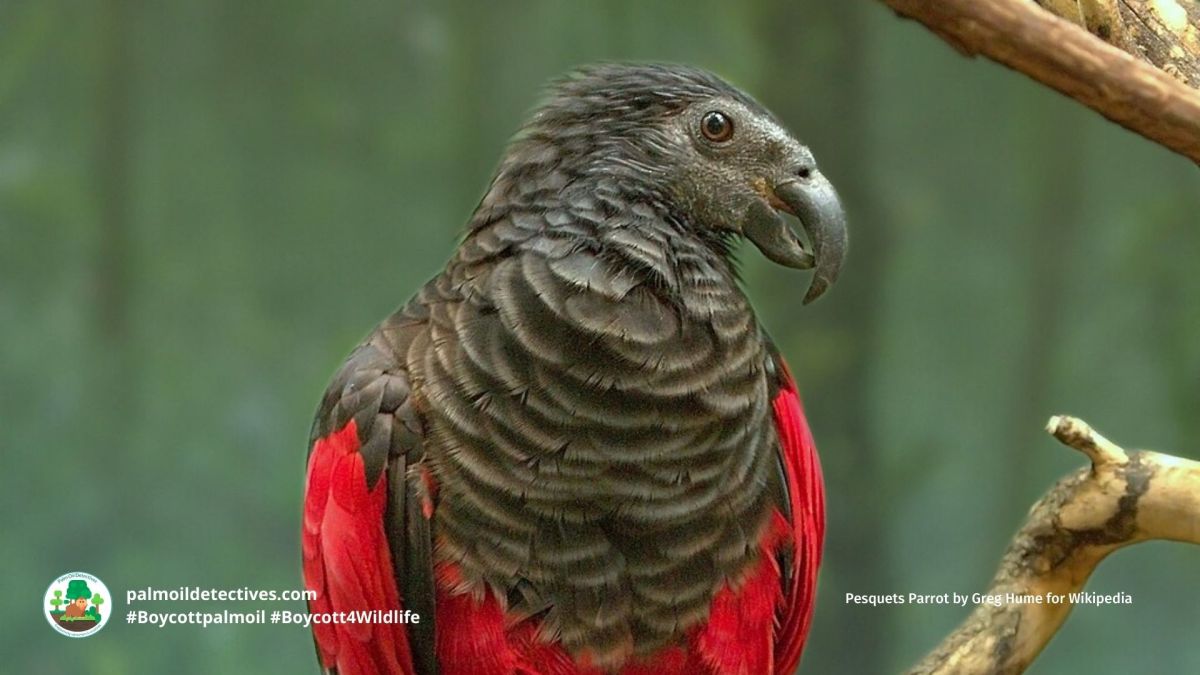
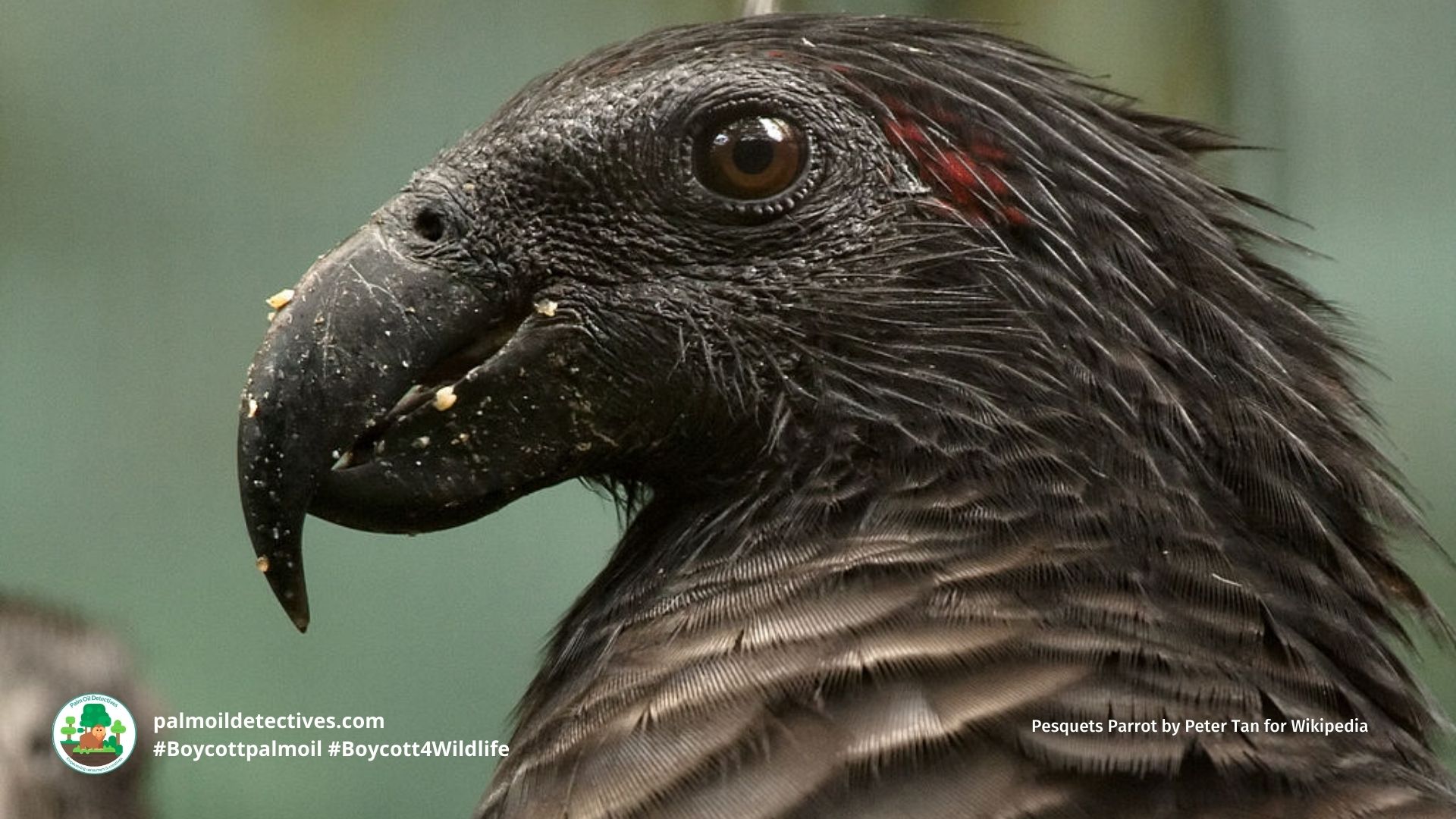
Pesquets Parrot Psittrichas fulgidus
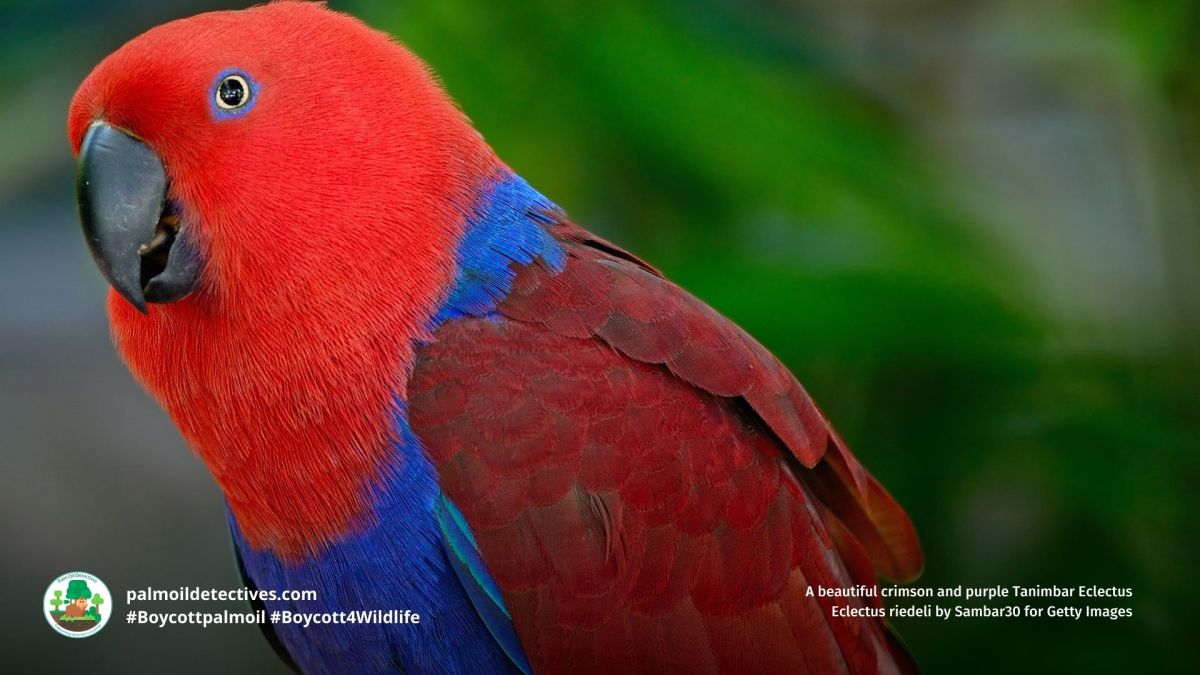
Tanimbar Eclectus Parrot Eclectus riedeli
Learn about “sustainable” palm oil greenwashing
Read more about RSPO greenwashing
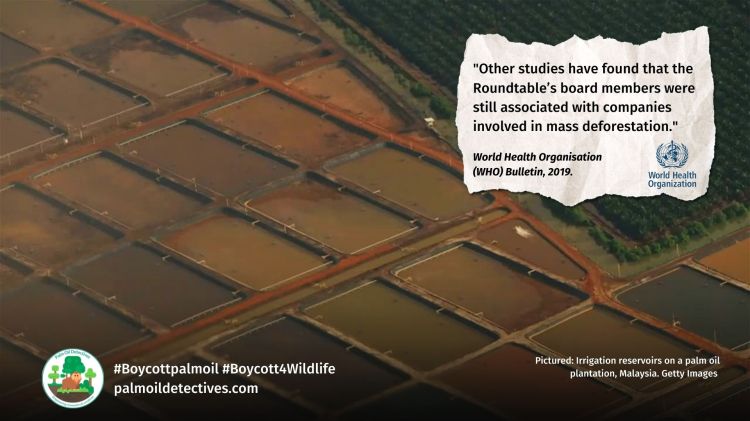
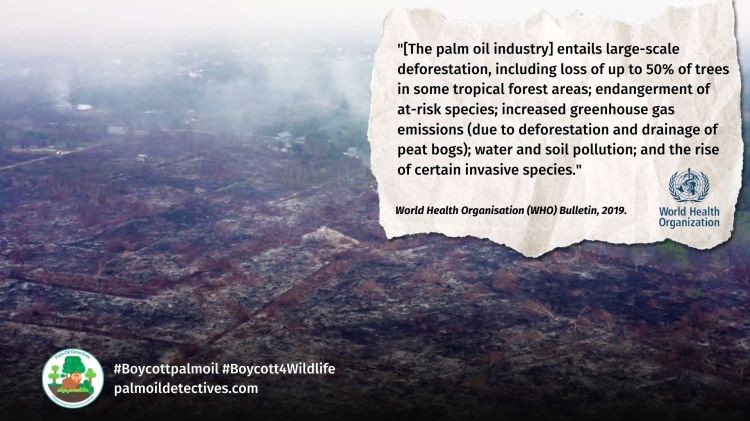
Lying Fake labelsIndigenous Land-grabbingHuman rights abusesDeforestation Human health hazardsA 2019 World Health Organisation (WHO) report into the palm oil industry and RSPO finds extensive greenwashing of palm oil deforestation and the murder of endangered animals (i.e. biodiversity loss)
Read more


Take Action in Five Ways
1. Join the #Boycott4Wildlife on social media and subscribe to stay in the loop: Share posts from this website to your own network on Twitter, Mastadon, Instagram, Facebook and Youtube using the hashtags #Boycottpalmoil #Boycott4Wildlife.
Enter your email address
Sign Up
Join 3,529 other subscribers2. Contribute stories: Academics, conservationists, scientists, indigenous rights advocates and animal rights advocates working to expose the corruption of the palm oil industry or to save animals can contribute stories to the website.
Wildlife Artist Juanchi Pérez
Mel Lumby: Dedicated Devotee to Borneo’s Living Beings
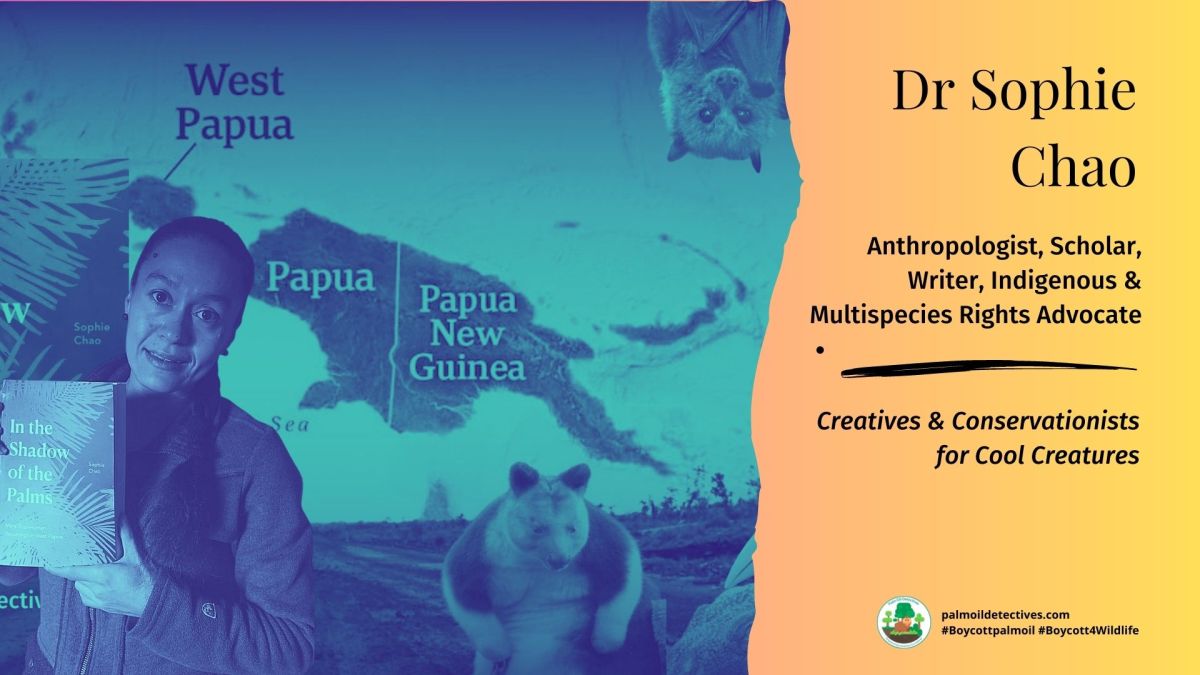
Anthropologist and Author Dr Sophie Chao
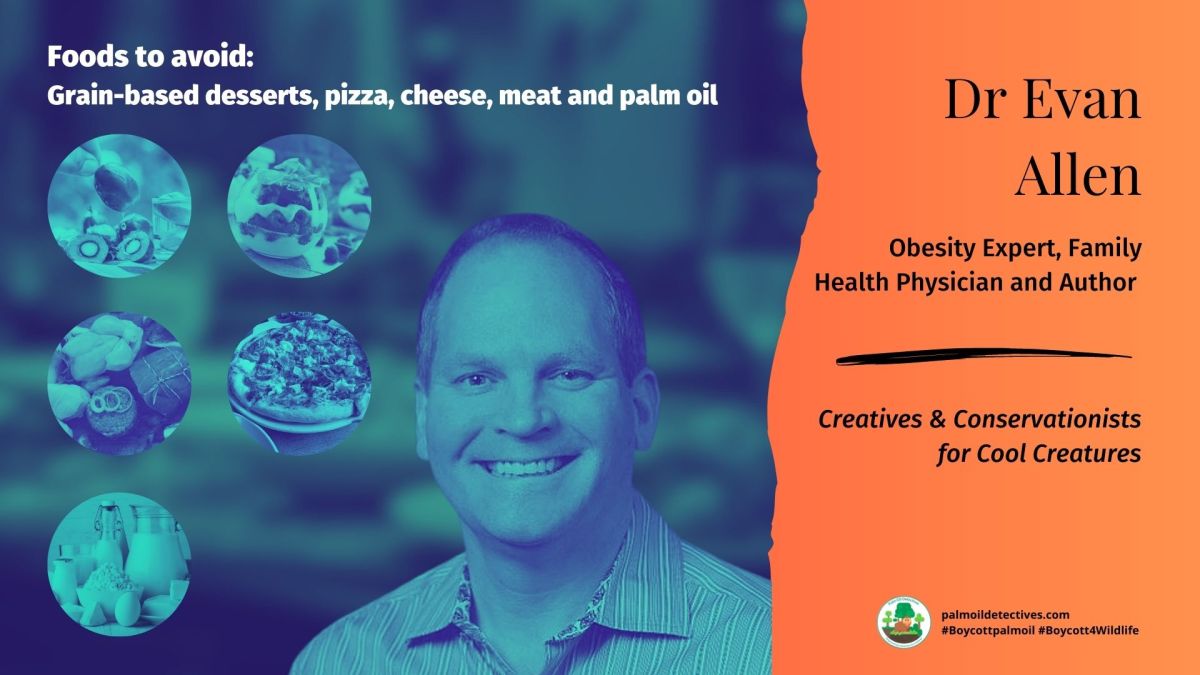
Health Physician Dr Evan Allen

The World’s Most Loved Cup: A Social, Ethical & Environmental History of Coffee by Aviary Doert

How do we stop the world’s ecosystems from going into a death spiral? A #SteadyState Economy
3. Supermarket sleuthing: Next time you’re in the supermarket, take photos of products containing palm oil. Share these to social media along with the hashtags to call out the greenwashing and ecocide of the brands who use palm oil. You can also take photos of palm oil free products and congratulate brands when they go palm oil free.
https://twitter.com/CuriousApe4/status/1526136783557529600?s=20
https://twitter.com/PhillDixon1/status/1749010345555788144?s=20
https://twitter.com/mugabe139/status/1678027567977078784?s=20
4. Take to the streets: Get in touch with Palm Oil Detectives to find out more.
5. Donate: Make a one-off or monthly donation to Palm Oil Detectives as a way of saying thank you and to help pay for ongoing running costs of the website and social media campaigns. Donate here
Pledge your support#AfricanElephant #AfricanForestElephantLoxodontaCyclotis #animalBehaviour #AnimalBiodiversityNews #animalCommunication #animalIntelligence #Bantrophyhunting #BorneanPygmyElephantElephasMaximusBorneensis #Boycott4wildlife #BoycottPalmOil #cognition #elephants #Mammal #research #study #SumatranElephantElephasMaximusSumatranus #WorldElephantDay
Laughs, Cries and Deception: The Complex Lives of Birds
#Birds can certainly get very angry – and the owner of a galah or corella would be well advised not to get near this bird when the head feathers are raised — but birds can be joyful and playful, can get depressed and, as studies have shown, a neglectful or bare environment can even make them pessimistic.
Birds may feel for others (have empathy) and even console them, may have a sense of justice, may show deep affection for their partner and grieve for their loss. I witnessed the mate of a fatally injured tawny frogmouth not moving from the spot next to their dead partner for three days, and then dying on the fourth. 🌴🩸🧐 Be #vegan for them! ❌ #BoycottPalmOil #Boycott4Wildlife
#Parrot #cockatoo lovers will tell you, #birds 🦤🦃🦜🪿🦆🕊️ get angry, feel empathy, have a deep sense of justice and affection for their partners #Bird #intelligence 🌴🩸🧐 Be #vegan for them! ❌#Boycott4Wildlife @palmoildetect https://palmoildetectives.com/2021/10/20/laughs-cries-and-deception-birds-emotional-lives-are-just-as-complicated-as-ours/
Share to BlueSkyShare to TwitterJuly on the Northern Tableland, near Armidale in New South Wales, is usually the beginning of the breeding season and field observations start early.
I sat and watched in freezing temperatures. The sun was just rising above the horizon of this 1000m-high plateau when through binoculars I saw a young lone magpie, walking gingerly, literally tip-toeing, occasionally interrupted by little bouts of running and, unusually, heading straight for its territorial boundary.
In the last stretch to the border, the bird edged along a row of pine trees, staying low, and kept looking over its shoulder, especially when crossing the neighbour’s border. Shortly afterwards, a female was seen in his company.
Later, the male backtracked and, when far enough into his own territory, started foraging rather aimlessly as if nothing had happened.
What had I witnessed? Did this young male magpie understand that he was breaking several important magpie social rules and could face punishment for this transgression if caught? Did he have a sense of morality?
Science has traditionally shunned the idea of emotions in animals, not just for fear of anthropomorphism or over-interpretation, but also because there is a very long cultural history that played out a divide between mind and body and reason and emotions.
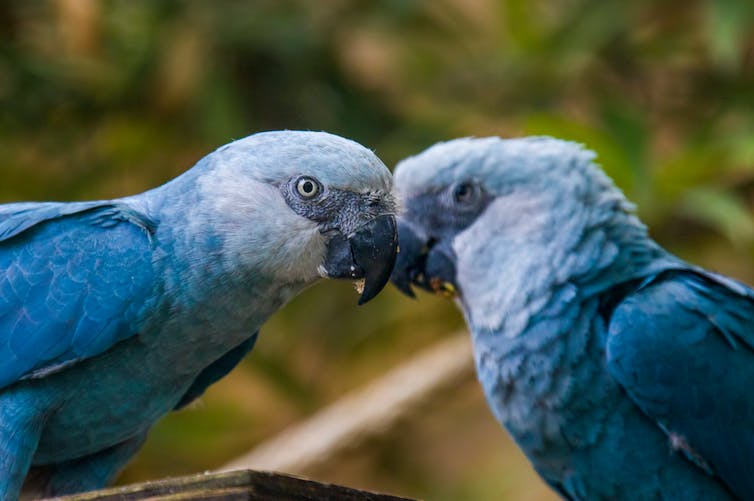
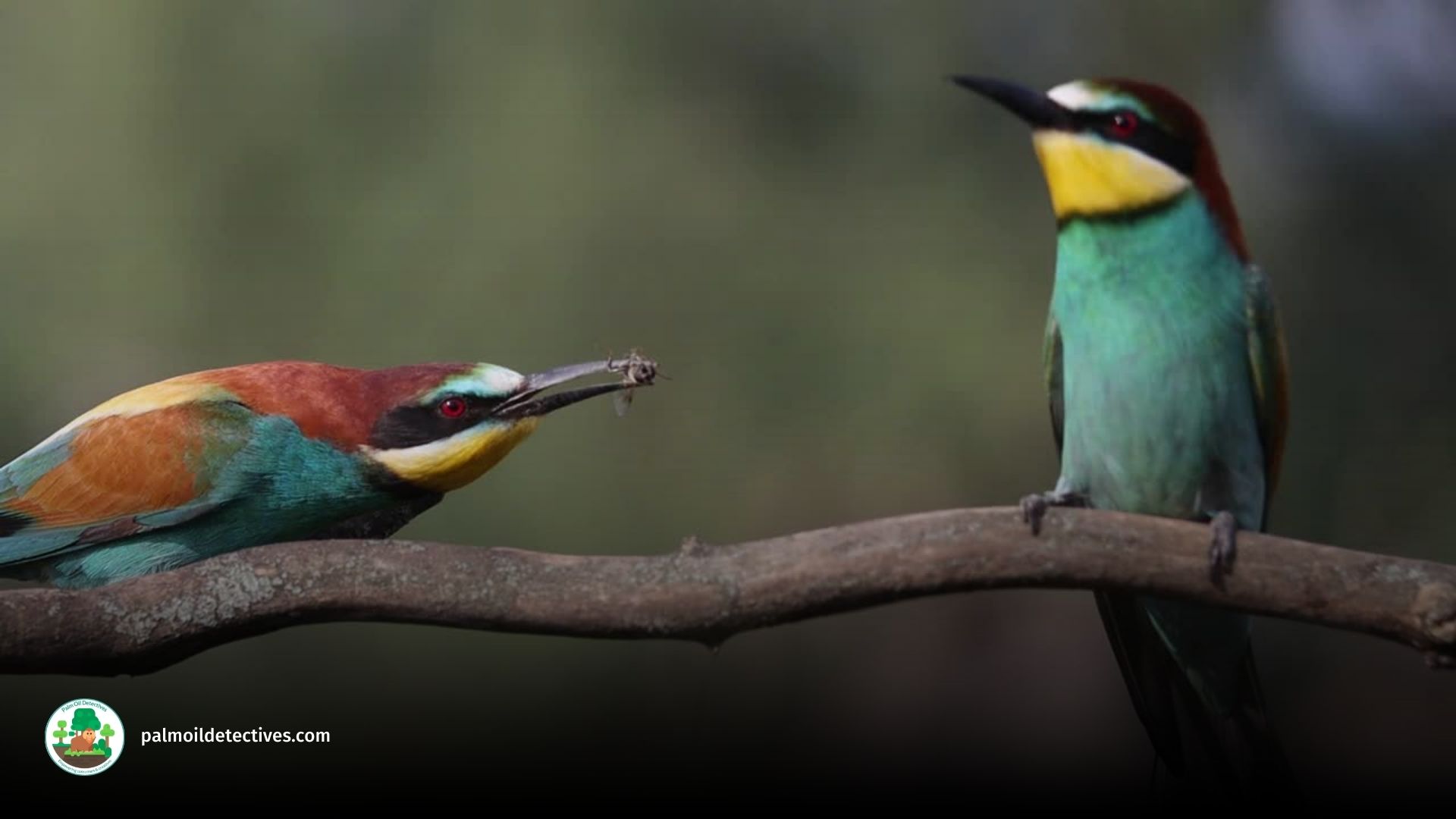

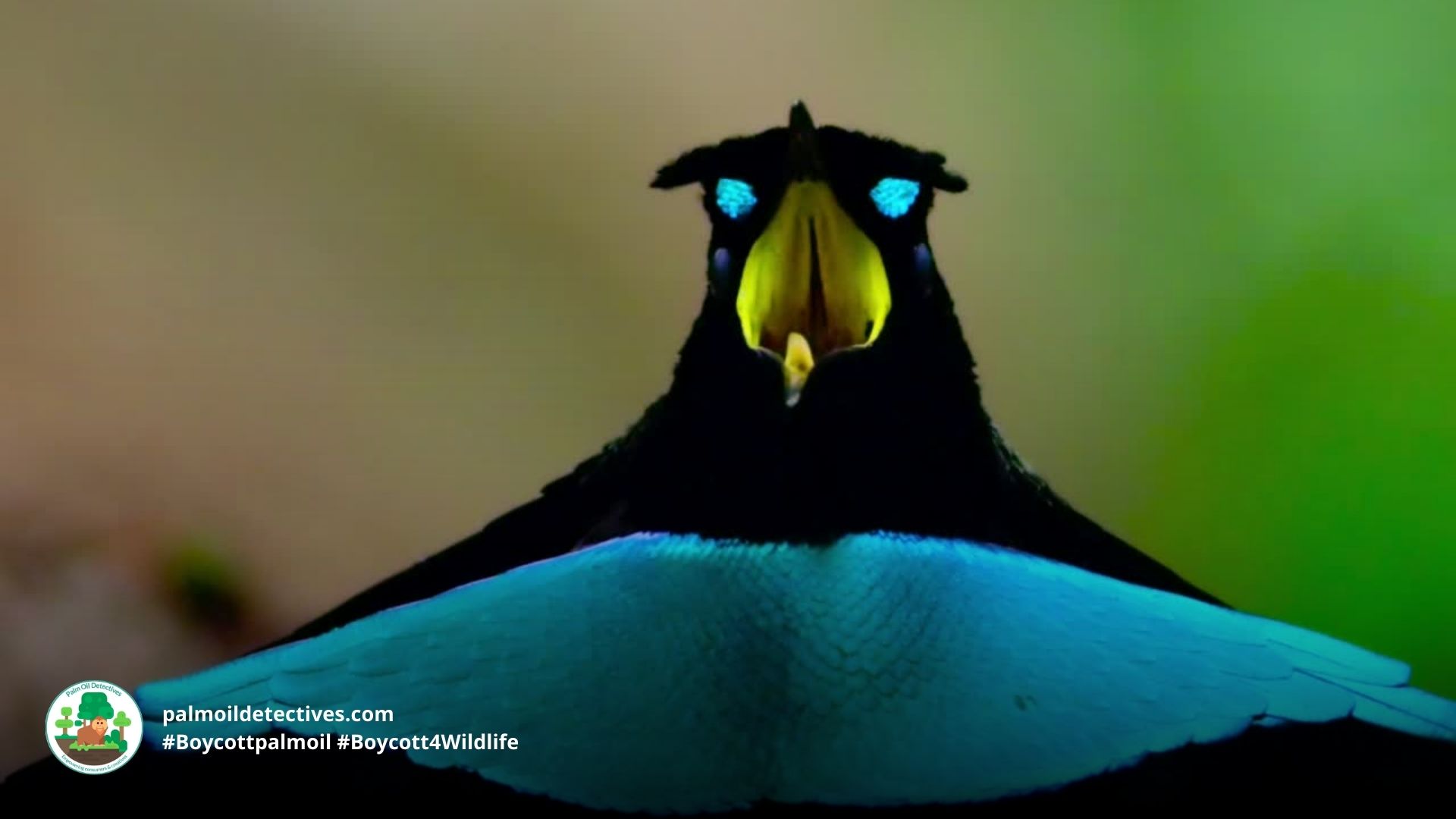

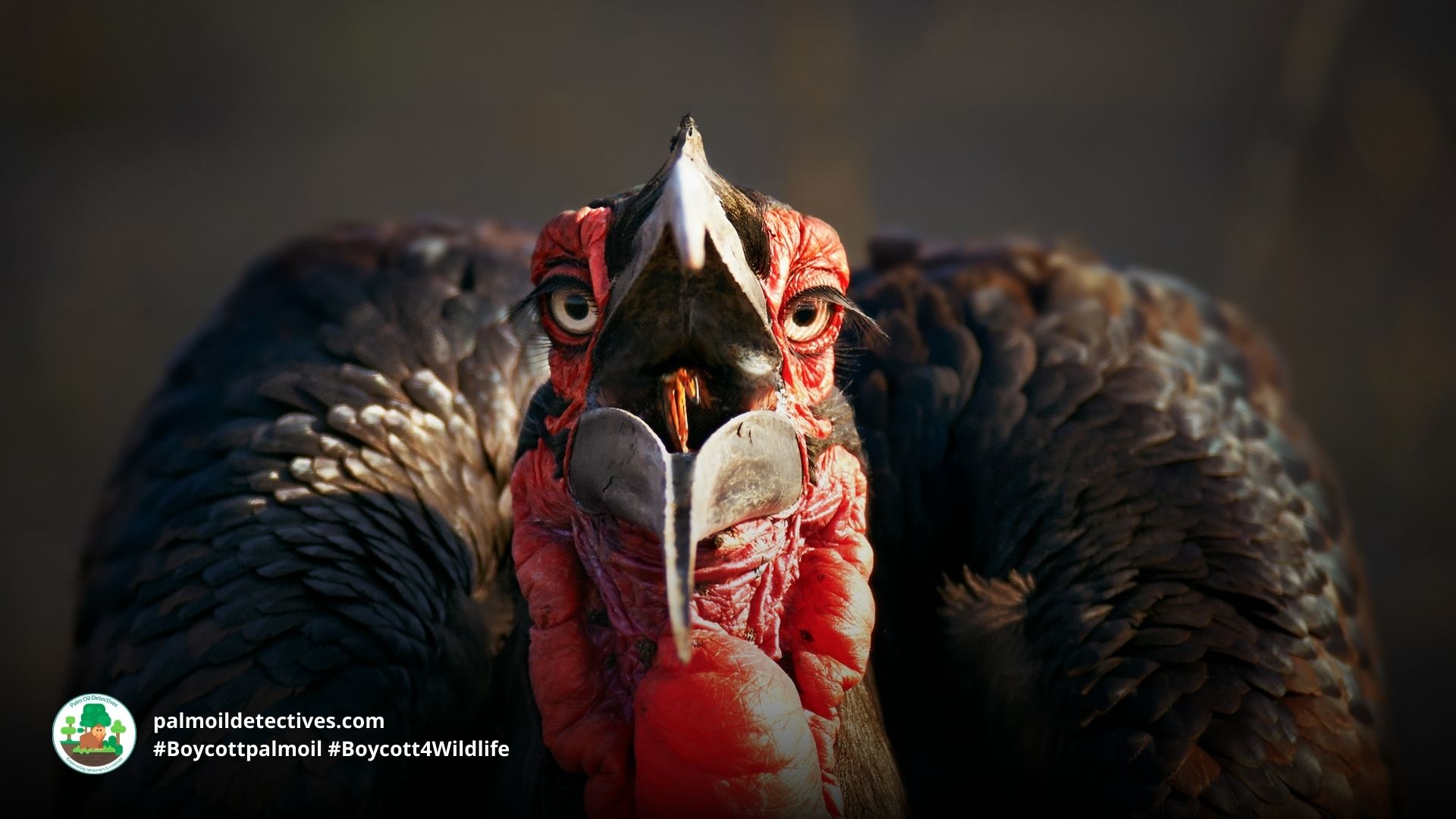
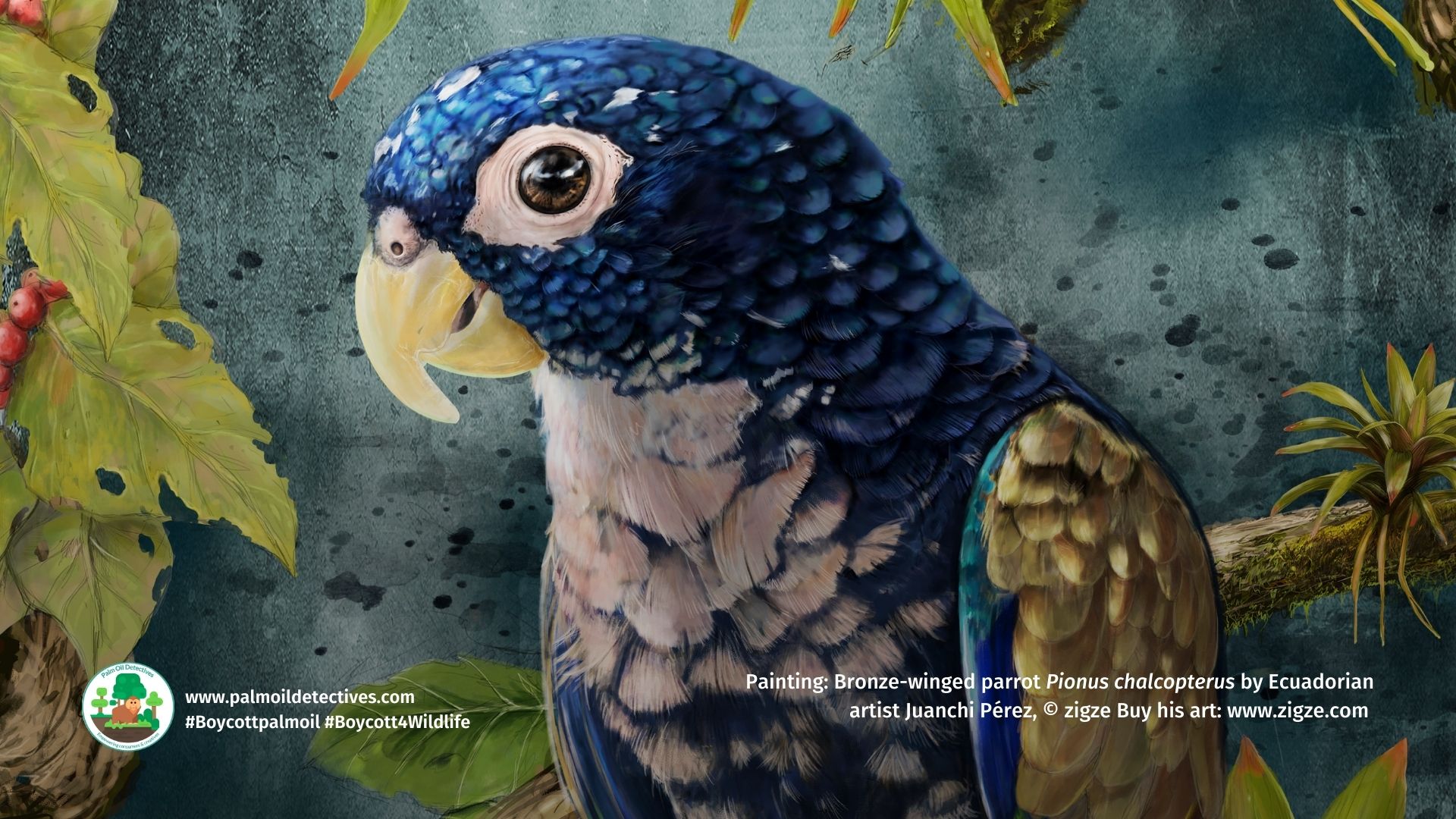

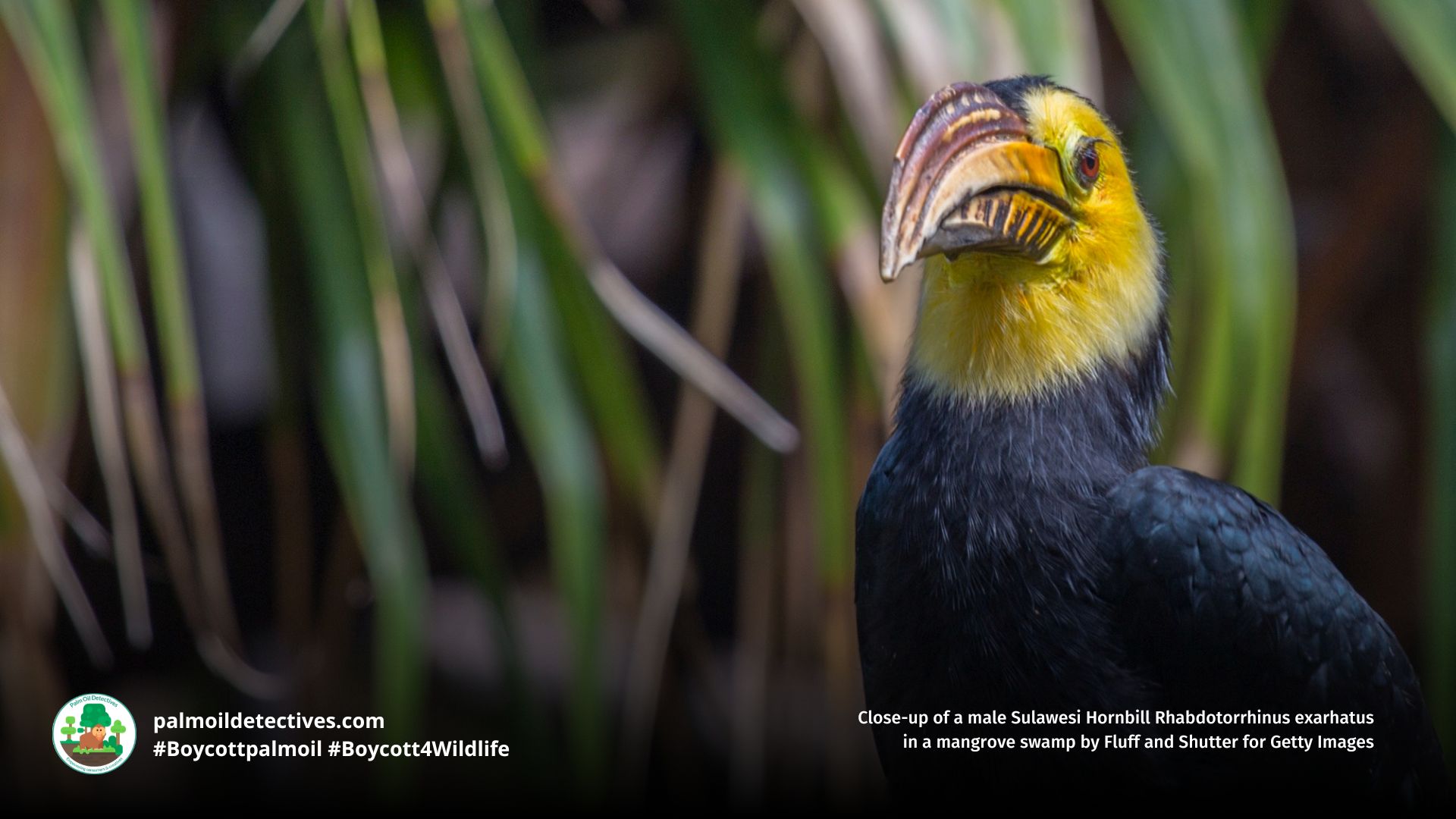
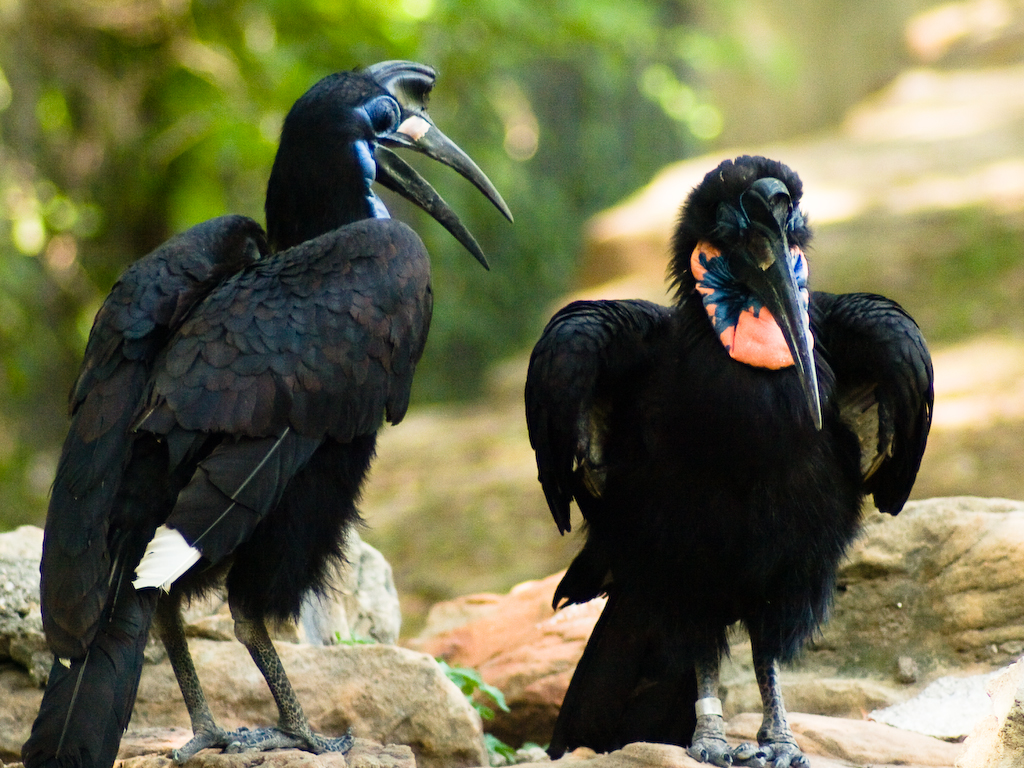
Reason, thinking and making judgements were stubbornly thought to be outside the capacity of animals. For a long time it was not believed that animals were even capable of feeling pain, let alone complex emotions. We now know that is far from the truth.
Birds with feelings
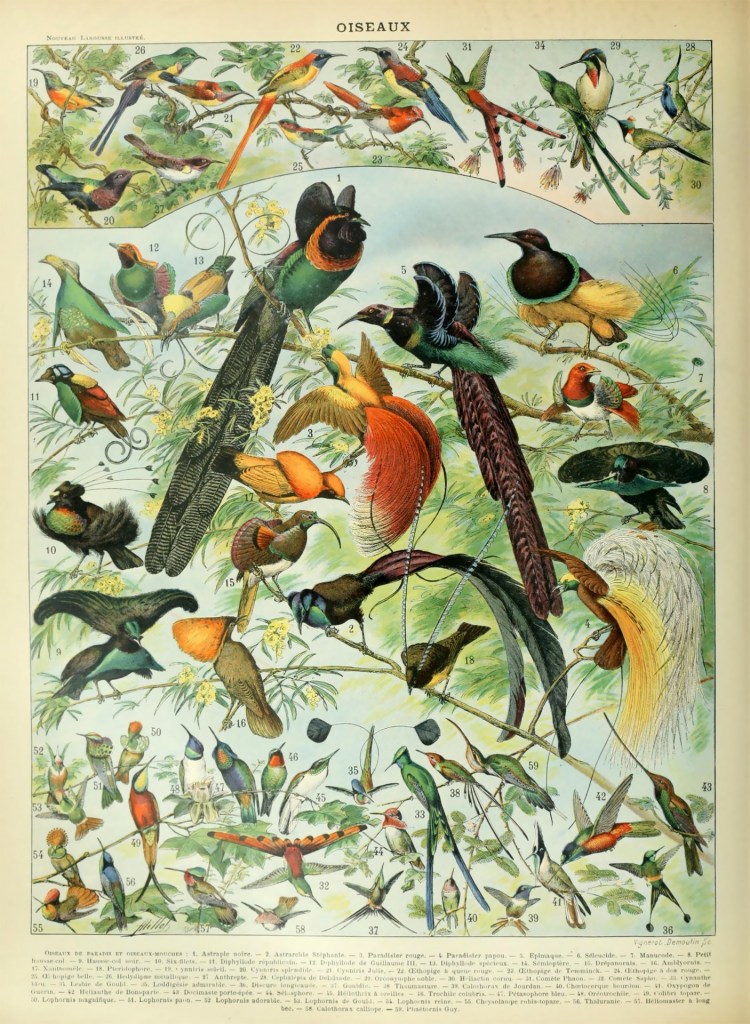
Pet owners have always known that their pets can be affectionate, sulky, jealous, sad, excited and deliberately naughty, as well as doing extraordinary things for their owners. The animals we know best in this regard are obviously dogs and cats.
Charles Darwin was the first to discuss emotions in animals in the mid-19th century. A century later, Niko Tinbergen addressed the vexing question of emotions.
Following on from Darwin, he identified “four Fs” as part of survival: fight, flee, fornicate and feed. These translate into basic feelings of fear, hunger and sexual drive – now called motivational states.
 Tawny frogmouths are monogamous. cskk/Flickr, CC BY-NC-ND
But there is a lot more to bird emotions. Dangerous and horrible experiences are usually remembered. Memory helps survival. Modern urban birds have been shown to remember faces of people considered dangerous and threatening.
We now know that the bird brain is lateralised (each side of the brain controls a different set of functions) as in humans and other vertebrates. The right hemisphere expresses intense emotions (such as fear and attack). The left hemisphere has routine, considered responses and may inhibit some of the strong responses of the right hemisphere.
So birds are more similar to humans than had ever been thought, but with an important difference: birds are generally not aggressive without cause. Technically, aggression is an emotion that is dysfunctional, has no purpose and often even harms the individual displaying it.
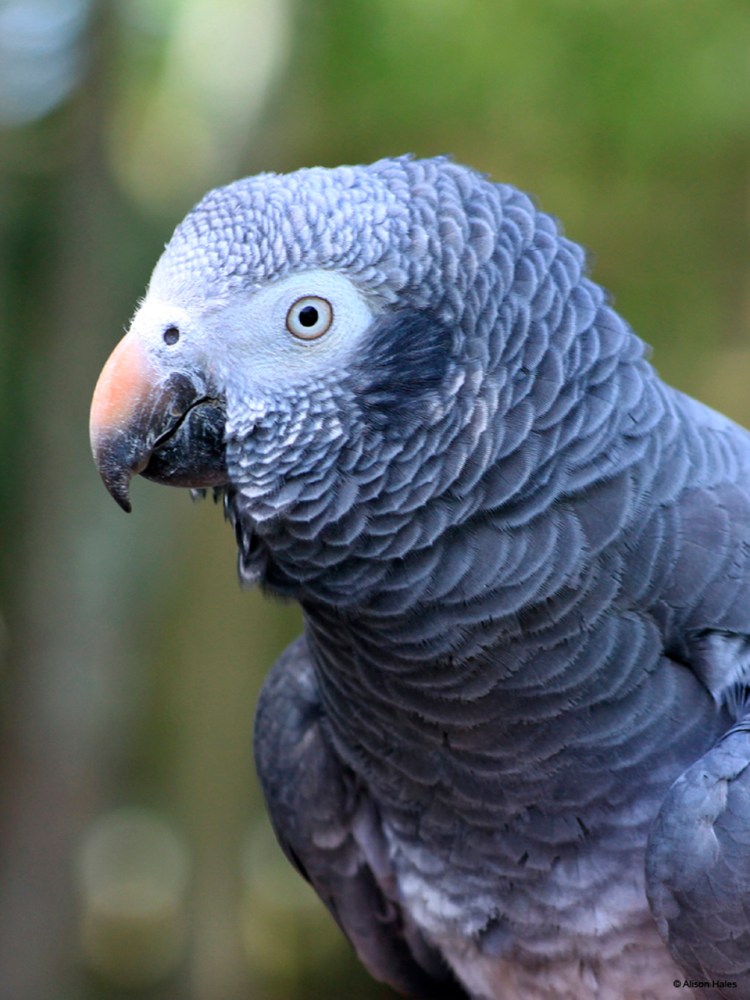 Timneh Parrot Psittacus timneh
Birds can certainly get very angry – and the owner of a galah or corella would be well advised not to get near this bird when the head feathers are raised — but birds can be joyful and playful, can get depressed and, as studies have shown, a neglectful or bare environment can even make them pessimistic.
Birds may feel for others (have empathy) and even console them, may have a sense of justice, may show deep affection for their partner and grieve for their loss. I witnessed the mate of a fatally injured tawny frogmouth not moving from the spot next to its dead partner for three days, and then dying on the fourth.
Social smarts
Australian native birds have an unusually high percentage of pair-bonding (over 90% of species) and the highest concentrations of cooperative species (relatives or siblings helping at the nest) anywhere in the world. Cockatoos bonding for life often have intense close partnerships, which are nurtured by constant grooming and attention to each other’s needs.
Such intense cohabitation of individuals, often for many years (how about 60 years of “marriage” in sulphur-crested cockatoos?), may also create frictions and dissatisfactions that require solutions to keep the pair or group together.
For instance, the lazy helper at the nest who only pretends to help in feeding, as happens among white-winged choughs, may get scolded by an adult. A group of apostlebirds building a mud nest together, transporting mud to the nest in relays, may spot an individual that is not pulling its weight.
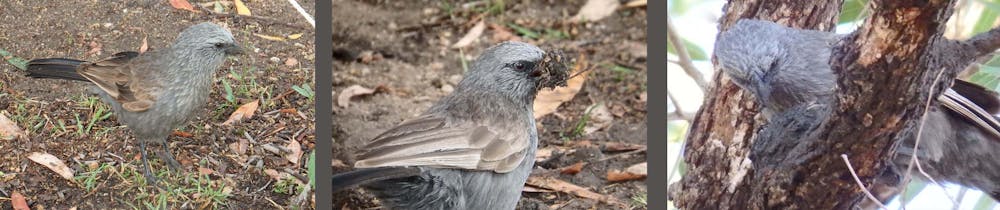 Apostlebirds breed in families, and all are expected to pull their weight. Gisela Kaplan, Author provided
I have witnessed on several occasions near Copeton Dam (in Inverell, NSW) apostlebirds become so outraged that they approach the individual with heightened calling and may even peck it until the intimidated individual falls back into line and does its share.
Empathy, altruism and consoling the injured or vanquished have all been observed in birds, thought to be the ultimate in consideration for another individual’s state of mind.
For instance, there are observations of dusky wood-swallows (belonging to the same family of birds as butcherbirds and magpies) in Western Australia’s Wheatbelt hassling a restless flycatcher with a larva in his beak, perched on a branch. One wood-swallow flew above the flycatcher, while the other simultaneously flew directly at it, snatched the larva from its beak while it was distracted by the other bird hovering overhead, and took it away. So who got the prize?
If all behaviour in animals is selfish, then the one who caught it should have gulped it down, but it did not. It gave it to the bird that had distracted the flycatcher. Perhaps the two birds reversed roles in the next, similar, situation. But it still meant overcoming the temptation to eat.
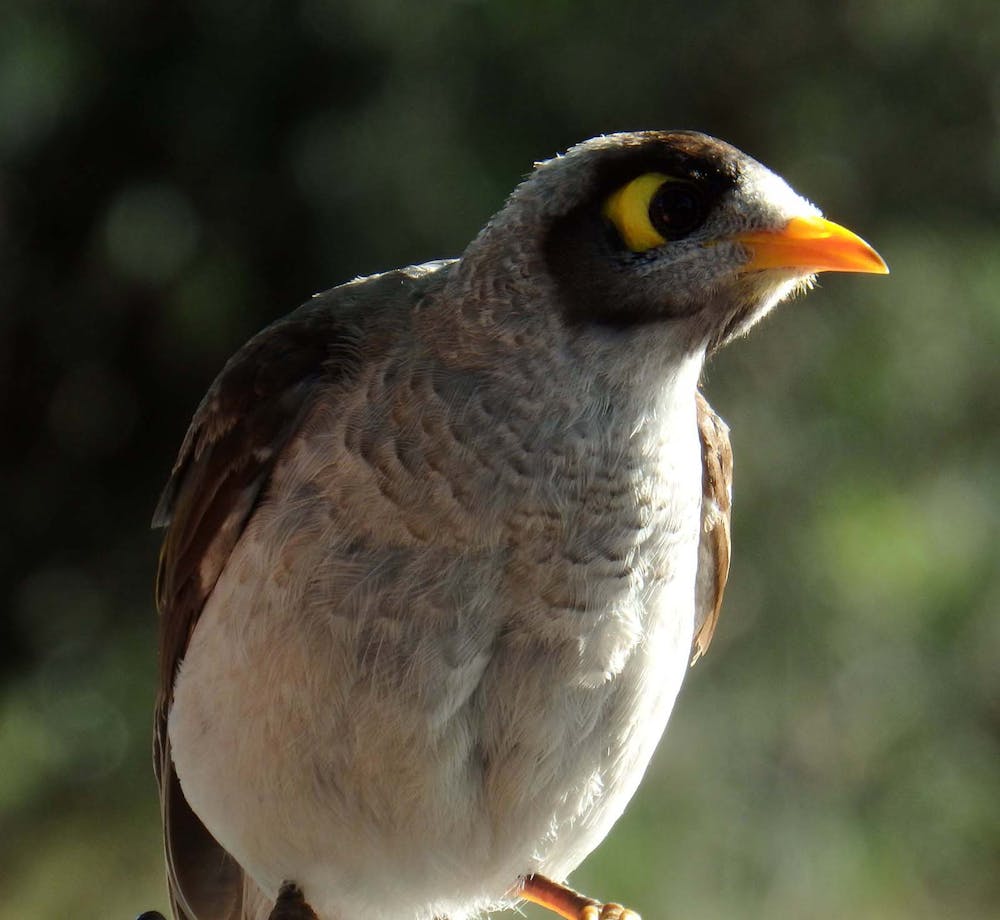 The noisy miner who defended a puppy. Gisela Kaplan, Author provided
A noisy miner, one of the cooperative honeyeaters, I had hand-raised grew up over several weeks in the company of very young ridgeback pups near the edge of a nature reserve in a NSW coastal area.
One pup was sleeping on the porch in the sun and I was some distance away. I was alerted by the alarm calls of the noisy miner and turned around to see it swooping right down to a lace monitor’s head – doing so over and over again. I ran as quickly as I could, by now also shouting once the risk to the pup was more than apparent.
When the monitor spotted me, it turned and fled. The noisy minor had risked its life to save the pup. At no other occasion did the bird attempt to swoop a lace monitor. Its response was very specific to this situation.
And, as I have been asked often, could birds have a sense of humour? Perhaps.
Our gallah, Philip, deeply affectionate (and jealous!) had learned the names of all our dogs and was such a good mimic of our voices that he could easily and effectively call the dogs to attention.
Imagine the picture: a bird less than a foot tall, standing on the floor and calling four massive Rhodesian ridgebacks to attention. Then, when he got them all in line in front of him, he walked away, swaying his head and even making little chuckling sounds.
The degree to which emotions and complex feelings for others were developed may well depend on social organisation. It may be that birds with long-term social bonds show more complex behaviour and brains than those whose associations are only fleeting.
What they get out of it is perhaps not debatable — more joy, more grief, but also a greater degree of safety and usually a longer life. There are clear benefits of sticking together in a difficult and fickle continent.
Gisela Kaplan, Professor of Animal Behaviour, University of New England This article is republished from The Conversation under a Creative Commons license. Read the original article.
#animalBehaviour #animalBiodiversityNews #animalExtinction #animals #bird #birdOfPrey #birds #birdsong #blueBirdOfParadiseParadisornisRudolphi #blueEyedCockatooCacatuaOphthalmica #borneanPeacockPheasantPolyplectronSchleiermacheri #boycott4wildlife #boycottpalmoil #cockatoo #cognition #goldiesBirdOfParadiseParadisaeaDecora #intelligence #parrot #songbird #songbirds #sumatranLeafbirdChloropsisMedia #vegan