More protein and good for the planet: 9 reasons we should be eating microalgae

As the climate change advances and deforestation continues at pace, the land we use for growing energy-intensive crops such as wheat corn, soy and palm oil is becoming less productive. We need to find ways to feed the earth’s growing population that isn’t so burdensome on the environment.

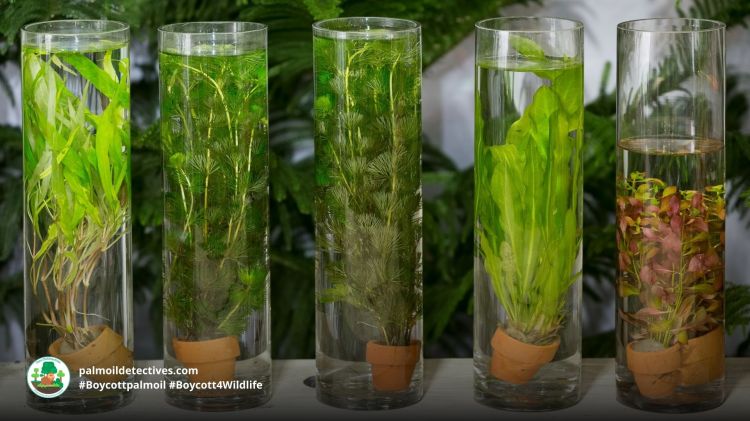
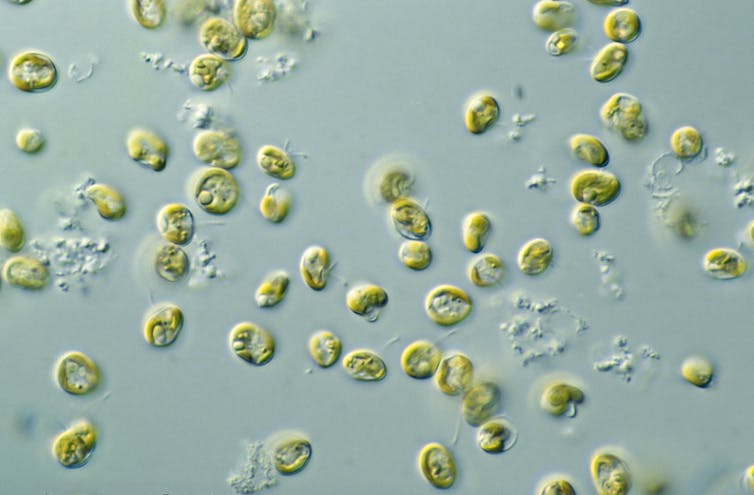
One potential solution is to cultivate microalgae – microscopic aquatic organisms that are packed with nutrients. Microalgae are single-celled organisms that look like tiny pills and taste a bit like grass.

#Research: Using #algae 🌱🥬 as a replacement for #palmoil has many benefits. It can be grown in wastewater all year round, is #crueltyfree, #vegan and has more protein than other plant-based foods 🤯💚 #Boycottpalmoil #Boycott4Wildlife @palmoildetect https://palmoildetectives.com/2022/04/10/more-protein-and-good-for-the-planet-9-reasons-we-should-be-eating-microalgae/

Share to BlueSkyShare to Twitter

They are relatively easy to cultivate and have several advantages over animal and plant protein.

1. Less environmental impact

Algae don’t require pesticides to sustain their productivity. Algae can also be grown in wastewaters (water that has been used in the home or in some industrial process), taking up nutrients and other dissolved substances into their biomass. This results in fewer contaminants being released into the environment and less pollution in our waterways.
CSIRO

2. It can be grown year-round

High growth and reproduction rates mean microalgae can double their biomass in as little as one to three days, depending on the time of the year. While their growth rate is slower in winter, they are not limited to a growing season, such as plants, or a long maturation period, such as animals.

This means microalgae produce more biomass on a given area of land per year, than animals or plants.

High growth rates also mean frequent harvesting. This makes microalgal cultures more resilient to sudden or extreme weather events, where production losses may be only several days of growth rather than the entire annual crop.
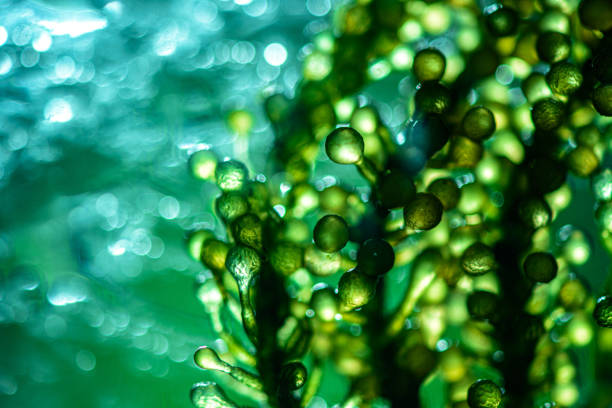
More protein and good for the planet: 9 reasons we should be eating microalgaeMore protein and good for the planet: 9 reasons we should be eating microalgae

3. It has more protein

Algae produce more protein than plant-based foods, including soybean and pulse legumes. While algae produce 3.5-13 tonnes of protein per hectare per year, soybean and pulse legumes produce 0.5-1.8 tonnes of protein per hectare per year.

The higher growth rate of microalgae and ability to produce their own food from the sun, means microalgal protein yields are more than 100 times greater than animal-based proteins, including beef, eggs and dairy (0.01 – 0.23 tonnes per hectare per year).

Microalgal protein yields are much greater than animal-based proteins such as eggs, beef and dairy. Dave Hunt/AAP

4. Farms can be built anywhere

Algae production systems don’t require arable land. They comprise either open ponds or closed vessels with a light source, known as photobioreactors. The systems can be built almost anywhere, including non-productive land or in the sea.

Open ponds are shallow (between 10 and 50 cm deep), and the algae culture is gently circulated by a paddlewheel. Closed photobioreactors consist of an array of tubes or flat panels, through which algae is circulated. Both types of production systems can be modified to suit the environment.

5. It doesn’t require fresh water

Thousands of marine and estuarine microalgal species grow best in seawater rather than freshwater. This would reduce our reliance on fresh water for food production.
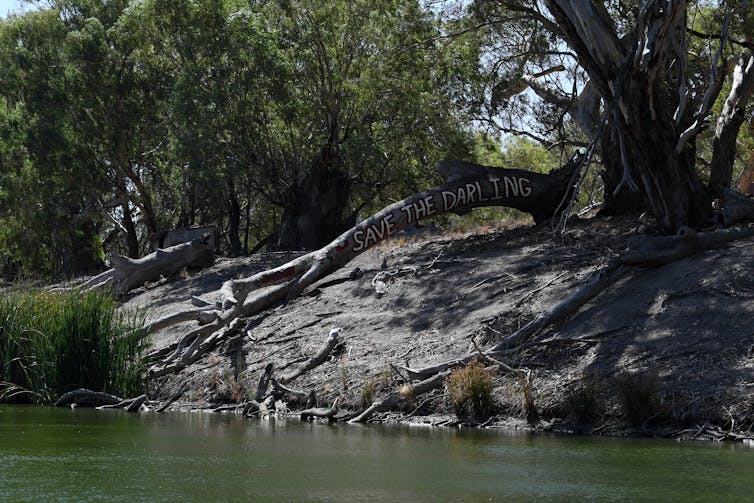
Widespread adoption of microalgae as a food source would reduce pressure on freshwater systems. Dean Lewin/AAP

6. It’s nutritious

Algae have long been recognised for their nutritional properties, forming a vital food source in human diets since as early as 14,000 BC. Over the last few decades, microalgae have been used in vitamin supplements and health food products, including protein bars and powders, green smoothies and Omega-3 capsules.

Microalgae contain proteins, fats, carbohydrates and other nutritional components that have wide potential application in the food industry. For example, algae have a broad array of amino acids that support human growth and development; some are comparable with the levels in egg, soy and wheat protein.

To date, microalgae have successfully been incorporated into a range of edible products to increase their nutritional value, including yoghurts, biscuits, bread and pasta. Manufacturers have been able to swap plant for algal-protein by simply introducing it as a powder into production streams.

Apart from adding nutrients, microalgae have other properties that facilitate their incorporation into foods, including emulsifying, foaming, gelation, and absorption of fat and water.

Using microalgae in emulsions allows for a decrease in the percentage of oil, showing promise for their potential use in low-fat products. When added to desserts as colouring agents, the cell structure in microalgae protects pigments from thermal degradation during processing, enabling foods to maintain their vibrancy.

7. It’s cruelty-free

Algae can be harvested by sedimentation, flotation or filtration, with not an abattoir or live exporter in sight.
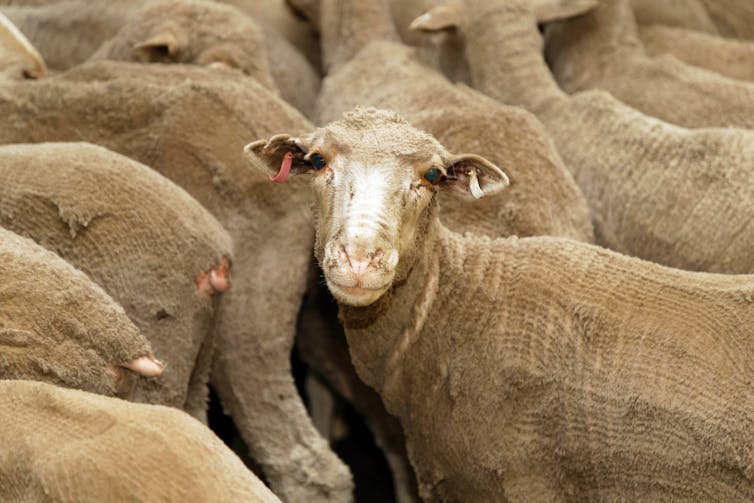
Microalgae as a food source would reduce demand for meat from livestock. TREVOR COLLENS/AAP

8. It can be used in sustainable products

Microalgae are increasingly being used as sustainable components of other products, including cosmetics, nutraceuticals, industrial enzymes and bioplastics, and as a biofuel to replace fossil fuels in niche markets.

Many microalgae have high levels of palmitic acid. This acid is also the principal component of palm oil – a widely used oil in food production which drives mass deforestation and loss of animal habitat. Replacing palm oil with microalgae would reduce reliance on this unsustainable industry.

9. An opportunity for developing regions

The low-tech, basic infrastructure needed for microalgal farming could provide economic opportunities for developing regions. For example, research has shown a number of African nations have suitable land, labor and climatic conditions to grow microalgae as a source of bioenergy.

Where to now?

Microalgae are being produced commercially in Australia, including at Hutt Lagoon in Western Australia, the world’s largest microalgae production plant. There, the alga Dunaliella salina is grown to produce beta-carotene, a food pigment and source of vitamin A.
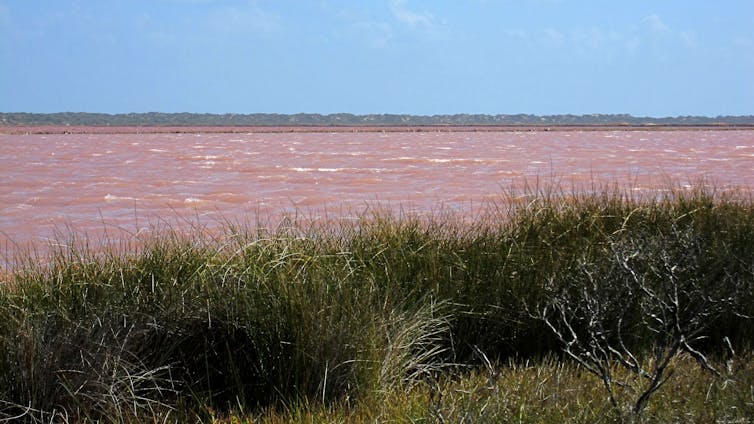
Microalgae is commercially produced at Hutt Lagoon in Western Australia. Wikimedia Commons

Elsewhere in Australia, microalgae is grown to produce Spirulina, which is marketed as a health food. Researchers are developing the use of microalgae further, including as a feed supplement for beef cattle.

But the current range of microalgae products grown in Australia is limited. The nation has a suitable climate and the technology; now it needs growers and manufacturers.

Government support is required to enable the agricultural and manufacturing sectors to create algae-based products – current stimulus spending provides such an opportunity. This would not only create new jobs, but enable Australian businesses to become more resilient into the future.

Martina Doblin, Senior Research Fellow, Plant Functional Biology & Climate Change, University of Technology Sydney; Donna Sutherland, Research Fellow, University of Technology Sydney, and Peter Ralph, University of Technology Sydney

This article is republished from The Conversation under a Creative Commons license. Read the original article.

Learn about other Reasons to Hope

Songbirds Socialise Mid-Flight During Migration
Songbirds Socialise Mid-Flight During Migration

Keep reading

Why Pangolins Are So Special

Why Pangolins Are So Special

Keep reading

Protecting Peru’s Grasslands Vital for Spectacled Bears

Protecting Peru’s Grasslands Vital for Spectacled Bears

Keep reading

Javan Rhinos Not Safe from Poachers

Javan Rhinos Not Safe from Poachers

Keep reading

Beef, Palm Oil and Timber: How Wealthy Nations Fuel Deforestation
Beef, Palm Oil and Timber: How Wealthy Nations Fuel Deforestation

Keep reading

Around 25% of Africa’s Land is Damaged: This is How We Fix It!

Around 25% of Africa’s Land is Damaged: This is How We Fix It!

Keep reading

Load more posts

Something went wrong. Please refresh the page and/or try again.

#algae #biotechnology #BoycottPalmOil #Boycott4wildlife #BoycottPalmOil #conservation #consumerRights #consumerism #crueltyfree #diet #health #PalmOil #palmoil #plantBasedDiet #research #vegan

Land-grabbing for palm oil and the climate crisis


A corporate monopoly for control over land and resources for palm oil must be dismantled immediately to give humanity, animals and our natural world a fighting chance for survival and to reverse the climate crisis. In Asia, many indigenous peoples are now joining forces and rising up to resist this corruption and ecocide. Help them to fight back and #BoycottPalmOil #Boycott4Wildlife


Corporate monopolies 💰🔥👿 drive #landgrabbing for #palmoil. To give #indigenous peoples, animals and #nature a fighting chance, we must resist. “Sustainable” palm oil is #greenwashing! #Boycottpalmoil #Boycott4Wildlife @palmoildetect 🌴🪔🧐🙊⛔️ https://palmoildetectives.com/2022/11/20/land-grabbing-and-the-climate-crisis-are-strongly-linked-to-palm-oil/

Share to BlueSkyShare to Twitter

#Report by @FAO 📜 finds 90% of #deforestation is for BIG-AG by #Cargill, #Wilmar and #SimeDarby. Their monopoly drives #indigenous #landgrabbing for #palmoil 🌴💰 Take action! 🌴🪔💀🤢🚫 #Boycottpalmoil #Boycott4Wildlife @palmoildetect https://palmoildetectives.com/2022/11/20/land-grabbing-and-the-climate-crisis-are-strongly-linked-to-palm-oil/

Share to BlueSkyShare to Twitter

Originally written by Arnold Padilla for Bulatlat.com as ‘Land Monopoly and Climate Crisis: A Look at Asia’. Read the original article. Published November 17, 2022. Arnold Padilla is the coordinator of the Food Sovereignty Program of PAN Asia Pacific (PANAP) and its “No Land, No Life” campaign against land grabbing.

Some closely following the UN Framework Convention on Climate Change (UNFCCC) say that the 27th session of its Conference of the Parties (COP27) puts more attention on food and agriculture than in previous years.

For instance, the International Panel of Experts on Sustainable Food Systems (IPES) noted that the climate gathering in Egypt features four pavilions and about 200 events on food and farming. But these are still outside official negotiations, where states do the actual policymaking and commitments.

No meaningful focus at COP27 on accountability of industrial farming

It is apparent in the discussions that matter in the COP process that there is no meaningful focus on the role and accountability of corporate farming in warming the planet.

The industrial food system (i.e., agriculture and land use/land-use change activities plus supply chain activities like retail, transport, consumption, fuel production, waste management, industrial processes and packaging) contributes about 34% to global greenhouse gas (GHG) emissions, with an estimated environmental cost of US$ 3 trillion annually.

Yet, addressing and reversing the climate impacts of corporate farming through radical food systems transformation is not a priority among the COP27 negotiators.

6 out of 10 of the worst affected countries for climate change are in Asia

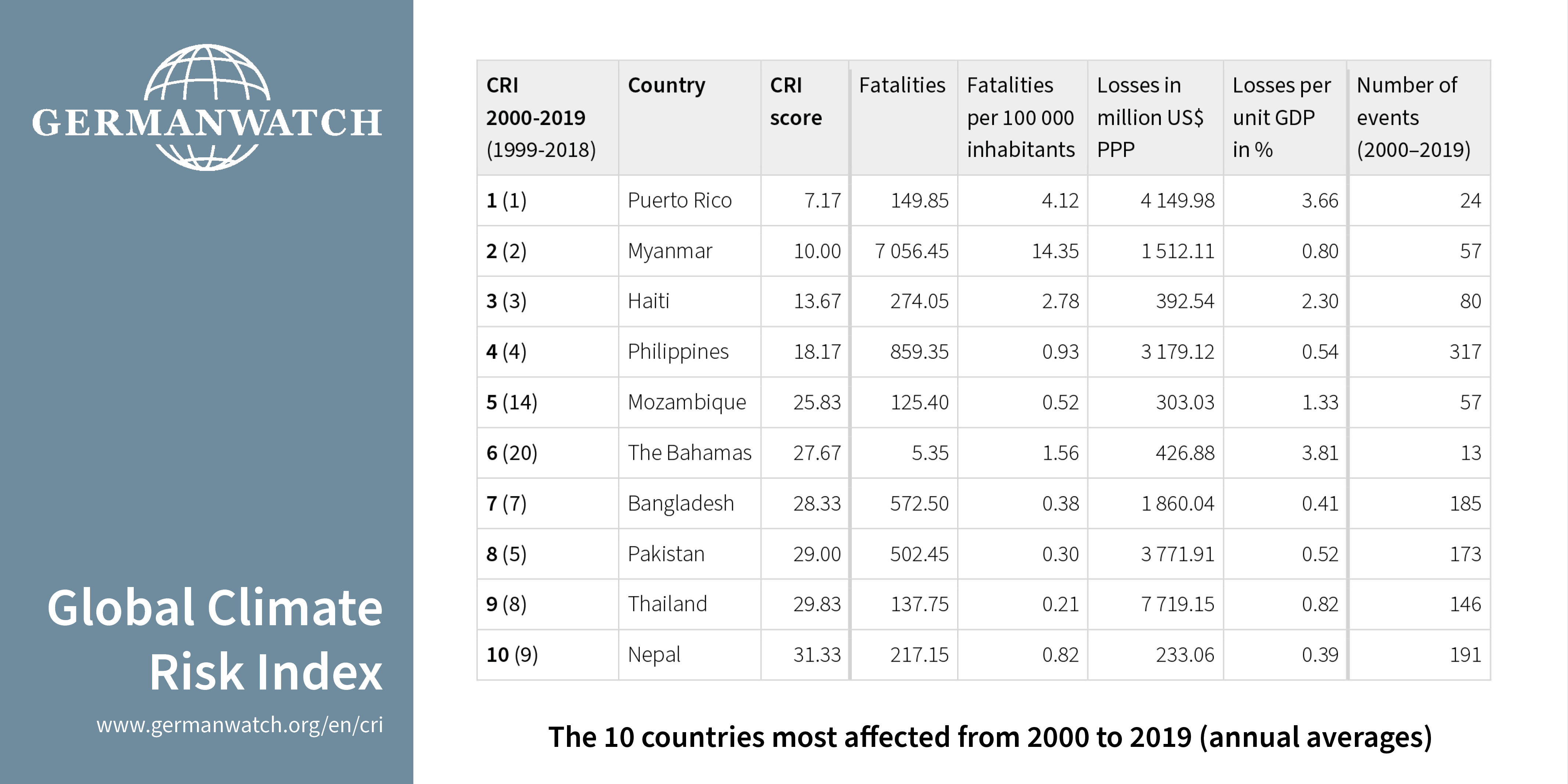
  • For Asia, the urgency of the climate crisis cannot be overemphasised. Six of the ten worst affected countries by climate change in the past two decades are in Asia (i.e., Myanmar, Philippines, Bangladesh, Pakistan, Thailand, and Nepal).
  • This year alone, heavy monsoon rains caused unprecedented flooding in Pakistan, affecting 33 million people and inflicting over US$ 30 billion in damages and economic losses.
  • Consecutive typhoons – Noru and Nalgae – hit the Philippines in the two months leading to COP27.
  • These disasters affected more than four million people, displaced more than 241,000, left more than 150 dead, and caused more than US$50 million in damages to agriculture alone.

Land monopoly: an indispensable requirement of corporate farming

Land monopoly, an indispensable requirement of corporate farming, creates favorable conditions for the climate crisis to persist and worsen. Corporate monoculture plantations, one of the most visible expressions of land monopoly since colonial times, are among the significant contributors to the existential crisis that the world faces today.
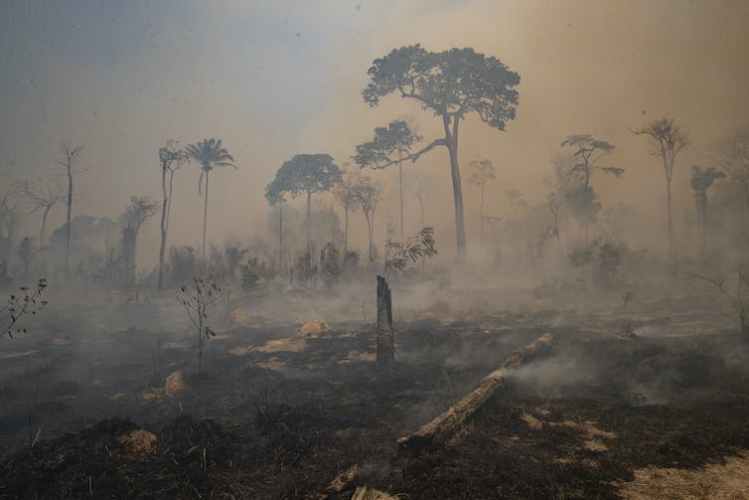
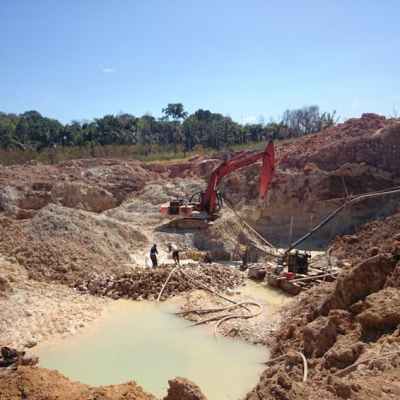
Deforestation in the Amazon is often caused by palm oil, gold mining and meat deforestation.

Food and Agriculture Organisation (FAO): 90% of global deforestation is driven by agriculture

Big agribusiness firms are cutting down massive swathes of forests for conversion into industrial plantations and livestock grazing. The Food and Agriculture Organization (FAO) reported that agricultural expansion drove almost 90 percent of global deforestation in the past two decades.

In Asia, nearly 80 percent of deforestation during the same period is due to conversion into croplands, mainly by corporate plantations, based on the UN body’s study.

Independent studies affirm this, such as the data compiled and analysed by the Land Matrix (a collaboration of civil society, farmers’ groups, and academic research institutions) on large-scale land acquisitions.

These refer to lands in low and middle-income countries acquired by foreign and local investors through purchase, lease or concession for agricultural production, timber extraction, carbon trading, industry, renewable energy production, conservation, and tourism. Their 2021 report noted that 964 land deals caused the deforestation of almost two million hectares between 2000 and 2019.

In East Asia and the Pacific, the Land Matrix reported that about 74 percent of the areas around the locations of land deals were still forested in 2000. By 2019, that number declined to 58 percent, mainly due to oil palm expansions in Malaysia and Indonesia and new agricultural frontiers in Cambodia, China, Laos, and Vietnam.

Clearing forests releases CO2 and contributes to rising temperatures

Clearing the forests releases the carbon dioxide (CO2) they store into the atmosphere, contributing to rising global temperatures.

According to one study, deforestation – which has already claimed 420 million hectares of forests in the last 30 years – can also affect temperatures through its effect on various physical processes of nature. For example, cutting down trees eliminates the forests’ ability to absorb water from the soil and release it into the air as moisture and cool the atmosphere.

Perpetuating plunder

At COP27, the world’s largest transnational food companies led by Cargill, Bunge, and Archer Daniels Midland, among others, launched a roadmap to eliminate deforestation from their supply chains for soy, beef, and palm oil by 2025.

However, these companies, which have already made similar pledges in the past only to fall short, continue to be implicated in the massive destruction of forests, like Cargill in the Amazon.
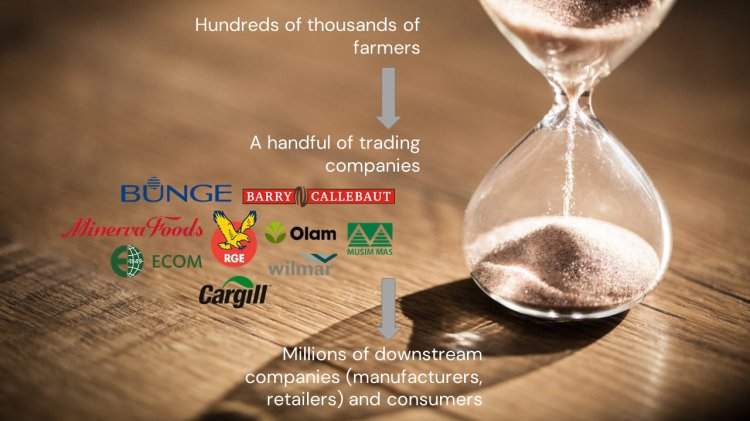
Related: New research: Indirect sourcing of up to 90% of palm oil from Cargill, Wilmar, Musim Mas cannot be traced and is linked to deforestation

research opaque palm oil sourcing 2022Read more: New research: Indirect sourcing of up to 90% of palm oil from Cargill, Wilmar, Musim Mas cannot be traced and is linked to deforestation

Even worse, they use the climate crisis to legitimise and perpetuate resource grabbing, plunder, and land monopoly. One of the supposed climate solutions that big corporations tend to rally around is planting “new forests”.

However, the problem is that these large-scale tree-planting efforts are often a pretext to promote corporate plantations.

Based on another estimate, 45% of oil palm plantations were built in forest areas in Southeast Asia, considered the global hotspot of palm-driven deforestation.

Palm oil is considered the fastest-growing commodity crop worldwide, requiring an ever-expanding mass of arable lands and forests. FAO data shows that the size of land devoted to oil palm plantations in the past four decades ballooned by more than 571 percent – from 4.28 million hectares in 1980 to 28.74 million in 2020.
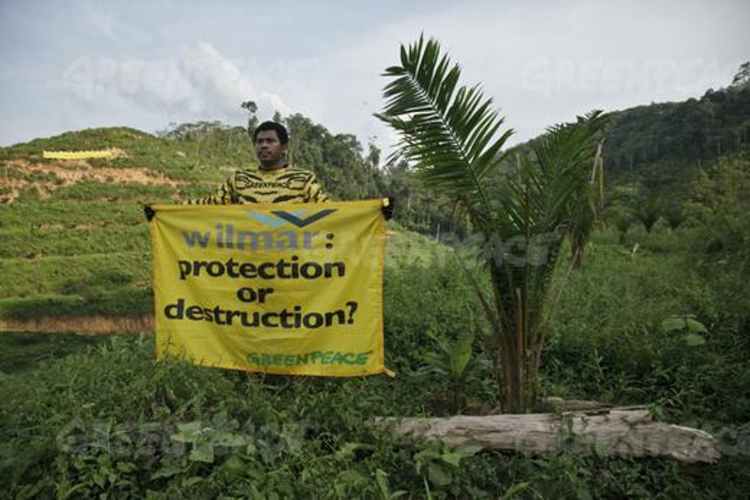
Wilmar responsible for palm oil deforestation despite supposedly using "sustainable" palm oil.Wilmar responsible for palm oil deforestation despite supposedly using “sustainable” palm oil.

Climate justice vs. land monopoly

Corporate plantations – motivated by profits for their investors that include the world’s wealthiest people and largest investment firms from mostly the industrialised countries – produce commodities dictated by the global market’s needs, not by the food security requirements and overall development agenda of mostly the underdeveloped countries and local communities where they are built often in violent ways. These big capitalists and finance oligarchs are oblivious to their operations’ harsh socioeconomic and environmental impacts.
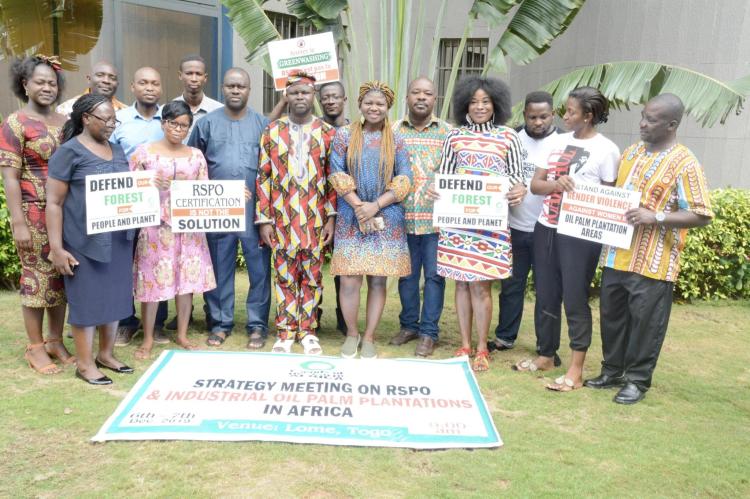
Friends of the Earth Africa- RSPO greenwashing human rights

Aside from degrading or destroying the forests to establish monoculture, export-oriented industrial farms, corporate land monopolies also perpetuate the use of massive amounts of climate-warming fossil fuels by promoting harmful agrochemicals like synthetic fertilizers and pesticides and encouraging long supply chains. It is not a coincidence that as corporate plantations, agrochemicals such as pesticides have also soared by 80 percent in the past three decades.

Agroecological, localised, and diversified food systems offer sustainable and climate-friendly alternatives, as much evidence suggests, but ultimately, decisions on how to use and manage the world’s forests and farmlands for the benefit of the greatest majority without harming the people and planet rest on the question of who effectively controls these resources.

From colonialism to modern imperialism today, such control has been taken away from the indigenous and peasant communities, grabbed and monopolised by and for commercial interests.

The people rising for climate justice necessitates the struggle to dismantle this corporate monopoly control over land and resources and give humanity a fighting chance to survive and reverse the climate crisis.

Read more stories about human rights and land-grabbing in the palm oil industry and other extractive industries

Pictured: Mushrooms on the forest floor by Wooter Penning for Pexels
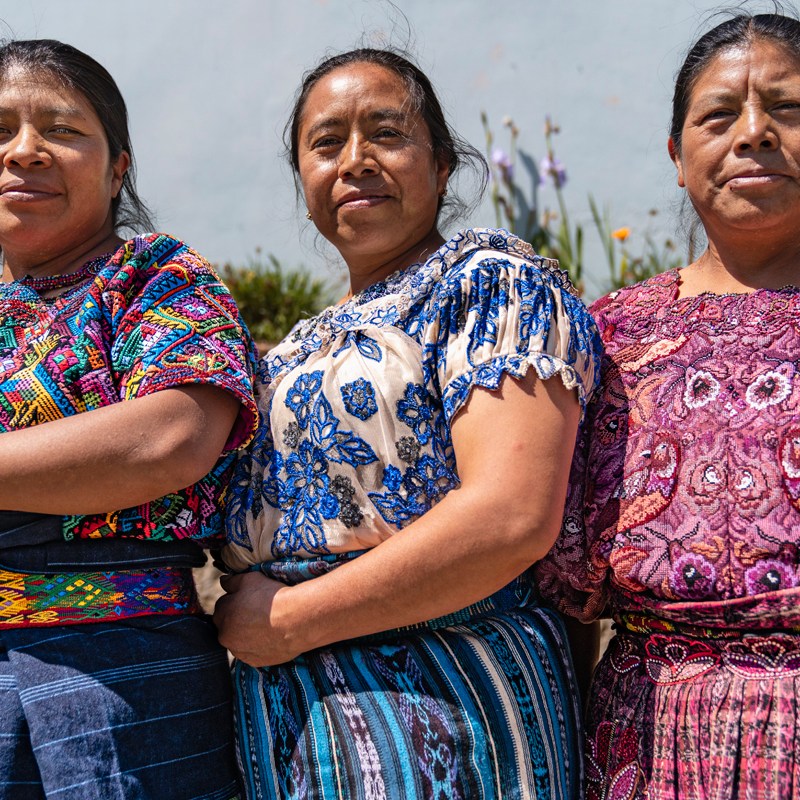
Indigenous Peoples Fight Climate Change
Boycott

Indigenous Peoples Fight Climate Change

Read more

SOCFIN’s African Empire of Colonial Oppression: Billionaires Profit from Palm Oil and Rubber Exploitation
Boycott

SOCFIN’s African Empire of Colonial Oppression: Billionaires Profit from Palm Oil and Rubber Exploitation

Read more

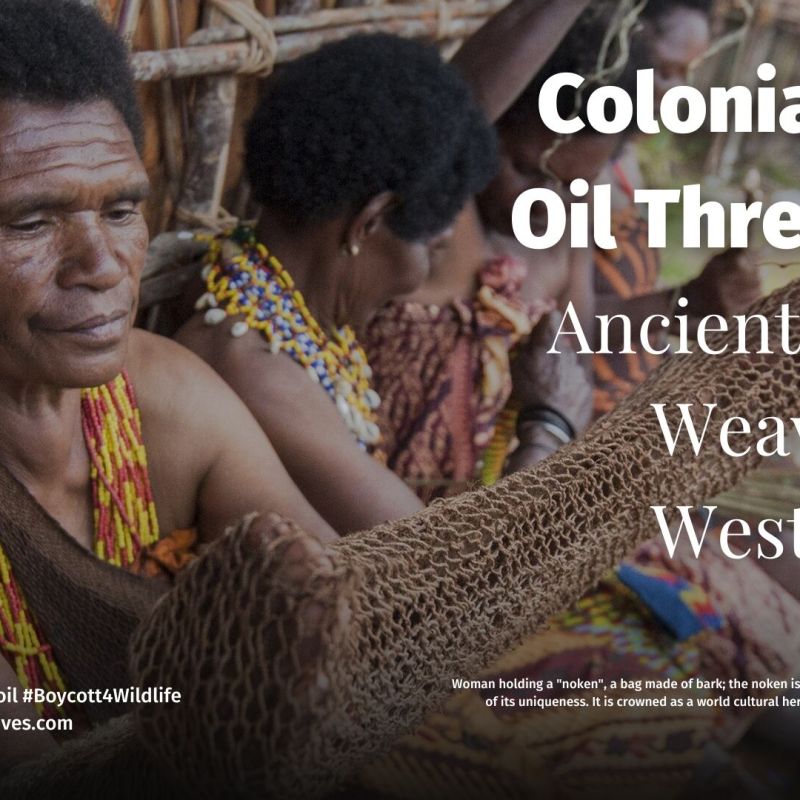
Palm Oil Threatens Ancient Noken Weaving in West Papua

Boycott

Palm Oil Threatens Ancient Noken Weaving in West Papua

Read more

Family Ties Expose Deforestation and Rights Violations in Indonesian Palm Oil

Boycott

Family Ties Expose Deforestation and Rights Violations in Indonesian Palm Oil

Read more

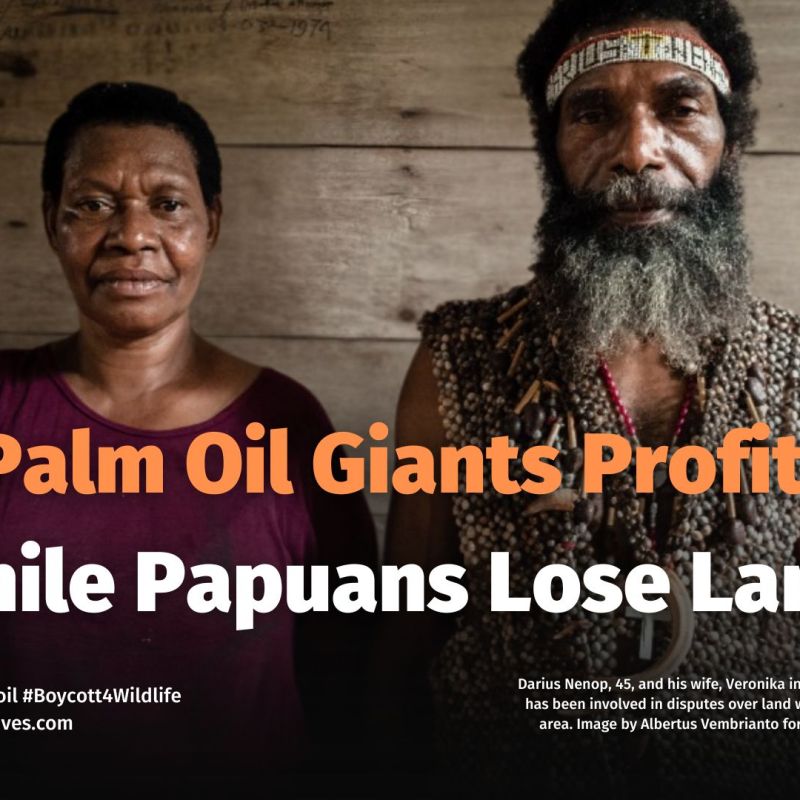
West Papuan Indigenous Women Fight Land Seizures
Boycott

West Papuan Indigenous Women Fight Land Seizures

Read more

Greasing the Wheels of Colonialism: Palm Oil Industry in West Papua 
Boycott

Greasing the Wheels of Colonialism: Palm Oil Industry in West Papua 

Read more

Palm Oil Practices Resemble Colonial Exploitation
Boycott

Palm Oil Practices Resemble Colonial Exploitation

Read more

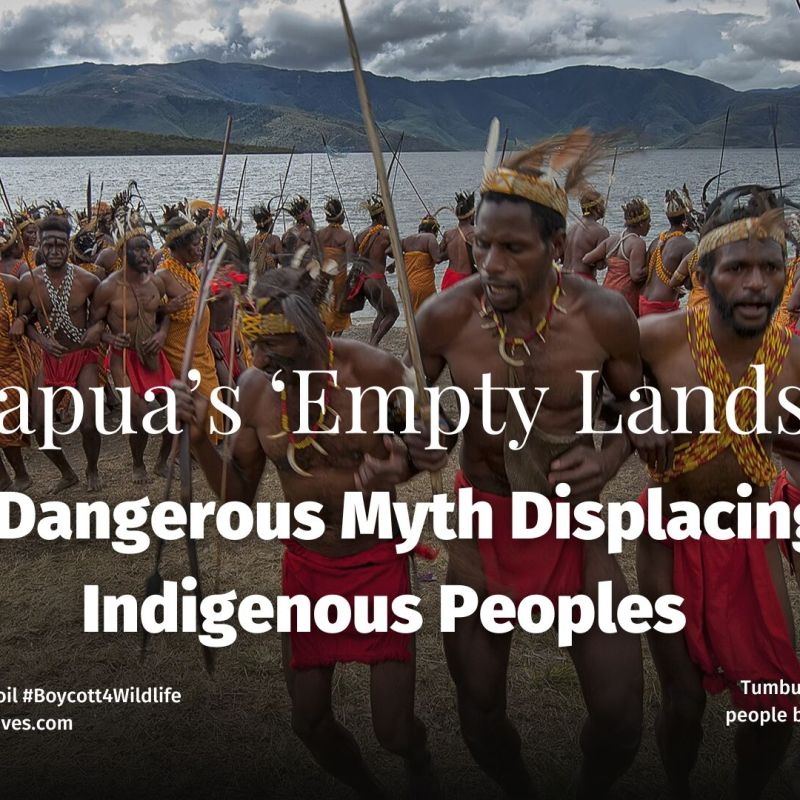
Papua’s ‘Empty Lands’: A Dangerous Myth Displacing Indigenous Peoples
Boycott

Papua’s ‘Empty Lands’: A Dangerous Myth Displacing Indigenous Peoples

Read more

Indigenous Empowerment to Reverse Amazonia’s Mineral Demand

Boycott

Indigenous Empowerment to Reverse Amazonia’s Mineral Demand

Read more

Load more posts

Something went wrong. Please refresh the page and/or try again.
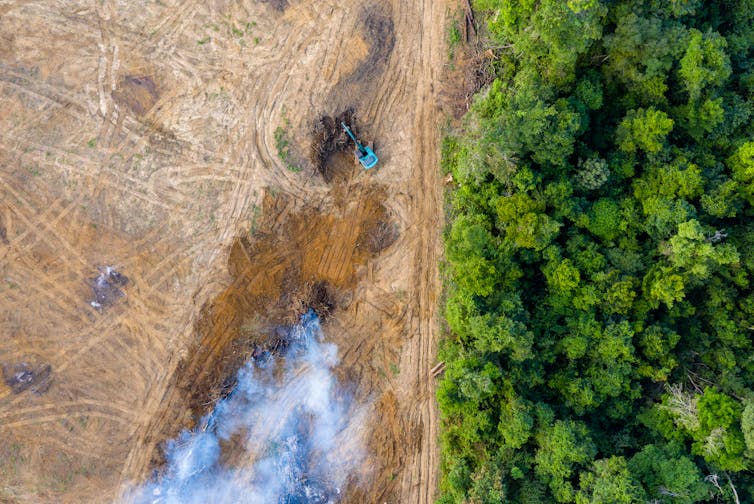
An aerial view of a burning deforested piece of land next to a strip of rainforestForests are still being bulldozed to make way for agricultural land for palm oil and beef production. Richard Whitcombe/Shutterstock

Written by Arnold Padilla for Bulatlat.com as ‘Land Monopoly and Climate Crisis: A Look at Asia’. Read the original article. Published November 17, 2022. Arnold Padilla is the coordinator of the Food Sovereignty Program of PAN Asia Pacific (PANAP) and its “No Land, No Life” campaign against land grabbing.

ENDS


Here are some other ways you can help by using your wallet as a weapon and joining the #Boycott4Wildlife

What is greenwashing?

What is greenwashing?

Read more

Why join the #Boycott4Wildlife?

Why join the #Boycott4Wildlife?

Read more

Greenwashing Tactic #4: Fake Labels

Greenwashing Tactic #4: Fake Labels

Read more

The Counterpunch: Consumer Solutions To Fight Extinction

The Counterpunch: Consumer Solutions To Fight Extinction

Read more

Contribute to my Ko-Fi

Did you enjoy visiting this website?

Contribute to my kofi

Palm Oil Detectives is 100% self-funded

Palm Oil Detectives is completely self-funded by its creator. All hosting and website fees and investigations into brands are self-funded by the creator of this online movement. If you like what I am doing, you and would like me to help meet costs, please send Palm Oil Detectives a thanks on Ko-Fi.

Say thanks on Ko-Fi Dorias Tree Kangaroo Dendrolagus dorianusGiant Ground Pangolin Manis giganteaBorneo Pygmy Elephant Elephas maximus borneensisBornean Peacock-pheasant Polyplectron schleiermacheri

#Boycott4wildlife #BoycottPalmOil #Cargill #corporateSocialResponsiblity #deforestation #greenwashing #humanRights #indigenous #IndigenousActivism #indigenousRights #landRights #landgrabbing #nature #PalmOil #palmOilDeforestation #palmoil #report #SimeDarby #SouthEastAsia #tropicalRainforest #Wilmar

Air Pollution from Palm Oil: A Human Rights Issue


Forest-fire haze drifting from Indonesia to neighbouring countries every dry season has eluded efforts to curb it.

Land clearing by burning is prohibited in Indonesia and Malaysia. However, penalising foreign companies for palm oil and timber deforestation has been hampered by cronyism and corruption.

Under-explored legal avenues may provide new solutions to the decades-old problem. 


Everybody in the world deserves to breath in #cleanair. #Palmoil air #pollution is a global problem. Domestic and international laws could combat it together and provide solutions. #TheAirWeShare Story via @360info_global #Boycottpalmoil @palmoildetect https://palmoildetectives.com/2024/03/03/air-pollution-from-palm-oil-deforestation-is-a-human-rights-issue-affecting-everyone-in-s-e-asia/

Share to BlueSky Share to Twitter

Penalising foreign companies for #palmoil and #timber #deforestation in #Indonesia and #Malaysia has been hampered by #cronyism and #corruption at the highest levels of government. Story: @360info_global #TheAirWeShare #Boycottpalmoil #Boycott4Wildlife https://palmoildetectives.com/2024/03/03/air-pollution-from-palm-oil-deforestation-is-a-human-rights-issue-affecting-everyone-in-s-e-asia/

Share to BlueSkyShare to Twitter

Written by Cecep Aminudin, a PhD candidate in environmental law at Padjadjaran University, Indonesia. Originally published as ‘Laying down the law on air pollution’ by 360info.org and republished under Creative Commons License.

Air pollution from palm oil deforestation is a human rights issue affecting everyone in Asia

Forest and land fires in Indonesia have attracted global attention since the great fires in 1982–83 and 1997–98. Large haze events occurred again in 20072012 and 2015, causing international alarm and cross-border pollution throughout Southeast Asia. Smoke from these sorts of fires is the biggest source of air pollution in Indonesia after transportation and energy emissions.

Companies – mostly oil-palm producers – have used fire as a tool to clear forests and peatland areas for agriculture, even though Indonesia and Malaysia are well aware of the need to strictly enforce bans on the practice. 

  • Indonesian and Malaysian laws since the 1997 haze event have not prevented local burning.
  • And penalising foreign companies for their actions in Indonesia and Malaysia has been hampered by cronyism and corruption, lack of awareness and education, weaknesses in the institutional framework and lack of political will.
  • Also, the penalties are too low to deter further pollution.
  • In recent years Indonesia’s environment ministry has brought more land- and forest-fire cases to court. Civil laws holding businesses accountable for the fires they cause have had some effect, according to a ministry report.
WHO Bulletin on Palm Oil: Air Pollution and Health

The ministry filed 21 cases between January 2015 and September 2020, and of these 10 were successful and 11 are still pending. Businesses have been ordered to pay compensation and restoration costs totalling almost US$1.38 billion.

These outcomes are related to the application of the precautionary principle in decision-making by Indonesian civil courts, as is common in environmental cases that involve scientific evidence.

According to this principle, lack of full scientific certainty shall not be used to make a decision regarding environmental protectionIndonesian courts applied the precautionary principle in the determining liable party and judging evidence even when there was scientific uncertainty.

Providing sufficient evidence in forest- and land-fire cases is often very difficult

Scientific evidence in the form of studies and expert opinion plays a crucial role in proving illegal fires have occurred, who started them, and how much environmental damage and loss they have caused.

Laboratory test reports can also be used as evidence in civil environmental-justice cases. Entirely at the judge’s discretion, these reports can be treated as expert testimony. Their relevance, which includes validity and reliability, and support from other expert testimonies, is a critical point in a judge’s decision to admit them as compelling legal evidence.

External regulation could complement and support the legal framework in each Southeast Asian country to ensure the activities of transnational companies meet environmental standards and the Association of Southeast Asian Nations (ASEAN) notion of cooperation.

Holding palm oil companies to account for air pollution under international law

A legitimate legislative framework could impose and enforce international environmental standards recognised under human rights obligations. In this way, palm oil plantation companies could be held accountable under international law for the pollution they cause elsewhere.

The victims of transboundary pollution and other environmental destruction are the people whose health will suffer, either in the short or the long term. Many countries have also suffered economic loss from direct damage and loss of economic activity. 

WHO Bulletin on Palm Oil: Air Pollution and Health

Holding polluters accountable will not just uphold domestic laws but also demonstrate political willingness to recognise air pollution as a human rights issue.

Cecep Aminudin is a PhD candidate in environmental law at Padjadjaran University, Bandung, Indonesia. He is the Chairman of ECOTAS, a research institute on sustainability. Apart from pursuing his doctoral degree, Aminudin conducts research, delivers training and consults on environmental law. He declares no conflict of interest in relation to this article and does not receive special funds in any form.

Originally published under Creative Commons by 360info™.

Written by Cecep Aminudin, a PhD candidate in environmental law at Padjadjaran University, Indonesia. Originally published as ‘Laying down the law on air pollution’ by 360info.org and republished under Creative Commons License.

ENDS


A 2019 World Health Organisation (WHO) report into the palm oil industry finds extensive greenwashing of human rights abuses, deforestation, air pollution and human health impacts

Read reportWHO Bulletin on Palm Oil: Deforestation and ExtinctionWHO Bulletin on Palm Oil: Air Pollution and Health

Big brands using “sustainable” RSPO palm oil yet still causing deforestation (there are many others)

Nestlé

Nestlé

Nestlé is destroying rainforests, releasing mega-tonnes of carbon into the atmosphere, and killing hundreds of endangered species. Once these animals are gone – they are gone for good. See Nestlé’s full list of…

Read more

Palm Oil Detectives's avatarby Palm Oil DetectivesFebruary 9, 2021March 2, 2025

Colgate-Palmolive

Colgate-Palmolive

Despite global retail giant Colgate-Palmolive forming a coalition with other brands in 2020, virtue-signalling that they will stop all deforestation, they continue to do this – destroying rainforest and releasing mega-tonnes of carbon…

Read more

Palm Oil Detectives's avatarby Palm Oil DetectivesFebruary 9, 2021March 2, 2025

Mondelēz

Mondelēz

Mondelez destroys rainforests, sending animals extinct and release mega-tonnes of carbon into air for so-called “sustainable” palm oil. Boycott them!

Read more

Palm Oil Detectives's avatarby Palm Oil DetectivesFebruary 9, 2021October 15, 2025

Unilever

Unilever

In 2020, global retail giant Unilever unveiled a deforestation-free supply chain promise. By 2023 they would be deforestation free. This has been and gone and they are still causing deforestation. This brand has…

Read more

Palm Oil Detectives's avatarby Palm Oil DetectivesFebruary 9, 2021March 2, 2025

Danone

Danone

Savvy consumers have been pressuring French Dairy multinational Danone for decades to cease using deforestation palm oil. Yet they actually haven’t stopped this. From their website: ‘Danone is committed to eliminating deforestation from…

Read more

Palm Oil Detectives's avatarby Palm Oil DetectivesMarch 6, 2021March 2, 2025

PepsiCo

PepsiCo

Despite decades of promises to end deforestation for palm oil PepsiCo (owner of crisp brands Frito-Lay, Cheetos and Doritos along with hundreds of other snack food brands) have continued sourcing palm oil that…

Read more

Palm Oil Detectives's avatarby Palm Oil DetectivesJune 9, 2022March 2, 2025

Procter & Gamble

Procter & Gamble

Despite decades of promises to end deforestation for palm oil Procter & Gamble or (P&G as they are also known) have continued sourcing palm oil that causes ecocide, indigenous landgrabbing, and the habitat…

Read more

Palm Oil Detectives's avatarby Palm Oil DetectivesJune 3, 2022March 2, 2025

Kelloggs/Kellanova

Kelloggs/Kellanova

In late 2023, Kelloggs became Kellanova for their US arm. Savvy consumers have been pressuring Kelloggs for decades to cease using deforestation palm oil. Yet they actually haven’t stopped this. From their website:…

Read more

Palm Oil Detectives's avatarby Palm Oil DetectivesFebruary 9, 2021March 2, 2025

Johnson & Johnson

Johnson & Johnson

Global mega-brand Johnson & Johnson have issued a position statement on palm oil in 2020. ‘At Johnson & Johnson, we are committed to doing our part to address the unsustainable rate of global…

Read more

Palm Oil Detectives's avatarby Palm Oil DetectivesFebruary 9, 2021July 13, 2025

PZ Cussons

PZ Cussons

PZ Cussons is a British-owned global retail giant. They own well-known supermarket brands in personal care, cleaning, household goods and toiletries categories, such as Imperial Leather, Morning Fresh, Carex, Radiant laundry powder and…

Read more

Palm Oil Detectives's avatarby Palm Oil DetectivesMarch 10, 2021March 2, 2025


Take Action in Five Ways

1. Join the #Boycott4Wildlife on social media and subscribe to stay in the loop: Share posts from this website to your own network on Twitter, Mastadon, Instagram, Facebook and Youtube using the hashtags #Boycottpalmoil #Boycott4Wildlife.

Enter your email address

Sign Up

Join 3,526 other subscribers

2. Contribute stories: Academics, conservationists, scientists, indigenous rights advocates and animal rights advocates working to expose the corruption of the palm oil industry or to save animals can contribute stories to the website.

Wildlife Artist Juanchi Pérez

Wildlife Artist Juanchi Pérez

Read more

Mel Lumby: Dedicated Devotee to Borneo’s Living Beings

Mel Lumby: Dedicated Devotee to Borneo’s Living Beings

Read more

Anthropologist and Author Dr Sophie Chao

Anthropologist and Author Dr Sophie Chao

Read more

Health Physician Dr Evan Allen

Health Physician Dr Evan Allen

Read more

The World’s Most Loved Cup: A Social, Ethical & Environmental History of Coffee by Aviary Doert

The World’s Most Loved Cup: A Social, Ethical & Environmental History of Coffee by Aviary Doert

Read more

How do we stop the world’s ecosystems from going into a death spiral? A #SteadyState Economy

How do we stop the world’s ecosystems from going into a death spiral? A #SteadyState Economy

Read more

3. Supermarket sleuthing: Next time you’re in the supermarket, take photos of products containing palm oil. Share these to social media along with the hashtags to call out the greenwashing and ecocide of the brands who use palm oil. You can also take photos of palm oil free products and congratulate brands when they go palm oil free.

https://twitter.com/CuriousApe4/status/1526136783557529600?s=20

https://twitter.com/PhillDixon1/status/1749010345555788144?s=20

https://twitter.com/mugabe139/status/1678027567977078784?s=20

4. Take to the streets: Get in touch with Palm Oil Detectives to find out more.

5. Donate: Make a one-off or monthly donation to Palm Oil Detectives as a way of saying thank you and to help pay for ongoing running costs of the website and social media campaigns. Donate here

Pledge your support

#360infoOrg #airPollution #BoycottPalmOil #Boycott4wildlife #BoycottPalmOil #carbonemissions #cleanair #corruption #cronyism #deforestation #fire #fossilFuels #fossilfuel #fossilfuels #greenwashing #humanHealth #Indonesia #Malaysia #PalmOil #palmOilDeforestation #palmoil #pollution #SouthEastAsia #TheAirWeShare #timber

Climate change is forcing human and non-human beings to become climate refugees

Climate change. Climate denial. Global warming. Call it what you will, the planet is shouting at us. We have ignored the warning signs for decades, but we can no longer ignore what is happening right now.

Decade old muted warnings have now become loud alarms. We need #ClimateActionNow to prevent human and non-human beings becoming #climatechange refugees. By @RStacilee #Boycott4Wildlife https://palmoildetectives.com/2022/07/31/climate-change-is-forcing-human-and-non-human-beings-to-become-climate-refugees/ via @palmoildetect

Share to BlueSkyShare to Twitter

The definition of refugee or displaced person is someone fleeing a life-threatening crisis. The emerging refugees of this century are fleeing unliveable environmental conditions brought about by climate change and other complex interrelated factors including conflict, disease and famine. Humans and non-human beings alike are becoming climate change refugees. The choices are stark and clear – move and live or stay where you are and perish.

What started out decades ago as muted warnings about the future have now turned into blaring bull horns. Politicians waste time spinning whatever tales fit their agenda but we are out of time if we don’t want to go down with the sinking ship called Earth.

The damage we have done to the planet’s natural resources can never be undone. Equally damaging is the lack of political will to pivot to more sustainable less damaging forms of energy or food production. None of this happened in a bubble nor did it happen overnight.

According to the Internal Displacement Migration Centre (IDMC)’s 2022 GRID report, from the total of 38 million new internal displacements registered in 2021, 23.7 million were triggered by disasters. At the end of 2021, at least 5.9 million people in 84 countries and territories were living in displacement as a result of disasters that happened not only in 2021, but also in previous years (IDMC, 2022).

As far back as the 1970s and 80s we knew much of the damage we were doing. One can only blow up so many mountains or release so many chemicals into the air and water before our fragile ecosystems become damaged beyond repair.

We humans attribute the term refugee (or displaced person) only to other humans. However, the reality is that any living creature who is forced to leave their native home in order to survive is a climate refugee or a climate displaced being.

For non-human beings, the extreme impacts of climate change mean either dying or quickly adapting and moving on. In many cases, adaptation is not a realistic or feasible choice.

For humans living at sea level on the coast – they too will face having to migrate to higher ground and risk losing their homes to coastal erosion and rising tides. These changes are already occurring in different parts of the world.

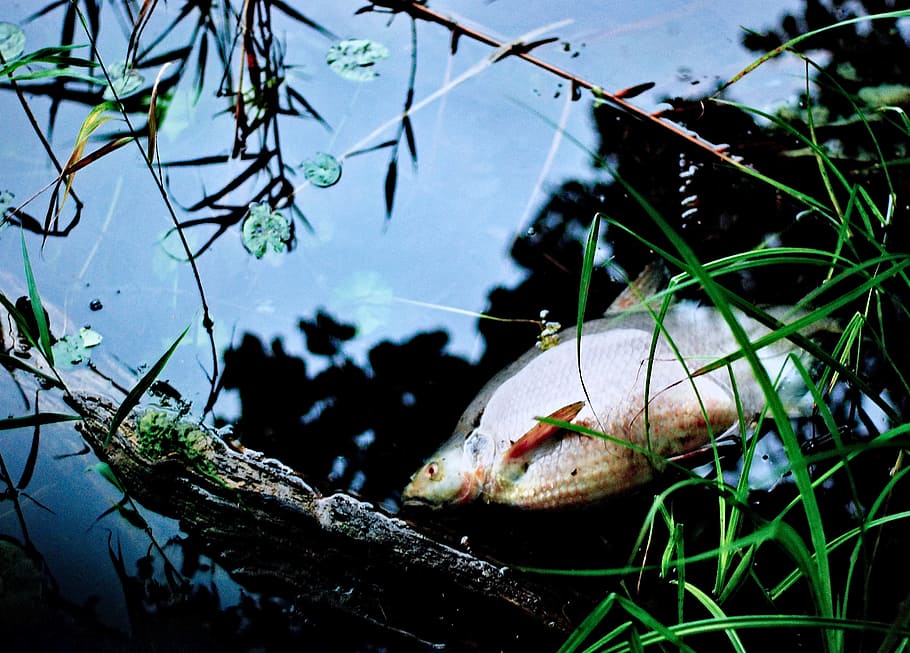
Dead fish in river, pollution, deforestation, palm oilDead lake pollution deforestation for palm oilDead fish pollution deforestation for palm oil

What the oceans tell us

We’ve all heard the news stories with dire warnings about a warming ocean, rising tides and ocean acidification. This is having a devastating effect on marine animals, as they rely on shells for protection. Acid in the water is thinning the delicate shells of these crustaceans and putting species survival in jeopardy.

Rising tides have already caused erosion for many coastal dwellers. For many small island nations that means many residents will be forced to emigrate or (if possible) move inland. In wealthy nations, waterfront property that was once highly prized will become harder to sell. As buyers will weigh up the likelihood of the property being flooded.

Greenwashing stock image -Climate Change by Sean Weston https://seanweston.co.ukClimate Change by Sean Weston https://seanweston.co.uk

Bio: Staci-Lee Sherwood

Staci-Lee Sherwood is a courageous writer and passionate animal advocate based in the US who highlights the plight of frequently forgotten species on the brink of extinction, as well as persecuted species, such as wild horses and wolves in her home country. She started Reality Checks with Staci-Lee as a way of providing helpful information to concerned animal lovers about what is really happening to wild animals in America. She does not shy away from naming and shaming individuals, corporations and government agencies responsible for this immense cruelty. In addition to her website Reality Checks with Staci-Lee, she often publishes companion videos on Youtube. She is a part of the #Boycott4Wildlife collective of activists and she is deeply concerned about the threat of palm oil agriculture, deforestation, poaching and other threats on rare rainforest animals.

Her work has been published in Scubaverse, Emagazine, Wild World magazine, Sea Speak Sphere, DiscoverScience 2020, Pagosa Daily Post, Daily Kos, The Good Men Project, Straight from the Horse’s Heart, Spirit Change and her poetry has been published in Fevers of the mind.

Follow Staci-Lee Sherwood


Boycott the brands causing deforestation for palm oil, soy and meat by joining the #Boycott4Wildlife

Join the #Boycott4Wildlife Small version - Palm OIl Detectives Banner Header

#animalBehaviour #AnimalBiodiversityNews #animalExtinction #animalRights #Bird #Boycott4wildlife #Climate #climateChange #ClimateActionNow #climatechange #deforestation #extinction #ForgottenAnimals #humanRights #Migration #refugees #StaciLeeSherwood #USA

Seaweed is high in vitamins and minerals – but that’s not the only reason westerners should eat more of it

Now

This article was written by Rochelle Embling, a PhD researcher in psychology at Swansea University, and Laura Wilkinson, a senior lecturer in psychology at Swansea University. It is republished from The Conversation under a Creative Commons license. Read the original article.

Edible seaweeds and algae – or sea vegetables – are a group of aquatic plants that are found in the ocean. Kelp, dulse, wakame and sea grapes are all types of seaweeds that are used in seaweed-based dishes.

#Algae has a tasty ‘umami’ flavour and a superb nutrient profile, especially for #vegans. It doesn’t cause #deforestation either! Replacing #palmoil with #algae makes sense for rainforests #Boycottpalmoil #Boycott4Wildlife #Together4Forests

Tweet

Share to BlueSkyShare to Twitter

Share to BlueSkyShare to Twitter

Though eating seaweed is mostly common in Asian countries, today seaweeds are widely growing in popularity as an ingredient in a range of food and beverages. This notably includes sushi, where nori seaweed is used as an edible wrap for vegetable, fish, and rice-based fillings.

Our research suggests that people in the UK, like consumers in other western countries, are less familiar with seaweed as an ingredient. This is important because food neophobia (wanting to avoid novel foods) may prevent consumers from trying new products.

And for seaweeds in particular, first impressions may be less appealing when associated with the plant washed up on our beaches. For example, many participants in our research imagined seaweed to be “smelly”, “salty”, and “slimy” when asked.

Despite it being considered an Asian staple, people have been eating seaweed in Europe as well for centuries

Many European countries have a history of consuming seaweeds. This includes laverbread, a savoury puree made from laver seaweed, which is eaten alongside other seafood as part of Welsh cuisine. A sweet alternative is carrageen pudding, a jelly-like dessert made from carrageen seaweed (otherwise known as Irish moss).

Spirulina algae by Madeleine Steinback on Getty Images

However, this traditional consumption of seaweed remains somewhat niche today. And with the exception of sushi, seaweed consumption is relatively low in most western countries.

In a recent study, we explored how consumers rate seaweeds and potential food products (that could be supplemented with seaweed) when thinking about eating them. We found that people expected seaweed food products (such as seaweed burgers) to be more appealing than seaweed as a general food source.

Notably, as participants already expected seaweed products to be healthy and sustainable, these attributes were less important to their acceptance of seaweed. Taste and familiarity were the two factors that had the greatest influence on participants’ willingness to try and buy seaweed-based foods.

Seaweed: a superb way to get nutrients as a vegan

Seaweeds are a highly versatile and nutritious food source that can benefit our diet. Seaweeds are often rich in fibre and high in vitamins and minerals. This includes iodine and vitamin B12, which can be lacking in vegetarian and vegan diets.

Submerged algae and seaweed Lucas B Bracht on Getty Images

Has a super tasty ‘umami’ flavour, despite its reputation for being a stinky plant of the sea

And seaweeds can be added to a range of products for their taste as well as how they can be used to thicken soups or stabilise the texture of ice cream. As seaweeds have a umami flavour, many chefs also favour seaweeds as a way to enhance the depth of flavour in their dishes.

A climate-friendly and forest-friendly food

Thinking about what we eat has become an important environment-related talking point. As more of us try to eat less meat and dairy, we have seen a rise in the consumption of plant-based products (including burger patties, nuggets, and sausages), plant-based milk (soya, almond, rice, and oat milk), and other dairy alternatives (such as dairy-free yoghurt and cheese).Kelp recipes.

In the current market, plant-based “meat” is typically made from soya, with other plant-based proteins including peas, mushrooms, and wheat.

High in protein, low in salt

Importantly, seaweeds and algae could be worthy additions to this list. Though the protein content of seaweed differs between species (particularly as it goes through the production process), protein can account for up to 25% of the dry weight for green seaweeds, and 47% for red seaweeds.

This means that seaweeds could be used to supplement the nutritional content of protein alternatives. In particular, seaweeds are often low in sodium. As the salt content of plant-based meat products can be higher than similar products, seaweeds could be used as an alternative seasoning to salt, helping to improve the healthiness of these items while enhancing taste

Seaweeds also have the potential for sustainable farming along the UK coastline. When compared to other plant-based alternatives, this means they stand out for their ability to grow without freshwater or fertilisers and do not compete for land space.

Seaweed needs ‘taste profiling’ on the packaging (like wines do) for consumers to appreciate it more

Our research also suggests that including more taste-focused language on packaging (delicious, warm, rich) and providing recipe ideas to consumers (serve seaweed as a side dish) may be an important marketing strategy if future seaweed products are to find new audiences.

We need to make seaweed cheaper so everyone can enjoy it

There are some additional barriers that we need to consider. For example, like other plant-based alternative foods, seaweed can be more expensive, and high street availability is limited compared to online. Also, as the nutrients in seaweeds are affected by the waters they grow in, eating too much or consuming seaweeds from unregulated sources can affect food safety.

Overall, however, there are plenty of reasons why seaweed is a great food for the future.

Here are more Reasons to be Hopeful

Songbirds Socialise Mid-Flight During Migration

Amazing Animal Adaptations

Songbirds Socialise Mid-Flight During Migration

Read more

Why Pangolins Are So Special

Amazing Animal Adaptations

Why Pangolins Are So Special

Read more

Protecting Peru’s Grasslands Vital for Spectacled Bears

Amazing Animal Adaptations

Protecting Peru’s Grasslands Vital for Spectacled Bears

Read more

Javan Rhinos Not Safe from Poachers

Amazing Animal Adaptations

Javan Rhinos Not Safe from Poachers

Read more

Load more posts

Something went wrong. Please refresh the page and/or try again.

Boycott the brands causing deforestation for palm oil, soy and meat by joining the #Boycott4Wildlife

Join the #Boycott4Wildlife Small version - Palm OIl Detectives Banner Header

Palm Oil Detectives is 100% self-funded

Palm Oil Detectives is completely self-funded by its creator. All hosting and website fees and investigations into brands are self-funded by the creator of this online movement. If you like what I am doing, you and would like me to help meet costs, please send Palm Oil Detectives a thanks on Ko-Fi.

Say thanks on Ko-Fi Dorias Tree Kangaroo Dendrolagus dorianusGiant Ground Pangolin Manis giganteaBorneo Pygmy Elephant Elephas maximus borneensisBornean Peacock-pheasant Polyplectron schleiermacheri
#algae #Boycott4wildlife #BoycottPalmOil #consumerRights #consumerism #deforestation #diet #food #health #healthProducts #humanHealth #nutrition #PalmOil #palmOilAndHealth #palmoil #plantBasedDiet #ReasonsToBeHopeful #vegan #veganism #vegans

Palm oil substitutes can offer beleaguered rainforests a fighting chance

Palm oil is a versatile substance used in a wide range of products from foods to cosmetics. The trouble with it is that the cultivation of oil palm trees has caused massive enviromental harm, especially in Malaysia and Indonesia, which together account for 85% of palm oil production in the world.

But scientists from Nanyang Technological University in Singapore and the University of Malaya in Malaysia say they have an answer as to how we can wean ourselves off palm oil.

#Algae #biotech 🌱🥬 is a healthy replacement for the #ecocide of #palmoil and offers hope that rainforests, rare #plants and #animals could be saved from #extinction. Take action when you shop #Boycottpalmoil 🌴🩸☠️⛔️ #Boycott4Wildlife @palmoildetect https://palmoildetectives.com/2022/11/09/palm-oil-substitutes-can-offer-beleaguered-rainforests-a-fighting-chance/

Share to BlueSkyShare to Twitter

Article written by Daniel T. Cross and originally published in Sustainability Times under a Creative Commons licence.

But scientists from Nanyang Technological University in Singapore and the University of Malaya in Malaysia say they have an answer as to how we can wean ourselves off palm oil.

The researchers have extracted edible oils from a common strain of microalgae that have similar properties to palm oil but contain fewer saturated fatty acids. That feature will have health benefits as saturated fats raise levels of LDL cholesterol in our blood, thereby increasing the risk of heart disease.

Better yet: these microalgae can be cultivated at scale, obviating the need for further deforestation to plant yet more oil palms.

Spirulina algae by Madeleine Steinback on Getty Images

Better yet: these microalgae can be cultivated at scale, obviating the need for further deforestation to plant yet more oil palms.

[Pictured] Spirulina algae by Madeleine Steinback on Getty Images

At the same time, the researchers have developed a relatively simple technique to replace the microalgae culture medium with fermented soybean residues while improving microalgae biomass yields. After two weeks the cultured microalgae is washed and dried before being treated with methanol to break down the bonds between the oils and the algae protein. That enables the oils to be extracted through an environmentally friendly processing technology also devised by the scientists.

For a standard 100-gram bar of chocolate, for instance, 160 grams of microalgae would suffice in providing the oil, the scientists say.

“Uncovering this as a potential human food source is an opportunity to lessen the impact the food supply chain has on our planet,” stresses William Chen, director of NTU’s Food Science and Technology Program and head of the research team, who published their findings in a study.

“Our solution is a three-pronged approach to solving three pressing issues. We are capitalising on the concept of establishing a circular economy, finding uses for would-be waste products and re-injecting them into the food chain, Chen explains.

“In this case, we rely on one of nature’s key processes, fermentation, to convert that organic matter into nutrient-rich solutions, which could be used to cultivate algae, which not only reduces our reliance on palm oil, but keeps carbon out of the atmosphere,” the scientist adds.

The reseachers are working on fine-tuning their methods to improve the yield and quality of oils extracted from microalgae and are expecting their inventions to become commercially viable in a couple of years.

Such initiatives aimed at replacing palm oil with greener substitutes cannot come soon enough as deforestation in Sumatra, Borneo and elsewhere in Indonesia and Malaysia have reached massive proportions with huge environmental costs. Critically endangered endemic species such as orangutans and Sumatran rhinos have been pushed by habitat loss to the very edge of extinction.

“If the current destruction of the rainforest continues, then I have absolutely no hope that any orangutans will remain in the wild,” warns Alan Knight, chief executive of the conservationist group International Animal Rescue. “I would probably say 10 years if we cannot stop the destruction. I think the Sumatran [orangutan] will go before then if they don’t sort out the situation they are in.”

Although orangutan populations in the interiors of remaining forests have remained stable, they have been declining to varying degrees in patches of forest interspersed by oil palm plantations, which are a primary source of revenue for Malaysia.

At the same time, Indonesia, the world’s top palm oil producer, is stepping up its plans to ship millions of tons of crude palm oil and its derivatives after a self-imposed three-week ban on exports in May to tackle domestic shortages. As the global market continues being flooded by palm oil, rainforests in Indonesia and Malaysia remain at grave risk of being fragmented further.

In order to give these remaining forests and rare, endangered forest-dwelling species of plants and animals a fighting chance at survival, we’ll need to find eco-friendly substitutes to palm oil as soon as possible.


Here are more Reasons to be Hopeful

Songbirds Socialise Mid-Flight During Migration

Amazing Animal Adaptations

Songbirds Socialise Mid-Flight During Migration

Read more

Why Pangolins Are So Special

Amazing Animal Adaptations

Why Pangolins Are So Special

Read more

Protecting Peru’s Grasslands Vital for Spectacled Bears

Amazing Animal Adaptations

Protecting Peru’s Grasslands Vital for Spectacled Bears

Read more

Javan Rhinos Not Safe from Poachers

Amazing Animal Adaptations

Javan Rhinos Not Safe from Poachers

Read more

Load more posts

Something went wrong. Please refresh the page and/or try again.


Here are some other ways you can help by using your wallet as a weapon and joining the #Boycott4Wildlife

What is greenwashing?

What is greenwashing?

Read more

Why join the #Boycott4Wildlife?

Why join the #Boycott4Wildlife?

Read more

Greenwashing Tactic #4: Fake Labels

Greenwashing Tactic #4: Fake Labels

Read more

The Counterpunch: Consumer Solutions To Fight Extinction

The Counterpunch: Consumer Solutions To Fight Extinction

Read more

Contribute to my Ko-Fi

Did you enjoy visiting this website?

Contribute to my kofi

Palm Oil Detectives is 100% self-funded

Palm Oil Detectives is completely self-funded by its creator. All hosting and website fees and investigations into brands are self-funded by the creator of this online movement. If you like what I am doing, you and would like me to help meet costs, please send Palm Oil Detectives a thanks on Ko-Fi.

Say thanks on Ko-Fi Dorias Tree Kangaroo Dendrolagus dorianusGiant Ground Pangolin Manis giganteaBorneo Pygmy Elephant Elephas maximus borneensisBornean Peacock-pheasant Polyplectron schleiermacheri
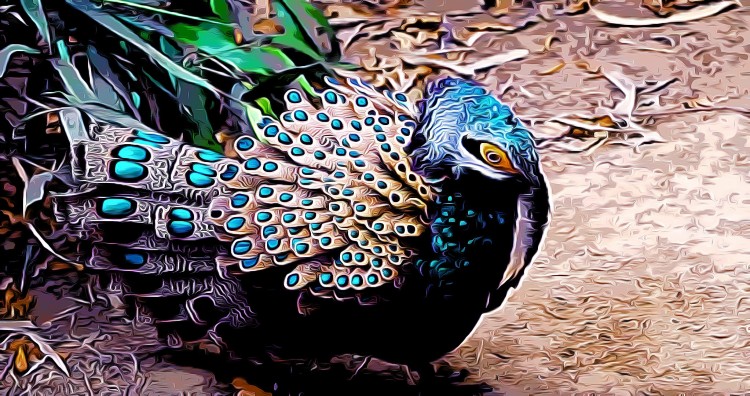
Palm Oil Detectives is 100% self-funded

Palm Oil Detectives is completely self-funded by its creator. All hosting and website fees and investigations into brands are self-funded by the creator of this online movement. If you like what I am doing, you and would like me to help meet costs, please send Palm Oil Detectives a thanks on Ko-Fi.

Say thanks on Ko-Fi Dorias Tree Kangaroo Dendrolagus dorianusGiant Ground Pangolin Manis giganteaBorneo Pygmy Elephant Elephas maximus borneensisBornean Peacock-pheasant Polyplectron schleiermacheri

#algae #animals #biotech #biotechnology #Boycott4wildlife #BoycottPalmOil #deforestation #disruptiveTechnology #ecocide #extinction #humanHealth #humanRights #newTechnology #PalmOil #palmOilDeforestation #palmoil #plants #ReasonsToBeHopeful #reasontohope #superfood

Humble Algae: The Solution to Palm Oil Ecocide

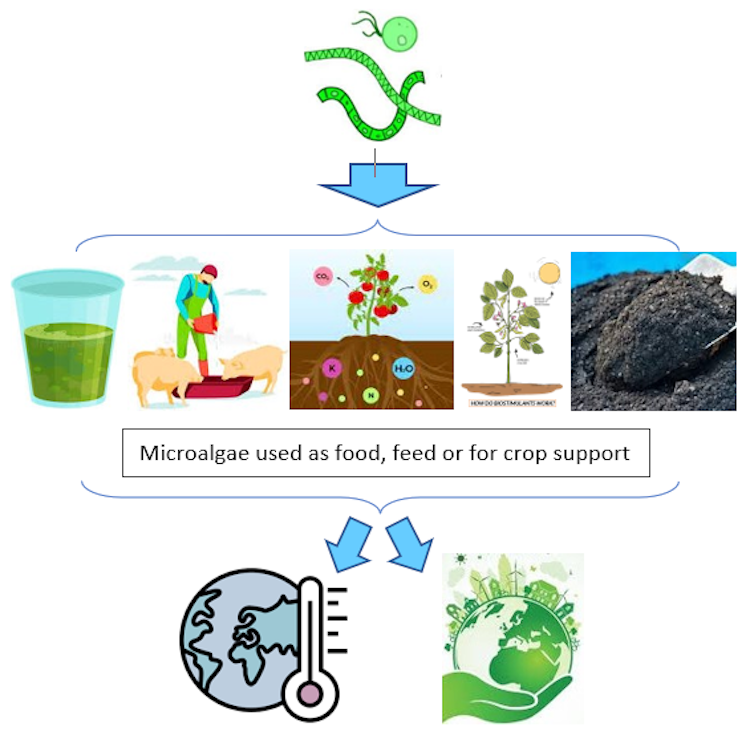
Consumers, businesses and researchers have shown growing interest in microalgae in recent years. Use of Arthrospira platensis (spirulina) as a food supplement is one example. Others include how microalgae can be used as crop support tools, bioplastics or biofuels. Take action for your health and be #vegan and #BoycottPalmOil #Boycott4Wildlife

#Agriculture is destroying the planet – #algae is a #climatechange resilient answer needing no land to grow, it has a superb nutrients for human #health and more 🌱🍃🥕🥦 #Boycottpalmoil go #vegan 🌴🔥❌ #Boycott4Wildlife @palmoildetect https://palmoildetectives.com/2022/12/28/soy-and-palm-oil-agriculture-is-destroying-the-planet-algae-is-the-answer/

Share to BlueSkyShare to Twitter

Agriculture is destroying the planet: algae is the answer

The emerging and predicted impacts on agriculture and food supplies are stark, according to the panel. For instance, heat waves, drought and increasing rainfall variability could adversely affect crop yields and livestock productivity. This, in turn, could cause problems with food availability and nutritional quality, as well as risks of malnutrition and hunger.

Written by Jules Siedenburg, Research fellow, School of International Development, University of East Anglia. This article is republished from The Conversation under a Creative Commons license. Read the original article.

Some parts of the world disproportionately bear this burden: over three billion people are currently deemed highly vulnerable to climate change, most of them in Africa, South Asia and Latin America. Small-scale farmers and pastoralists are particularly at risk.

The need for climate action is now evident, but finding viable pathways can be challenging. Yet effective climate actions can reduce climate-related risks while fostering sustainability. “Climate smart” agricultural technologies offer various proven climate actions, such as agroforestry or drought-tolerant seeds. Such technologies can potentially raise farm productivity while also mitigating (that is, combating) climate change or helping farmers adapt to it, or both.

Growing interest in microalgae

Microalgae are a diverse group of microscopic aquatic organisms. Maryna Lahereva/Shutterstock

Microalgae are a diverse group of microscopic aquatic organisms. Like plants, they typically generate energy from sunlight through photosynthesis. But they differ from plants in basic ways. For instance, they grow in water instead of on land and absorb nutrients directly instead of via roots. While some microalgae are seen as harmful, others provide useful products.

One question that has remained largely unexamined, however, is whether “agri-food” applications of microalgae might offer promising options to mitigate or adapt to climate change.

A new academic paper set out to provide provisional answers. It reviewed the available evidence on microalgae as food supplements, livestock feeds, biofertilisers, biostimulants and biochar feedstocks. It then assessed the potential of these five microalgae applications to serve as the basis for climate actions.

Agri-food applications and climate action

Microalgae have been used as traditional foods in various countries where suitable species occur naturally, such as Mexico and Chad.

Nowadays microalgae food supplements are principally eaten by health-conscious consumers. Yet they can also be used to address malnutrition and to improve health in places where diet is poor. As foods, microalgae can be potent sources of nutrients, including high-quality proteins, lipids and vitamins.

  • Microalgae production has characteristics that clearly distinguish it from plant or animal production.
  • It doesn’t require fertile land.
  • It is largely independent of local weather patterns and could potentially recycle water.
  • It has elevated productivity and scope for continuous harvests.

Microalgae is climate resilient

This technological profile is well suited to coping with climatic shocks, so microalgae production can be climate resilient. The delivery of microalgal biomass for use as a food or for other applications can thus also be climate resilient.

Novel feeds like microalgae, seaweed and insects offer options to improve the sustainability of livestock production by providing protein-rich complements to staple feeds like grasses and feed crops. Microalgae feeds have been tested on cattle, goats, sheep, pigs, poultry and fish. The results have typically included improved productivity, better nutritional quality of products, or both. Microalgae could also provide a secure source of feeds in places where livestock deaths linked to climate change are a growing concern.

Green algae by Wichit on Getty ImagesGreen algae by Wichit on Getty Images

Global crop production continues to rely heavily on chemical fertilisers to boost crop productivity. However, such products can sometimes undermine agricultural sustainability or not cope well with climate change impacts.

Biofertilisers and biostimulants are natural alternative options for boosting crop production. Biofertilisers provide nutrients to plants. Biostimulants promote plant growth by stimulating biological or chemical processes in plants or microbes associated with roots.

Early studies of microalgae-based biofertilisers and biostimulants suggest they can boost productivity while also building the resilience of crops to climate-related stresses like elevated temperatures, water scarcity and soil salinity. Treated maize plants, for example, showed more developed roots than untreated plants. This resulted in better resistance to drought.

Microalgae could also support crop production

by using algal biomass to make biochar, or charred biomass. Applying biochar to fields can improve soil fertility and enhance soil’s capacity to hold water. Such effects could help crops cope with climate change impacts like erratic rainfall and extreme weather events.

Biochar was a traditional soil management tool in some cultures, and treated fields sometimes remain distinct. For instance, fields treated many centuries ago in South America were found to contain up to 9% carbon compared with 0.5% on neighbouring fields. Moreover, their productivity was twice as high as that of untreated fields. Early studies on biochar made from microalgae have suggested it could be an effective soil amendment.

Mitigating and adapting to climate change

Taken together, these five agri-food applications of microalgae could be seen as possible ways to enhance the climate resilience of food production, and hence as climate change adaptation measures. Concretely, they offer options to help secure both food supplies and agricultural livelihoods despite climate change.

These five applications were also found to offer possible ways to mitigate climate change, whether by reducing greenhouse gas emissions or transforming these gases into physical form. One example is partially replacing an imported livestock feed like soymeal – associated with transport emissions and tropical deforestation – with microalgae-based feeds that need comparatively little land and could be locally sourced. Another example is using microalgae-based biochar to build up soil organic carbon in stable form.

In future, such mitigation measures could perhaps be supported by the carbon markets. These markets offer mechanisms to pay for projects that mitigate climate change. In theory this could provide cash flows to participating stakeholders, including farmers. Such projects might moreover be attractive to potential participants given sharp rises in carbon credit prices in recent years, even if these initiatives have sometimes proven disappointing in the past. Several institutional developments would, however, be needed to make this possible.

Agri-food applications of microalgae can help mitigate and adapt to climate change. Dr Jules Siedenburg

The five microalgae applications examined clearly hold promise, both as avenues for fostering climate resilient food production and as climate change mitigation measures. These applications could thus be framed as climate actions. But more research is needed to explore and verify this potential, and to examine issues like consumer acceptance and managing possible contamination risks.

In the meantime, these five microalgae technologies merit greater attention from consumers, farmers and governments as timely and hopeful innovations.


Here are some other ways you can help by using your wallet as a weapon and joining the #Boycott4Wildlife

What is greenwashing?

What is greenwashing?

Read more

Why join the #Boycott4Wildlife?

Why join the #Boycott4Wildlife?

Read more

Greenwashing Tactic #4: Fake Labels

Greenwashing Tactic #4: Fake Labels

Read more

The Counterpunch: Consumer Solutions To Fight Extinction

The Counterpunch: Consumer Solutions To Fight Extinction

Read more

Contribute to my Ko-Fi

Did you enjoy visiting this website?

Contribute to my kofi

Palm Oil Detectives is 100% self-funded

Palm Oil Detectives is completely self-funded by its creator. All hosting and website fees and investigations into brands are self-funded by the creator of this online movement. If you like what I am doing, you and would like me to help meet costs, please send Palm Oil Detectives a thanks on Ko-Fi.

Say thanks on Ko-Fi Dorias Tree Kangaroo Dendrolagus dorianusGiant Ground Pangolin Manis giganteaBorneo Pygmy Elephant Elephas maximus borneensisBornean Peacock-pheasant Polyplectron schleiermacheri

Contribute to my Ko-Fi

Did you enjoy visiting this website?

Contribute to my kofi

Palm Oil Detectives is 100% self-funded

Palm Oil Detectives is completely self-funded by its creator. All hosting and website fees and investigations into brands are self-funded by the creator of this online movement. If you like what I am doing, you and would like me to help meet costs, please send Palm Oil Detectives a thanks on Ko-Fi.

Say thanks on Ko-Fi Dorias Tree Kangaroo Dendrolagus dorianusGiant Ground Pangolin Manis giganteaBorneo Pygmy Elephant Elephas maximus borneensisBornean Peacock-pheasant Polyplectron schleiermacheri

#Agriculture #algae #biotechnology #BoycottPalmOil #BoycottSoy #Boycott4wildlife #BoycottPalmOil #climatechange #consumerism #diet #health #humanhealth #PalmOil #plantBasedDiet #ReasonsToBeHopeful #soyDeforestation #vegan #veganism

Around 25% of Africa’s Land is Damaged: This is How We Fix It!


Almost 25% of all land in Africa has been damaged. Land degradation is worrying issue across the continent of Africa. This is being driven by climate change and deforestation for extractive industries like rare mineral mining and monocultures like palm oil and cocoa. Other big drivers includes invasive species and environmental pollutants and toxins. Mlungele Nsikani is a land restoration specialist and environmental scientist. He explains how ecological restoration and agroecology is a great way to reverse land degradation so that people, plants and animals can thrive. Another powerful way to make an impact is through boycotting industries destroying the world like gold mining, palm oil and the meat industry. #BoycottPalmOil #Boycott4Wildlife


25% of #land in #Africa is damaged by #climatechange #mining and #palmoil #deforestation. Yet strong policies for #agroecology would restore land for people, plants and animals to thrive #BoycottPalmOil #ClimateActionNow #Boycott4Wildlife @palmoildetect https://wp.me/pcFhgU-90N

Share to BlueSkyShare to Twitter

Written by Mlungele M. Nsikani, Senior scientist, South African National Biodiversity Institute. This article is republished from The Conversation under a Creative Commons license. Read the original article.


https://youtu.be/obON0prYOGw

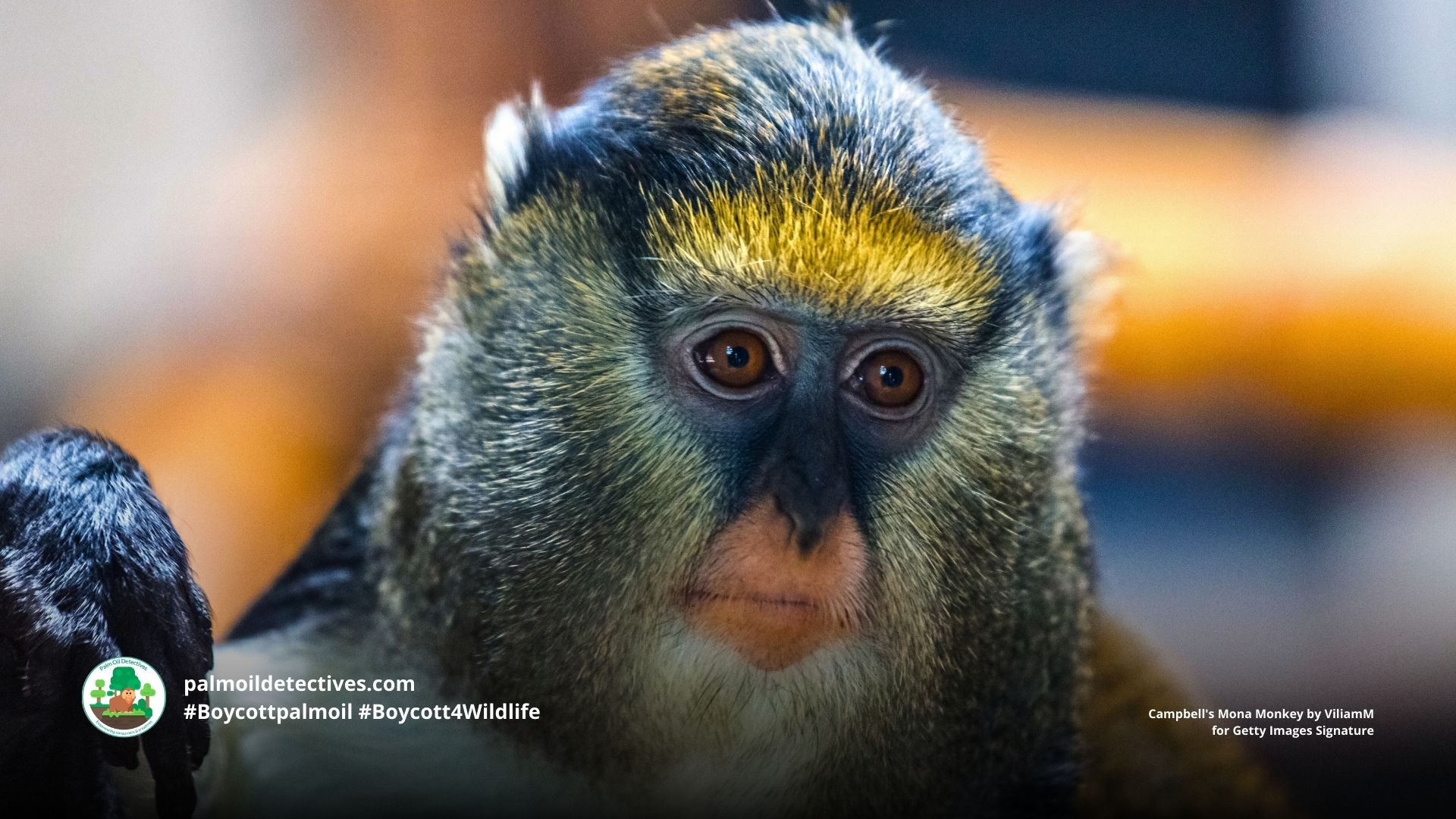
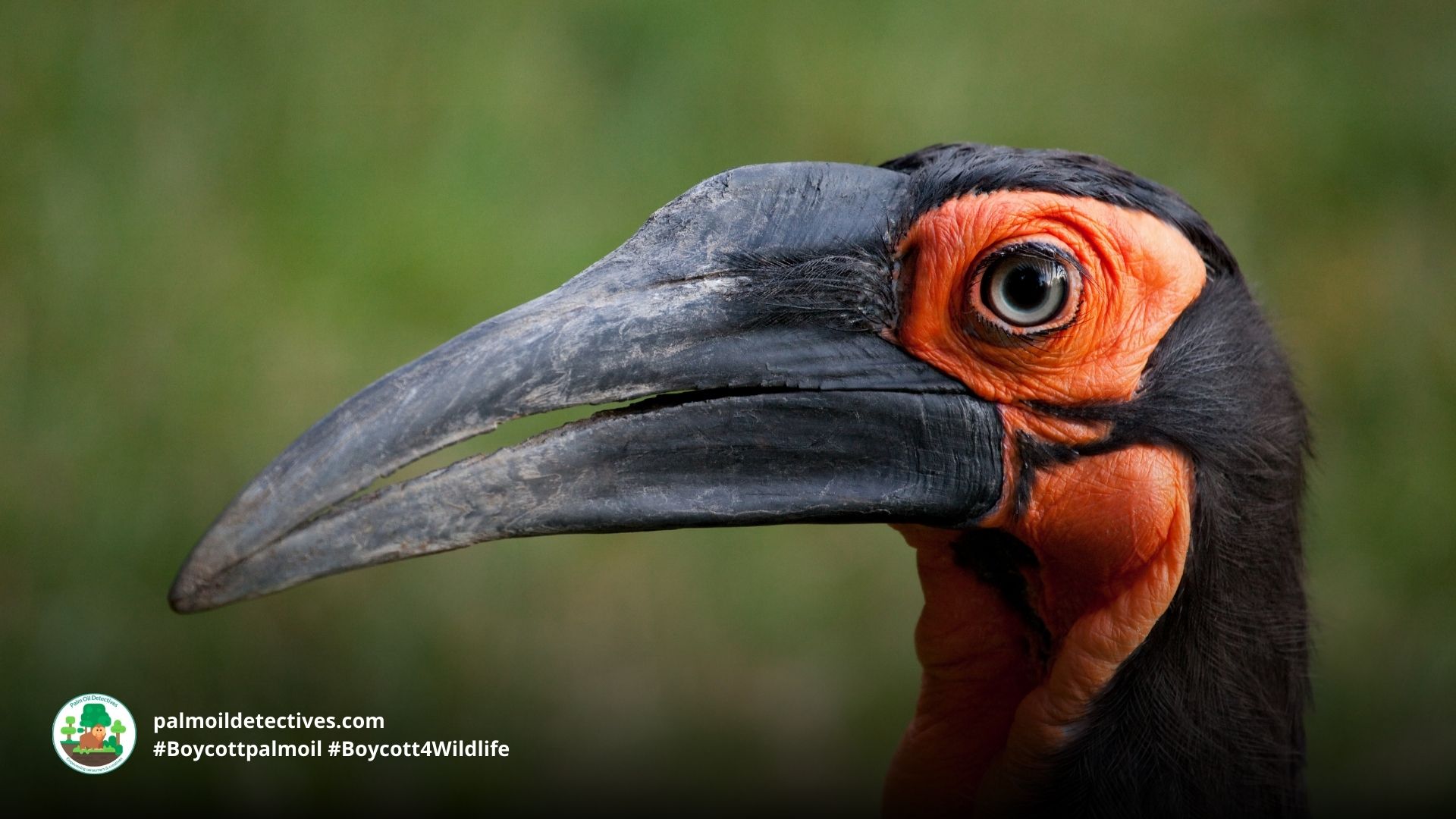
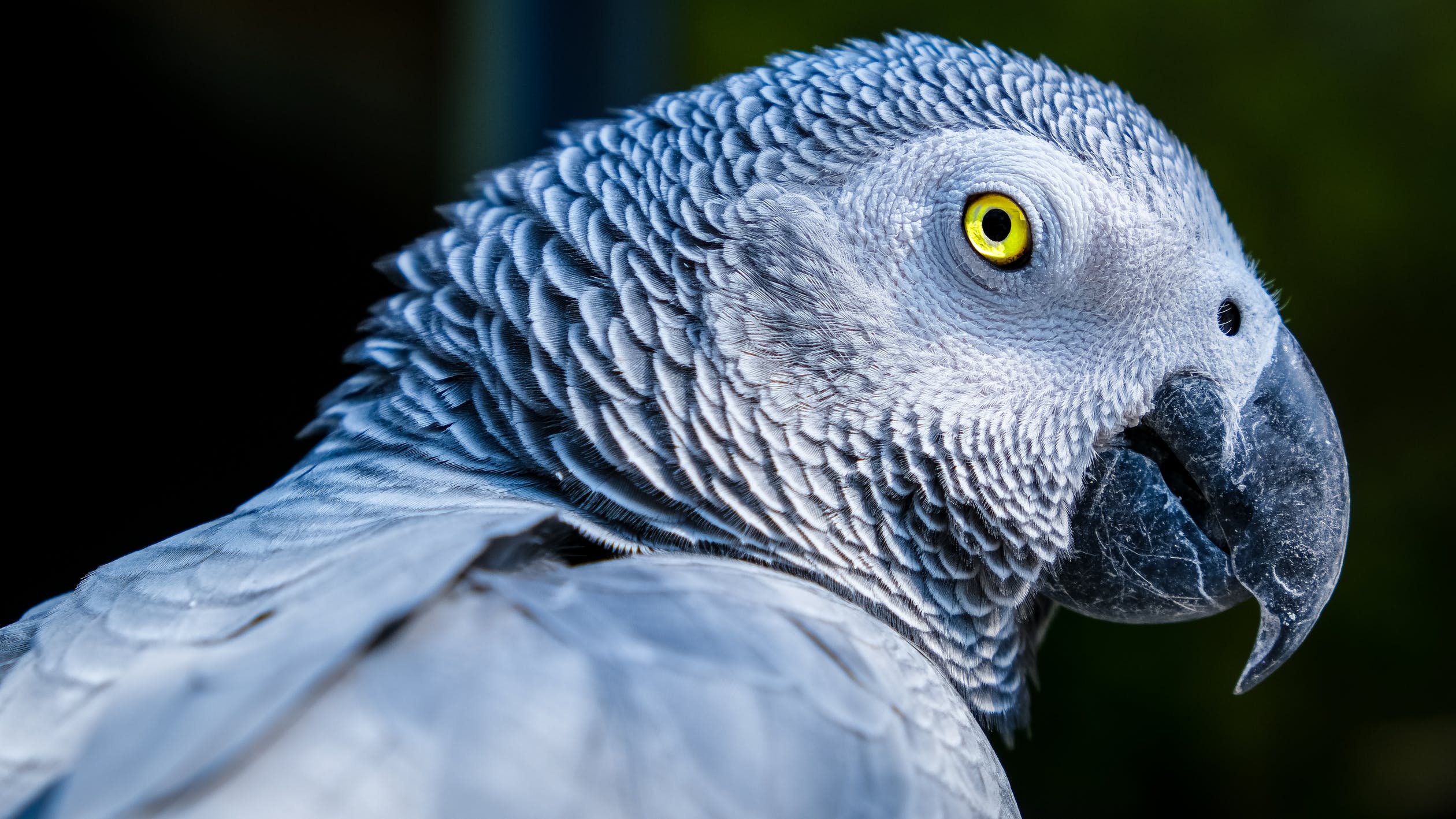
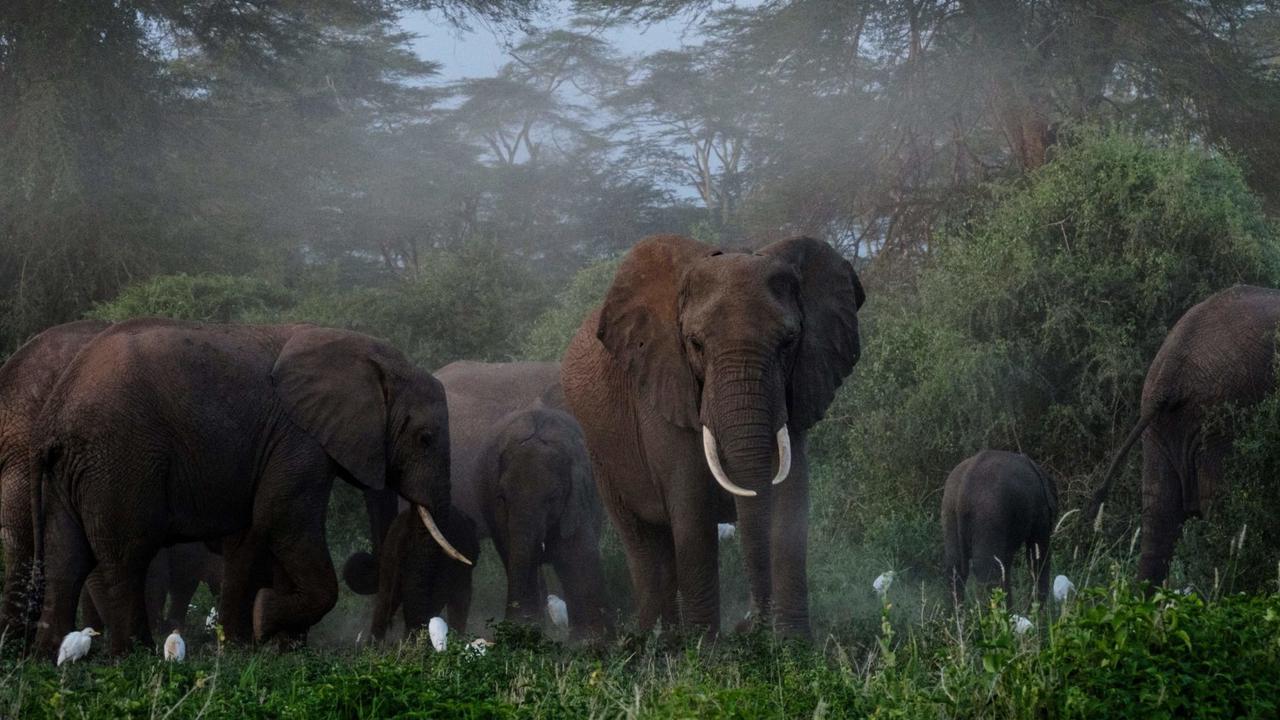
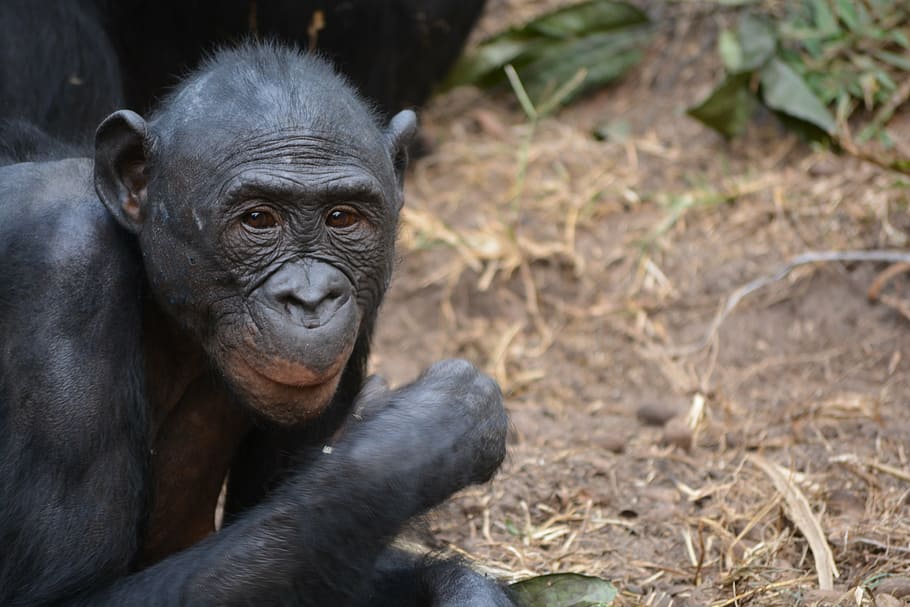
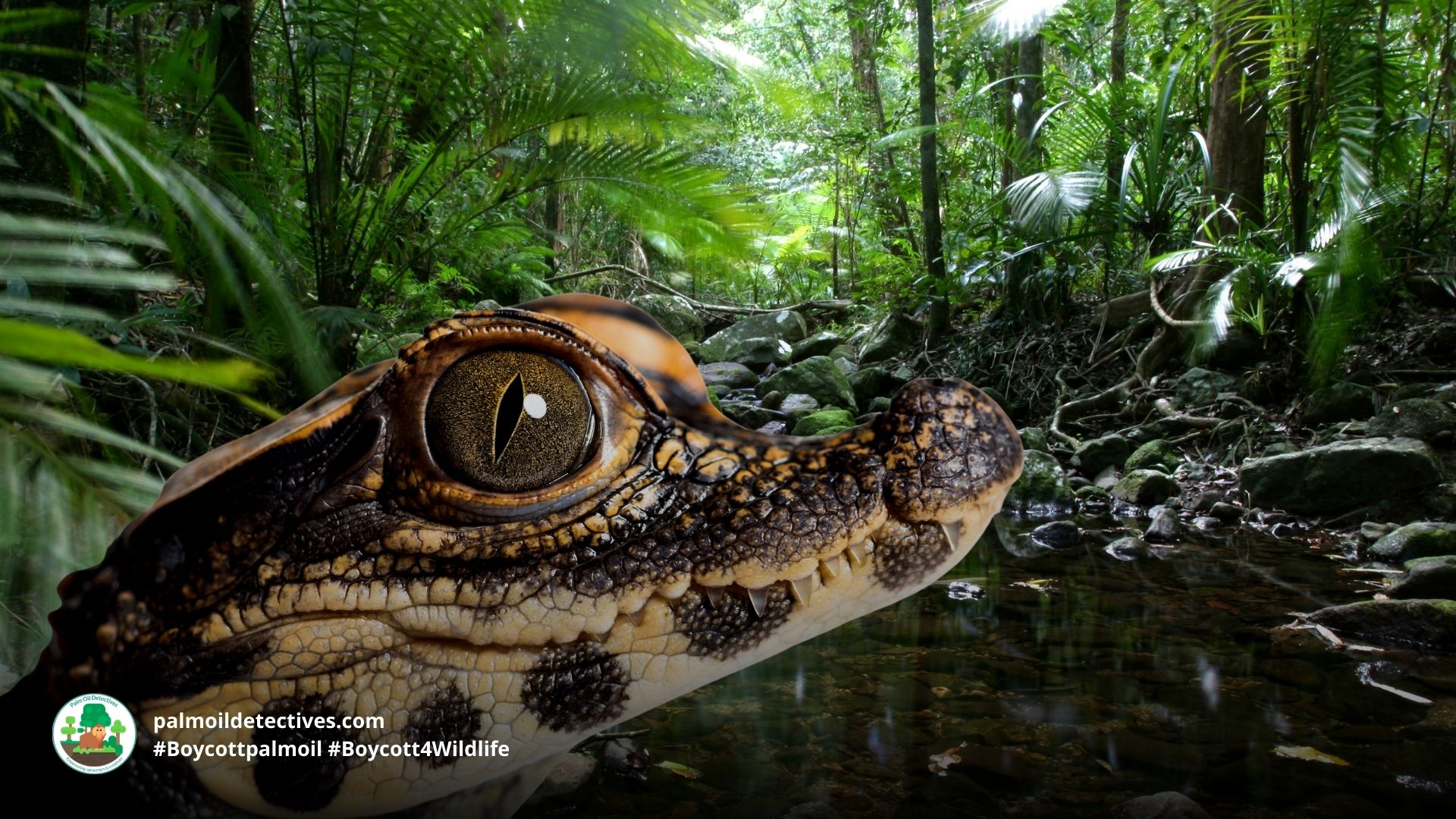
Straw-coloured Fruit Bat Eidolon helvum - Africa (2)Okapi with a long tongueGiant Pangolin Smutsia gigantea - AfricaAfrican Manatee Trichechus senegalensisCampbell's Mona Monkey Cercopithecus campbelliGoliath Frog Conraua goliathBonobo Pan paniscus close up of face.Southern Ground-hornbill Bucorvus leadbeateriAfrican Grey Parrot Psittacus erithacusAfrican Forest Elephant Loxodonta cyclotisContagious yawns show social ties in humans and bonobos Image: PxFuelAfrican Dwarf Crocodile Osteolaemus tetraspis

What’s driving land degradation on the continent?

Africa is one of the most degraded continents in the world. About 23% of the surface of Africa, or over 700 million hectares of land, is already degraded. Another three million hectares is being further degraded annually.

Degraded land is land that has lost some of its natural productivity through processes caused by humans. It’s estimated that up to 40% of the planet’s land is degraded.

The “big five” drivers of land degradation globally and in Africa are:

  • biological invasions, where plant species have spread outside their indigenous area and disrupted the services provided by ecosystems
  • climate change driven events, such as intense droughts and severe fires
  • extractive activities, such as mining and over-harvesting
  • habitat transformation or fragmentation, including deforestation and poor agricultural practices
  • pollutants such as sulphur dioxide, and eutrophication – where algae and other plants take over plant life.

Factors that have made the situation worse in Africa include: development demands; a high dependency on natural resources at the household level (such as the use of firewood for cooking); agricultural practices (including clearing indigenous plants to grow cash crops); weak governance; insecure land tenure; pervasive poverty; and population growth.

What is ecological restoration?

Ecological restoration is the process of assisting the recovery of an ecosystem that has been degraded, damaged or destroyed. Removing invasive plants and reintroducing indigenous species is one way to reverse damage. Ecological restoration is about helping to create conditions in which plants, animals and microorganisms can carry out the work of recovery themselves.

Assisting recovery can be as complex as altering landforms (intentionally changing aspects of the landscape), planting vegetation, changing the hydrology (water flow), and reintroducing wildlife. It can also be as simple as removing an invasive species or reintroducing a lost plant species to the land.

For example more than 8,750 plant species have found their way to South Africa. Over 785 species have made the country their permanent home on a significant scale and have had negative impacts. These include at least 14 Australian Acacia tree species which are invasive across South Africa. These cover about 554,000 hectares of the country.

They use up water resources and reduce grazing land. They also change soil microbial community structure, diversity and function. Invasive Acacia trees have established extensive woodlands that compete against native species, leaving little room for native plants and trees to grow. This costs more than R4 billion annually (about US$214 million) – the combined cost of clearing invasive species and the value of reduced ecosystem services in invaded areas.

The fynbos biome, which covers large parts of South Africa’s Western Cape province, has been the most affected. Since 1995, the publicly funded Working for Water programme has cleared invasive species, leaving ecosystems to recover naturally. The Greater Cape Town Water Fund has also funded the removal of thousands of thirsty invasive trees in mountain areas in a bid to save water and restore indigenous fynbos. This is known as passive restoration.

Planting native vegetation (often done through seed) – active restoration – has also helped the land recover. However, it has been applied at a smaller scale than passive restoration because it is more expensive. Planting native vegetation after clearing invasive species is often a more effective way to help native species recover in the restoration site, particularly if the native soil seedbanks have been depleted by the long duration of invasion.

How can people help?

Anyone can contribute to the restoration of ecosystems. The first thing is to advocate for and actively engage in the conservation of intact ecosystems. As the old adage goes, prevention is better than cure.

Ecological restoration is a great tool to tackle land degradation. But it’s not a quick fix. It’s still necessary to protect and conserve natural ecosystems.

Secondly, everyone should get involved in ecological restoration efforts, no matter how small. We can help remove invasive species or plant native species where we live. We can donate or be part of organisations that are involved in ecological restoration.

Above all, we should continue to spread the ecological restoration message and show that we are #GenerationRestoration!

The need for ecological restoration on the continent is great. Only functioning landscapes can provide affordable food, water and energy. These are the cornerstones of economic development. Ecological restoration can protect and enhance environmental assets and natural resources, provide employment, and help national development, security and social stability.

Written by Mlungele M. Nsikani, Senior scientist, South African National Biodiversity Institute. This article is republished from The Conversation under a Creative Commons license. Read the original article.

ENDS


Read more about conservation and reasons to be hopeful

Protecting India’s Tigers Saves One Million Tonnes of CO2

Protecting India’s Tigers Saves One Million Tonnes of CO2

#India’s fifty year long Project #Tiger has been a successful conservation project. A new research study finds that protecting tigers and their rainforest home has additional benefits to #carbonemissions, saving 1 million tonnes…

Read more

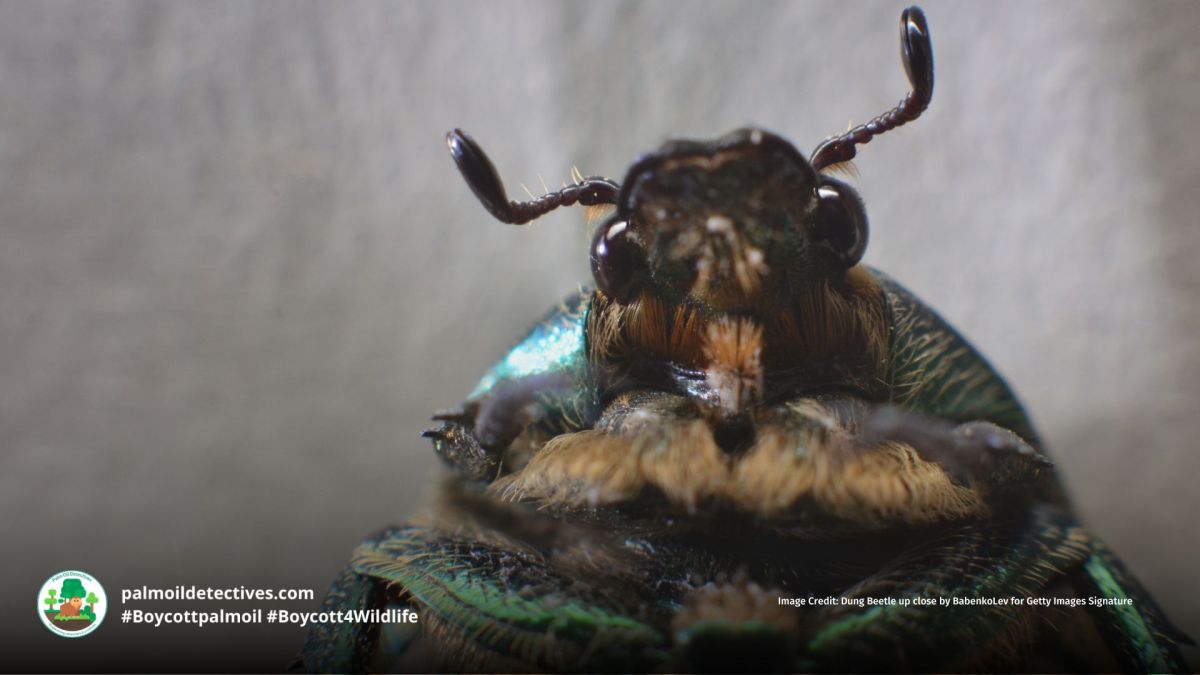
Dung Beetles Are Rainforests’ Diligent Regrowth Soldiers

Dung Beetles Are Rainforests’ Diligent Regrowth Soldiers

The dung beetle may eat and nest in poop, but their role in nature is anything but humble. These hardshelled scarabs live on every continent except Antarctica, recycling feces and suppressing parasites that…

Read more

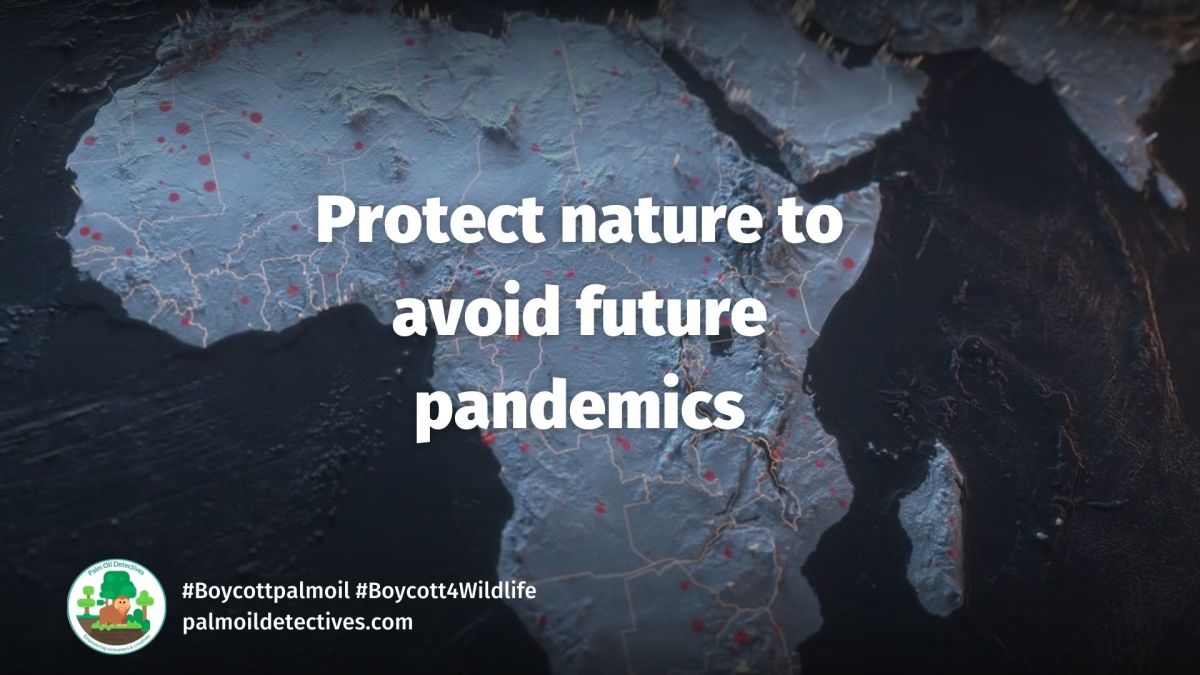
Protect Nature to Avoid Future Pandemics

Protect Nature to Avoid Future Pandemics

Research from University of Queensland and published in The Lancet: Planetary Health finds that the COVID-19 pandemic is linked to the decline of ecosystems and biodiversity, creating a cycle that could lead to…

Read more

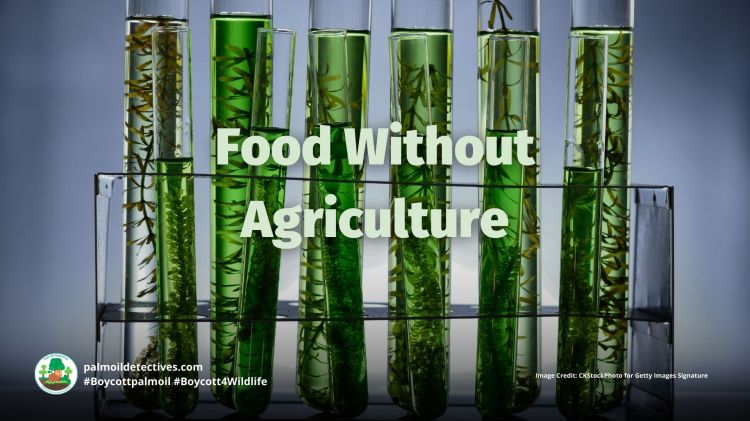
Food Without Agriculture

Food Without Agriculture

Researchers argue food can be made without destroying rainforests, using alternative energy sources like microbes, yeast and CO2, saving animals and emissions

Read more

Indigenous Farming: Science, Not Superstition

Indigenous Farming: Science, Not Superstition

What does it mean when you encounter snakes slithering along paths or find a bird nest with eggs? For Indigenous peoples in Malaysia, these are tell-tale signs passed down by their ancestors discouraging…

Read more

Load more posts

Something went wrong. Please refresh the page and/or try again.


Take Action in Five Ways

1. Join the #Boycott4Wildlife on social media and subscribe to stay in the loop: Share posts from this website to your own network on Twitter, Mastadon, Instagram, Facebook and Youtube using the hashtags #Boycottpalmoil #Boycott4Wildlife.

Enter your email address

Sign Up

Join 3,521 other subscribers

2. Contribute stories: Academics, conservationists, scientists, indigenous rights advocates and animal rights advocates working to expose the corruption of the palm oil industry or to save animals can contribute stories to the website.
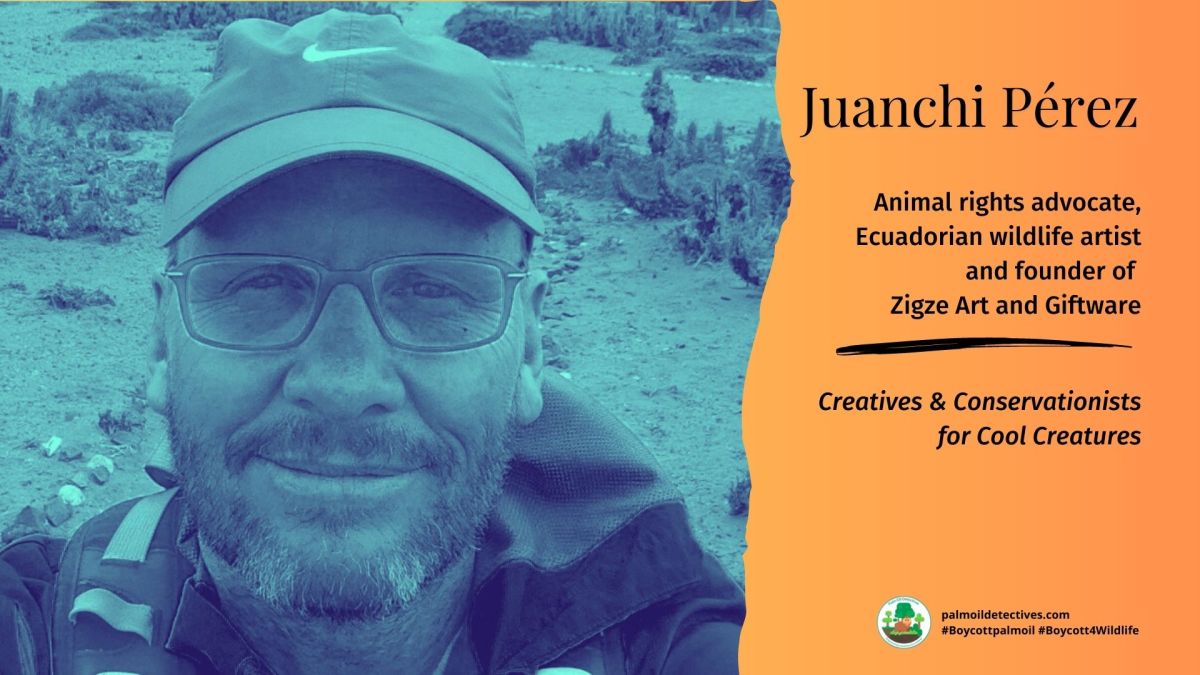
Wildlife Artist Juanchi Pérez
Wildlife Artist Juanchi Pérez

Read more

Mel Lumby: Dedicated Devotee to Borneo’s Living Beings
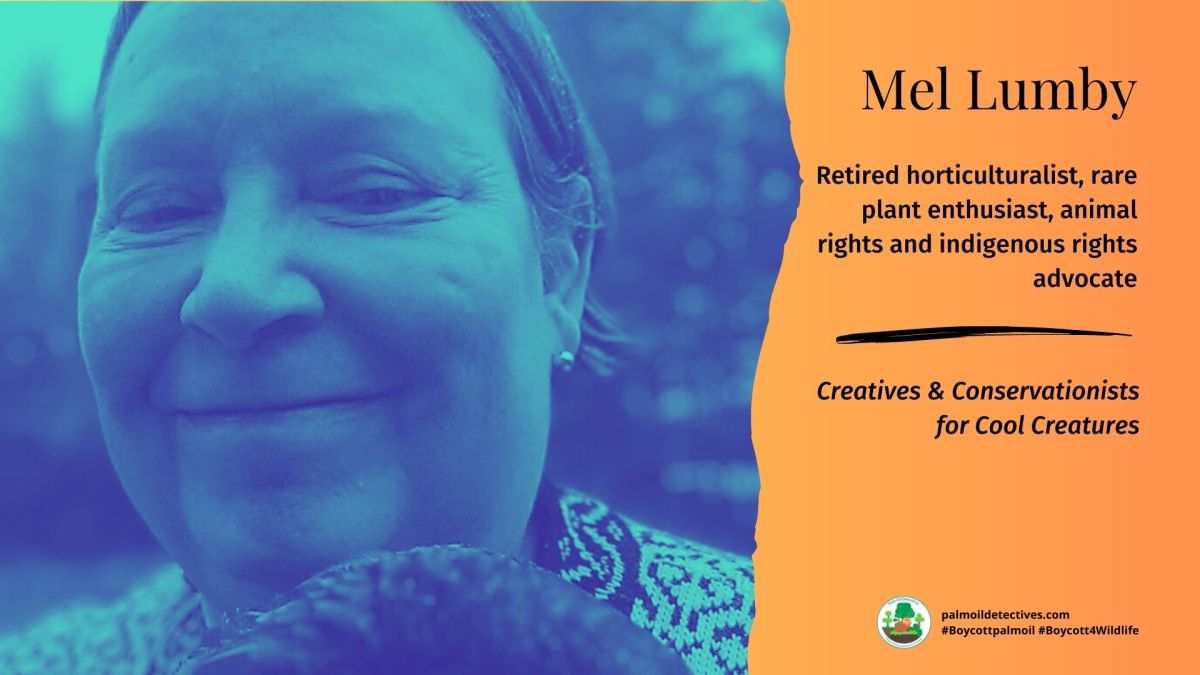
Mel Lumby: Dedicated Devotee to Borneo’s Living Beings

Read more

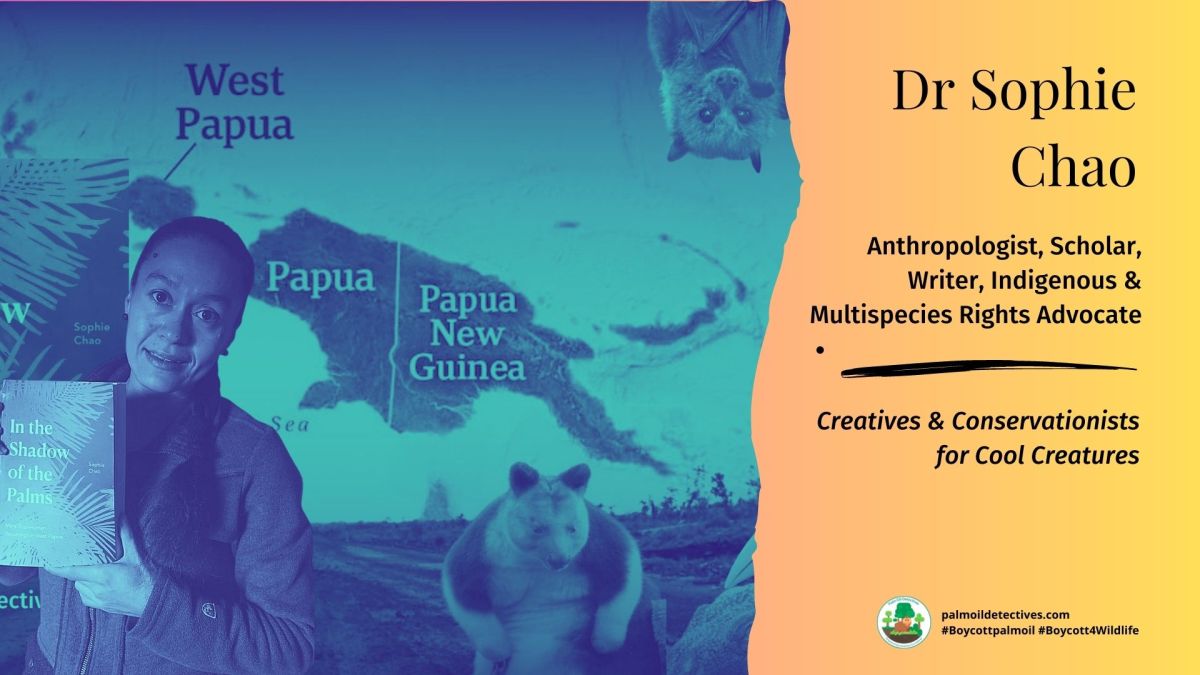
Anthropologist and Author Dr Sophie Chao

Anthropologist and Author Dr Sophie Chao

Read more

Health Physician Dr Evan Allen

Health Physician Dr Evan Allen

Read more

The World’s Most Loved Cup: A Social, Ethical & Environmental History of Coffee by Aviary Doert

The World’s Most Loved Cup: A Social, Ethical & Environmental History of Coffee by Aviary Doert

Read more

How do we stop the world’s ecosystems from going into a death spiral? A #SteadyState Economy

How do we stop the world’s ecosystems from going into a death spiral? A #SteadyState Economy

Read more

3. Supermarket sleuthing: Next time you’re in the supermarket, take photos of products containing palm oil. Share these to social media along with the hashtags to call out the greenwashing and ecocide of the brands who use palm oil. You can also take photos of palm oil free products and congratulate brands when they go palm oil free.

https://twitter.com/CuriousApe4/status/1526136783557529600?s=20

https://twitter.com/PhillDixon1/status/1749010345555788144?s=20

https://twitter.com/mugabe139/status/1678027567977078784?s=20

4. Take to the streets: Get in touch with Palm Oil Detectives to find out more.

5. Donate: Make a one-off or monthly donation to Palm Oil Detectives as a way of saying thank you and to help pay for ongoing running costs of the website and social media campaigns. Donate here

Pledge your support

#Africa #agroecology #agroforestry #Boycott4wildlife #BoycottPalmOil #ClimateActionNow #climatechange #conservation #deforestation #environment #GenerationRestoration #land #mining #PalmOil #palmOilDeforestation #palmoil #ReasonsToBeHopeful

Beef, Palm Oil and Timber: How Wealthy Nations Fuel Deforestation


A major #research study reveals that demand for #beef #palmoil, and #timber in wealthy nations is driving mass deforestation and species extinction in tropical regions. Habitat destruction mainly for agriculture accounts for 90% of all tropical #deforestation. Countries like the US, UK, and Germany are main drivers of rainforest destruction in the #Amazon, #Indonesia, and #Africa, displacing indigenous communities and sending many rare species of animals towards #extinction. Advocates call for a boycott of deforestation-linked products to stop this crisis such as meat and #palmoil. Every time you shop you can resist and fight for them when you #BoycottPalmOil #Boycott4Wildlife and go #Vegan.


https://youtu.be/DAlTg6eVUQk

News: 🌍 #research finds 90% of wild animal #extinction caused by habitat loss mainly for #agriculture: #beef #palmoil, #timber, soy and cocoa. Reduce demand when you shop and fight back! Be #Vegan 🥦🍅 and #BoycottPalmOil 🔥🌴🙊⛔️ #Boycott4Wildlife https://wp.me/pcFhgU-alG

Share to BlueSkyShare to Twitter

Study Confirms Wealthy Nations’ Demand for Palm Oil, Beef & Timber is Driving Global Deforestation

A major new study has revealed that the world’s richest nations are directly responsible for mass deforestation and biodiversity loss through their consumption of palm oil, beef, timber, soy, and cocoa. The research confirms that these industries are fuelling habitat destruction, species extinction, and displacement of indigenous communities.

Beef, Palm Oil and Timber_ How Wealthy Nations Fuel Deforestation (2).jpg Beef, Palm Oil and Timber_ How Wealthy Nations Fuel Deforestation

The study found that high-income countries account for 13% of global forest loss occurring beyond their own borders. The biggest culprits are:

  • Beef 🐄 – The leading cause of global deforestation, responsible for nearly 60% of all forest loss. Rainforests in the Amazon and Central America are burned and cleared to make way for cattle ranching.
  • Palm Oil 🌴 – Found in 50% of supermarket products, palm oil plantations have destroyed vast rainforests in Indonesia, Malaysia, and Africa, pushing orangutans, tigers, and hornbills to the brink of extinction.
  • Timber and Paper 📄 – Logging for furniture, construction, and paper production is wiping out old-growth forests across South America, Africa, and Southeast Asia. Many so-called “certified” or “sustainable” wood products still drive illegal deforestation.
  • Soy 🌱 – Vast areas of the Amazon and Cerrado are destroyed for soy production, most of which is used to feed animals in factory farms.
  • Cocoa 🍫 – Chocolate production is linked to widespread deforestation in West Africa, where rainforests are illegally cleared to grow cocoa.

https://youtu.be/GNYH-yWC7ug?si=xv62Njdgrl7KD4oX

Exporting Extinction: The True Cost of Consumption

The study warns that wealthy nations are effectively outsourcing biodiversity destruction. The US, UK, Germany, and China import massive amounts of these deforestation-linked products, making them directly responsible for the loss of critical ecosystems.

Read the full article here in The Guardian

Weston, P. (2025, February 14). Richest nations ‘exporting extinction’ with demand for beef, palm oil and timber. The Guardian. Retrieved February 14, 2025, from https://www.theguardian.com/environment/2025/feb/14/richest-nations-exporting-extinction-with-demand-for-beef-palm-oil-and-timber-aoe.

ENDS


Learn about other animals endangered by palm oil and other agriculture

GlobalSouth America S.E. AsiaIndiaAfricaWest Papua & PNGGrey Crowned Crane Balearica regulorum

Grey Crowned Crane Balearica regulorum

Keep reading

Ecuadorean Viscacha Lagidium ahuacaense

Ecuadorean Viscacha Lagidium ahuacaense

Keep reading

Southern Pudu Pudu puda

Southern Pudu Pudu puda

Keep reading

Blue-streaked Lory Eos reticulata

Blue-streaked Lory Eos reticulata

Keep reading

Blonde Capuchin Sapajus flavius

Blonde Capuchin Sapajus flavius

Keep reading

Savage’s Glass Frog Centrolene savagei

Savage’s Glass Frog Centrolene savagei

Keep reading


Learn about “sustainable” palm oil greenwashing

Read more about RSPO greenwashing

Lying Fake labelsIndigenous Land-grabbingHuman rights abusesDeforestation Human health hazards

A 2019 World Health Organisation (WHO) report into the palm oil industry and RSPO finds extensive greenwashing of palm oil deforestation and the murder of endangered animals (i.e. biodiversity loss)

Read moreWHO Bulletin on Palm Oil: Deforestation and ExtinctionWHO Bulletin on Palm Oil: Deforestation and ExtinctionWHO Bulletin on Palm Oil: Deforestation and ExtinctionWHO Bulletin on Palm Oil: Air Pollution and Health

Take Action in Five Ways

1. Join the #Boycott4Wildlife on social media and subscribe to stay in the loop: Share posts from this website to your own network on Twitter, Mastadon, Instagram, Facebook and Youtube using the hashtags #Boycottpalmoil #Boycott4Wildlife.

Enter your email address

Sign Up

Join 3,519 other subscribers

2. Contribute stories: Academics, conservationists, scientists, indigenous rights advocates and animal rights advocates working to expose the corruption of the palm oil industry or to save animals can contribute stories to the website.

Wildlife Artist Juanchi Pérez

Wildlife Artist Juanchi Pérez

Read more

Mel Lumby: Dedicated Devotee to Borneo’s Living Beings

Mel Lumby: Dedicated Devotee to Borneo’s Living Beings

Read more

Anthropologist and Author Dr Sophie Chao

Anthropologist and Author Dr Sophie Chao

Read more

Health Physician Dr Evan Allen

Health Physician Dr Evan Allen

Read more

The World’s Most Loved Cup: A Social, Ethical & Environmental History of Coffee by Aviary Doert

The World’s Most Loved Cup: A Social, Ethical & Environmental History of Coffee by Aviary Doert

Read more

How do we stop the world’s ecosystems from going into a death spiral? A #SteadyState Economy

How do we stop the world’s ecosystems from going into a death spiral? A #SteadyState Economy

Read more

3. Supermarket sleuthing: Next time you’re in the supermarket, take photos of products containing palm oil. Share these to social media along with the hashtags to call out the greenwashing and ecocide of the brands who use palm oil. You can also take photos of palm oil free products and congratulate brands when they go palm oil free.

https://twitter.com/CuriousApe4/status/1526136783557529600?s=20

https://twitter.com/PhillDixon1/status/1749010345555788144?s=20

https://twitter.com/mugabe139/status/1678027567977078784?s=20

4. Take to the streets: Get in touch with Palm Oil Detectives to find out more.

5. Donate: Make a one-off or monthly donation to Palm Oil Detectives as a way of saying thank you and to help pay for ongoing running costs of the website and social media campaigns. Donate here

Pledge your support

#Africa #Agriculture #Amazon #animalBehaviour #AnimalBiodiversityNews #animalCommunication #animalCruelty #animalExtinction #animalIntelligence #animalRights #AnimalCruelty #animalrights #beef #biodiversity #Boycott4wildlife #BoycottPalmOil #deforestation #extinction #Indonesia #palm #PalmOil #palmOilDeforestation #palmoil #research #timber #vegan

Javan Rhinos Not Safe from Poachers


Recent testimony by arrested illegal poachers in #Indonesia finds 26 of the estimated remaining 72 living Javan #Rhinos were slaughtered for their horns over the past five years. In the so-called “protected” Ujung Kulon National Park in the western tip of the island of Java. This must spark a national emergency to protect these beings before they are gone for good! End the wildlife trade and #BoycottPalmOil #Boycott4Wildlife


Shocking news: 26 of the 72 remaining #Javan #Rhinos 🦏 were poached recently from Ujung Kulon National Park, #Indonesia making their protection even more serious. End disgusting #poaching! Help them survive when you #Boycott4Wildlife @palmoildetect https://wp.me/pcFhgU-91C

Share to BlueSky Share to Twitter

Testimony by arrested #poachers in #Indonesia finds 26 of the remaining 72 #Javan #Rhino 🦏 are still alive 😭 We must scramble to protect these beautiful and unique #animals urgently! #Boycottmeat #BoycottPalmOil #Boycott4Wildlife @palmoildetect https://wp.me/pcFhgU-91C

Share to BlueSkyShare to Twitter

Written by Jason Gilchrist, Lecturer in the School of Applied Sciences, Edinburgh Napier University. This article is republished from The Conversation under a Creative Commons license. Read the original article.


Javan Rhino close up Tobias Nolan for Getty Images

26 of the estimated maximum 72 Javan rhino have been poached by two gangs in the last five years. Absolutely shocking news!

I am an ecologist, and I have been lucky to work with white rhino in Africa. This work has involved capturing rhino, dehorning and moving them – methods used to try to save rhino from poachers.

Poachers target these large, plant-eating mammals for the illegal trade in rhino horn, fuelled by demand from Asia, principally China and Vietnam, where the horn is perceived as a status symbol, a cure for illness and an aphrodisiac.

Poaching is the main threat to the African rhino, but it was not considered a risk for the critically endangered Javan rhino in Asia. So rare and difficult to detect are Javan rhino, which live in dense jungle, that it was thought poachers would not be able to find them.

However, recent testimony from poachers arrested in Indonesia has indicated that 26 of the estimated maximum 72 Javan rhino have been poached by two gangs in the last five years. That is shocking news.

This revelation turns a worrying situation into an emergency – and demands increased efforts to save the Javan rhino from extinction.

How many Javan rhino are there?

Indonesian police arrested 13 members of two poaching gangs who revealed the otherwise undetected loss of rhino from Ujung Kulon National Park, the home of the world’s only remaining Javan rhino population, on the island of Java in the Indonesian archipelago.

Javan rhino were once widespread in southeast Asia. The last one outside of Indonesia was poached in Vietnam in 2010.

The actual number of rhino killed by the poaching gangs cannot be verified. It’s possible that sources within the government or conservation teams are passing information to poachers.

A Dutch hunter with a slain Javan rhino in Ujung Kulon, 1895. Charles te Mechelen/Rhino Resource CenterA Dutch hunter with a slain Javan rhino in Ujung Kulon, 1895. Charles te Mechelen/Rhino Resource Center
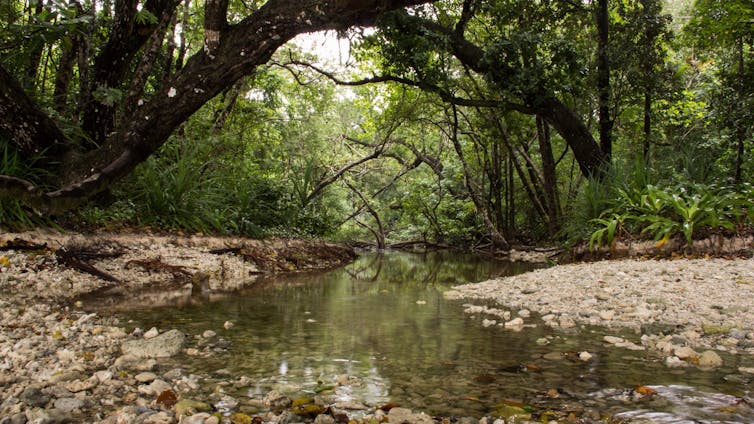
Indonesia’s forests are home to 10-15% of the planet’s plants, birds and mammals. While Indonesia harbours the greatest amount of rainforest in Asia, over 74 million hectares (three times the land area of the UK) have been lost in the past 50 years to palm oil extraction and paper mills.

Indonesia’s forest cover has fallen from 80% to less than 50% amid one of the fastest deforestation rates in the world. Pandeglang, the Javan region containing the national park, has lost nearly 10% of its rainforest since 2000.

All scientists know about the abundance of Javan rhino is gleaned from camera traps, remote cameras that are triggered to take photos by passing animals. The last government population estimate was released in 2019.

A report published in 2023 criticised this estimate because 18 of the rhino counted had not been detected by a camera trap for three years, and three of the rhino counted were known to be dead.

Saving the Javan rhino from extinction

Indonesian conservationists have focused on habitat loss as the leading threat to Javan rhino, as it deprives the species of breeding opportunities. Scattered across separate fragments of jungle, rhino are unlikely to find each other during the brief window when females are receptive to mating.

There is also evidence of inbreeding, exacerbated by there being more adult males than females. Some biologists have called for Javan rhino to be taken into captive breeding programmes.

With just 46 Javan rhino in the wild (perhaps even less), poaching could wipe out the species or reduce it to such a low number that low breeding success deals the final blow.

Ujung Kulon National Park is located on the western tip of Java. Achmad Soerio Hutomo/Flickr, CC BYUjung Kulon National Park is located on the western tip of Java. Achmad Soerio Hutomo/Flickr, CC BY
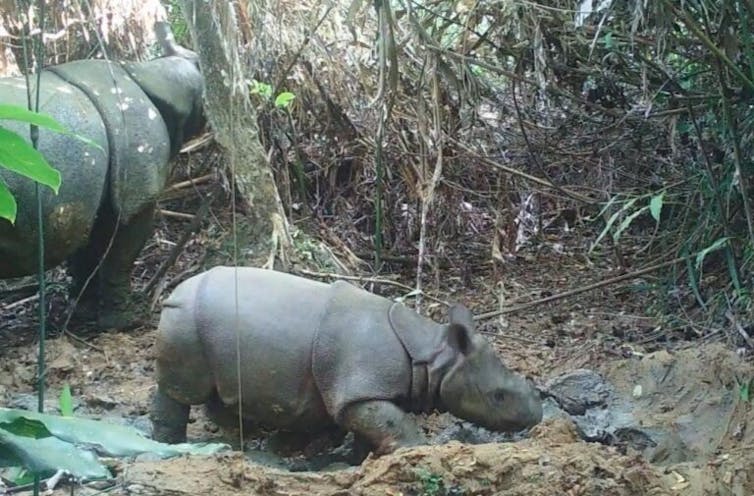
So, what now? It is likely that the Javan rhino cannot afford to lose any further animals to poaching, and vital that further poaching is prevented. The Indonesian government has now increased security in the national park with police and military combining forces.

Allowing forests to naturally regenerate and planting corridors of trees between jungle patches will help the remaining rhino find suitable habitat and each other. Conservationists have also called for cutting down trees in some locations to allow fresh, young trees with more accessible leaves to grow.

Research has also shown that removing an invasive palm boosts the availability of rhino food plants. Livestock must be excluded from the park too, as domestic cattle can transmit disease.

As far back as 1986, conservationists called for some rhino to be moved out of the park (perhaps to the neighbouring island of Sumatra). Splitting an already limited population is risky, but not establishing the safety net of at least one other population elsewhere is riskier still.

What if a tsunami hit the park? And the park may already be near capacity, as it is estimated to be able to support only 68 rhino.

Bringing Javan rhino into captivity and using reproductive technologies on stored eggs and sperm (techniques in development for the more common white rhino) may also need to be considered. Although, it is still possible that captive breeding may not be required: camera traps have photographed newborn Javan rhino, as well as adults, as recently as March 2024.

A female Javan rhino calf with its mother, photographed by a camera trap in Ujung Kulon national park. Indonesian Ministry of Environment and ForestryA female Javan rhino calf with its mother, photographed by a camera trap in Ujung Kulon national park. Indonesian Ministry of Environment and Forestry
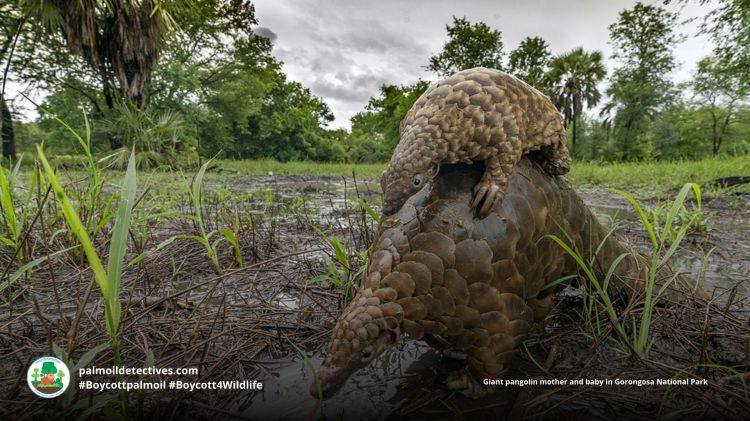
Scientists don’t know much about Javan rhino biology. There have been few studies of wild rhino and only 22 have ever been kept in captivity, the last of which died more than 100 years ago. More research is needed to understand as much as possible about Javan rhino ecology and reproduction – in the wild and from museum specimens.

More effective habitat and wildlife conservation across Indonesia will benefit other Indonesian species, including the Sumatran tiger, Sumatran elephant, all three species of orangutan, and the Sumatran rhino (estimated population of 24-47, making it the world’s most endangered rhino).

If effective conservation action is not taken now, the remaining Javan rhino population will go the same way as that in Vietnam.

Written by Jason Gilchrist, Lecturer in the School of Applied Sciences, Edinburgh Napier University. This article is republished from The Conversation under a Creative Commons license. Read the original article.

ENDS


Learn about other animals endangered by palm oil and other agriculture

GlobalSouth America S.E. AsiaIndiaAfricaWest Papua & PNGFrill-Necked Lizard Chlamydosaurus kingii

Frill-Necked Lizard Chlamydosaurus kingii

Keep reading

Grey Crowned Crane Balearica regulorum

Grey Crowned Crane Balearica regulorum

Keep reading

Ecuadorean Viscacha Lagidium ahuacaense

Ecuadorean Viscacha Lagidium ahuacaense

Keep reading

Southern Pudu Pudu puda

Southern Pudu Pudu puda

Keep reading

Blue-streaked Lory Eos reticulata

Blue-streaked Lory Eos reticulata

Keep reading

Blonde Capuchin Sapajus flavius

Blonde Capuchin Sapajus flavius

Keep reading


Learn about “sustainable” palm oil greenwashing

Read more about RSPO greenwashing

Lying Fake labelsIndigenous Land-grabbingHuman rights abusesDeforestation Human health hazards

A 2019 World Health Organisation (WHO) report into the palm oil industry and RSPO finds extensive greenwashing of palm oil deforestation and the murder of endangered animals (i.e. biodiversity loss)

Read moreWHO Bulletin on Palm Oil: Deforestation and ExtinctionWHO Bulletin on Palm Oil: Deforestation and ExtinctionWHO Bulletin on Palm Oil: Deforestation and ExtinctionWHO Bulletin on Palm Oil: Air Pollution and Health

Take Action in Five Ways

1. Join the #Boycott4Wildlife on social media and subscribe to stay in the loop: Share posts from this website to your own network on Twitter, Mastadon, Instagram, Facebook and Youtube using the hashtags #Boycottpalmoil #Boycott4Wildlife.

Enter your email address

Sign Up

Join 3,174 other subscribers

2. Contribute stories: Academics, conservationists, scientists, indigenous rights advocates and animal rights advocates working to expose the corruption of the palm oil industry or to save animals can contribute stories to the website.

Wildlife Artist Juanchi Pérez

Wildlife Artist Juanchi Pérez

Read more

Mel Lumby: Dedicated Devotee to Borneo’s Living Beings

Mel Lumby: Dedicated Devotee to Borneo’s Living Beings

Read more

Anthropologist and Author Dr Sophie Chao

Anthropologist and Author Dr Sophie Chao

Read more

Health Physician Dr Evan Allen

Health Physician Dr Evan Allen

Read more

The World’s Most Loved Cup: A Social, Ethical & Environmental History of Coffee by Aviary Doert

The World’s Most Loved Cup: A Social, Ethical & Environmental History of Coffee by Aviary Doert

Read more

How do we stop the world’s ecosystems from going into a death spiral? A #SteadyState Economy

How do we stop the world’s ecosystems from going into a death spiral? A #SteadyState Economy

Read more

3. Supermarket sleuthing: Next time you’re in the supermarket, take photos of products containing palm oil. Share these to social media along with the hashtags to call out the greenwashing and ecocide of the brands who use palm oil. You can also take photos of palm oil free products and congratulate brands when they go palm oil free.

https://twitter.com/CuriousApe4/status/1526136783557529600?s=20

https://twitter.com/PhillDixon1/status/1749010345555788144?s=20

https://twitter.com/mugabe139/status/1678027567977078784?s=20

4. Take to the streets: Get in touch with Palm Oil Detectives to find out more.

5. Donate: Make a one-off or monthly donation to Palm Oil Detectives as a way of saying thank you and to help pay for ongoing running costs of the website and social media campaigns. Donate here

Pledge your support

#animalBehaviour #AnimalBiodiversityNews #animalCommunication #animalCruelty #animalExtinction #animalIntelligence #animalRights #animals #biodiversity #Boycott4wildlife #BoycottMeat #BoycottPalmOil #deforestation #Indonesia #Javan #PalmOil #palmOilDeforestation #poachers #poaching #Rhino #Rhinos

Protecting Peru’s Grasslands Vital for Spectacled Bears


Protecting Peru’s Grasslands Vital for Spectacled Bears | A recent study highlights the importance of conserving Peru’s high-altitude puna grasslands to support the foraging habits of the vulnerable Andean bear AKA Spectacled Bear. The research reveals that these bears prefer young bromeliad plants in specific grassland areas and tend to avoid regions impacted by livestock. Conservation efforts focusing on these habitats could enhance the bears’ survival prospects.


https://youtu.be/Bt72GFvO05c

#News: 🐻🌿 Protecting #Peru’s grasslands vital for #vulnerable Spectacled #bear. #Research finds bears prefer foraging areas with negative impact of #meat #soy and #palmoil agriculture. #BoycottMeat #BoycottPalmOil 🌴🥩⛔️ #Boycott4Wildlife @palmoildetect https://wp.me/pcFhgU-9OQ

Share to BlueSkyShare to Twitter

PLOS. (2024, December 18). Conserving high-elevation grasslands in Peru is key to protect Andean bears. ScienceDaily. Retrieved from https://www.sciencedaily.com/releases/2024/12/241218174935.htm


The Andean bear, also known as the spectacled bear due to distinctive facial markings, is native to the Andes Mountains and currently classified as vulnerable by the International Union for Conservation of Nature (IUCN). A study published on December 18, 2024, in PLOS ONE emphasizes the critical role of high-elevation puna grasslands in Peru for the species’ foraging activities.

Researchers conducted extensive surveys in and around Manu National Park, focusing on two bromeliad species: Puya leptostachya and Puya membranacea. They observed that Andean bears selectively foraged in approximately 16.7% of available bromeliad patches, showing a preference for young plants located on east-facing, steep slopes at the forest’s edge. Notably, the bears avoided areas with active livestock grazing but were found in regions where livestock had been absent for several decades, indicating a potential for habitat recovery and reoccupation by the bears.

The study suggests that the cessation of livestock grazing can lead to the restoration of puna grasslands, making them more suitable for Andean bears in a relatively short timeframe. This finding underscores the need for targeted conservation strategies that mitigate human disturbances, particularly livestock grazing, to preserve these essential habitats.

Lead author Nicholas Pilfold from the San Diego Zoo Wildlife Alliance stated, “Using the largest collection ever of field data on the feeding behavior of Andean bears in high elevation grasslands, we found that the bears actively selected for specific food resources within the grasslands, indicating that these areas are of nutritional importance to the bears.”

The findings advocate for conservation managers to prioritize the protection and restoration of high-altitude grasslands bordering cloud forests, considering the adverse impacts of livestock on these ecosystems. Implementing such measures is vital for the sustenance and recovery of Andean bear populations in Peru.

PLOS. (2024, December 18). Conserving high-elevation grasslands in Peru is key to protect Andean bears. ScienceDaily. Retrieved from https://www.sciencedaily.com/releases/2024/12/241218174935.htm

ENDS


Learn about other animals endangered by palm oil and other agriculture

GlobalSouth America S.E. AsiaIndiaAfricaWest Papua & PNGFrill-Necked Lizard Chlamydosaurus kingii

Frill-Necked Lizard Chlamydosaurus kingii

Keep reading

Grey Crowned Crane Balearica regulorum

Grey Crowned Crane Balearica regulorum

Keep reading

Ecuadorean Viscacha Lagidium ahuacaense

Ecuadorean Viscacha Lagidium ahuacaense

Keep reading

Southern Pudu Pudu puda

Southern Pudu Pudu puda

Keep reading

Blue-streaked Lory Eos reticulata

Blue-streaked Lory Eos reticulata

Keep reading

Blonde Capuchin Sapajus flavius

Blonde Capuchin Sapajus flavius

Keep reading


Learn about “sustainable” palm oil greenwashing

Read more about RSPO greenwashing

Lying Fake labelsIndigenous Land-grabbingHuman rights abusesDeforestation Human health hazards

A 2019 World Health Organisation (WHO) report into the palm oil industry and RSPO finds extensive greenwashing of palm oil deforestation and the murder of endangered animals (i.e. biodiversity loss)

Read moreWHO Bulletin on Palm Oil: Deforestation and ExtinctionWHO Bulletin on Palm Oil: Deforestation and ExtinctionWHO Bulletin on Palm Oil: Deforestation and ExtinctionWHO Bulletin on Palm Oil: Air Pollution and Health

Take Action in Five Ways

1. Join the #Boycott4Wildlife on social media and subscribe to stay in the loop: Share posts from this website to your own network on Twitter, Mastadon, Instagram, Facebook and Youtube using the hashtags #Boycottpalmoil #Boycott4Wildlife.

Enter your email address

Sign Up

Join 3,174 other subscribers

2. Contribute stories: Academics, conservationists, scientists, indigenous rights advocates and animal rights advocates working to expose the corruption of the palm oil industry or to save animals can contribute stories to the website.

Wildlife Artist Juanchi Pérez

Wildlife Artist Juanchi Pérez

Read more

Mel Lumby: Dedicated Devotee to Borneo’s Living Beings

Mel Lumby: Dedicated Devotee to Borneo’s Living Beings

Read more

Anthropologist and Author Dr Sophie Chao

Anthropologist and Author Dr Sophie Chao

Read more

Health Physician Dr Evan Allen

Health Physician Dr Evan Allen

Read more

The World’s Most Loved Cup: A Social, Ethical & Environmental History of Coffee by Aviary Doert

The World’s Most Loved Cup: A Social, Ethical & Environmental History of Coffee by Aviary Doert

Read more

How do we stop the world’s ecosystems from going into a death spiral? A #SteadyState Economy

How do we stop the world’s ecosystems from going into a death spiral? A #SteadyState Economy

Read more

3. Supermarket sleuthing: Next time you’re in the supermarket, take photos of products containing palm oil. Share these to social media along with the hashtags to call out the greenwashing and ecocide of the brands who use palm oil. You can also take photos of palm oil free products and congratulate brands when they go palm oil free.

https://twitter.com/CuriousApe4/status/1526136783557529600?s=20

https://twitter.com/PhillDixon1/status/1749010345555788144?s=20

https://twitter.com/mugabe139/status/1678027567977078784?s=20

4. Take to the streets: Get in touch with Palm Oil Detectives to find out more.

5. Donate: Make a one-off or monthly donation to Palm Oil Detectives as a way of saying thank you and to help pay for ongoing running costs of the website and social media campaigns. Donate here

Pledge your support

#Andes #animalBehaviour #AnimalBiodiversityNews #animalCommunication #animalCruelty #animalExtinction #animalIntelligence #animalRights #Bear #biodiversity #Boycott4wildlife #BoycottMeat #BoycottPalmOil #deforestation #meat #News #PalmOil #palmOilDeforestation #palmoil #Peru #research #soy #SpectacledBearTremarctosOrnatus #vulnerable

Why Pangolins Are So Special


#Pangolins of #Africa and Asia are the world’s most trafficked animal. Tragically they are disappearing due to illegal poaching as well as habitat loss for agribusiness like #palmoil. They get their name from the Malay word pengguling, which translates to “rolling up” in reference to their balled-up protective pose when threatened. Pangolins play an essential part in ecosystem health, keeping insects in check with their highly sensitive tongues and sense of smell. These remarkable and critically endangered animals deserve a break from savage and cruel #poaching and palm oil #deforestation. Help them when you #BoycottPalmOil #Boycott4Wildlife


The remarkable #pangolin is named ‘pengguling’ in Malay. Looking like a #pokemon or a scaly #dragon 🐉 they rid ecosystems in #Africa and #Asia of excess insects. Help them survive, be #vegan and #Boycottpalmoil 🌴🚫 #Boycott4Wildlife @palmoildetect https://wp.me/pcFhgU-92l

Share to BlueSkyShare to Twitter

Written by Olajumoke Morenikeji, Professor Department of Zoology, University of Ibadan. This article is republished from The Conversation under a Creative Commons license. Read the original article.


Giant Pangolin Smutsia gigantea - Africa

Pangolins play a vital role in ecosystems by controlling insect populations, particularly ants and termites, which helps maintain ecological balance.

Pangolins are fascinating creatures known for their unique appearance and distinctive scales. They are mammals belonging to the order Pholidota and are native to Africa and Asia. Due to their primary diet of ants and termites, pangolins are often referred to as “scaly anteaters”.

The African pangolin species are dispersed throughout southern, western, central and east Africa.

Pangolins face rapid declines across Asia and Africa, with all eight species classified as vulnerable, endangered, or critically endangered. They are threatened by poaching and habitat loss, driven by the demand for their meat and scales.

Pangolins are the most trafficked wild mammal in the world. Their meat is considered a delicacy in Asia while their scales are also used in traditional medicines, fetching huge sums on the black market. As many as 8.5 million pangolins are estimated to have been removed from the wild in west and central Africa for the illegal trade between 2014 and 2021.

The trade route analysis of pangolin trafficking points to Lagos as the main connection point both domestically and worldwide, including south-east Asian countries. Malaysia, Laos and Singapore also serve as key transit countries for pangolin-scale shipments from Nigeria.

China and Vietnam are the main destinations for these illegal shipments.

I am a zoologist who’s passionate about the environment and biodiversity conservation. I am also the founder and chair of Pangolin Conservation Guild Nigeria. In my view, effective protection, law enforcement and changes in consumer behaviour are necessary to address the complex drivers of poaching and trafficking.

What makes pangolins special

Pangolins are interesting for a number of reasons.

Scales: Unlike any other mammals, they are covered with keratin scales. This adaptation is a defence against predators. The scales, made of the same material as human fingernails, provide armour-like protection as they curl into a ball when threatened, shielding their vulnerable underbelly. The scales can account for up to 20% of a pangolin’s total body weight. A pangolin’s scales are a reminder of the incredible diversity of adaptations in the natural world.

Giant Pangolin Smutsia gigantea - Africa

Habitats: Pangolins, as a group, are also adaptable to different environmental conditions. Their habitats include tropical forests, dry woodlands and savannahs. Some pangolin species, like the white-bellied, are adept climbers and spend much of their time in the canopy, foraging for insects among the branches. These arboreal habits provide them with both food and shelter, as well as protection from ground-dwelling predators. Other pangolin species, such as the ground pangolins, live on the forest floor or in grasslands. They may dig burrows underground where they retreat for rest and safety, particularly during the heat of the day or to escape potential threats.

Defence: The name “pangolin” originates from the Malay word pengguling, which translates to “rolling up”. They tuck in their head and limbs and curl into a tight ball when faced with danger, wrapping their body in a protective layer of overlapping scales. This has helped pangolins survive predators such as big cats, hyenas and humans.

Diet: Pangolins primarily feed on ants and termites, making them essential players in controlling insect populations within their ecosystems. They find the insects using their keen sense of smell and their tongues – which are often longer than their bodies. These long tongues are coated with sticky saliva, allowing them to probe deep into ant and termite nests to extract their prey. Their strong claws are also well-suited for tearing open insect nests and breaking through hard soil to uncover hidden prey. Pangolins’ diets play a crucial role in maintaining the health and stability of their environments.

Pangolins in Africa

In west and central Africa, the giant pangolin is distributed in a variety of habitats, including primary and secondary forests, swamp forests and wooded savannahs. Temminck’s pangolin (Smutsia temminckii) is the most widely distributed African pangolin, occurring mainly in southern and east Africa. The black-bellied pangolin (Phataginus tetradactyla) is an arboreal pangolin species, and occurs in west and central Africa. The white-bellied pangolin (Phataginus tricuspis) is the most frequently encountered pangolin in Africa. The white-bellied pangolin is found in north-central and south-western Nigeria.

White-bellied Pangolin Phataginus tricuspisWhite-bellied Pangolin Phataginus tricuspis
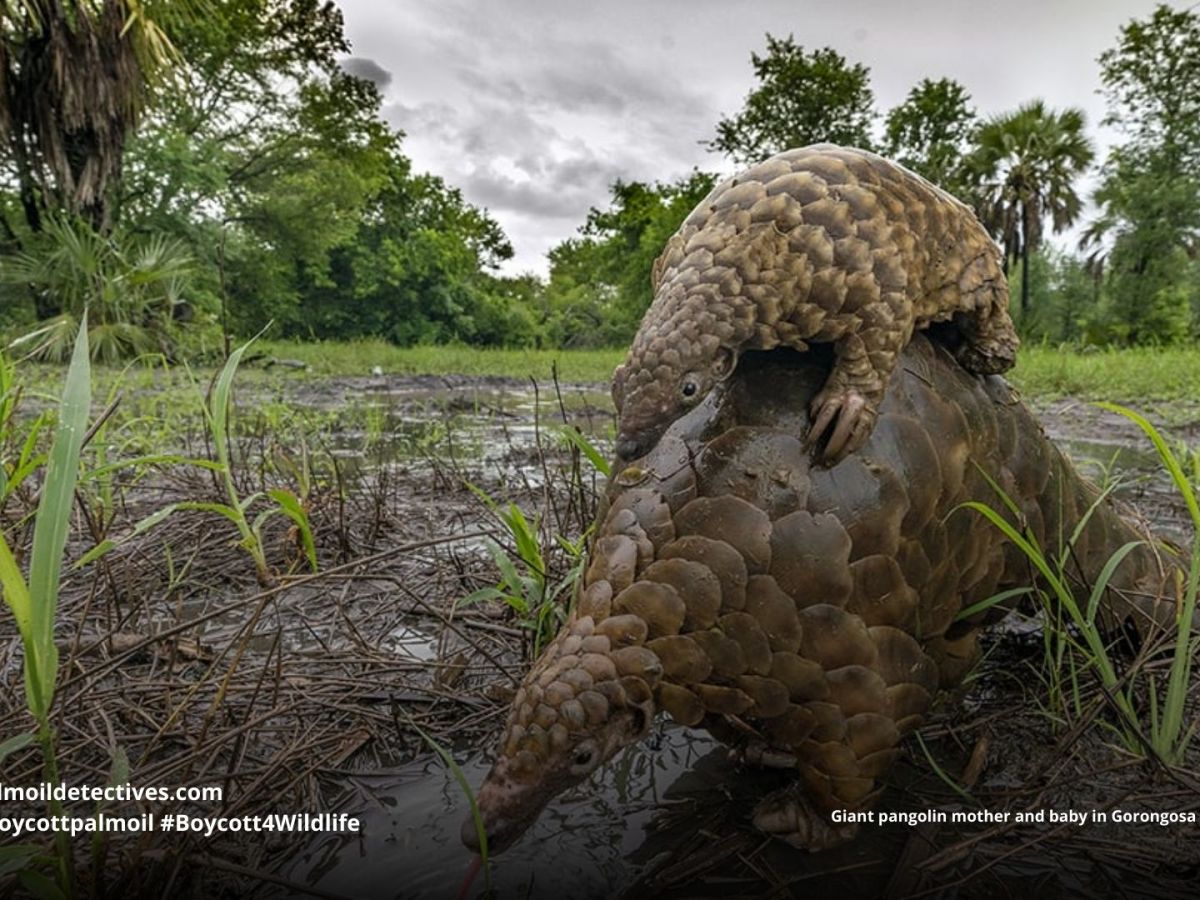
In Nigeria, pangolins are found in various habitats, including forests, savannahs and grasslands. Their distribution and abundance in Nigeria are uncertain, highlighting the need for further research and conservation efforts.

Lagos, Nigeria’s commercial capital, serves as a hub for the illegal trade of pangolins. It is a transit route to Cameroon and is involved in shipments of pangolins from sub-Saharan Africa to Asia. Cameroon is at the centre of wildlife trafficking in central Africa. It is both a source country of animal products as well as a transit route for contraband from neighbouring Republic of Congo, the Democratic Republic of Congo and the Central African Republic.

In 2022, Nigerian customs officials seized 1,613 tonnes of pangolin scales and arrested 14 people. In October 2023, Nigeria burned four tonnes of seized pangolin scales, valued at US$1.4 million. Officials said this was the first time they had publicly destroyed seized wildlife products to discourage illegal trafficking.

Why pangolin conservation is important

Pangolin conservation is crucial for several reasons.

Firstly, pangolins play a vital role in ecosystems by controlling insect populations, particularly ants and termites, which helps maintain ecological balance.

They also contribute to soil health through their digging behaviour, which aerates the soil and promotes nutrient cycling.

Moreover, pangolins are indicators of ecosystem health. Their presence or absence can reflect the overall well-being of their habitats. Protecting pangolins helps safeguard biodiversity and the integrity of their ecosystems.

They also have cultural and economic value in many regions, contributing to ecotourism.

Written by Olajumoke Morenikeji, Professor Department of Zoology, University of Ibadan. This article is republished from The Conversation under a Creative Commons license. Read the original article.

ENDS

Giant Pangolin Smutsia gigantea

Giant Pangolin Smutsia gigantea

The Giant Pangolin is are the largest and heaviest of the pangolin species weighing up to 35 kilos. These majestic creature are cloaked in keratin armour and embark on nightly quests…

Keep reading

Palm Oil Detectives's avatarby Palm Oil DetectivesOctober 27, 2024March 23, 2025

Sunda Pangolin Manis javanica

Sunda Pangolin Manis javanica

Sunda pangolins AKA Javan pangolins are capable swimmers and curl protective balls, palm oil and hunting exploitation are major threats, boycott palm oil!

Keep reading

Palm Oil Detectives's avatarby Palm Oil DetectivesJuly 16, 2023October 12, 2025

Back from extinction: a world first effort to return threatened pangolins to the wild

Back from extinction: a world first effort to return threatened pangolins to the wild

Pangolins are one of the most illegally trafficked animals on the planet and are suspected to be linked to the current coronavirus pandemic. Pangolins are also one of the world’s most…

Keep reading

Palm Oil Detectives's avatarby Palm Oil DetectivesJuly 12, 2022July 30, 2025

Load more posts

Something went wrong. Please refresh the page and/or try again.


Learn about other animals endangered by palm oil and other agriculture

GlobalSouth America S.E. AsiaIndiaAfricaWest Papua & PNGTucuxi Sotalia fluviatilis

Tucuxi Sotalia fluviatilis

Keep reading

Frill-Necked Lizard Chlamydosaurus kingii

Frill-Necked Lizard Chlamydosaurus kingii

Keep reading

Grey Crowned Crane Balearica regulorum

Grey Crowned Crane Balearica regulorum

Keep reading

Ecuadorean Viscacha Lagidium ahuacaense

Ecuadorean Viscacha Lagidium ahuacaense

Keep reading

Southern Pudu Pudu puda

Southern Pudu Pudu puda

Keep reading

Blue-streaked Lory Eos reticulata

Blue-streaked Lory Eos reticulata

Keep reading


Learn about “sustainable” palm oil greenwashing

Read more about RSPO greenwashing

Lying Fake labelsIndigenous Land-grabbingHuman rights abusesDeforestation Human health hazards

A 2019 World Health Organisation (WHO) report into the palm oil industry and RSPO finds extensive greenwashing of palm oil deforestation and the murder of endangered animals (i.e. biodiversity loss)

Read moreWHO Bulletin on Palm Oil: Deforestation and ExtinctionWHO Bulletin on Palm Oil: Deforestation and ExtinctionWHO Bulletin on Palm Oil: Deforestation and ExtinctionWHO Bulletin on Palm Oil: Air Pollution and Health

Take Action in Five Ways

1. Join the #Boycott4Wildlife on social media and subscribe to stay in the loop: Share posts from this website to your own network on Twitter, Mastadon, Instagram, Facebook and Youtube using the hashtags #Boycottpalmoil #Boycott4Wildlife.

Enter your email address

Sign Up

Join 3,172 other subscribers

2. Contribute stories: Academics, conservationists, scientists, indigenous rights advocates and animal rights advocates working to expose the corruption of the palm oil industry or to save animals can contribute stories to the website.

Wildlife Artist Juanchi Pérez

Wildlife Artist Juanchi Pérez

Read more

Mel Lumby: Dedicated Devotee to Borneo’s Living Beings

Mel Lumby: Dedicated Devotee to Borneo’s Living Beings

Read more

Anthropologist and Author Dr Sophie Chao

Anthropologist and Author Dr Sophie Chao

Read more

Health Physician Dr Evan Allen

Health Physician Dr Evan Allen

Read more

The World’s Most Loved Cup: A Social, Ethical & Environmental History of Coffee by Aviary Doert

The World’s Most Loved Cup: A Social, Ethical & Environmental History of Coffee by Aviary Doert

Read more

How do we stop the world’s ecosystems from going into a death spiral? A #SteadyState Economy

How do we stop the world’s ecosystems from going into a death spiral? A #SteadyState Economy

Read more

3. Supermarket sleuthing: Next time you’re in the supermarket, take photos of products containing palm oil. Share these to social media along with the hashtags to call out the greenwashing and ecocide of the brands who use palm oil. You can also take photos of palm oil free products and congratulate brands when they go palm oil free.

https://twitter.com/CuriousApe4/status/1526136783557529600?s=20

https://twitter.com/PhillDixon1/status/1749010345555788144?s=20

https://twitter.com/mugabe139/status/1678027567977078784?s=20

4. Take to the streets: Get in touch with Palm Oil Detectives to find out more.

5. Donate: Make a one-off or monthly donation to Palm Oil Detectives as a way of saying thank you and to help pay for ongoing running costs of the website and social media campaigns. Donate here

Pledge your support

#africa #animalBehaviour #animalBiodiversityNews #animalCruelty #animalExtinction #animalIntelligence #animalRights #asia #biodiversity #boycott4wildlife #boycottpalmoil #deforestation #dragon #giantPangolinSmutsiaGigantea #palmOil #palmOilDeforestation #palmoil #pangolin #pangolins #poaching #pokemon #sundaPangolinManisJavanica #temmincksPangolinSmutsiaTemminckii #vegan #whiteBelliedPangolinPhataginusTricuspis

Songbirds Socialise Mid-Flight During Migration


Songbirds Socialise Mid-Flight During Migration | A study from the University of Illinois reveals that migrating songbirds communicate with different species during nocturnal flights, potentially sharing vital information about navigation and stopover habitats. This challenges the traditional view of solitary migration, highlighting the importance of social interactions in avian journeys. Help them to survive and #BoycottPalmOil #Boycott4Wildlife


🕊️ #News: Fascinating #research finds #song #birds 🦉🦅🐦 communicate mid-flight with other species, possibly sharing navigation tips. This challenges the view of solitary migration. #Bird #communication #Animals #Migration #Avian Protect them and #BoycottPalmOil 🌴💩🔥❌ @palmoildetect https://wp.me/pcFhgU-9OK

Share to BlueSkyShare to Twitter

University of Illinois College of Agricultural, Consumer and Environmental Sciences. (2025, January 15). Songbirds socialize on the wing during migration. ScienceDaily. Retrieved January 17, 2025, from https://www.sciencedaily.com/releases/2025/01/250115125116.htm

https://youtu.be/ZNIUITfUHlc


Migrating Songbirds Engage in Mid-Flight Social Communication

Recent research led by the University of Illinois Urbana-Champaign has uncovered that migrating songbirds engage in vocal interactions with other species during their nocturnal flights. Analysing over 18,300 hours of recorded flight calls, the study suggests that these birds may form social connections and possibly exchange critical information about their migratory routes.

Traditionally, songbird migration has been viewed as a solitary endeavour, guided primarily by innate behaviours. However, this study challenges that notion, proposing that social cues play a significant role even during night-time flights. Lead author Benjamin Van Doren, assistant professor in the Department of Natural Resources and Environmental Sciences, stated, “We can’t be sure what they’re saying, but birds might broadcast calls during flight to signal their species, age, and sex. And we can certainly speculate that these flight calls could relate to navigation or finding suitable stopover habitat.”

The research team utilised acoustic recordings from 26 sites over three years in eastern North America. Employing machine learning tools, they detected the flight calls of 27 species, including 25 well-sampled songbirds. The analysis revealed stronger-than-expected associations between different species’ calls, indicating interspecies communication during flight.

Birds of a Feather Do Indeed Flock Together!

Further examination showed that species with similar wing lengths and call similarities were more likely to associate. Van Doren explains:

“Species with similar wing sizes were more likely to associate, and wing length is directly linked to flight speed. If you imagine two species flying at similar speeds because they have similar wings, then it’s much easier for them to stick together.”

This study opens new avenues for understanding the complexities of avian migration, emphasising the potential for social interactions to influence migratory success. The findings suggest that conservation efforts should consider the social dynamics of migratory birds to better protect these species during their extensive journeys.

For more detailed information, read the full study on ScienceDaily.

University of Illinois College of Agricultural, Consumer and Environmental Sciences. (2025, January 15). Songbirds socialize on the wing during migration. ScienceDaily. Retrieved January 17, 2025, from https://www.sciencedaily.com/releases/2025/01/250115125116.htm

ENDS


Learn about other animals endangered by palm oil and other agriculture

GlobalSouth America S.E. AsiaIndiaAfricaWest Papua & PNGTucuxi Sotalia fluviatilis

Tucuxi Sotalia fluviatilis

Keep reading

Frill-Necked Lizard Chlamydosaurus kingii

Frill-Necked Lizard Chlamydosaurus kingii

Keep reading

Grey Crowned Crane Balearica regulorum

Grey Crowned Crane Balearica regulorum

Keep reading

Ecuadorean Viscacha Lagidium ahuacaense

Ecuadorean Viscacha Lagidium ahuacaense

Keep reading

Southern Pudu Pudu puda

Southern Pudu Pudu puda

Keep reading

Blue-streaked Lory Eos reticulata

Blue-streaked Lory Eos reticulata

Keep reading


Learn about “sustainable” palm oil greenwashing

Read more about RSPO greenwashing

Lying Fake labelsIndigenous Land-grabbingHuman rights abusesDeforestation Human health hazards

A 2019 World Health Organisation (WHO) report into the palm oil industry and RSPO finds extensive greenwashing of palm oil deforestation and the murder of endangered animals (i.e. biodiversity loss)

Read moreWHO Bulletin on Palm Oil: Deforestation and ExtinctionWHO Bulletin on Palm Oil: Deforestation and ExtinctionWHO Bulletin on Palm Oil: Deforestation and ExtinctionWHO Bulletin on Palm Oil: Air Pollution and Health

Take Action in Five Ways

1. Join the #Boycott4Wildlife on social media and subscribe to stay in the loop: Share posts from this website to your own network on Twitter, Mastadon, Instagram, Facebook and Youtube using the hashtags #Boycottpalmoil #Boycott4Wildlife.

Enter your email address

Sign Up

Join 3,171 other subscribers

2. Contribute stories: Academics, conservationists, scientists, indigenous rights advocates and animal rights advocates working to expose the corruption of the palm oil industry or to save animals can contribute stories to the website.

Wildlife Artist Juanchi Pérez

Wildlife Artist Juanchi Pérez

Read more

Mel Lumby: Dedicated Devotee to Borneo’s Living Beings

Mel Lumby: Dedicated Devotee to Borneo’s Living Beings

Read more

Anthropologist and Author Dr Sophie Chao

Anthropologist and Author Dr Sophie Chao

Read more

Health Physician Dr Evan Allen

Health Physician Dr Evan Allen

Read more

The World’s Most Loved Cup: A Social, Ethical & Environmental History of Coffee by Aviary Doert

The World’s Most Loved Cup: A Social, Ethical & Environmental History of Coffee by Aviary Doert

Read more

How do we stop the world’s ecosystems from going into a death spiral? A #SteadyState Economy

How do we stop the world’s ecosystems from going into a death spiral? A #SteadyState Economy

Read more

3. Supermarket sleuthing: Next time you’re in the supermarket, take photos of products containing palm oil. Share these to social media along with the hashtags to call out the greenwashing and ecocide of the brands who use palm oil. You can also take photos of palm oil free products and congratulate brands when they go palm oil free.

https://twitter.com/CuriousApe4/status/1526136783557529600?s=20

https://twitter.com/PhillDixon1/status/1749010345555788144?s=20

https://twitter.com/mugabe139/status/1678027567977078784?s=20

4. Take to the streets: Get in touch with Palm Oil Detectives to find out more.

5. Donate: Make a one-off or monthly donation to Palm Oil Detectives as a way of saying thank you and to help pay for ongoing running costs of the website and social media campaigns. Donate here

Pledge your support

#animal #animalBehaviour #animalBiodiversityNews #animalCommunication #animalCruelty #animalExtinction #animalIntelligence #animalRights #animals #avian #biodiversity #bird #birdOfParadise #birds #birdsong #boycott4wildlife #boycottpalmoil #communication #deforestation #endsongbirdtrade #migration #news #palmOil #palmOilDeforestation #research #song #songbirds

African Forest Elephants Help Fight Climate Change

Discover the awe-inspiring role of African forest #elephants in the Congo Basin—nature’s master gardeners who literally shape the world around them! These gentle giants roam through muddy, mineral-rich paradises called baïs, fostering the growth of carbon-absorbing trees that make our planet healthier. By tending to these unique landscapes, they are the unsung heroes in the fight against climate change. Want to ensure these ecological architects keep doing their vital work? Join the movement to protect their habitat—say no to palm oil and adopt a vegan lifestyle! 🐘🌳#BoycottPalmOil #BeVegan #Boycott4Wildlife

https://youtu.be/s584AP-BYm0?si=Zrwc5CFFjAxAqmas

Take action by sharing this!

African forest #elephants 🐘 in #Congo 🇨🇩 are essential to fighting #climatechange 🌳💚 by capturing #carbon and dispersing seeds in the rainforest. Help them every time you shop, be #vegan #Boycottpalmoil #Boycott4Wildlife @palmoildetect https://palmoildetectives.com/2024/04/28/african-forest-elephants-unsung-heroes-helping-congo-fight-climate-change/

Share to BlueSky Share to Twitter

Gentle giant pachyderms #African forest #elephants 🐘🐘 are the unsung heroes helping #climatechange. They capture #carbon in the #DRC’s 🇨🇩🌳rainforest! Help them survive with your supermarket choices #Boycottpalmoil #Boycott4Wildlife @palmoildetect https://palmoildetectives.com/2024/04/28/african-forest-elephants-unsung-heroes-helping-congo-fight-climate-change/

Share to BlueSkyShare to Twitter

This story was written by Leonie Joubert and originally published by Mongabay on August 15, 2023 and was republished under a Creative Commons licence.


The approach to the “village of elephants” in the Sangha Rainforest in the Central African Republic must be made in complete silence. Not even the faintest rustle of backpack on rain jacket should break the soundscape as visitors wade through the sometimes waist-deep swamp at the forest’s edge. The Indigenous Ba’aka guides must be able to listen for any signs of nearby elephants, so they can steer the visitors clear and avoid a close encounter with these giants. When a few pachyderms saunter out of the dense greenery, the Ba’aka shoo them away calmly.

The thick vegetation gives way suddenly to a baï. This is no mere watering hole. The sandy clearing stretches for half a kilometer, more than a quarter of a mile, in the otherwise unbroken canopy of the world’s second-largest tropical forest.

A handful of researchers camp out on a timber observation platform, overlooking a place that has drawn generations of elephants to its mineral- and salt-laden sand and muddy water. They document how the animals use their trunks or tusks to dig into the sand, eavesdrop on the animals’ conversations, and count the many other species that congregate here.

African forest elephants help to capture carbon (6)

This is Dzanga baï, a meeting place for critically endangered African forest elephants (Loxodonta cyclotis) in the Dzanga-Sangha Complex of Protected Areas where these animals come together in huge numbers to dig for nutrients they can’t get from the otherwise abundant forests.

Baïs are unique to the Congo Basin’s forests, and new research is underway to understand the role these mineral-rich pockets play as a supplement to the elephants’ diet, how this sustains the animals’ population, and how they therefore contribute to the carbon-capture function of the forest.

Unlike the Amazon, the Congo Basin’s forests still have their original megafauna, elephants in particular. And they have these salt-rich clearings. Conservationists are beginning to understand the importance of elephants as forest gardeners here, and how their taste for certain trees and fruits has sculpted a forest that absorbs more carbon per hectare than the Amazon.

The Global Carbon Budget project estimated Africa’s total greenhouse gas emissions for 2021 at 1.45 billion metric tons. Every year, the Congo Basin’s forests soak up 1.1 billion metric tons of atmospheric carbon, storing it in trees and soil; in 2020 carbon credit prices, this service would be worth $55 billion.

Forest elephants, smaller than their better-known savanna cousins or even Asian elephants, prefer certain lower-growing, tasty trees. This picky browsing pressure creates gaps in the canopy that allow other, less palatable but carbon-dense species to reach tremendous heights. Elephants’ appetite for the fruit of these bigger trees then means they spread their seeds far and wide.

2019 study from the Ndoki Forest in the Republic of Congo (ROC) and LuiKotale in the Democratic Republic of Congo (DRC) estimated that if elephants were removed from these sites, the loss of their forest-shaping food preferences would reduce the forest’s carbon capture by 7%.

African forest elephants help to capture carbon (6)

This finding makes a case not only to stop deforestation in the Congo Basin, but to protect the elephants too, as a way to slow climate breakdown, the study authors wrote.

Aerial view of Moungi Bai, Odzala-Kokou National Park, Republic of Congo. Image courtesy Gwilli Gibbon/African Parks.Mouangi baï, a vast watering hole in the Republic of Congo’s Odzala-Kokoua National Park, is nicknamed Capitale because of the vast number of elephants drawn to its mineral-laden water, mud, and sand. Image courtesy Gwilli Gibbon/African Parks.
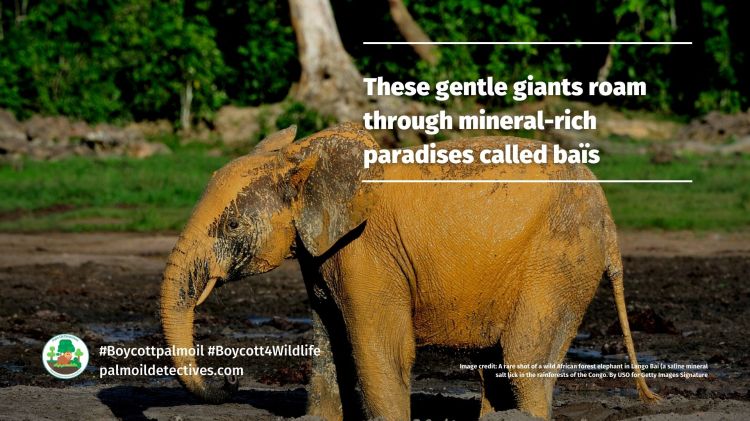
Salt licks for elephants, gardeners of the forest

Mouangi baï is only about 250 km (155 mi) from Dzanga baï as the crow flies, but it takes a day or two to travel by road and river to get from one to the other.

Researchers with the conservation organization African Parks and Harvard University’s Department of Organismic and Evolutionary Biology are zeroing in on Mouangi and other baïs in Odzala-Kokoua National Park in the ROC, to clarify the link between baïs, elephants and the forest’s tree species composition.

Nicknamed Capitale by the locals, Mouangi baï in Odzala draws hundreds, maybe even thousands, of elephants, according to Gwili Gibbon, research and monitoring head at African Parks, which manages the park along with the ROC government.

“Mouangi is one of our largest and most renowned baïs,” Gibbon says.

At the intersection of two rivers, Mouangi is more than 1 km (0.6 mi) across and spans 91 hectares (225 acres). It’s the largest of a dozen of Odzala’s baïs that the African Parks and Harvard research collaboration is focusing on.

Odzala-Kokoua National Park extends across 1.35 million hectares (3.34 million acres), and while it has a few thousand baïs, often occurring in clusters within the forest, this ecosystem makes up only about 0.2% of the park’s footprint. Nevertheless, these clearings may be integral to the shape of the forest itself, which is why Harvard assistant professor Andrew Davies and doctoral researcher Evan Hockridge are teaming up with African Parks to understand the importance of the salty watering holes in supporting elephant populations, which then shape the forest mosaic.

The baïs are clearly a hotspot that elephants seek out for their rare minerals in an ecosystem rooted in the nutrient-poor soils typical of the region.

African forest elephants help to capture carbon (6)

“The elephants use their tusks to scrape topsoil off in specific areas, and eat the finer dust on the surface,” says Hockridge, a landscape ecologist. “They also dig large mining sites or wells, as much as a meter [3 feet] deep.”

The animals’ excavations go even deeper at times, down to where water carries the salt in a more accessible form. The need to ingest the mineral-rich dust, mud and water keeps the animals returning to these sites.

An elephant, trunk plunged deep into muddy water, digging for salt-rich mud in the Dzanga baï in the Sangha Rainforest in the Central African Republic. Image courtesy Jan Teede.An elephant digging for salt-rich mud in the Dzanga baï in the Sangha Rainforest in the Central African Republic. Image courtesy Jan Teede.
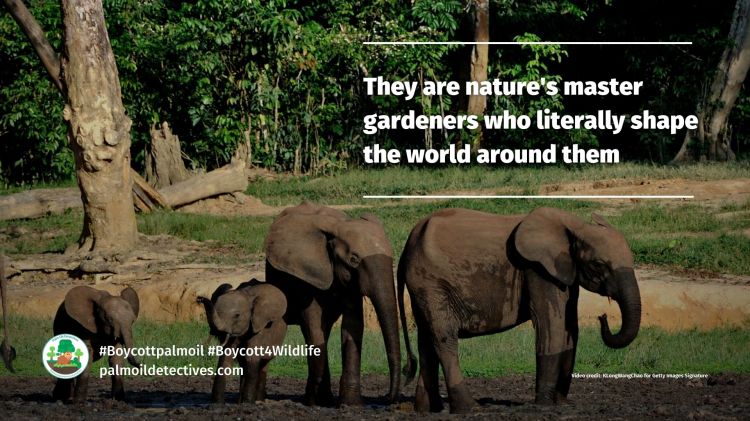
But how the baïs formed in the first place — they’re present in the Congo Basin, but not in the Amazon — and why they remain clear of forest encroachment are still a mystery.

Hockridge says no one has tried to establish if the now-extinct megafauna of the Amazon once made similar clearings there, or if baï size correlates to the size of the animals visiting them.

“One hypothesis is that megafauna effectively create large, nutrient-rich, lick-like clearings. But it hasn’t been quantified that baïs are manufactured or maintained by megafauna,” he says.

The researchers say they hope to answer this puzzle: Do large mammals like elephants maintain and stabilize the baïs?

Anecdotes from the DRC might give the first glimpse of an answer, according to Harvard’s Davies.

“Baïs may be closing in the DRC, and it could be because the elephants are in a war zone, so they don’t have the big bulldozer effect,” he says.

The hypothesis is that if fewer elephants visit and maintain these clearings, the baïs will be swallowed up by the forest.

Gibbon’s African Parks team has set up experimental plots in the Odzala, where they’ve buried salt in the sand at a similar depth to which elephants excavate. Researchers are monitoring these sites to see if more animals will congregate around the plots, whether this impacts the vegetation cover in and around the baïs, and whether there’s a shift in the carbon-capture potential of the surrounding forests.

African forest elephants help to capture carbon (6)

This study is centered in Odzala, although the researchers say they hope to expand the work into the Ndoki region of the Dzanga-Sangha Complex of Protected Areas.

Two Indigenous Ba'aka trackers carrying machetes in a clearing. Image courtesy Jan Teede.Indigenous Ba’aka trackers work with researchers and tourist operators in various parks in Odzala-Kokoua National Park and the Dzanga-Sangha Complex of Protected Areas. Their knowledge of animal behaviour and forest life is essential to accessing these wildernesses. Image courtesy Jan Teede.
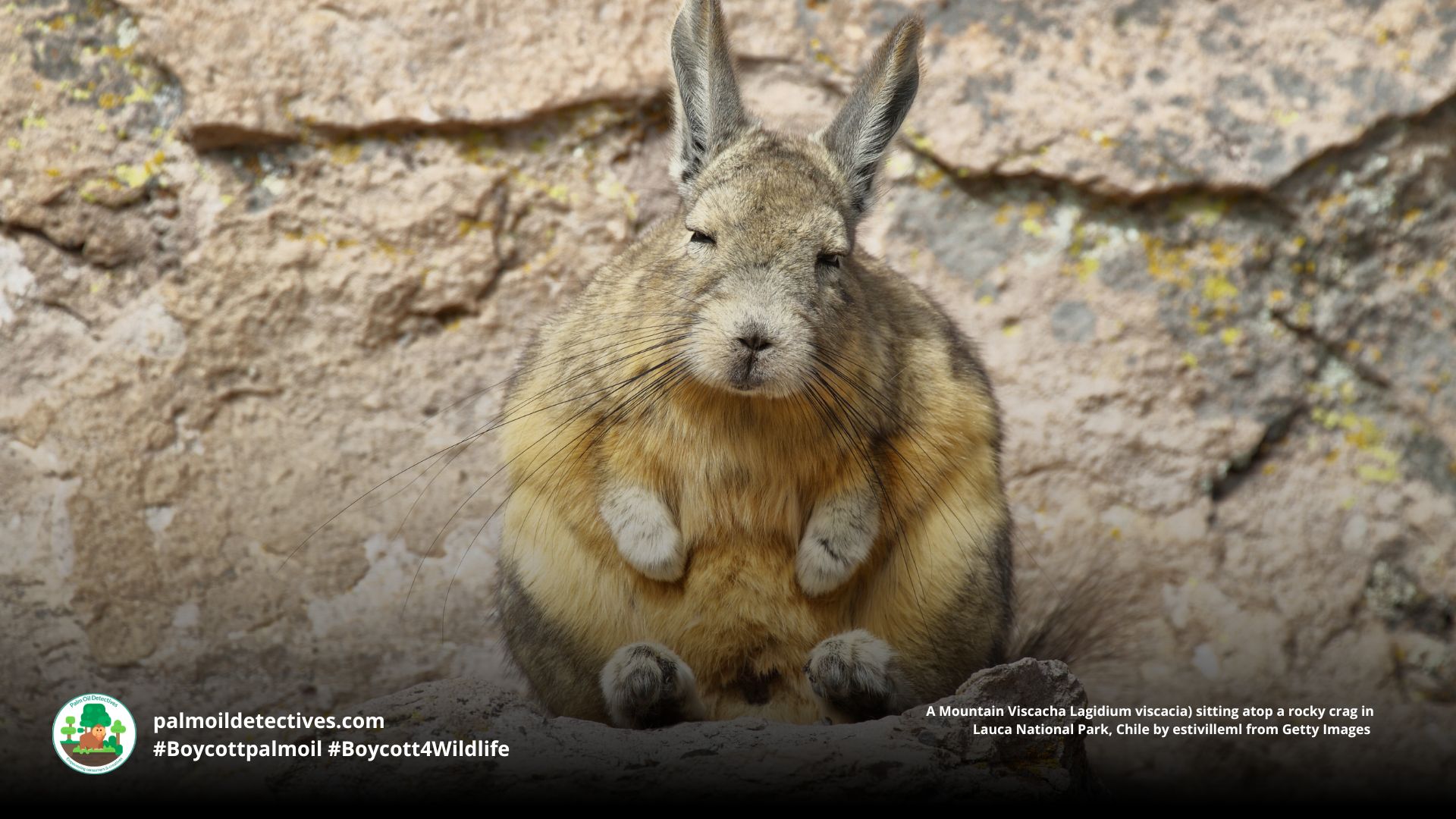
Baïs have a busy social scene

It isn’t just elephants that congregate at the baïs. These watering holes have a bustling social scene.

Gibbon describes the flocks of African green pigeons (Treron calvus) that gather at Capitale at dawn and dusk; buffalo and several bird species that visit during daylight hours; and the hyenas that can be heard calling after dark as the elephants mine for salt.

Wildlife refuges like these in the Congo Basin are also home to the critically endangered western lowland gorilla (Gorilla gorilla gorilla), two unusual forest and swamp-dwelling antelope — the bongo (Tragelaphus eurycerus) and sitatunga (Tragelaphus spekii) — as well as central chimpanzees (Pan troglodytes troglodytes), bonobos (Pan pansicus), and the endangered gray parrot (Psittacus erithacus).

The forests of Gabon, southern Cameroon and southern Central African Republic also have a high number of baïs, and the findings from these studies could eventually be extrapolated to give an idea of the implications for the Congo Basin more widely.

“The area that baïs’ cover is tiny, but they sustain the elephant population,” Davies says. “If our hypothesis is correct, without the baïs you’d have no elephants; without elephants there’s be no big trees with high carbon density, so carbon storage would go down.”

If the forest loses the baïs, it could lose more than just the elephants or see a change in its carbon-capturing treescape. The baïs would no longer draw the many other animals that thrive in these mineral-dense watering holes, and the tourists and environmental researchers drawn to them too.


Citation:

Berzaghi, F., Longo, M., Ciais, P., Blake, S., Bretagnolle, F., Vieira, S., … Doughty, C. E. (2019). Carbon stocks in central African forests enhanced by elephant disturbance. Nature Geoscience, 12(9), 725-729. doi:10.1038/s41561-019-0395-6

Banner image: Elephants dig for salt-rich mud in the Dzanga baï in the Sangha Rainforest in the Central African Republic. Image courtesy Jan Teede.

This story was written by Leonie Joubert and originally published by Mongabay on August 15, 2023 and was republished under a Creative Commons licence.

ENDS


Learn about other animals endangered by palm oil and other agriculture

GlobalSouth America S.E. AsiaIndiaAfricaWest Papua & PNGTucuxi Sotalia fluviatilis

Tucuxi Sotalia fluviatilis

Keep reading

Frill-Necked Lizard Chlamydosaurus kingii

Frill-Necked Lizard Chlamydosaurus kingii

Keep reading

Grey Crowned Crane Balearica regulorum

Grey Crowned Crane Balearica regulorum

Keep reading

Ecuadorean Viscacha Lagidium ahuacaense

Ecuadorean Viscacha Lagidium ahuacaense

Keep reading

Southern Pudu Pudu puda

Southern Pudu Pudu puda

Keep reading

Blue-streaked Lory Eos reticulata

Blue-streaked Lory Eos reticulata

Keep reading


Learn about “sustainable” palm oil greenwashing

Read more about RSPO greenwashing

Lying Fake labelsIndigenous Land-grabbingHuman rights abusesDeforestation Human health hazards

A 2019 World Health Organisation (WHO) report into the palm oil industry and RSPO finds extensive greenwashing of palm oil deforestation and the murder of endangered animals (i.e. biodiversity loss)

Read moreWHO Bulletin on Palm Oil: Deforestation and ExtinctionWHO Bulletin on Palm Oil: Deforestation and ExtinctionWHO Bulletin on Palm Oil: Deforestation and ExtinctionWHO Bulletin on Palm Oil: Air Pollution and Health

Take Action in Five Ways

1. Join the #Boycott4Wildlife on social media and subscribe to stay in the loop: Share posts from this website to your own network on Twitter, Mastadon, Instagram, Facebook and Youtube using the hashtags #Boycottpalmoil #Boycott4Wildlife.

Enter your email address

Sign Up

Join 3,172 other subscribers

2. Contribute stories: Academics, conservationists, scientists, indigenous rights advocates and animal rights advocates working to expose the corruption of the palm oil industry or to save animals can contribute stories to the website.

Wildlife Artist Juanchi Pérez

Wildlife Artist Juanchi Pérez

Read more

Mel Lumby: Dedicated Devotee to Borneo’s Living Beings

Mel Lumby: Dedicated Devotee to Borneo’s Living Beings

Read more

Anthropologist and Author Dr Sophie Chao

Anthropologist and Author Dr Sophie Chao

Read more

Health Physician Dr Evan Allen

Health Physician Dr Evan Allen

Read more

The World’s Most Loved Cup: A Social, Ethical & Environmental History of Coffee by Aviary Doert

The World’s Most Loved Cup: A Social, Ethical & Environmental History of Coffee by Aviary Doert

Read more

How do we stop the world’s ecosystems from going into a death spiral? A #SteadyState Economy

How do we stop the world’s ecosystems from going into a death spiral? A #SteadyState Economy

Read more

3. Supermarket sleuthing: Next time you’re in the supermarket, take photos of products containing palm oil. Share these to social media along with the hashtags to call out the greenwashing and ecocide of the brands who use palm oil. You can also take photos of palm oil free products and congratulate brands when they go palm oil free.

https://twitter.com/CuriousApe4/status/1526136783557529600?s=20

https://twitter.com/PhillDixon1/status/1749010345555788144?s=20

https://twitter.com/mugabe139/status/1678027567977078784?s=20

4. Take to the streets: Get in touch with Palm Oil Detectives to find out more.

5. Donate: Make a one-off or monthly donation to Palm Oil Detectives as a way of saying thank you and to help pay for ongoing running costs of the website and social media campaigns. Donate here

Pledge your support

#african #africanForestElephantLoxodontaCyclotis #amazingAnimals #animalBehaviour #animalCommunication #animalIntelligence #bantrophyhunting #bevegan #biodiversity #boycottPalmOil #boycott4wildlife #boycottpalmoil #carbon #climatechange #congo #deforestation #democracticRepublicOfCongo #drc #elephant #elephants #forgottenAnimals #mammal #pachyderm #pachyderms #palmOil #palmOilDeforestation #theDemocraticRepublicOfCongo #vegan

Ecuadorean Viscacha Lagidium ahuacaense

Ecuadorean Viscacha Lagidium ahuacaense

IUCN Status: Critically Endangered

Location: Ecuador’s Cerro El Ahuaca

High in the remote granite outcrops of Cerro El Ahuaca, #Ecuador the Ecuadorean #Viscacha Lagidium ahuacaense is plump and fluffy #rodent sporting sage-like long whiskers. From their high perch they look down upon the world below with a permanent expression of what could interpreted as disappointment. Ecuadorean Viscachas were first spotted in 2005 and formally described in 2009, these mountain-dwelling large #rodents are the northernmost member of the Lagidium genus, marooned over 500 kilometres from their closest relatives in #Peru. Few creatures are as elusive or fascinating— tragically, only a handful of them remain alive.

Fires, #beef agriculture, and #deforestation for monoculture are carving away at their already fragile existence, pushing them ever closer to the brink of #extinction. Help them by sharing their story to social media. Join the #Boycott4Wildlife.

https://youtu.be/0o5MoqBnXZA

High in the mountains of #Ecuador 🇪🇨 lives a sage-like fluffy #rodent, the Ecuadorean #Viscacha, a critically endangered alpine wonder. Few remain alive due to #climatechange and #meat #agriculture 🥩🔥. Be #vegan for them #Boycott4Wildlife @palmoildetect https://wp.me/pcFhgU-aoV

Share to BlueSky Share to Twitter

The Ecuadorean #Viscacha is a fluffy epic #rodent of #Ecuador’s high mountains with long and wise whiskers and a bushy tail. These tenacious creatures are critically #endangered 😭😿 Help them to survive, be #vegan #Boycott4Wildlife 🥩🔥⛔️ @palmoildetect https://wp.me/pcFhgU-aoV

Share to BlueSky Share to Twitter

Appearance & Behaviour

Built for survival in one of Ecuador’s harshest landscapes, the Ecuadorean Viscacha is a sturdy and big rodent with a compact body covered in thick, grey-brown fur. Their dense, woolly fur shields them from the biting Andean winds, while their long, silvery tails provide balance as they scale sheer rock faces. Their large, dark eyes scan the terrain for danger, and their long, sensitive whiskers twitch as they pick up the faintest vibrations in the wind.

Long and distinguished whiskers provide them with sensitive and deep understanding of their environment. A black dorsal stripe runs the length of their back, this disappears into the dense coat that keeps them warm against the mountain’s chill.

Most active at dawn and dusk, their every movement is deliberate. They bound effortlessly between jagged outcrops, using their powerful hind legs to launch themselves across treacherous gaps. Unlike burrowing rodents, they take refuge in narrow rock crevices, where they remain hidden from predators.

Ecuadorean Viscacha Lagidium ahuacaenseEcuadorean Viscacha Lagidium ahuacaenseEcuadorean Viscacha Lagidium ahuacaense

Threats

Once secure in their isolated stronghold, the Ecuadorean Viscacha now faces a gauntlet of human-driven threats. Their already tiny population is being squeezed into an ever-smaller fragment of land, where survival is becoming increasingly precarious.

Deforestation for eucalyptus and pine monoculture plantations

For generations, wildfires have been used to clear land for agriculture and livestock grazing, but in recent decades, these fires have intensified, spreading further into the Viscacha’s habitat. Each blaze devours critical vegetation, stripping away the food sources they rely on and forcing them into ever-smaller pockets of surviving habitat.

Farmed Animal Agriculture

Grazing cattle have become an unrelenting force in the region, trampling vegetation and outcompeting the Viscacha for food. Their presence has disrupted the delicate balance of this fragile ecosystem, leaving fewer resources for native wildlife.

Climate Change-related Environmental Shifts

With their entire known population confined to a single mountain, the Ecuadorean Viscacha is especially vulnerable to even the smallest environmental shifts. Changing rainfall patterns, prolonged droughts, and temperature fluctuations could alter the availability of food and water, placing further stress on their already limited numbers.

Population Fragmentation and Isolation

Trapped within a tiny range with no known neighbouring populations, the Viscacha is cut off from potential mates and genetic diversity. Without intervention, this isolation could lead to inbreeding, weakening the species’ ability to adapt and survive.

Ecuadorean Viscacha Lagidium ahuacaenseEcuadorean Viscacha Lagidium ahuacaense

Geographic Range

The Ecuadorean Viscacha is found only in a single location—Cerro El Ahuaca, a rugged granite mountain in southern Ecuador. They inhabit steep, rocky surfaces at elevations between 1,950 and 2,480 metres, a world of exposed rock faces and sparse vegetation. No other known populations exist, making them one of the most geographically restricted mammals on the planet.

Though their habitat once stretched further, fires and deforestation have steadily chipped away at the fringes of their territory. Today, their entire known range spans just 120 hectares—an area smaller than many urban parks—leaving them with little room to escape the pressures of a changing world.

Diet

These high-altitude specialists are herbivores, feeding primarily on native grasses, shrubs, and small herbs that cling to the mountainside. Signs of their feeding are visible throughout their habitat—freshly grazed plants and stripped vegetation mark the places where they have foraged. Their diet is shaped by scarcity, forcing them to survive on whatever plant life they can find in their isolated, rocky home. Their close relatives Mountain Viscacha of Peru are preyed upon by Andean Mountain Cats.
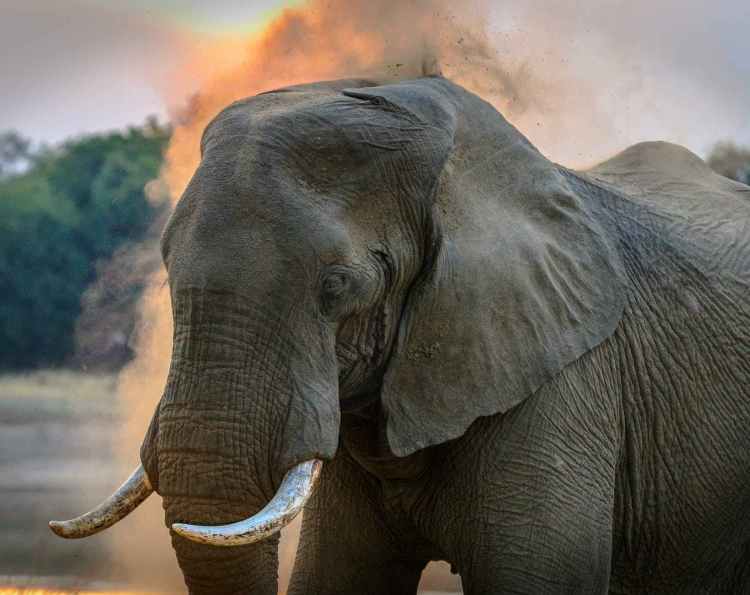
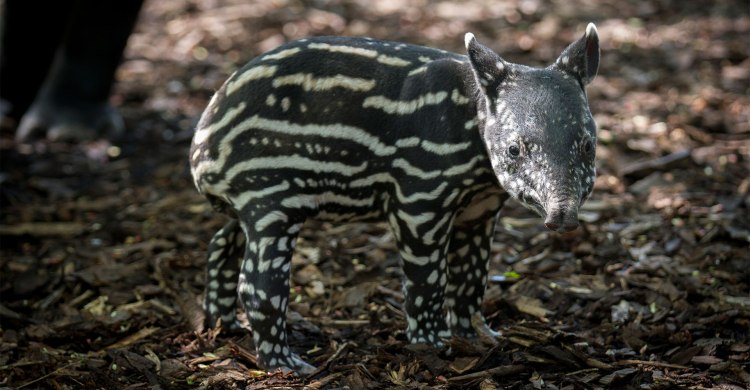
Mating and Reproduction

Little is known about the reproductive habits of the Ecuadorean Viscacha, but they likely follow a pattern similar to their relatives in the Lagidium genus. Mountain Viscachas generally give birth to a single offspring after a long gestation period, ensuring that each newborn has a better chance of survival in the unforgiving terrain. Born with fur and open eyes, young Viscachas are relatively well-developed, an adaptation that allows them to quickly learn the skills needed to navigate their hazardous mountain environment.

FAQs

Are Ecuadorean Viscachas related to rabbits or chinchillas?

Despite their rabbit-like appearance, Ecuadorean Viscachas belong to the Chinchillidae family, making them closer relatives of chinchillas than rabbits. Their long whiskers, dense fur, and powerful hind legs are adaptations seen in other members of this family, allowing them to thrive in rocky, high-altitude environments.

How are Ecuadorean Viscachas different from other Mountain Viscachas?

Ecuadorean Viscachas are the northernmost species of the Lagidium genus, separated by more than 500 kilometres from their closest relatives in Peru. Genetic studies show that they diverged significantly from other Mountain Viscachas, with at least 7.9% DNA sequence differences. Morphologically, they have a more compact body, a distinct black dorsal stripe, and a tail that shifts in colour from grey-brown to reddish-brown. Their isolation and unique adaptations to the Cerro El Ahuaca environment make them a distinct species.

How do Ecuadorean Viscachas survive in their rocky habitat?

Perfectly adapted to life among sheer cliffs and granite outcrops, Ecuadorean Viscachas use their powerful hind legs to leap between rocks, navigating the treacherous terrain with ease. Their thick, woolly fur provides insulation against the cold, and instead of burrowing, they take refuge in rock crevices where they remain hidden from predators.

What do Ecuadorean Viscachas eat?

These herbivores feed on native shrubs, grasses, and small herbs found in their mountainous habitat. They leave behind distinct feeding traces, such as grazed vegetation and stripped plants, which provide insight into their foraging habits. Their diet is dictated by the limited plant life available in their isolated environment.

How many Ecuadorean Viscachas are left in the wild?

The total known population is alarmingly small, possibly consisting of only a few dozen individuals confined to a 120-hectare area on Cerro El Ahuaca. No other populations have been discovered, making them one of the most critically endangered rodents in the world.

What are the biggest threats to the Ecuadorean Viscacha?

Their biggest threats include:

Habitat destruction – Uncontrolled fires and land clearing for eucalyptus and pine monoculture and cattle grazing are steadily erasing their already limited habitat.

Livestock competitionGrazing cattle trample vegetation and outcompete Viscachas for food.

Climate change – Shifting rainfall patterns and temperature fluctuations could further disrupt their delicate ecosystem.

Genetic isolation – With only a single known population, they face the risk of inbreeding, which could weaken their resilience.

Why are they only found in one place?

Ecuadorean Viscachas are highly specialised mountain dwellers, perfectly suited to the rocky terrain of Cerro El Ahuaca. They may have once had a wider range, but habitat destruction and fragmentation have left them stranded in this isolated stronghold. Unlike more adaptable rodents, they cannot easily move to new areas due to their specific habitat needs.

Are Ecuadorean Viscachas protected?

The Ecuadorean Vischaca was only recently discovered and are considered a forgotten species. However conservation efforts have begun, there is no targeted species-wide protection in place. However, local conservation initiatives have helped establish protected areas that include their habitat. Researchers continue to push for stronger conservation measures to ensure their survival.

How can I help save the Ecuadorean Viscacha?

You can make a difference by:

• Supporting conservation organisations working to protect their habitat.

• Raising awareness about the threats they face by sharing this post and joining the #Boycott4Wildlife

• Advocating for stronger environmental policies in Ecuador to prevent further deforestation and habitat loss.

Without immediate action, these rare and remarkable mountain survivors could disappear forever.

Take Action!

The Ecuadorean Viscacha is teetering on the edge of extinction, but there is still time to act. Conservationists have already taken steps to protect their habitat, securing key areas under municipal conservation agreements. However, long-term survival depends on preventing further destruction of their fragile mountain refuge.

You can help by:

• Supporting organisations working to protect Ecuador’s high-altitude ecosystems.

• Spreading awareness about the threats facing the Ecuadorean Viscacha and the urgent need for conservation.

• Demanding stronger environmental protections to prevent further habitat loss in Loja Province.

Every effort counts. Without immediate action, these extraordinary mountain survivors could disappear forever.

Support Ecuadorean Viscacha by going vegan and boycotting palm oil in the supermarket, it’s the #Boycott4Wildlife

Support the conservation of this species

This animal has no protections in place. Read about other forgotten species here. Create art to support this forgotten animal or raise awareness about them by sharing this post and using the #Boycottpalmoil #Boycott4Wildlife hashtags on social media. Also you can boycott palm oil in the supermarket.

Further Information

Nature and Culture International. (2022). Ecuadorian Viscacha Conservation Project. Retrieved from https://www.natureandculture.org/directory/ecuadorian-vizcacha-conservation-project/

Roach, N. 2016. Lagidium ahuacaenseThe IUCN Red List of Threatened Species 2016: e.T48295808A48295811. https://dx.doi.org/10.2305/IUCN.UK.2016-2.RLTS.T48295808A48295811.en. Accessed on 27 February 2025.

Werner, F. A., Ledesma, K. J., & Hidalgo B., R. (2006). Mountain vizcacha (Lagidium cf. peruanum) in Ecuador – first record of Chinchillidae from the northern Andes. Mastozoología Neotropical, 13(2), 271–274.

Wikipedia Contributors. (n.d.). Lagidium ahuacaense. Wikipedia, The Free Encyclopedia. Retrieved from https://en.wikipedia.org/wiki/Lagidium_ahuacaense

Ecuadorean Viscacha Lagidium ahuacaense
Contribute to palm oil detectives - black rhino in profile

How can I help the #Boycott4Wildlife?


Take Action in Five Ways

1. Join the #Boycott4Wildlife on social media and subscribe to stay in the loop: Share posts from this website to your own network on Twitter, Mastadon, Instagram, Facebook and Youtube using the hashtags #Boycottpalmoil #Boycott4Wildlife.

Enter your email address

Sign Up

Join 3,529 other subscribers

2. Contribute stories: Academics, conservationists, scientists, indigenous rights advocates and animal rights advocates working to expose the corruption of the palm oil industry or to save animals can contribute stories to the website.

Wildlife Artist Juanchi Pérez

Wildlife Artist Juanchi Pérez

Read more

Mel Lumby: Dedicated Devotee to Borneo’s Living Beings

Mel Lumby: Dedicated Devotee to Borneo’s Living Beings

Read more

Anthropologist and Author Dr Sophie Chao

Anthropologist and Author Dr Sophie Chao

Read more

Health Physician Dr Evan Allen

Health Physician Dr Evan Allen

Read more

The World’s Most Loved Cup: A Social, Ethical & Environmental History of Coffee by Aviary Doert

The World’s Most Loved Cup: A Social, Ethical & Environmental History of Coffee by Aviary Doert

Read more

How do we stop the world’s ecosystems from going into a death spiral? A #SteadyState Economy

How do we stop the world’s ecosystems from going into a death spiral? A #SteadyState Economy

Read more

3. Supermarket sleuthing: Next time you’re in the supermarket, take photos of products containing palm oil. Share these to social media along with the hashtags to call out the greenwashing and ecocide of the brands who use palm oil. You can also take photos of palm oil free products and congratulate brands when they go palm oil free.

https://twitter.com/CuriousApe4/status/1526136783557529600?s=20

https://twitter.com/PhillDixon1/status/1749010345555788144?s=20

https://twitter.com/mugabe139/status/1678027567977078784?s=20

4. Take to the streets: Get in touch with Palm Oil Detectives to find out more.

5. Donate: Make a one-off or monthly donation to Palm Oil Detectives as a way of saying thank you and to help pay for ongoing running costs of the website and social media campaigns. Donate here

Pledge your support

Learn about other animals endangered by palm oil and other agriculture

GlobalSouth America S.E. AsiaIndiaAfricaWest Papua & PNGSouthern Pudu Pudu puda

Southern Pudu Pudu puda

Keep reading

Blue-streaked Lory Eos reticulata

Blue-streaked Lory Eos reticulata

Keep reading

Blonde Capuchin Sapajus flavius

Blonde Capuchin Sapajus flavius

Keep reading

Savage’s Glass Frog Centrolene savagei

Savage’s Glass Frog Centrolene savagei

Keep reading

Pesquets Parrot Psittrichas fulgidus

Pesquets Parrot Psittrichas fulgidus

Keep reading

Tanimbar Eclectus Parrot Eclectus riedeli

Tanimbar Eclectus Parrot Eclectus riedeli

Keep reading


Learn about “sustainable” palm oil greenwashing

Read more about RSPO greenwashing

Lying Fake labelsIndigenous Land-grabbingHuman rights abusesDeforestation Human health hazards

A 2019 World Health Organisation (WHO) report into the palm oil industry and RSPO finds extensive greenwashing of palm oil deforestation and the murder of endangered animals (i.e. biodiversity loss)

Read moreWHO Bulletin on Palm Oil: Deforestation and ExtinctionWHO Bulletin on Palm Oil: Deforestation and ExtinctionWHO Bulletin on Palm Oil: Deforestation and ExtinctionWHO Bulletin on Palm Oil: Air Pollution and Health

#Agriculture #animals #beef #Boycott4wildlife #BoycottPalmOil #climatechange #CriticallyEndangeredSpecies #criticallyendangered #deforestation #Ecuador #EcuadoreanViscachaLagidiumAhuacaense #endangered #extinction #ForgottenAnimals #hunting #meat #meatDeforestation_ #PalmOil #palmOilDeforestation #Peru #poaching #rodent #rodents #SouthAmericaSpeciesEndangeredByPalmOilDeforestation #vegan #Viscacha

Tucuxi Sotalia fluviatilis

Tucuxi Sotalia fluviatilis

IUCN Red List Status: Endangered

Location: #Brazil, #Peru, #Colombia, #Ecuador

Found throughout the #Amazon and Solimões River systems, including major tributaries and large lakes. Their range spans lowland rainforest areas of Brazil, southeastern Colombia, eastern Ecuador, and southern Peru.

The #Tucuxi, a small freshwater #dolphin of #Peru, #Ecuador, #Colombia and #Brazil now faces a dire future. Once common throughout the Amazon River system, they are now listed as #Endangered due to accelerating population declines. Threats include drowning in fishing nets, deforestation, mercury poisoning from gold mining, #palmoil run-off, oil drilling, and dam construction. A shocking 97% decline was recorded over 23 years in a single Amazon reserve. Without urgent action, this elegant and playful river dolphin could vanish from South America’s waterways. Use your wallet as a weapon against extinction. Choose palm oil-free, and #BoycottGold #BoycottPalmOil #Boycott4Wildlife

https://youtu.be/YYvh0S3ucUI

Playful and intelligent #Tucuxi are small #dolphins 🐬 of #Amazonian rivers in #Peru 🇵🇪 #Brazil 🇧🇷 #Ecuador 🇪🇨 and #Colombia 🇨🇴. #PalmOil and #GoldMining are major threats 😿 Fight for them! #BoycottGold #BoycottPalmOil #Boycott4Wildlife @palmoildetect https://palmoildetectives.com/2025/11/23/tucuxi-sotalia-fluviatilis/

Share to BlueSky Share to Twitter

Clever and joyful #Tucuxi are #dolphins 🐬💙 endangered by #hunting #gold #mining and contamination of the Amazon river 🇧🇷 for #PalmOil #agriculture ☠️ Use your wallet as a weapon and #BoycottGold 🥇🚫 #BoycottPalmOil 🌴🚫 #Boycott4Wildlife @palmoildetect https://palmoildetectives.com/2025/11/23/tucuxi-sotalia-fluviatilis/

Share to BlueSky Share to Twitter

Appearance & Behaviour

Tucuxis are often mistaken for their oceanic dolphin cousins due to their streamlined bodies, short beaks, and smooth, pale-to-dark grey skin. But these freshwater dolphins are wholly unique—adapted to life in winding river systems where water levels rise and fall dramatically with the seasons.

What sets them apart is their remarkable intelligence and tightly knit social groups. Tucuxis are playful and curious by nature. They leap from the water in graceful arcs, sometimes spinning mid-air.

Tucuxi Sotalia fluviatilis boycottTucuxi Sotalia fluviatilis by Axel Antoine iNaturalistTucuxi Sotalia fluviatilis by Instituto Boto Cinza (2)Tucuxi Sotalia fluviatilis by Instituto Boto CinzaTucuxi Sotalia fluviatilis - South AmericaTucuxi Sotalia fluviatilis by Mamiferos de Colombia iNaturalistTucuxi Sotalia fluviatilis threats

The Tucuxi, sometimes called the ‘grey dolphin’ due to their uniform colouring, resembles a smaller oceanic dolphin, with a streamlined body and slender beak. Their colour varies from pale grey on the belly to darker grey or bluish-grey along the back.

They travel in small groups of two to six, displaying coordinated swimming patterns. In rare cases, they may form groups up to 26 individuals, particularly at river confluences. Known for their agility, they leap and spin in the water with a grace that belies their size. Tucuxis are particularly drawn to dynamic habitats like river junctions, where waters mix and fish gather.

Threats

Tucuxi Sotalia fluviatilis threatsTucuxi Sotalia fluviatilis boycott
  • Widespread deforestation from palm oil plantations Palm oil plantations are rapidly expanding across the Amazon, clearing vast tracts of forest that stabilise riverbanks and filter water. This deforestation leads to increased sedimentation in rivers, altering flow patterns and reducing water clarity—conditions that directly disrupt the Tucuxi’s feeding and movement. Run-off from fertilisers and pesticides used in palm oil monocultures also poisons aquatic ecosystems, harming Tucuxis other Amazonian dolphin species and the fish they rely on.
  • Toxic mercury pollution from gold mining Artisanal and illegal gold mining in the Amazon releases massive quantities of mercury into the water, contaminating fish and other aquatic organisms. Tucuxis, as top predators, ingest this mercury through their prey, which accumulates in their tissues and causes neurological damage, weakened immunity, and reproductive failure. Mercury exposure is one of the most insidious threats, as it persists in ecosystems long after mining has ceased.
  • Incidental drowning in fishing nets Tucuxis are frequently caught and killed in gillnets and other fishing gear as bycatch. Tucuxis and other Amazonian dolphins often inhabit the same confluence zones and productive fishing grounds targeted by local communities, making entanglement almost inevitable. Many carcasses are never recovered, having either been discarded by fishers or lost to river currents, meaning actual mortality rates are likely far higher than reported.
  • Deliberate hunting for use as fish bait Though illegal, Tucuxis continue to be targeted and killed in parts of Brazil, especially near the Mamirauá and Amana Reserves, where they are used as bait in the piracatinga (catfish) fishery. This brutal practice involves harpooning or netting dolphins and using their flesh to lure fish, often alongside the killing of Botos. Despite a national ban, weak enforcement and ongoing demand mean this threat persists in remote and lawless regions.
  • Illegal fishing with explosives and toxins In certain areas, particularly in Brazil and Peru, fishers use home-made explosives and poisoned bait to stun or kill fish en masse. These destructive methods harm or kill Tucuxis who are attracted by the sudden appearance of dead or stunned prey. The concussive force of explosions and the ingestion of poisoned prey result in slow, agonising deaths for affected dolphins.
  • Construction of hydroelectric dams Dams fragment Tucuxi populations by blocking their movement along river corridors, reducing access to feeding and breeding grounds. These projects alter seasonal water flow, raise water temperatures, and flood critical habitats—conditions that significantly disrupt dolphin ecology. Brazil alone has 74 operational dams in the Amazon basin, with over 400 more planned, posing a long-term existential threat to freshwater cetaceans.
  • Run-off and contamination from palm oil, soy and meat agriculture In addition to habitat loss, palm oil and soy plantations along with cattle ranching generates enormous volumes of chemical-laden waste, which enters waterways and poisons aquatic life. This pollution affects Tucuxis both directly and indirectly—exposing them to harmful substances and killing off sensitive fish species. As plantations replace biodiverse forests, the ecosystem becomes less resilient, accelerating the decline of species like the Tucuxi.
  • Bioaccumulation of heavy metals and industrial pollutants Tucuxis, like many river dolphins, suffer from exposure to persistent organic pollutants such as PCBs, DDT, and flame retardants, as well as heavy metals like lead and cadmium. These toxins accumulate in dolphin tissues over time, weakening their immune systems, interfering with reproduction, and making them more vulnerable to disease. Contaminants originate from industrial waste, agriculture, and mining, and are now widespread across the Amazon basin.
  • Habitat fragmentation from infrastructure and oil development Roads, oil pipelines, and shipping corridors criss-cross many parts of the Tucuxi’s range, slicing through their habitat and increasing the risk of collisions with boats. These developments also bring noise pollution, which can interfere with echolocation and communication. Fragmentation leads to isolated subpopulations, reducing genetic diversity and making recovery more difficult.

Geographic Range

The Tucuxi inhabits the Amazon River basin, spanning: Brazil, Peru, Colombia, Ecuador These river dolphins occur as far west as southern Peru and eastern Ecuador, and as far north as southeastern Colombia. They are notably absent from Bolivia’s Beni/Mamoré system, the Orinoco basin, and upper reaches above major waterfalls or rapids.

Their range includes wide, deep rivers and lakes, avoiding turbulent rapids and shallow areas. Despite overlapping with the Amazon River Dolphin (Inia geoffrensis), Tucuxis do not enter flooded forest habitats and stay closer to main river channels.

Diet

Tucuxis feed on more than 28 species of small, schooling freshwater fish, including members of the characid, sciaenid, and siluriform families. During the dry season, fish are concentrated in shrinking waterways, making them easier to catch. In contrast, flooding season disperses prey into forested areas, beyond the Tucuxi’s reach. They prefer to feed at river junctions and along confluences, where nutrient-rich waters concentrate fish populations.

Mating and Reproduction

Little is known about their mating behaviours. However, individuals appear to remain within familiar ranges for many years, and females likely give birth to a single calf after a long gestation. Calves are dependent for an extended period, learning complex navigation and foraging skills in rapidly changing river systems. The estimated generation length is 15.6 years.

FAQs

How many Tucuxis are left in the wild?

There is no comprehensive global population estimate. However, surveys from 1994–2017 in Brazil’s Mamirauá Reserve show a 7.4% annual decline—amounting to a 97% drop over three generations (da Silva et al., 2020). If this trend reflects the wider Amazon basin, the species could be on the brink of collapse.

How long do Tucuxis live?

Exact lifespans are unknown, but based on reproductive data and life history modelling, their generation length is around 15.6 years (Taylor et al., 2007), suggesting natural lifespans of 30–40 years.

How are palm oil and gold mining affecting Tucuxis?

Out-of-control palm oil expansion results in massive deforestation and run-off, clogging rivers with sediment and toxic agrochemicals. Gold mining adds mercury into aquatic ecosystems, where it bioaccumulates in fish—Tucuxis’ main food source. These pollutants cause reproductive harm, neurological damage, and immune system failure in dolphins.

Do Tucuxis make good pets and should they be kept in zoos?

Absolutely not. Tucuxis are intelligent, wild animals. Keeping them in captivity is deeply cruel and has no conservation benefit. Wild capture destroys families and can devastate local populations. If you care about these dolphins, say no to the exotic pet trade and the cruel zoo trade.

What habitats do they prefer?

Research in Peru’s Pacaya-Samiria Reserve shows that Tucuxis prefer river confluences and wide channels, particularly during the dry season when fish density is higher (Belanger et al., 2022). Feeding activity is especially concentrated in areas where whitewater rivers meet blackwater tributaries, creating nutrient-rich hotspots.

Take Action!

The Tucuxi is vanishing before our eyes. To protect them:

Boycott palm oil and gold products linked to Amazon destruction.

• Choose fish-free and vegan products to reduce pressure on river ecosystems.

• Support indigenous-led conservation across the Amazon.

• Campaign for a ban on destructive dams, and the end of illegal fishing.

#BoycottPalmOil #Boycott4Wildlife #Vegan #BoycottMeat

Support the Tucuxi by going vegan and boycotting palm oil in the supermarket, it’s the #Boycott4Wildlife

Support the conservation of this species

This animal has no protections in place. Read about other forgotten species here. Create art to support this forgotten animal or raise awareness about them by sharing this post and using the #Boycottpalmoil #Boycott4Wildlife hashtags on social media. Also you can boycott palm oil in the supermarket.

Further Information

Belanger, A., Wright, A., Gomez, C., Shutt, J.D., Chota, K., & Bodmer, R. (2022). River dolphins (Inia geoffrensis and Sotalia fluviatilis) in the Peruvian Amazon: habitat preferences and feeding behaviour. Latin American Journal of Aquatic Mammals, 17(1). https://doi.org/10.5597/lajam00268

da Silva, V., Martin, A., Fettuccia, D., Bivaqua, L. & Trujillo, F. 2020. Sotalia fluviatilisThe IUCN Red List of Threatened Species 2020: e.T190871A50386457. https://dx.doi.org/10.2305/IUCN.UK.2020-3.RLTS.T190871A50386457.en. Accessed on 06 April 2025.

Monteiro-Neto, C., Itavo, R. V., & Moraes, L. E. S. (2003). Concentrations of heavy metals in Sotalia fluviatilis (Cetacea: Delphinidae) off the coast of Ceará, northeast Brazil. Environmental Pollution, 123(2), 319–324. https://doi.org/10.1016/S0269-7491(02)00371-8

Tucuxi Sotalia fluviatilis boycott
Contribute to palm oil detectives - black rhino in profile

How can I help the #Boycott4Wildlife?


Take Action in Five Ways

1. Join the #Boycott4Wildlife on social media and subscribe to stay in the loop: Share posts from this website to your own network on Twitter, Mastadon, Instagram, Facebook and Youtube using the hashtags #Boycottpalmoil #Boycott4Wildlife.

Enter your email address

Sign Up

Join 3,172 other subscribers

2. Contribute stories: Academics, conservationists, scientists, indigenous rights advocates and animal rights advocates working to expose the corruption of the palm oil industry or to save animals can contribute stories to the website.

Wildlife Artist Juanchi Pérez

Wildlife Artist Juanchi Pérez

Read more

Mel Lumby: Dedicated Devotee to Borneo’s Living Beings

Mel Lumby: Dedicated Devotee to Borneo’s Living Beings

Read more

Anthropologist and Author Dr Sophie Chao

Anthropologist and Author Dr Sophie Chao

Read more

Health Physician Dr Evan Allen

Health Physician Dr Evan Allen

Read more

The World’s Most Loved Cup: A Social, Ethical & Environmental History of Coffee by Aviary Doert

The World’s Most Loved Cup: A Social, Ethical & Environmental History of Coffee by Aviary Doert

Read more

How do we stop the world’s ecosystems from going into a death spiral? A #SteadyState Economy

How do we stop the world’s ecosystems from going into a death spiral? A #SteadyState Economy

Read more

3. Supermarket sleuthing: Next time you’re in the supermarket, take photos of products containing palm oil. Share these to social media along with the hashtags to call out the greenwashing and ecocide of the brands who use palm oil. You can also take photos of palm oil free products and congratulate brands when they go palm oil free.

https://twitter.com/CuriousApe4/status/1526136783557529600?s=20

https://twitter.com/PhillDixon1/status/1749010345555788144?s=20

https://twitter.com/mugabe139/status/1678027567977078784?s=20

4. Take to the streets: Get in touch with Palm Oil Detectives to find out more.

5. Donate: Make a one-off or monthly donation to Palm Oil Detectives as a way of saying thank you and to help pay for ongoing running costs of the website and social media campaigns. Donate here

Pledge your support

Learn about other animals endangered by palm oil and other agriculture

GlobalSouth America S.E. AsiaIndiaAfricaWest Papua & PNGFrill-Necked Lizard Chlamydosaurus kingii

Frill-Necked Lizard Chlamydosaurus kingii

Keep reading

Grey Crowned Crane Balearica regulorum

Grey Crowned Crane Balearica regulorum

Keep reading

Ecuadorean Viscacha Lagidium ahuacaense

Ecuadorean Viscacha Lagidium ahuacaense

Keep reading

Southern Pudu Pudu puda

Southern Pudu Pudu puda

Keep reading

Blue-streaked Lory Eos reticulata

Blue-streaked Lory Eos reticulata

Keep reading

Blonde Capuchin Sapajus flavius

Blonde Capuchin Sapajus flavius

Keep reading


Learn about “sustainable” palm oil greenwashing

Read more about RSPO greenwashing

Lying Fake labelsIndigenous Land-grabbingHuman rights abusesDeforestation Human health hazards

A 2019 World Health Organisation (WHO) report into the palm oil industry and RSPO finds extensive greenwashing of palm oil deforestation and the murder of endangered animals (i.e. biodiversity loss)

Read moreWHO Bulletin on Palm Oil: Deforestation and ExtinctionWHO Bulletin on Palm Oil: Deforestation and ExtinctionWHO Bulletin on Palm Oil: Deforestation and ExtinctionWHO Bulletin on Palm Oil: Air Pollution and Health

#agriculture #amazon #amazonRainforest #amazonia #amazonian #animalCruelty #animals #boycott4wildlife #boycottgold #boycottmeat #boycottpalmoil #brazil #colombia #dams #deforestation #dolphin #dolphins #ecuador #endangered #endangeredSpecies #forgottenAnimals #gold #goldMining #goldmining #humanWildlifeConflict #hunting #hydroelectric #mammal #mining #palmOil #palmOilDeforestation #palmoil #peru #poaching #saynotogold #tucuxi #tucuxiSotaliaFluviatilis #vegan