PepsiCo
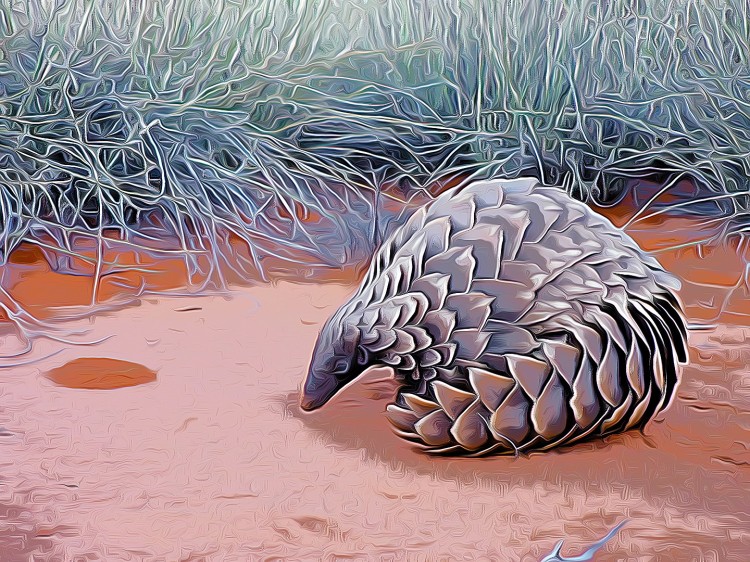
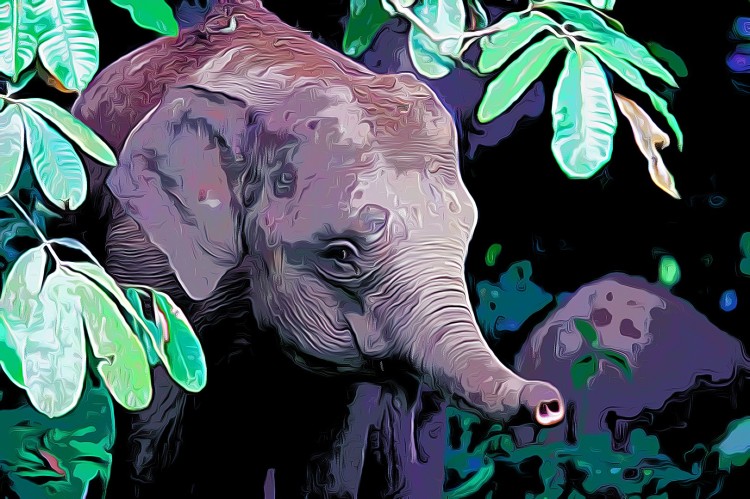
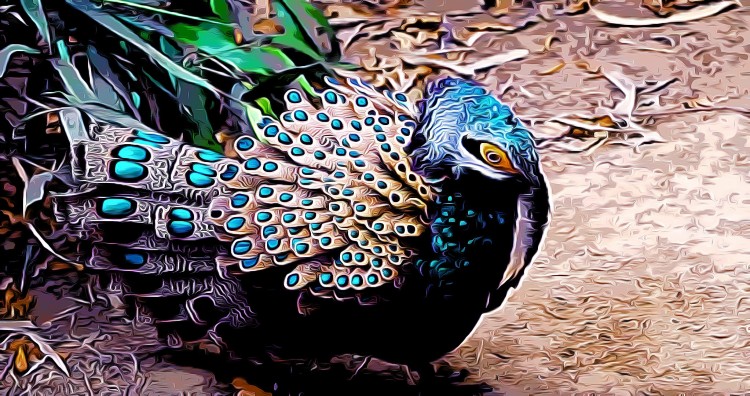
Despite decades of promises to end deforestation for palm oil PepsiCo (owner of crisp brands Frito-Lay, Cheetos and Doritos along with hundreds of other snack food brands) have continued sourcing palm oil that strongly linked to ecocide, indigenous landgrabbing, and the habitat destruction of the rarest animals on earth.
All of these animals are on a knife-edge of survival. It is for this reason, we boycott PepsiCo and its sub-brands. Find out about their forest destroying activities below and what you can do to stop them by using your wallet as a weapon. it’s the #Boycott4Wildlife
Take action
2. See PepsiCo’s palm oil deforestation from the past year
3. Boycott sub-brands of PepsiCo
5. Sign a petition about PepsiCo and palm oil
6. Boycott other brands using so-called “sustainable” palm oil
Take Action: Share to BlueSky & Twitter
Crisp and drink giant #Pepsi runs quirky ad campaigns enticing zoomers and millennials into a lifetime of #obesity and #diabetes. Yet few people know PepsiCo are linked to #indigenous #landgrabbing for #palmoil Take action! #Boycottpalmoil @palmoildetect https://wp.me/scFhgU-pepsico
Share to BlueSkyShare to TwitterNext time you snack AVOID #Cheetos #Doritos #Lays crisps and #MountainDew 🍟🥤 because violence against #indigenous people for #palmoil comes as an unwanted freebie in snacks owned by #Pepsi. Take action! #BoycottPalmOil #Boycott4Wildlife @palmoildetect https://wp.me/scFhgU-pepsico
Share to BlueSkyShare to TwitterView PepsiCo’s palm oil deforestation for the past year
Data courtesy of Palm Watch, a multidisciplinary research initiative by the University of Chicago.
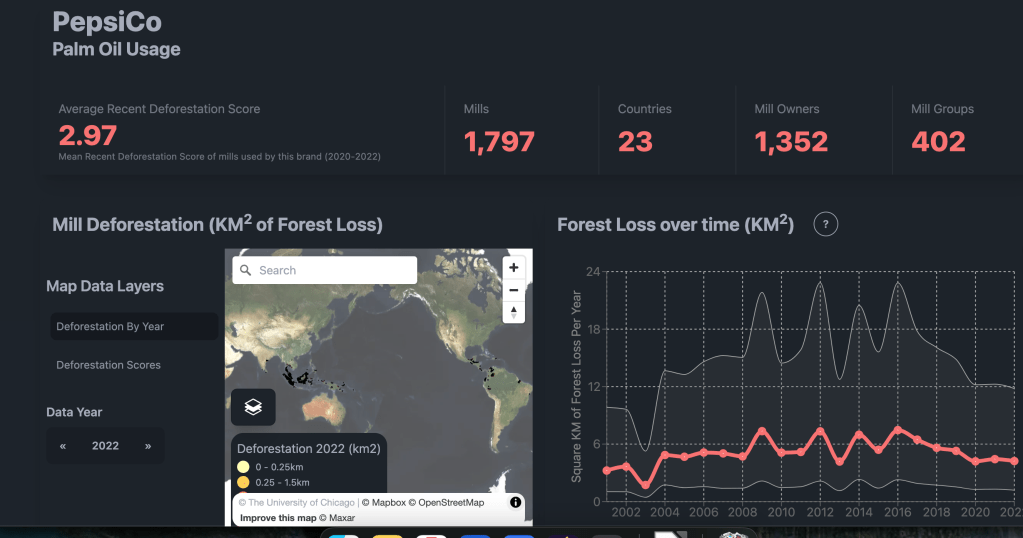 Look Up PepsiCo on PalmWatch
Take Action: Boycott These PepsiCo Sub-Brands

- Pepsi
- Lays
- Mountain Dew
- Doritos
- Gatorade
- Tropicana
- Quaker Oats
- Lipton
- Starbucks
- Aquafina
- Ruffles
- Cheetos
- Brisk
- Tostitos
- Frittos
- Diet Pepsi
- Diet Mountain Dew
- Sierra Mist
- 7Up
- Mirinda
- Walkers
- Pepsi Black
- Pure Leaf
- Bubly
- Naked
- Soda Stream
- Kevita
- Lifewtr
- Sierra Mist
- Stubborn Soda
- Rold Gold
- Miss Vickie’s
- Red Rock Deli
- Cracker Jack
- Nut Harvest
- Life
- Matador
- Quaker Chewy Granola Bars
- Santitas
- Funyuns
- Cap’n Crunch
- Rice-a-Roni and Pasta
- Roni Quaker Rice Crisps & Rice Cakes
- Maui Style
- Sabritones
- Munchies
- Munchos
- Grandma’s
- Aunt Jemima
- Izze Propel
- O.N.E
- Sobe Elixirs & Teas
- Mug Root Bear
- Stacy’s
- Bare Snacks
- Sabra
- Smart50
- Fritos
- Near East
- Sun Chips
- Smartfood
- Off the Eaten Path
- Simply
Take Action: Read Reports About PepsiCo
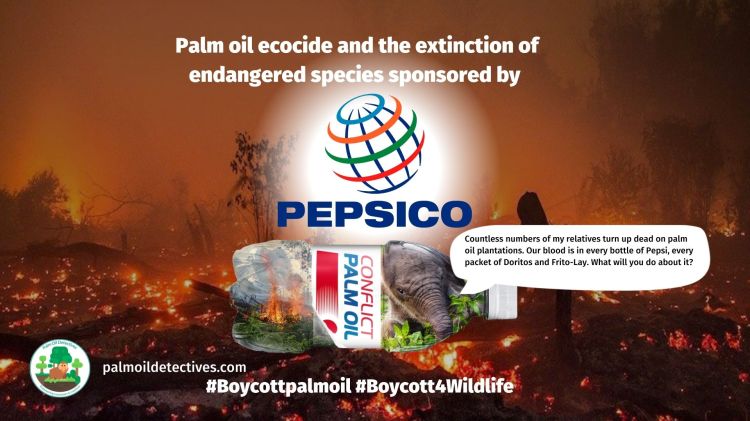
2021 report by Pusaka and others

Report by Pusaka, Walhi, and Forest Peoples Programme finds that household names including Nestlé, PepsiCo, Wilmar and Unilever and associated global financial institutions and investors continue to ‘turn a blind eye’ to human rights abuses in their palm oil supply chains.
Despite these very serious, long term and well documented human rights abuses and environmental damage, on the ground, major downstream companies continue to invest in, or source products from these plantations.
Read report2021 BBC Investigation
A 2021 joint BBC/Gecko Project and Mongabay Investigation found that Nestlé, Kellogg’s, Unilever, Johnson & Johnson, and PepsiCo have sourced palm oil from Indonesian companies linked to human rights abuses and have failed to pass on millions in profits to smallholder ‘plasma’ farmers.
Read more2021 Chain Reaction report
A Chain Reaction Report from 2021 showed that they have caused 100,000ha of deforestation in their palm oil supply chain since 2016.
Read morehttps://twitter.com/RAN/status/928326415098851328?s=20&t=de1q2YEmTjbSg2f_cJh83w
https://twitter.com/SumOfUs/status/1343240455664885763?s=20&t=ob6lQlwrIBkYsAjtaQG5iw
PepsiCo: Ties to illegal deforestation
Read full reportSign petition: Tell PepsiCo stop destroying rainforests for palm oil!
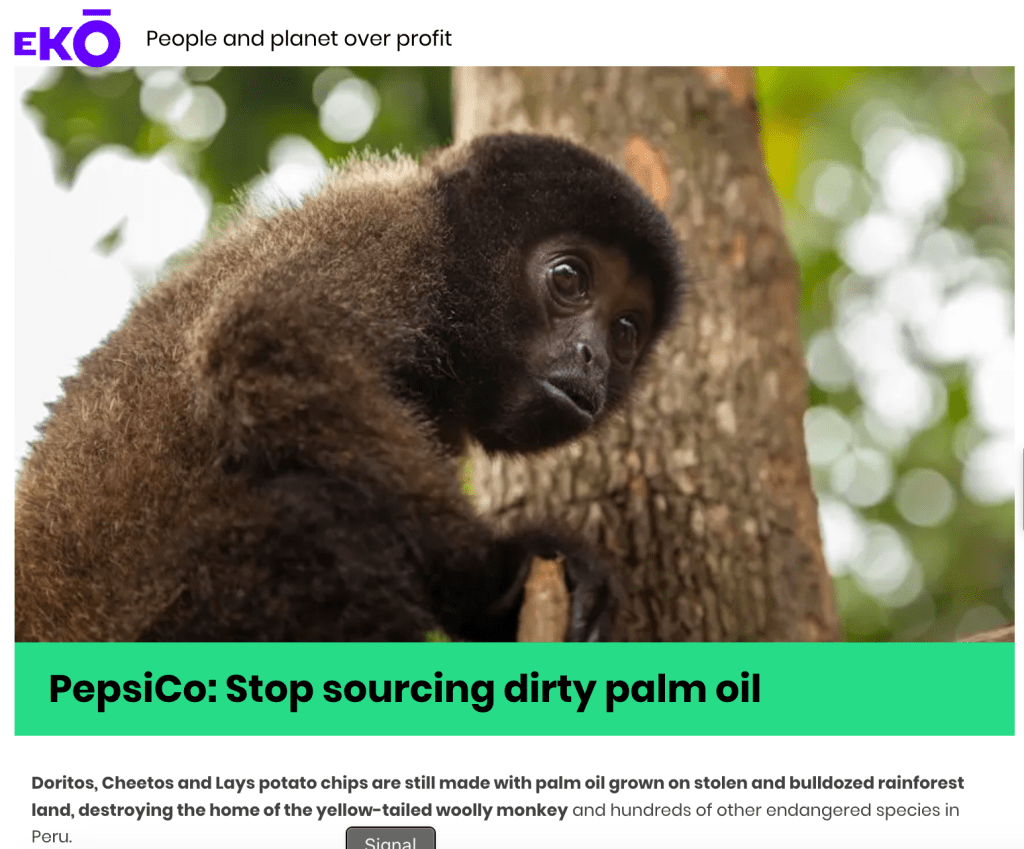
PepsiCo’s profit-first palm oil policy is still destroying rainforests.
Meanwhile, PepsiCo keeps on promising that it’s working towards a truly sustainable palm oil policy, making commitments to human rights and zero deforestation. But this new report leaves no doubt: this whole time, PepsiCo’s palm oil promises have been nothing but smoke and mirrors.
Sign the Eko petitionTake Action: Boycott Other Brands
 Brands
Kelloggs/Kellanova
 Brands
Nestlé
 Brands
PZ Cussons
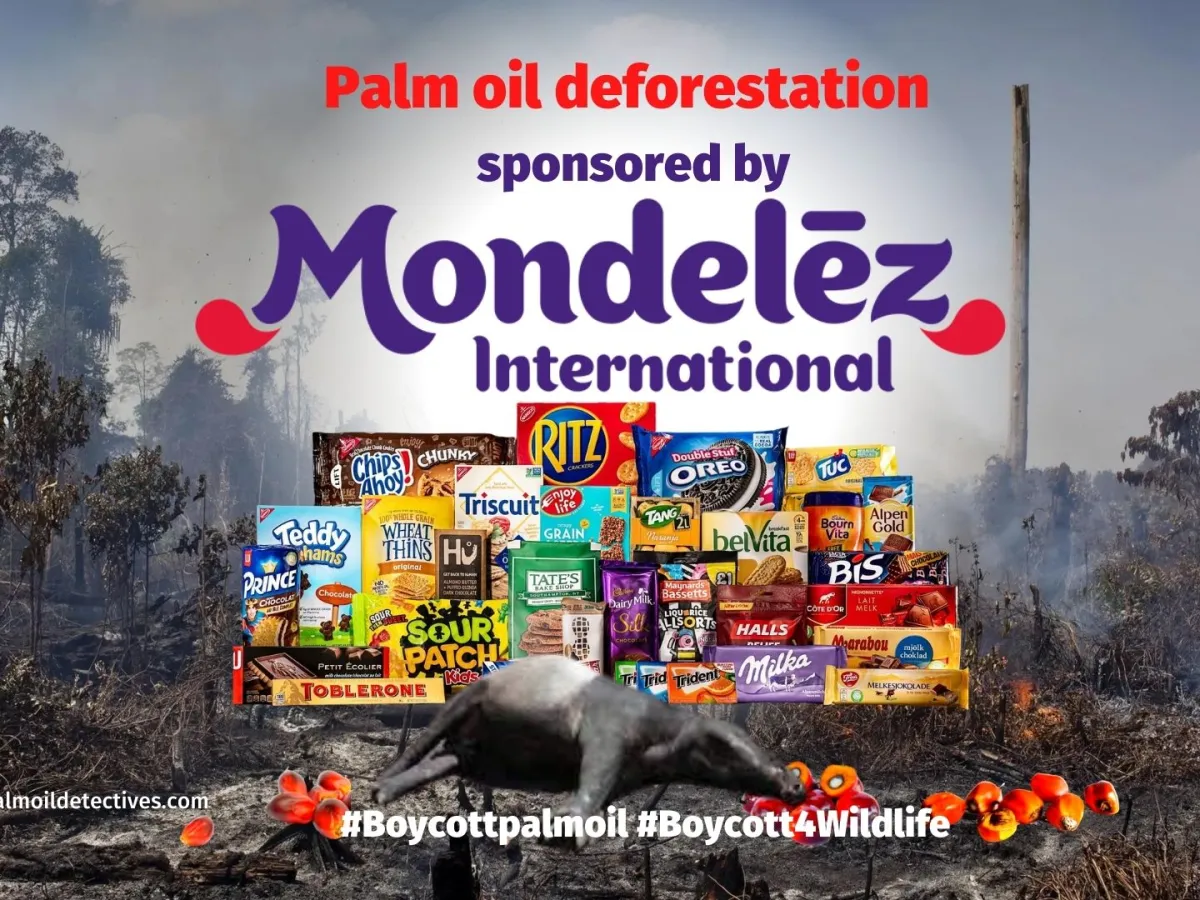 Brands
Mondelēz
 Brands
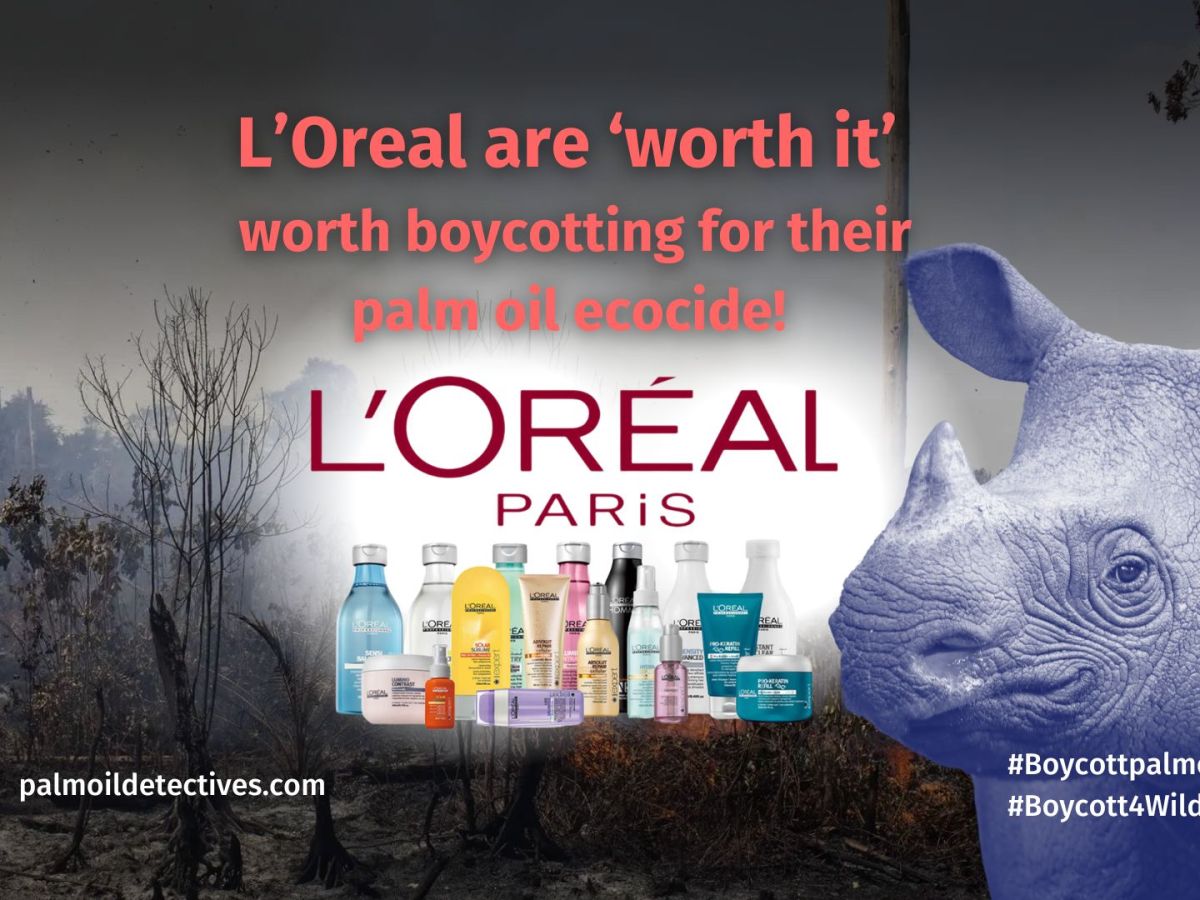
L’Oreal
 Brands
Danone
 Brands
Johnson & Johnson
 Brands
Colgate-Palmolive
 Brands
Unilever
Here are some other ways you can help by using your wallet as a weapon and joining the #Boycott4Wildlife

What is greenwashing?
Why join the #Boycott4Wildlife?
Greenwashing Tactic #4: Fake Labels
The Counterpunch: Consumer Solutions To Fight Extinction
Palm Oil Detectives is 100% self-funded
Palm Oil Detectives is completely self-funded by its creator. All hosting and website fees and investigations into brands are self-funded by the creator of this online movement. If you like what I am doing, you and would like me to help meet costs, please send Palm Oil Detectives a thanks on Ko-Fi.
Say thanks on Ko-Fi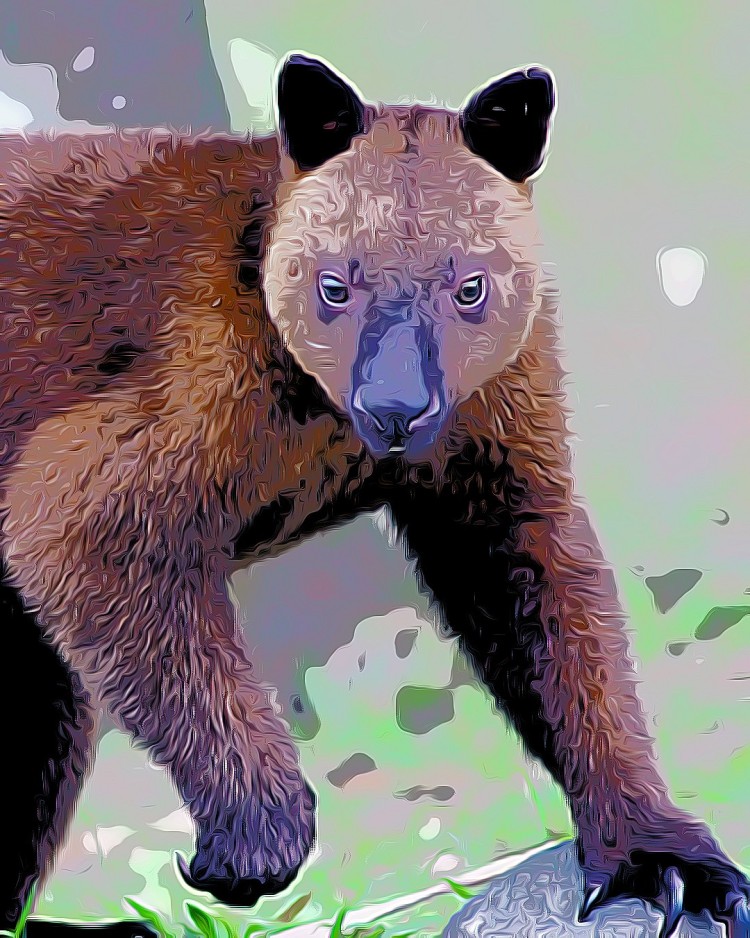
#Borneo #Boycott4wildlife #BoycottPalmOil #brandBoycotts #Cheetos #deforestation #diabetes #Doritos #greenwashing #indigenous #landgrabbing #Lays #Malaysia #MountainDew #News #obesity #PalmOil #palmOilBiofuel #palmOilDeforestation #palmoil #Pepsi #PepsiCo #RSPOGreenwashing
Goliath Frog Conraua goliath
Goliath Frog Conraua goliath
Red List Status: Endangered
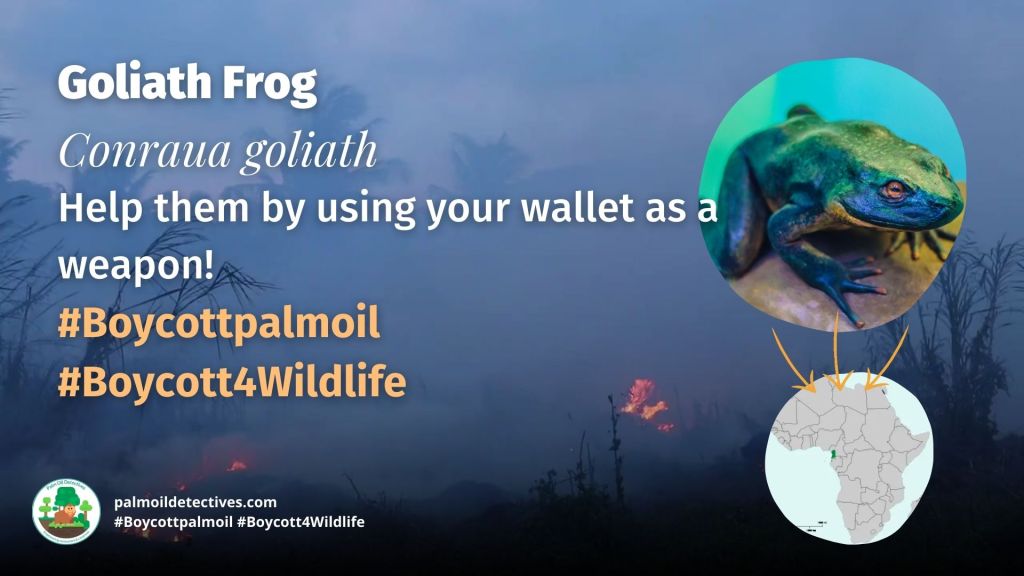
Extant (resident): Cameroon; Equatorial Guinea
Presence Uncertain: Gabon
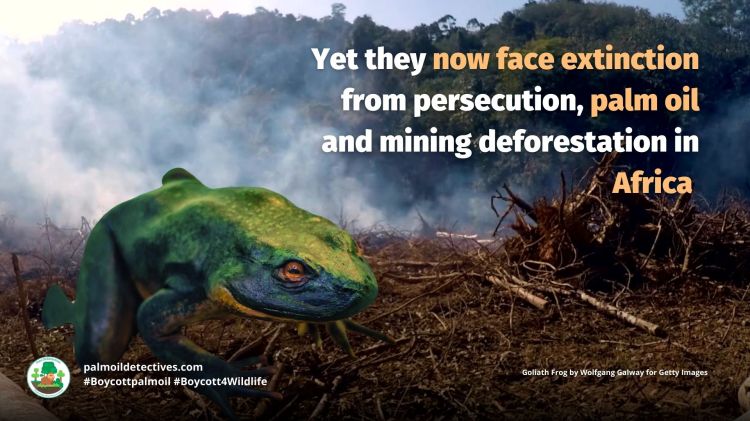
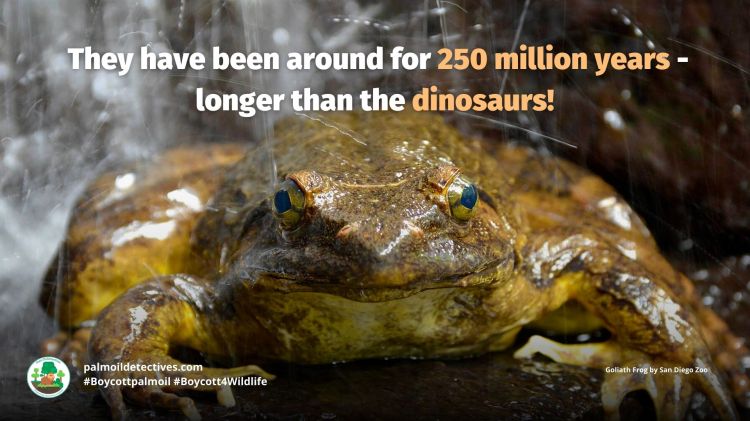
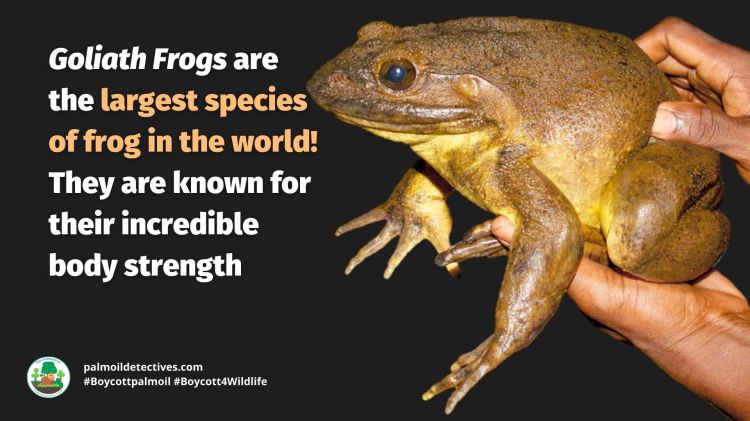
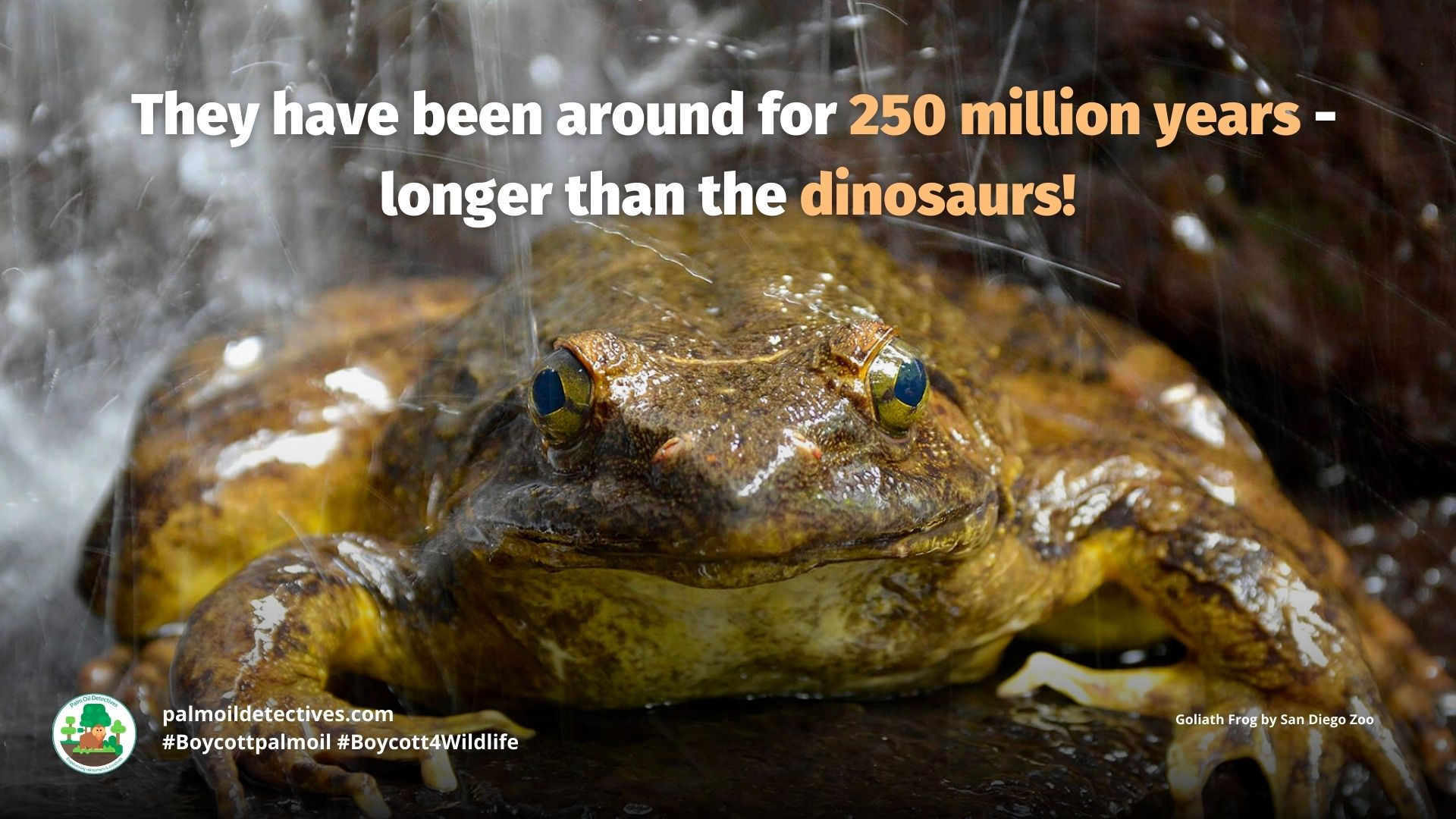
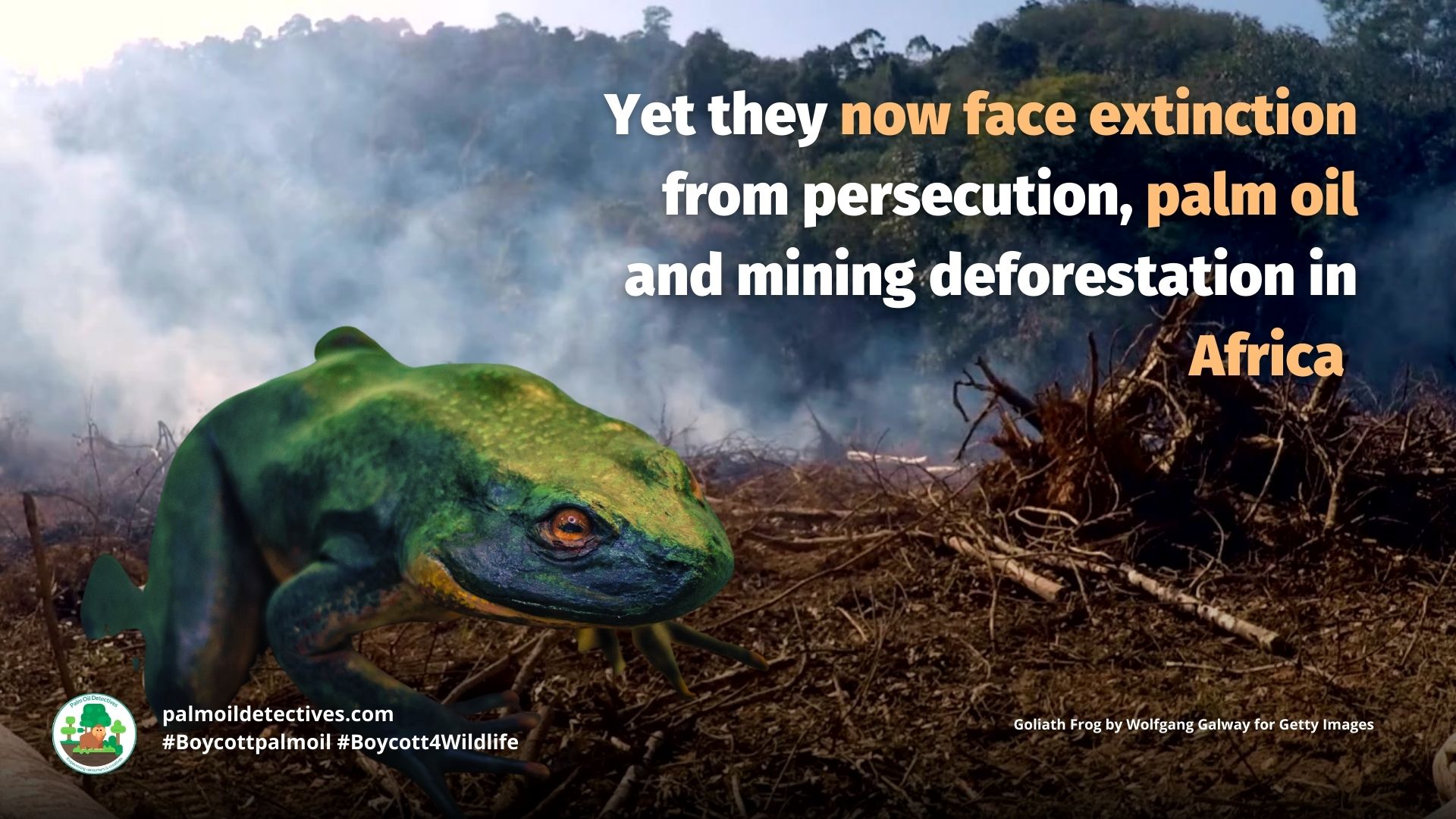
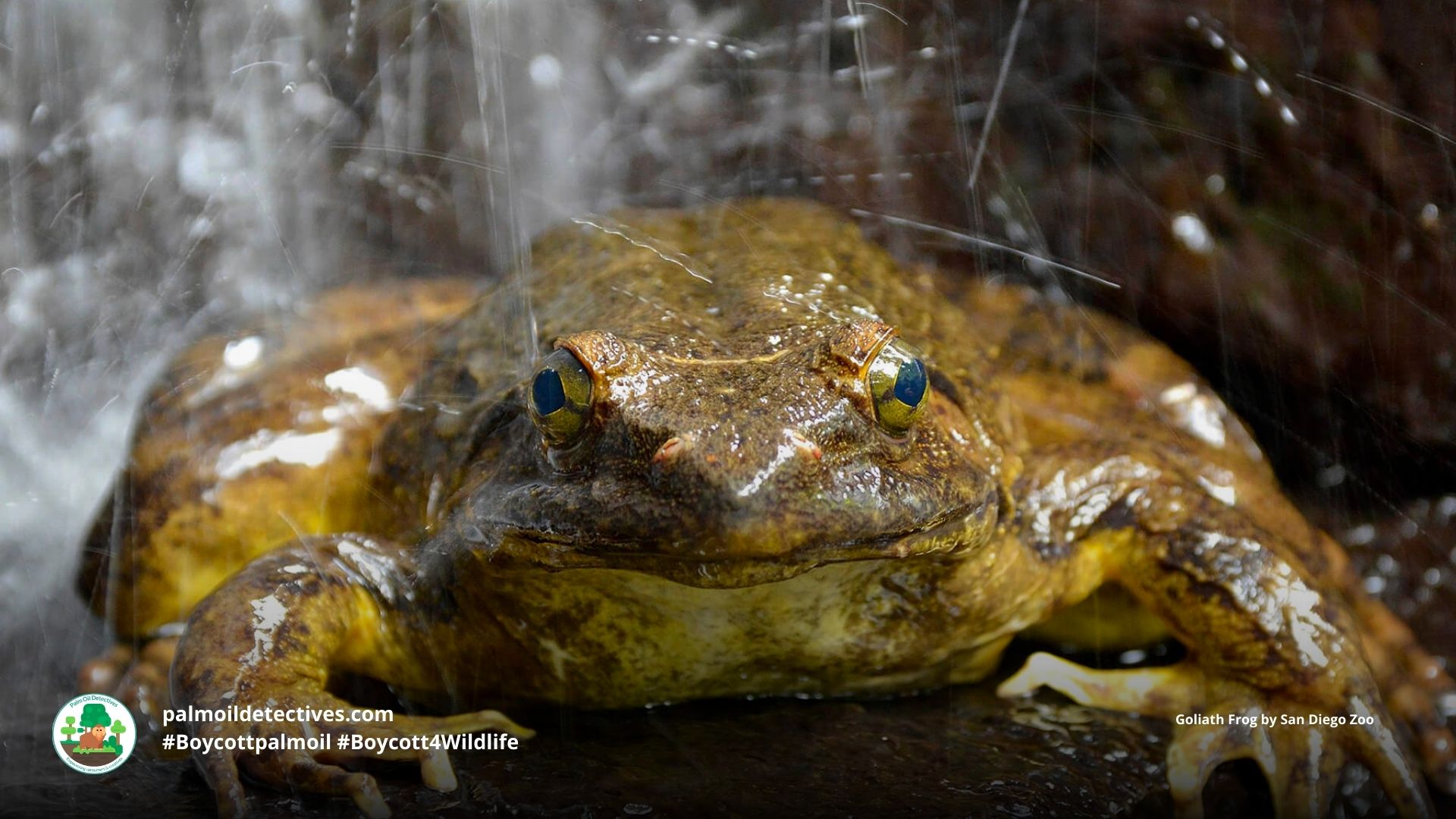
Goliath #Frogs are the largest frog in the world and can grow as large as a domestic cat. These muscle-bound #amphibians lift heavy rocks to build nests and protect their young. They face extinction from #palmoil #deforestation and human persecution including hunting.
Their nesting and reproduction is hugely dependent upon access to clean, fast-flowing rivers – for this reason the encroachment of industrial scale palm oil, cocoa and timber deforestation and p0llution and #pesticides of rivers are direct threats to the existence of the goliath #frog. Help them every time you shop in the supermarket and #Boycottpalmoil #Boycott4Wildlife
Goliath #Frogs 🐸💚 are #endangered in #Gabon 🇬🇦 #Cameroon 🇨🇲 and Equatorial Guinea 🇬🇶 by #palmoil #deforestation 🌴🔥 and #hunting. Help them every time you shop and #Boycottpalmoil 🌴🩸☠️🚜🔥⛔️ #Boycott4Wildlife @palmoildetect https://palmoildetectives.com/2023/10/29/goliath-frog-conraua-goliath/
Share to BlueSkyShare to TwitterGoliath #Frogs are the largest #frogs in the world 🐸🤯💚🫶 These muscly #amphibians 🏋️🪨 lift heavy rocks to build nests. They face #extinction from #palmoil. Fight for them when you #Boycottpalmoil 🌴🩸🤮🧐⛔️ #Boycott4Wildlife @palmoildetect https://palmoildetectives.com/2023/10/29/goliath-frog-conraua-goliath/
Share to BlueSkyShare to TwitterAppearance & Behaviour
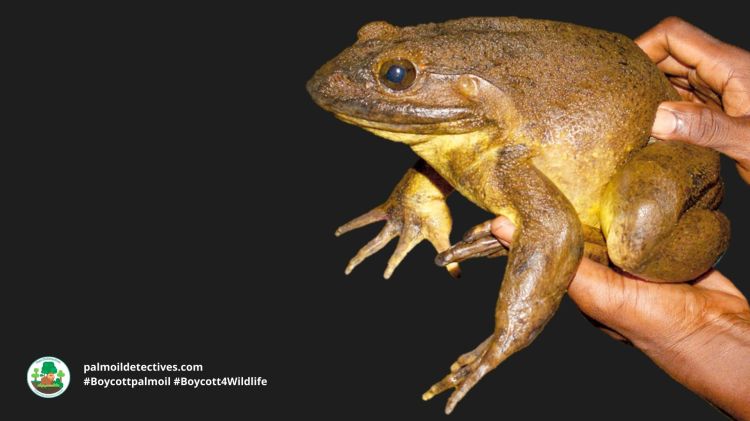
The goliath frog gets their name from the fact that they are the largest extant frog in the world weighing between 600 grams to 3.2 kilos. Male and females appear almost the same with sexual dimorphism minimal. Despite their abnormally large size, their eggs and tadpoles are a similar size as other frogs. The skin on the back and upper side of their body is a rusty emerald green colour with limbs and underside a yellowish orange hue. They have excellent hearing but don’t possess a vocal sack, meaning that they don’t have a mating call – as do many other frog species.
The Goliath Frog is adversely affected by the loss of forest habitat for agriculture (including the creation of new cocoa plantations, banana plantations, and palm oil plantations), logging and human settlements.





Geographic range
These frogs are typically found near fast flowing rivers with sandy bottoms in Cameroon and Equatorial Guinea. They may have now gone extinct in Gabon. They prefer clear and oxygenated water from clean rivers and streams in densely forested and humid parts of the rainforest. They typically stay in rivers during the heat of the day and will emerge onto land during the night time.
Goliath frogs don’t survive well in heavily degraded and deforested areas and prefer undisturbed forest, streams and fast-flowing rivers far away from villages.
Diet
Goliath tadpoles feed on a single aquatic plant Dicraeia warmingii which is found only in areas of clean oxygenated water close to waterfalls and fast-flowing rapids. This explains their range and serious vulnerability to extinction.
Adult goliath frogs are less fussy and will feed on multiple food sources including: baby turtles, young snakes, small mammals, bats, crustaceans, mollusks, fish, dragonflies, locusts, insects, spiders and worms.
Mating & reproduction
Unlike most other frogs, goliath frogs don’t have a vocal sac and therefore don’t call to their mates.
Goliath frogs create nesting sites for offspring – this is a form of parental care. Adult males will take their cue from the environment in order to build a nest that is going to be safest for their offspring. They have three kinds of nests.
Each nest type presents advantages and disadvantages depending on whether it is the dry or the rainy season and the presence or absence of predators of the eggs at different sites.
- rock pools cleared of leaf litter.
- Washouts at riverbanks.
- Depressions dug into the gravel of riverbanks.
The third kind of nest is arduous to create and is typically one metre in diameter. The building of this kind of nest requires brute strength for moving large rocks. It is thought that this is why goliath frogs are so large and muscular. Other extra large frog species such as gladiator frogs, bornean giant river frogs also perform this task.
The construction of nest is used by males as a way of demonstrating their prowess and reproductive fitness as mates to females. Male frogs provide most of the parental investment in the eggs and nest building, whereas females will deposit the eggs after fertilisation and then depart afterwards. Larval development of eggs to tadpoles to frogs takes approximately 85-95 days.
Threats
The Goliath Frog is adversely affected by the loss of forest habitat for agriculture (including the creation of new cocoa plantations, banana plantations, and palm oil plantations), logging and human settlements.
Goliath frogs face multiple human-related threats, including:
- Agricultural pollution and run-off: Pesticides and chemicals used in palm oil and cocoa plantations in this region are toxic to Goliath frogs, who require clean rivers to reproduce.
- Industrial timber, palm oil, meat and cocoa deforestation
- Human consumption: Both for local subsistence and sold to bushmeat markets.
- Collection for the illegal pet trade: Animals are exported from Cameroon to Zoos in the USA and Europe. Although captive frogs live longer than their wild relatives, they are not able to breed in captivity.
Support Goliath Frogs by going vegan and boycotting palm oil in the supermarket, it’s the #Boycott4Wildlife

Support the conservation of this species
This animal has no protections in place. Read about other forgotten species here. Create art to support this forgotten animal or raise awareness about them by sharing this post and using the #Boycottpalmoil #Boycott4Wildlife hashtags on social media. Also you can boycott palm oil in the supermarket.
Further Information
IUCN SSC Amphibian Specialist Group. 2019. Conraua goliath. The IUCN Red List of Threatened Species 2019: e.T5263A96062132. https://dx.doi.org/10.2305/IUCN.UK.2019-1.RLTS.T5263A96062132.en. Accessed on 12 November 2022.
Marvin Schäfer, Sedrick Junior Tsekané, F. Arnaud M. Tchassem, Sanja Drakulić, Marina Kameni, Nono L. Gonwouo & Mark-Oliver Rödel (2019) Goliath frogs build nests for spawning – the reason for their gigantism?, Journal of Natural History, 53:21-22, 1263-1276, DOI: 10.1080/00222933.2019.1642528

How can I help the #Boycott4Wildlife?
Take Action in Five Ways
1. Join the #Boycott4Wildlife on social media and subscribe to stay in the loop: Share posts from this website to your own network on Twitter, Mastadon, Instagram, Facebook and Youtube using the hashtags #Boycottpalmoil #Boycott4Wildlife.
Enter your email address
Sign Up
Join 3,529 other subscribers2. Contribute stories: Academics, conservationists, scientists, indigenous rights advocates and animal rights advocates working to expose the corruption of the palm oil industry or to save animals can contribute stories to the website.
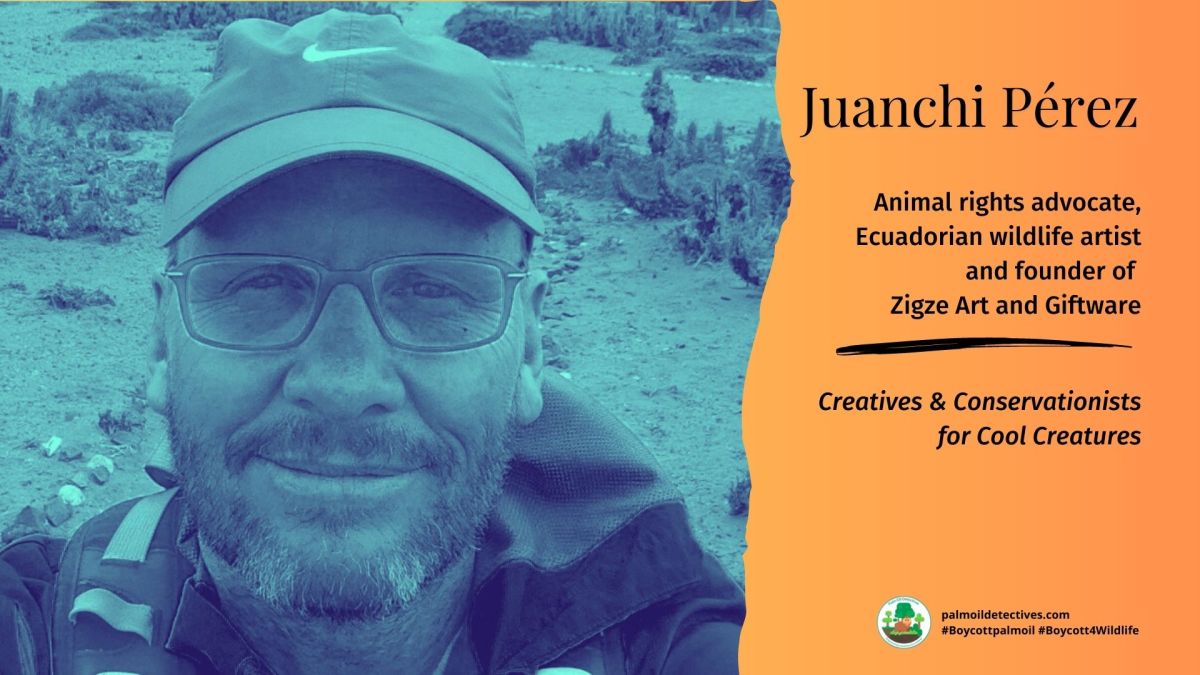
Wildlife Artist Juanchi Pérez
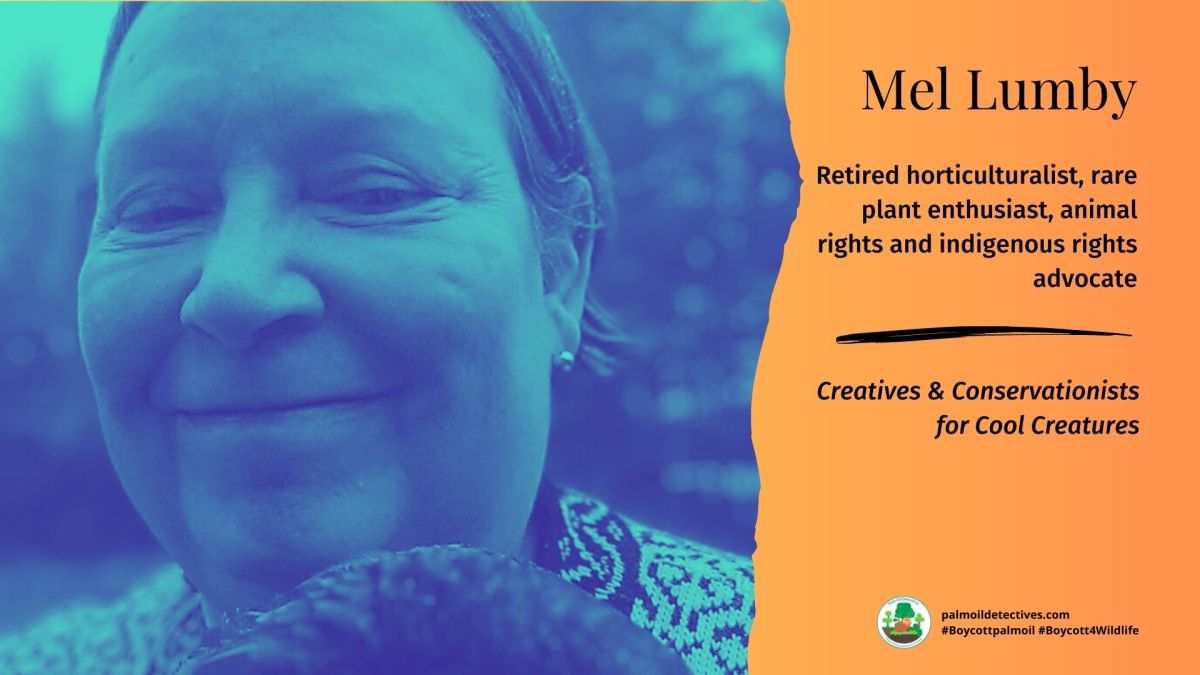
Mel Lumby: Dedicated Devotee to Borneo’s Living Beings
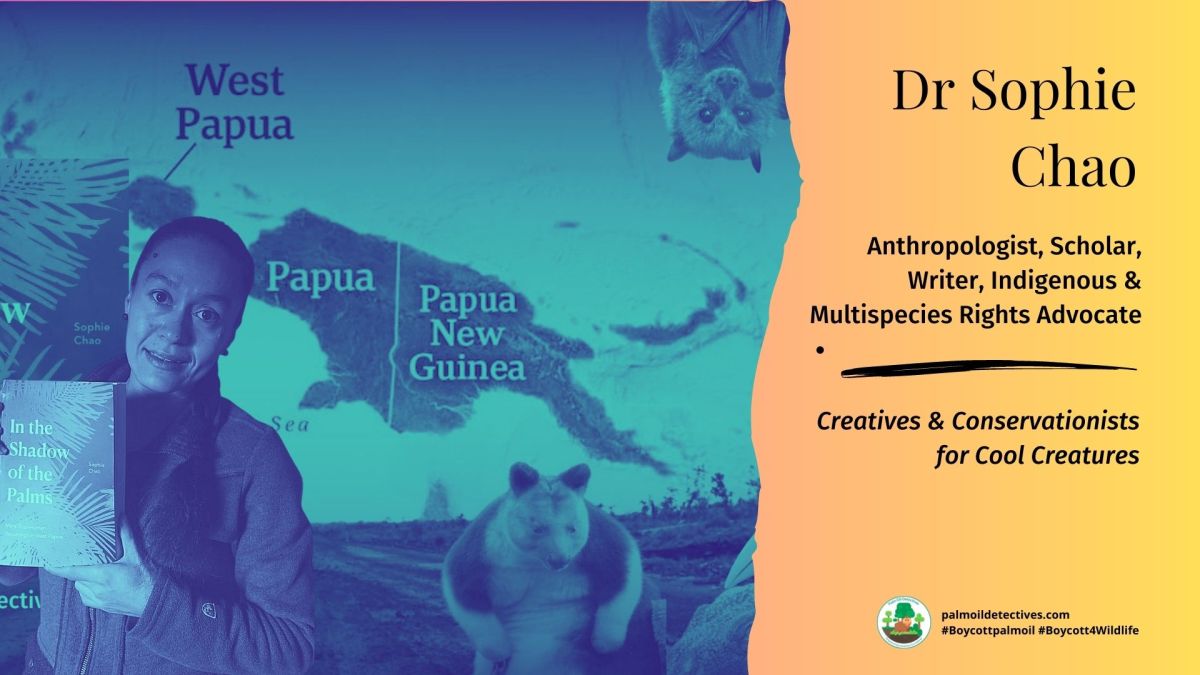
Anthropologist and Author Dr Sophie Chao
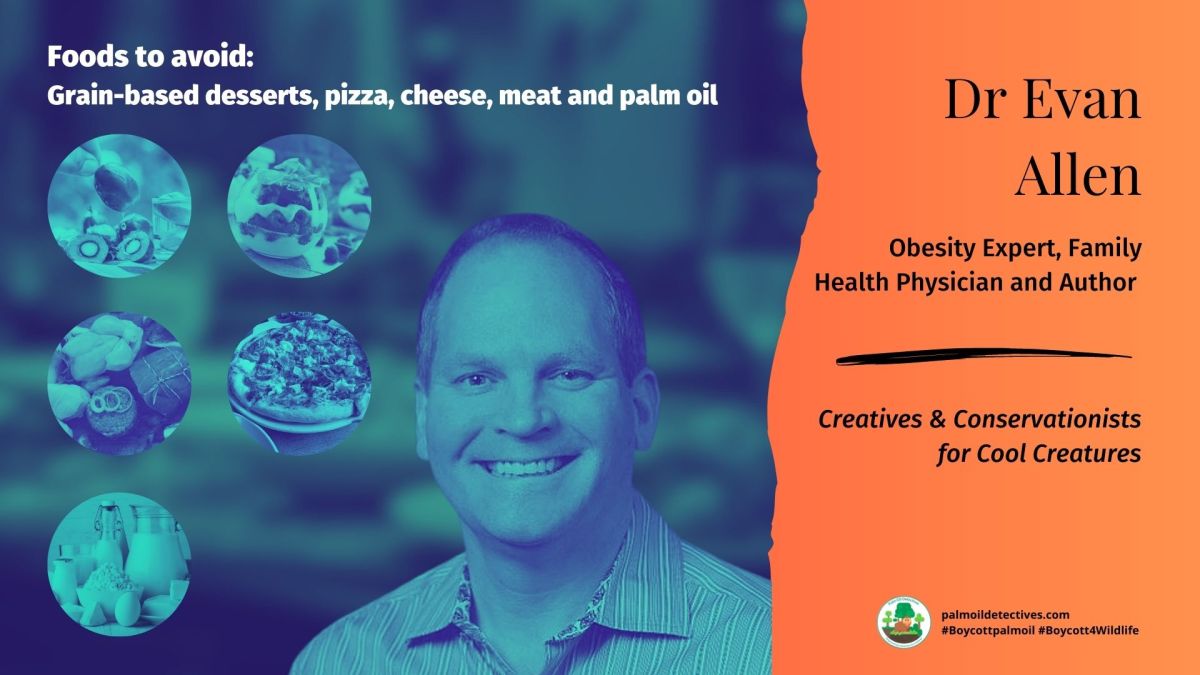
Health Physician Dr Evan Allen

The World’s Most Loved Cup: A Social, Ethical & Environmental History of Coffee by Aviary Doert

How do we stop the world’s ecosystems from going into a death spiral? A #SteadyState Economy
3. Supermarket sleuthing: Next time you’re in the supermarket, take photos of products containing palm oil. Share these to social media along with the hashtags to call out the greenwashing and ecocide of the brands who use palm oil. You can also take photos of palm oil free products and congratulate brands when they go palm oil free.
https://twitter.com/CuriousApe4/status/1526136783557529600?s=20
https://twitter.com/PhillDixon1/status/1749010345555788144?s=20
https://twitter.com/mugabe139/status/1678027567977078784?s=20
4. Take to the streets: Get in touch with Palm Oil Detectives to find out more.
5. Donate: Make a one-off or monthly donation to Palm Oil Detectives as a way of saying thank you and to help pay for ongoing running costs of the website and social media campaigns. Donate here
Pledge your support#Africa #AfricanNews #Amphibian #amphibians #Boycott4wildlife #BoycottPalmOil #bushmeat #Cameroon #deforestation #endangered #EndangeredSpecies #EquatorialGuinea #extinction #ForgottenAnimals #Frog #Frogs #Gabon #GoliathFrogConrauaGoliath #herpetology #hunting #illegalPetTrade #PalmOil #palmoil #pesticides #pollution