Discussion
Loading...

#Tag

  • About
  • Code of conduct
  • Privacy
  • About Bonfire
Media Revolution Channel
Media Revolution Channel boosted
abolitionmedia
@abolitionmedia@abolitionmedia.noblogs.org  ·  activity timestamp 15 hours ago

Kataib Hezbollah Leader Calls for Preparedness for Comprehensive, Worldwide War

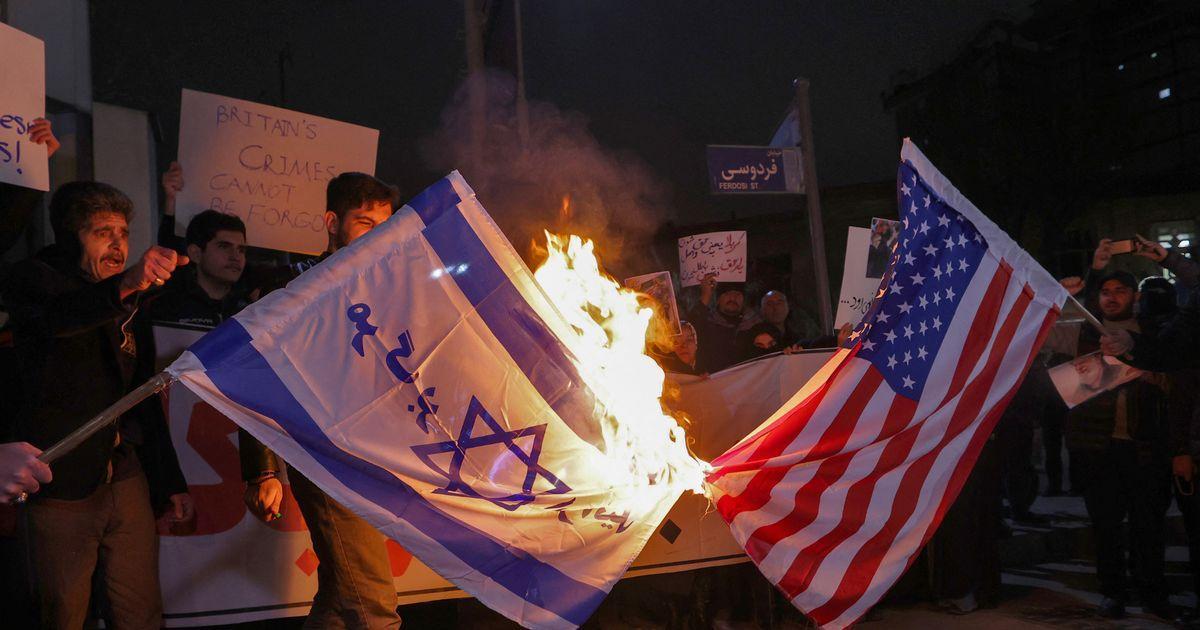
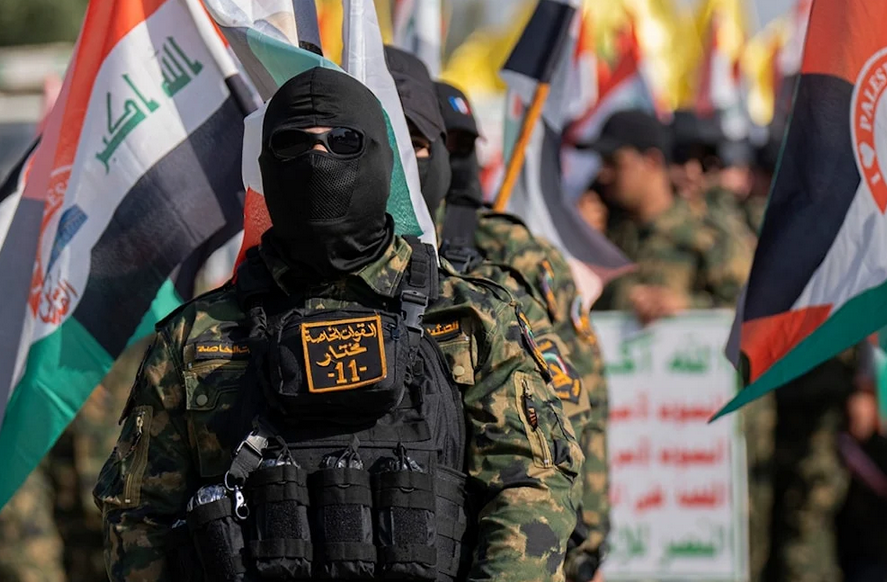
The secretary-general of Kataib Hezbollah called on fighters across the world to prepare for what he described as a “comprehensive war” in support of the Islamic Republic of Iran and in response to an unprecedented aggression by US and Zionist forces, according to a statement released on Sunday.

Addressing what he described as “mujahideen in the east and west,” the Kataib Hezbollah leader urged readiness to support Iran, portraying it as a central pillar for Resistance in the region and stressing that it has stood for decades alongside oppressed peoples regardless of sect, ethnicity, or race.

He said, “Zionists and their allies” were now mobilizing to confront Iran, warning that any war against the Islamic Republic would not be easy. The statement asserted that such a conflict would extend across the region and carry severe consequences for Iran’s adversaries.

The secretary-general also called on fighters to prepare operationally and psychologically, urging them to brace for what he described as all possible outcomes should religious authorities declare jihad in support of Iran. He said this could include expanded forms of armed action in defense of what he termed Islamic causes.

The statement further said if a comprehensive war is declared “brothers in the eastern and western parts of the earth” must prepare. If this declaration is announced it may even call for “martyrdom operations” against the colonial forces of arrogance. Media in West Asia declared that the statement is unprecedented and marks a huge departure from the norm.

The head of the Iranian Journalists’ Association and member of the Government Media Council, Masha’Allah Shams al-Wa’izin, warned on Friday that US President Donald Trump is “walking on the edge of the abyss,” amid escalating tensions in the region.

Shams al-Wa’izin said that Washington has communicated through a third party that Iran’s facilities could face attacks and that Tehran is expected to endure any such strikes “without a severe response.”

He emphasized, however, that for Iran, any limited strike would be considered a full-scale war, significantly raising the cost for any potential aggressor. Shams al-Wa’izin further asserted that the United States and the Zionist regime had planned recent events involving armed riots in the country, following the failure of the 12-day war on Iran. He dismissed conflated and false reports spread by opposition forces on alleged developments in Iran as “originating from the armed opposition based in Tel Aviv [and] Paris.”

“The United States wants Iran to surrender,” Shams al-Wa’izin said, stressing that no self-respecting nation could accept such threats. He noted that American military mobilizations in the region are political signaling by Trump to the Iranian leadership, but stressed that Tehran possesses multiple power cards to respond to any pressure.

Shams al-Wa’izin’s remarks on US messaging to Tehran follow statements made by a senior Iranian official who spoke to Reuters.

The senior official, who spoke on the condition of anonymity, said that any attack would be regarded “as an all-out war against us.”

“This military buildup, we hope it is not intended for real confrontation, but our military is ready for the worst-case scenario,” the official said in regard to the US military buildup in the region, including the repositioning of two aircraft carriers.

The official stressed that this time around, Iran would treat limited, unlimited, surgical, and kinetic American attacks as “an all-out war”.

“We will respond in the hardest way possible to settle this,” the official said.

https://abolitionmedia.noblogs.org/?p=27568 #alAqsaFlood #colonialism #imperialism #iran #iraq #lebanon #palestine #westAsia
Sorry, no caption provided by author
  • Copy link
  • Flag this post
  • Block
abolitionmedia
@abolitionmedia@abolitionmedia.noblogs.org  ·  activity timestamp 15 hours ago

Kataib Hezbollah Leader Calls for Preparedness for Comprehensive, Worldwide War

The secretary-general of Kataib Hezbollah called on fighters across the world to prepare for what he described as a “comprehensive war” in support of the Islamic Republic of Iran and in response to an unprecedented aggression by US and Zionist forces, according to a statement released on Sunday.

Addressing what he described as “mujahideen in the east and west,” the Kataib Hezbollah leader urged readiness to support Iran, portraying it as a central pillar for Resistance in the region and stressing that it has stood for decades alongside oppressed peoples regardless of sect, ethnicity, or race.

He said, “Zionists and their allies” were now mobilizing to confront Iran, warning that any war against the Islamic Republic would not be easy. The statement asserted that such a conflict would extend across the region and carry severe consequences for Iran’s adversaries.

The secretary-general also called on fighters to prepare operationally and psychologically, urging them to brace for what he described as all possible outcomes should religious authorities declare jihad in support of Iran. He said this could include expanded forms of armed action in defense of what he termed Islamic causes.

The statement further said if a comprehensive war is declared “brothers in the eastern and western parts of the earth” must prepare. If this declaration is announced it may even call for “martyrdom operations” against the colonial forces of arrogance. Media in West Asia declared that the statement is unprecedented and marks a huge departure from the norm.

The head of the Iranian Journalists’ Association and member of the Government Media Council, Masha’Allah Shams al-Wa’izin, warned on Friday that US President Donald Trump is “walking on the edge of the abyss,” amid escalating tensions in the region.

Shams al-Wa’izin said that Washington has communicated through a third party that Iran’s facilities could face attacks and that Tehran is expected to endure any such strikes “without a severe response.”

He emphasized, however, that for Iran, any limited strike would be considered a full-scale war, significantly raising the cost for any potential aggressor. Shams al-Wa’izin further asserted that the United States and the Zionist regime had planned recent events involving armed riots in the country, following the failure of the 12-day war on Iran. He dismissed conflated and false reports spread by opposition forces on alleged developments in Iran as “originating from the armed opposition based in Tel Aviv [and] Paris.”

“The United States wants Iran to surrender,” Shams al-Wa’izin said, stressing that no self-respecting nation could accept such threats. He noted that American military mobilizations in the region are political signaling by Trump to the Iranian leadership, but stressed that Tehran possesses multiple power cards to respond to any pressure.

Shams al-Wa’izin’s remarks on US messaging to Tehran follow statements made by a senior Iranian official who spoke to Reuters.

The senior official, who spoke on the condition of anonymity, said that any attack would be regarded “as an all-out war against us.”

“This military buildup, we hope it is not intended for real confrontation, but our military is ready for the worst-case scenario,” the official said in regard to the US military buildup in the region, including the repositioning of two aircraft carriers.

The official stressed that this time around, Iran would treat limited, unlimited, surgical, and kinetic American attacks as “an all-out war”.

“We will respond in the hardest way possible to settle this,” the official said.

https://abolitionmedia.noblogs.org/?p=27568 #alAqsaFlood #colonialism #imperialism #iran #iraq #lebanon #palestine #westAsia
Sorry, no caption provided by author
  • Copy link
  • Flag this post
  • Block
Aral Balkan
Aral Balkan boosted
Miguel Afonso Caetano
@remixtures@tldr.nettime.org  ·  activity timestamp 2 days ago

"What sparked Carney’s intervention was not Sudan, Venezuela or Gaza. It was the US threat to Canada and Greenland.

A western prime minister took umbrage only when the US, under President Donald Trump, threatened to treat the prosperous West in the same way it has long treated the Global South.

Let’s return now to Israel’s recent invasion of Unrwa’s headquarters in occupied East Jerusalem: a gross breach of international law and a direct attack on the United Nations.

Article 6 of the UN charter establishes that any state that persistently violates its principles can be expelled from the UN. The attack on Unrwa is part of a pattern of Israel’s criminal hostility towards the UN, including its refusal to respect orders from the International Court of Justice on Gaza, its slaughter of UN aid workers and its regular attacks on UN positions in southern Lebanon.

The case for expelling - or at the very least suspending - Israel from the UN is overwhelming. Yet neither Carney’s Canada nor Starmer’s Britain, nor any other western power, has so much as suggested the idea.

In his Davos speech, Carney set out Canada’s approach as follows: “We aim to be principled and pragmatic. Principled in our commitment to fundamental values: sovereignty and territorial integrity, the prohibition of the use of force except when consistent with the UN Charter, respect for human rights. Pragmatic in recognising that progress is often incremental, that interests diverge, that not every partner shares our values.”

This is all well and good. But on the evidence so far, Carney is prepared to be principled when it comes to western countries like Canada and Denmark, and pragmatic when it comes to Palestine and Venezuela.

This is a fundamentally racist equation."

https://www.middleeasteye.net/opinion/carney-wants-new-world-order-only-west

#Canada #Carney #Imperialism #USA #Trump #InternationalLaw #Israel #Palestine #Gaza #Genocide

Middle East Eye

Carney wants a new world order - but only for the West

After failing to stand up for Gaza or Venezuela, the Canadian prime minister took umbrage when US imperialism hit home
  • Copy link
  • Flag this post
  • Block
Miguel Afonso Caetano
@remixtures@tldr.nettime.org  ·  activity timestamp 2 days ago

"What sparked Carney’s intervention was not Sudan, Venezuela or Gaza. It was the US threat to Canada and Greenland.

A western prime minister took umbrage only when the US, under President Donald Trump, threatened to treat the prosperous West in the same way it has long treated the Global South.

Let’s return now to Israel’s recent invasion of Unrwa’s headquarters in occupied East Jerusalem: a gross breach of international law and a direct attack on the United Nations.

Article 6 of the UN charter establishes that any state that persistently violates its principles can be expelled from the UN. The attack on Unrwa is part of a pattern of Israel’s criminal hostility towards the UN, including its refusal to respect orders from the International Court of Justice on Gaza, its slaughter of UN aid workers and its regular attacks on UN positions in southern Lebanon.

The case for expelling - or at the very least suspending - Israel from the UN is overwhelming. Yet neither Carney’s Canada nor Starmer’s Britain, nor any other western power, has so much as suggested the idea.

In his Davos speech, Carney set out Canada’s approach as follows: “We aim to be principled and pragmatic. Principled in our commitment to fundamental values: sovereignty and territorial integrity, the prohibition of the use of force except when consistent with the UN Charter, respect for human rights. Pragmatic in recognising that progress is often incremental, that interests diverge, that not every partner shares our values.”

This is all well and good. But on the evidence so far, Carney is prepared to be principled when it comes to western countries like Canada and Denmark, and pragmatic when it comes to Palestine and Venezuela.

This is a fundamentally racist equation."

https://www.middleeasteye.net/opinion/carney-wants-new-world-order-only-west

#Canada #Carney #Imperialism #USA #Trump #InternationalLaw #Israel #Palestine #Gaza #Genocide

Middle East Eye

Carney wants a new world order - but only for the West

After failing to stand up for Gaza or Venezuela, the Canadian prime minister took umbrage when US imperialism hit home
  • Copy link
  • Flag this post
  • Block
Aral Balkan
Aral Balkan boosted
MárciaW
@MarciaW@ohai.social  ·  activity timestamp 3 days ago

Israel Kills 4 in Gaza as Kushner Lays Out Plan for Turning Gaza into Seaside Resort

#IsraelWarCrimes #WesternComplicity #Gaza #Palestine #LandGrab #Imperialism #Zionism #USpol #Genocide #EtnicCleansing

https://www.democracynow.org/2026/1/23/headlines/israel_kills_4_in_gaza_as_kushner_lays_out_plan_for_turning_gaza_into_seaside_resort

Democracy Now!

Israel Kills 4 in Gaza as Kushner Lays Out Plan for Turning Gaza into Seaside Resort

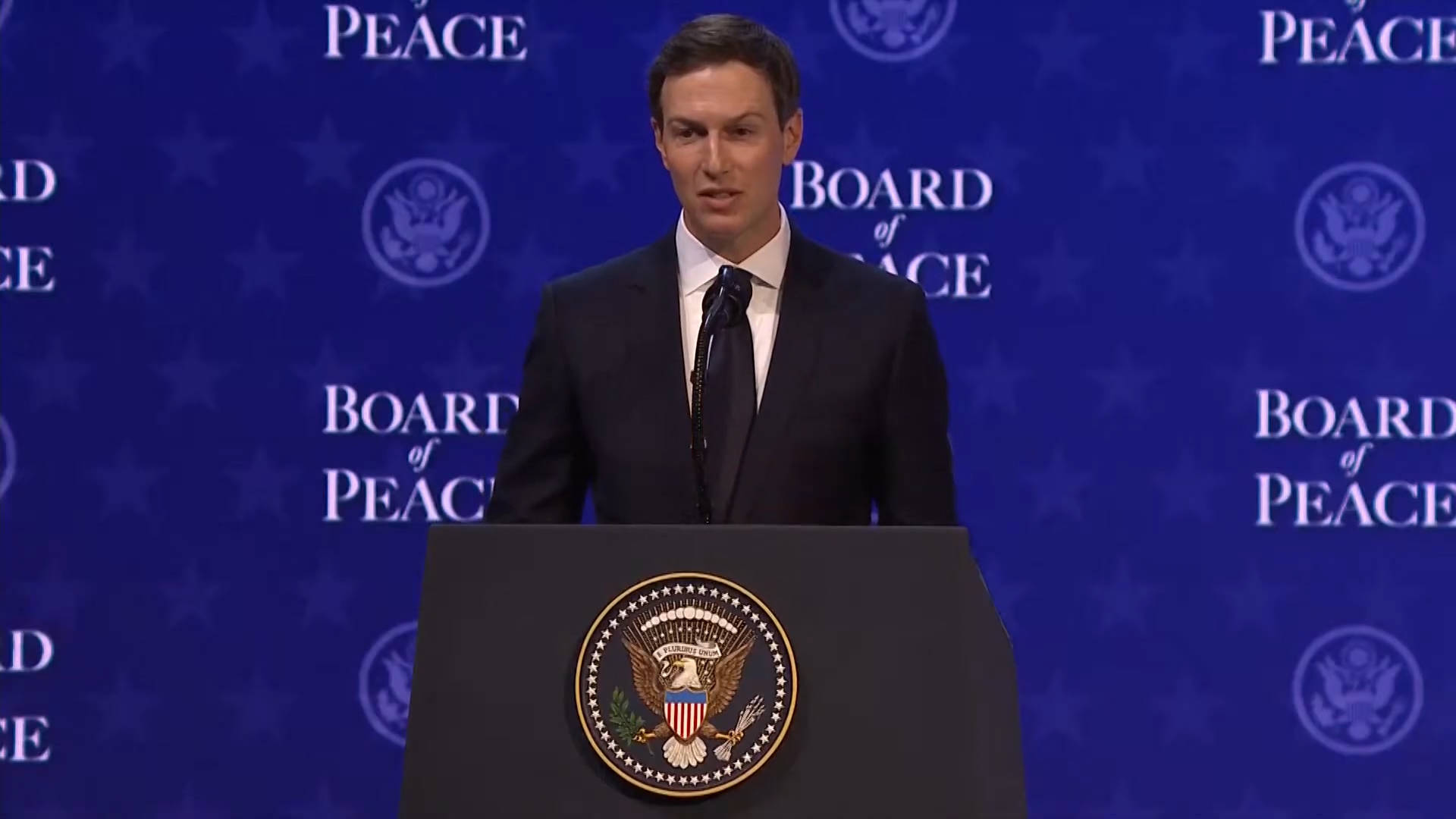
In news from Gaza, Israeli tank shelling killed four Palestinians on Thursday. The killings came as President Trump was launching his so-called Board of Peace in Davos, Switzerland. At the ceremony, Trump’s son-in-law Jared Kushner outlined his vision for turning Gaza into a glitzy seaside resort filled with futuristic high-rise buildings. Jared Kushner: “In the Middle East, they build cities like this in — you know, 2-3 million people, they build this in three years. And so, stuff like this is very doable, if we make it happen.” Kushner said the first phase of the project would be rebuilding the southern Gaza city of Rafah, which was leveled by Israel. The Rafah border crossing with Egypt is expected to reopen next week. Many Palestinians fear Israel and the U.S. will move to forcibly displace them from Gaza. On Thursday, Israeli President Isaac Herzog met in Davos with the leader of Somalia’s breakaway Somaliland region. Israel recently became the first nation to recognize Somaliland as an independent nation. There have been reports Israel wants to expel Palestinians en masse from Gaza to Somaliland. This all comes as Palestinians in Gaza struggle to survive with little food or shelter. This is Mohammed Al-Qudra in Khan Younis speaking about Trump’s plan for Gaza. Mohammed Al-Qudra: “No matter how much he says, it’s all in vain. Why? Because we, as citizens, aren’t seeing any real change on the ground. The suffering remains the same. Rain. There are no tents, no shelters, as you can see, the destruction. Wood, we don’t have that. … President Trump announced that the second phase had begun, but we haven’t seen anything. People in al-Mawasi are living in tents, displaced. People in the east can’t reach their homes. You can hear the shooting, the shelling, day and night, martyrs.”
  • Copy link
  • Flag this post
  • Block
MárciaW
@MarciaW@ohai.social  ·  activity timestamp 3 days ago

Israel Kills 4 in Gaza as Kushner Lays Out Plan for Turning Gaza into Seaside Resort

#IsraelWarCrimes #WesternComplicity #Gaza #Palestine #LandGrab #Imperialism #Zionism #USpol #Genocide #EtnicCleansing

https://www.democracynow.org/2026/1/23/headlines/israel_kills_4_in_gaza_as_kushner_lays_out_plan_for_turning_gaza_into_seaside_resort

Democracy Now!

Israel Kills 4 in Gaza as Kushner Lays Out Plan for Turning Gaza into Seaside Resort

In news from Gaza, Israeli tank shelling killed four Palestinians on Thursday. The killings came as President Trump was launching his so-called Board of Peace in Davos, Switzerland. At the ceremony, Trump’s son-in-law Jared Kushner outlined his vision for turning Gaza into a glitzy seaside resort filled with futuristic high-rise buildings. Jared Kushner: “In the Middle East, they build cities like this in — you know, 2-3 million people, they build this in three years. And so, stuff like this is very doable, if we make it happen.” Kushner said the first phase of the project would be rebuilding the southern Gaza city of Rafah, which was leveled by Israel. The Rafah border crossing with Egypt is expected to reopen next week. Many Palestinians fear Israel and the U.S. will move to forcibly displace them from Gaza. On Thursday, Israeli President Isaac Herzog met in Davos with the leader of Somalia’s breakaway Somaliland region. Israel recently became the first nation to recognize Somaliland as an independent nation. There have been reports Israel wants to expel Palestinians en masse from Gaza to Somaliland. This all comes as Palestinians in Gaza struggle to survive with little food or shelter. This is Mohammed Al-Qudra in Khan Younis speaking about Trump’s plan for Gaza. Mohammed Al-Qudra: “No matter how much he says, it’s all in vain. Why? Because we, as citizens, aren’t seeing any real change on the ground. The suffering remains the same. Rain. There are no tents, no shelters, as you can see, the destruction. Wood, we don’t have that. … President Trump announced that the second phase had begun, but we haven’t seen anything. People in al-Mawasi are living in tents, displaced. People in the east can’t reach their homes. You can hear the shooting, the shelling, day and night, martyrs.”
  • Copy link
  • Flag this post
  • Block
Farhad
@faab64@venera.social  ·  activity timestamp 4 days ago

German Chancellor Friedrich Merz at the World Economic Forum in Davos:

We have entered a time of great power politics.

The international order of the past three decades, anchored — however imperfectly — in international law, has been shaken to its very foundations. This new world of great powers is being built on power, on strength, and ultimately on force.

It is not a cozy place. But we do not have to accept it as fate. We are not at the mercy of this “new world order.” We have a choice. We can shape the future.

To succeed, we must face harsh realities and chart our course with clear-eyed realism.

As Mark Carney said in this hall two days ago, we must no longer rely solely on the power of our values. We must also recognize the value of our power. — I share that view.

We must invest massively in our ability to defend ourselves. We are doing this.

We must never forget one thing: a world in which only power counts is a dangerous place — first for small states, then for middle powers, and ultimately for the great ones.

I do not say this lightly. In the twentieth century, my own country, Germany, went down this path to its bitter end and pulled the world into an abyss.

In recent days, the United States administration has argued for a greater role in Greenland, stating that this is necessary to counter security threats in the High North.

We welcome the fact that the United States is taking the threat posed by Russia in the Arctic seriously.

This threat itself is a clear expression of renewed great-power rivalry.

We will protect Denmark and Greenland from the threat posed by Russia.

We should not give up on NATO.

Democracies do not have subordinates; they have allies — trusted partners and friends.

We are entering a new era of great-power politics. We are already in the midst of it.

The winds are harsh, and we all feel the threats they carry. But we have to be very clear: We are not subordinate to this world; we can form it.

Dictators might have subordinates; we rely on partners and reliable friends. That principle will guide our work, and we will ensure it is not forgotten.

Both Germany and Europe have wasted incredible potential for growth in recent years by dragging their feet on reforms and by unnecessarily and excessively curtailing entrepreneurial freedom and personal responsibility.

We must substantially reduce bureaucracy in Europe. The single market was once created to form the most competitive economic area in the world.

Instead, we have become the world champion of overregulation. That has to end.

The world around us is changing at an unprecedented pace. The direction it is taking should concern us: a world of great-power rivalry is becoming the new reality.

Europe has understood this message — and Germany has as well. We will live up to these challenges.

The entire energy system has to be reformed, and we are on a way to do that, even though it’s not easy.

Nuclear power plants have been switched off. This is a final decision; we cannot recall that, but we have to address it.

New gas-powered plants will be in place.

#Germany #Europe #Fascism #Imperialism #Economy #Military #NeoColonialism #Genocide #Invasion #Starvation #EUpol #USpol #Russia #Ukraine #Israel #Palestine #Iran #Hypocrisy #Greenland #NATO #Militarism #Capitalism #Idiocracy #WEF #WEF2026

Sorry, no caption provided by author
  • Copy link
  • Flag this post
  • Block
Media Revolution Channel
Media Revolution Channel boosted
abolitionmedia
@abolitionmedia@abolitionmedia.noblogs.org  ·  activity timestamp 5 days ago

Iran’s Unrest: The Confrontation That Failed to Ignite

What began as economic protests in Tehran’s Grand Bazaar was quickly exploited and transformed into something far more dangerous. Within six days, international actors received communications from Iranian Kurdish separatist groups requesting logistical support. This included field hospitals and medical and emergency supplies.

Iranian President Masoud Pezeshkian attempted to contain the unrest through dialogue and economic changes. Yet, intelligence reports reflected an organized, multi-layered protest map unfolding. Bazaar protest leaders soon recognized that the street had slipped into chaos. They formally withdrew and informed authorities that they bore no responsibility for the events. Reformist opposition figures further highlighted that the country was being driven into a trap.

Israeli intelligence operating inside Iran and from Iraqi Kurdistan informed Washington that Tehran was regaining control rapidly and that the protest infrastructure was collapsing.

The state moved quickly against rebellious groups in cities and provinces. Armed groups operating inside urban centers were confronted directly. Calm during daylight hours under heavy deployment was followed by intensive night operations. Police units flooded major intersections and residential quarters, backed by undercover teams and rapid-response forces. Any act of arson, armed attack, or sabotage triggered immediate pursuit and arrest.

In parallel, authorities launched a comprehensive cyber operation to track the networks distributing footage across domestic and international platforms. They then imposed a near-total communications blackout. Internet access was restricted to a narrow group of authorized users. Anyone broadcasting from inside Iran without clearance was treated as part of a foreign information operation.

The turning point came in Kermanshah. Iranian security services detected suspicious activity along the country’s western borders. They uncovered an activated plan combining mass protests with armed assaults on state institutions. Police stations, civil administration offices, and emergency services were targeted. The objective was to create a high level of chaos and then seize control of the province’s civil and security administration centers.

Washington could not calculate Tehran’s response to any military attack. The risk was a regional fire.

Authorities classified the operation as a foreign-backed military rebellion. US President Donald Trump publicly called on protesters to escalate and seize government centers. When he said that “help is on its way,” he was not speaking rhetorically. The plan on the table was a combined military operation — air and ground — focused on Kermanshah. Its purpose was to dismantle Iran’s command structure in the province, impose an aerial blockade, and allow insurgent forces to consolidate control.

Money were used to mobilize citizens. Teenagers received between $3 and $5 to burn pictures of Supreme Leader Ali Khamenei, while elderly men were paid similar amounts to overturn and set fire to garbage bins. Authorities noted the participation of female operatives in violent acts, including surprise shootings, before disappearing into alleyways. Other groups prepared and threw Molotov cocktails at vehicles and shops. Large quantities of weapons were later seized, including pistols and hunting rifles used in attacks on security forces.

As the containment campaign in Kermanshah intensified, authorities showed little tolerance toward other protest hotspots in different cities. They used special technologies to jam satellite transmissions, prompting insurgent leaders to appeal for foreign intervention. Israeli intelligence operating inside Iran and from Iraqi Kurdistan informed Washington that Tehran was regaining control rapidly and that the protest infrastructure was collapsing.

With no clear military pathway and no certainty over Tehran’s response, Washington was left with few viable options. The war was not abandoned; it was postponed.

This is where the war stalled. By that stage, the United States was not prepared for a full-scale confrontation. At best, limited strikes were considered to provide cover for insurgent advances. But Iran’s internal containment neutralized that option. More importantly, Washington could not calculate Tehran’s response to any military attack. The risk was a regional fire.

Saudi Arabia, Qatar, the UAE, and Turkey entered emergency consultations with the US administration, warning that the confrontation could spiral beyond control. All four countries refused to allow their territory, airspace, or bases to be used in any attack on Iran. Their message reflected a genuine political position, even if Trump was not formally bound by it. These countries knew they would be first in the line of fire. This forced the US administration to search for alternatives to any potential military campaign. With no clear military pathway and no certainty over Tehran’s response, Washington was left with few viable options. The war was not abandoned; it was postponed.

Ibrahim Al-Amine
Source: Al Akhbar

https://abolitionmedia.noblogs.org/?p=27364 #aggression #colonialism #imperialism #iran #westAsia
Al-Akhbar English

Iran’s Unrest: The Confrontation That Failed to Ignite

What began as economic protests in Tehran’s Grand Bazaar was quickly exploited and transformed into something far more dangerous.
Sorry, no caption provided by author
  • Copy link
  • Flag this post
  • Block
abolitionmedia
@abolitionmedia@abolitionmedia.noblogs.org  ·  activity timestamp 5 days ago

Iran’s Unrest: The Confrontation That Failed to Ignite

What began as economic protests in Tehran’s Grand Bazaar was quickly exploited and transformed into something far more dangerous. Within six days, international actors received communications from Iranian Kurdish separatist groups requesting logistical support. This included field hospitals and medical and emergency supplies.

Iranian President Masoud Pezeshkian attempted to contain the unrest through dialogue and economic changes. Yet, intelligence reports reflected an organized, multi-layered protest map unfolding. Bazaar protest leaders soon recognized that the street had slipped into chaos. They formally withdrew and informed authorities that they bore no responsibility for the events. Reformist opposition figures further highlighted that the country was being driven into a trap.

Israeli intelligence operating inside Iran and from Iraqi Kurdistan informed Washington that Tehran was regaining control rapidly and that the protest infrastructure was collapsing.

The state moved quickly against rebellious groups in cities and provinces. Armed groups operating inside urban centers were confronted directly. Calm during daylight hours under heavy deployment was followed by intensive night operations. Police units flooded major intersections and residential quarters, backed by undercover teams and rapid-response forces. Any act of arson, armed attack, or sabotage triggered immediate pursuit and arrest.

In parallel, authorities launched a comprehensive cyber operation to track the networks distributing footage across domestic and international platforms. They then imposed a near-total communications blackout. Internet access was restricted to a narrow group of authorized users. Anyone broadcasting from inside Iran without clearance was treated as part of a foreign information operation.

The turning point came in Kermanshah. Iranian security services detected suspicious activity along the country’s western borders. They uncovered an activated plan combining mass protests with armed assaults on state institutions. Police stations, civil administration offices, and emergency services were targeted. The objective was to create a high level of chaos and then seize control of the province’s civil and security administration centers.

Washington could not calculate Tehran’s response to any military attack. The risk was a regional fire.

Authorities classified the operation as a foreign-backed military rebellion. US President Donald Trump publicly called on protesters to escalate and seize government centers. When he said that “help is on its way,” he was not speaking rhetorically. The plan on the table was a combined military operation — air and ground — focused on Kermanshah. Its purpose was to dismantle Iran’s command structure in the province, impose an aerial blockade, and allow insurgent forces to consolidate control.

Money were used to mobilize citizens. Teenagers received between $3 and $5 to burn pictures of Supreme Leader Ali Khamenei, while elderly men were paid similar amounts to overturn and set fire to garbage bins. Authorities noted the participation of female operatives in violent acts, including surprise shootings, before disappearing into alleyways. Other groups prepared and threw Molotov cocktails at vehicles and shops. Large quantities of weapons were later seized, including pistols and hunting rifles used in attacks on security forces.

As the containment campaign in Kermanshah intensified, authorities showed little tolerance toward other protest hotspots in different cities. They used special technologies to jam satellite transmissions, prompting insurgent leaders to appeal for foreign intervention. Israeli intelligence operating inside Iran and from Iraqi Kurdistan informed Washington that Tehran was regaining control rapidly and that the protest infrastructure was collapsing.

With no clear military pathway and no certainty over Tehran’s response, Washington was left with few viable options. The war was not abandoned; it was postponed.

This is where the war stalled. By that stage, the United States was not prepared for a full-scale confrontation. At best, limited strikes were considered to provide cover for insurgent advances. But Iran’s internal containment neutralized that option. More importantly, Washington could not calculate Tehran’s response to any military attack. The risk was a regional fire.

Saudi Arabia, Qatar, the UAE, and Turkey entered emergency consultations with the US administration, warning that the confrontation could spiral beyond control. All four countries refused to allow their territory, airspace, or bases to be used in any attack on Iran. Their message reflected a genuine political position, even if Trump was not formally bound by it. These countries knew they would be first in the line of fire. This forced the US administration to search for alternatives to any potential military campaign. With no clear military pathway and no certainty over Tehran’s response, Washington was left with few viable options. The war was not abandoned; it was postponed.

Ibrahim Al-Amine
Source: Al Akhbar

https://abolitionmedia.noblogs.org/?p=27364 #aggression #colonialism #imperialism #iran #westAsia
Al-Akhbar English

Iran’s Unrest: The Confrontation That Failed to Ignite

What began as economic protests in Tehran’s Grand Bazaar was quickly exploited and transformed into something far more dangerous.
Sorry, no caption provided by author
  • Copy link
  • Flag this post
  • Block
Nonilex
@Nonilex@masto.ai  ·  activity timestamp 5 days ago

#Trump then moved onto the topic of
#energy.

"We're going heavy into #nuclear. I was not a big fan because I didn't like the risk, the danger, but the progress they've made with nuclear is unbelievable, & the safety progress they've made is incredible," Trump said.

"We're very much into the world of nuclear energy, & we can have it now at good prices & very, very safe."

He repeated his regular criticism of #wind #power.

#MafiaState #geopolitics #economy #Europe #NATO #InternationalLaw #WEF

Nonilex
@Nonilex@masto.ai replied  ·  activity timestamp 5 days ago

"I want I want #Europe to do great. I want #UK to do great. Sitting on one of the greatest #energy sources in the world, & they don't use it," he said.

#Trump drew nervous laughter when he asked if they wanted him to talk about #Greenland, which has been convulsing international relations for days.
"I was going to leave it out of the speech but I think I would have been reviewed very negatively.”

#MafiaState #imperialism #geopolitics #tariffs #economy #Denmark #NATO #law #InternationalLaw #WEF

  • Copy link
  • Flag this comment
  • Block
Nonilex
@Nonilex@masto.ai  ·  activity timestamp 5 days ago

#Trump spent a while talking about #Venezuela, predicting that the country would do "fantastically well" under #US #control after the US military abduction of former president Nicolás #Maduro.

"Venezuela is going to make more money in the next 6 months than they've made in the last 20 years. Every major #oil company's coming in with us. It's amazing," he falsely claimed, without elaborating.

#MafiaState #imperialism #geopolitics #economy #law #InternationalLaw #WEF

Nonilex
@Nonilex@masto.ai replied  ·  activity timestamp 5 days ago

#Trump praised the admin run by interim President #DelcyRodríguez, saying it had been cooperating well with US authorities.

"Once the attack ended, the attack ended & they said, let's make a deal. More people should do that," he said in an unveiled threat.

#MafiaState #imperialism #geopolitics #Venezuela #oil #theft #piracy #NewWorldOrder #law #InternationalLaw #WEF

https://masto.ai/tags/DelcyRodr%C3%ADguez
  • Copy link
  • Flag this comment
  • Block
Nonilex
@Nonilex@masto.ai  ·  activity timestamp 5 days ago

"The USA is the economic engine on the planet. & when America booms, the entire world booms....You all follow us down & you follow us up," #Trump said.

"Certain places in Europe are not recognizable frankly anymore. They're not recognizable."

"I want to see Europe go good, but it's not heading in the right direction." [sic]

He claimed a focus on #GreenEnergy & mass #immigration were factors that had hurt #Europe, without citing evidence.

#MafiaState #geopolitics #InternationalLaw #WEF

Nonilex
@Nonilex@masto.ai replied  ·  activity timestamp 5 days ago

#Trump spent a while talking about #Venezuela, predicting that the country would do "fantastically well" under #US #control after the US military abduction of former president Nicolás #Maduro.

"Venezuela is going to make more money in the next 6 months than they've made in the last 20 years. Every major #oil company's coming in with us. It's amazing," he falsely claimed, without elaborating.

#MafiaState #imperialism #geopolitics #economy #law #InternationalLaw #WEF

  • Copy link
  • Flag this comment
  • Block
Nonilex
@Nonilex@masto.ai  ·  activity timestamp 5 days ago

#Trump delivers #Davos “speech” as tensions with #Europe grow over #Greenland

Trump began by saying it was great to be addressing "so many friends, a few enemies", prompting laughter in the auditorium.

He went on to seriously exaggerate & lie about the “success” of the US #economy.

#MafiaState #imperialism #geopolitics #tariffs #Denmark #NATO #NewWorldOrder #law #InternationalLaw #WEF
https://www.reuters.com/world/davos-live-trump-make-speech-davos-tensions-with-europe-grow-over-greenland-2026-01-21/?utm_source=braze&utm_medium=notifications&utm_campaign=2025_engagement

  • Copy link
  • Flag this post
  • Block
Media Revolution Channel
Media Revolution Channel boosted
abolitionmedia
@abolitionmedia@abolitionmedia.noblogs.org  ·  activity timestamp 6 days ago

‘We Fought Until Almost all of us Were Down’: Cuban Combatant Recounts U.S. Attack in Venezuela
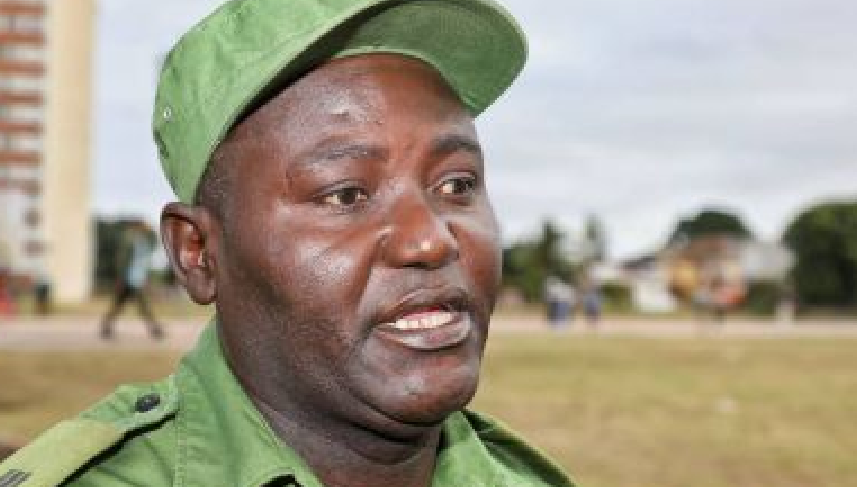
CAMAGÜEY, Cuba — Yohandris Varona Torres saw the photos of the 32 Cubans killed in Venezuela on Jan. 3 and could not help but become emotional. He did so this morning during the tribute held in the Nicolás Guillén Protocol Hall in Camagüey. It was not the first time he had looked at them. He did not have images of strangers in front of him. They were his comrades. And we know that death becomes more real when it touches close to your family, friends, your team.

He spoke little. Perhaps he could not find the words. Only the precise ones needed to make us understand the pain. All in less than five minutes. He walked upright, but his eyes still held a sadness difficult to explain. From Vertientes in Camagüey, he had been in Venezuela for two months and six days as part of personal security when the attack occurred—the most intense experience in 23 years of military service, and his very first internationalist mission.

“We fought there against the aircraft that were machine-gunning us. Despite the fact that our weapons were smaller, we never stopped fighting—we confronted them. I have my training and I know how to fight, but they were superior to us. In that moment my only thought was to fight. We had to fire, and I started doing it.

“That night I had gone on guard duty at midnight and was supposed to be on post for six hours. The attack happened around 2:00 a.m. It was early morning. Everything was dark. If a helicopter comes straight at you, the only thing you can do is shoot at it and defend yourself. That’s how it was. Until the very last moment we were firing.”

Yohandris—spelled with an h in the middle, as he corrected us—was there that night, in the same place where his comrades fell, those of all Cuba. This good Cuban carried them all, and today I can only imagine the weight he carried and still carries with him: the weight of death, pain, helplessness, and injustice.

“Our comrades are a source of glory for all of Cuba. They were my brothers. They were working with me. I saw them all fall and I carried all of them. There was no support from anyone for that, but no body was left on the field. We preserved them in one of our sleeping quarters. I cannot explain the pain. But at least no one was left in Venezuela. They are here, in our homeland.

“My country will always have my willingness to confront the enemy wherever necessary. That’s how the Commander taught us. And the deaths of my comrades cannot be in vain.”

The pain is inside. Just above the stomach. He does not need to tell me. I know it. Noble men feel it that way. And there, a few fingers higher up, in the throat, the helplessness, the rage toward those who believe they have the right and the power to take the lives of good people, the not knowing what to say, the shame of carrying in one’s arms the weight of unjust death.

All that remains is the pain that we could not stop them.

By Gretel Díaz Montalvo
Trabajadores

What Yohandri Varona Torres saw with his own eyes on Jan. 3 during the United States’ attack on Venezuela will never be forgotten. He had arrived in the South American nation barely two months and six days earlier. This man from Camagüey, born in the community of Jagüey in Vertientes, had gone there to serve in personal security support. That, he says, is what Fidel taught him—so wherever he was needed, he would go.

But that Saturday turned fatal. At midnight he took up his position. He was assigned a six-hour guard shift. And although everything seemed calm, Yohandri knew that the greatest danger was letting one’s guard down. That is why he carried out his duty with vigilance bordering on excess.

It was close to 2 a.m. when he saw the first of the helicopters belonging to the group of U.S. commandos that would land in Caracas that morning to kidnap President Nicolás Maduro.

He barely had time to leave the post where he was standing guard, take cover several meters away, and begin firing. To that decision—or to luck—he owes his life. As if guided by a plan of millimetric precision, the attackers directed their fire at the guard booth that only seconds earlier he had occupied.

“They had much greater firepower than we did,” Yohandri recounts. “We only had light weapons. Another advantage they had was that they seemed to know exactly where everything was. That’s how they fired at the guard posts and the sleeping quarters where we Cubans were, and they managed to kill—among the first—our leaders.”

With some 23 years of experience in the Department of Personal Security, this first sergeant had never lived through anything even remotely similar. But training had prepared him well, and that morning he emptied magazine after magazine firing at the enemy.

“There was nothing to do but fire and fire. Defend and kill,” he stated.

“Despite their advantage in firepower,” he added, “I am sure we inflicted casualties on them. More than they acknowledge. We fought hard. We kept firing until almost all of us were falling, dead or wounded.”

This was not a quick or easy battle, as Trump and his henchmen initially tried to make people believe. As the days have passed, it has been confirmed that only death and the lack of ammunition managed to extinguish the Cubans’ resistance.

Yohandri remembers everything with terrible clarity. His eyes seem to replay the images one by one. He cries. He cries with rage. He says he will never forget the confrontation, but above all the hours afterward, when the surviving members of the group had to transport the bodies of their fallen compatriots.

“We carried them and took them to a building that had been damaged but allowed us to shelter them. It was very hard, because they were men we knew, with whom we had lived until just hours earlier. But we took them all. We did not abandon a single one.

“When the bombs begin to fall, the only thing you think about is fighting. We were there for that, and that is what we did. All that remains for me is the pain that we could not stop them. And this pain,” he says as he strikes his chest, “I have to settle it with the enemy.”

Testimony of a Cuban combatant who defended President Maduro

Taken from the Facebook page of Ignacio Ramonet

Yohandris Varona Torres had been in Venezuela for two months and six days as a member of the Personal Security detail when the attack occurred—the most intense experience of his 23 years of military service, and his first internationalist mission.

But that Saturday, Jan. 3, turned fatal. At midnight he took up his position. He was assigned a six-hour guard shift. And although everything appeared calm, Yohandri knew that the greatest danger was letting one’s guard down. That is why he carried out his duty with vigilance bordering on excess.

It was close to 2 a.m. when he saw the first of the helicopters belonging to the group of U.S. commandos that would land in Caracas that morning to kidnap President Nicolás Maduro.

He barely had time to leave the post where he was standing guard, take cover several meters away, and begin firing. To that decision—or to luck—he owes his life. As if guided by a plan of millimetric precision, the attackers directed their fire at the guard booth that only seconds earlier he had occupied.

“They had much greater firepower than we did,” Yohandri recounts. “We only had light weapons. Another advantage they had was that they seemed to know exactly where everything was. That’s how they fired at the guard posts and the sleeping quarters where we Cubans were, and they managed to kill—among the first—our leaders.”

With some 23 years of experience in the Directorate of Personal Security, this first sergeant had never lived through anything even remotely similar. But training had prepared him well, and that morning he emptied magazine after magazine firing at the enemy.

“There was nothing to do but fire and fire. Defend and kill,” he stated.

“We fought there against the aircraft that were machine-gunning us. Despite the fact that our weapons were smaller, we never stopped fighting—we confronted them. I have my training and I know how to fight, but they were superior to us. In that moment my only thought was to fight. We had to fire, and I started doing it.”

“Despite their advantage in firepower,” he added, “I am sure we inflicted casualties on them. More than they acknowledge. We fought hard. We kept firing until almost all of us were falling, dead or wounded.”

This was not a quick or easy battle, as Trump and his henchmen initially tried to make people believe. As the days have passed, it has been confirmed that only death and the lack of ammunition managed to extinguish the Cubans’ resistance.

Yohandri remembers everything with terrible clarity. His eyes seem to replay the images one by one. He cries. He cries with rage.

He says he will never forget the confrontation, but above all the hours afterward, when the surviving members of the group had to transport the bodies of their fallen compatriots.

“We carried them and took them to a building that had been damaged but allowed us to shelter them. It was very hard, because they were men we knew, with whom we had lived until just hours earlier. But we took them all. We did not abandon a single one.

“When the bombs begin to fall, the only thing you think about is fighting. We were there for that, and that is what we did. All that remains for me is the pain that we could not stop them. And this pain,” he says as he strikes his chest, “I have to settle it with the enemy.”

Yohandri Varona Torres: a moving testimony

By Yamylé Fernández Rodríguez
Radio Reloj

Camagüey, Cuba — With a voice broken by pain and indignation, first officer Yohandri Varona Torres from Camagüey recalls Jan. 3, when his comrades fell in combat after fighting fiercely against the U.S. aggression against Venezuela.

Backed by 23 years of experience as a personal security specialist, Varona Torres had arrived in Caracas just over two months earlier. On the day of the tragic events, he was on guard duty.

He recalls that around 2:00 a.m. they spotted the enemy helicopters, and there was always the certainty that it was necessary to fight to the end, because the Yankees had come determined to leave death and destruction.

He shared daily life with all of the fallen Cubans, and their loss is deeply painful, says first officer Yohandri Varona Torres, who held their lifeless bodies in his arms and now swears he will know how to honor them as they deserve.

Originally published by Adelante, Trabajadores, and Radio Reloj.
Translated by Struggle-La Lucha.

Source: cubainformacion.tv

https://abolitionmedia.noblogs.org/?p=27325 #colonialism #cuba #imperialism #maduro #venezuela
cubainformación.tv

"Estoy seguro de que les hicimos bajas. Más de las que ellos reconocen. Nos batimos duro. Seguimos tirando hasta que casi todos fuimos cayendo, muertos o heridos"

Foto: Leandro Pérez Pérez/Adelante.
Sorry, no caption provided by author
  • Copy link
  • Flag this post
  • Block
Media Revolution Channel
Media Revolution Channel boosted
abolitionmedia
@abolitionmedia@abolitionmedia.noblogs.org  ·  activity timestamp 6 days ago

The Long Shadow of Interventions

In Latin America, the history of US interventions is a continuous thread that spans two centuries. It is not a catalog of isolated episodes, but rather a persistent policy of power that combines doctrine and the use of force. From the 19th century to the present day, the region has experienced direct incursions, prolonged occupations, remotely supported coups, and “preventive” deployments that have left an indelible mark on our nations and their collective memories.

The first milestone was the war against Mexico (1846–1848). Under the delirium of Manifest Destiny, Washington developed a campaign of occupation that culminated in the Treaty of Guadalupe Hidalgo and the cession of more than a third of Mexican territory. The military victory set a political precedent for the type of hemisphere the United States sought to build.

During the Panama crisis of 1885, the United States demonstrated the hypocrisy of its commitments to “neutrality” by landing marines to secure transit and protect interests. It withdrew quickly, but the message was clear: the canal and its surroundings were a “vital interest” for the United States.

This strategic priority led to support for Panama’s separation from Colombia in 1903. The United States immediately recognized the new government that signed to establish the Canal Zone. It was a supervised independence, essential for the canal project and inseparable from the military and commercial expansion of the early 20th century.

In Nicaragua, the occupations of 1912–1925 and 1926–1933 were part of the so-called Banana Wars. The presence of marines supported friendly governments, and during the second occupation, they fought Sandino’s guerrilla forces until his assassination in 1934. The occupation left behind a military dictatorship that would last for decades.

In 1932, the United States carried out a large naval deployment off the coast of El Salvador during the insurrection led by Farabundo Martí. The repression by the Salvadoran army left tens of thousands dead. The presence of foreign ships affirmed the geopolitical equation of the time: protect investments, contain social protest, and send signals of power.

With the Cold War, the repertoire changed form. In Guatemala, the CIA promoted the overthrow of Árbenz in 1954 and shut down a reformist experiment that was uncomfortable for the United Fruit Company and anti-communist orthodoxy. In 1961, there was the failed Bay of Pigs invasion in Cuba, and in 1965, the coup against President Bosch in the Dominican Republic, with the deployment of more than 20,000 soldiers to “prevent another Cuba” and ensure a favorable outcome for Washington.

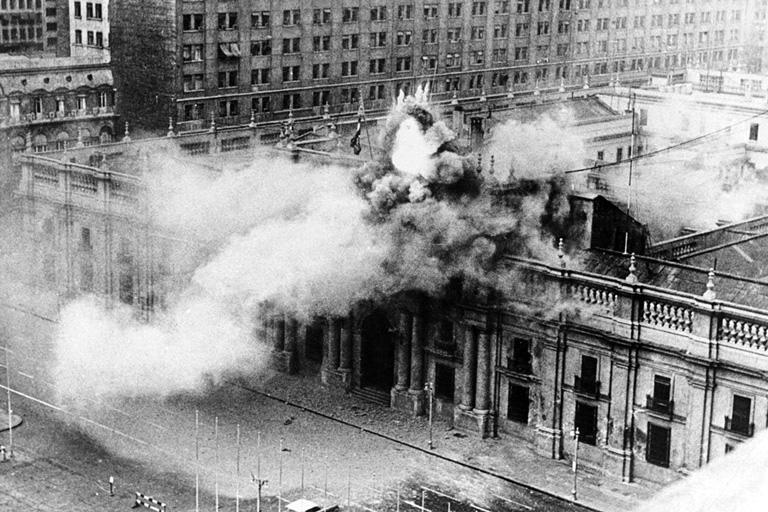
In the 1970s and 1980s, the logic of hemispheric security deepened. With Operation Condor, Washington promoted coups and military dictatorships in the Southern Cone. In Chile, it facilitated the overthrow of Allende in 1973 and the rise of Augusto Pinochet. The coups in Brazil (1964), Uruguay (1973), and Argentina (1976) had U.S. approval and assistance. In all these cases, coordination with the United States included the criminal persecution of opponents. The consolidation of authoritarian regimes, under the banner of the fight against communism, left a trail of human rights violations and forced disappearances throughout the region.

A new wave of interventions took place in response to the revolutionary struggles in Central America. In Nicaragua (1979-1990), the Reagan administration financed the Contras and opened the Iran-Contra chapter. In El Salvador (1980-1992), it provided advisors and weapons to sustain an anti-insurgency war with a very high human cost. The 1980s ended with the military occupation of Grenada (1983) and the invasion of Panama (1989) with 27,000 Marines and the capture of Noriega.

The inevitable question is what has changed. The rhetoric, yes; the use of force, less so. In addition to the classic justifications—security, stability, protection of nationals—today we have drug trafficking, “orderly transitions,” and the defense of democracy. Trump’s abusive, violent, and warmongering personal style is the focus of much of the analysis and explanations of the current intervention in Venezuela. But it must be understood that this is also part of the US tradition toward Latin America. Words matter, but actions matter more: landings, occupations, military advice, sanctions, and covert operations have defined the political territory where nation-building projects and development models are contested.

Recognizing this history is not an exercise in victimhood; it is a condition of sovereignty. Latin America has resisted, learned, and built alternatives. Memory is not for museums; it is a compass for thinking about foreign relations based on alliances, cooperation, and mutual respect. Peace and sovereignty require legitimate and determined governments, informed citizens, and a regional agenda that is not subordinate to Washington’s political cycles.

The shadow is long but not eternal. If a century and a half of interventions teaches us anything, it is that the hemisphere is not condemned to repeat its past, but to transform it.

Original text by Imanol Ordorika published by La Jornada on January 15, 2026.
Translated by Schools for Chiapas.

https://abolitionmedia.noblogs.org/?p=27312 #colonialism #imperialism #latinAmerica #southAmerica
La Jornada

La Jornada: La larga sombra de las intervenciones

La Jornada: La larga sombra de las intervenciones
Sorry, no caption provided by author
  • Copy link
  • Flag this post
  • Block
abolitionmedia
@abolitionmedia@abolitionmedia.noblogs.org  ·  activity timestamp 6 days ago

‘We Fought Until Almost all of us Were Down’: Cuban Combatant Recounts U.S. Attack in Venezuela

CAMAGÜEY, Cuba — Yohandris Varona Torres saw the photos of the 32 Cubans killed in Venezuela on Jan. 3 and could not help but become emotional. He did so this morning during the tribute held in the Nicolás Guillén Protocol Hall in Camagüey. It was not the first time he had looked at them. He did not have images of strangers in front of him. They were his comrades. And we know that death becomes more real when it touches close to your family, friends, your team.

He spoke little. Perhaps he could not find the words. Only the precise ones needed to make us understand the pain. All in less than five minutes. He walked upright, but his eyes still held a sadness difficult to explain. From Vertientes in Camagüey, he had been in Venezuela for two months and six days as part of personal security when the attack occurred—the most intense experience in 23 years of military service, and his very first internationalist mission.

“We fought there against the aircraft that were machine-gunning us. Despite the fact that our weapons were smaller, we never stopped fighting—we confronted them. I have my training and I know how to fight, but they were superior to us. In that moment my only thought was to fight. We had to fire, and I started doing it.

“That night I had gone on guard duty at midnight and was supposed to be on post for six hours. The attack happened around 2:00 a.m. It was early morning. Everything was dark. If a helicopter comes straight at you, the only thing you can do is shoot at it and defend yourself. That’s how it was. Until the very last moment we were firing.”

Yohandris—spelled with an h in the middle, as he corrected us—was there that night, in the same place where his comrades fell, those of all Cuba. This good Cuban carried them all, and today I can only imagine the weight he carried and still carries with him: the weight of death, pain, helplessness, and injustice.

“Our comrades are a source of glory for all of Cuba. They were my brothers. They were working with me. I saw them all fall and I carried all of them. There was no support from anyone for that, but no body was left on the field. We preserved them in one of our sleeping quarters. I cannot explain the pain. But at least no one was left in Venezuela. They are here, in our homeland.

“My country will always have my willingness to confront the enemy wherever necessary. That’s how the Commander taught us. And the deaths of my comrades cannot be in vain.”

The pain is inside. Just above the stomach. He does not need to tell me. I know it. Noble men feel it that way. And there, a few fingers higher up, in the throat, the helplessness, the rage toward those who believe they have the right and the power to take the lives of good people, the not knowing what to say, the shame of carrying in one’s arms the weight of unjust death.

All that remains is the pain that we could not stop them.

By Gretel Díaz Montalvo
Trabajadores

What Yohandri Varona Torres saw with his own eyes on Jan. 3 during the United States’ attack on Venezuela will never be forgotten. He had arrived in the South American nation barely two months and six days earlier. This man from Camagüey, born in the community of Jagüey in Vertientes, had gone there to serve in personal security support. That, he says, is what Fidel taught him—so wherever he was needed, he would go.

But that Saturday turned fatal. At midnight he took up his position. He was assigned a six-hour guard shift. And although everything seemed calm, Yohandri knew that the greatest danger was letting one’s guard down. That is why he carried out his duty with vigilance bordering on excess.

It was close to 2 a.m. when he saw the first of the helicopters belonging to the group of U.S. commandos that would land in Caracas that morning to kidnap President Nicolás Maduro.

He barely had time to leave the post where he was standing guard, take cover several meters away, and begin firing. To that decision—or to luck—he owes his life. As if guided by a plan of millimetric precision, the attackers directed their fire at the guard booth that only seconds earlier he had occupied.

“They had much greater firepower than we did,” Yohandri recounts. “We only had light weapons. Another advantage they had was that they seemed to know exactly where everything was. That’s how they fired at the guard posts and the sleeping quarters where we Cubans were, and they managed to kill—among the first—our leaders.”

With some 23 years of experience in the Department of Personal Security, this first sergeant had never lived through anything even remotely similar. But training had prepared him well, and that morning he emptied magazine after magazine firing at the enemy.

“There was nothing to do but fire and fire. Defend and kill,” he stated.

“Despite their advantage in firepower,” he added, “I am sure we inflicted casualties on them. More than they acknowledge. We fought hard. We kept firing until almost all of us were falling, dead or wounded.”

This was not a quick or easy battle, as Trump and his henchmen initially tried to make people believe. As the days have passed, it has been confirmed that only death and the lack of ammunition managed to extinguish the Cubans’ resistance.

Yohandri remembers everything with terrible clarity. His eyes seem to replay the images one by one. He cries. He cries with rage. He says he will never forget the confrontation, but above all the hours afterward, when the surviving members of the group had to transport the bodies of their fallen compatriots.

“We carried them and took them to a building that had been damaged but allowed us to shelter them. It was very hard, because they were men we knew, with whom we had lived until just hours earlier. But we took them all. We did not abandon a single one.

“When the bombs begin to fall, the only thing you think about is fighting. We were there for that, and that is what we did. All that remains for me is the pain that we could not stop them. And this pain,” he says as he strikes his chest, “I have to settle it with the enemy.”

Testimony of a Cuban combatant who defended President Maduro

Taken from the Facebook page of Ignacio Ramonet

Yohandris Varona Torres had been in Venezuela for two months and six days as a member of the Personal Security detail when the attack occurred—the most intense experience of his 23 years of military service, and his first internationalist mission.

But that Saturday, Jan. 3, turned fatal. At midnight he took up his position. He was assigned a six-hour guard shift. And although everything appeared calm, Yohandri knew that the greatest danger was letting one’s guard down. That is why he carried out his duty with vigilance bordering on excess.

It was close to 2 a.m. when he saw the first of the helicopters belonging to the group of U.S. commandos that would land in Caracas that morning to kidnap President Nicolás Maduro.

He barely had time to leave the post where he was standing guard, take cover several meters away, and begin firing. To that decision—or to luck—he owes his life. As if guided by a plan of millimetric precision, the attackers directed their fire at the guard booth that only seconds earlier he had occupied.

“They had much greater firepower than we did,” Yohandri recounts. “We only had light weapons. Another advantage they had was that they seemed to know exactly where everything was. That’s how they fired at the guard posts and the sleeping quarters where we Cubans were, and they managed to kill—among the first—our leaders.”

With some 23 years of experience in the Directorate of Personal Security, this first sergeant had never lived through anything even remotely similar. But training had prepared him well, and that morning he emptied magazine after magazine firing at the enemy.

“There was nothing to do but fire and fire. Defend and kill,” he stated.

“We fought there against the aircraft that were machine-gunning us. Despite the fact that our weapons were smaller, we never stopped fighting—we confronted them. I have my training and I know how to fight, but they were superior to us. In that moment my only thought was to fight. We had to fire, and I started doing it.”

“Despite their advantage in firepower,” he added, “I am sure we inflicted casualties on them. More than they acknowledge. We fought hard. We kept firing until almost all of us were falling, dead or wounded.”

This was not a quick or easy battle, as Trump and his henchmen initially tried to make people believe. As the days have passed, it has been confirmed that only death and the lack of ammunition managed to extinguish the Cubans’ resistance.

Yohandri remembers everything with terrible clarity. His eyes seem to replay the images one by one. He cries. He cries with rage.

He says he will never forget the confrontation, but above all the hours afterward, when the surviving members of the group had to transport the bodies of their fallen compatriots.

“We carried them and took them to a building that had been damaged but allowed us to shelter them. It was very hard, because they were men we knew, with whom we had lived until just hours earlier. But we took them all. We did not abandon a single one.

“When the bombs begin to fall, the only thing you think about is fighting. We were there for that, and that is what we did. All that remains for me is the pain that we could not stop them. And this pain,” he says as he strikes his chest, “I have to settle it with the enemy.”

Yohandri Varona Torres: a moving testimony

By Yamylé Fernández Rodríguez
Radio Reloj

Camagüey, Cuba — With a voice broken by pain and indignation, first officer Yohandri Varona Torres from Camagüey recalls Jan. 3, when his comrades fell in combat after fighting fiercely against the U.S. aggression against Venezuela.

Backed by 23 years of experience as a personal security specialist, Varona Torres had arrived in Caracas just over two months earlier. On the day of the tragic events, he was on guard duty.

He recalls that around 2:00 a.m. they spotted the enemy helicopters, and there was always the certainty that it was necessary to fight to the end, because the Yankees had come determined to leave death and destruction.

He shared daily life with all of the fallen Cubans, and their loss is deeply painful, says first officer Yohandri Varona Torres, who held their lifeless bodies in his arms and now swears he will know how to honor them as they deserve.

Originally published by Adelante, Trabajadores, and Radio Reloj.
Translated by Struggle-La Lucha.

Source: cubainformacion.tv

https://abolitionmedia.noblogs.org/?p=27325 #colonialism #cuba #imperialism #maduro #venezuela
cubainformación.tv

"Estoy seguro de que les hicimos bajas. Más de las que ellos reconocen. Nos batimos duro. Seguimos tirando hasta que casi todos fuimos cayendo, muertos o heridos"

Foto: Leandro Pérez Pérez/Adelante.
Sorry, no caption provided by author
  • Copy link
  • Flag this post
  • Block
abolitionmedia
@abolitionmedia@abolitionmedia.noblogs.org  ·  activity timestamp 6 days ago

The Long Shadow of Interventions

In Latin America, the history of US interventions is a continuous thread that spans two centuries. It is not a catalog of isolated episodes, but rather a persistent policy of power that combines doctrine and the use of force. From the 19th century to the present day, the region has experienced direct incursions, prolonged occupations, remotely supported coups, and “preventive” deployments that have left an indelible mark on our nations and their collective memories.

The first milestone was the war against Mexico (1846–1848). Under the delirium of Manifest Destiny, Washington developed a campaign of occupation that culminated in the Treaty of Guadalupe Hidalgo and the cession of more than a third of Mexican territory. The military victory set a political precedent for the type of hemisphere the United States sought to build.

During the Panama crisis of 1885, the United States demonstrated the hypocrisy of its commitments to “neutrality” by landing marines to secure transit and protect interests. It withdrew quickly, but the message was clear: the canal and its surroundings were a “vital interest” for the United States.

This strategic priority led to support for Panama’s separation from Colombia in 1903. The United States immediately recognized the new government that signed to establish the Canal Zone. It was a supervised independence, essential for the canal project and inseparable from the military and commercial expansion of the early 20th century.

In Nicaragua, the occupations of 1912–1925 and 1926–1933 were part of the so-called Banana Wars. The presence of marines supported friendly governments, and during the second occupation, they fought Sandino’s guerrilla forces until his assassination in 1934. The occupation left behind a military dictatorship that would last for decades.

In 1932, the United States carried out a large naval deployment off the coast of El Salvador during the insurrection led by Farabundo Martí. The repression by the Salvadoran army left tens of thousands dead. The presence of foreign ships affirmed the geopolitical equation of the time: protect investments, contain social protest, and send signals of power.

With the Cold War, the repertoire changed form. In Guatemala, the CIA promoted the overthrow of Árbenz in 1954 and shut down a reformist experiment that was uncomfortable for the United Fruit Company and anti-communist orthodoxy. In 1961, there was the failed Bay of Pigs invasion in Cuba, and in 1965, the coup against President Bosch in the Dominican Republic, with the deployment of more than 20,000 soldiers to “prevent another Cuba” and ensure a favorable outcome for Washington.

In the 1970s and 1980s, the logic of hemispheric security deepened. With Operation Condor, Washington promoted coups and military dictatorships in the Southern Cone. In Chile, it facilitated the overthrow of Allende in 1973 and the rise of Augusto Pinochet. The coups in Brazil (1964), Uruguay (1973), and Argentina (1976) had U.S. approval and assistance. In all these cases, coordination with the United States included the criminal persecution of opponents. The consolidation of authoritarian regimes, under the banner of the fight against communism, left a trail of human rights violations and forced disappearances throughout the region.

A new wave of interventions took place in response to the revolutionary struggles in Central America. In Nicaragua (1979-1990), the Reagan administration financed the Contras and opened the Iran-Contra chapter. In El Salvador (1980-1992), it provided advisors and weapons to sustain an anti-insurgency war with a very high human cost. The 1980s ended with the military occupation of Grenada (1983) and the invasion of Panama (1989) with 27,000 Marines and the capture of Noriega.

The inevitable question is what has changed. The rhetoric, yes; the use of force, less so. In addition to the classic justifications—security, stability, protection of nationals—today we have drug trafficking, “orderly transitions,” and the defense of democracy. Trump’s abusive, violent, and warmongering personal style is the focus of much of the analysis and explanations of the current intervention in Venezuela. But it must be understood that this is also part of the US tradition toward Latin America. Words matter, but actions matter more: landings, occupations, military advice, sanctions, and covert operations have defined the political territory where nation-building projects and development models are contested.

Recognizing this history is not an exercise in victimhood; it is a condition of sovereignty. Latin America has resisted, learned, and built alternatives. Memory is not for museums; it is a compass for thinking about foreign relations based on alliances, cooperation, and mutual respect. Peace and sovereignty require legitimate and determined governments, informed citizens, and a regional agenda that is not subordinate to Washington’s political cycles.

The shadow is long but not eternal. If a century and a half of interventions teaches us anything, it is that the hemisphere is not condemned to repeat its past, but to transform it.

Original text by Imanol Ordorika published by La Jornada on January 15, 2026.
Translated by Schools for Chiapas.

https://abolitionmedia.noblogs.org/?p=27312 #colonialism #imperialism #latinAmerica #southAmerica
La Jornada

La Jornada: La larga sombra de las intervenciones

La Jornada: La larga sombra de las intervenciones
Sorry, no caption provided by author
  • Copy link
  • Flag this post
  • Block
Log in

Encryptr.net Social

This is a forward thinking server running the Bonfire social media platform.

LGBTQA+ and BPOC friendly.

Encryptr.net Social: About · Code of conduct · Privacy ·
Encryptr.net social · 1.0.0-rc.3.6 no JS en
Automatic federation enabled
  • Explore
  • About
  • Code of Conduct
Home
Login