How We End Gold Mining’s Ecocide For Good
Gold mining is unparalleled in its environmental destruction and human rights toll. Frustratingly, 93% of gold is used for non-essential purposes like jewellery and investments.
A recent study suggests that transitioning to a fully circular gold economy, relying entirely on recycled gold, is achievable. Recycling gold eliminates mercury use, reduces carbon and water footprints, and still supports industries like technology and jewellery. Human rights groups have long called for the end of this destructive industry. To end gold mining, investors should focus on existing reserves. Governments must ensure justice and ‘land back’ for displaced indigenous peoples; along with a just transition for miners. Make sure you #BoycottGold #BoycottGold4Yanomami and demand the end to gold mining right now!
New #study finds that recycling #gold would eliminate the mercury pollution and #deforestation of #goldmining. It would also mean an end to violent #indigenous landgrabbing for #gold in #SouthAmerica #BoycottGold4Yanomami @BarbaraNavarro @palmoildetect https://wp.me/pcFhgU-90d
Share to BlueSkyShare to Twitter#Gold 🥇🚫 is a controversial commodity because it is unmatched in destruction to #indigenous peoples and #forests. A new study shows how we can end the #ecocide of gold #mining for good! #BoycottGold #BoycottGold4Yanomami @BarbaraNavarro @palmoildetect https://wp.me/pcFhgU-90d
Share to BlueSkyShare to Twitterhttps://youtu.be/RLsqyADpgn0?si=0as7dS8JN6v2mWr3
Written by Stephen Lezak, Research Manager at the Smith School of Enterprise and the Environment, University of Oxford. This article is republished from The Conversation under a Creative Commons license. Read the original article.
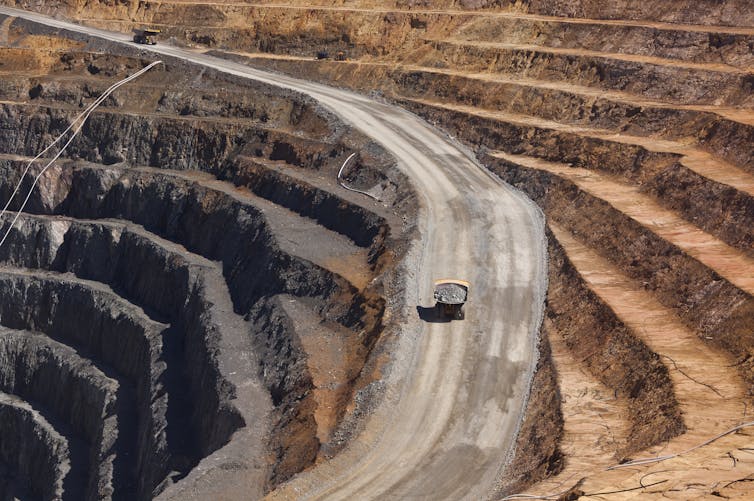 Two trucks transport gold ore from Barrick Cowal Gold Mine in New South Wales, Australia. Jason Benz Bennee/Shutterstock
The 16th-century King Ferdinand of Spain sent his subjects abroad with the command: “Get gold, humanely if possible, but at all hazards, get gold.” His statement rings true today. Gold remains one of the world’s most expensive substances, but mining it is one of the most environmentally and socially destructive processes on the planet.
Around 7% of the gold purchased globally each year is used for industry, technology or medicine. The rest winds up in bank vaults and jewellery shops.
Beautiful objects and stable investments are worthwhile things to create and own, and often have significant cultural value. But neither can justify gold mining’s staggering human and ecological toll. In a recent study, my colleagues and I showed how it might be possible to end mining and instead rely entirely on recycled gold.
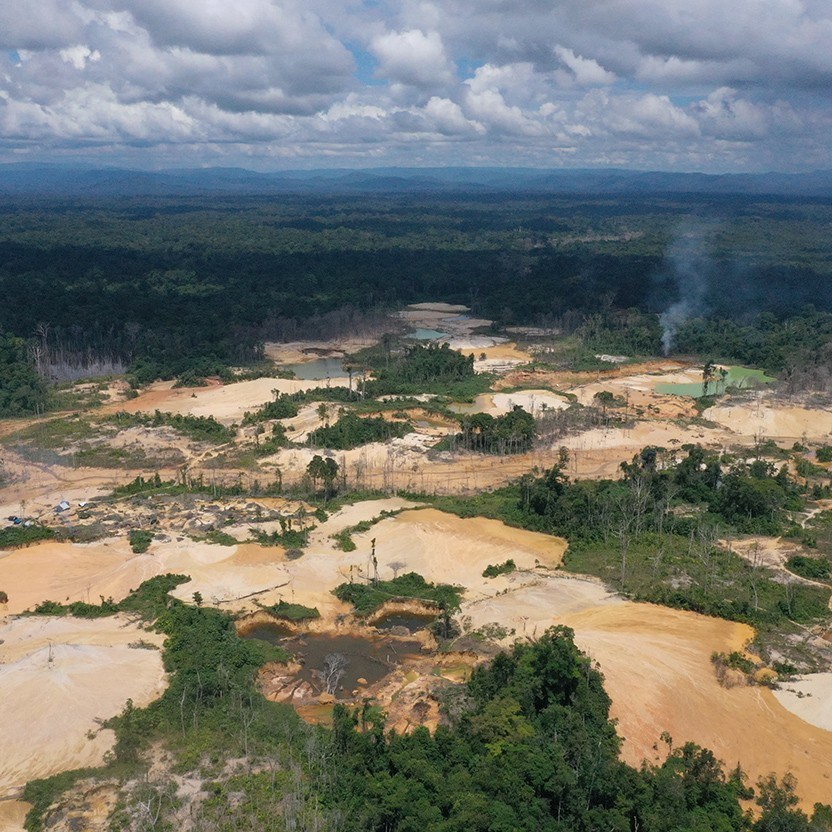
Despite improvements in gold mining practices over the past century and new regulations designed to limit mining’s impacts, this industry continues to wreak havoc upon landscapes across every continent except Antarctica.
In a given year, gold mines emit more greenhouse gases than all passenger flights between European nations combined. Gold mining also accounts for 38% of annual global mercury emissions, which cause millions of small-scale miners to suffer from chronic mercury poisoning, which can cause debilitating illness, especially in children.
Our research involved modelling hypothetical scenarios in which gold consumption could decline to more sustainable levels. Using current recycling rates, we examined a fully circular gold economy in which the world’s entire supply of gold came from recycled sources.
Even today, nearly one-quarter of annual gold demand is supplied through recycling, making it one of the world’s most recycled materials. The recycling process uses no mercury and has less than 1% of the water and carbon footprint of mined gold.
We found that a global decline in gold mining would not necessarily derail any of gold’s three central functions in jewellery, technology or as an investment.
Towards circularity
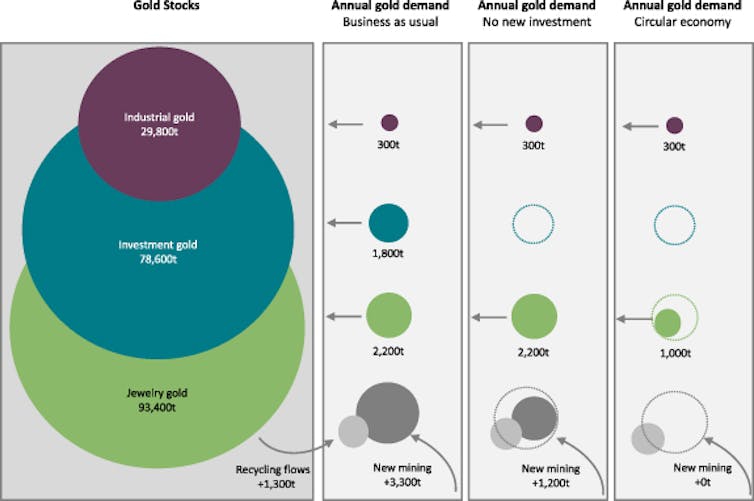 Gold stocks and three scenarios of gold flows. Lezak et al. (2022), CC BY-NC-ND
Our model showed that the gold used for industrial purposes (mainly in dentistry and smartphones) could be supplied for centuries even if all gold mining stopped tomorrow.
We also found that jewellery could still be produced with recycled gold in a fully circular gold industry. There would just be about 55% less to go around, which would still leave more than enough for essential uses.
In order to make this future a reality, investors would have to limit their trading to existing reserves, without adding newly mined gold to their coffers.
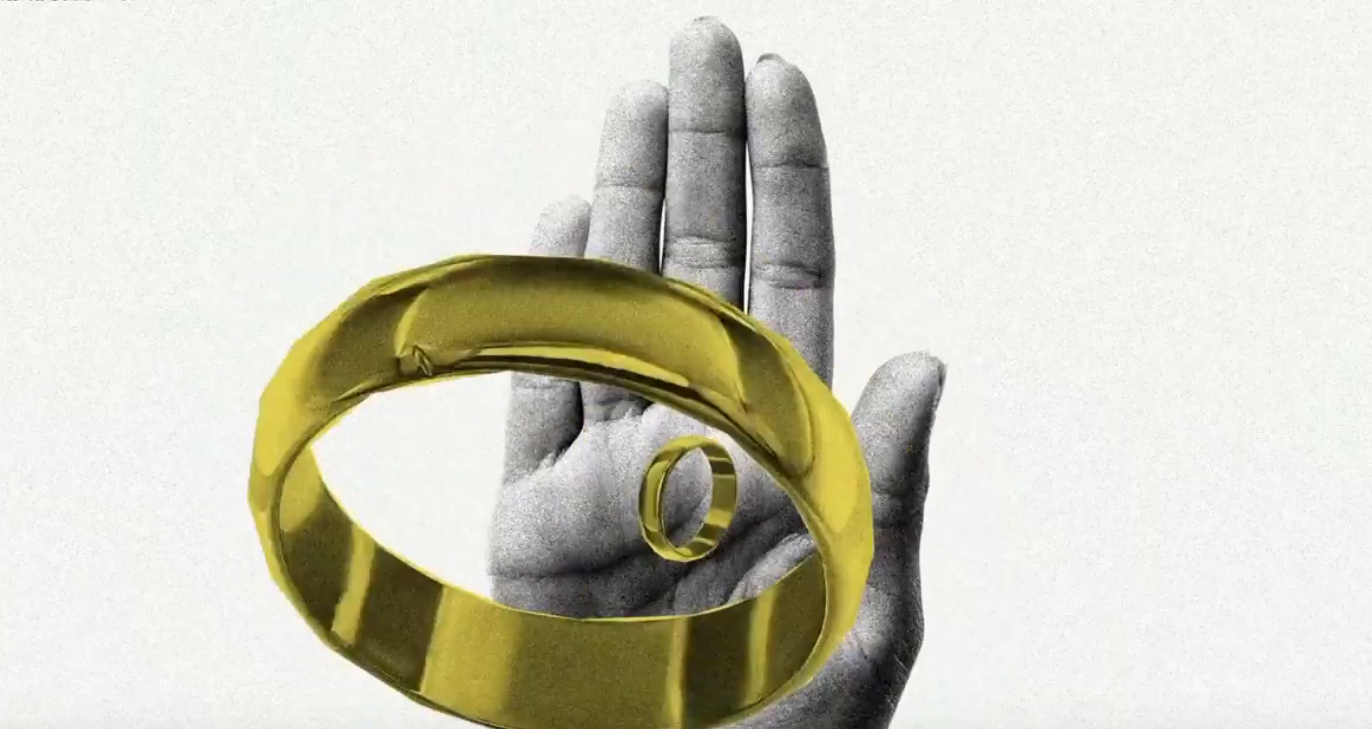
A world with a shrinking supply of gold would likely mean that consumers would pay more for the same 24-karat pure gold ring. But more likely, jewellery purchases would shift to cheaper (and more durable) alloys of gold that are already popular. And in the future, demand for gold may decline as consumers become more concerned with making sustainable choices.
The role that invested gold plays in the global economy would likely continue to function regardless of extraction. Like Renaissance art, gold is valuable precisely because it is scarce. Ending gold mining would not put an end to the buying and selling of gold for bank vaults. Instead, it would make existing stocks of gold more valuable.
Irrespective of whether the world needs gold, our research suggests that the world does not need gold mining.
Private investors and central banks may balk at this idea. The US government, for example, is the world’s single largest owner of gold, holding US$11 (9.1) billion in reserves. But transitions to sustainability are always hard-won and the gold industry is no exception.
Inspired by other transitions
Like gold, the extraction of fossil fuels is also environmentally damaging. But unlike gold, fossil fuels provide warmth and electricity to homes and businesses, power to vehicles and fertiliser to farms. Transitioning away from this resource required decades of research and investment into clean energy technologies.
By contrast, finding substitutes for gold does not require any research. Jewellery can be made more sustainable by blending gold with other metals. Investors can rely on existing gold stocks and diversify to other stable assets. And technology can continue to use recycled gold when appropriate.
Closing gold mines is the first step. But many regions have grown dependent on gold mining, and artisanal mining alone supports as many as 19 million miners and their families worldwide, mostly in developing economies.
These miners deserve a just transition that ensures they do not become collateral damage in the shift to sustainability. Governments must provide a robust safety net for former gold miners and their families. That includes offering low-cost training and reskilling to ensure that miners can find employment in more sustainable industries.
Steps toward sustainability
Responsibly drawing down gold extraction will take time. But several measures are available to begin the transition today.
On the demand side of the industry, major jewellery brands, including Pandora, have already committed to using only recycled gold by 2025. Global technology firm Apple has also recently set a goal to use exclusively recycled materials by 2030.
On the supply side, mining companies should begin retiring mines that extract only gold. Many copper mines produce gold as a byproduct, which will likely continue into the future.
Meanwhile, institutional investors should stop investing in new gold mines. That includes groups like the World Bank, which has invested US$800 (£660) million in gold mines in Africa, Asia, South America and the Pacific Islands since 2010.
Justice-minded fund managers, such as those overseeing endowments, should add gold mining firms alongside coal producers to their divestment lists. And central banks should redirect their future investments toward other stable stores of value, or at least source exclusively recycled gold.
The world is filled with difficult sustainability trade-offs. Gold mining is not one of them. Drawing down this industry stands out as a relatively easy way to reduce humanity’s footprint on a fragile planet.
Written by Stephen Lezak, Research Manager at the Smith School of Enterprise and the Environment, University of Oxford. This article is republished from The Conversation under a Creative Commons license. Read the original article.
ENDS
Read more about human rights abuses and greenwashing in the gold mining industry. Make sure that you #BoycottGold4Yanomami!
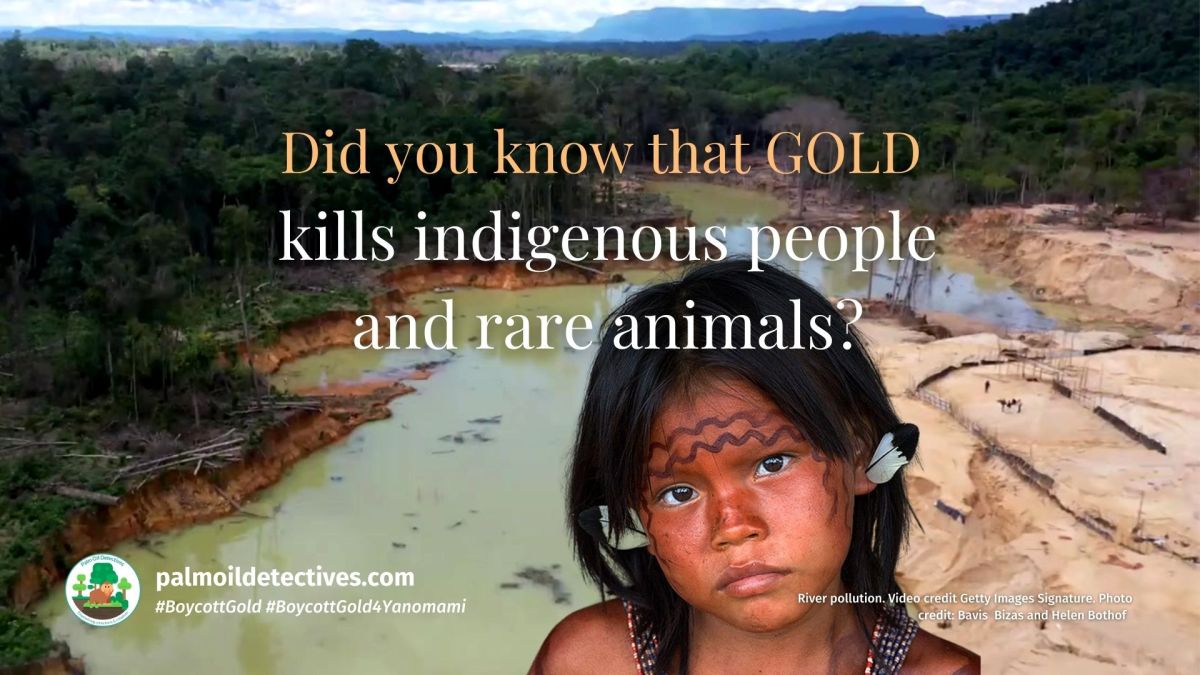
Did you know that gold kills indigenous people and rare animals?
Gold mining kills indigenous peoples throughout the world like the Yanomami people of Brazil and Papuans in West Papua. The bloody, violent and greedy landgrabbing that goes on for gold forces indigenous women…
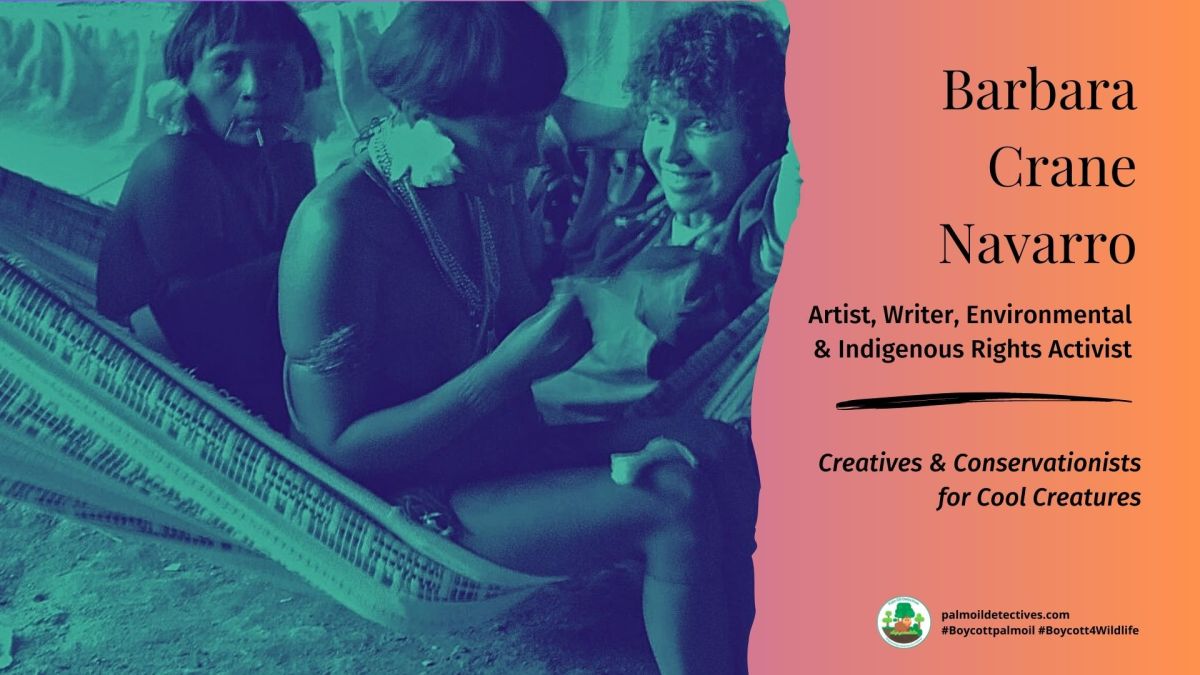
Artist and Indigenous Rights Advocate Barbara Crane Navarro
Artist Barbara Crane Navarro merges art and activism to defend the Amazon and Yanomami from destructive gold mining. Support #BoycottGold4Yanomami.
13 Reasons To Boycott Gold for Yanomami
Hunger for Gold in the Global North is fueling a living hell in the Global South. Here are 20 reasons why you should #BoycottGold4Yanomami
Take Action in Five Ways
1. Join the #Boycott4Wildlife on social media and subscribe to stay in the loop: Share posts from this website to your own network on Twitter, Mastadon, Instagram, Facebook and Youtube using the hashtags #Boycottpalmoil #Boycott4Wildlife.
Enter your email address
Sign Up
Join 3,529 other subscribers2. Contribute stories: Academics, conservationists, scientists, indigenous rights advocates and animal rights advocates working to expose the corruption of the palm oil industry or to save animals can contribute stories to the website.
Wildlife Artist Juanchi Pérez
Mel Lumby: Dedicated Devotee to Borneo’s Living Beings
Anthropologist and Author Dr Sophie Chao
Health Physician Dr Evan Allen

The World’s Most Loved Cup: A Social, Ethical & Environmental History of Coffee by Aviary Doert

How do we stop the world’s ecosystems from going into a death spiral? A #SteadyState Economy
3. Supermarket sleuthing: Next time you’re in the supermarket, take photos of products containing palm oil. Share these to social media along with the hashtags to call out the greenwashing and ecocide of the brands who use palm oil. You can also take photos of palm oil free products and congratulate brands when they go palm oil free.
https://twitter.com/CuriousApe4/status/1526136783557529600?s=20
https://twitter.com/PhillDixon1/status/1749010345555788144?s=20
https://twitter.com/mugabe139/status/1678027567977078784?s=20
4. Take to the streets: Get in touch with Palm Oil Detectives to find out more.
5. Donate: Make a one-off or monthly donation to Palm Oil Detectives as a way of saying thank you and to help pay for ongoing running costs of the website and social media campaigns. Donate here
Pledge your support#BarbaraCraneNavarro #BoycottGold #BoycottGold4Yanomami #corruption #deforestation #ecocide #forests #gold #goldMining #goldmining #humanRights #indigenous #indigenousRights #mining #SouthAmerica #study #workersRights #WorkersRights #Yanomami
13 Reasons To Boycott Gold for Yanomami
Hunger for Gold in the Global North is fueling a living hell in the Global South. Here are 13 reasons to #BoycottGold4Yanomami. Take action every time you shop! Say no to gold and #BoycottGold!
Hunger for #gold in the Global North is fueling a living hell for #Indigenous people in the Global South. Here’s reasons why you should #BoycottGold4Yanomami #Yanomami #SayNoToGold @barbaranavarro 🥇🧐🔥☠️🚫@palmoildetect https://palmoildetectives.com/2021/12/07/here-are-13-reasons-why-you-should-boycottgold4yanomami/
Share to BlueSkyShare to TwitterBehind the insatiable appetite for #gold is a dark secret of money laundering, illegal #mining, environmental #ecocide and human misery. Make sure you #BoycottGold4Yanomami when you shop! 🥇☠️🔥🚜🧐❌#Boycott4Wildlife @BarbaraNavarro @palmoildetect https://palmoildetectives.com/2021/12/07/here-are-13-reasons-why-you-should-boycottgold4yanomami/
Share to BlueSkyShare to Twitter1. Gold mining = greenwashing of crime and corruption
2. Even the world’s biggest gold-importing nations don’t properly monitor the origins of their gold
3. Laundering crimes using gold is easy
4. Gold is a legal version of cocaine
5. Gold mining causes massive deforestation
6. Indigenous people have no rights
7. Brazil’s racist President, Bolsonaro allows land-grabbing to continue
8. Indigenous women and children are forced into sex slavery
9. Violence and murder in gold mining is common
10. Mercury kills ecosystems, people and animals
11. Ecosystems rarely recover from the damage – they are dead
12. Jewellery and electronics companies and criminals are the only ones who benefit from gold
13. Over a million children are forced to work in gold mines
How can I help?

1. Gold mining = greenwashing of crime and corruption
Image: Shutterstock
Just like in every other extractive industry in the developing world, palm oil, fossil fuels, gold mining goes hand-in-hand with greenwashing
https://twitter.com/Dragofix/status/1442168669891670017?s=20
https://twitter.com/BarbaraNavarro/status/1465648549371289602?s=20
https://twitter.com/GOLDCOUNCIL/status/1465719200333373448?s=20
2. Even the world’s biggest gold-importing nations don’t properly monitor the origins of their gold
Image: ‘llegal gold that undermines forests and lives in the Amazon’ by Igarapé Institute
Switzerland, one of the world’s biggest gold-buying nations has weak and pathetic policies for monitoring the origin of gold
The message is loud and clear: the current system to prevent the importation and refining in Switzerland of illegal gold has been found lacking. The country’s financial watchdog reports that Customs data is not sufficiently transparent to differentiate between mined gold, bank gold and recycled gold, all of which are imported under the same code (HS 710812). This absence of identification means bars of dubious origin can easily slip through the net. The report also pinpoints inadequate legislation, compounded by underwhelming penalties: at worst, a CHF 2,000 fine.
‘Switzerland bottom of the class for gold due diligence’, Christophe Roulet, FHH Journal
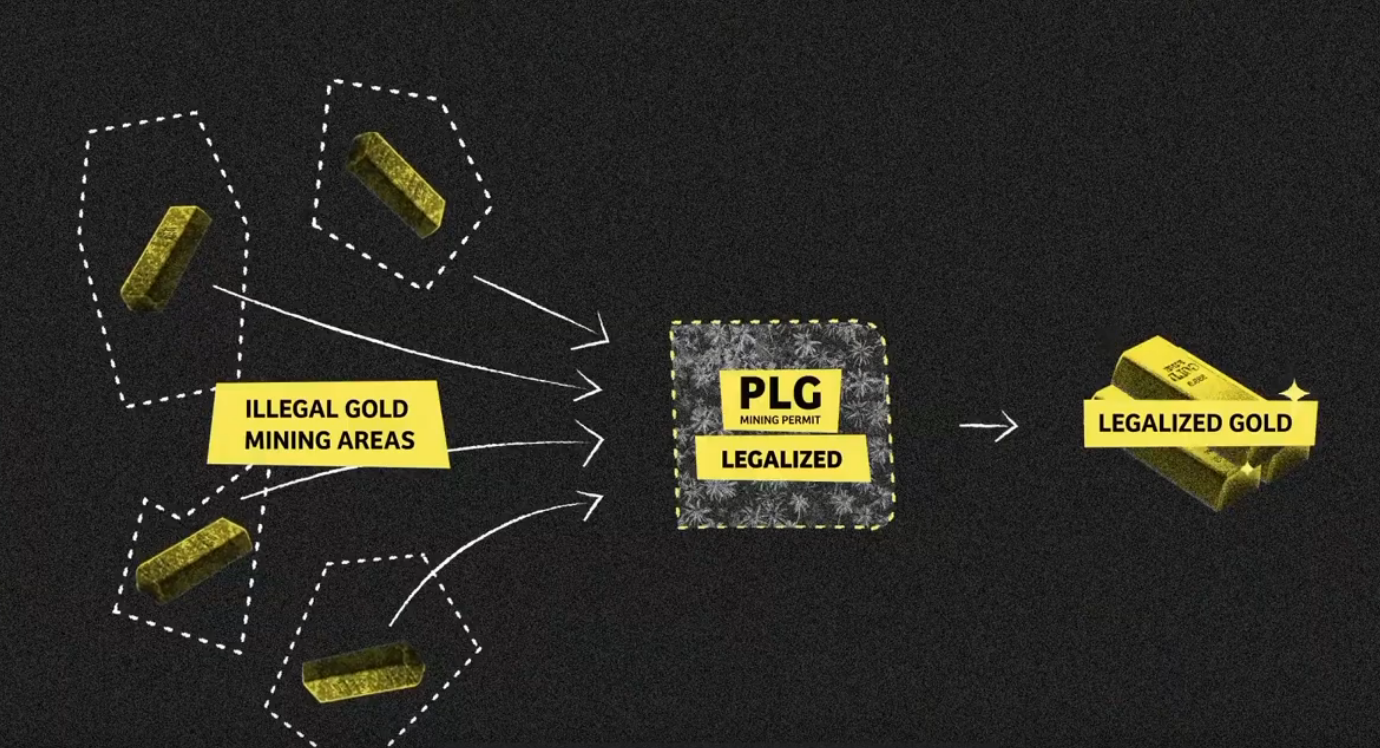
3. Laundering crimes using gold is easy
Image: ‘llegal gold that undermines forests and lives in the Amazon’ by Igarapé Institute
Corruption and laundering gold is simple and easy
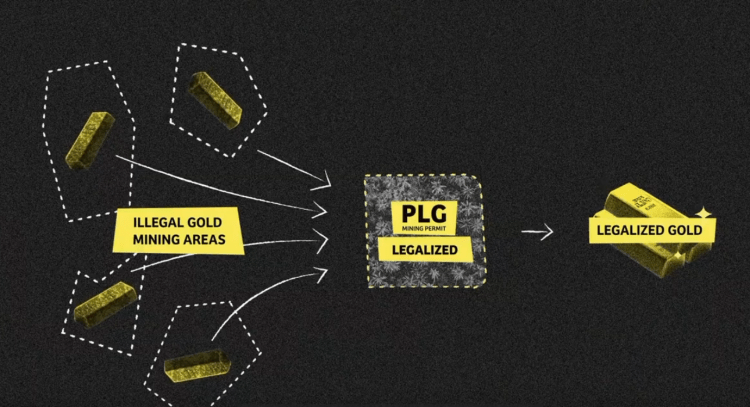
Since there is no way to measure whether any given land could feasibly produce the reported amount of gold, illegal miners can co-opt owners of illegal permits to ‘wash’ gold for a fee – estimated by the public prosecutor’s office at 10% of the value of the gold transaction
In 2020, banks flagged $514.9bn suspicious transactions involving gold companies.
FinCEN Files investigations into the gold trade from around the world. Kyra Guerny, International Consortium of Investigative Journalists, 2020.
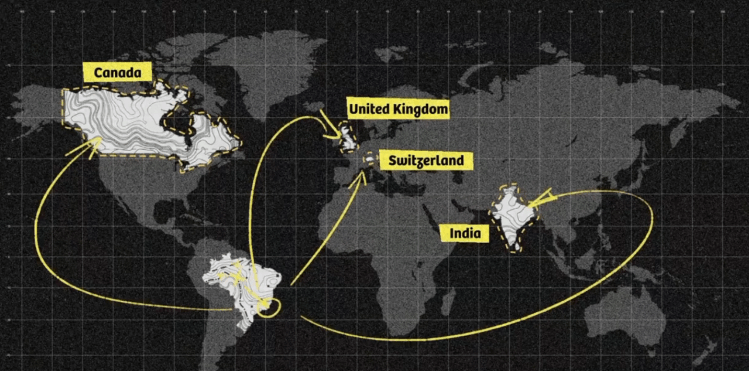
If there’s a crackdown in Peru, you just smuggle the gold across the border to Chile. Or if there’s a crackdown all across Latin America, then you can simply sell your gold through the Emirates, where there are very few controls. It’s a very difficult industry to completely eliminate the opportunities for money laundering, because it’s so global and you can just keep shifting your business.
‘‘Dirty Gold’ chases ‘three amigos’ from Miami to Peru and beyond’:
International Consortium of Investigative Journalists
Image: ‘llegal gold that undermines forests and lives in the Amazon’ by Igarapé Institute
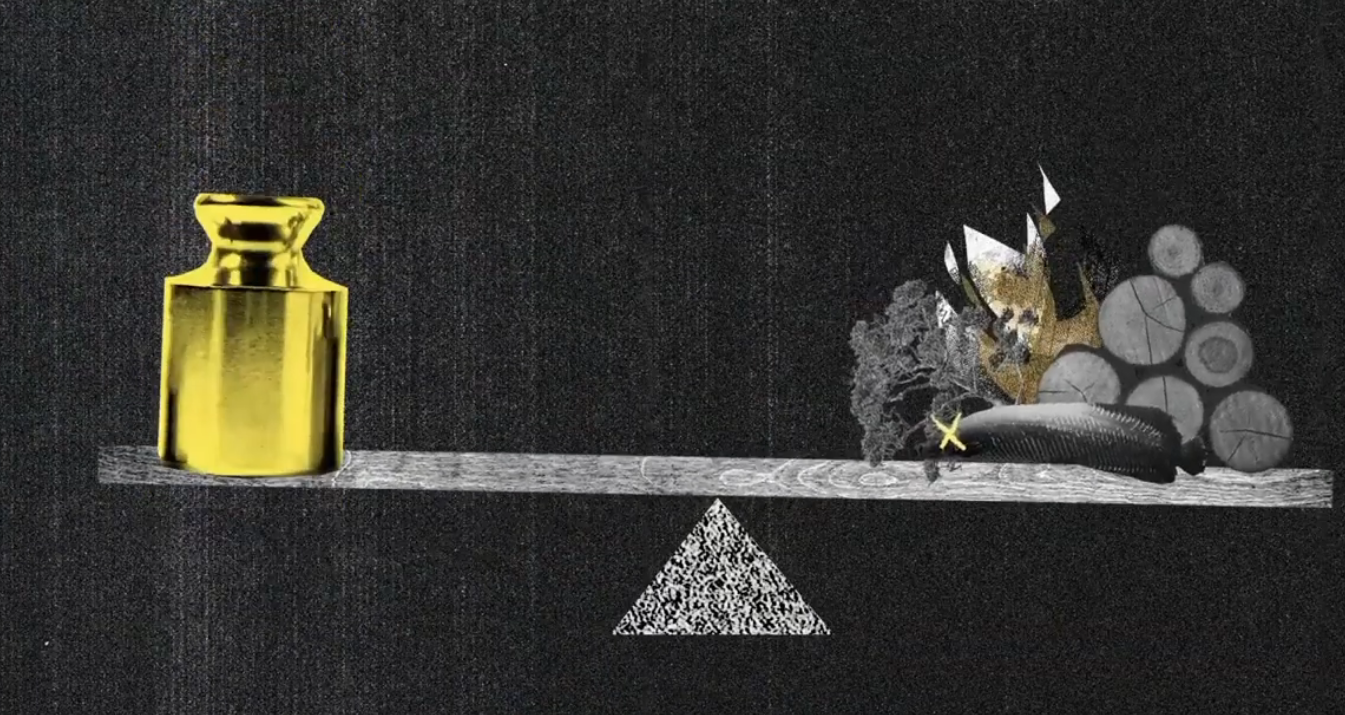
4. Gold is a legal version of cocaine
Image: ‘llegal gold that undermines forests and lives in the Amazon’ by Igarapé Institute
For drug cartels in South America: Gold is just like a legitimate, legal version of cocaine
“Criminal groups make so much more money from gold than from cocaine, and it’s so much easier
Ivan Díaz Corzo, a former member of Colombia’s anti-criminal-mining task force. ‘How drug lords make billions smuggling gold to Miami for your jewelry and phones‘. Miami Herald, 2018.
Drug-cartel associates posing as precious-metals traders buy and mine gold in Latin America. Cocaine profits are their seed money. They sell the metal through front companies — hiding its criminal taint — to refineries in the United States and other major gold-buying nations like Switzerland and the United Arab Emirates.
Once the deal is made, the cocaine kingpins have successfully turned their dirty gold into clean cash. To the outside world, they’re not drug dealers anymore; they’re gold traders. That’s money laundering.
‘How drug lords make billions smuggling gold to Miami for your jewelry and phones‘. Miami Herald, 2018.
5. Gold mining causes massive deforestation
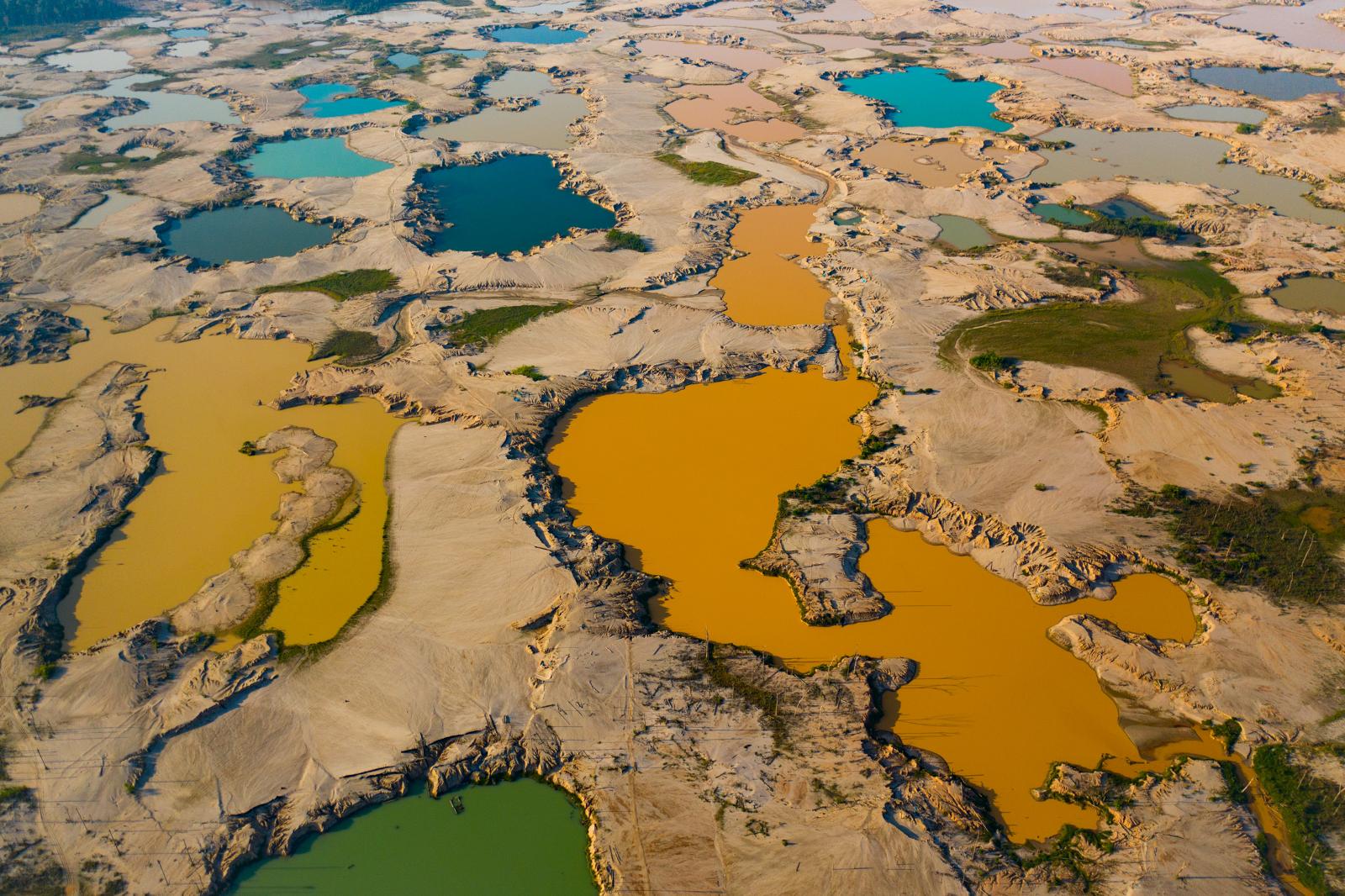
Mining in Indigenous territories of the Amazon is responsible for 23% of deforestation, up from 4% in 2017
“Over the past decade, illegal mining incursions — mostly small-scale gold extraction operations — have increased fivefold on Indigenous lands and threefold in other protected areas of Brazil”
‘Illegal mining in the Amazon hits record high amid Indigenous protests’, Jeff Tollerson, Nature 2021.
“The Amazon Rainforest does not burn by itself. Behind every fire that is lit is corporate greed, like agribusiness. And behind them are the largest banks and corporations in the world. They are the ones who profit from this destruction. They profit from every centimeter of land invaded, from every tree cut and burned. In the flames, they see money.”
Sônia Guajajara, executive director of the Association of Brazil’s Indigenous Peoples (APIB).

6. Indigenous Yanomami have no rights to their land
Image: ‘llegal gold that undermines forests and lives in the Amazon’ by Igarapé Institute
Venezuela’s illegitimate Maduro regime has rolled back Indigenous rights to stop Yanomami from protesting against gold mining
Venezuela’s constitution recognises its indigenous populations, yet their rights are trampled by the illegitimate Maduro criminal regime. The land is also occupied by armed Colombian groups and others working for the Maduro regime, which seeks to profit from selling the illegally mined minerals.
‘Under Maduro regime, indigenous people suffer’, Noelani Kirschner, Share America, 2020.

7. Brazil’s racist President, Bolsonaro allows land-grabbing from indigenous people
Image: Transparency International
Far Right president Jair Bolsonaro’s racist policies in Brazil call for an increase in gold mining, palm oil and cattle grazing and the ‘integration’ of Indigenous people
More than 15% of the national territory is demarcated as indigenous land and quilombolas. Less than a million people live in these truly isolated places in Brazil, exploited and manipulated by NGOs. Let’s together integrate these citizens and value all Brazilians.
Jair Bolsonaro
https://twitter.com/jairbolsonaro/status/1080468589298229253?s=20
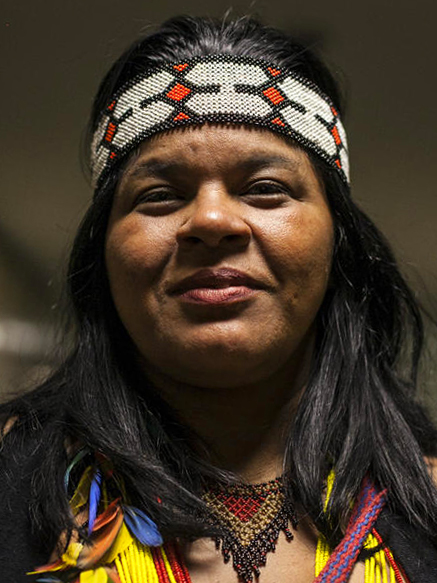
“We are experiencing an emergency to defend indigenous lives and our territories. We need the world to know this, and to do its part. Indigenous land: not an inch less. Indigenous blood: not a single drop more.”
Sônia Guajajara, executive director of the Association of Brazil’s Indigenous Peoples (APIB).
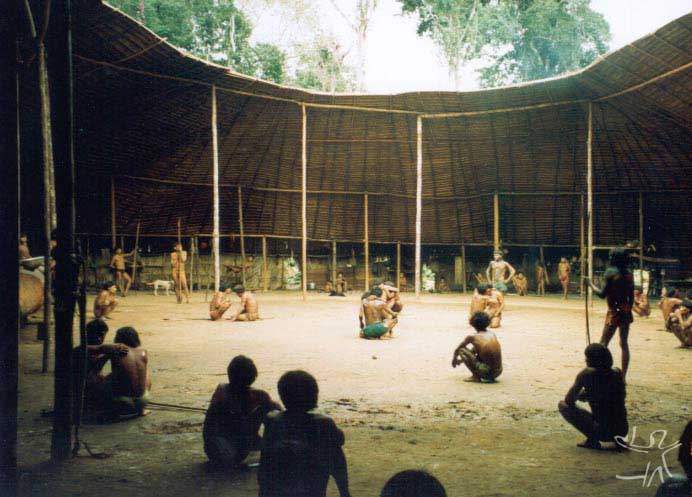
8. Indigenous women and children are forced into sex slavery
Sex trafficking is common by women and children, as indigenous people’s traditional means of survival on the land is taken from them
The scale of sex trafficking and paedophilia around illegal gold mines in parts of Latin America is staggering. Thousands of people working there fall prey to labor exploitation by organised crime groups, simply because they have to survive. Girls as young as 12 working in the brothels and bars around illegal gold mines.
‘Sex trafficking ‘staggering’ in illegal Latin American gold mines: researchers’ By Anastasia Moloney, Thomson Reuters Foundation, 2016.
 Image: Barbara Crane Navarro
Mining regions in the rainforest have become epicenters of human trafficking, disease and environmental destruction, according to government officials and human rights investigators. Miners are forced into slavery. Prostitutes set up camps near the miners, fueling the spread of sexually transmitted infections. One human rights group found that 2,000 sex workers, 60 percent of them children, were employed in a single mining area in Peru. Meanwhile, strip mining and the indiscriminate use of mercury to ferret out gold are turning swaths of the world’s most biodiverse ecosystems into a nightmarish moonscape. In 2016, Peru declared a temporary state of emergency over widespread mercury poisoning in Madre de Dios, a jungle province rife with illegal mining. Nearly four in five adults in the area’s capital city tested positive for dangerous levels of mercury…”
9. Violence and murder in gold mining is common
Gold miners are controlled by fear of having their fingers cut off or of being executed
The illegitimate Maduro regime both controls the illegal gold mining and turns a blind eye to environmental and human rights abuses. Human Rights Watch report collected testimonials from Venezuelan gold miners. The report revealed that miners are kept under tight control by syndicates of armed criminals, such as the guerilla organisation FARC, also known as the Revolutionary Armed Forces of Colombia, and the ELN, also known as the National Liberation Army. If miners or other members of the public are caught stealing they have their fingers publicly cut off or are killed.
‘Venezuela: Violent Abuses in Illegal Gold Mines’, Human Rights Watch, 2020.
10. Mercury used in gold mining kills ecosystems, people and animals
Deadly mercury is used to extract gold out of the sludge. This poisons and kills everything in its path
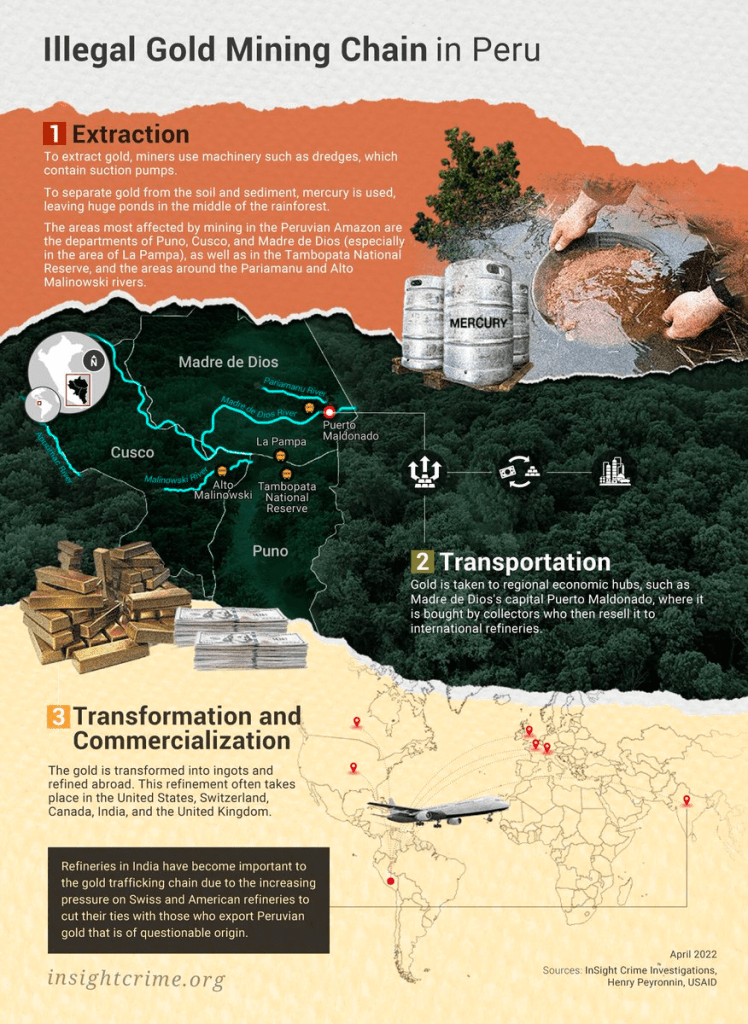
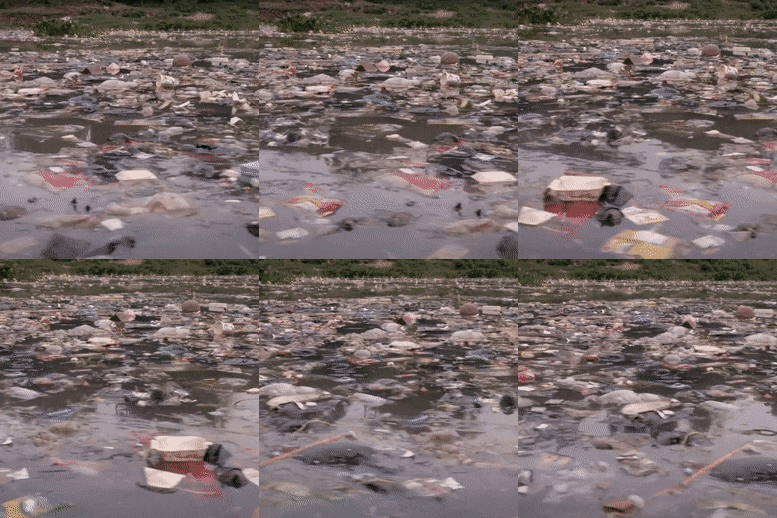
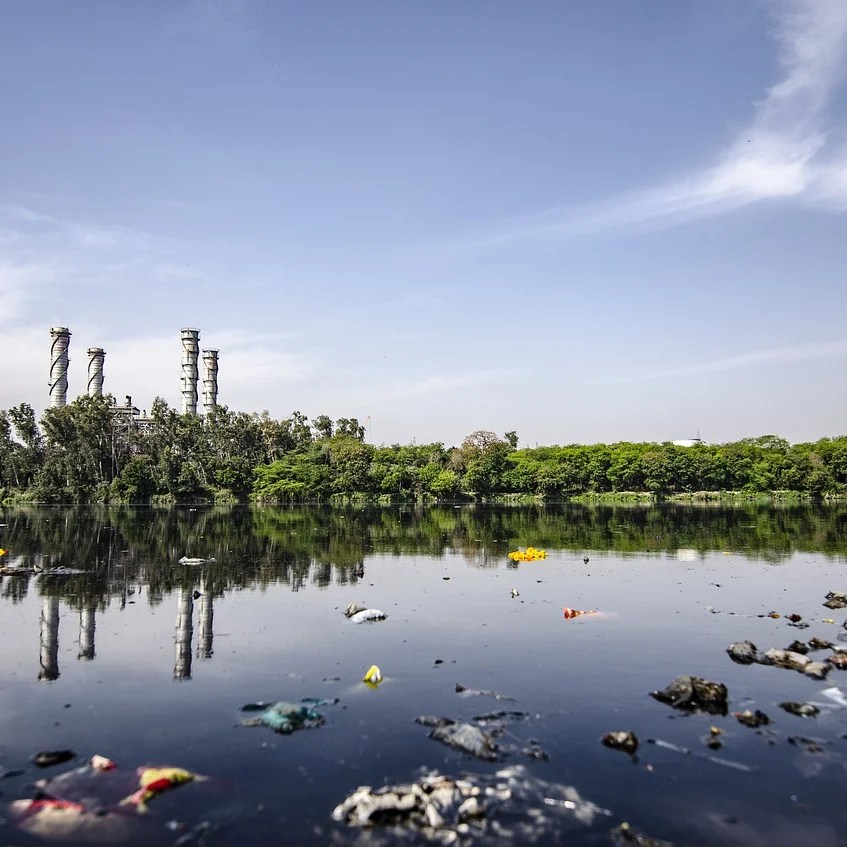
Firstly, water cannons blast away river banks. After this, toxic mercury is used by miners to extract gold from the sediment. After the process, the dumping of mercury contaminates the soil and seeps into the air and water. This permanently destroys the water table, dispersing mercury 100’s of miles away, contaminating fishing stocks, animals and humans. Both people and animals in gold mining regions have high levels of mercury present in their bodies, leading to chronic illnesses and problems with brain function.
Infographic: Illegal Gold Mining Chain Peru by Insight Crime


11. Ecosystems rarely recover from the damage – they are dead
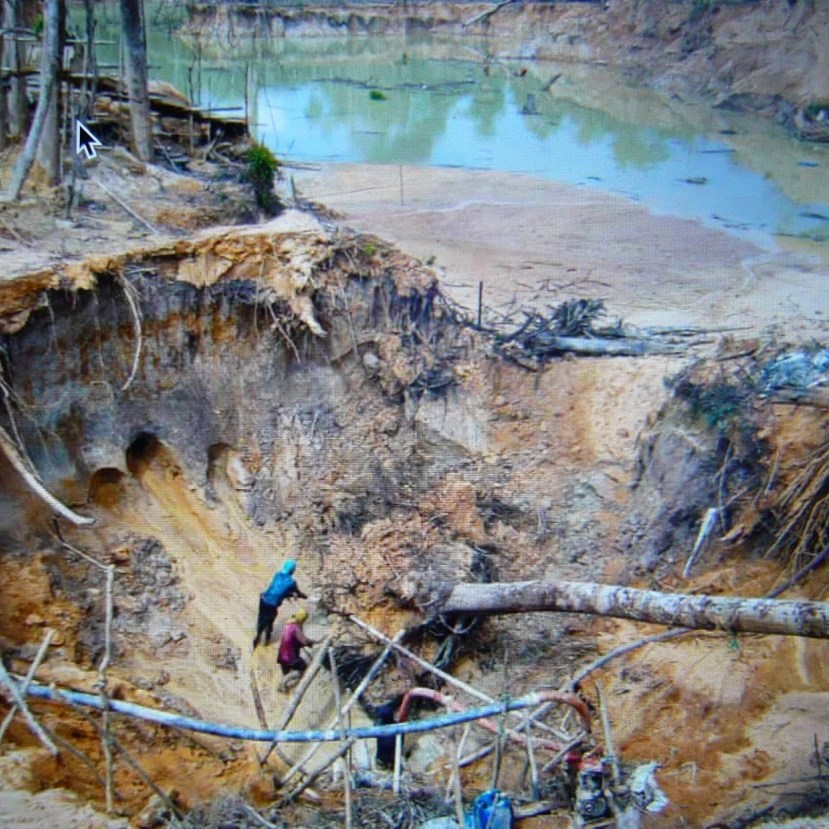
“Gold mining significantly limits the regrowth of Amazonian forests, and greatly reduces their ability to accumulate carbon. Recovery rates on abandoned mining pits and tailing ponds were among the lowest ever recorded for tropical forests, compared to recovery from agriculture and pasture.”
‘Gold mining leaves deforested Amazon land barren for years, find scientists’ The Conversation, July 1, 2020.
A typical mining site. Even five years after the mine has closed, there is still barely any vegetation. Michelle Kalamandeen, Author provided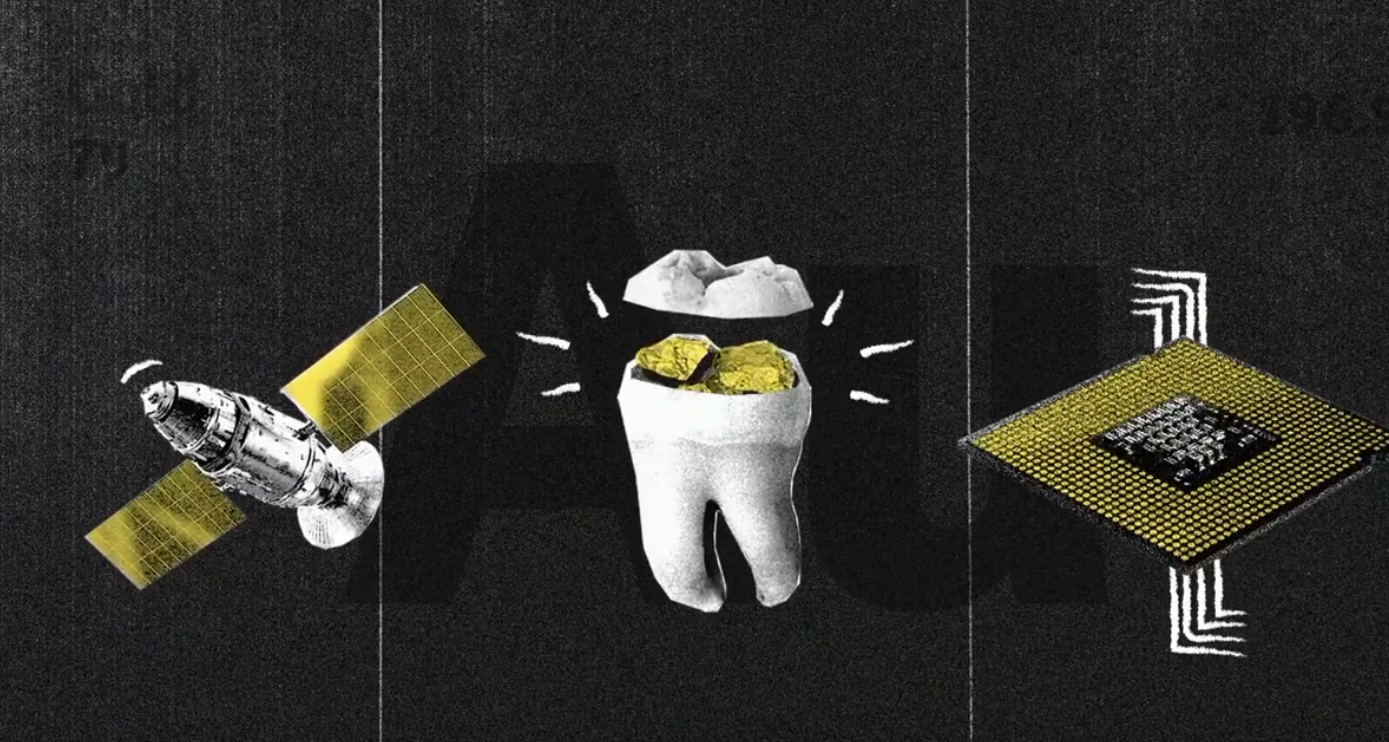
12. Jewellery and electronics companies and criminals are the only ones who benefit from gold
Image: ‘lllegal gold that undermines forests and lives in the Amazon’ by Igarapé Institute
Venezuelan gold from Yanomami territories is laundered and ends up in global brands of jewellery and electronics
An investigation of mercury trafficking networks in the Amazon reveals how Venezuelan gold is laundered into legitimate supply chains and could end up in products made by the world’s biggest corporations.
Image: ‘lllegal gold that undermines forests and lives in the Amazon’ by Igarapé Institute


The tainted gold leaves the refineries in glittering bars stamped with their logos, and is sold to international corporations that incorporate the precious metal in our phones, computers, cars, and other technologies.
Mercury: Chasing the Quicksilver by InfoAmazonia
13. More than a million children work in gold mining around the world
Image: Survival
There are more than 1 million children working in goldmines around the world. Some of this gold ends up in our mobile telephones. This is the conclusion of the study conducted by SOMO Centre for Research in recent months, which was commissioned by Stop Child Labour.
Every year, the electronics industry uses 279,000 kg of gold with a value of more than 10 billion euros. Making it the third largest buyer of gold after the jewellery industry and the financial sector. Even though nearly all electronics companies state that they do not accept child labour, they are almost doing nothing to actively eradicate child labour in goldmines.
How can I help?
Image: ‘lllegal gold that undermines forests and lives in the Amazon’ by Igarapé Institute
Here’s some actions you can take every day to stop the corruption, destruction and human rights abuses associated with gold mining.
1. Raise your voice online for the Yanomami using the hashtag #BoycottGold4Yanomami
Share this article along with many articles by Indigenous Activist Barbara Crane Navarro about this issue on social media using the hashtag #BoycottGold4Yanomami
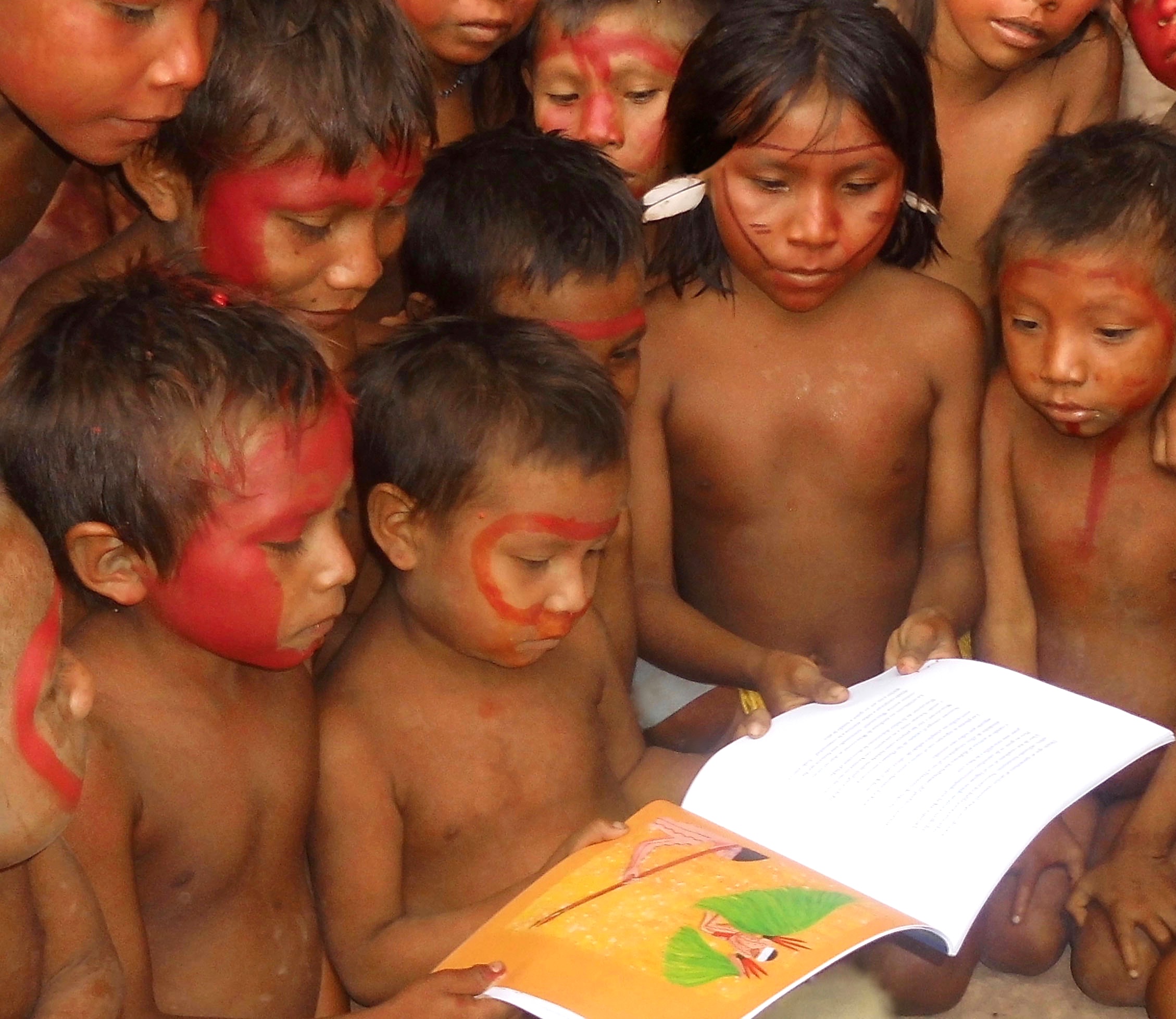
Image: Barbara Crane Navarro
2. Stop buying gold jewellery and investing in gold
Put your money where your mouth is and don’t support this corrupt and evil industry.
3. Buy vintage second-hand gold jewellery – don’t buy new gold
This makes a unique and special gift for the one you love. It also does not require more mining to get the gold jewellery. This is the ONLY form of sustainable gold jewellery.
Image: ‘lllegal gold that undermines forests and lives in the Amazon’ by Igarapé Institute
4. Don’t fall for the luxury advertising of jewellery brands like Chopard, Tiffany&Co, Cartier, Bvlgari etc.
Don’t be a sucker for luxury. Remember the reality of what gold and diamond mining is doing to the natural world and to Indigenous people.
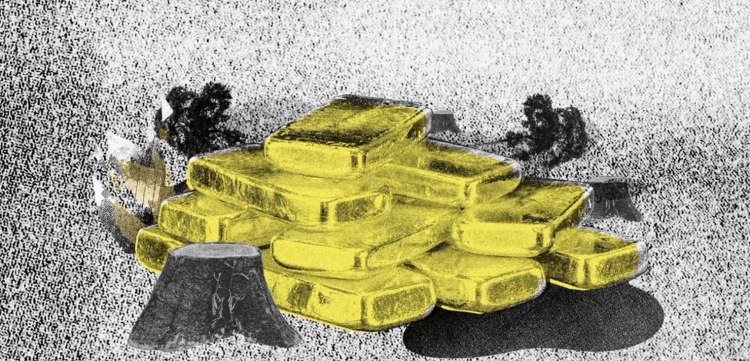
Image: ‘lllegal gold that undermines forests and lives in the Amazon’ by Igarapé Institute
5. Fix and repair old mobile phones and laptops rather than buying new ones containing gold
This can be hard with the planned obsolescence of a lot of technology (in other words the short lifespan). However all we can do is do our best. Also you can pressure tech brands to make their goods more long-lasting and repairable and cite this as a critical reason why their industry is corrupt, greedy and needs to change.
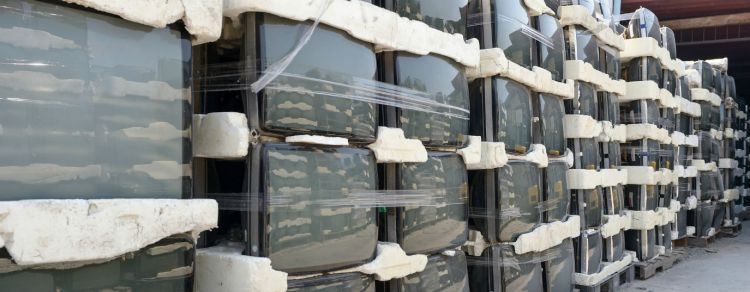
Image: ‘lllegal gold that undermines forests and lives in the Amazon’ by Igarapé Institute
6. Support Indigenous Rights NGOs that actually stop landgrabbing in the Amazon, Africa and elsewhere like Articulation of Indigenous Peoples of Brazil (APIB)
APIB recently successfully took the Brazilian government and Bolsonaro to court for ecocide and deforestation. Avoid supporting NGO’s that do very little other than virtue-signalling, like Survival.
 Support APIB
6. Follow Barbara Crane Navarro on Twitter and WordPress
She has spent decades fighting for the Yanomami people.
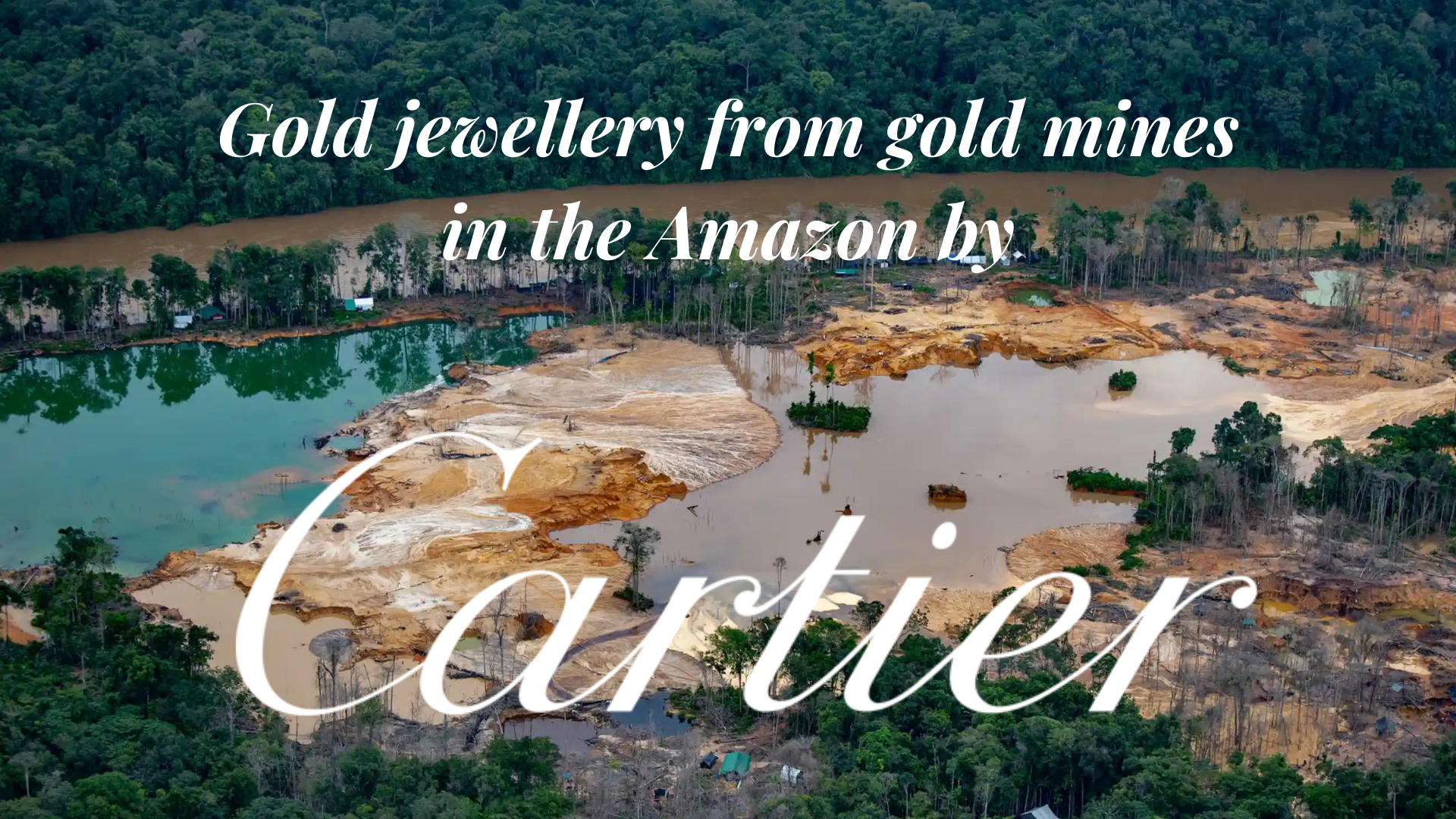

Images: Barbara Crane Navarro
#Artivism #BarbaraCraneNavarro #BoycottGold #BoycottGold4Yanomami #brandBoycotts #Brazil #collectiveAction #corruption #deforestation #ecocide #extinction #gold #goldMining #indigenous #IndigenousActivism #indigenousRights #mines #mining #SayNoToGold #Venezuela #Yanomami