Palm Oil Practices Resemble Colonial Exploitation
Palm Oil Workers Expose Industry Practices Resembling Colonialism | A coalition of palm oil workers in Indonesia has unveiled industry practices that mirror colonial exploitation, including land grabbing, poor working conditions, and environmental degradation. These revelations highlight the urgent need to address systemic issues within the palm oil sector and advocate for indigenous rights. #HumanRights #IndigenousRights #BoycottPalmOil
#News: Indonesian #palmoil workers reveal industry practices they liken to #colonial exploitation, including #landgrabbing and poor labor conditions. #HumanRights #IndigenousRights #BoycottPalmOil 🌴⛔️ @palmoildetect https://wp.me/pcFhgU-9Pm
Share to BlueSkyShare to TwitterTempo.co. (2024, December 20). Palm oil workers’ group unveils harmful industry practices akin to colonialism. Retrieved from https://en.tempo.co/read/1957496/palm-oil-workers-group-unveils-harmful-industry-practices-akin-to-colonialism
In a recent exposé, a coalition representing palm oil workers in Indonesia has brought to light industry practices that they equate to modern-day colonialism. The group highlights several critical issues, including land appropriation from indigenous communities, substandard working conditions, and significant environmental harm resulting from palm oil cultivation.
The coalition points to instances where large palm oil corporations have seized ancestral lands without proper consent or compensation, displacing indigenous populations and disrupting their traditional way of life. Workers within the industry report facing hazardous conditions, inadequate wages, and a lack of labour rights protections, drawing parallels to exploitative colonial labour systems.
Environmental concerns are also at the forefront, with the expansion of palm oil plantations leading to deforestation, loss of biodiversity, and increased greenhouse gas emissions. These practices not only harm the ecosystem but also undermine the livelihoods of local communities dependent on forest resources.
The coalition is calling for comprehensive reforms in the palm oil industry, emphasising the need for policies that respect indigenous land rights, ensure fair labor standards, and promote environmentally sustainable practices. They urge consumers and policymakers to support initiatives that hold corporations accountable and advocate for ethical sourcing of palm oil.
For a detailed account, read the full article on Tempo.co.
Tempo.co. (2024, December 20). Palm oil workers’ group unveils harmful industry practices akin to colonialism. Retrieved from https://en.tempo.co/read/1957496/palm-oil-workers-group-unveils-harmful-industry-practices-akin-to-colonialism
ENDS
Read more about human rights abuses and child slavery in the palm oil industry
Indigenous Peoples Fight Climate Change
After wildfires, Belize’s indigenous people rebuild stronger based on “se’ komonil”: reciprocity, solidarity, gender equity, togetherness and community.
Read more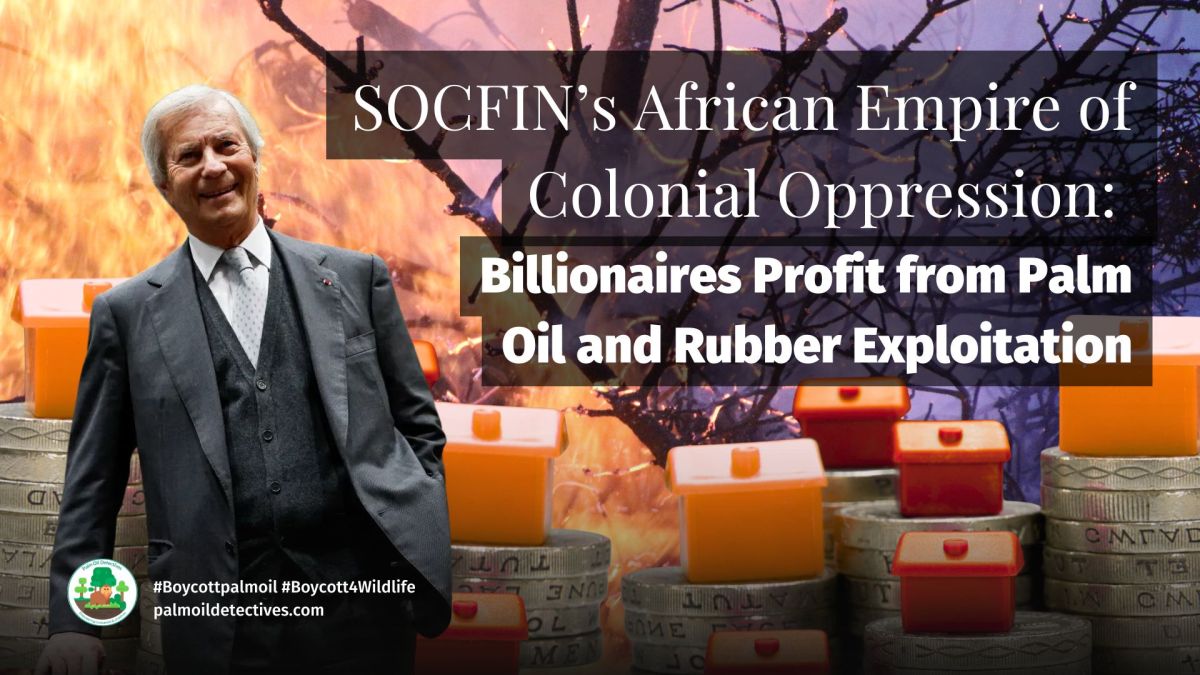
SOCFIN’s African Empire of Colonial Oppression: Billionaires Profit from Palm Oil and Rubber Exploitation
Investigation by Bloomberg exposes that despite being RSPO members, #SOCFIN plantations in #WestAfrica are the epicentre of #humanrights abuses, sexual coercion, environmental destruction, and #landgrabbing. Operating in #Liberia, #Ghana, #Nigeria, and beyond, SOCFIN’s…
Read more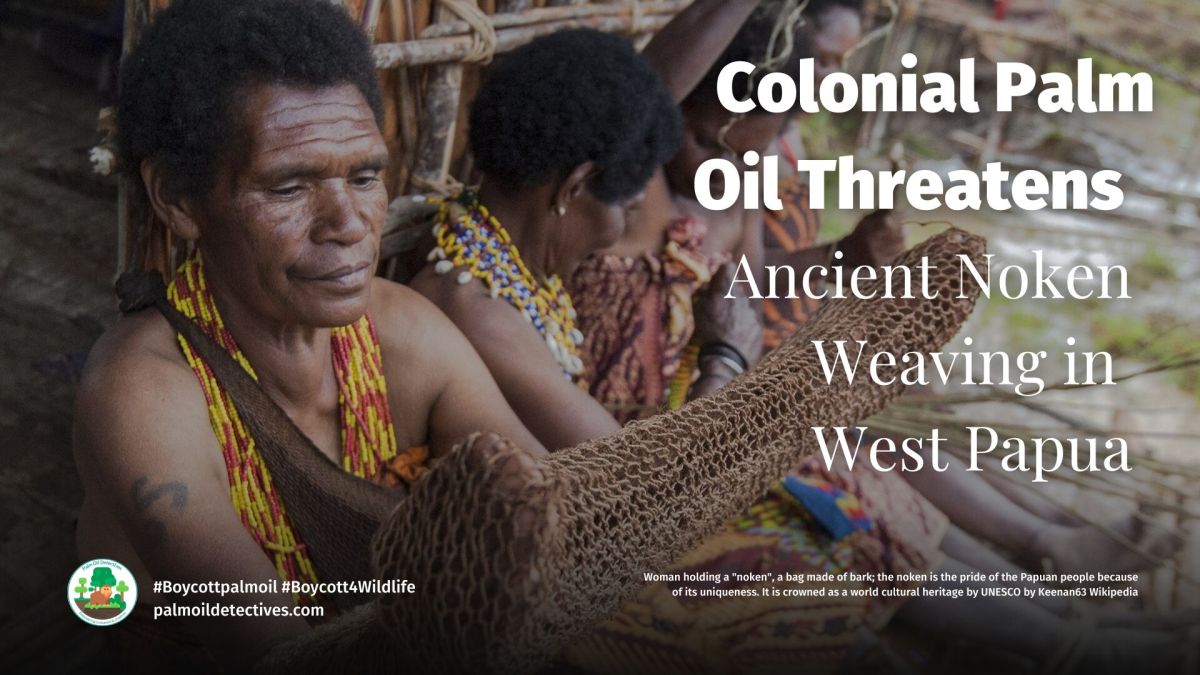
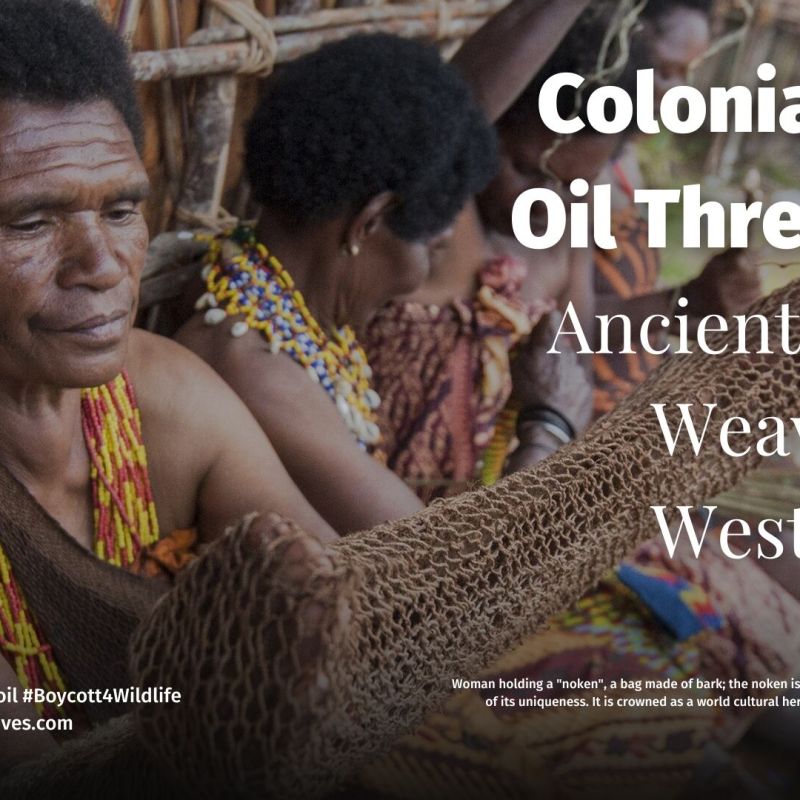
Palm Oil Threatens Ancient Noken Weaving in West Papua
Colonial palm oil and sugarcane causing the loss of West Papuans’ cultural identity. Land grabs force communities from forests, threatening Noken weaving
Read more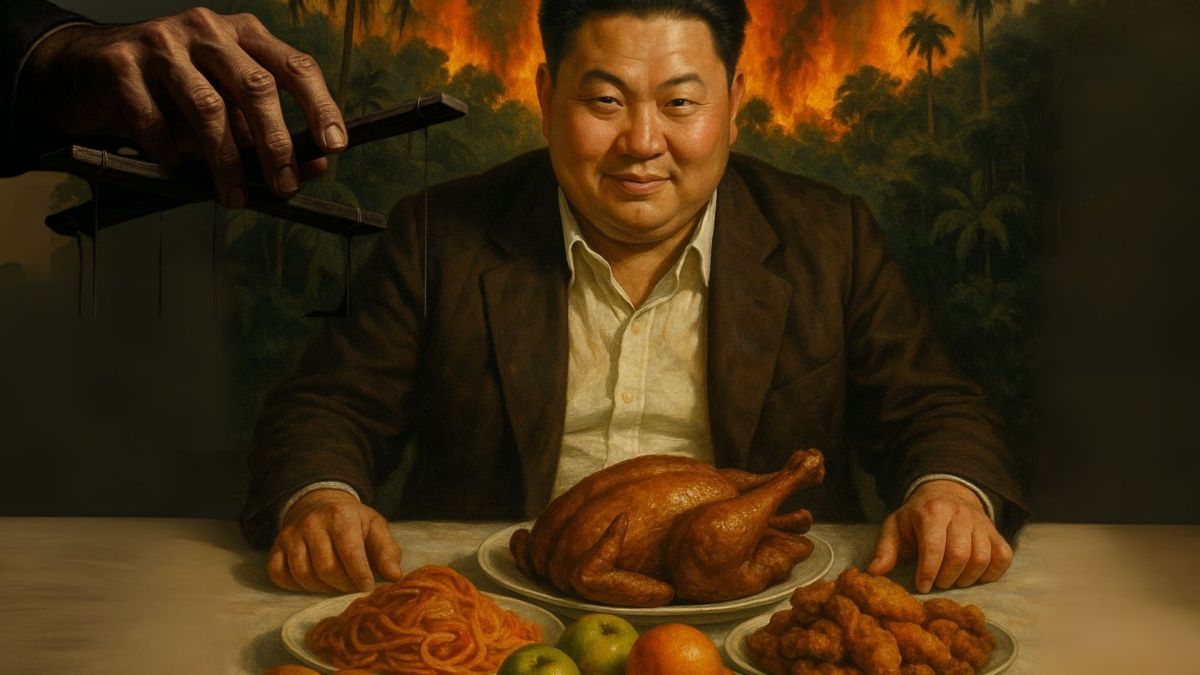
Family Ties Expose Deforestation and Rights Violations in Indonesian Palm Oil
An explosive report by the Environment Investigation Agency (EIA) details how Indonesia’s Fangiono family, through a wide corporate web, is linked to ongoing #deforestation, #corruption, and #indigenousrights abuses for #palmoil. Calls mount for…
Read more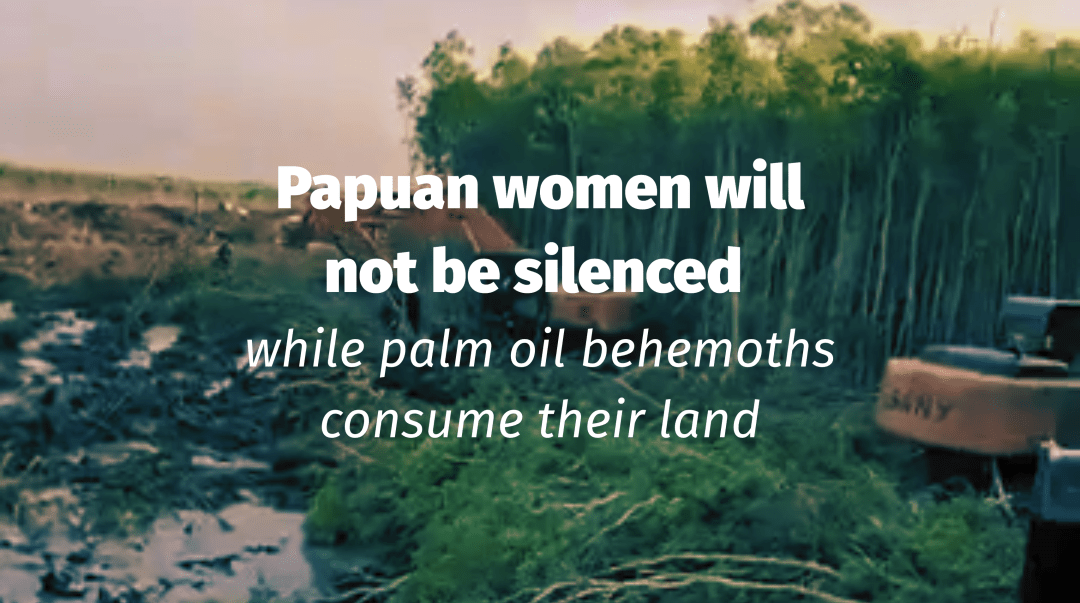
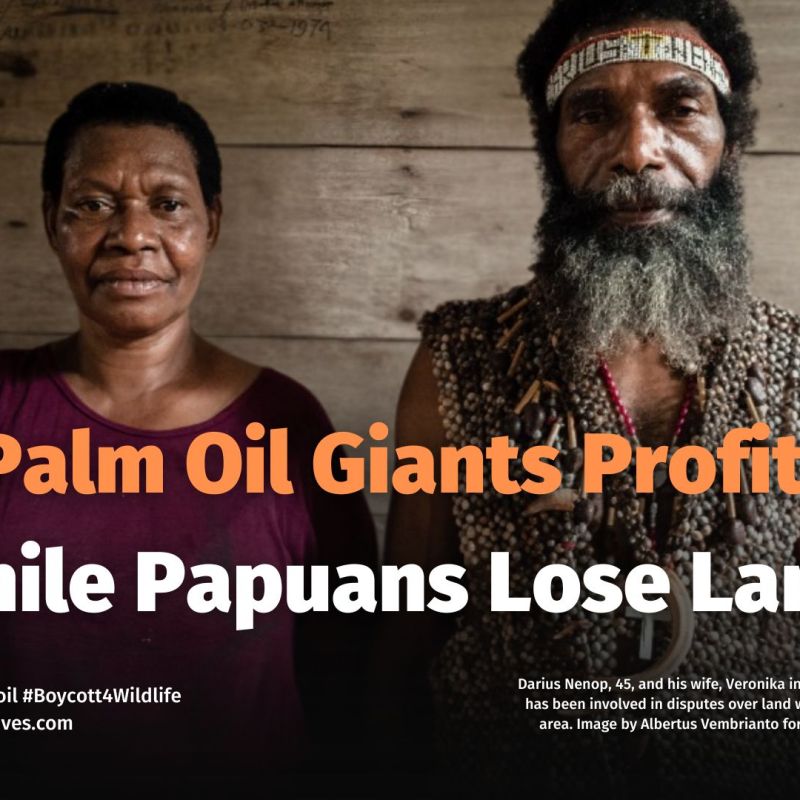
West Papuan Indigenous Women Fight Land Seizures
Indigenous Melanesian women in West Papua fight land seizures for palm oil and sugar plantations, protecting their ancestral rights. Join #BoycottPalmOil
Read more Load more postsSomething went wrong. Please refresh the page and/or try again.
Take Action in Five Ways
1. Join the #Boycott4Wildlife on social media and subscribe to stay in the loop: Share posts from this website to your own network on Twitter, Mastadon, Instagram, Facebook and Youtube using the hashtags #Boycottpalmoil #Boycott4Wildlife.
Enter your email address
Sign Up
Join 3,179 other subscribers2. Contribute stories: Academics, conservationists, scientists, indigenous rights advocates and animal rights advocates working to expose the corruption of the palm oil industry or to save animals can contribute stories to the website.
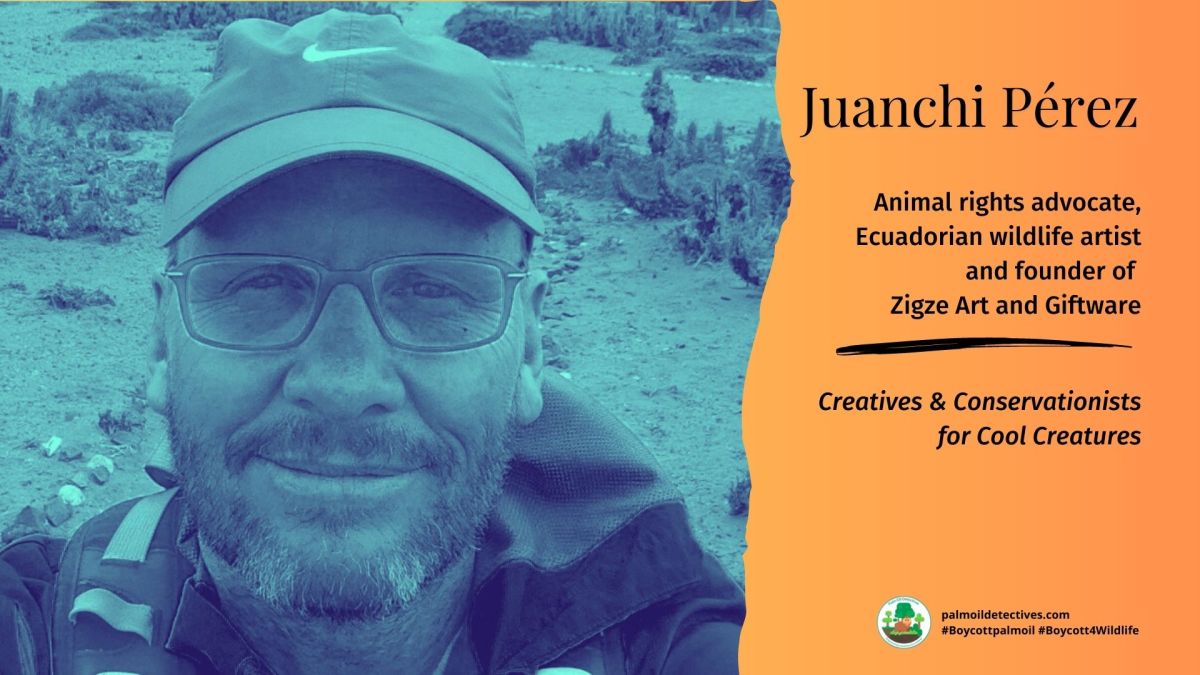
Wildlife Artist Juanchi Pérez
Read more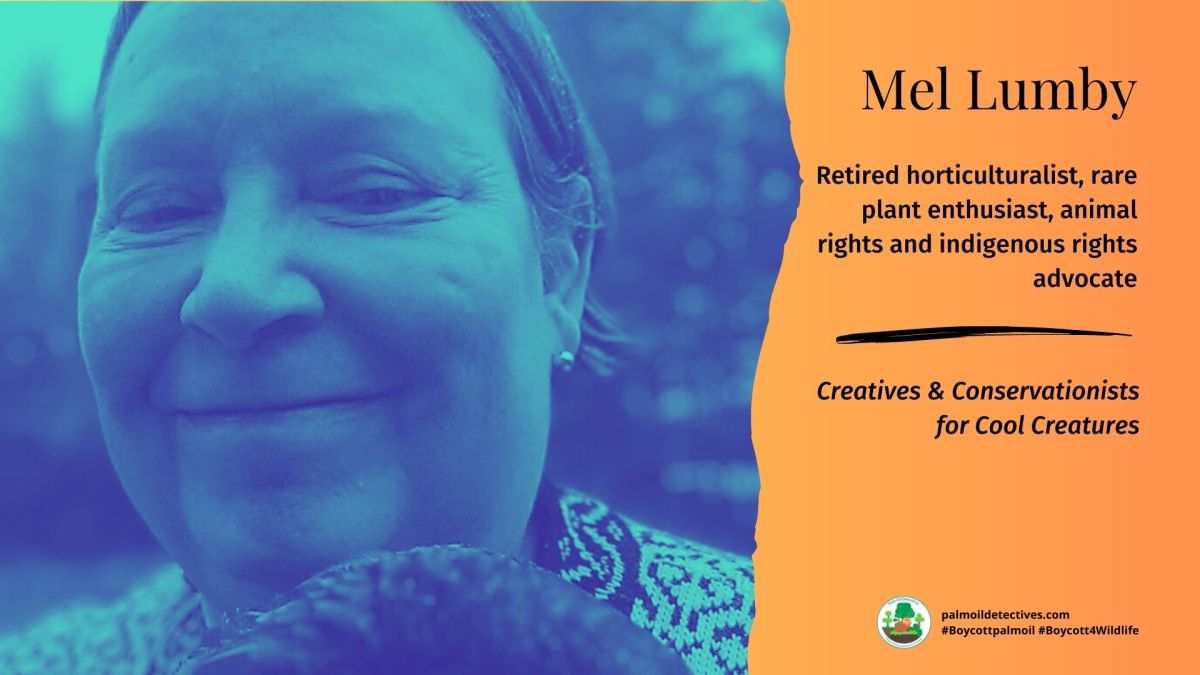
Mel Lumby: Dedicated Devotee to Borneo’s Living Beings
Read more
Anthropologist and Author Dr Sophie Chao
Read more
Health Physician Dr Evan Allen
Read more
The World’s Most Loved Cup: A Social, Ethical & Environmental History of Coffee by Aviary Doert
Read more
How do we stop the world’s ecosystems from going into a death spiral? A #SteadyState Economy
Read more3. Supermarket sleuthing: Next time you’re in the supermarket, take photos of products containing palm oil. Share these to social media along with the hashtags to call out the greenwashing and ecocide of the brands who use palm oil. You can also take photos of palm oil free products and congratulate brands when they go palm oil free.
https://twitter.com/CuriousApe4/status/1526136783557529600?s=20
https://twitter.com/PhillDixon1/status/1749010345555788144?s=20
https://twitter.com/mugabe139/status/1678027567977078784?s=20
4. Take to the streets: Get in touch with Palm Oil Detectives to find out more.
5. Donate: Make a one-off or monthly donation to Palm Oil Detectives as a way of saying thank you and to help pay for ongoing running costs of the website and social media campaigns. Donate here
Pledge your support #BoycottPalmOil #Boycott4wildlife #BoycottPalmOil #childLabour #childSlavery #colonial #humanRights #HumanRights #indigenousRights #indigenousrights #landRights #landgrabbing #News #PalmOil #palmoil #slaveryIndigenous Peoples Fight Climate Change
In the wake of the worst wildfires in living memory in Mexico and Central America in 2024, news outlets were looking for someone to blame. Howler monkeys and many species of parrots perished in the blazes. Slash and burn farming practices by Belize‘s indigenous communities were singled out as a primary cause. Yet this knee-jerk reaction is not evidence based and doesn’t take into account forces like corporate landgrabbing for mining and agribusinesses like meat, soy and palm oil.
Belize’s indigenous Maya communities are rebuilding stronger based on the collective notion of se’ komonil: reciprocity, solidarity, traditional knowledge, gender equity, togetherness and community.
In the wake of horrific #wildfires in #Belize and #Mexico caused by #climatechange, #indigenous #Maya are rebuilding using the notion of se’ komonil: reciprocity #community and solidarity. #indigenousrights #landrights #BoycottPalmOil @palmoildetect https://wp.me/pcFhgU-924
Share to BlueSky Share to TwitterWritten by James Stinson, Senior Research Associate and Evaluation Specialist, Young Lives Research Lab, Faculty of Education, York University, Canada and Lee Mcloughlin, PhD student, Global Sociocultural Studies, Florida International University This article is republished from The Conversation under a Creative Commons license. Read the original article.
Driven by extreme heat and drought, some of the worst wildfires in living memory raged across Mexico and Central America through April and May 2024.
News agencies reported howler monkeys dropping dead from trees, and parrots and other birds falling from the skies.
In Belize, a state of emergency was declared as wildfires burned tens of thousands of hectares of highly bio-diverse forest. Farmers suffered huge losses as fires destroyed crops and homes, and communities across the country suffered from hazardous air quality and hot, sleepless nights. Many risked their lives to fight off the approaching fires.
As the wildfire crisis subsided with rains in June, public attention shifted toward identifying the causes and allocating blame. Many singled out the “slash and burn” farming practices in Belize’s Indigenous communities as the primary cause. This simple knee-jerk reaction ignores the underlying causes of the climate crisis, are scientifically unfounded and stoke resentment of Indigenous Peoples.
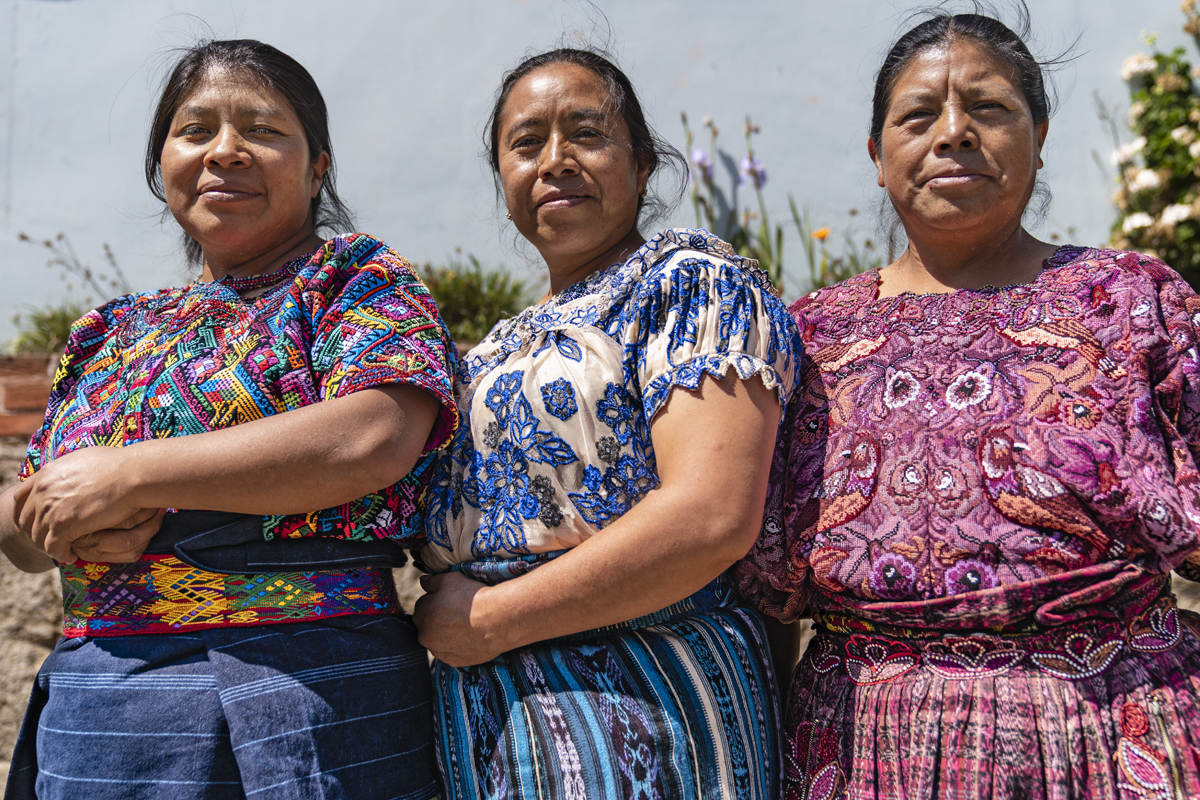
 Young Mayan women. Image source: Wikipedia
Fanning the flames
On June 5, one of Belize’s major news networks ran a story with the headline “Are Primitive Farming Techniques Responsible for Wildfires?” The story placed blame for Belize’s wildfires on “slash-and-burn farming”, arguing that “there has to be a shift away from this destructive means of agriculture.”
The story was followed by an op-ed published online asserting that “because of the increased amounts of escaped agricultural fires, aided by climate change, global warming and drought, slash and burn has become more of a problem than the solution it once was.” This sentiment was further reinforced by Belize’s prime minister, who declared that “slash аnd burn has to be something of the past.”
While some of the recent fires in Belize were connected to agricultural burning — and poorly managed fire-clearing practices can have negative air-quality impacts — blaming “slash and burn” for the wildfire crisis ignores the larger context and conditions that made it possible, namely global warming.
May 2024 was the hottest and driest month in Belize’s history. This extreme heat is part of a broader global trend, with June 2024 marking the 13th consecutive “hottest month on record” globally.
More fundamentally, these statements confuse other forms of slash-and-burn agriculture with the distinct “milpa” systems employed by Indigenous people in Belize.
Indigenous knowledge undermined
Throughout Belize, Indigenous Maya farmers commonly practise a form of agriculture referred to as milpa in which fire is used to clear fields and fertilize the soil. Within this system, small areas of forest are chopped down, burned, and planted with maize, beans, squash and other crops. After being cultivated for a year or two, the field is then left fallow and allowed to regenerate back to forest cover while the farmers move on to a new area within a cyclical pattern where areas are reused after a regenerative period.
Commonly derided as slash-and-burn farming, milpa has long been perceived as environmentally destructive. This perspective has been perpetuated by long-standing myths and misconceptions that portray the farming practices of non-Europeans, and specifically the use of fire, as wasteful and irrational.
In Belize, this negative view of slash and burn has driven many colonial and post-colonial interventions to modernize Maya farming practices.
Recent research, however, has shown that the lands of Indigenous Peoples around the world have reduced deforestation and degradation rates relative to non-protected areas. The southern Toledo district of Belize, where the majority of Maya communities are located, boasts a forest cover rate of 71 per cent, significantly higher than the national average of 63 per cent.
Further research has found that the species composition of contemporary Mesoamerican forests has been shaped by the agricultural practices of ancient Maya farmers.
In Belize, fire has been found to play a role in promoting ecosystem health and resilience and intermediate levels of forest disturbance caused by milpa can increase species diversity. Well-managed milpa farming can support soil fertility, result in long-term carbon sequestration and enriched woodland vegetation.
Research has also shown that previous studies of deforestation in southern Belize significantly overestimated the rate of deforestation due to milpa agriculture by not accounting for its rotational process.
Many researchers now believe that milpa is a more benign alternative, in terms of environmental effects, than most other permanent farming systems in the humid tropics. Indeed, findings such as these have led to a growing appreciation for the role of Indigenous Peoples in advancing nature-based and life-enhancing climate solutions.
Unfortunately, research in the region has also found that climate change is undermining the ecological sustainability of milpa farming by forcing farmers to abandon traditional practices and adopt counterproductive measures in their struggle to adapt. In some cases, this has resulted in a decrease in the biodiversity and ecological resilience of the milpa system. This issue is compounded by the decreasing participation of young people, resulting in a further generational loss of traditional ecological knowledge.
Together, these issues are serving to alter and undermine a livelihood strategy that has proven sustainable for thousands of years. However, rather than call for Maya farmers to abandon slash and burn, we encourage support for the self-determined efforts of Maya communities to adapt to this changing climate. https://www.youtube.com/embed/ok787HRp_gA?wmode=transparent&start=0 A video documenting the Maya response to the 2024 wildfire crisis.
Planting seeds of collaboration
Since winning a groundbreaking land rights claim in 2015, Maya communities in southern Belize have been working to promote an Indigenous future based on principles of reciprocity, solidarity, traditional knowledge, gender equity and, most significantly, se’ komonil, the Maya notion of togetherness and community.
Led by a collaboration of Maya leaders and non-governmental organizations, work toward this has included efforts to revitalize traditional institutions and governance systems, as well as the development of an Indigenous Forest Caring Strategy and fire-permitting system. In an effort to encourage and support the participation of youth in this process, Maya leaders have collaborated with the Young Lives Research Lab at York University to develop the Partnership for Youth and Planetary Wellbeing.
Building on previous research with Maya youth, the project has produced innovative youth-led research and education on the impacts of climate change, the importance of food sovereignty, traditional ecological knowledge and the struggle to secure Indigenous land rights in Maya communities. This work has been shared with global policymakers at the United Nations and local audiences in Belize.
Rather than fanning the flames of climate blame, we must work together to revitalize Indigenous knowledge systems and plant seeds of climate collaboration and care.
Written by James Stinson, Senior Research Associate and Evaluation Specialist, Young Lives Research Lab, Faculty of Education, York University, Canada and Lee Mcloughlin, PhD student, Global Sociocultural Studies, Florida International University This article is republished from The Conversation under a Creative Commons license. Read the original article.
ENDS
Read more about human rights abuses and child slavery in the palm oil and gold mining industries
SOCFIN’s African Empire of Colonial Oppression: Billionaires Profit from Palm Oil and Rubber Exploitation
Investigation by Bloomberg exposes that despite being RSPO members, #SOCFIN plantations in #WestAfrica are the epicentre of #humanrights abuses, sexual coercion, environmental destruction, and #landgrabbing. Operating in #Liberia, #Ghana, #Nigeria, and beyond, SOCFIN’s…
Palm Oil Threatens Ancient Noken Weaving in West Papua
Colonial palm oil and sugarcane causing the loss of West Papuans’ cultural identity. Land grabs force communities from forests, threatening Noken weaving
Family Ties Expose Deforestation and Rights Violations in Indonesian Palm Oil
An explosive report by the Environment Investigation Agency (EIA) details how Indonesia’s Fangiono family, through a wide corporate web, is linked to ongoing #deforestation, #corruption, and #indigenousrights abuses for #palmoil. Calls mount for…
West Papuan Indigenous Women Fight Land Seizures
Indigenous Melanesian women in West Papua fight land seizures for palm oil and sugar plantations, protecting their ancestral rights. Join #BoycottPalmOil
Greasing the Wheels of Colonialism: Palm Oil Industry in West Papua
A landmark study published in Global Studies Quarterly in April 2025 has revealed that the rapid expansion of the #palmoil industry in #WestPapua is not only fuelling #deforestation, #ecocide and environmental destruction but…
Load more posts
Something went wrong. Please refresh the page and/or try again.
Take Action in Five Ways
1. Join the #Boycott4Wildlife on social media and subscribe to stay in the loop: Share posts from this website to your own network on Twitter, Mastadon, Instagram, Facebook and Youtube using the hashtags #Boycottpalmoil #Boycott4Wildlife.
Enter your email address
Sign Up
Join 3,171 other subscribers2. Contribute stories: Academics, conservationists, scientists, indigenous rights advocates and animal rights advocates working to expose the corruption of the palm oil industry or to save animals can contribute stories to the website.
Wildlife Artist Juanchi Pérez
Mel Lumby: Dedicated Devotee to Borneo’s Living Beings
Anthropologist and Author Dr Sophie Chao
Health Physician Dr Evan Allen
The World’s Most Loved Cup: A Social, Ethical & Environmental History of Coffee by Aviary Doert
How do we stop the world’s ecosystems from going into a death spiral? A #SteadyState Economy
3. Supermarket sleuthing: Next time you’re in the supermarket, take photos of products containing palm oil. Share these to social media along with the hashtags to call out the greenwashing and ecocide of the brands who use palm oil. You can also take photos of palm oil free products and congratulate brands when they go palm oil free.
https://twitter.com/CuriousApe4/status/1526136783557529600?s=20
https://twitter.com/PhillDixon1/status/1749010345555788144?s=20
https://twitter.com/mugabe139/status/1678027567977078784?s=20
4. Take to the streets: Get in touch with Palm Oil Detectives to find out more.
5. Donate: Make a one-off or monthly donation to Palm Oil Detectives as a way of saying thank you and to help pay for ongoing running costs of the website and social media campaigns. Donate here
Pledge your support#belize #boycottPalmOil #boycottpalmoil #childLabour #childSlavery #climatechange #community #goldMining #humanRights #hunger #indigenous #indigenousActivism #indigenousKnowledge #indigenousRights #indigenousrights #landRights #landgrabbing #landrights #maya #mexico #palmOil #poverty #slavery #wildfires
Land-grabbing for palm oil and the climate crisis
A corporate monopoly for control over land and resources for palm oil must be dismantled immediately to give humanity, animals and our natural world a fighting chance for survival and to reverse the climate crisis. In Asia, many indigenous peoples are now joining forces and rising up to resist this corruption and ecocide. Help them to fight back and #BoycottPalmOil #Boycott4Wildlife
Corporate monopolies 💰🔥👿 drive #landgrabbing for #palmoil. To give #indigenous peoples, animals and #nature a fighting chance, we must resist. “Sustainable” palm oil is #greenwashing! #Boycottpalmoil #Boycott4Wildlife @palmoildetect 🌴🪔🧐🙊⛔️ https://palmoildetectives.com/2022/11/20/land-grabbing-and-the-climate-crisis-are-strongly-linked-to-palm-oil/
Share to BlueSkyShare to Twitter#Report by @FAO 📜 finds 90% of #deforestation is for BIG-AG by #Cargill, #Wilmar and #SimeDarby. Their monopoly drives #indigenous #landgrabbing for #palmoil 🌴💰 Take action! 🌴🪔💀🤢🚫 #Boycottpalmoil #Boycott4Wildlife @palmoildetect https://palmoildetectives.com/2022/11/20/land-grabbing-and-the-climate-crisis-are-strongly-linked-to-palm-oil/
Share to BlueSkyShare to TwitterOriginally written by Arnold Padilla for Bulatlat.com as ‘Land Monopoly and Climate Crisis: A Look at Asia’. Read the original article. Published November 17, 2022. Arnold Padilla is the coordinator of the Food Sovereignty Program of PAN Asia Pacific (PANAP) and its “No Land, No Life” campaign against land grabbing.
Some closely following the UN Framework Convention on Climate Change (UNFCCC) say that the 27th session of its Conference of the Parties (COP27) puts more attention on food and agriculture than in previous years.
For instance, the International Panel of Experts on Sustainable Food Systems (IPES) noted that the climate gathering in Egypt features four pavilions and about 200 events on food and farming. But these are still outside official negotiations, where states do the actual policymaking and commitments.
No meaningful focus at COP27 on accountability of industrial farming
It is apparent in the discussions that matter in the COP process that there is no meaningful focus on the role and accountability of corporate farming in warming the planet.
The industrial food system (i.e., agriculture and land use/land-use change activities plus supply chain activities like retail, transport, consumption, fuel production, waste management, industrial processes and packaging) contributes about 34% to global greenhouse gas (GHG) emissions, with an estimated environmental cost of US$ 3 trillion annually.
Yet, addressing and reversing the climate impacts of corporate farming through radical food systems transformation is not a priority among the COP27 negotiators.
6 out of 10 of the worst affected countries for climate change are in Asia
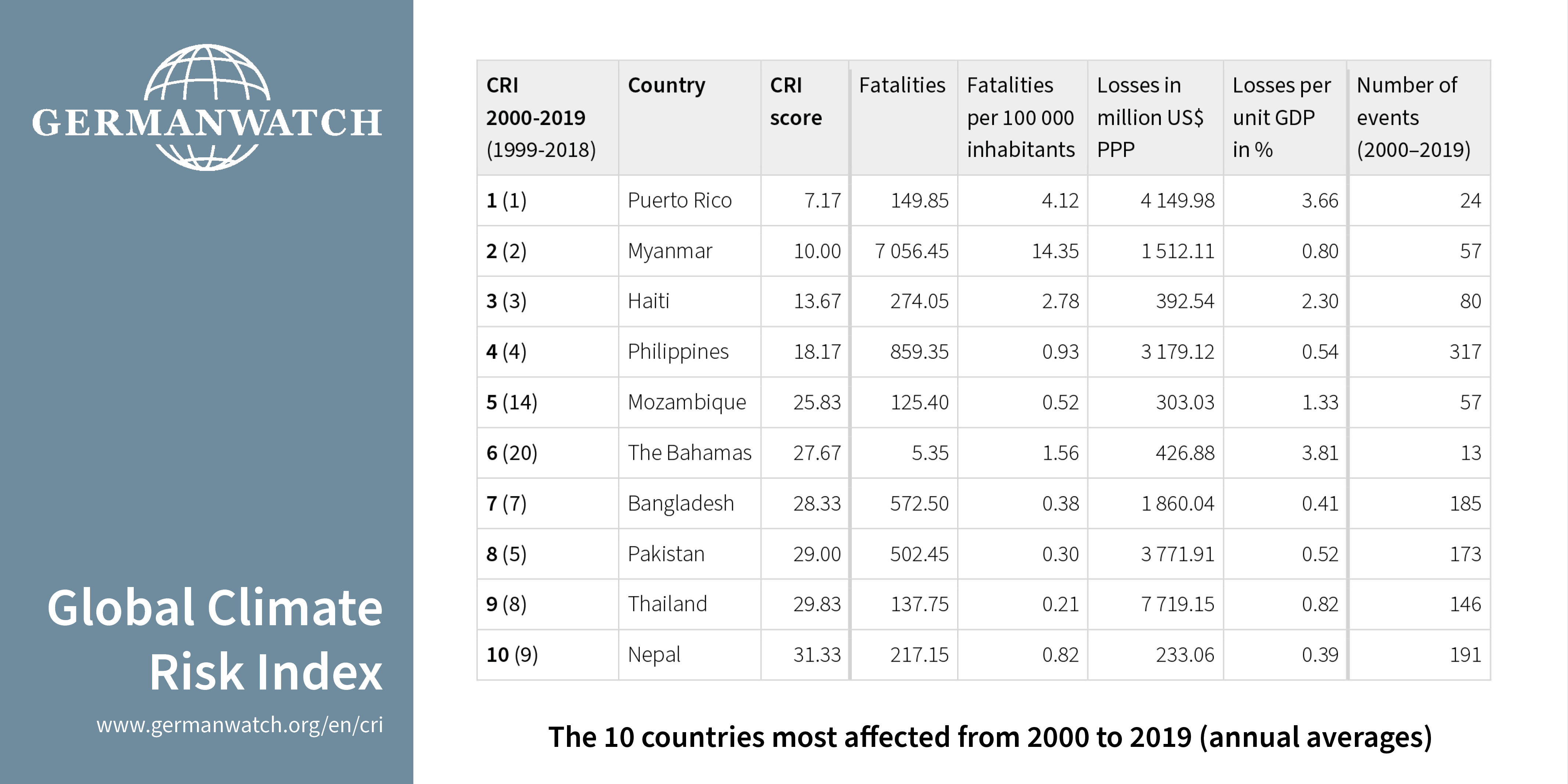
- For Asia, the urgency of the climate crisis cannot be overemphasised. Six of the ten worst affected countries by climate change in the past two decades are in Asia (i.e., Myanmar, Philippines, Bangladesh, Pakistan, Thailand, and Nepal).
- This year alone, heavy monsoon rains caused unprecedented flooding in Pakistan, affecting 33 million people and inflicting over US$ 30 billion in damages and economic losses.
- Consecutive typhoons – Noru and Nalgae – hit the Philippines in the two months leading to COP27.
- These disasters affected more than four million people, displaced more than 241,000, left more than 150 dead, and caused more than US$50 million in damages to agriculture alone.
Land monopoly: an indispensable requirement of corporate farming
Land monopoly, an indispensable requirement of corporate farming, creates favorable conditions for the climate crisis to persist and worsen. Corporate monoculture plantations, one of the most visible expressions of land monopoly since colonial times, are among the significant contributors to the existential crisis that the world faces today.
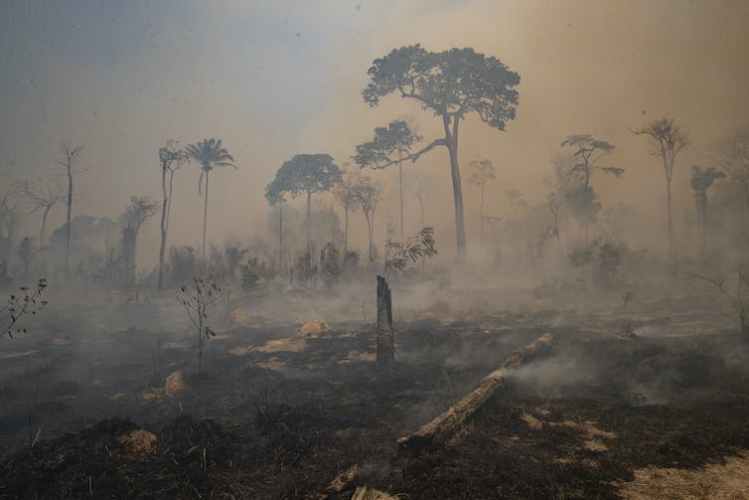
Food and Agriculture Organisation (FAO): 90% of global deforestation is driven by agriculture
Big agribusiness firms are cutting down massive swathes of forests for conversion into industrial plantations and livestock grazing. The Food and Agriculture Organization (FAO) reported that agricultural expansion drove almost 90 percent of global deforestation in the past two decades.
In Asia, nearly 80 percent of deforestation during the same period is due to conversion into croplands, mainly by corporate plantations, based on the UN body’s study.
Independent studies affirm this, such as the data compiled and analysed by the Land Matrix (a collaboration of civil society, farmers’ groups, and academic research institutions) on large-scale land acquisitions.
These refer to lands in low and middle-income countries acquired by foreign and local investors through purchase, lease or concession for agricultural production, timber extraction, carbon trading, industry, renewable energy production, conservation, and tourism. Their 2021 report noted that 964 land deals caused the deforestation of almost two million hectares between 2000 and 2019.
In East Asia and the Pacific, the Land Matrix reported that about 74 percent of the areas around the locations of land deals were still forested in 2000. By 2019, that number declined to 58 percent, mainly due to oil palm expansions in Malaysia and Indonesia and new agricultural frontiers in Cambodia, China, Laos, and Vietnam.
Clearing forests releases CO2 and contributes to rising temperatures
Clearing the forests releases the carbon dioxide (CO2) they store into the atmosphere, contributing to rising global temperatures.
According to one study, deforestation – which has already claimed 420 million hectares of forests in the last 30 years – can also affect temperatures through its effect on various physical processes of nature. For example, cutting down trees eliminates the forests’ ability to absorb water from the soil and release it into the air as moisture and cool the atmosphere.
Perpetuating plunder
At COP27, the world’s largest transnational food companies led by Cargill, Bunge, and Archer Daniels Midland, among others, launched a roadmap to eliminate deforestation from their supply chains for soy, beef, and palm oil by 2025.
However, these companies, which have already made similar pledges in the past only to fall short, continue to be implicated in the massive destruction of forests, like Cargill in the Amazon.
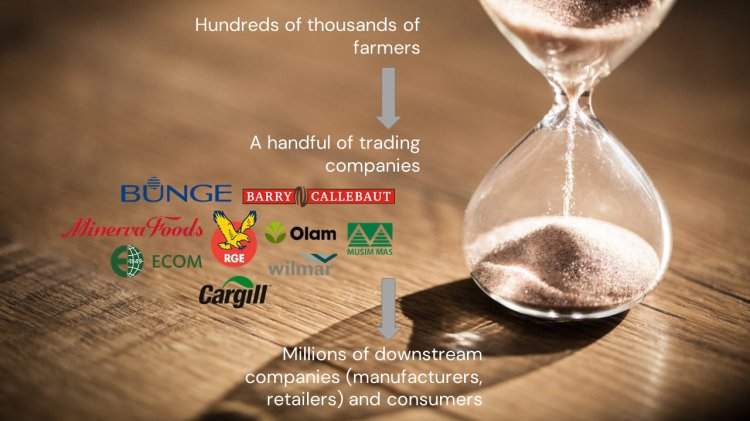 Read more: New research: Indirect sourcing of up to 90% of palm oil from Cargill, Wilmar, Musim Mas cannot be traced and is linked to deforestation
Even worse, they use the climate crisis to legitimise and perpetuate resource grabbing, plunder, and land monopoly. One of the supposed climate solutions that big corporations tend to rally around is planting “new forests”.
However, the problem is that these large-scale tree-planting efforts are often a pretext to promote corporate plantations.
Based on another estimate, 45% of oil palm plantations were built in forest areas in Southeast Asia, considered the global hotspot of palm-driven deforestation.
Palm oil is considered the fastest-growing commodity crop worldwide, requiring an ever-expanding mass of arable lands and forests. FAO data shows that the size of land devoted to oil palm plantations in the past four decades ballooned by more than 571 percent – from 4.28 million hectares in 1980 to 28.74 million in 2020.
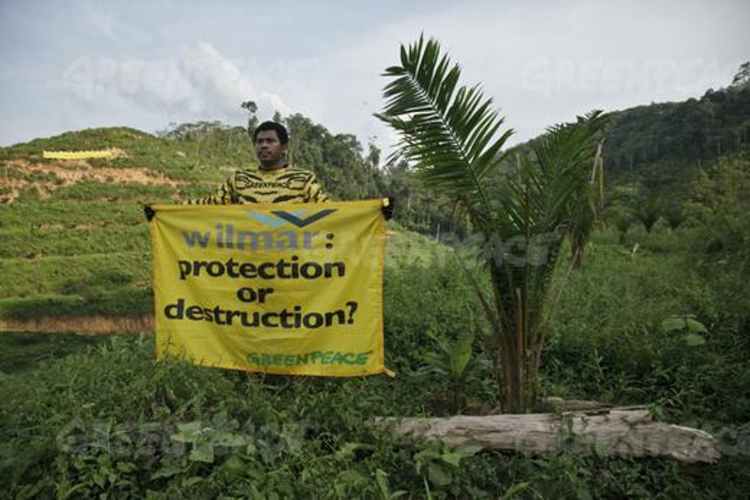 Wilmar responsible for palm oil deforestation despite supposedly using “sustainable” palm oil.
 Climate justice vs. land monopoly
Corporate plantations – motivated by profits for their investors that include the world’s wealthiest people and largest investment firms from mostly the industrialised countries – produce commodities dictated by the global market’s needs, not by the food security requirements and overall development agenda of mostly the underdeveloped countries and local communities where they are built often in violent ways. These big capitalists and finance oligarchs are oblivious to their operations’ harsh socioeconomic and environmental impacts.
Aside from degrading or destroying the forests to establish monoculture, export-oriented industrial farms, corporate land monopolies also perpetuate the use of massive amounts of climate-warming fossil fuels by promoting harmful agrochemicals like synthetic fertilizers and pesticides and encouraging long supply chains. It is not a coincidence that as corporate plantations, agrochemicals such as pesticides have also soared by 80 percent in the past three decades.
Agroecological, localised, and diversified food systems offer sustainable and climate-friendly alternatives, as much evidence suggests, but ultimately, decisions on how to use and manage the world’s forests and farmlands for the benefit of the greatest majority without harming the people and planet rest on the question of who effectively controls these resources.
From colonialism to modern imperialism today, such control has been taken away from the indigenous and peasant communities, grabbed and monopolised by and for commercial interests.
The people rising for climate justice necessitates the struggle to dismantle this corporate monopoly control over land and resources and give humanity a fighting chance to survive and reverse the climate crisis.
Read more stories about human rights and land-grabbing in the palm oil industry and other extractive industries
Pictured: Mushrooms on the forest floor by Wooter Penning for Pexels
 Boycott
Indigenous Peoples Fight Climate Change
 Boycott
SOCFIN’s African Empire of Colonial Oppression: Billionaires Profit from Palm Oil and Rubber Exploitation
 Boycott
Palm Oil Threatens Ancient Noken Weaving in West Papua
 Boycott
Family Ties Expose Deforestation and Rights Violations in Indonesian Palm Oil
 Boycott
West Papuan Indigenous Women Fight Land Seizures
 Boycott
Greasing the Wheels of Colonialism: Palm Oil Industry in West Papua
 Boycott
Palm Oil Practices Resemble Colonial Exploitation
 Boycott
Papua’s ‘Empty Lands’: A Dangerous Myth Displacing Indigenous Peoples
 Boycott
Indigenous Empowerment to Reverse Amazonia’s Mineral Demand
Load more posts
Something went wrong. Please refresh the page and/or try again.
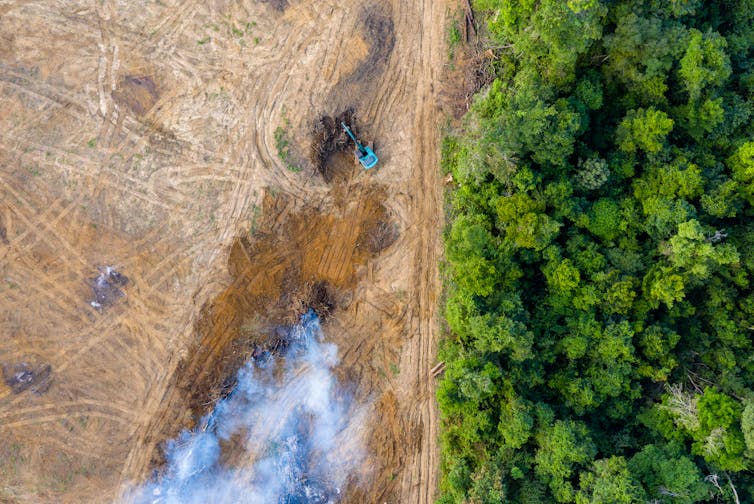 Forests are still being bulldozed to make way for agricultural land for palm oil and beef production. Richard Whitcombe/Shutterstock
Written by Arnold Padilla for Bulatlat.com as ‘Land Monopoly and Climate Crisis: A Look at Asia’. Read the original article. Published November 17, 2022. Arnold Padilla is the coordinator of the Food Sovereignty Program of PAN Asia Pacific (PANAP) and its “No Land, No Life” campaign against land grabbing.
ENDS
Here are some other ways you can help by using your wallet as a weapon and joining the #Boycott4Wildlife

What is greenwashing?
Why join the #Boycott4Wildlife?
Greenwashing Tactic #4: Fake Labels

The Counterpunch: Consumer Solutions To Fight Extinction
Contribute to my Ko-Fi
Did you enjoy visiting this website?

Palm Oil Detectives is 100% self-funded
Palm Oil Detectives is completely self-funded by its creator. All hosting and website fees and investigations into brands are self-funded by the creator of this online movement. If you like what I am doing, you and would like me to help meet costs, please send Palm Oil Detectives a thanks on Ko-Fi.
Say thanks on Ko-Fi



#Boycott4wildlife #BoycottPalmOil #Cargill #corporateSocialResponsiblity #deforestation #greenwashing #humanRights #indigenous #IndigenousActivism #indigenousRights #landRights #landgrabbing #nature #PalmOil #palmOilDeforestation #palmoil #report #SimeDarby #SouthEastAsia #tropicalRainforest #Wilmar
Boycotts A Great Weapon to Fight Ecocidal Corporates

The Counterpunch: Consumer Solutions To Fight Extinction