Apple-feed
boosted

Free chocolate cakes always taste better than they actually do 🍰
#Tag
Free chocolate cakes always taste better than they actually do 🍰
Free chocolate cakes always taste better than they actually do 🍰
Yes, but are any Westralians on Mastodon? My son lives there but not on here. And again with the coconut...
------------------------
Food Recall Alert - Datah International - Vadilal Grated Coconut 624g
Datah International (Aust) Pty Ltd are conducting a recall of the above product. The product has been available for sale in independent supermarkets in WA.
Date Marking: JUL 2027
Batch Number: 003OUY0B
Problem:
The presence of a viral (Hepatitis A) contamination.
This jar had been sitting unopened in my fridge for a while, but this weekend seemed like a good time to crack it open. Ohhh, it’s yummy.
What I’m saying and what I’m trying to learn myself is not to wait to enjoy the things you have.
Especially things with a finite shelf life.
This jar had been sitting unopened in my fridge for a while, but this weekend seemed like a good time to crack it open. Ohhh, it’s yummy.
What I’m saying and what I’m trying to learn myself is not to wait to enjoy the things you have.
Especially things with a finite shelf life.
Unsupported type or deleted object
In an article published in Nature Sustainability, researchers write that food production can be more sustainable by focusing less on traditional agriculture and more on alternative methods, like chemical and biological processes.
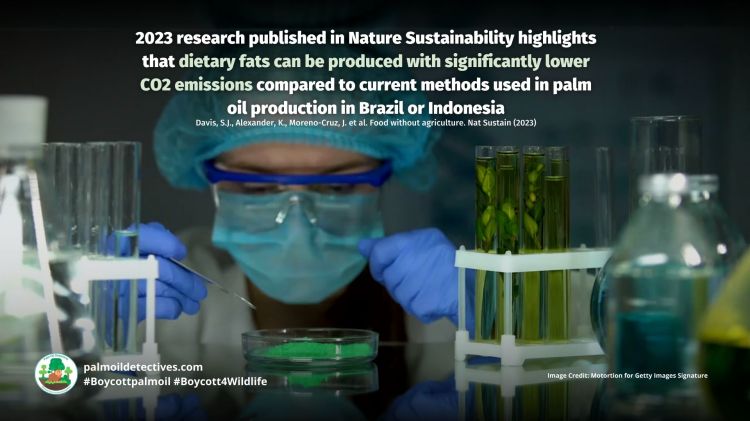
The article highlights a specific example where dietary fats can be produced with significantly lower CO2 emissions compared to current methods used in palm oil production in Brazil or Indonesia. While acknowledging challenges like potential impacts on agricultural economies and the need for consumer acceptance, the abstract suggests that these new methods could greatly reduce the environmental impact of agriculture, especially in terms of greenhouse gas emissions, land, and water use in the next decade.
Davis, S.J., Alexander, K., Moreno-Cruz, J. et al. Food without agriculture. Nat Sustain (2023). https://doi.org/10.1038/s41893-023-01241-2
#Research paper in @Nature Sustainability: Dietary #fats can be produced in a lab with significantly lower #CO2 emissions/#climate impact compared to current #palmoil production in #Brazil and #Indonesia #Boycottpalmoil #Boycott4Wildlife @palmoildetect https://palmoildetectives.com/2024/01/21/food-without-agriculture/
Share to BlueSkyShare to Twitter#Research in @Nature finds switching to lab-produced #palmoil has enormous potential to reduce #GHG emissions, #deforestation, water use. Reducing the climate impact of #agriculture over the decades #Boycottpalmoil 🌴🚫 #Boycott4Wildlife @palmoildetect https://palmoildetectives.com/2024/01/21/food-without-agriculture/
Share to BlueSkyShare to TwitterDavis, S.J., Alexander, K., Moreno-Cruz, J. et al. Food without agriculture. Nat Sustain (2023). https://doi.org/10.1038/s41893-023-01241-2
Efforts to make food systems more sustainable have emphasized reducing adverse environmental impacts of agriculture. In contrast, chemical and biological processes that could produce food without agriculture have received comparatively little attention or resources. Although there is a possibility that someday a wide array of attractive foods could be produced chemosynthetically, here we show that dietary fats could be synthesized with <0.8 g CO2-eq kcal−1, which is much less than the >1.5 g CO2-eq kcal−1 now emitted to produce palm oil in Brazil or Indonesia. Although scaling up such synthesis could disrupt agricultural economies and depend on consumer acceptance, the enormous potential reductions in greenhouse gas emissions as well as in land and water use represent a realistic possibility for mitigating the environmental footprint of agriculture over the coming decade. Read original
Proteins, fats, and carbohydrates can be made without traditional agriculture by using different carbon sources and a variety of chemical and biological methods. This article compares how much energy each process uses, with some details still uncertain. The processes vary in their continuous or batched nature. The article also discusses the challenge chemical methods face in distinguishing between molecular forms, unlike bioenzymatic methods which are more precise but limited to conditions suitable for life. The focus is on fats because they are simpler to make, have been produced at scale in the past, are a basic calorie source in many foods, and the production of oil crops like soy and palm has a huge environmental impact.
Synthesizing fats from natural gas or air-captured carbon using renewable energy could greatly reduce greenhouse gas emissions compared to traditional agriculture. Finally, the potential environmental benefits of synthetic fats are highlighted, showing that replacing a portion of soy and palm oil with synthetic alternatives could significantly reduce greenhouse gas emissions and land use, particularly in countries where these crops are intensively farmed.
Producing macronutrients without traditional agriculture can significantly reduce greenhouse gas emissions and land use, especially for dietary fats. Even using coal-based electricity for production can be more climate-friendly than some current agricultural methods. Beyond environmental benefits, such as reduced water use and pollution, synthetic foods can improve food security and lessen the need for labor-intensive farming jobs. This opens up possibilities for reforestation and biodiversity improvements.
However, there are challenges. The estimates are based on data that might not capture all relevant factors, and more detailed analysis is needed. The cost of synthetic foods could be higher than agricultural products, and social acceptance is a major hurdle, given the public’s skepticism about synthetic foods and potential unforeseen environmental impacts. The shift to synthetic foods could also impact the global labor force, especially smallholder farmers in the global South, as agriculture employs a significant portion of the world’s workforce.
Synthetic food production could lead to a smaller environmental footprint for agriculture, requiring much less water and can be produced anywhere with the right resources. This could make food systems more resilient but might also create new dependencies. Sustainable synthetic food production would ideally use renewable energy and atmospheric carbon.
Finally, the move towards synthesized foods prompts a reevaluation of humanity’s relationship with nature. The domestication of plants and the Haber-Bosch process for nitrogen fixation were pivotal in human history. Now, with the majority of habitable land and water used for agriculture, synthetic food offers a path to reduce the environmental burdens of agriculture and align food security with ecosystem restoration.
Davis, S.J., Alexander, K., Moreno-Cruz, J. et al. Food without agriculture. Nat Sustain (2023). https://doi.org/10.1038/s41893-023-01241-2
ENDS
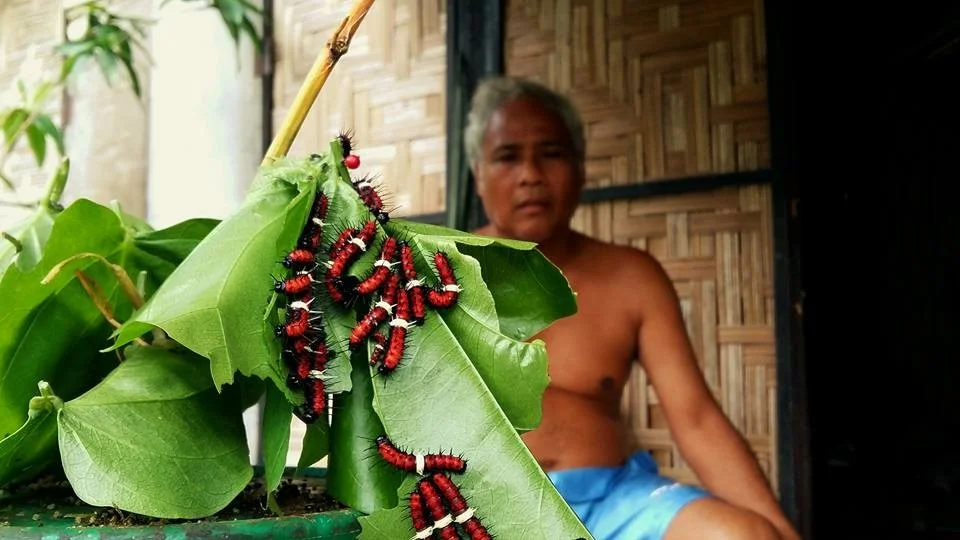
The Indigenous Semai #indigenous people of #Malaysia can teach us a lot about how to protect people, planet and biodiversity. The Indigenous concept of #badi is not superstition or taboo, it’s about respecting…
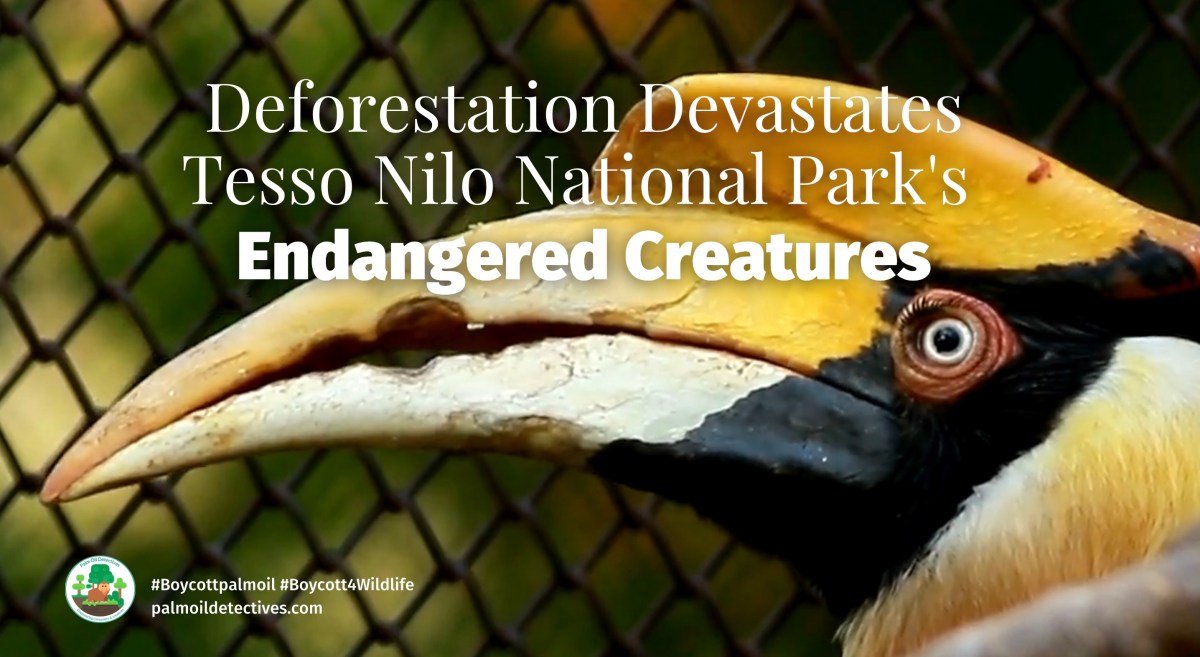
Act now to save Tesso Nilo Park. This vital Indonesian park has lost 78% of its primary forest, threatening the habitat of Sumatran tigers and elephants
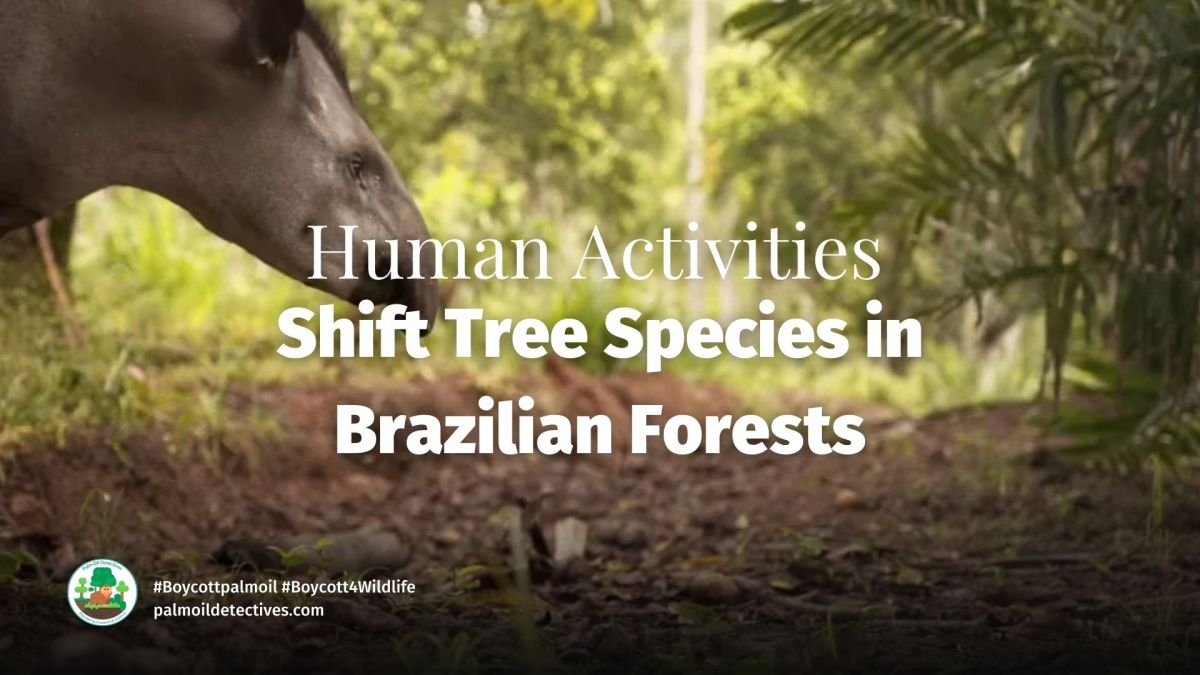
Deforestation in Brazilian forests causes shift towards fast-growing, small-seeded trees, threatening biodiversity, carbon storage. Take action!
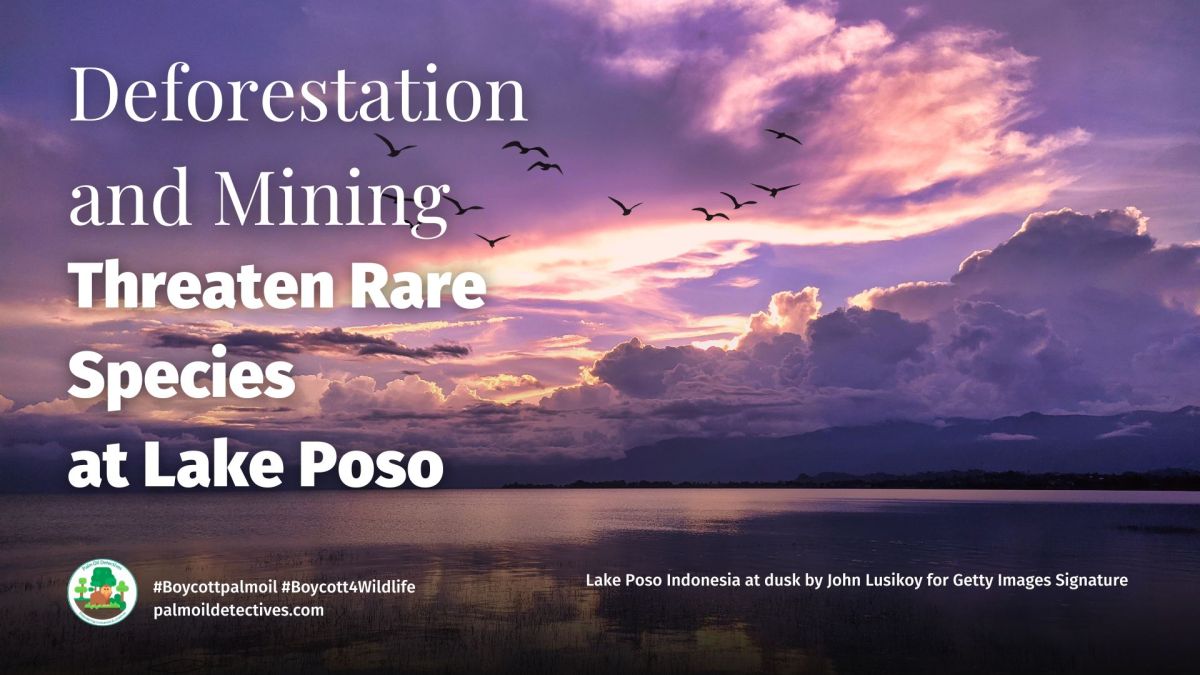
Deforestation, mining, and palm oil expansion are pushing rare endemic species at Indonesia’s Lake Poso to the brink. Urgent action needed, boycott palm oil!
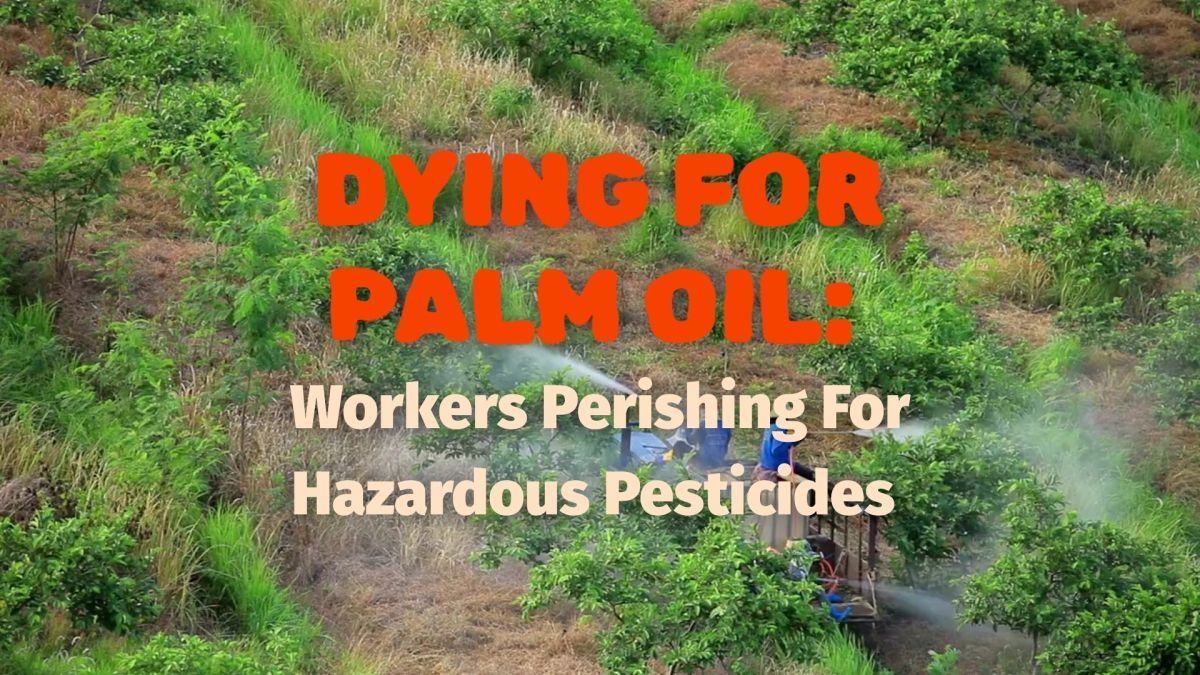
Palm oil workers in Colombia, Ghana, and Indonesia are regularly exposed to hazardous EU-banned pesticides like Paraquat for palm oil. Take action!
Load more posts
Something went wrong. Please refresh the page and/or try again.
1. Join the #Boycott4Wildlife on social media and subscribe to stay in the loop: Share posts from this website to your own network on Twitter, Mastadon, Instagram, Facebook and Youtube using the hashtags #Boycottpalmoil #Boycott4Wildlife.
Enter your email address
Sign Up
Join 3,526 other subscribers2. Contribute stories: Academics, conservationists, scientists, indigenous rights advocates and animal rights advocates working to expose the corruption of the palm oil industry or to save animals can contribute stories to the website.

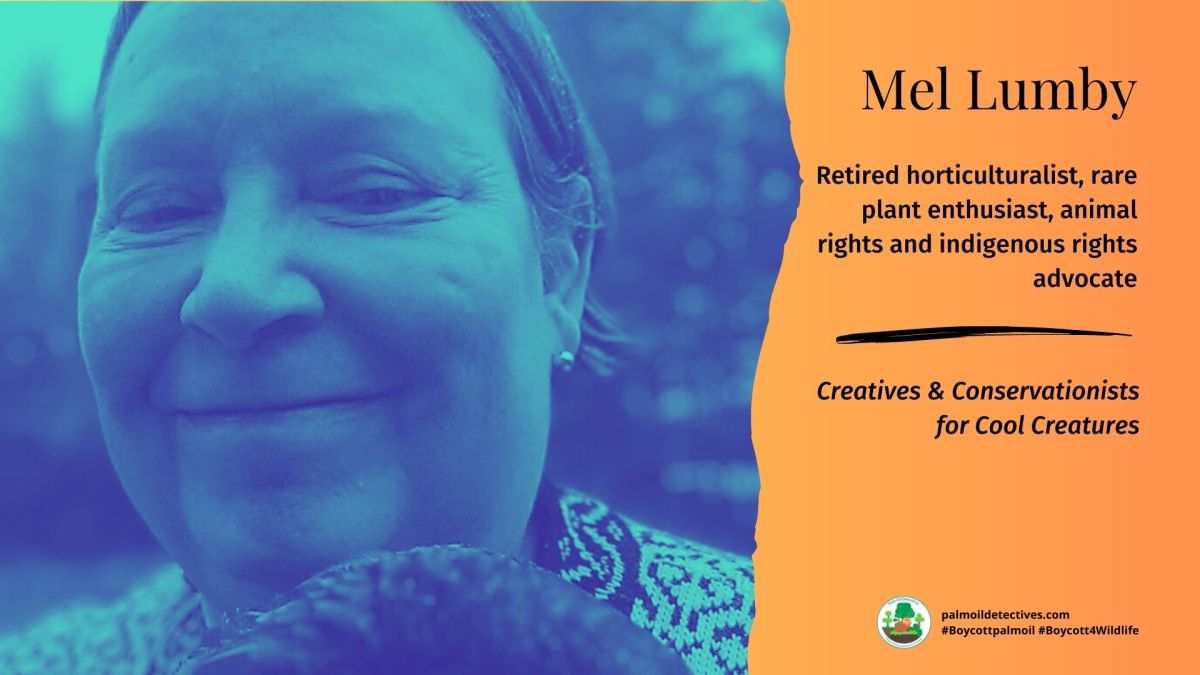
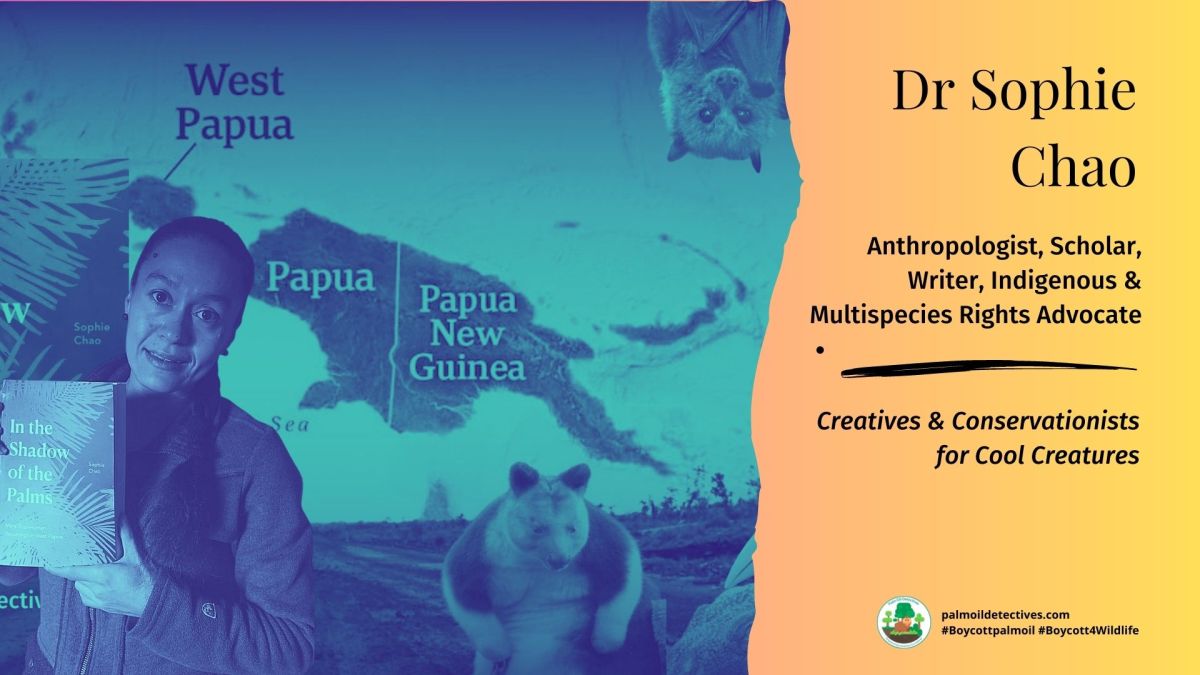
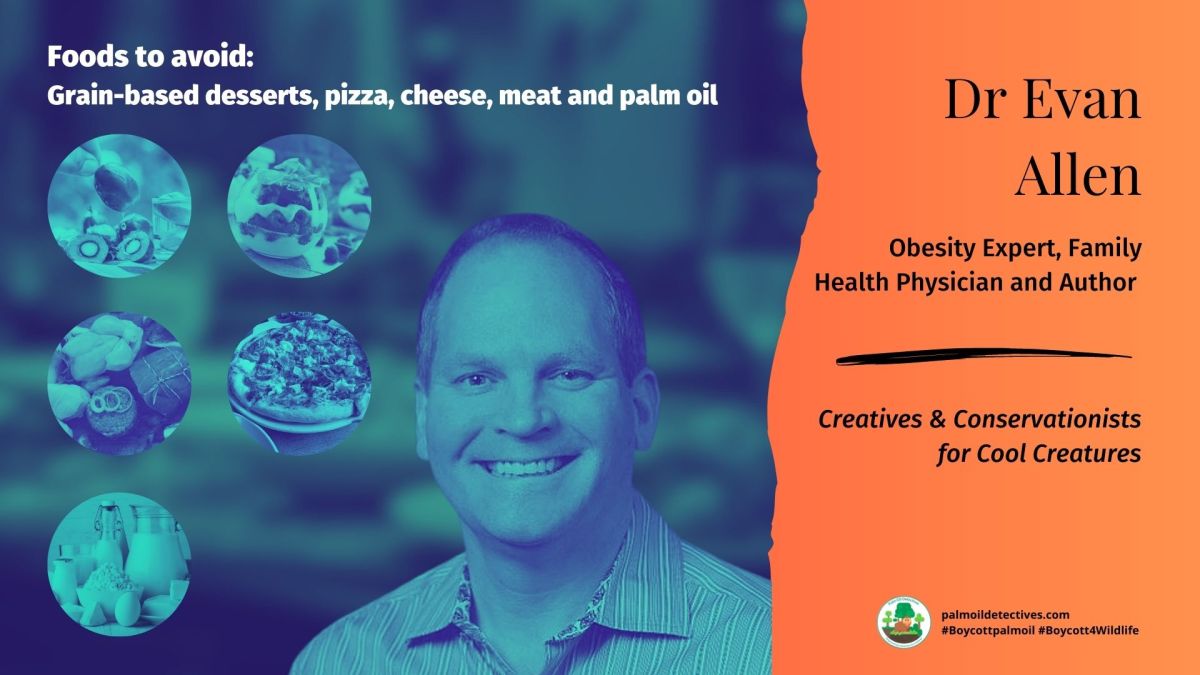


3. Supermarket sleuthing: Next time you’re in the supermarket, take photos of products containing palm oil. Share these to social media along with the hashtags to call out the greenwashing and ecocide of the brands who use palm oil. You can also take photos of palm oil free products and congratulate brands when they go palm oil free.
https://twitter.com/CuriousApe4/status/1526136783557529600?s=20
https://twitter.com/PhillDixon1/status/1749010345555788144?s=20
https://twitter.com/mugabe139/status/1678027567977078784?s=20
4. Take to the streets: Get in touch with Palm Oil Detectives to find out more.
5. Donate: Make a one-off or monthly donation to Palm Oil Detectives as a way of saying thank you and to help pay for ongoing running costs of the website and social media campaigns. Donate here
Pledge your support#Agriculture #biotechnology #BoycottPalmOil #Boycott4wildlife #BoycottPalmOil #Brazil #Climate #climateChange #CO2 #deforestation #fats #food #GHG #Indonesia #industrialAgriculture #PalmOil #palmOilDeforestation #palmoil #ReasonsToBeHopeful #research
Food without agriculture
Now
This article was written by Rochelle Embling, a PhD researcher in psychology at Swansea University, and Laura Wilkinson, a senior lecturer in psychology at Swansea University. It is republished from The Conversation under a Creative Commons license. Read the original article.
Edible seaweeds and algae – or sea vegetables – are a group of aquatic plants that are found in the ocean. Kelp, dulse, wakame and sea grapes are all types of seaweeds that are used in seaweed-based dishes.
#Algae has a tasty ‘umami’ flavour and a superb nutrient profile, especially for #vegans. It doesn’t cause #deforestation either! Replacing #palmoil with #algae makes sense for rainforests #Boycottpalmoil #Boycott4Wildlife #Together4Forests
Share to BlueSkyShare to Twitter
Share to BlueSkyShare to Twitter
Though eating seaweed is mostly common in Asian countries, today seaweeds are widely growing in popularity as an ingredient in a range of food and beverages. This notably includes sushi, where nori seaweed is used as an edible wrap for vegetable, fish, and rice-based fillings.
Our research suggests that people in the UK, like consumers in other western countries, are less familiar with seaweed as an ingredient. This is important because food neophobia (wanting to avoid novel foods) may prevent consumers from trying new products.
And for seaweeds in particular, first impressions may be less appealing when associated with the plant washed up on our beaches. For example, many participants in our research imagined seaweed to be “smelly”, “salty”, and “slimy” when asked.
Many European countries have a history of consuming seaweeds. This includes laverbread, a savoury puree made from laver seaweed, which is eaten alongside other seafood as part of Welsh cuisine. A sweet alternative is carrageen pudding, a jelly-like dessert made from carrageen seaweed (otherwise known as Irish moss).
Spirulina algae by Madeleine Steinback on Getty Images
However, this traditional consumption of seaweed remains somewhat niche today. And with the exception of sushi, seaweed consumption is relatively low in most western countries.
In a recent study, we explored how consumers rate seaweeds and potential food products (that could be supplemented with seaweed) when thinking about eating them. We found that people expected seaweed food products (such as seaweed burgers) to be more appealing than seaweed as a general food source.
Notably, as participants already expected seaweed products to be healthy and sustainable, these attributes were less important to their acceptance of seaweed. Taste and familiarity were the two factors that had the greatest influence on participants’ willingness to try and buy seaweed-based foods.
Seaweeds are a highly versatile and nutritious food source that can benefit our diet. Seaweeds are often rich in fibre and high in vitamins and minerals. This includes iodine and vitamin B12, which can be lacking in vegetarian and vegan diets.
Submerged algae and seaweed Lucas B Bracht on Getty Images
And seaweeds can be added to a range of products for their taste as well as how they can be used to thicken soups or stabilise the texture of ice cream. As seaweeds have a umami flavour, many chefs also favour seaweeds as a way to enhance the depth of flavour in their dishes.
Thinking about what we eat has become an important environment-related talking point. As more of us try to eat less meat and dairy, we have seen a rise in the consumption of plant-based products (including burger patties, nuggets, and sausages), plant-based milk (soya, almond, rice, and oat milk), and other dairy alternatives (such as dairy-free yoghurt and cheese).Kelp recipes.
In the current market, plant-based “meat” is typically made from soya, with other plant-based proteins including peas, mushrooms, and wheat.
Importantly, seaweeds and algae could be worthy additions to this list. Though the protein content of seaweed differs between species (particularly as it goes through the production process), protein can account for up to 25% of the dry weight for green seaweeds, and 47% for red seaweeds.
This means that seaweeds could be used to supplement the nutritional content of protein alternatives. In particular, seaweeds are often low in sodium. As the salt content of plant-based meat products can be higher than similar products, seaweeds could be used as an alternative seasoning to salt, helping to improve the healthiness of these items while enhancing taste
Seaweeds also have the potential for sustainable farming along the UK coastline. When compared to other plant-based alternatives, this means they stand out for their ability to grow without freshwater or fertilisers and do not compete for land space.
Our research also suggests that including more taste-focused language on packaging (delicious, warm, rich) and providing recipe ideas to consumers (serve seaweed as a side dish) may be an important marketing strategy if future seaweed products are to find new audiences.
There are some additional barriers that we need to consider. For example, like other plant-based alternative foods, seaweed can be more expensive, and high street availability is limited compared to online. Also, as the nutrients in seaweeds are affected by the waters they grow in, eating too much or consuming seaweeds from unregulated sources can affect food safety.
Overall, however, there are plenty of reasons why seaweed is a great food for the future.
 Amazing Animal Adaptations
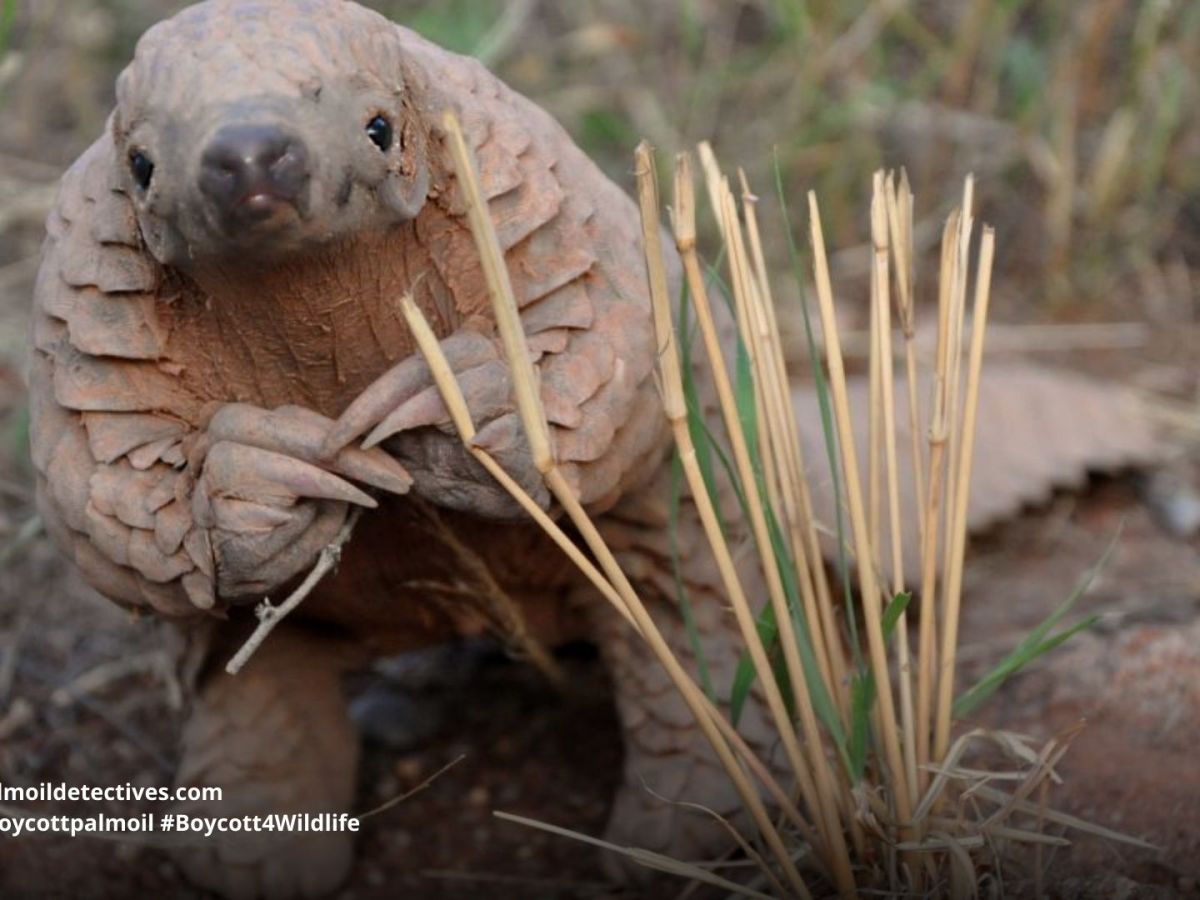 Amazing Animal Adaptations
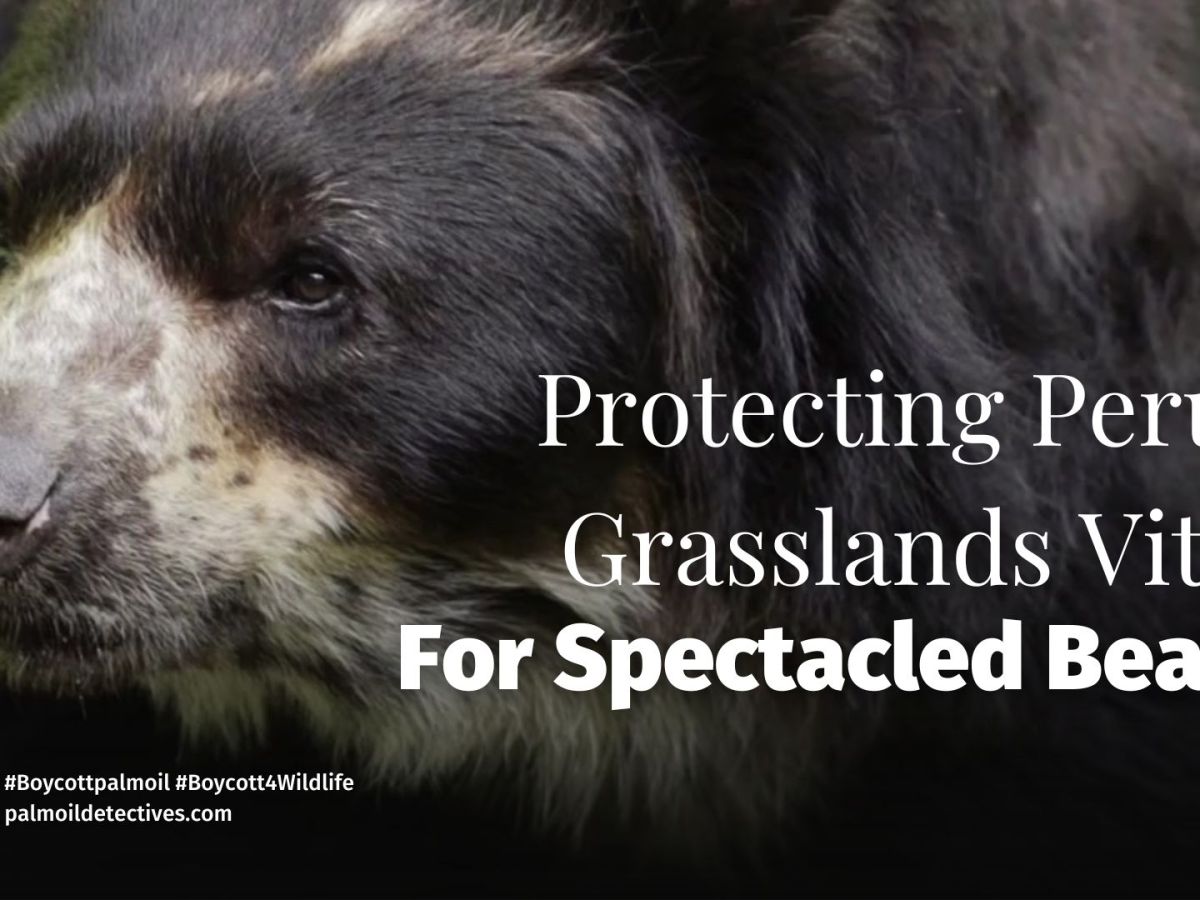 Amazing Animal Adaptations
 Amazing Animal Adaptations
Load more posts
Something went wrong. Please refresh the page and/or try again.
Palm Oil Detectives is completely self-funded by its creator. All hosting and website fees and investigations into brands are self-funded by the creator of this online movement. If you like what I am doing, you and would like me to help meet costs, please send Palm Oil Detectives a thanks on Ko-Fi.
Say thanks on Ko-Fi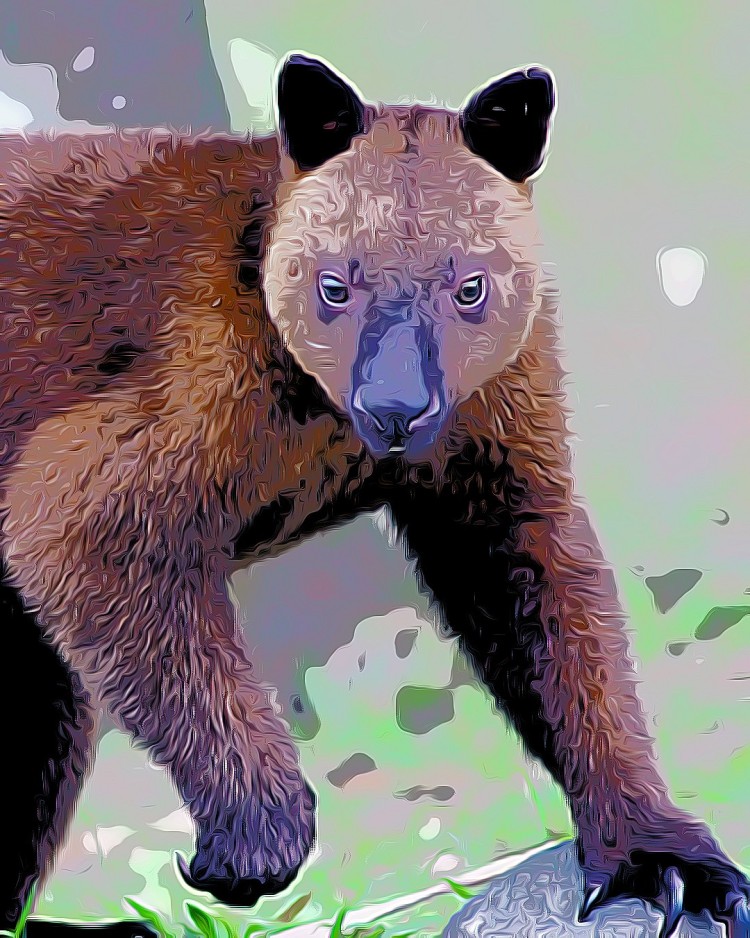
#algae #Boycott4wildlife #BoycottPalmOil #consumerRights #consumerism #deforestation #diet #food #health #healthProducts #humanHealth #nutrition #PalmOil #palmOilAndHealth #palmoil #plantBasedDiet #ReasonsToBeHopeful #vegan #veganism #vegans
It’s a tricky thing to grow enough #food for a ballooning population without destroying the natural world. And when I say a tricky thing, I mean it’s one of the greatest challenges humanity has ever faced. Luckily for us, it is theoretically possible, and the easiest way to get there is by drastically cutting down on meat. We deforest an area the size of Panama every single year. Across the world, food is the number one cause of #deforestation, especially our taste for meat. If we all woke up #vegan in 2050, we would need less land than in 2000. We could reforest an area the size of the Amazon. 80% of deforestation is from #meat” Take action every time you shop and go plant-based #Boycott4Wildlife
Can we feed the world, stop deforestation? YES According to Humboldt Uni. “If we all woke up #vegan in 2050, we would need less land than in 2000. We could reforest an area the size of the Amazon. 80% of deforestation is from #meat” #Boycott4Wildlife https://palmoildetectives.com/2021/03/31/can-we-feed-the-world-and-stop-deforestation-depends-whats-for-dinner/
Share to BlueSkyShare to TwitterBut it doesn’t have to be this way. Researchers recently modelled how the world could feed itself in 2050 without converting any current forests into agriculture. They tested the outcome under 500 different scenarios that varied according to realistic assumptions on future yields, the area needed for farming, livestock feed and human diets. They found that “deforestation is not a biophysical necessity”.
“While a wide range of feasible options to feed a no-deforestation world were found, many only worked under certain circumstances,” said Karl-Heinz Erb, lead author of the study, published in Nature Communications.
For example, meat-heavy diets were not compatible with lower yields similar to those under organic farming, or under the potential negative effects of climate change. Of all the variables involved, the feasibility of feeding the world with no deforestation is more dependent on what we are eating, than on how well we farm.
“The only diet found to work with all future possible scenarios of yield and cropland area, including 100% organic agriculture, was a plant-based one,” Erb said.
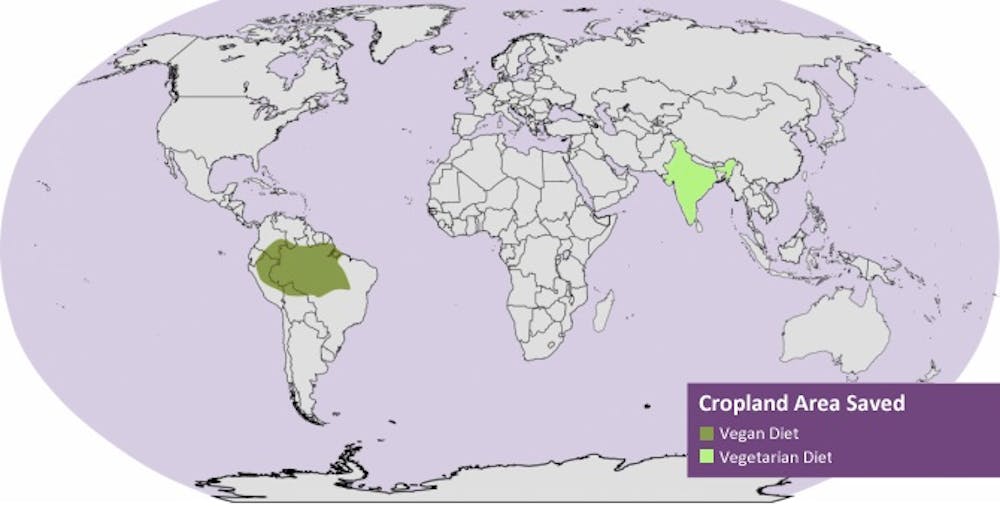
Even better: if we all woke up vegan in 2050, we would require less cropland than we did in the year 2000. This could allow us to “reforest” an area around the size of the entire Amazon rainforest – somehow fitting considering 70-80% of deforestation in the Amazon is due to the livestock industry.
In second place, the vegetarian diet was compatible with 94% of future no-deforestation scenarios. Going veggie would also save on cropland, allowing for an area around the size of India to return to nature.
This land-saving makes sense when considering the conversion rate between the grain that we could have directly consumed but instead feed to livestock. For example, in the US, it takes an astounding 25kg of grain to produce 1kg of beef, pigs require a grain to meat ratio of 9:1 and chickens, relatively less wasteful, are 3:1. As renowned ecologist Hugh Possingham put it: “Just stop feeding grain to animals – don’t eat something that ate something that you could have eaten.”
Plant-based diets are particularly impressive when compared to those that are rich in meat, which would require a 50% increase in global cropland area by 2050. In order to achieve this with a chance of no-deforestation, we’d have to convert lots of pasture to cropland and substantially increase yields, likely through using chemicals. But both conversion and intensification generally degrade ecosystems and lead to less biodiversity.
Overall the new study found that a meat-eater requires at least double the resources of a vegan or vegetarian.
The study also links to the basic availability of food, one of the main pillars of food security. As people, especially in the Western world, eat less meat, the global demand for grain is reduced – for example, the US could feed 800m people with the grain currently fed to livestock. Less meat consumption would mean more food is available in poorer countries which could enjoy becoming more self-sufficient.
With other recent research showing that reducing our meat intake could result in two thirds less food-related CO2 emissions, and save millions of lives there are few excuses left to justify having meat at every meal.
Most of all, this study brings some much needed good news. In a world where environmental issues are often overwhelmingly depressing, where it seems monopolies that are out of our grasp run the show, here we have a pathway to a healthier, greener and more equitable world. And it’s quite literally handed to us on a plate. As the researchers of the study noted: “We are cutting back on meat, mainly as a result of this study.” And that’s the beauty of this approach, it doesn’t have to be all or nothing, vegan or carnivore. Eating sparse amounts of meat, the path of the “carnesparsian”, can have a huge impact – on your own health and that of the planet.
This article was updated on April 26, 2016, to include more recent data on livestock deforestation in the Amazon.
Laura Kehoe, 400trees.org founder & PhD researcher in wildlife conservation and land use , Humboldt University of Berlin
This article is republished from The Conversation under a Creative Commons license. Read the original article.
#BoycottMeat #Boycott4wildlife #consumerBoycott #consumerism #deforestation #diet #food #meat #meatAgriculture #meatDeforestation #nutrition #planetaryHealth #plantBasedDiet #plantbased #rainforest #veganThis Movenpick Coffee tastes fantastic ☕️💯
This Movenpick Coffee tastes fantastic ☕️💯
This is a forward thinking server running the Bonfire social media platform.
LGBTQA+ and BPOC friendly.