Tiger Panthera tigris
Tiger Panthera tigris
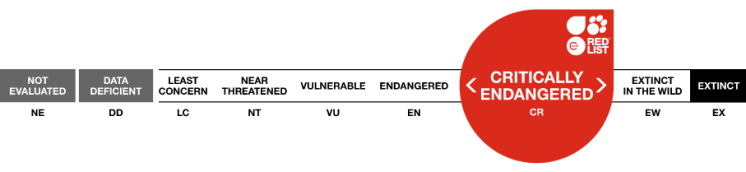
Endangered
Population: Around 3,900
Extant (resident): India, Bangladesh, Bhutan, Nepal, Myanmar, Malaysia, Indonesia, Thailand, China, Russia
Tigers, primarily native to Asia’s tropical forests, have seen their habitats shrink dramatically over time. Notably, the Amur Tiger endures in Russia, and there have been sightings of these majestic creatures as high as 4,500 m in Bhutan. Tragically, fewer than 400 tigers remain in Indonesia, clinging to life in Sumatra’s dwindling forests. This decline is attributed to both rampant poaching and severe deforestation, especially for palm oil and pulp industries. As Asia continues to develop rapidly, the vast territories tigers need are shrinking, replaced by agriculture, commercial logging, and settlements. Moreover, tigers‘ prey faces threats from hunting and competition with domestic livestock. It’s time to act and use our wallet as a weapon: be #vegan #Boycottpalmoil #Boycott4Wildlife.
For 🇮🇩 Indonesia’s #tigers 🐅 fewer than 400 hang on to survival in rainforests of #Sumatra. Endangered by #poaching and #deforestation for #palmoil and timber. Boycott the brands sending them #extinct 😡🧐#Boycottpalmoil #Boycott4Wildlife @palmoildetect https://wp.me/pcFhgU-fT
Share to BlueSkyShare to TwitterThe mighty and majestic #tiger 🐅🐯 of #Sumatra are on the brink of #extinction from #palmoil and #mining #deforestation. Less than 400 remain alive! 😭Use your wallet as a weapon and fight for them #Boycottpalmoil #Boycott4Wildlife 🌴🔥🚫 @palmoildetect https://wp.me/pcFhgU-fT
Share to BlueSkyShare to TwitterTigers, the largest members of the cat family, are renowned for their majestic presence and striking orange coats with black stripes. They possess extraordinary strength and agility and maintain the balance of ecosystems as apex predators. With fewer than 4,500 remaining in the wild, tigers are classified as Endangered, facing grave threats from habitat destruction for palm oil, poaching, and human-wildlife conflict.
Their survival depends on urgent protection and animal advocacy. Protecting tigers ensures the preservation of the rich biodiversity within their habitats. Support their future by joining the #BoycottPalmOil and #Boycott4Wildlife movements.
Habitat
Tigers inhabit a wide variety of environments, including tropical rainforests, mangrove swamps, grasslands, and boreal forests. They require vast territories to hunt and breed, with males typically occupying larger ranges than females. Tigers are currently found in fragmented populations across Asia, with key strongholds in India, Sumatra, and Siberia.
These habitats are increasingly under threat due to deforestation, agricultural expansion, and infrastructure development, which have reduced their historical range by over 93%.
Diet
As apex predators, tigers primarily hunt large prey, such as sambar deer, wild boar, and buffalo. They are known for their stealth and strength, often ambushing their prey with a single powerful strike. Unlike other big cats, tigers can swim to catch prey, a unique skill that sets them apart.
In areas with reduced prey availability, tigers may hunt smaller mammals or livestock, which can lead to conflicts with humans.
Appearance and Behaviour
• Swimming Ability: Tigers are strong swimmers, often crossing rivers and lakes to hunt or cool off—an unusual trait among big cats.
• Individualised Stripes: Their stripes serve as camouflage and are unique to each tiger, making them distinguishable even in dense foliage.
• Vocal Range: Tigers have a wide vocal range, including growls, roars, and chuffs, used to communicate with other tigers.
• Apex Predator Status: As the top predator in their ecosystems, tigers help maintain balance by regulating prey populations.
Tigers are uniquely recognisable by their bold stripe patterns, which are as individual as fingerprints. Their muscular builds, powerful limbs, and retractable claws make them adept hunters and swimmers, setting them apart from most other big cats. Unlike lions or cheetahs, tigers are solitary by nature and fiercely territorial.
Their physical features include a robust skull, long canine teeth, and strong jaw muscles designed for gripping and tearing prey. Tigers are also among the few big cats that enjoy water, often cooling off in rivers and lakes. Their signature behaviours include scent marking, vocalisations such as roars and chuffs, and stealthy stalking of prey.
Reproduction & Mating
Tigers reach sexual maturity at around 3-4 years of age. Breeding typically occurs year-round, but more frequently during the winter months. After a gestation period of approximately 100 days, females give birth to 2-4 cubs in secluded dens.
Cubs are dependent on their mothers for the first 18 months, learning essential survival skills like hunting. Only about half of all cubs survive to adulthood, as they face threats from predators, disease, and starvation.


Threats
Habitat Destruction: Deforestation for palm oil agriculture, timber logging, and development fragments their habitats, isolating populations.
• Poaching: Tigers are hunted for their skins, bones, and other body parts, often sold illegally for traditional medicine or as luxury items. Organisations like EIA directly combat this illegal trade.
• Prey Depletion: Overhunting of herbivores reduces food availability, impacting tiger populations.
• Human-Wildlife Conflict: As human settlements expand, conflicts arise, often leading to retaliation killings of tigers.
The last of Indonesia’s tigers—now fewer than 400—are holding on for survival in the remaining patches of forests on the island of Sumatra. While poaching claims most tigers each year, deforestation remains a serious threat.
Sumatra has lost more than half of its forests in the last 40 years, primarily due to conversion for palm oil and pulp plantations. Poaching for illegal trade in high-value Tiger products including skins, bones, meat and tonics is a primary threat to Tigers.
Asia is a densely populated and rapidly developing region, bringing huge pressures to bear on the large wild areas required for viable Tiger populations. Conversion of forest land to agriculture and silviculture, commercial logging, and human settlement are the main drivers of Tiger habitat loss. With their substantial dietary requirements,
Tigers require a healthy large ungulate prey base, but these species are also under heavy human subsistence hunting pressure and competition from domestic livestock.
Tigers are classified as Endangered on the IUCN Red List, with fewer than 4,500 individuals remaining in the wild. While conservation efforts have stabilised some populations, habitat loss and poaching continue to pose significant challenges. Collaborative international efforts are crucial to ensuring their survival.
The last of Indonesia’s tigers—now fewer than 400—are holding on for survival in the remaining patches of forests on the island of Sumatra. While poaching claims most tigers each year, deforestation remains a serious threat.
IUCN RED LIST

Support Tiger Protection
• Boycotting palm oil and other products linked to deforestation.
• Contributing to organisations that protect tiger habitats and combat illegal poaching and animal trafficking like Traffic and EIA.
• Raise awareness about the critical importance of tigers in maintaining healthy ecosystems by joining the #BoycottPalmOil and #Boycott4Wildlife movement.
Further Information

Britannica. (2024). Tiger. Retrieved from https://www.britannica.com/animal/tiger
Goodrich, J., Wibisono, H., Miquelle, D., Lynam, A.J., Sanderson, E., Chapman, S., Gray, T.N.E., Chanchani, P. & Harihar, A. 2022. Panthera tigris. The IUCN Red List of Threatened Species 2022: e.T15955A214862019. https://dx.doi.org/10.2305/IUCN.UK.2022-1.RLTS.T15955A214862019.en. Accessed on 20 December 2024.
Panthera. (2024). Tiger. Retrieved from https://panthera.org/cat/tiger
Dalida Innes Wildlife Photography

How can I help the #Boycott4Wildlife?
Take Action in Five Ways
1. Join the #Boycott4Wildlife on social media and subscribe to stay in the loop: Share posts from this website to your own network on Twitter, Mastadon, Instagram, Facebook and Youtube using the hashtags #Boycottpalmoil #Boycott4Wildlife.
Enter your email address
Sign Up
Join 3,528 other subscribers2. Contribute stories: Academics, conservationists, scientists, indigenous rights advocates and animal rights advocates working to expose the corruption of the palm oil industry or to save animals can contribute stories to the website.

Wildlife Artist Juanchi Pérez

Mel Lumby: Dedicated Devotee to Borneo’s Living Beings
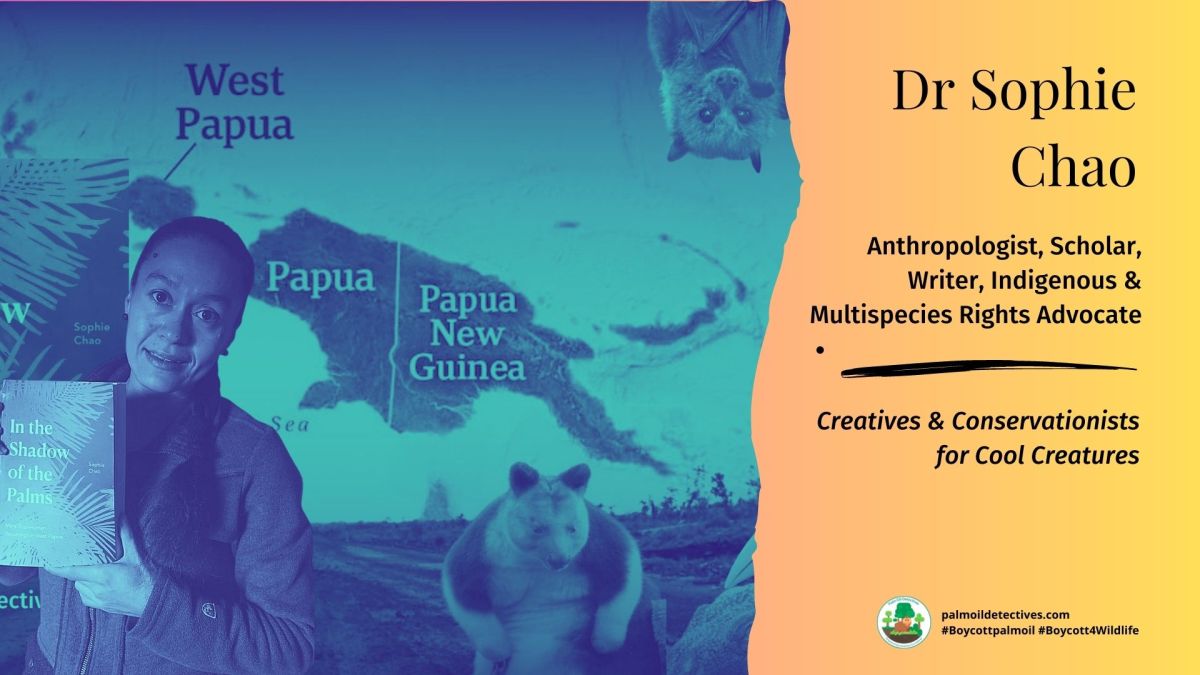
Anthropologist and Author Dr Sophie Chao

Health Physician Dr Evan Allen

The World’s Most Loved Cup: A Social, Ethical & Environmental History of Coffee by Aviary Doert

How do we stop the world’s ecosystems from going into a death spiral? A #SteadyState Economy
3. Supermarket sleuthing: Next time you’re in the supermarket, take photos of products containing palm oil. Share these to social media along with the hashtags to call out the greenwashing and ecocide of the brands who use palm oil. You can also take photos of palm oil free products and congratulate brands when they go palm oil free.
https://twitter.com/CuriousApe4/status/1526136783557529600?s=20
https://twitter.com/PhillDixon1/status/1749010345555788144?s=20
https://twitter.com/mugabe139/status/1678027567977078784?s=20
4. Take to the streets: Get in touch with Palm Oil Detectives to find out more.
5. Donate: Make a one-off or monthly donation to Palm Oil Detectives as a way of saying thank you and to help pay for ongoing running costs of the website and social media campaigns. Donate here
Pledge your support#bigCat #Borneo #Boycott4wildlife #BoycottPalmOil #carnivores #deforestation #EndangeredSpecies #extinct #extinction #feline #Malaysia #mining #palmoil #poaching #predator #predators #SouthEastAsia #Sumatra #tiger #TigerPantheraTigris #tigers #vegan #wildcat
Unsupported type or deleted object
Parrot Deaths Highlight Urgent Need to Reform CITES
Three critically endangered African Grey parrots were seized in Norway in 2019 after being illegally smuggled and they were later euthanised. These intelligent birds had potentially 60 years of life to live and the massive tragedy is – they knew that they were going to die!
Generally, international wildlife trade is not forbidden. Rather, it is regulated through CITES an international treaty to prevent illegal trade in wild animals. The industry is worth billions. The treaty needs a radical overhaul writes Professor Ragnhild Sollund for 360Info.
The legal trade is largely to blame for African grey parrots becoming endangered: parrots make popular pets due to their intelligence and sociability, so they have become “over exploited”. Help fight illegal wildlife trade and #Boycott4Wildlife
The tragedy of dead African grey #parrots highlights the need to overhaul #CITES a weak treaty which facilitates rather than stops #wildlife trade #extinction by Prof Ragnild Sollund for @360info_global #Boycottpalmoil #Boycott4Wildlife via @palmoildetect https://wp.me/pcFhgU-78q
Share to Twitter“A #ban on #wildlife #trade would be easier to enforce than the current market, where some trade is legal, some illegal, and which offers ample possibilities for #fraud #corruption Story: @360info_global #Boycottpalmoil #Boycott4Wildlife @palmoildetect https://wp.me/pcFhgU-78q
Share to TwitterOriginally published under Creative Commons by 360info™. Written by Professor Ragnhild Sollund. Read the original here.
In November 2019, three African grey parrot chicks (Psittacus erithacus) were seized at Oslo airport by customs inspectors. As endangered species, they did not have the required permits to be transported to Norway. During the month that officials contemplated what should happen to the birds, they were hand reared by veterinarians. Then the decision was made: euthanasia.
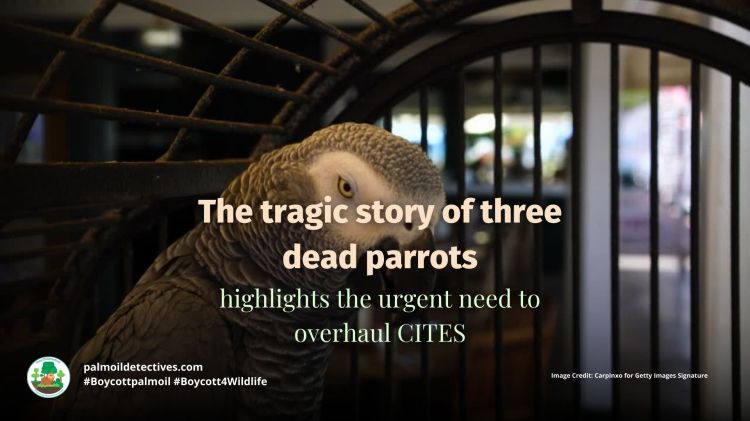
These highly intelligent birds had a potential 60-year life ahead of them; a life that was abruptly concluded in the hands of the vet. “I have euthanised many animals, but I cried when I euthanised these birds,” she said. “They understood… [And I did] not want to work as the Norwegian environment agency’s executioner of endangered species.”
In Norway, this was the standard outcome for illegally traded animals that are listed in CITES, the United Nations Convention on International Trade in Endangered Species of Wild Fauna and Flora. On March 3, International Wildlife Day, it highlights why addressing the wildlife trade, its regulation and enforcement, is urgent.
Generally, international wildlife trade is not forbidden. Rather, it is regulated through CITES. The legal trade is largely to blame for African grey parrots becoming endangered: parrots make popular pets due to their intelligence and sociability, so they have become “over exploited”, meaning the trade endangers the survival of the species. But the concept of over exploitation fails to cover the individual suffering or death of the animals involved in the trade. In view of species justice, any exploitation may be too much.
CITES entered into force in 1975. Eighty-four parties have signed the convention, including the European Union as one party. Each country must have a management authority, and all countries are obliged to submit annual reports to the CITES secretariat.
Animals are listed on three appendices of CITES, according to how endangered they are. The African grey is listed on appendix I as threatened with extinction. It was moved from appendix II in 2016, since trade in them was no longer deemed ‘sustainable’. Currently 5,950 species of animals and 32,800 species of plants are listed across all three appendices.
CITES has been criticised for being an overly human-centred convention. It fails to take into consideration the fact that animals are sentient beings with capacity to suffer who have interest in living their lives in their natural habitats, free from human inflicted harm.
Instead, CITES frames wildlife species, whether plants or animals, as resources that are available for humans to exploit, until exploitation reaches a level that threatens the survival of a species. According to this logic, one individual can easily be disposed of and replaced by another; an individual’s intrinsic value is not recognised.
CITES has been criticised for not functioning even within its own parameters. For example, many parties to CITES never submit the required annual reports, and much trade is never recorded. And many species become threatened and go extinct from trade without ever being listed on the CITES appendices. For example, there are 10,247 known reptile species in the world, but only 8 percent of the reptile trade is regulated through CITES. Newly discovered species can be swiftly exploited, and 79 percent of traded species are not subject to CITES regulation.
According to CITES records, a staggering 2 million mammals, 5 million birds, 41 million reptiles, half a million amphibians, and 6 million fish were traded legally between 2011-2022.
Animals are used for medicinal purposes (often with no effect), fashion, as game hunting trophies, pets and as high-status food items.
Wildlife trade is big business
Advocacy group Traffic estimates the economic value of legal wildlife trade including plants, at approximately US$323 billion. One important reason for the foundation of CITES was to secure the economic gains of wildlife trade for biodiverse, but poor countries in the global South.
Wildlife trade can be viewed as transnational, global, organised state corporate harm.
Given the general failure of CITES to protect animals from harm and species from extinction, there have been many calls to remodel the agreement. The logic behind CITES implies that the harms of wildlife trade shall continue relentlessly, with new individuals abducted, killed or in other ways exploited in a ‘sustainable’ way for human benefit.
A better CITES would be based around animal protection. Wild animals should have rights not to be exploited as pets, killed for their flesh or skin, teeth or whiskers, tusks, horns, or used for entertainment in zoos, circuses and aqua parks. CITES could rather become an instrument promoting justice both for nature, humans and animals.
One way to do this would be to transform it from a trade convention to an aid convention. The convention could be reformulated to promote species conservation and the protection of individuals’ and species’ rights.
CITES could then become an instrument to funnel economic resources from rich economies in the North to poor economies in the South, if their national budgets partly rely on wildlife trade. Aid, distributed by an accountable secretariat, could be conditional on the ways in which the recipients succeed in protecting the natural environment and its inhabitants.
This system is already in place when it comes to the protection of rainforest: Norway and Germany contribute significantly to the protection of rainforest in places such as Brazil, Colombia and Ecuador through the UN; the amount of economic resources allocated from Norway to these countries depends on how much rainforest is spared from logging and emissions reduced.
A ban on the trade in wild animals would be easier to enforce than the current murky market, in which some trade is legal, other parts illegal, and which demands significant skills by law enforcement officers and offers ample possibilities for fraud.
Ragnhild Sollund is professor at the Department of Criminology and Sociology of Law at the University of Oslo, where she has done research into the wildlife trade for 12 years. She is currently leading the research project: Criminal Justice, Wildlife Conservation and Animal Rights in the Anthropocene, which studies the implementation and enforcement of two nature conventions: CITES; and the Bern convention that protects wild animals and their habitats in Europe, in Norway, The United Kingdom, Spain and Germany. Her research is funded by Norwegian Research Council.
Originally published under Creative Commons by 360info™. Written by Professor Ragnhild Sollund. Read the original here.
ENDS
Learn about other animals endangered by palm oil and other agriculture
GlobalSouth America S.E. AsiaIndiaAfricaWest Papua & PNG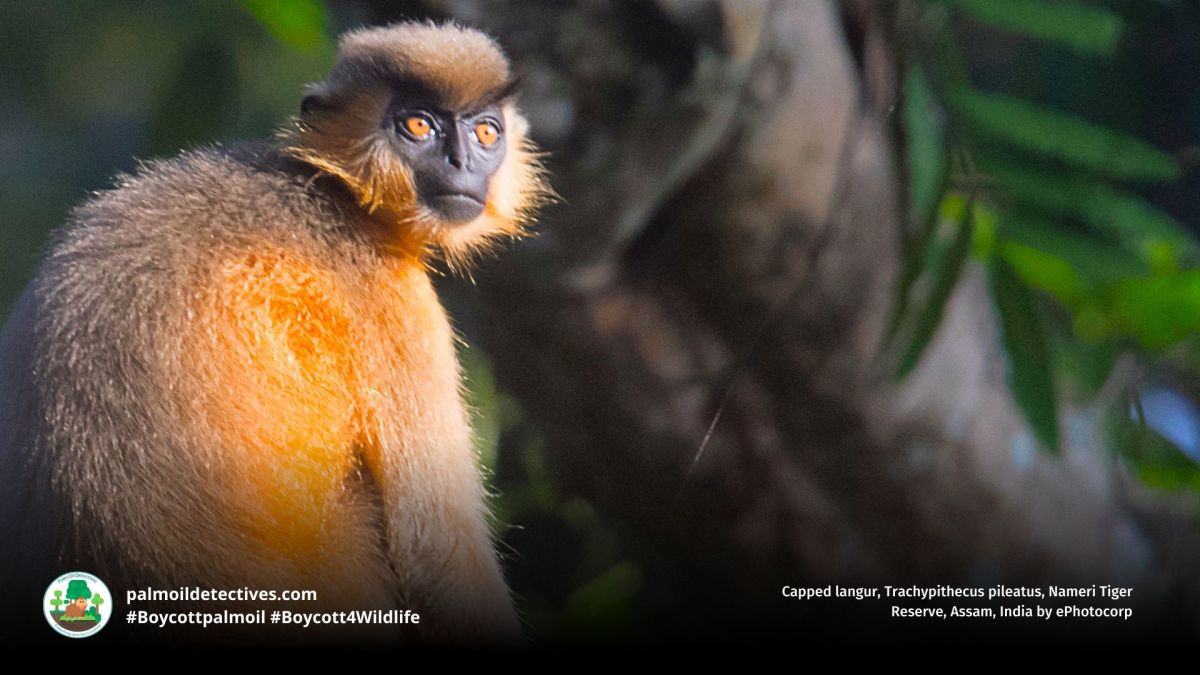
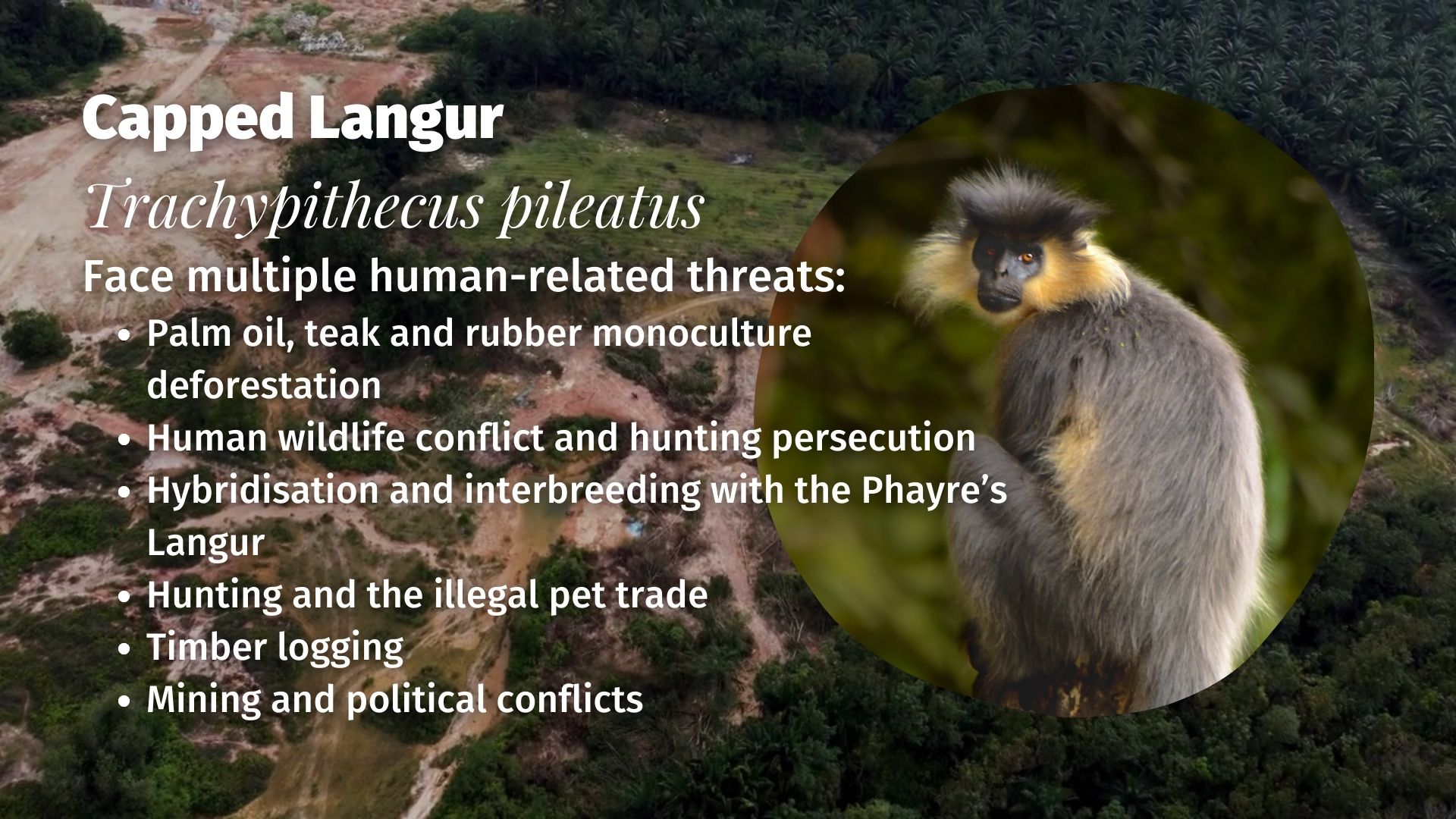
Capped Langur Trachypithecus pileatus
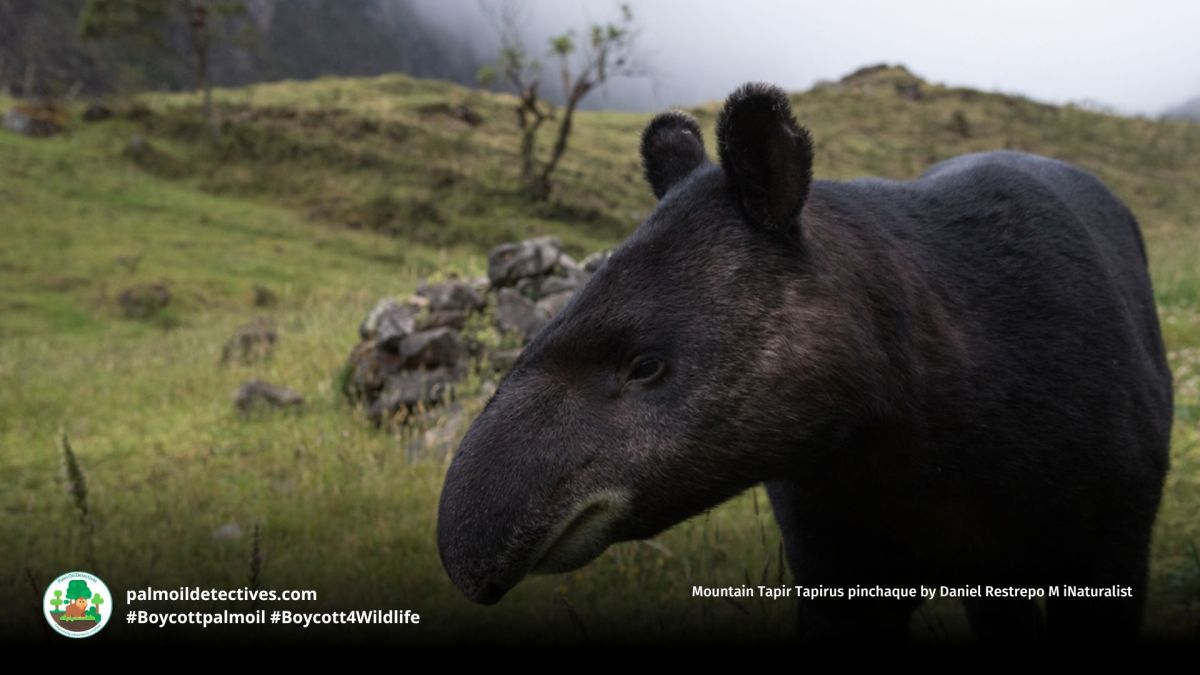
Mountain Tapir Tapirus pinchaque
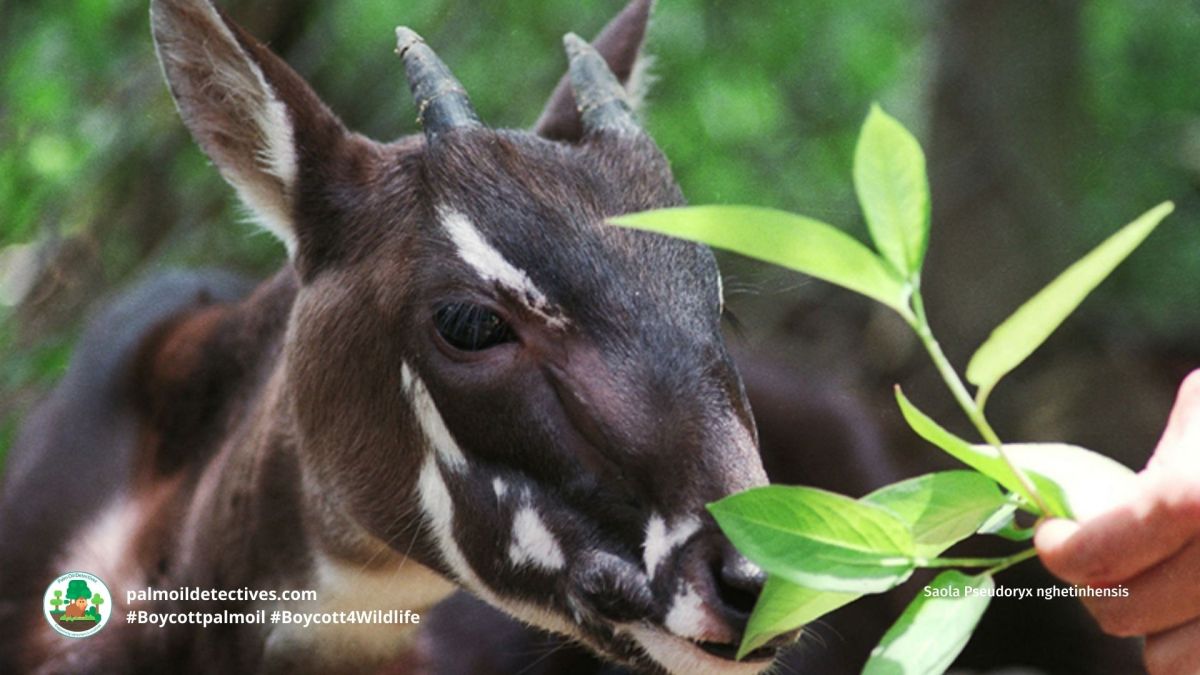
Saola Pseudoryx nghetinhensis

Tucuxi Sotalia fluviatilis

Frill-Necked Lizard Chlamydosaurus kingii

Grey Crowned Crane Balearica regulorum
Learn about “sustainable” palm oil greenwashing
Read more about RSPO greenwashing
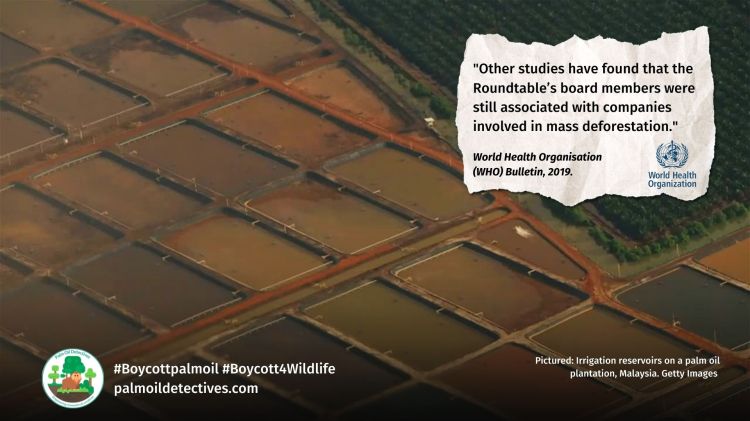
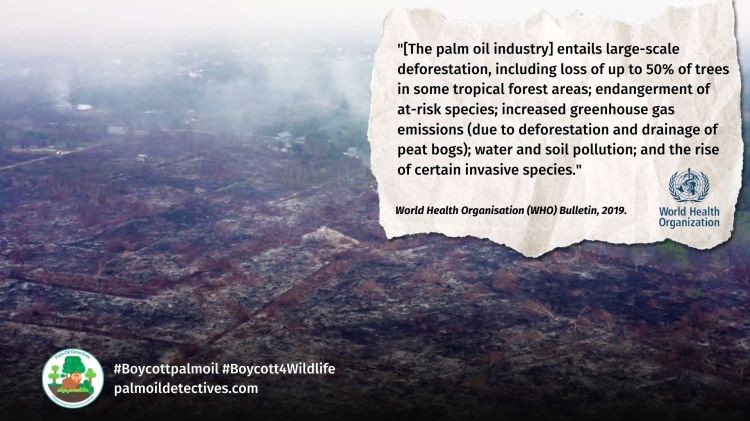
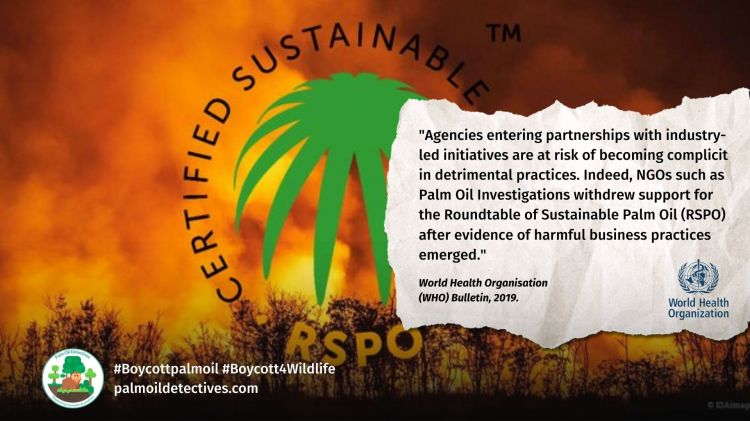
Lying Fake labelsIndigenous Land-grabbingHuman rights abusesDeforestation Human health hazardsA 2019 World Health Organisation (WHO) report into the palm oil industry and RSPO finds extensive greenwashing of palm oil deforestation and the murder of endangered animals (i.e. biodiversity loss)
Read more

Take Action in Five Ways
1. Join the #Boycott4Wildlife on social media and subscribe to stay in the loop: Share posts from this website to your own network on Twitter, Mastadon, Instagram, Facebook and Youtube using the hashtags #Boycottpalmoil #Boycott4Wildlife.
Enter your email address
Sign Up
Join 3,174 other subscribers2. Contribute stories: Academics, conservationists, scientists, indigenous rights advocates and animal rights advocates working to expose the corruption of the palm oil industry or to save animals can contribute stories to the website.
Wildlife Artist Juanchi Pérez
Mel Lumby: Dedicated Devotee to Borneo’s Living Beings
Anthropologist and Author Dr Sophie Chao
Health Physician Dr Evan Allen
The World’s Most Loved Cup: A Social, Ethical & Environmental History of Coffee by Aviary Doert
How do we stop the world’s ecosystems from going into a death spiral? A #SteadyState Economy
3. Supermarket sleuthing: Next time you’re in the supermarket, take photos of products containing palm oil. Share these to social media along with the hashtags to call out the greenwashing and ecocide of the brands who use palm oil. You can also take photos of palm oil free products and congratulate brands when they go palm oil free.
https://twitter.com/CuriousApe4/status/1526136783557529600?s=20
https://twitter.com/PhillDixon1/status/1749010345555788144?s=20
https://twitter.com/mugabe139/status/1678027567977078784?s=20
4. Take to the streets: Get in touch with Palm Oil Detectives to find out more.
5. Donate: Make a one-off or monthly donation to Palm Oil Detectives as a way of saying thank you and to help pay for ongoing running costs of the website and social media campaigns. Donate here
Pledge your support#AfricanGreyParrot #AnimalBiodiversityNews #animalCruelty #animalExtinction #ban #Bird #birds #BoycottPalmOil #Boycott4wildlife #BoycottPalmOil #CITES #corruption #deforestation #extinction #ForgottenAnimals #fraud #greenwashing #illegalPetTrade #Parrots #poachers #poaching #trade #wildlife
Beautiful and Doomed: Saving Bangladesh’s Langurs From Extinction
A recent study has found hybridisation (interbreeding) between critically endangered Phayre’s #langurs and endangered capped langurs in #Bangladesh, raises serious concerns about their genetic health and future survival as distinct species. Hybridisation is a serious sign of ecological disruption, and researchers point to human-related threats such as #palmoil and #timber #deforestation, habitat fragmentation, and #hunting as key drivers for them interbreeding. These pressures not only push the species to hybridise but also threaten their long-term existence in the wild, highlighting the urgent need for conservation efforts to address habitat destruction and protect these seriously endangered primates. 🌿 Help them when you shop, go #vegan and #BoycottPalmOil #Boycott4Wildlife
Beautiful Capped Langurs and Phayre’s #Langurs are interbreeding, risking both #species’ survival. Pressures of #palmoil #deforestation and #hunting are pushing the #monkeys to the edge in #Bangladesh #Boycottpalmoil #Boycott4Wildlife 🌴🚫 @palmoildetect https://wp.me/pcFhgU-9bY
Share to BlueSkyShare to TwitterHybridisation/interbreeding of two beautiful #langur 🐵🐒species in #Bangladesh puts both #animals in serious peril finds #research study 😭. #Palmoil #deforestation is a major threat. Fight back and #Boycottpalmoil #Boycott4Wildlife 🌴🛢️⛔ @palmoildetect.bsky.social https://wp.me/pcFhgU-9bY
Share to BlueSkyShare to TwitterThis article was originally published in Mongabay and was written by Mohammad Al-Masum Molla, read the original article. Republished under Creative Commons attribution licence. Research by Ahmed, T., Hasan, S., Nath, S., Biswas, S. … Roos, C. (2024). Mixed-Species Groups and Genetically Confirmed Hybridization Between Sympatric Phayre’s Langur (Trachypithecus phayrei) and Capped Langur (T. pileatus) in Northeast Bangladesh. International Journal of Primatology. doi:10.1007/s10764-024-00459-x
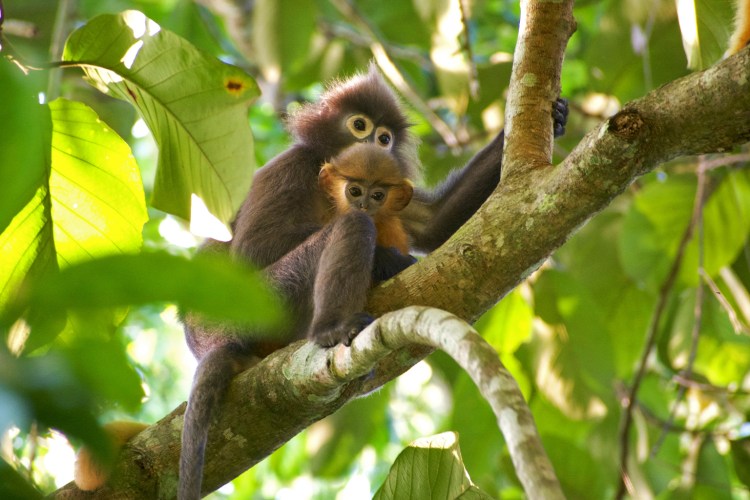
- Bangladesh is home to less than 500 Phayre’s langurs and 600 capped langurs in the rainforests in the country’s northeast.
- A recent study has unveiled a trend of hybridisation between Phayre’s langurs and capped langurs in Bangladesh, which are listed as critically endangered and endangered, respectively, by IUCN.
- Hybridisation is a vital indicator of ecological change, and researchers are raising serious concerns about the genetic health of the two species and their future existence in the wild.
- The study holds human activities such as deforestation, habitat fragmentation and hunting as some of the causes responsible for increasing the risk of hybridisation cases.
A recent study revealed a troubling trend among the wild monkey population in Bangladesh’s northeastern forests. The study, conducted by the German Primate Centre, unveiled a concerning tendency of hybridisation between Phayre’s langurs (Trachypithecus phayrei) and capped langurs (Trachypithecus pileatus), listed as critically endangered and endangered, respectively, within Bangladesh by IUCN.
This hybridisation of the endangered primates, which researchers of the study say is caused by habitat loss due to deforestation and other human interferences, could push them to extinction in a few generations.
“Bangladesh’s langur populations are small and isolated, limiting gene flow. This hybridisation in restricted populations heightens their extinction risk. Furthermore, our laws primarily protect pure langurs, leaving hybrids unprotected. If hybrids persist into future generations, we’ll face tough decisions about their role in our ecosystem,” Tanvir Ahmed, the study’s lead researcher, told Mongabay.
Monirul H. Khan, a professor at Jahangirnagar University’s Zoology Department, agreed with Tanvir and said that the significance of interbreeding is that these langurs don’t survive for a long time.
“They are usually born infertile. So the population of langur will gradually decrease,” he said.
The study, published in the International Journal of Primatology, recently found that out of 98 langur groups observed, eight comprised both Phayre’s and capped langurs.
“We analysed genetic samples of the species in the lab and confirmed one case of hybridisation. This langur had a capped langur mother and a Phayre’s langur father. Another female with a hybrid appearance showed signs of motherhood, indicating that at least female hybrids are fertile and give birth to young,” Tanvir said.
“The genetic characteristics of a distinct species tend to become most threatened when their hybrid females can reproduce. Fertile hybrid females threaten to bring the two species closer together as the offsprings begin to mix characteristics. That is exactly what could be happening to them,” he said.
The research shows that the ‘spectacled’ Phayre’s langurs and the capped langurs, with their distinctive shock of black fur on their heads, are under threat of losing their distinct genetic makeup to hybridisation.
Researchers conducted the study over five years, between 2018 and 2023, in six forests in northeastern Bangladesh — Lawachara National Park, Satchari National Park, Rema-Kalenga Wildlife Sanctuary, Rajkandi Reserve Forest, Patharia Hill Reserve Forest and Atora Hill Reserve Forest.
The study involved field surveys for 92 days between March 2018 and April 2019 and from July to December 2022, employing three trained local eco-guides to monitor the mixed-species groups until October 2023.
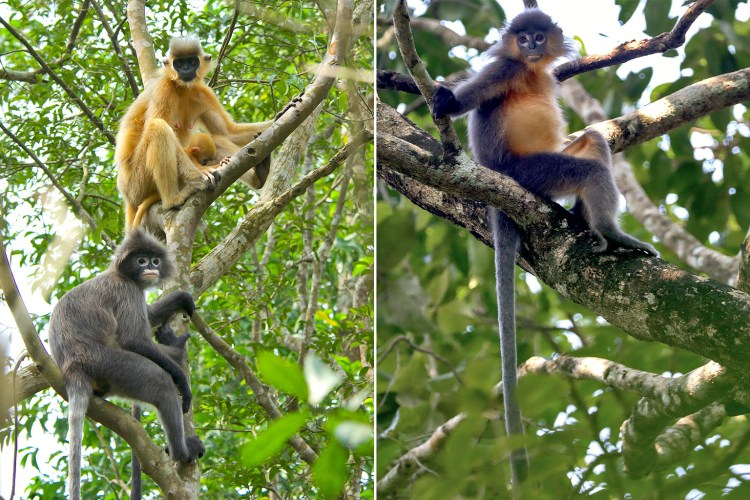 (Left) A mixed-species group of Phayre’s and capped langurs in Satchari National Park. (Right) A male hybrid of Phayre’s and capped langurs in Rema-Kalenga Wildlife Sanctuary. Image by Auritro Sattar. Images by Rasel Debbarma and Auritro Sattar.
Why hybridisation is a concern
The study shows that, although it’s relatively rare, hybridisation among primates is an escalating concern worldwide, often driven by habitat loss and fragmentation. It serves as a stark reminder of the significant impacts of human activity on biodiversity. The situation in Bangladesh gradually becoming more common emphasizes the urgent need for strong conservation efforts.
The study mentions how hybridisation is a vital indicator of ecological change, raising serious concerns about species’ genetic health. Tanvir added that this study is groundbreaking, as it documents the first hybridisation incidents among these langurs in Bangladesh and their entire distribution range.
Hybrids being fertile could lead to the extinction of the parent species. “Additionally, mixing species can enable the spread of diseases between previously unconnected populations, posing risks to both wildlife and human health, since these animals are often hunted and traded,” said Sabit Hasan, a researcher of the study.
The study blamed human activities such as palm oil deforestation, habitat fragmentation, hunting and trapping of primates as some of the causes that can increase the risk of such hybridisation.
“The existence of fertile hybrids is particularly alarming because it suggests that gene flow between these two endangered species could irreversibly affect their future genetic composition,” Tanvir said.
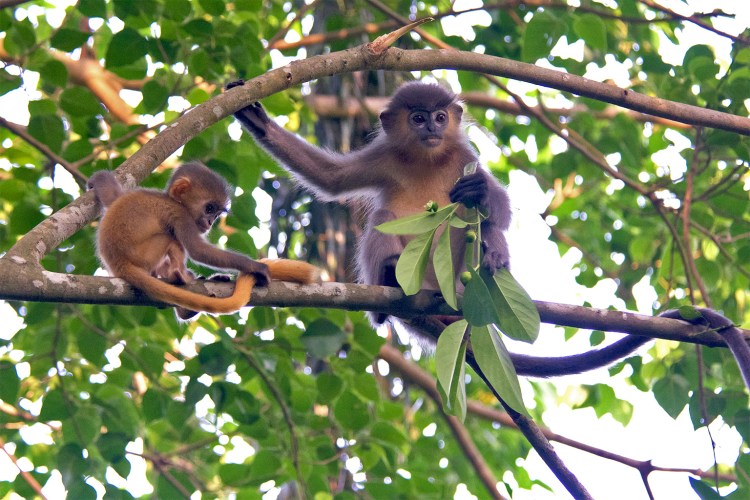 The genetically confirmed hybrid with its half-sibling feeding on fruits at Satchari National Park. Image by Harish Debbarma.
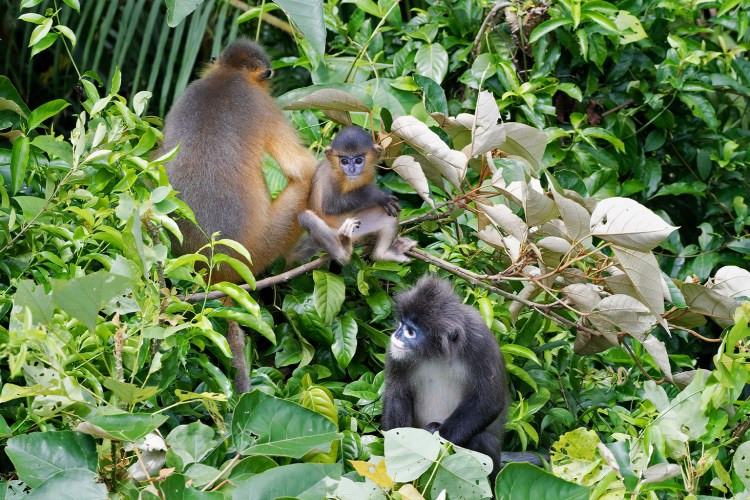 The genetically confirmed juvenile hybrid with its capped langur mother and Phayre’s langur father at Satchari National Park. Image by Mahmudul Bari.
Primates of Bangladesh
Ten of the 121 mammal species found in Bangladesh are primates. According to the hybridisation study, Bangladesh is home to less than 500 Phayre’s langurs and 600 capped langurs.
The Phayre’s langur has a brown to grey-brown back, white fur on its belly and face, and a “spectacled” appearance due to wide white rings around its eyes. Its face and extremities are black, and it has long hair on its head that points backward. Additionally, its tail is longer than its body and has a tuft of dark hair at the tip.
The capped langur is known for its distinctive crown of long, erect hairs on its head. It has a black face, grey to blackish-grey fur on top, and brownish-yellow or orange fur below, with the distal half of its tail being blackish.
The study suggested the government prioritize habitat preservation and create corridors to connect isolated primate populations, facilitating natural langur dispersal.
“If we don’t take action now, we risk losing not just two monkey species but also a vital part of Bangladesh’s biodiversity,” Tanvir said.
A juvenile hybrid with its Phayre’s langur father in Satchari National Park. Image by Rasel Debbarma.Banner image: The genetically confirmed hybrid (right) with its capped langur mother at Satchari National Park. Image by Harish Debbarma.
This article was originally published in Mongabay and was written by Mohammad Al-Masum Molla, read the original article. Republished under Creative Commons attribution licence. Research by Ahmed, T., Hasan, S., Nath, S., Biswas, S. … Roos, C. (2024). Mixed-Species Groups and Genetically Confirmed Hybridization Between Sympatric Phayre’s Langur (Trachypithecus phayrei) and Capped Langur (T. pileatus) in Northeast Bangladesh. International Journal of Primatology. doi:10.1007/s10764-024-00459-x
ENDS
Learn about other animals endangered by palm oil and other agriculture
GlobalSouth America S.E. Asia IndiaAfricaWest Papua & PNG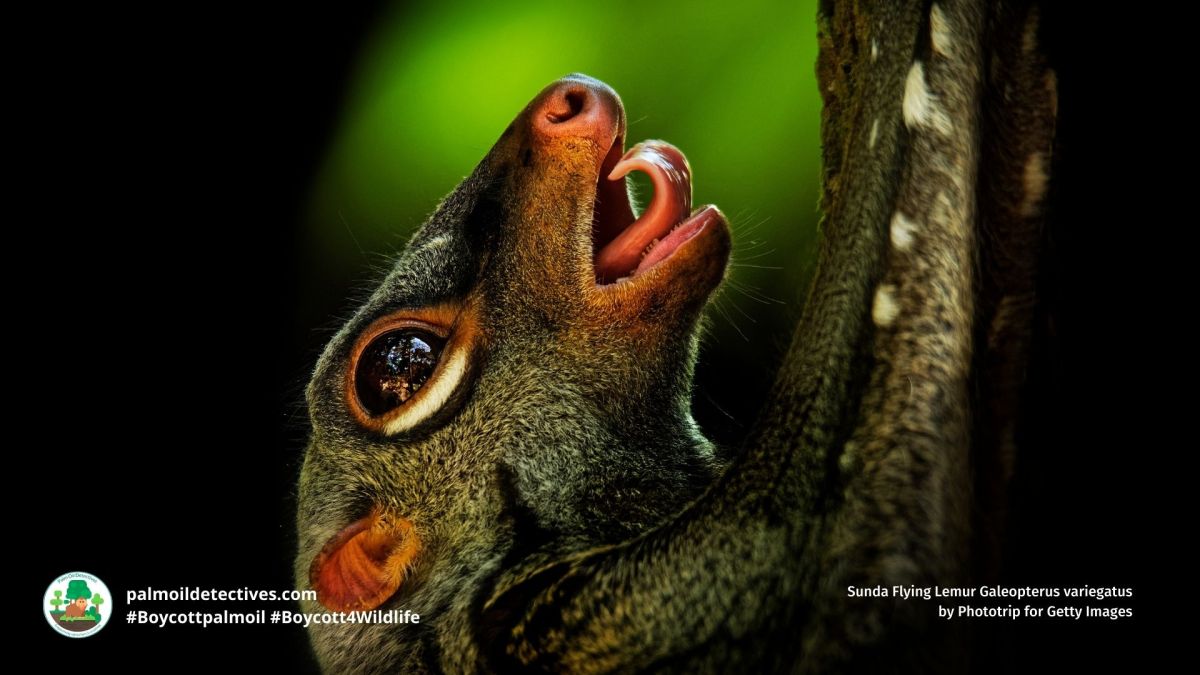
Sunda Flying Lemur Galeopterus variegatus
Keep reading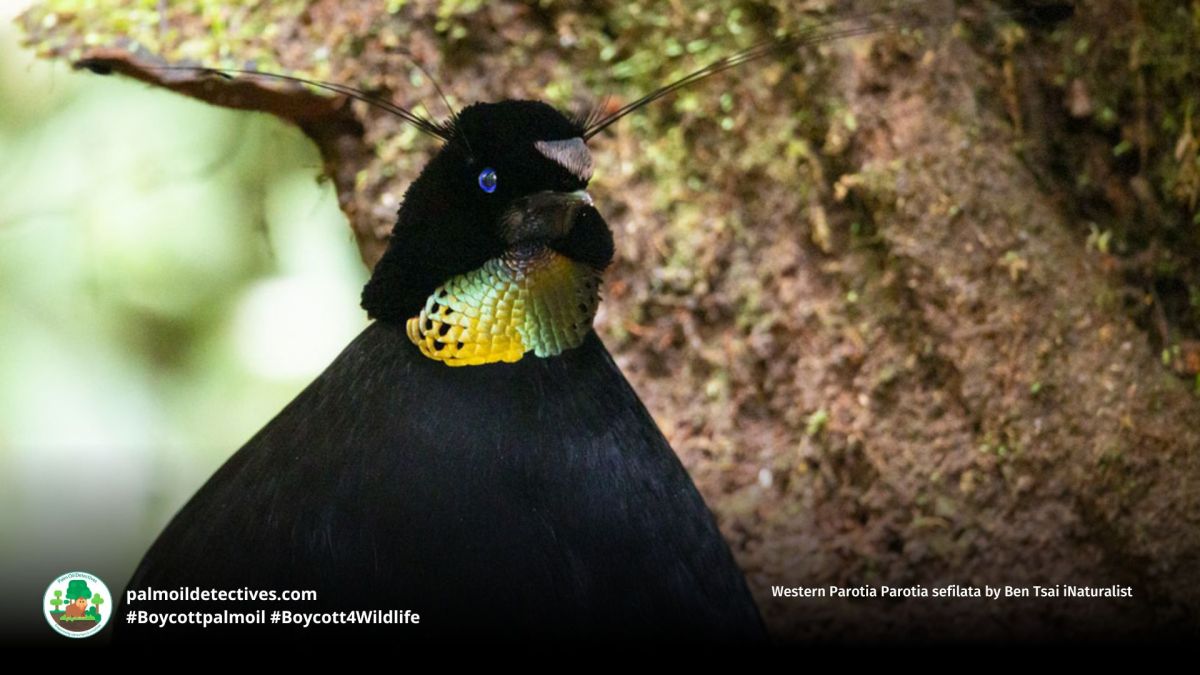
Western Parotia Parotia sefilata
Keep readingCapped Langur Trachypithecus pileatus
Keep readingMountain Tapir Tapirus pinchaque
Keep readingSaola Pseudoryx nghetinhensis
Keep readingTucuxi Sotalia fluviatilis
Keep readingLearn about “sustainable” palm oil greenwashing
Read more about RSPO greenwashing
Lying Fake labelsIndigenous Land-grabbingHuman rights abusesDeforestation Human health hazardsA 2019 World Health Organisation (WHO) report into the palm oil industry and RSPO finds extensive greenwashing of palm oil deforestation and the murder of endangered animals (i.e. biodiversity loss)
Read moreTake Action in Five Ways
1. Join the #Boycott4Wildlife on social media and subscribe to stay in the loop: Share posts from this website to your own network on Twitter, Mastadon, Instagram, Facebook and Youtube using the hashtags #Boycottpalmoil #Boycott4Wildlife.
Enter your email address
Sign Up
Join 3,177 other subscribers2. Contribute stories: Academics, conservationists, scientists, indigenous rights advocates and animal rights advocates working to expose the corruption of the palm oil industry or to save animals can contribute stories to the website.
Wildlife Artist Juanchi Pérez
Read moreMel Lumby: Dedicated Devotee to Borneo’s Living Beings
Read moreAnthropologist and Author Dr Sophie Chao
Read moreHealth Physician Dr Evan Allen
Read moreThe World’s Most Loved Cup: A Social, Ethical & Environmental History of Coffee by Aviary Doert
Read moreHow do we stop the world’s ecosystems from going into a death spiral? A #SteadyState Economy
Read more3. Supermarket sleuthing: Next time you’re in the supermarket, take photos of products containing palm oil. Share these to social media along with the hashtags to call out the greenwashing and ecocide of the brands who use palm oil. You can also take photos of palm oil free products and congratulate brands when they go palm oil free.
https://twitter.com/CuriousApe4/status/1526136783557529600?s=20
https://twitter.com/PhillDixon1/status/1749010345555788144?s=20
https://twitter.com/mugabe139/status/1678027567977078784?s=20
4. Take to the streets: Get in touch with Palm Oil Detectives to find out more.
5. Donate: Make a one-off or monthly donation to Palm Oil Detectives as a way of saying thank you and to help pay for ongoing running costs of the website and social media campaigns. Donate here
Pledge your support #animalBehaviour #AnimalBiodiversityNews #animalExtinction #animalRights #animals #Bangladesh #biodiversity #Boycott4wildlife #BoycottPalmOil #CappedLangur #CappedLangurTrachypithecusPileatus #deforestation #hunting #India #langur #Langurs #monkey #monkeys #PalmOil #palmOilDeforestation #palmoil #PhayreSLeafMonkeyTrachypithecusPhayrei #Primate #research #species #timber #veganDo you love animals? Make every day #WorldWildlifeDay
This #WorldWildlifeDay, please remember the wild animals you love who are running out of time and land to live on. Research recently found that converting partly logged areas into palm oil plantations sounds the death knell for that ecosystem. Across the globe, from Indonesia to Brazil and Nigeria, vibrant rainforests and animals like reptiles and insects are under threat from palm oil, timber, and meat. This ecocide leaves majestic animals struggling to survive against chainsaws, bulldozers, pesticides and destruction for palm oil and meat agriculture. A multi-billion dollar industry has grown up around legitimising palm oil and meat ecocide, primarily through the RSPO but also other greenwashing schemes as well. Read on to discover more and how you can shine a light on the lives of elusive animals.
This #WorldWildlifeDay take action for #animals great and small 🦋🐦🐘🐒🐍 because #reptiles #insects #mammals and #birds deserve better than #palmoil ecocide and #extinction! When you shop always #Boycottpalmoil #Boycott4Wildlife @palmoildetect https://wp.me/pcFhgU-iMO
Share to BlueSkyShare to Twitter#Palmoil and #meat #agriculture 🥩💀 are some of the biggest threats to wild #animals and farmed animals. This #WorldWildlifeDay and every single day, make sure fight for them and go #vegan 🥕🍆🍅 #BoycottPalmOil 🌴🩸☠️🧐⛔️ and #Boycott4Wildlife https://wp.me/pcFhgU-iMO
Share to BlueSkyShare to TwitterProtecting Sumatra’s last remaining tigers
The Sumatran tiger is teetering on the brink of extinction. Recent findings underscore the urgency of protecting the last remaining populations of these majestic apex predators. Deforestation for palm oil and illegal poaching are wiping out their homes. In the Ulu Masen Ecosystem, a recent study detected only 11 tigers, highlighting severe population stress from snares and habitat loss. Without immediate action, they face the same tragic fate as the extinct Javan and Balinese tigers. Strict global rainforest laws, enforcement of anti-poaching units, and a consumer boycott of palm oil hold the key to protecting Sumatra’s last living tigers.
Animals of Tesso Nilo in Sumatra are vanishing
Tesso Nilo National Park in Sumatra has lost an alarming 78% of primary forest between 2009 and 2023. The primary driver of this devastation is the expansion of illegal palm oil plantations. This rampant deforestation threatens the homes of critically endangered species like tigers, orangutans, and elephants. When palm oil companies build roads, they increase accessibility for poachers, further endangering the animals who live there. Advocating for indigenous-led conservation efforts and adopting a plant-based lifestyle are vital steps to protect these ecosystems.
https://www.youtube.com/watch?v=z7FUBg_AqjA
56% of ‘data deficient’ species on the Red List are endangered
The destruction of wild ecosystems continues to push thousands of obscure species towards extinction finds a study by Norwegian University of Science and Technology. Researchers used advanced machine learning algorithms to assess the survival probability of thousands of under-researched animals, predicts that a staggering fifty-six percent of all “data deficient” species are currently threatened with extinction. 85% of unassessed amphibians face immediate existential threats, primarily driven by anthropogenic habitat degradation such as the unchecked expansion of palm oil plantations, meat agriculture, mining and timber logging. Right now is the time to fight for all life and reject products linked to ecocide. Always remember them and share out their posts! Start here on the forgotten animals page.
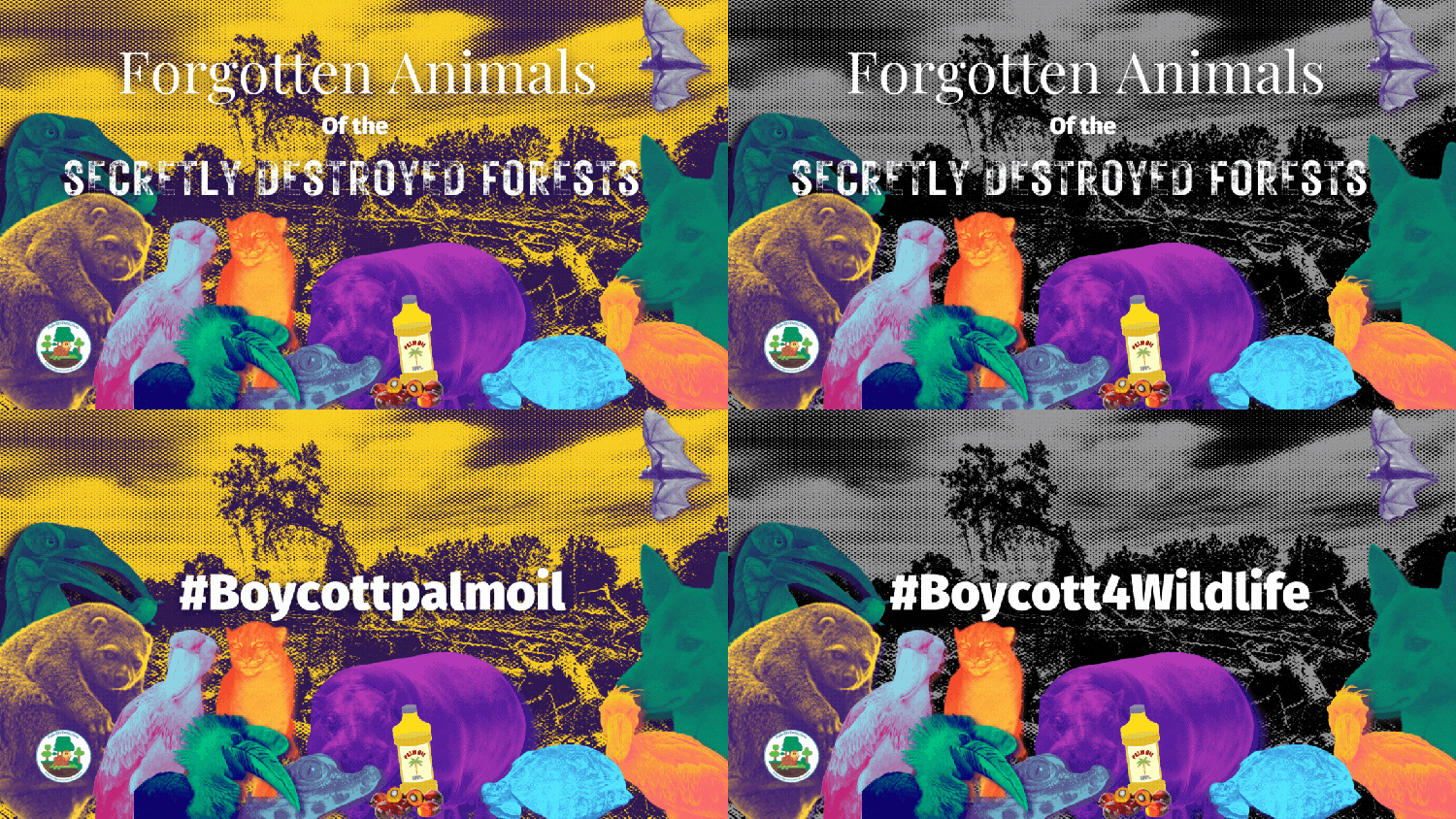 These are the forgotten animals of the secretly destroyed forests
Sumatran elephants trapped by endless palm oil
In Indonesia’s North Aceh district, Sumatran elephants find themselves increasingly encircled by shrinking patches of forest, hemmed in all all sides by massive palm oil expansion. Just 924 to 1,360 individual Sumatran elephants remain alive. They are trapped in dead lands, surrounded by the very industry that is eradicating their food sources. Ongoing attempts by researchers to measure their populations have been hampered by the Indonesian government, which attempts to hide the truth from the media. Boycott palm oil when you shop to protect these irreplaceable beings.
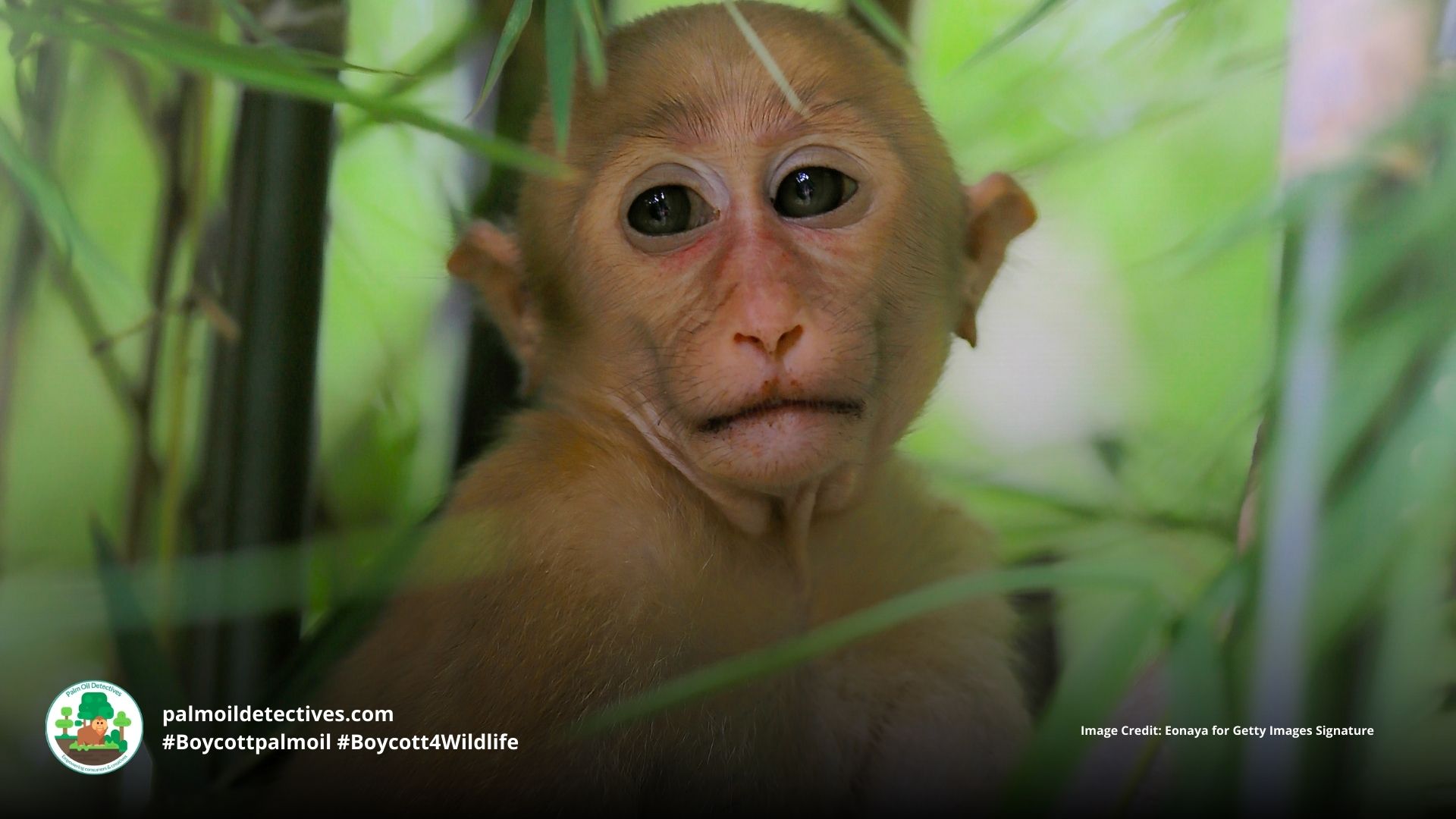
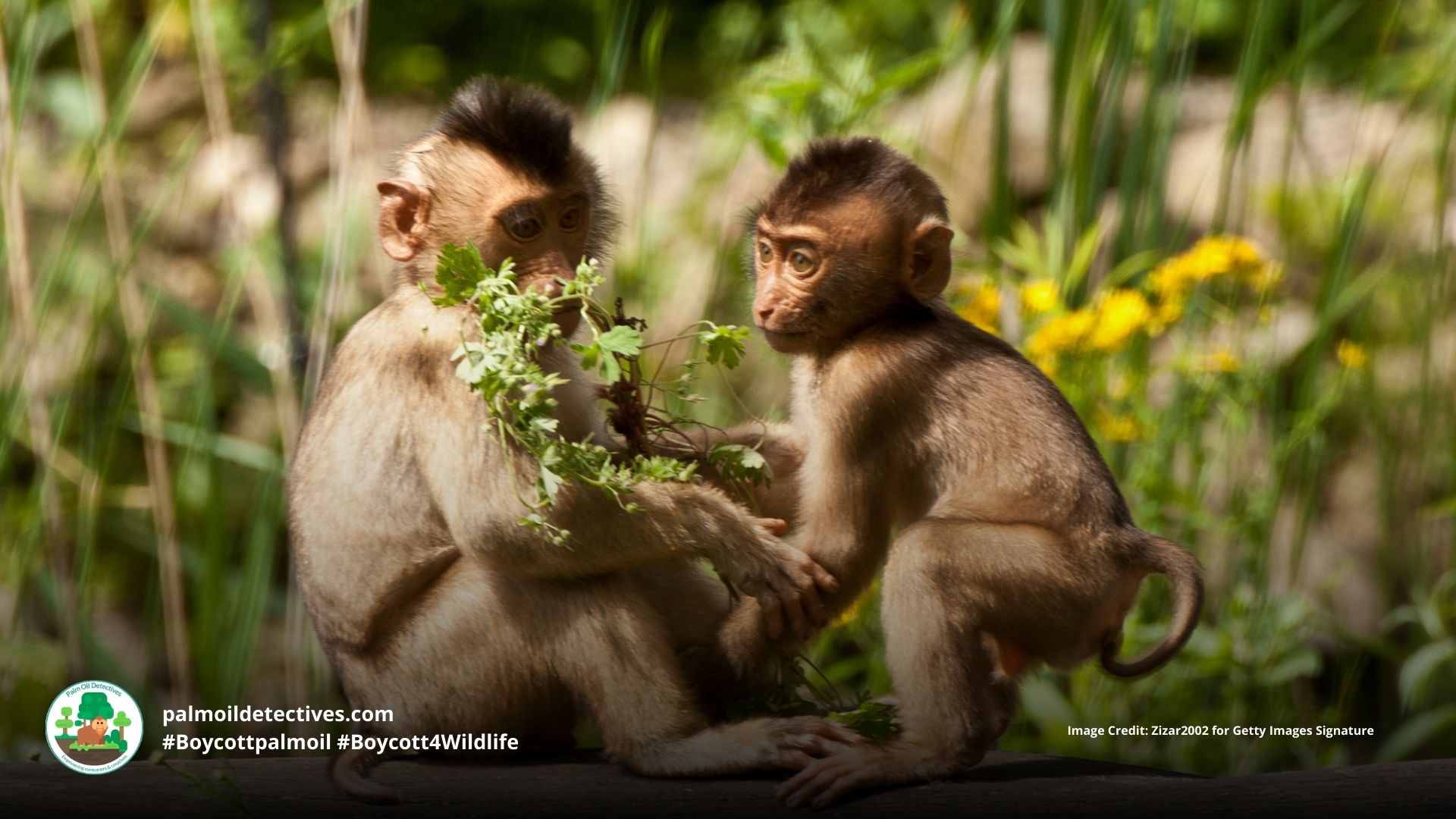
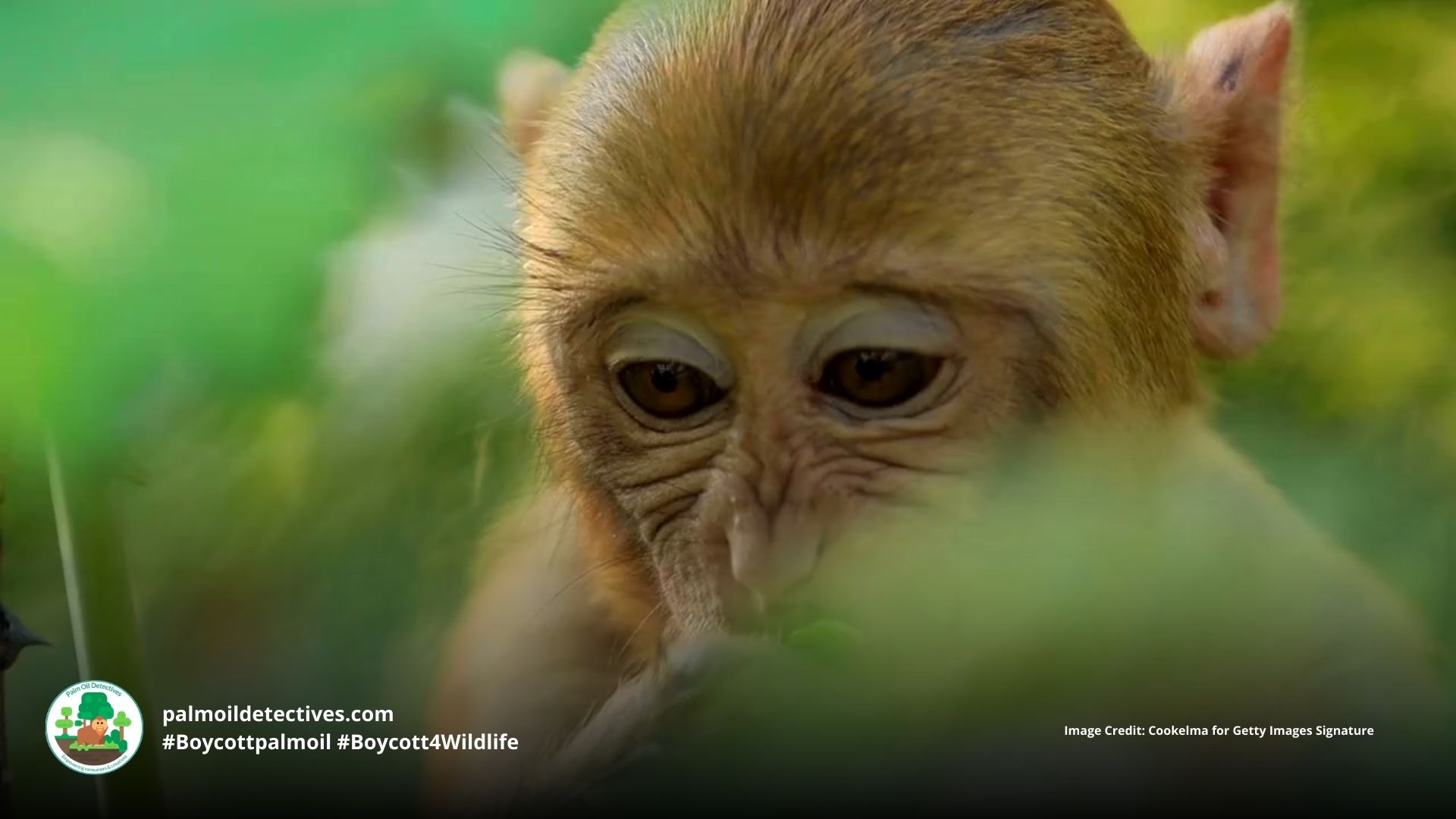
Toxic palm oil pesticides are killing baby macaques
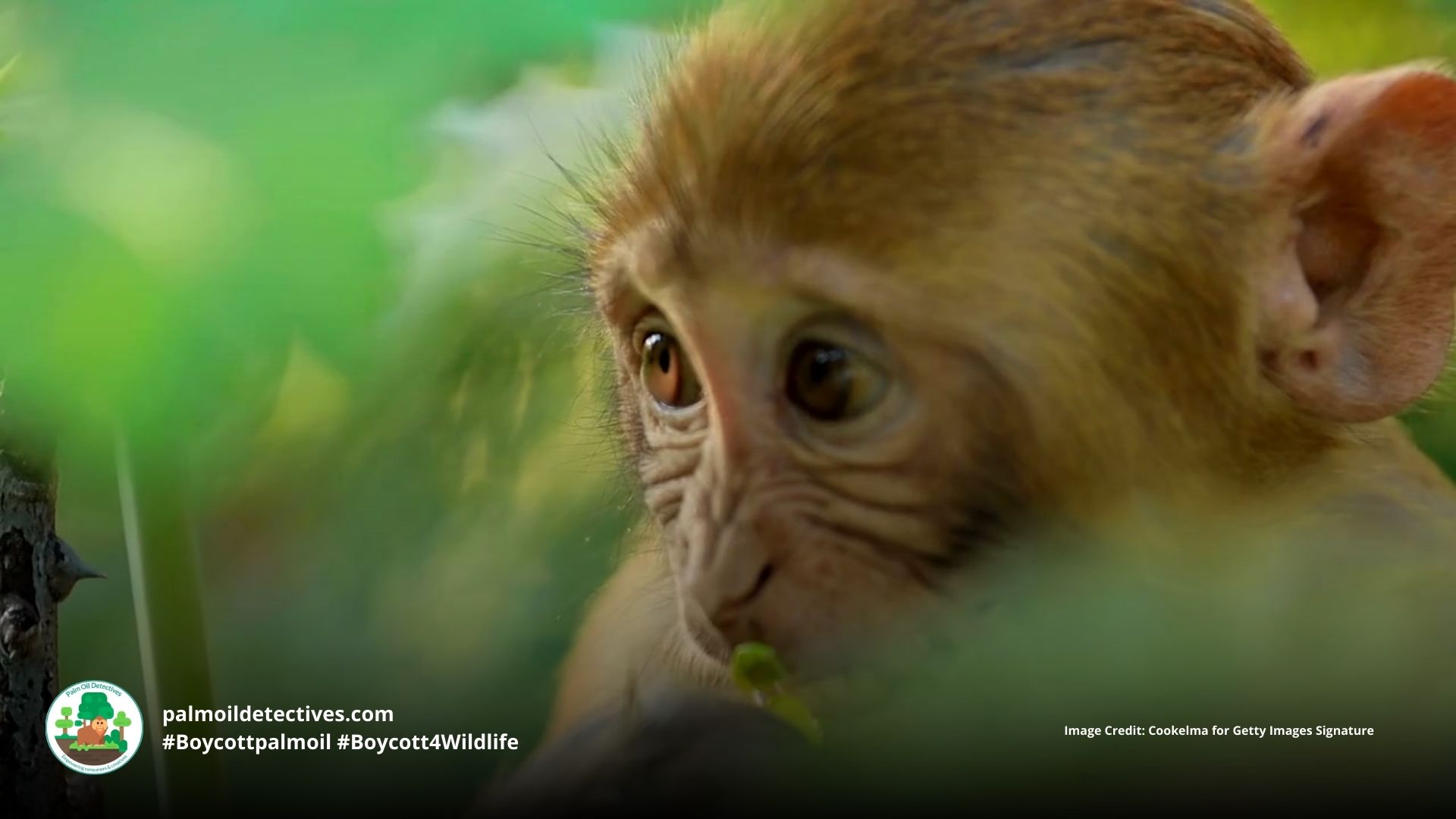
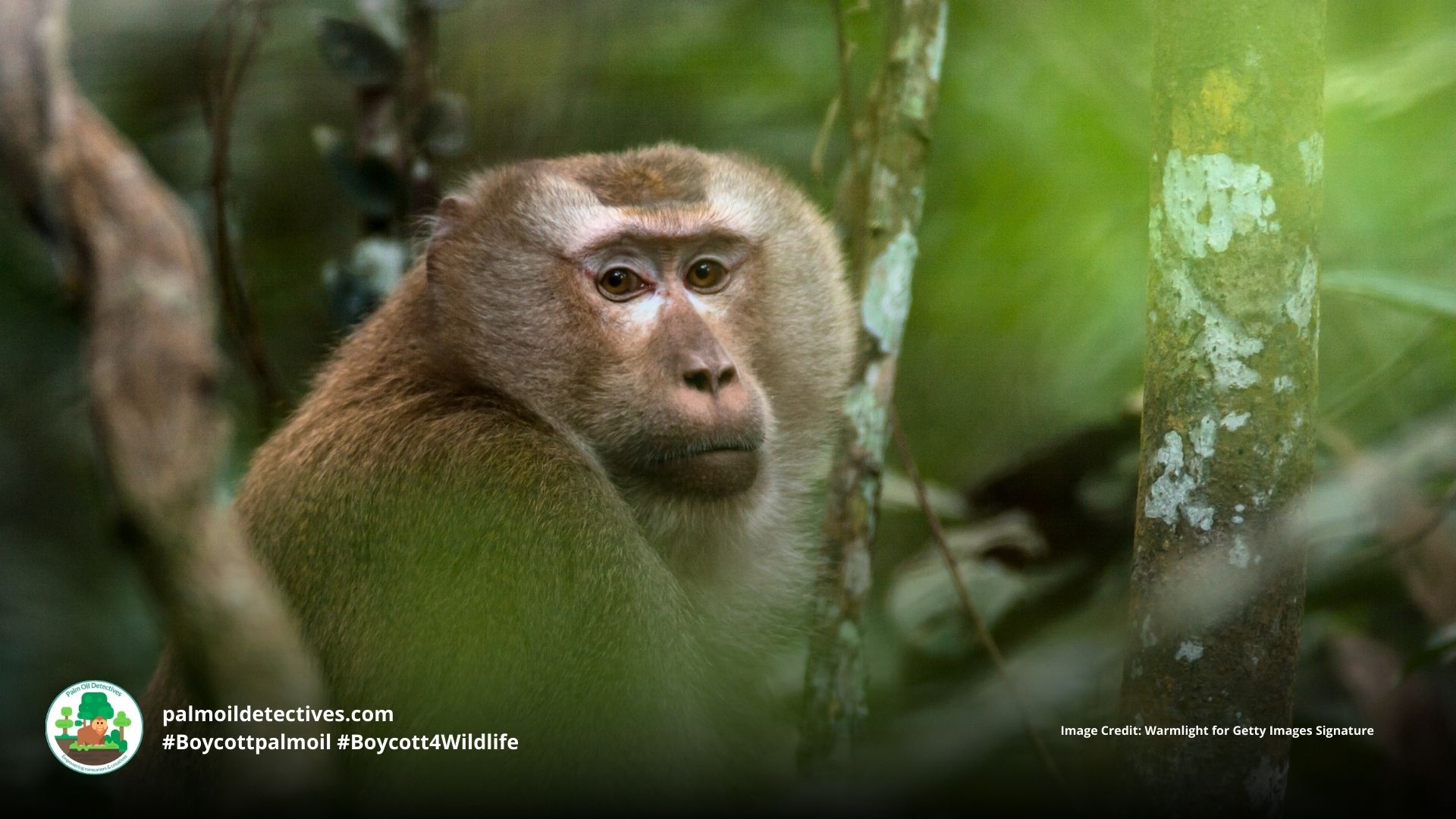
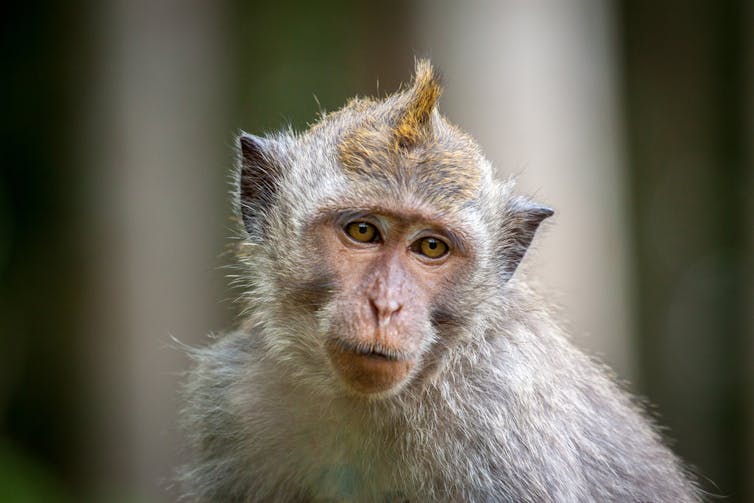
In Peninsular Malaysia, infant southern pig-tailed macaques are dying at alarmingly high rates due to palm oil plantations. A recent study found that agricultural chemicals and pesticides cross the placental barrier of unborn macaques, impacting their development. Prolonged exposure to these toxic plantations during infancy makes baby macaques three times more likely to die. These intelligent primates face increased risks from predators, human encounters, and poisons. Take action and boycott palm oil to protect these precious infants.
The fight for the lives of Wondiwoi tree kangaroos
The Wondiwoi tree kangaroo is the world’s most endangered kangaroo. Rediscovered in 2018 in West Papua’s lush forests, these rare animals have beautiful soulful eyes and burnt umber fur. Tragically, fewer than 50 of them remain alive. They face severe threats from hunting and palm oil deforestation. Protecting them requires urgent conservation efforts that prioritise indigenous sovereignty. You can help save these remarkable creatures by refusing to buy products with palm oil that destroy their homes.

Nigeria’s forest elephants face extinction
African forest elephants in Nigeria have seen their numbers decline massively in recent years. The main cause is human activity, specifically logging, cocoa agriculture, and palm oil plantations. These industries threaten their survival by destroying their natural habitat. As a result, fragmented elephant populations are highly vulnerable to poachers and retaliatory killings by farmers. We must halt the expansion of palm oil to secure a safe future for these majestic animals.
The deadly green lie of “sustainable” palm oil
For decades, the palm oil industry has misled consumers with the false promise of “sustainable” palm oil. Industry watchdogs have repeatedly exposed the RSPO’s certification as a multi-stakeholder sham. Behind this green façade lies a brutal reality of deforestation, human rights abuses, and the destruction of endangered species’ habitats. There is no such thing as sustainable palm oil. We must not fall for their corporate greenwashing.
https://www.youtube.com/watch?v=eG8V-Cmj4Es
Take action to protect rainforest animals
By holding to account the powerful corporations that control the world, we have the power to fight back against this ecocide. Here is how you can stand up for rainforest animals, farmed animals, indigenous people, and rainforests:
Make powerful lifestyle changes
The most impactful thing you can do is go plant-based in your diet. Boycott meat, boycott palm oil, and boycott dairy. These industries are the leading causes of global deforestation and animal cruelty.
Supermarket sleuthing
Next time you are in the supermarket, take photos of products containing palm oil. Share these on social media to call out the greenwashing and ecocide of the brands who use it. Congratulate brands when they go completely palm oil-free.
Join the #Boycott4Wildlife movement
Follow and join the Boycott4Wildlife movement on this website and social media. Share stories on BlueSky, Mastodon, Twitter and YouTube using the hashtags #Boycottpalmoil and #Boycott4Wildlife to be part of it!
Support indigenous sovereignty and agroecology
A viable path forward is to champion indigenous-led agroecology. Indigenous peoples possess the deep ecological knowledge required to protect forests and the intricate web of life that includes insects, birds, mammals and reptiles. Stand strongly with indigenous land defenders to protect what remains of the wild.
Learn about other animals endangered by palm oil and other agriculture
GlobalSouth America S.E. AsiaIndiaAfricaWest Papua & PNG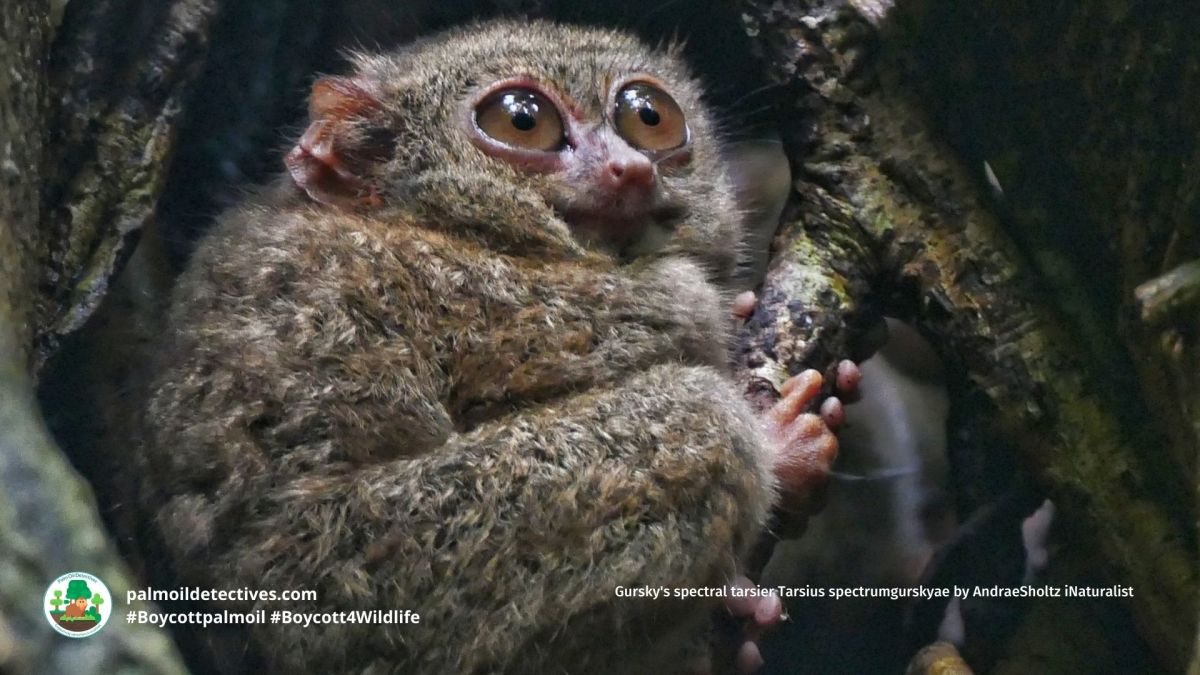
Gursky’s Spectral Tarsier Tarsius spectrumgurskyae
Keep readingSunda Flying Lemur Galeopterus variegatus
Keep readingWestern Parotia Parotia sefilata
Keep readingCapped Langur Trachypithecus pileatus
Keep readingMountain Tapir Tapirus pinchaque
Keep readingSaola Pseudoryx nghetinhensis
Keep readingLearn about “sustainable” palm oil greenwashing
Read more about RSPO greenwashing
Lying Fake labelsIndigenous Land-grabbingHuman rights abusesDeforestation Human health hazardsA 2019 World Health Organisation (WHO) report into the palm oil industry and RSPO finds extensive greenwashing of palm oil deforestation and the murder of endangered animals (i.e. biodiversity loss)
Read moreTake Action in Five Ways
1. Join the #Boycott4Wildlife on social media and subscribe to stay in the loop: Share posts from this website to your own network on Twitter, Mastadon, Instagram, Facebook and Youtube using the hashtags #Boycottpalmoil #Boycott4Wildlife.
Enter your email address
Sign Up
Join 3,179 other subscribers2. Contribute stories: Academics, conservationists, scientists, indigenous rights advocates and animal rights advocates working to expose the corruption of the palm oil industry or to save animals can contribute stories to the website.
Wildlife Artist Juanchi Pérez
Read moreMel Lumby: Dedicated Devotee to Borneo’s Living Beings
Read moreAnthropologist and Author Dr Sophie Chao
Read moreHealth Physician Dr Evan Allen
Read moreThe World’s Most Loved Cup: A Social, Ethical & Environmental History of Coffee by Aviary Doert
Read moreHow do we stop the world’s ecosystems from going into a death spiral? A #SteadyState Economy
Read more3. Supermarket sleuthing: Next time you’re in the supermarket, take photos of products containing palm oil. Share these to social media along with the hashtags to call out the greenwashing and ecocide of the brands who use palm oil. You can also take photos of palm oil free products and congratulate brands when they go palm oil free.
https://twitter.com/CuriousApe4/status/1526136783557529600?s=20
https://twitter.com/PhillDixon1/status/1749010345555788144?s=20
https://twitter.com/mugabe139/status/1678027567977078784?s=20
4. Take to the streets: Get in touch with Palm Oil Detectives to find out more.
5. Donate: Make a one-off or monthly donation to Palm Oil Detectives as a way of saying thank you and to help pay for ongoing running costs of the website and social media campaigns. Donate here
Pledge your support #animalBehaviour #AnimalBiodiversityNews #animalCommunication #animalCruelty #animalExtinction #animalIntelligence #animalRights #biodiversity #Boycott4wildlife #BoycottPalmOil #deforestation #PalmOil #palmOilDeforestationMarsupials thought extinct for 6,000 years found in West Papua
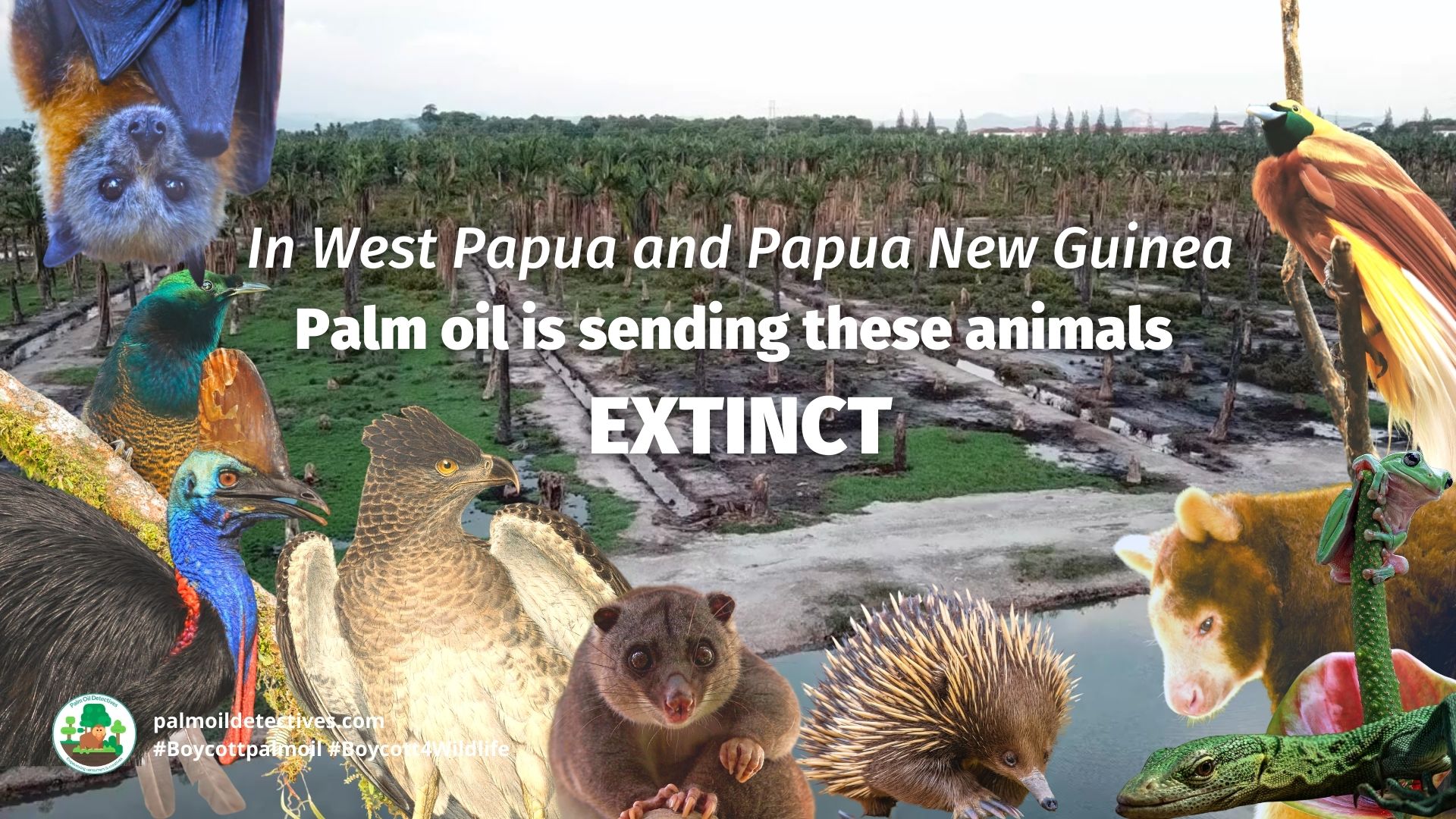
In an astonishing discovery, two marsupial species believed to be extinct for 6,000 years have been rediscovered alive and well in the remote rainforests of West Papua. The pygmy long-fingered possum and the ring-tailed glider were located with the crucial assistance of local indigenous Vogelkop clans. However, their survival remains precarious as their habitats are increasingly threatened by logging and the expansion of the palm oil colonialism in West Papua. Laws and native title to protect this region is essential for indigenous land defenders. We musn’t let them disappear again #BoycottPalmOil #Boycott4Wildlife
Two #extinct #marsupials in #WestPapua found alive! The #marsupials highlight the need to protect #Papuan forests or they are gone for good! Resist for them and #BoycottPalmOil #Boycott4Wildlife when you shop 🌴🙊🔥☠️🚫 @palmoildetect #Boycott4Wildlife https://wp.me/pcFhgU-iOH
Share to BlueSkyShare to TwitterTwo #possums thought extinct for 6000 years are alive in #WestPapua! The pygmy #possum and sacred ring-tailed #glider are #nature’s battlers who deserve a break from #palmoil ecocide. Stand with #indigenous defenders against palm oil #colonialism! 🌴🚫 @palmoildetect #BoycottPalmOil https://wp.me/pcFhgU-iOH
Share to BlueSkyShare to Twitter
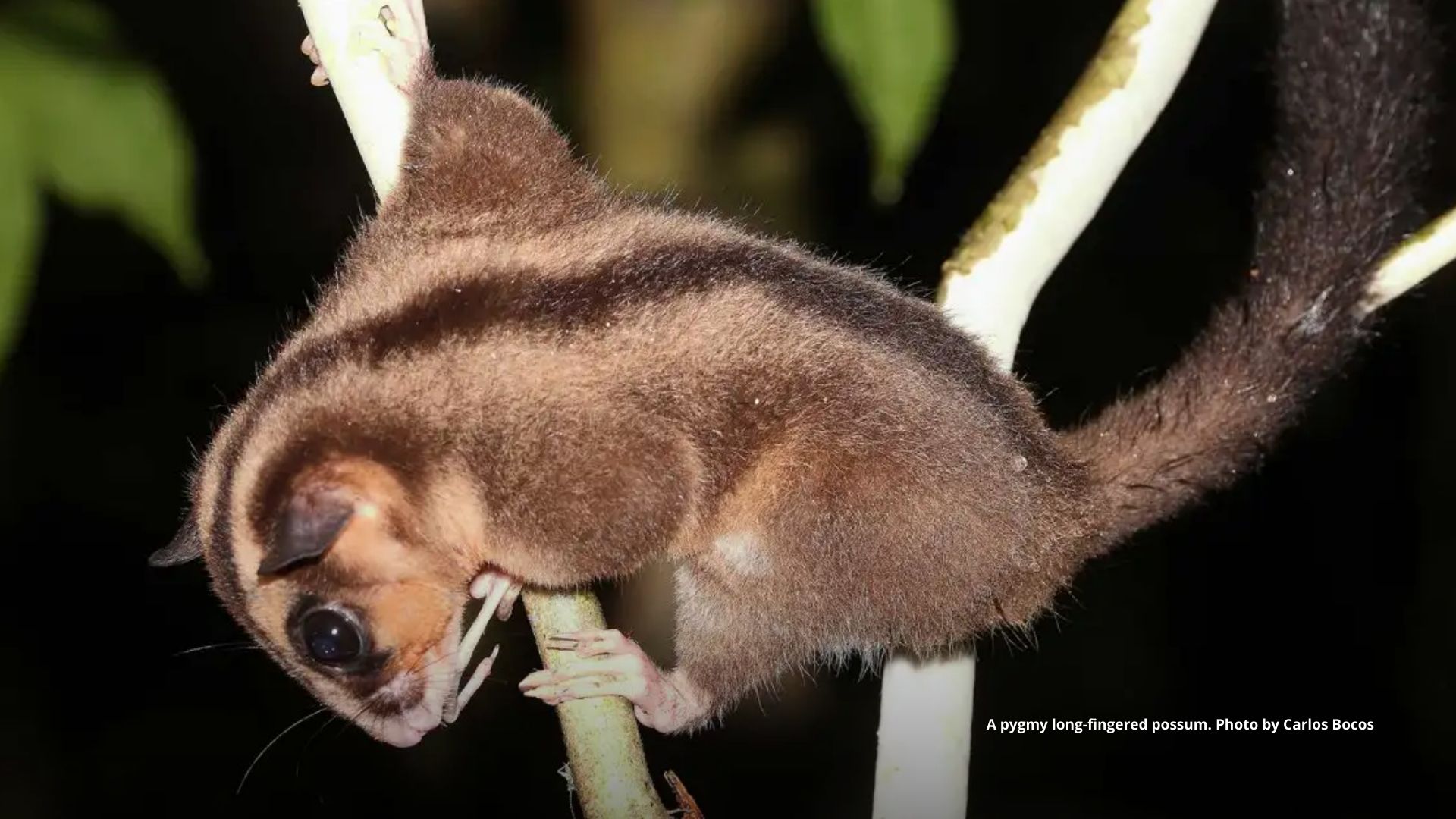
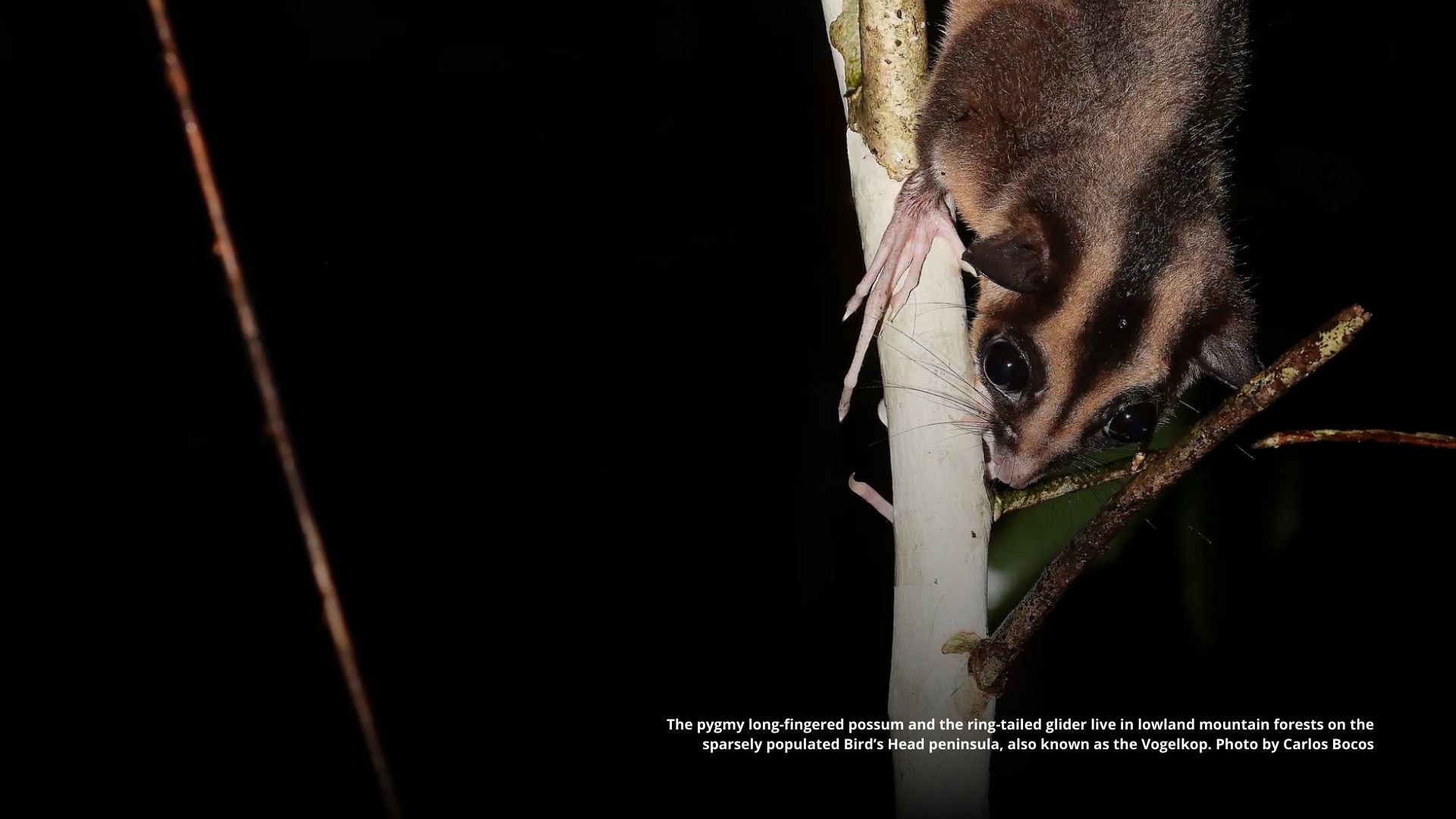
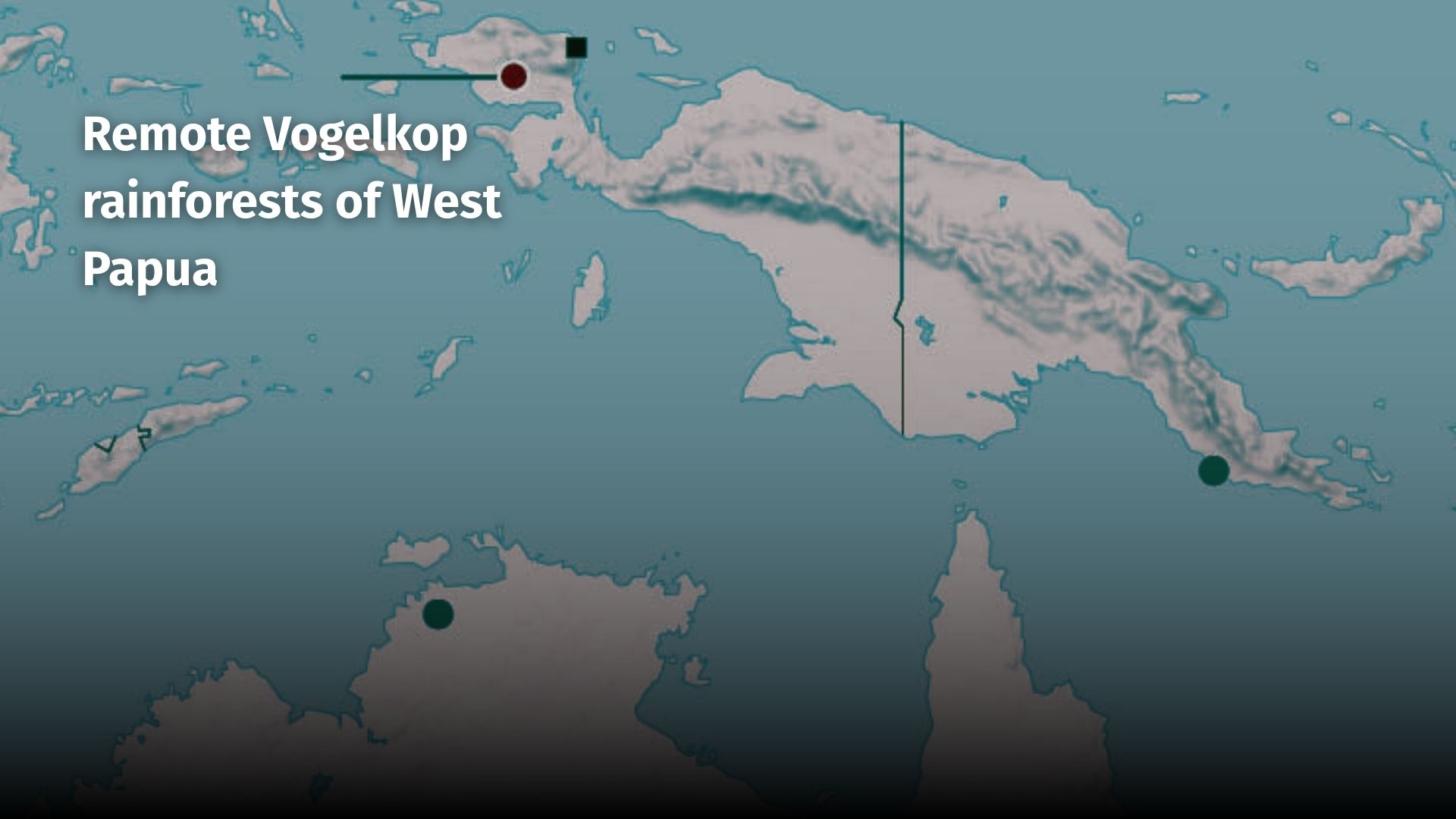
Two extraordinarily rare marsupials, entirely believed to have been extinct for over six thousand years, have been discovered alive in the remote, Vogelkop mountain forests of the Bird’s Head peninsula in West Papua. This remarkable rediscovery of the pygmy long-fingered possum and the ring-tailed glider was confirmed by Australian scientist Professor Tim Flannery, alongside a team of local indigenous experts and university researchers.
“More important than finding a living thylacine in Tasmania.”
Scott Hucknull from Central Queensland University describes the magnitude of the discovery.
These species are rare examples of “Lazarus taxa”. Animals who disappear from the fossil record only to be found alive centuries later. Flannery noted that the likelihood of finding even one lost mammal was almost zero, let alone two.
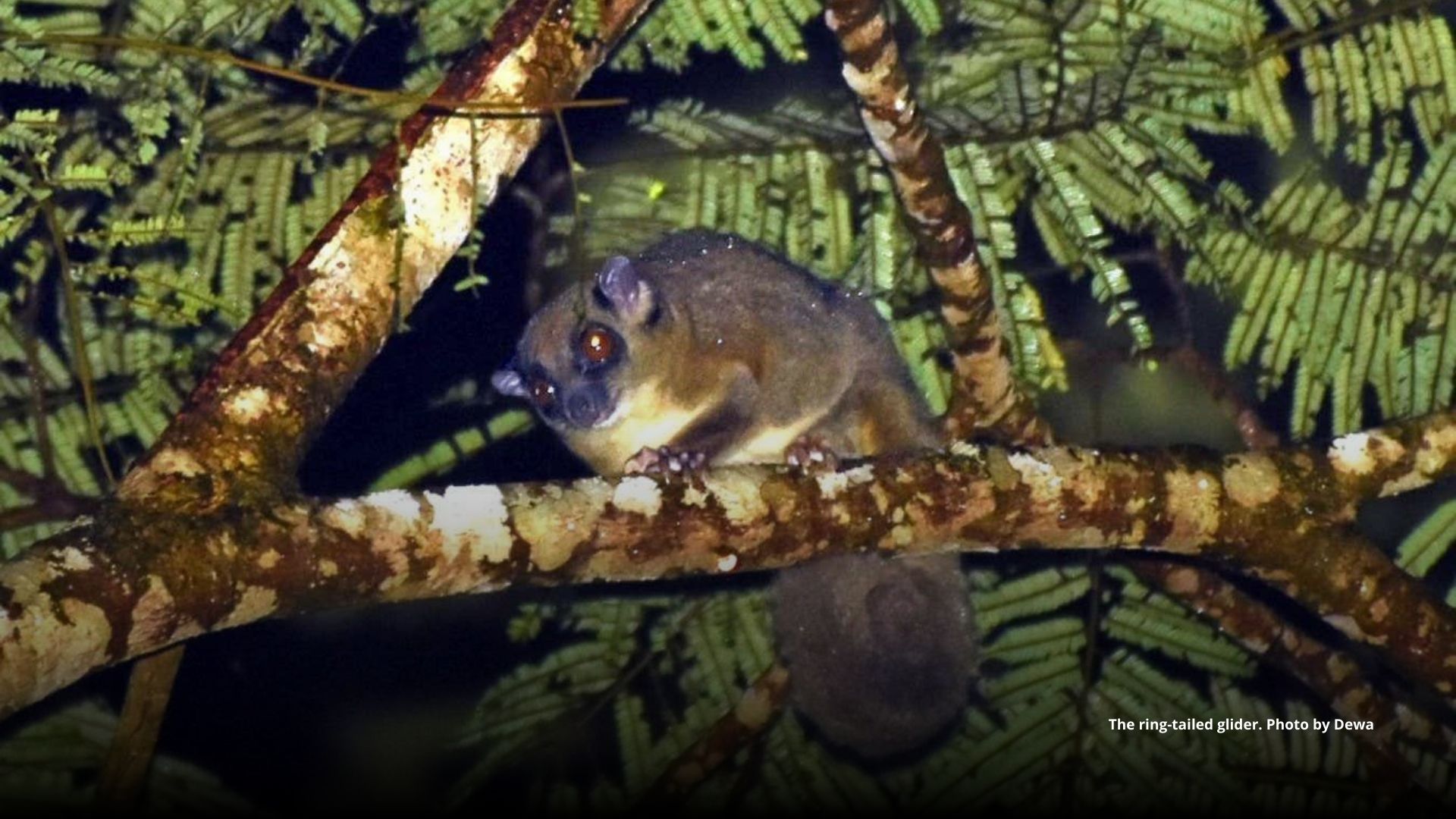
“It’s unprecedented and groundbreaking, really, to find two Lazarus taxa,” Flannery says. “We’ve been able to finalise two pieces of work that are incredibly important from a biological and a conservation perspective, documenting the existence of rare marsupials in an area under threat. It’s sort of a crowning glory in my career as a biologist.”
The first of the resurrected species is the pygmy long-fingered possum, Dactylonax kambuayai. This tiny, striped marsupial possesses an extraordinary evolutionary trait: an elongated fourth finger on each hand that is double the length of other digits. Flannery explains that they use this finger to extract grubs from timber.
“They’ve got a whole lot of specialisations in their ear region as well, which seem to be related to detection of low-frequency sound. So presumably they’re listening for wood-boring beetle larvae, and they then rip open the rotting wood and use that finger to fish out the grub,” Flannery says.
The second species, the ring-tailed glider (Tous ayamaruensis), features unfurred ears and a strong, prehensile tail used for gripping branches. Flannery calls it “one of the most photogenic animals, most beautiful marsupials you’ll ever see.”
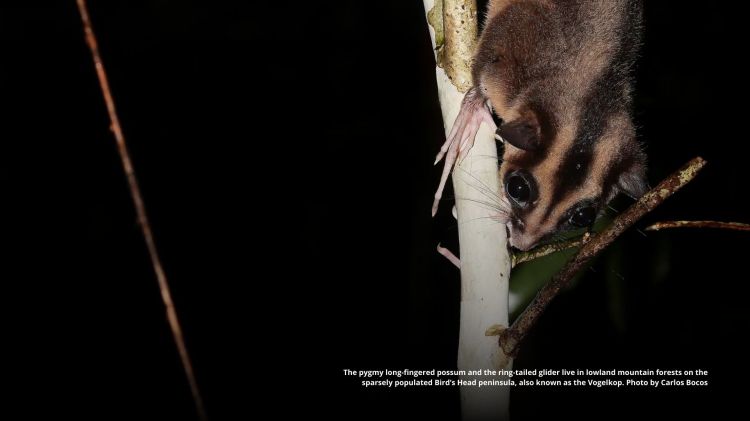
Crucially, the rediscovery of these elusive creatures was entirely dependent on the profound ecological knowledge of the local Tambrauw and Maybrat clans. These indigenous communities view the ring-tailed glider as deeply sacred, believing them to be manifestations of their ancestors’ spirits, and actively protect them from hunting. Rika Korain, a Maybrat woman and co-author of the research, emphasised that identifying the species relied entirely on traditional owners. “This connection has been essential,” she says.
“I’m very proud that Papuan researchers contributed to these landmark discoveries, and want to thank the people of the Misool, Maybrat and Tambrouw regions who supported us in the field,”
Dr Aksamina Yohanita of the University of Papua said.
“The Vogelkop is an ancient piece of the Australian continent that has become incorporated into the island of New Guinea. Its forests may shelter yet more hidden relics of a past Australia,”
Tim Flannery
To protect the remaining populations from the illegal wildlife trade, researchers are keeping their exact locations highly classified. Flannery delivered a stark warning to potential poachers regarding the animals’ survival in captivity: “They would be incredibly difficult to keep in captivity. because their diet is so highly specialised. Advanced warning for anyone who’s thinking of keeping one as a pet: it won’t live long,” he says.
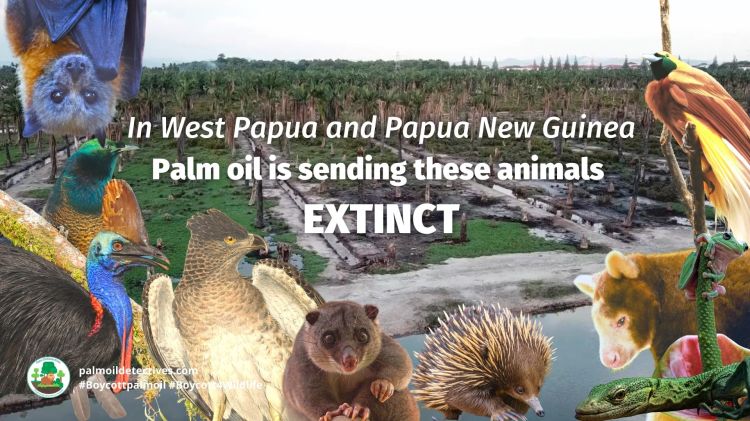
While their rediscovery is a triumph, their future is highly uncertain. The proximity of power-hungry corporates intent on razing the rainforest for palm oil and timber casts a dark shadow over the region.
David Lindenmayer, an ecologist at the Australian National University, who was not involved in the study said “I am also hugely concerned about the extent of logging and land clearing happening in New Guinea,” he says. “It also makes me wonder what might have been lost in Australia as a result of all of the land clearing that has taken place here.”
The findings underline strong calls from scientists, environmentalists and indigenous rights advocates for Native Title legal land rights and indigenous-led protections of West Papua and its imperilled Vogelkop rainforest where these delightful marsupials are found.
Further information
Lam, L. (2026, March 6). Tiny possum and glider thought extinct for 6,000 years found in remote West Papua. BBC News. https://www.bbc.co.uk/news/articles/cwyg6p8g6yjo
Morton, A. (2026, March 6). Marsupials previously thought extinct for millennia discovered in New Guinea. The Guardian. https://www.theguardian.com/environment/2026/mar/05/marsupials-discovered-new-guinea
Woodford, J. (2026, March 5). Two marsupials believed extinct for 6000 years found alive. New Scientist. https://www.newscientist.com/article/2518082-two-marsupials-believed-extinct-for-6000-years-found-alive/
ENDS
Learn about other animals endangered by palm oil and other agriculture
GlobalSouth America S.E. AsiaIndiaAfricaWest Papua & PNGGursky’s Spectral Tarsier Tarsius spectrumgurskyae
Keep readingSunda Flying Lemur Galeopterus variegatus
Keep readingWestern Parotia Parotia sefilata
Keep readingCapped Langur Trachypithecus pileatus
Keep readingMountain Tapir Tapirus pinchaque
Keep readingSaola Pseudoryx nghetinhensis
Keep readingLearn about “sustainable” palm oil greenwashing
Read more about RSPO greenwashing
Lying Fake labelsIndigenous Land-grabbingHuman rights abusesDeforestation Human health hazardsA 2019 World Health Organisation (WHO) report into the palm oil industry and RSPO finds extensive greenwashing of palm oil deforestation and the murder of endangered animals (i.e. biodiversity loss)
Read moreTake Action in Five Ways
1. Join the #Boycott4Wildlife on social media and subscribe to stay in the loop: Share posts from this website to your own network on Twitter, Mastadon, Instagram, Facebook and Youtube using the hashtags #Boycottpalmoil #Boycott4Wildlife.
Enter your email address
Sign Up
Join 3,179 other subscribers2. Contribute stories: Academics, conservationists, scientists, indigenous rights advocates and animal rights advocates working to expose the corruption of the palm oil industry or to save animals can contribute stories to the website.
Wildlife Artist Juanchi Pérez
Read moreMel Lumby: Dedicated Devotee to Borneo’s Living Beings
Read moreAnthropologist and Author Dr Sophie Chao
Read moreHealth Physician Dr Evan Allen
Read moreThe World’s Most Loved Cup: A Social, Ethical & Environmental History of Coffee by Aviary Doert
Read moreHow do we stop the world’s ecosystems from going into a death spiral? A #SteadyState Economy
Read more3. Supermarket sleuthing: Next time you’re in the supermarket, take photos of products containing palm oil. Share these to social media along with the hashtags to call out the greenwashing and ecocide of the brands who use palm oil. You can also take photos of palm oil free products and congratulate brands when they go palm oil free.
https://twitter.com/CuriousApe4/status/1526136783557529600?s=20
https://twitter.com/PhillDixon1/status/1749010345555788144?s=20
https://twitter.com/mugabe139/status/1678027567977078784?s=20
4. Take to the streets: Get in touch with Palm Oil Detectives to find out more.
5. Donate: Make a one-off or monthly donation to Palm Oil Detectives as a way of saying thank you and to help pay for ongoing running costs of the website and social media campaigns. Donate here
Pledge your support #animalBehaviour #AnimalBiodiversityNews #animalExtinction #animalIntelligence #animalRights #biodiversity #Boycott4wildlife #BoycottPalmOil #deforestation #ForgottenAnimals #Marsupial #marsupials #PalmOil #palmOilDeforestation #PapuaNewGuinea #PapuaNewGuineaSpeciesEndangeredByPalmOilDeforestation #possum #possums #WestPapuaHydroelectric Dams Take a Toll on Jaguars, Tigers and Lions
As reigning apex #predators of a variety of ecosystems, #bigcats like tigers, jaguars and lions are vital for ecosystem health. Yet forest loss for hydroelectric dam building is a real threat to these majestic big cats. Aside from depriving wildlife of a home, forest loss also contributes to #climatechange. It’s ironic then that hydroelectricity, which is being developed worldwide (especially in South American and Asian countries) as an alternative energy source to fossil fuels, is a big cause of deforestation. Alternative energy is important however shouldn’t come at the cost of species under threat. Better protections are urgently needed. #Boycott4Wildlife
Often lauded as a saviour for the #environment and #climate, hydroelectric dams threaten #bigcats: #jaguars and #tigers 🐯🐅 Better protection of forests is needed to ensure endangered big #cats are protected #Boycott4Wildlife @palmoildetect.bsky.social https://wp.me/pcFhgU-9cr
Share to Twitter Share to BlueSkyWritten by Tara Pirie, Postdoctoral Researcher, People and Wildlife Research Group, University of Reading. This article is republished from The Conversation under a Creative Commons license. Read the original article.
Big cats are among the most widespread top predators on Earth. Lions stalk zebra in the African savanna, tigers ambush antelope in the forests of Asia and jaguars hunt deer in the jungles of South America. They play an important role in ecosystems by regulating the numbers of these herbivores, in turn, reducing the deterioration of vegetated habitats and maintaining species diversity.
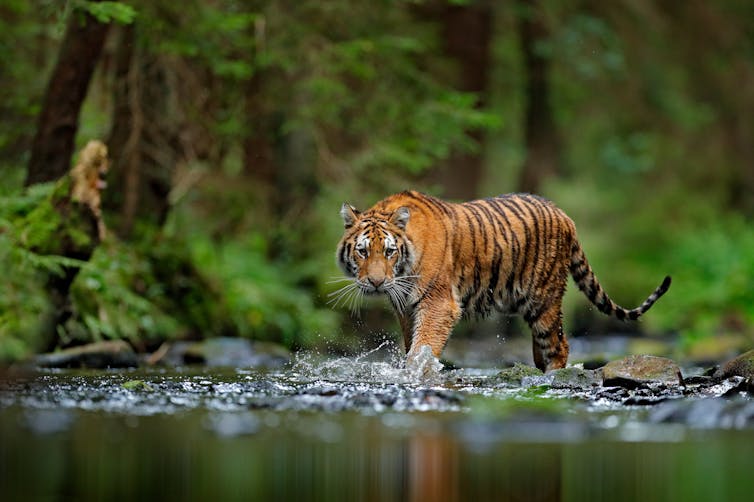 Ondrej Prosicky/Shutterstock
Tigers, lions and jaguars must cover large areas to find food, so they need a lot of energy. As with many large carnivores, big cats are under threat from habitat loss, which leaves them with less to eat. Their spread-out populations and slow reproductive rates make them particularly vulnerable. While the habitats in which big cats live range from boreal forests at high latitudes to tropical rainforests at the equator, the causes of habitat loss are largely the same: logging for wood and fuel, plantations, farming and urbanisation.
Aside from depriving wildlife of a home, forest loss also contributes to climate change. It’s ironic then that hydroelectricity, which is being developed worldwide (especially in South American and Asian countries) as an alternative energy source to fossil fuels, is a big cause of deforestation.
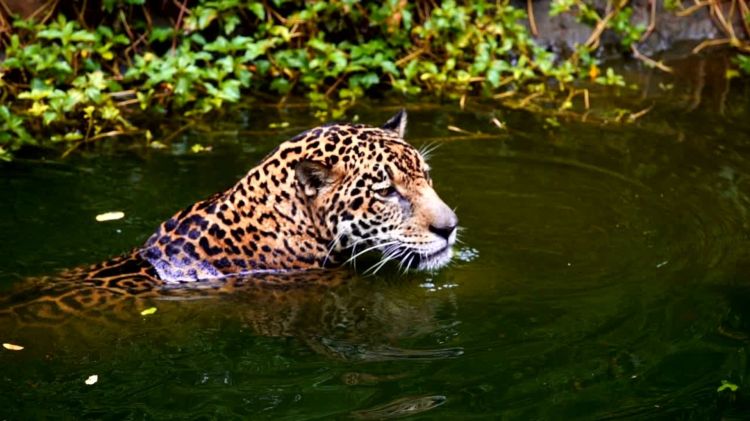
Building hydroelectric dams has caused extinctions and spread diseases in rivers globally, but the threat to ecosystems on land has largely been overlooked. In a recent study, researchers from China and Portugal investigated how existing and planned hydroelectric dams might affect two carnivores: the near-threatened jaguar (with an estimated global population of 173,000) and the endangered tiger (thought to number between 3,200 and 3,500 worldwide).
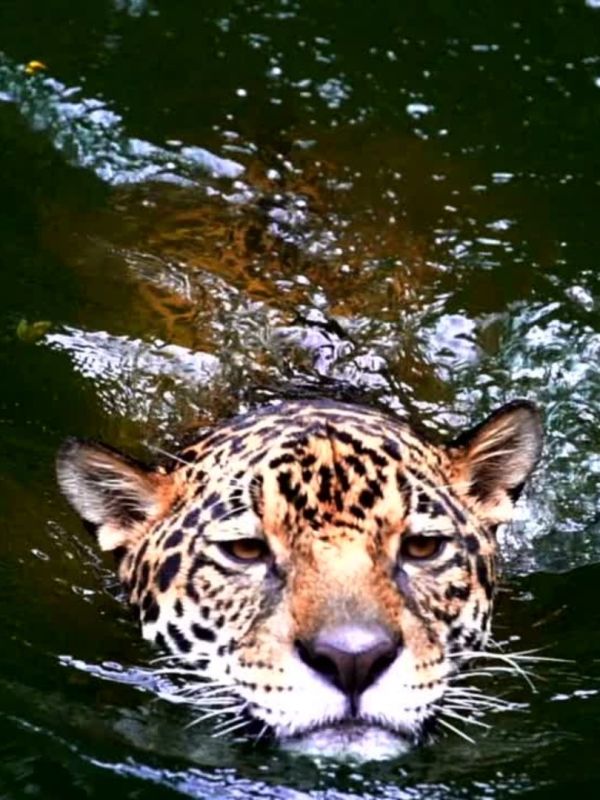
Jaguar Panthera onca
Jaguars, currently deemed Near Threatened, face a substantial habitat reduction of up to 25% in just over two decades. This decline stems from rampant deforestation for palm oil, soy,…
Keep reading by Palm Oil DetectivesAugust 28, 2022August 7, 2025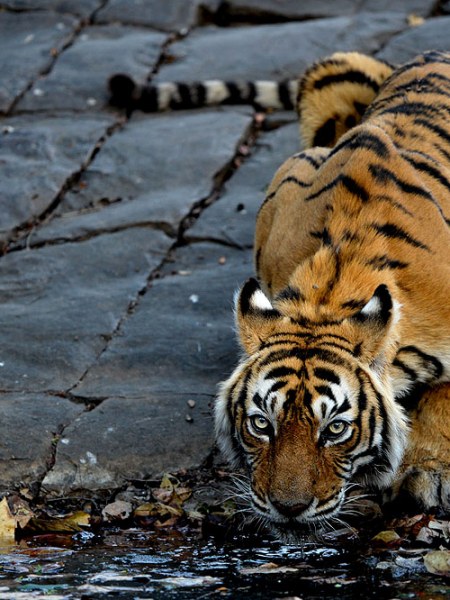
Tiger Panthera tigris
Fewer than 400 tigers remain in Sumatra due to deforestation for palm oil. Help save this endangered species. #Boycottpalmoil #Boycott4Wildlife
Keep readingby Palm Oil DetectivesJanuary 20, 2021October 8, 2025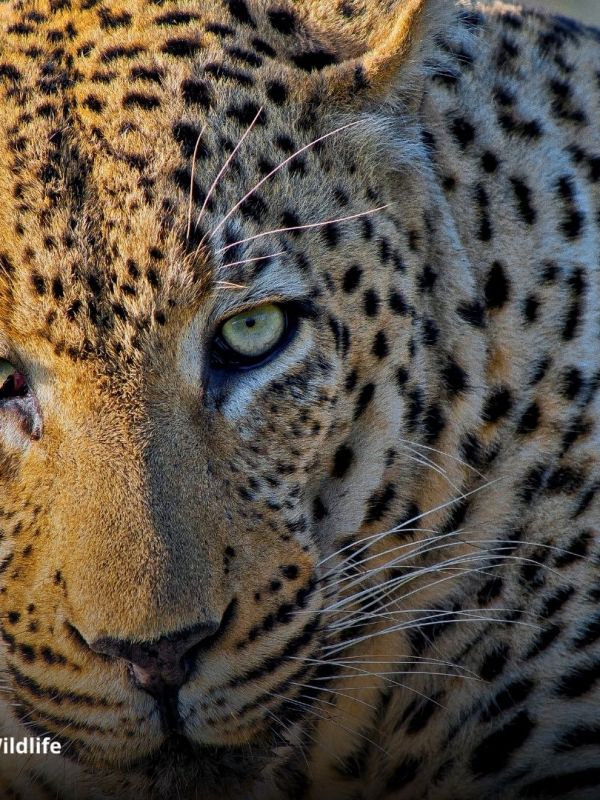
Leopard Panthera pardus
Of all the great cats prowling the wild, few inspire as much awe and fascination as the leopard Panthera pardus. Sleek, powerful, and enigmatic, leopards are found across a staggering…
Keep readingby Palm Oil DetectivesMarch 11, 2021April 19, 2025The distribution of jaguars and tigers has shrunk 50% and 93% respectively, but the researchers found that hydroelectric plants pose a substantial risk of further declines. They found 164 dams that already intersect the jaguar range and 421 dams that do the same for tigers. This equates to one in five tigers that are likely to be affected by dams, compared with one in 200 jaguars. Since tiger numbers are already so low, this could have a considerable influence on the population’s capacity to recover and may even result in local extinctions.
 A dam on the Narmada River in India, where the endangered Bengal tiger is native. Ankit K Sinha/Shutterstock
Damning developments for big cats
Large expanses of land are flooded to create reservoirs when building hydroelectric plants in low-lying, relatively flat areas. Although tigers and jaguars can and do swim, they mainly hunt species such as deer that live on land. Sites chosen for dams typically incorporate floodplains and areas along rivers that are important for both species, since they tend to contain lots of prey.
The flooded area will force both predators and prey into surrounding areas. If the vegetation here can support the influx of herbivores, tigers and jaguars will probably persist. But if it cannot, the predators may be forced further afield in search of food, potentially drawing them into conflict with people who may kill them.
Relatively pristine habitats are under threat. The number of hydroelectric dams is set to quadruple across the jaguar’s range with a further 429 planned, while 41 are expected where tigers roam. Aside from the direct loss of habitat, these new constructions can increase the presence of people in remote areas. Roads built to access new dam sites consequently open up areas that were previously impenetrable. Roads can be a barrier to some species and kill those that try to cross. Roads can also encourage new towns and villages, which divide the habitat further.
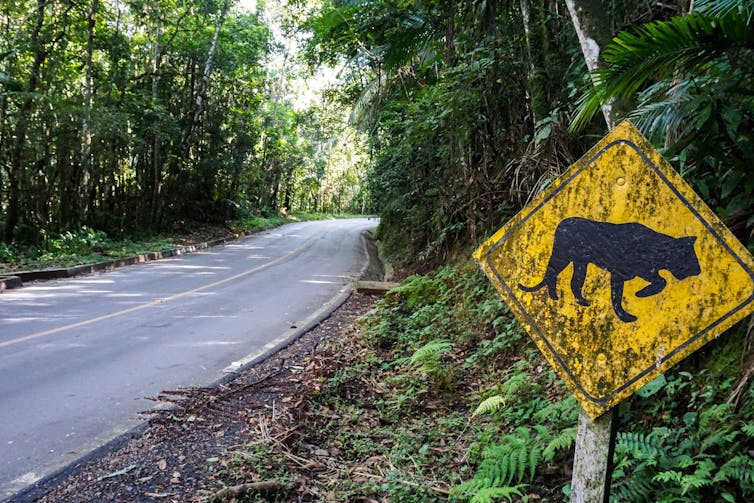 A road in Brazil which drives deep into jaguar habitat. Ricardo de O. Lemos/Shutterstock
Mitigating the damage
Where dams exist, the researchers suggest habitat loss could be limited by incorporating the surroundings into a protected area with suitable enforcement. Any new dams, though, especially in conservation areas or areas where top predators prowl, should be avoided. Sadly, most of the dams planned in Asia overlap with significant portions of the tiger’s range.
One way to mitigate the damage from building new hydroelectric plants may be to do it on slopes outside of areas that are crucial for conserving tigers and jaguars. The amount of flooded area needed to produce electricity from these plants when they’re on a slope is smaller compared to those built on lower ground, reducing the overall damage to the surrounding habitat. But impact assessments would need to confirm the plant wasn’t simply creating new issues elsewhere.
Alternative sources of energy are important for a sustainable future, but their benefits should not come at a substantial cost to species already under threat.
 Craig Jones Wildlife Photography – A Bengal tiger drinking at a river
 Written by Tara Pirie, Postdoctoral Researcher, People and Wildlife Research Group, University of Reading. This article is republished from The Conversation under a Creative Commons license. Read the original article.
ENDS
Read more animal and biodiversity stories
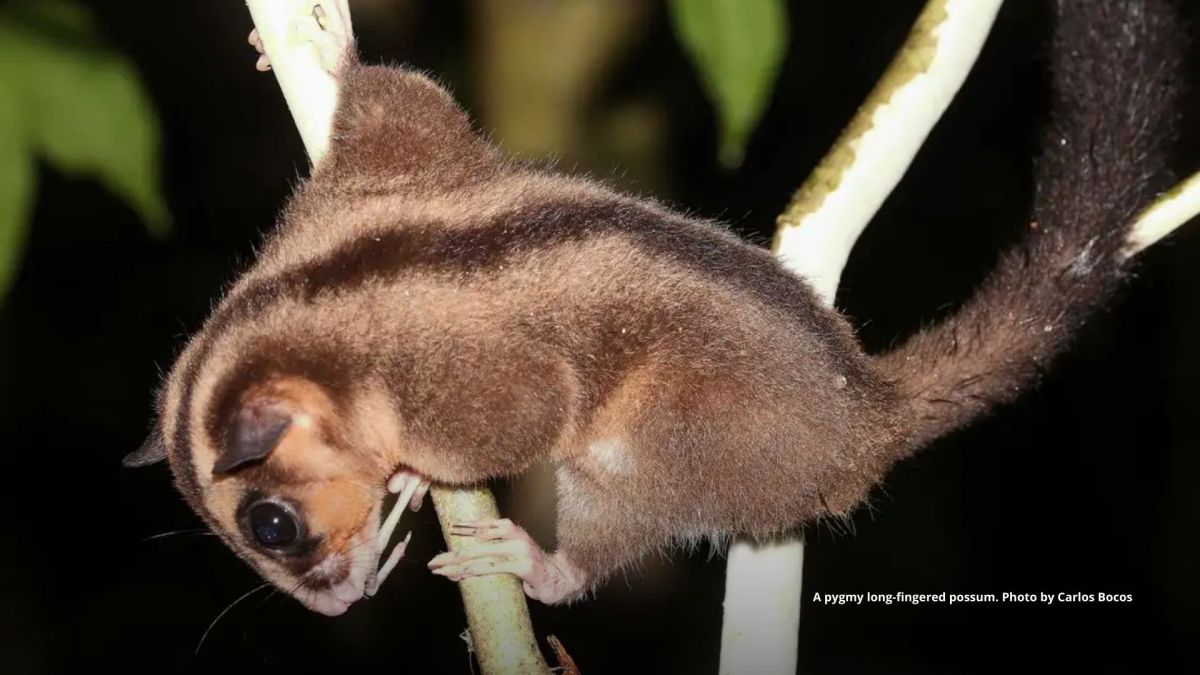
Marsupials thought extinct for 6,000 years found in West Papua
Two stunning marsupials thought extinct for 6000 years rediscovered in West Papua. Calls for rainforest protection even more urgent!
Read more
Do you love animals? Make every day #WorldWildlifeDay
This #WorldWildlifeDay take action for animals great and small! Reptiles insects, mammals and birds deserve better than palm oil ecocide and extinction. Make sure you Boycott palm oil
Read more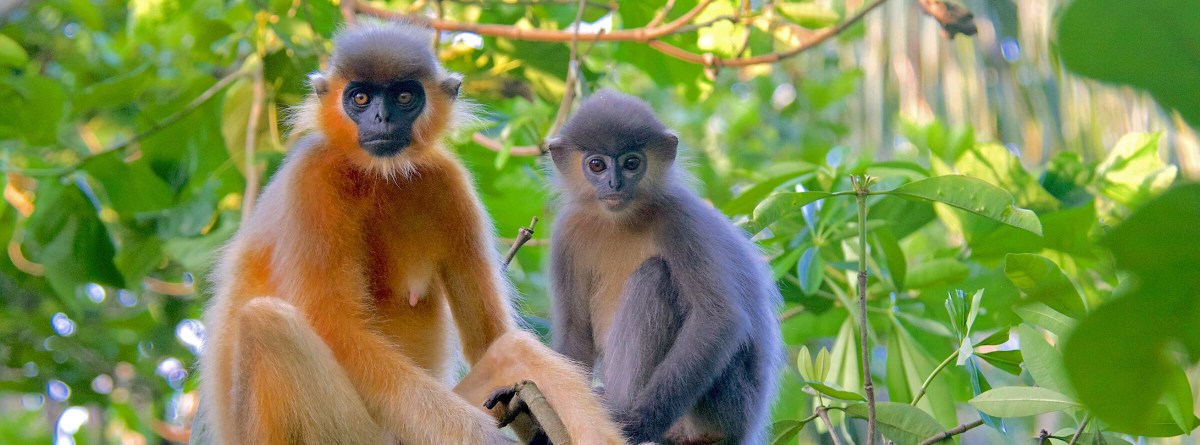
Beautiful and Doomed: Saving Bangladesh’s Langurs From Extinction
Critically endangered Phayre’s langurs and endangered capped langurs of Bangladesh, are interbreeding raising concerns about their survival, take action!
Read more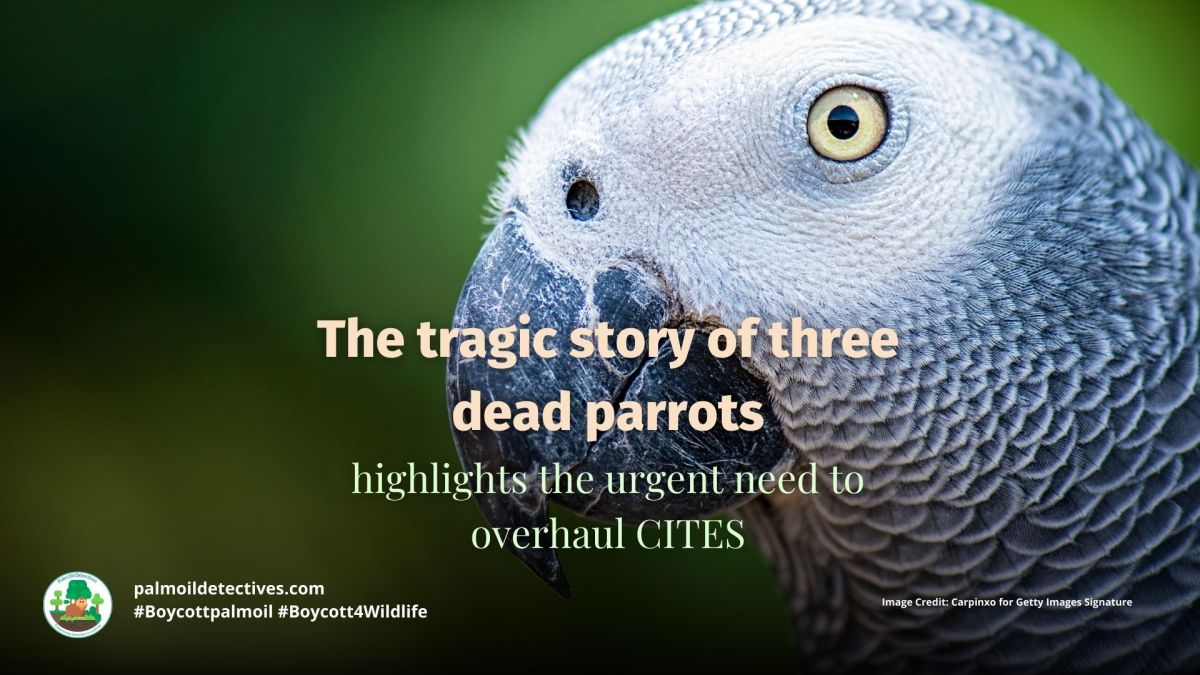
Parrot Deaths Highlight Urgent Need to Reform CITES
The legal trade is largely to blame for African grey parrots becoming endangered. Regulator CITES is broken allowing exploitation, massive reform needed now!
Read more
Jaguars and Pumas Eat More Monkeys in Damaged Forests
In fragmented forests of Mexico, big cats find it hard to locate prey ungulates instead seeking tree-dwelling #monkeys – that’s bad news for primates!
Read more Load more postsSomething went wrong. Please refresh the page and/or try again.
Take Action in Five Ways
1. Join the #Boycott4Wildlife on social media and subscribe to stay in the loop: Share posts from this website to your own network on Twitter, Mastadon, Instagram, Facebook and Youtube using the hashtags #Boycottpalmoil #Boycott4Wildlife.
Enter your email address
Sign Up
Join 3,179 other subscribers2. Contribute stories: Academics, conservationists, scientists, indigenous rights advocates and animal rights advocates working to expose the corruption of the palm oil industry or to save animals can contribute stories to the website.
Wildlife Artist Juanchi Pérez
Read moreMel Lumby: Dedicated Devotee to Borneo’s Living Beings
Read moreAnthropologist and Author Dr Sophie Chao
Read moreHealth Physician Dr Evan Allen
Read moreThe World’s Most Loved Cup: A Social, Ethical & Environmental History of Coffee by Aviary Doert
Read moreHow do we stop the world’s ecosystems from going into a death spiral? A #SteadyState Economy
Read more3. Supermarket sleuthing: Next time you’re in the supermarket, take photos of products containing palm oil. Share these to social media along with the hashtags to call out the greenwashing and ecocide of the brands who use palm oil. You can also take photos of palm oil free products and congratulate brands when they go palm oil free.
https://twitter.com/CuriousApe4/status/1526136783557529600?s=20
https://twitter.com/PhillDixon1/status/1749010345555788144?s=20
https://twitter.com/mugabe139/status/1678027567977078784?s=20
4. Take to the streets: Get in touch with Palm Oil Detectives to find out more.
5. Donate: Make a one-off or monthly donation to Palm Oil Detectives as a way of saying thank you and to help pay for ongoing running costs of the website and social media campaigns. Donate here
Pledge your support #animals #bigCat #bigcats #biodiversity #Boycott4wildlife #cats #Climate #climateChange #climatechange #deforestation #environment #hydroelectric #JaguarPantheraOnca #Jaguars #predators #roads #TigerPantheraTigris #tigers




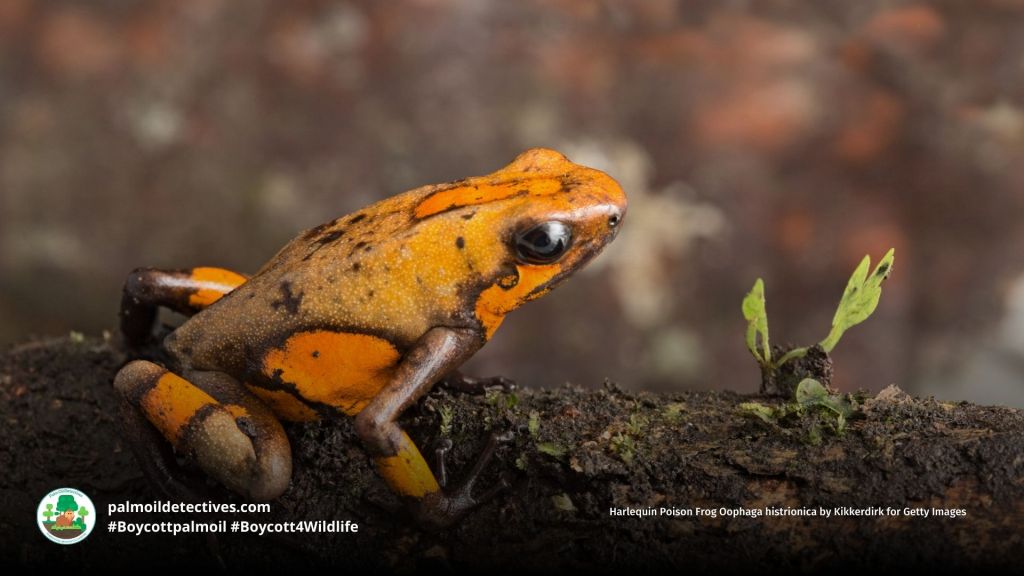
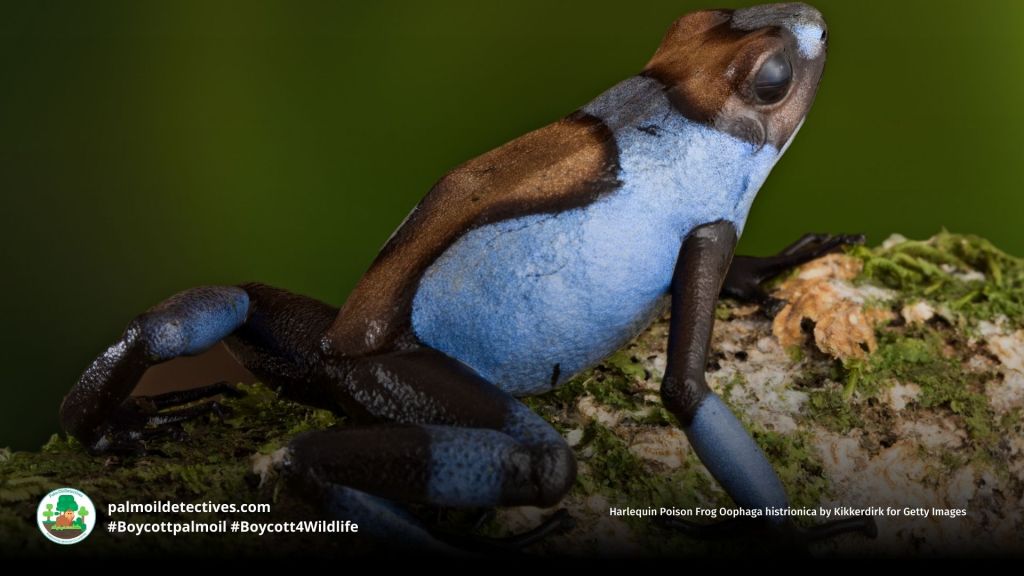
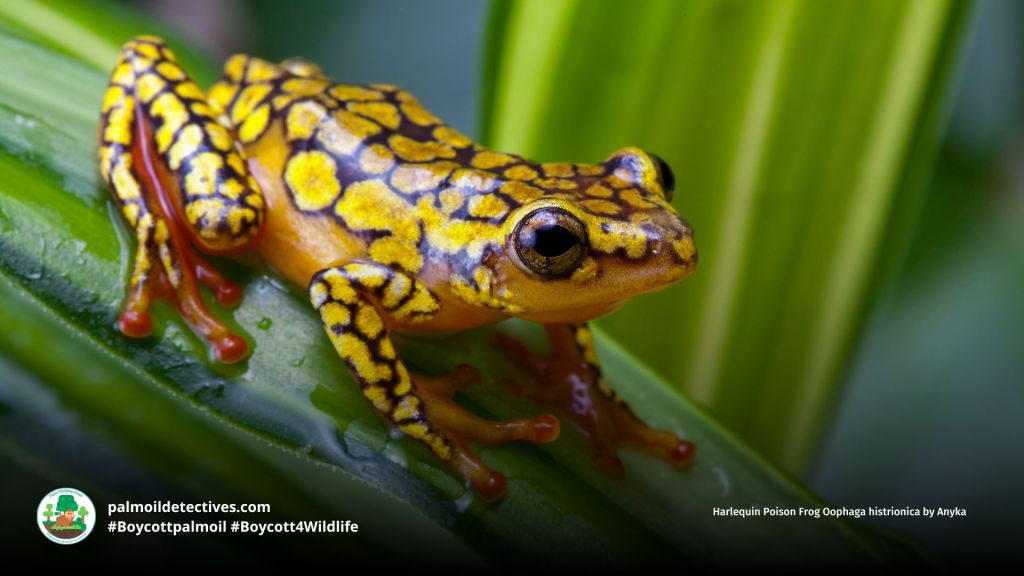
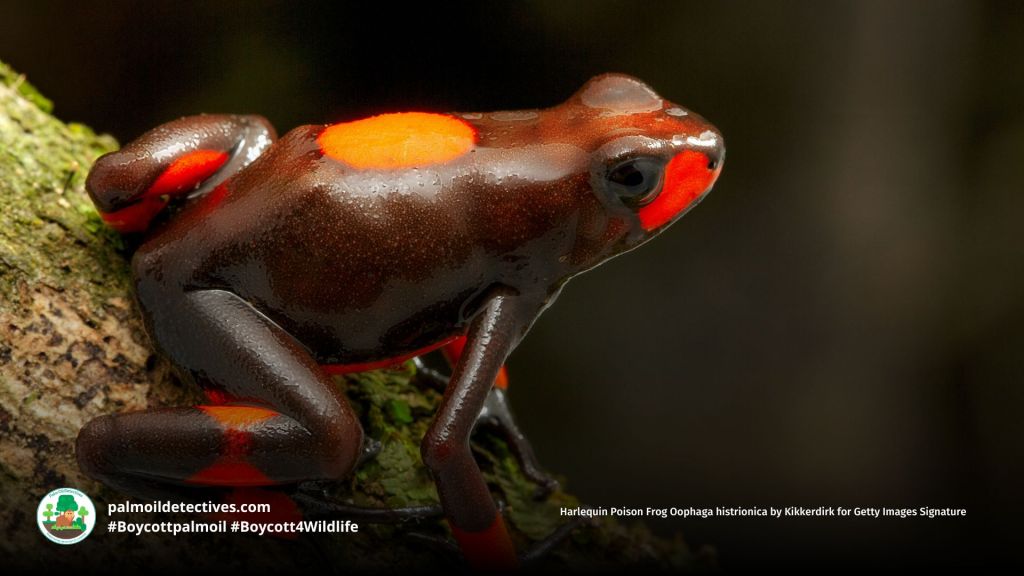
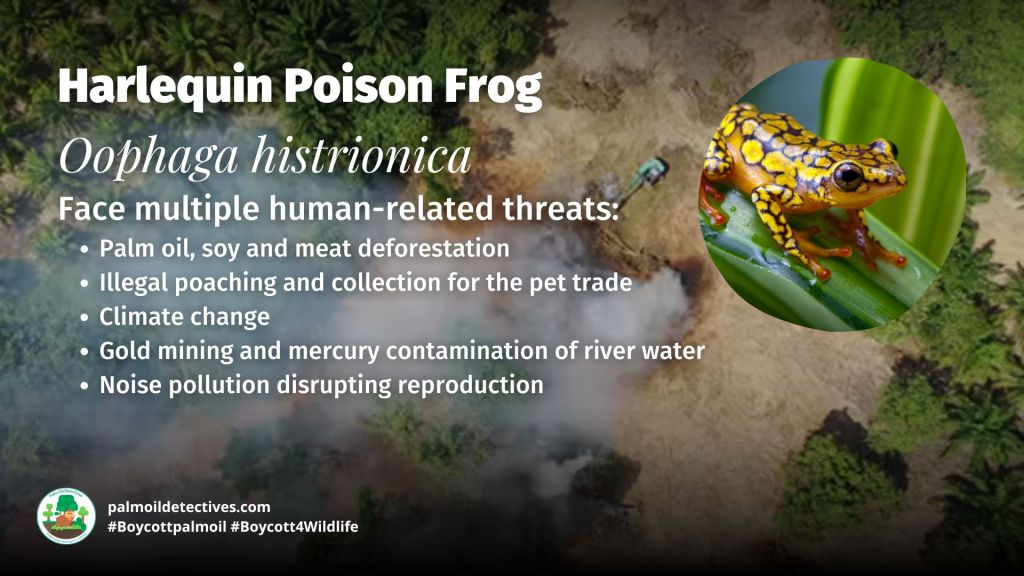
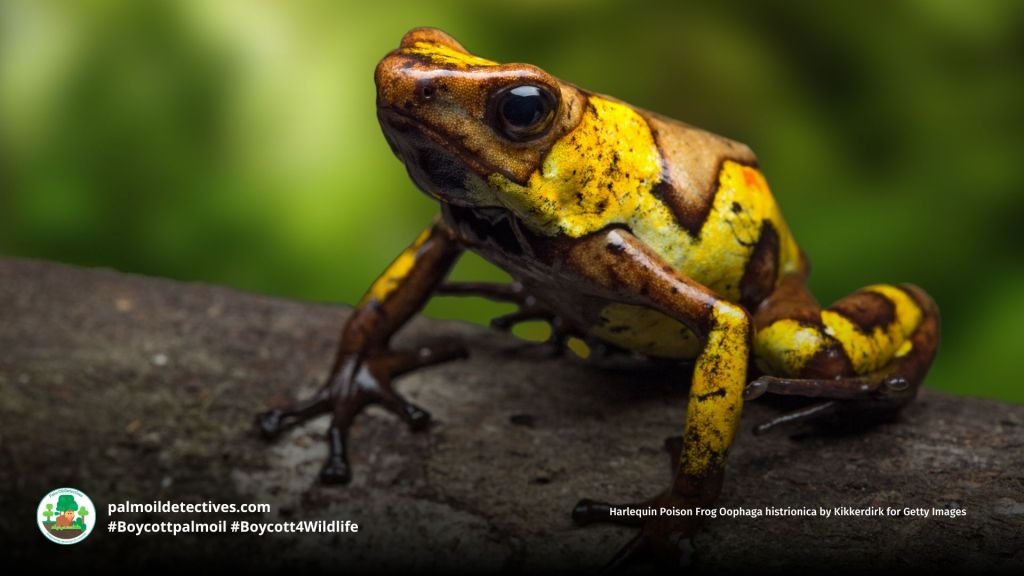
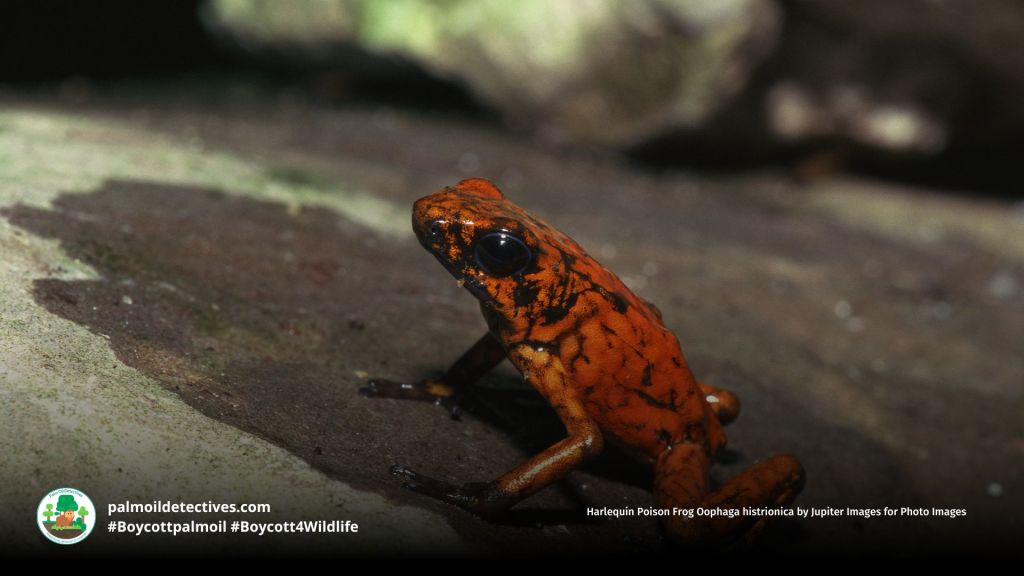
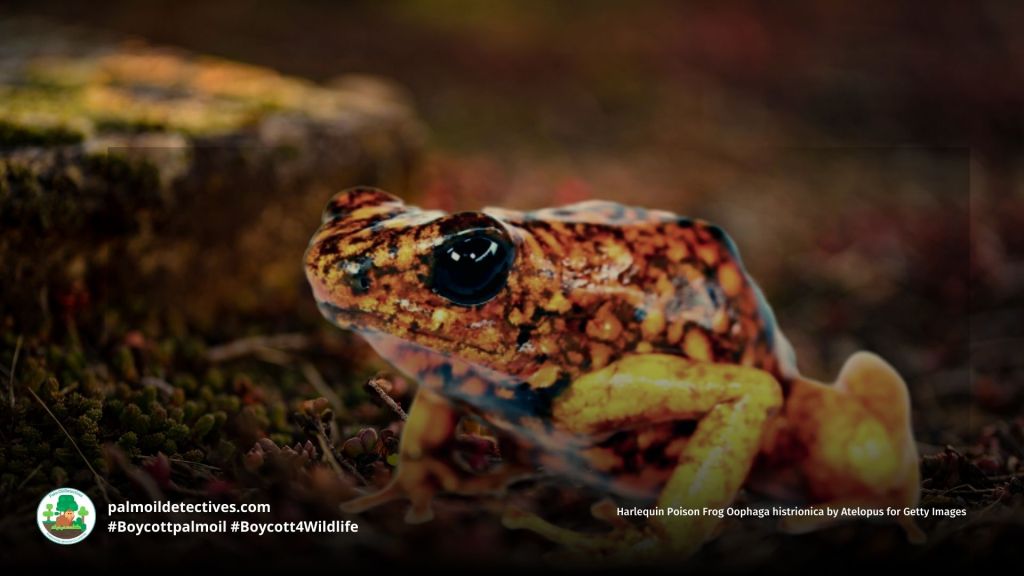
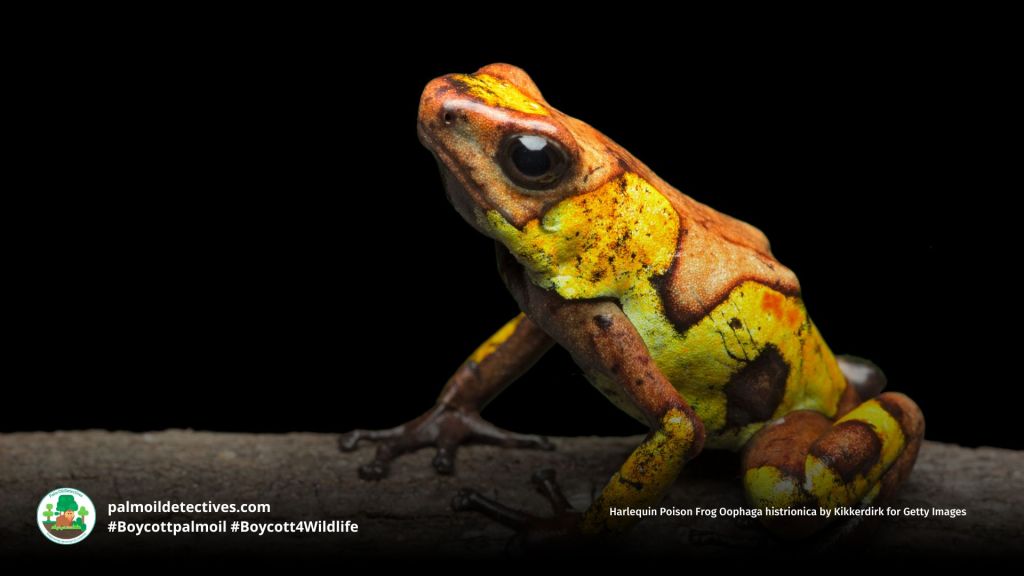
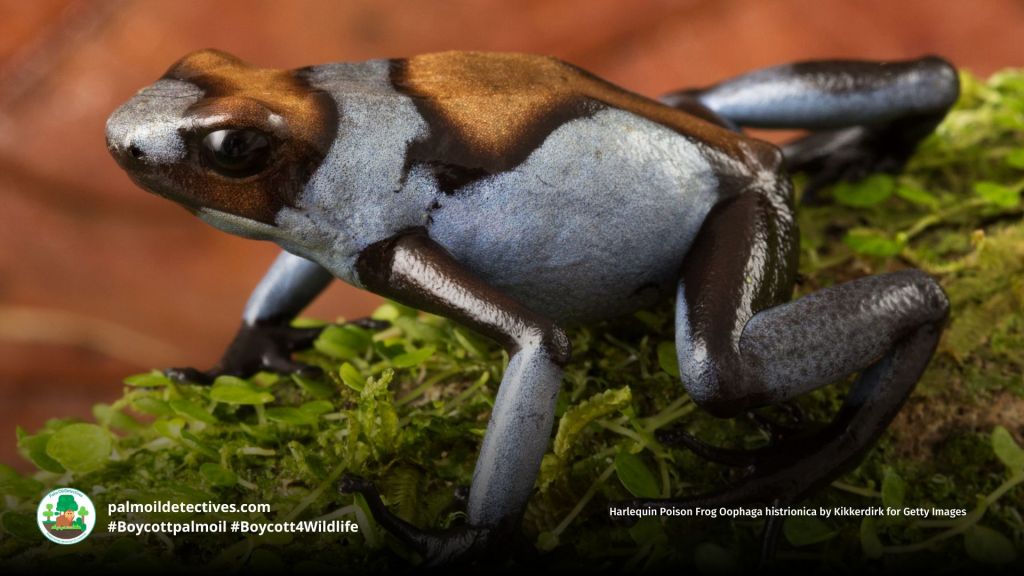
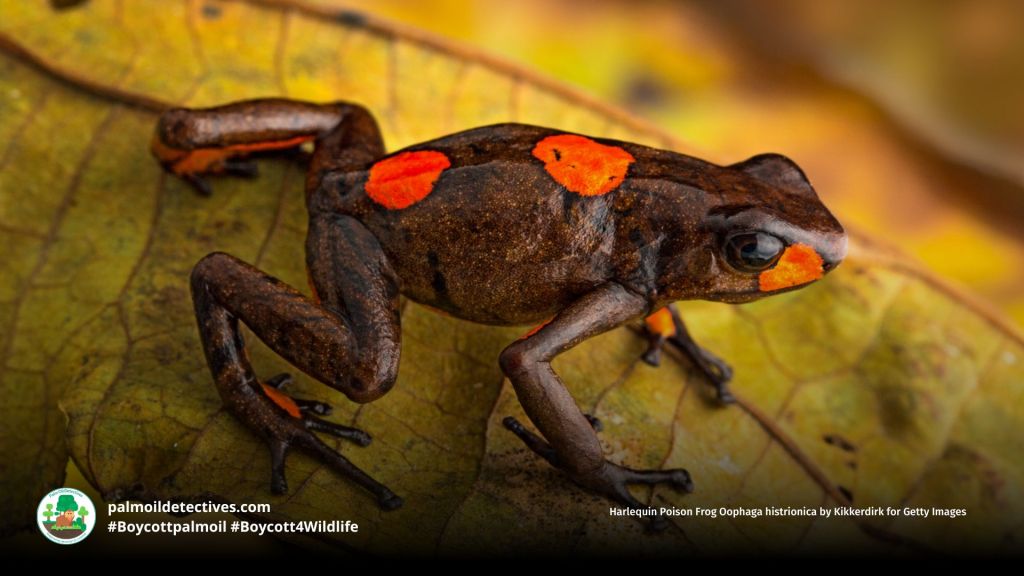
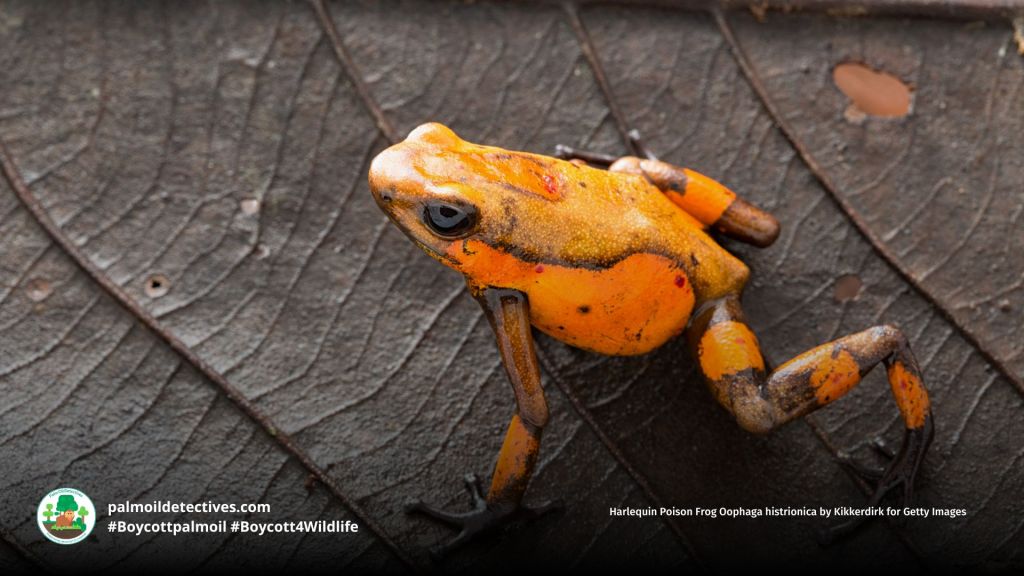
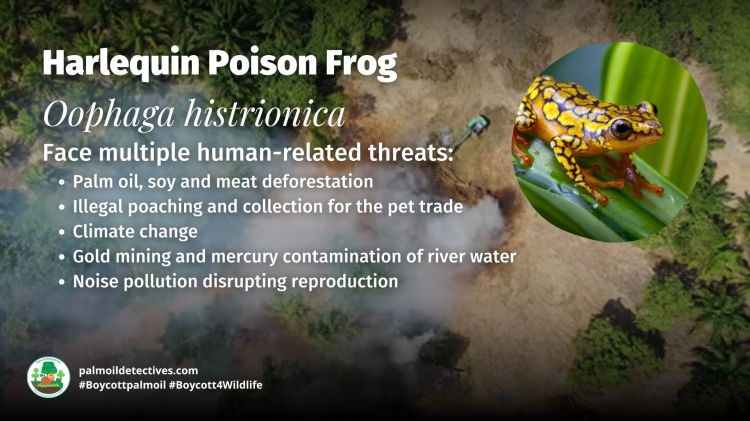
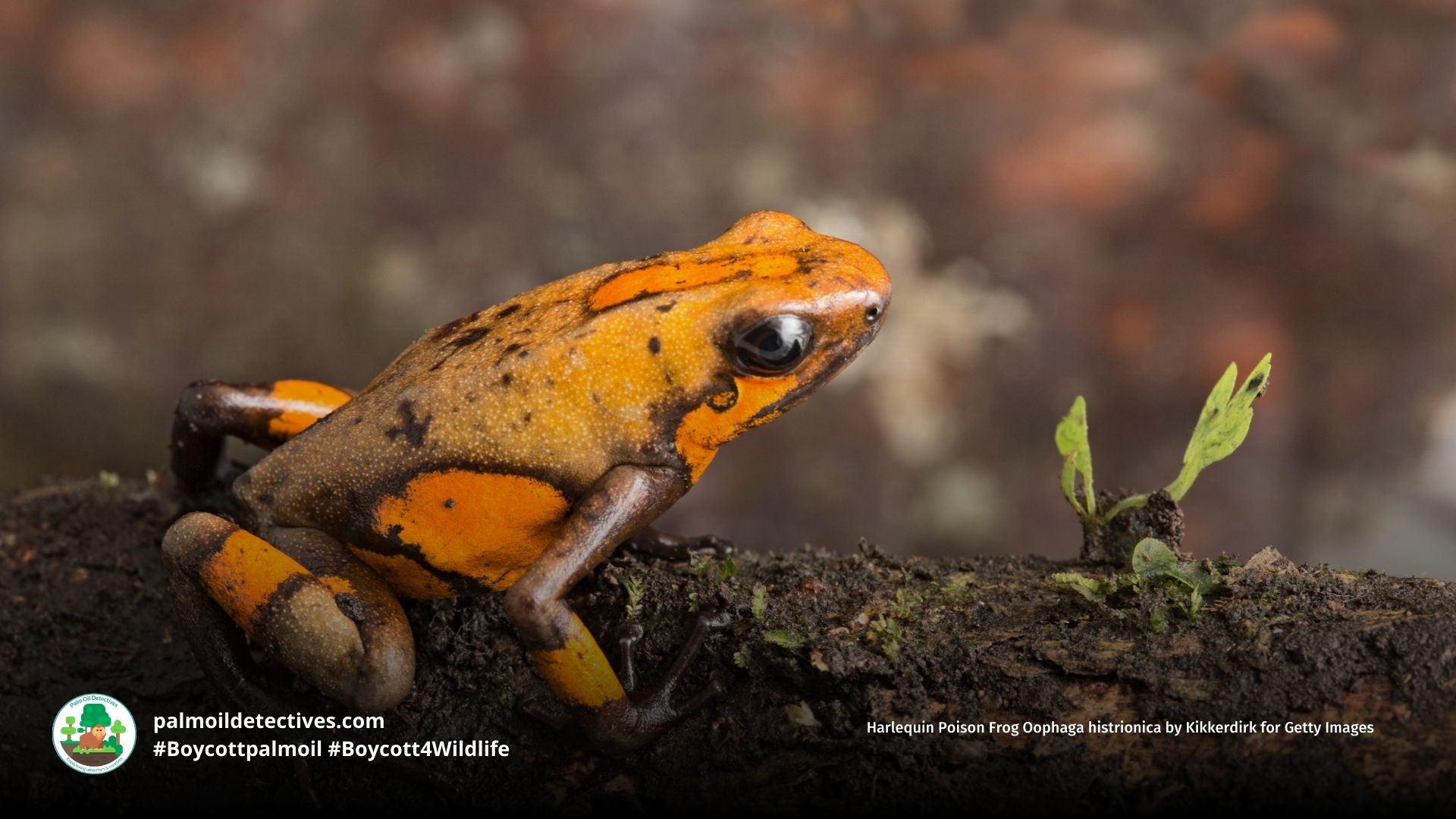
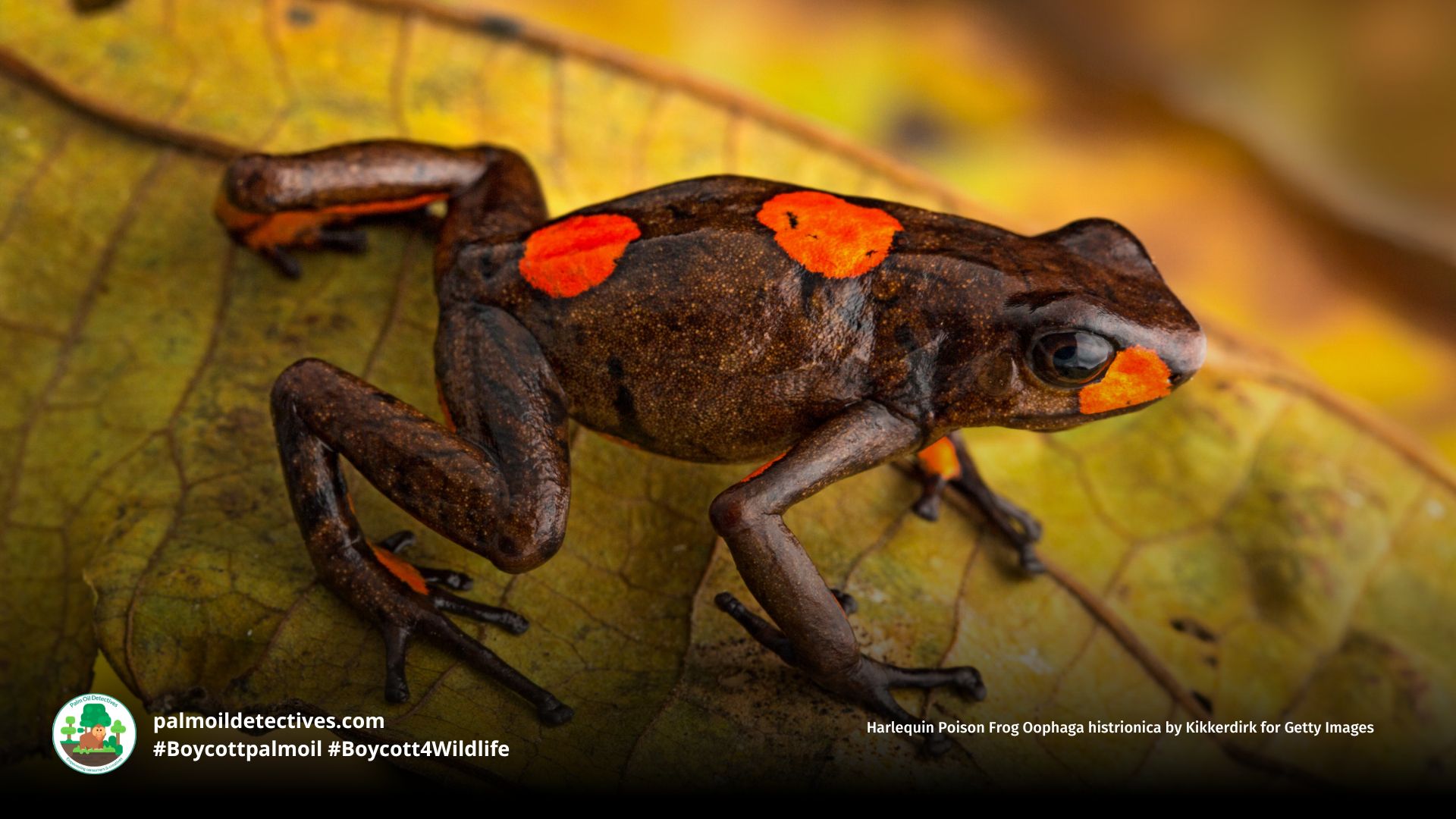
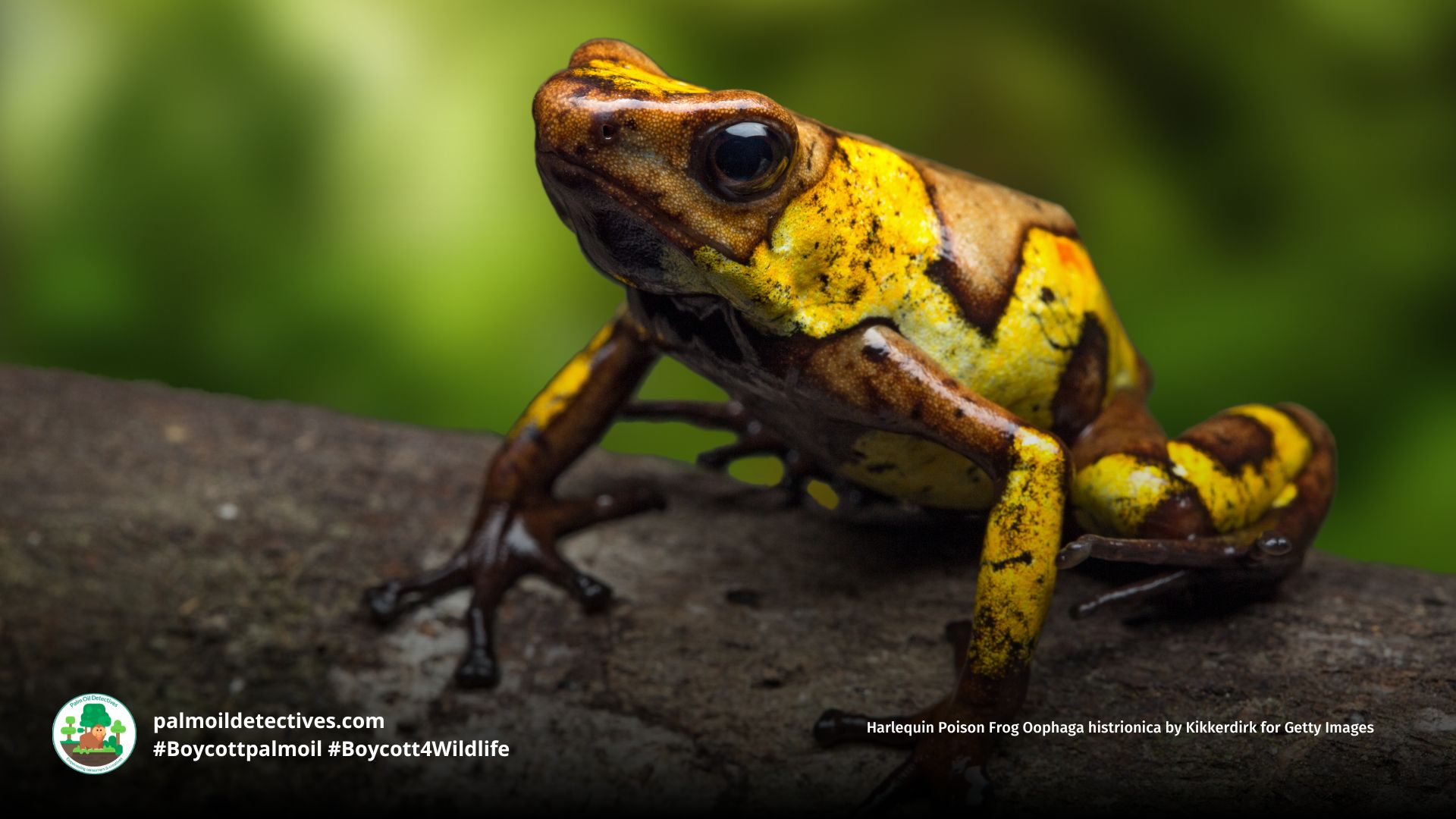
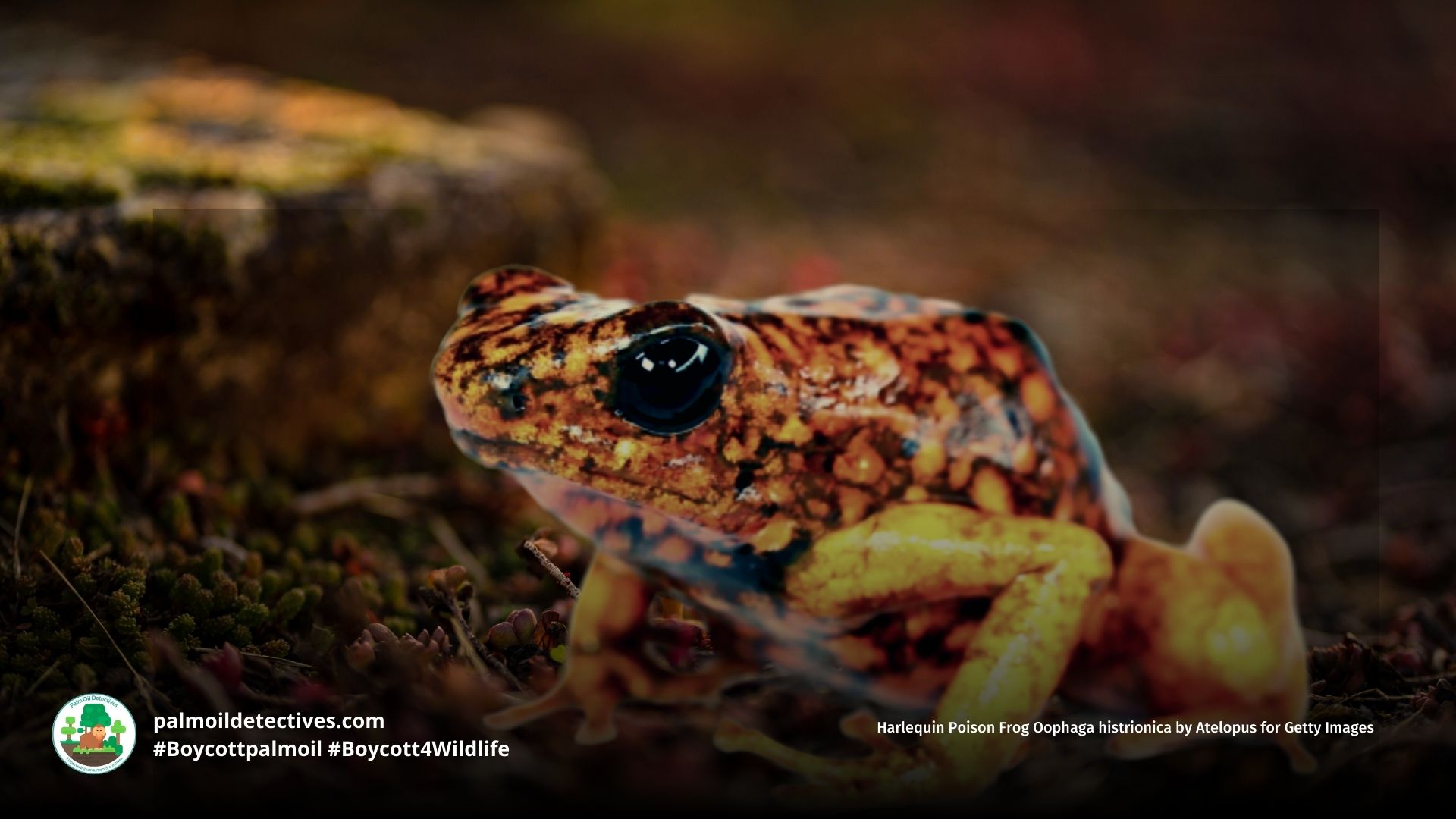
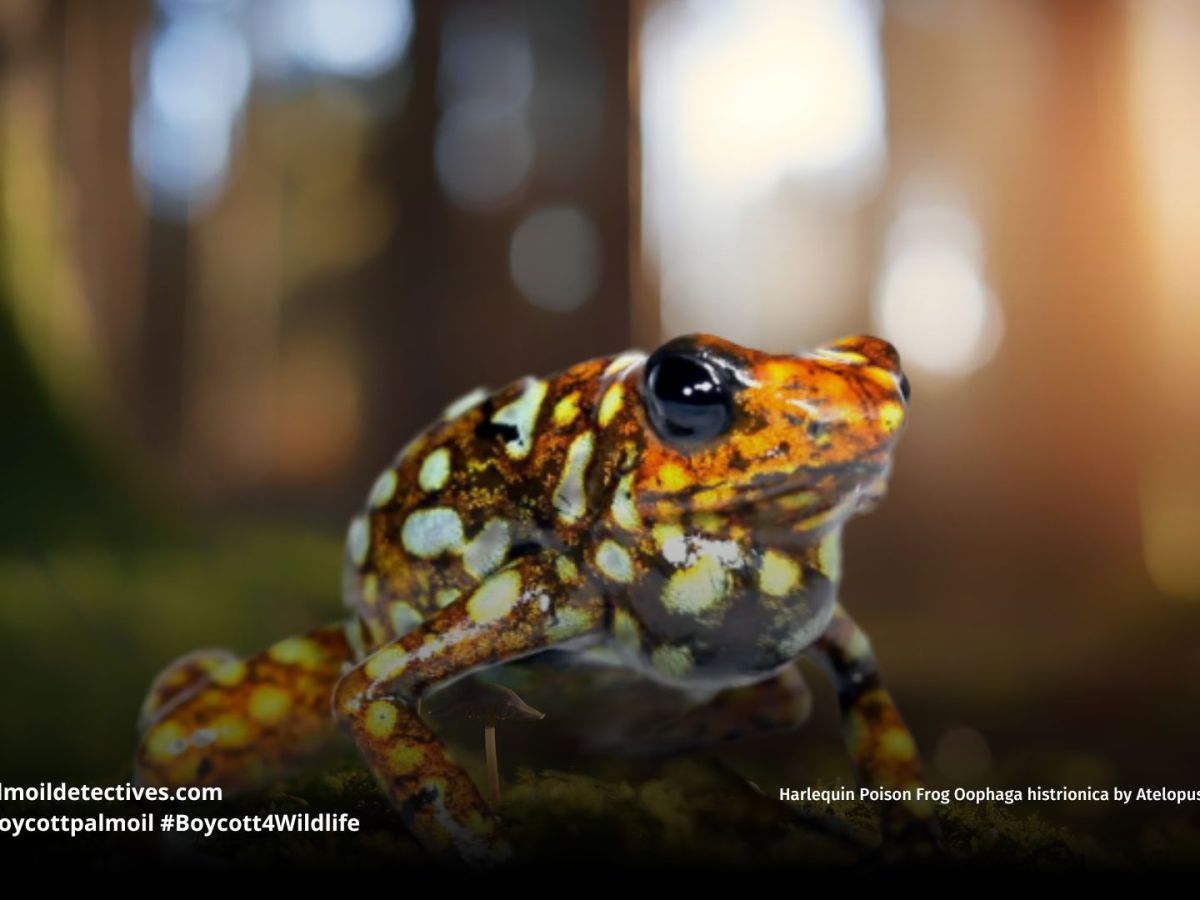
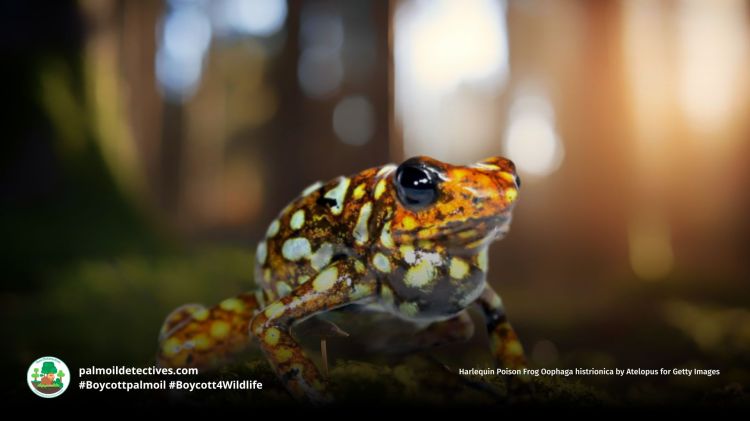
 Harlequin Poison Frog Oophaga histrionica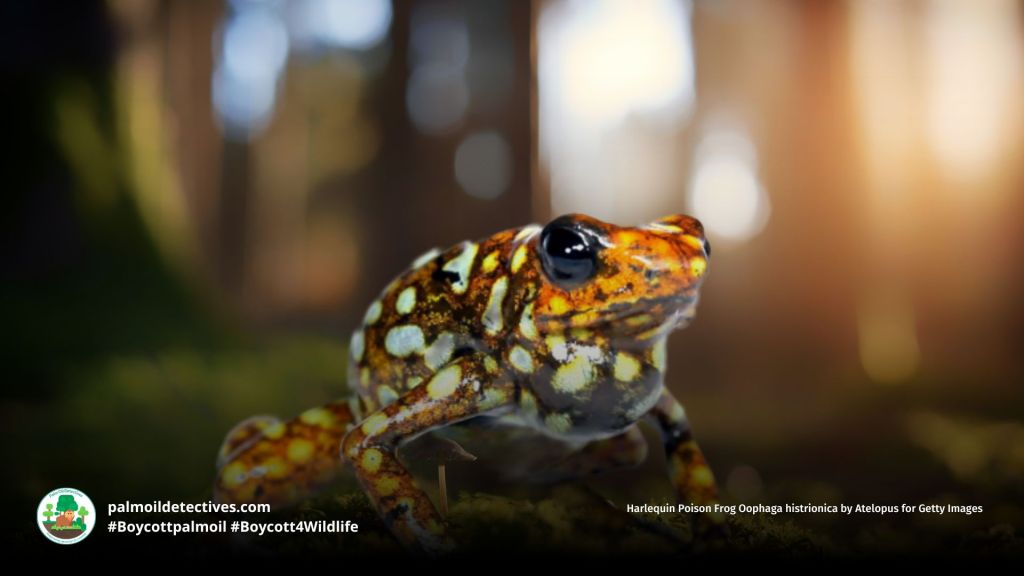







 Young Mayan women. Image source: Wikipedia















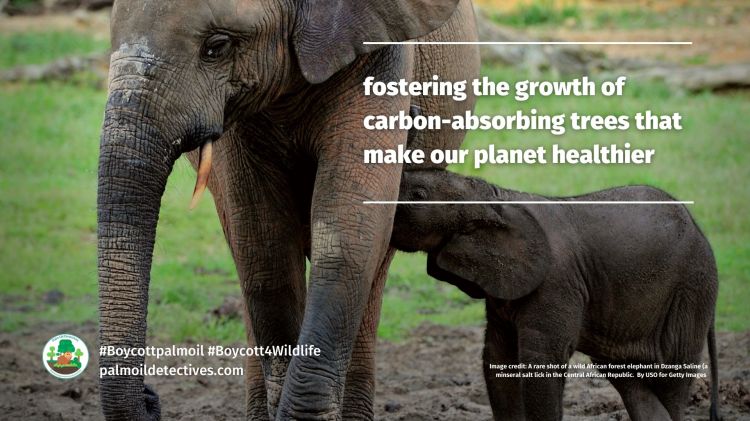
 Mouangi baï, a vast watering hole in the Republic of Congo’s Odzala-Kokoua National Park, is nicknamed Capitale because of the vast number of elephants drawn to its mineral-laden water, mud, and sand. Image courtesy Gwilli Gibbon/African Parks.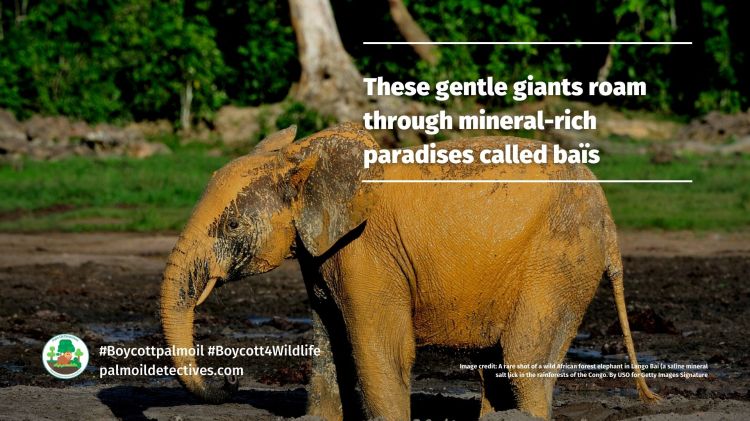
 An elephant digging for salt-rich mud in the Dzanga baï in the Sangha Rainforest in the Central African Republic. Image courtesy Jan Teede.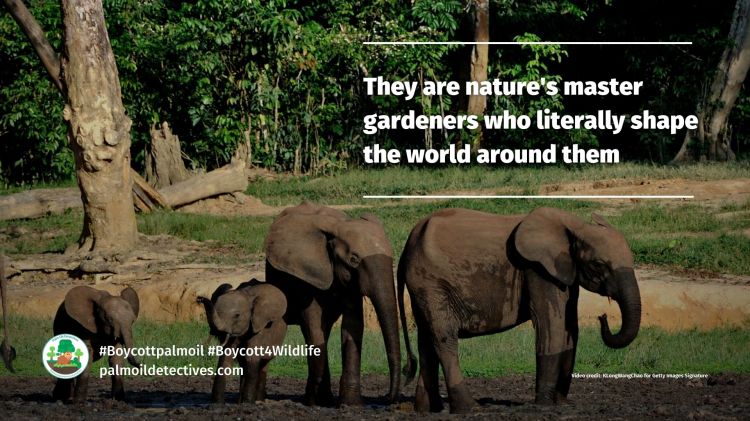
 Indigenous Ba’aka trackers work with researchers and tourist operators in various parks in Odzala-Kokoua National Park and the Dzanga-Sangha Complex of Protected Areas. Their knowledge of animal behaviour and forest life is essential to accessing these wildernesses. Image courtesy Jan Teede.
 Climate Change by Sean Weston