Apple-feed
Apple-feed boosted

PepsiCo

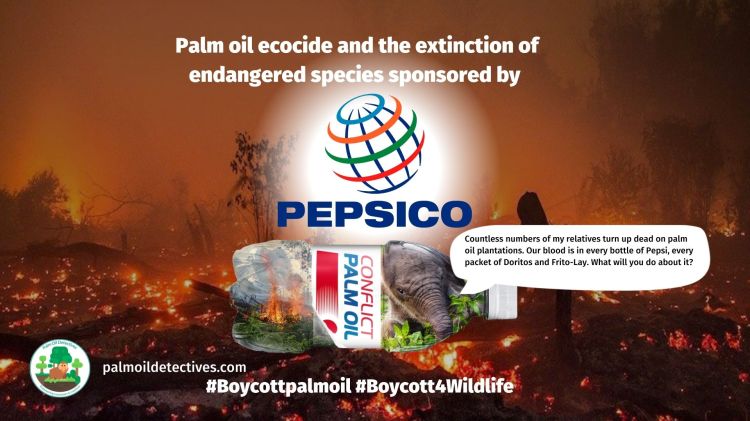
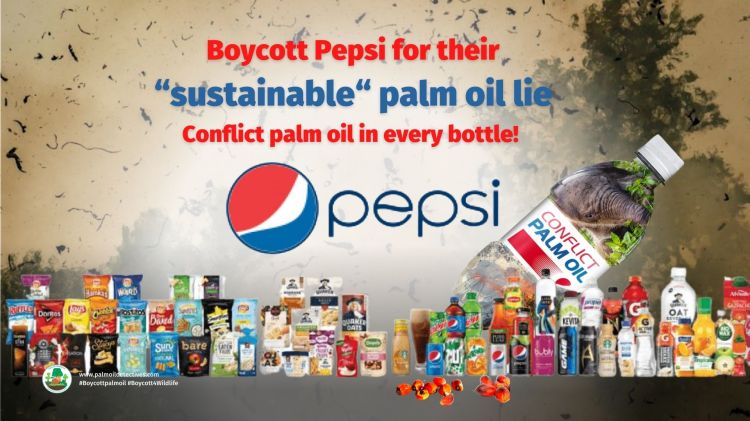
Despite decades of promises to end deforestation for palm oil PepsiCo (owner of crisp brands Frito-Lay, Cheetos and Doritos along with hundreds of other snack food brands) have continued sourcing palm oil that strongly linked to ecocide, indigenous landgrabbing, and the habitat destruction of the rarest animals on earth.

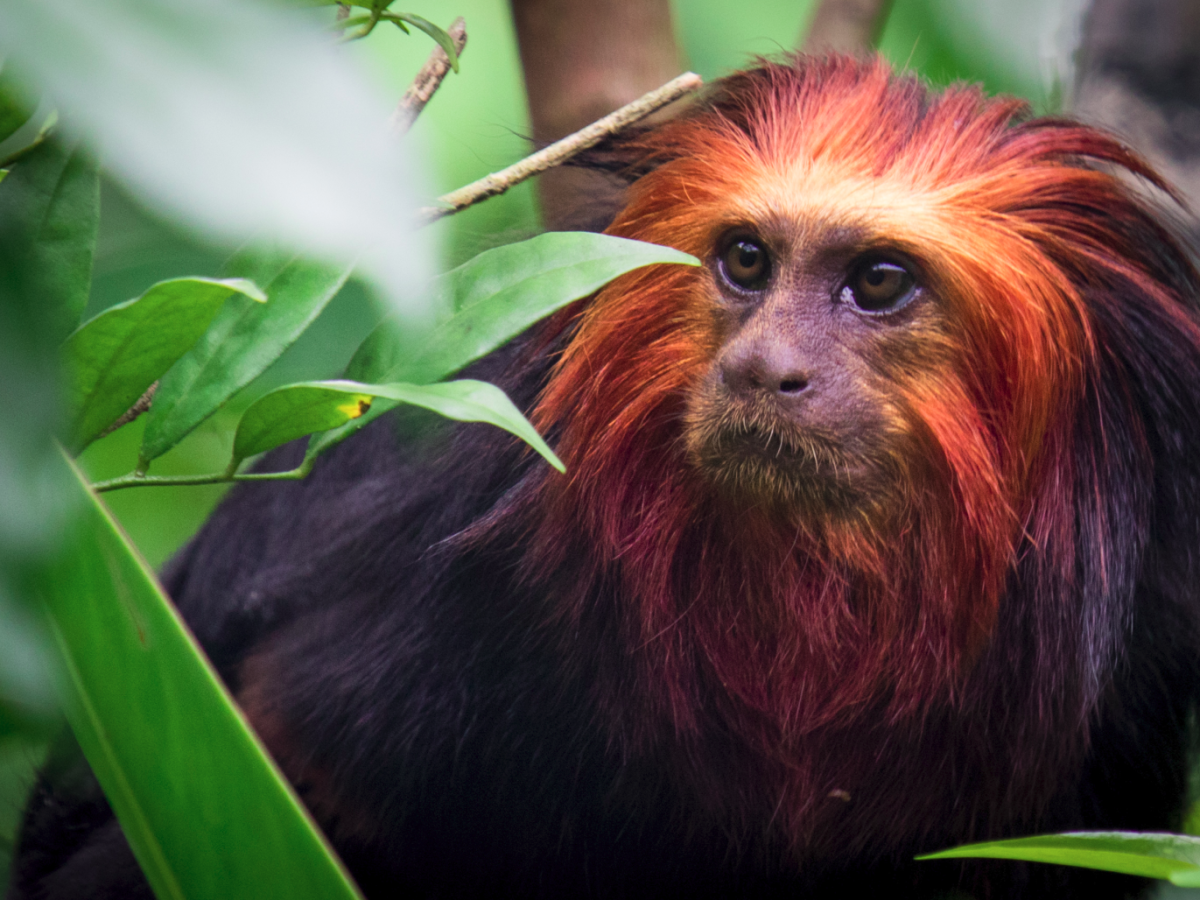
All of these animals are on a knife-edge of survival. It is for this reason, we boycott PepsiCo and its sub-brands. Find out about their forest destroying activities below and what you can do to stop them by using your wallet as a weapon. it’s the #Boycott4Wildlife


Take action

1. Share this page to Twitter

2. See PepsiCo’s palm oil deforestation from the past year

3. Boycott sub-brands of PepsiCo

4. Read reports about PepsiCo

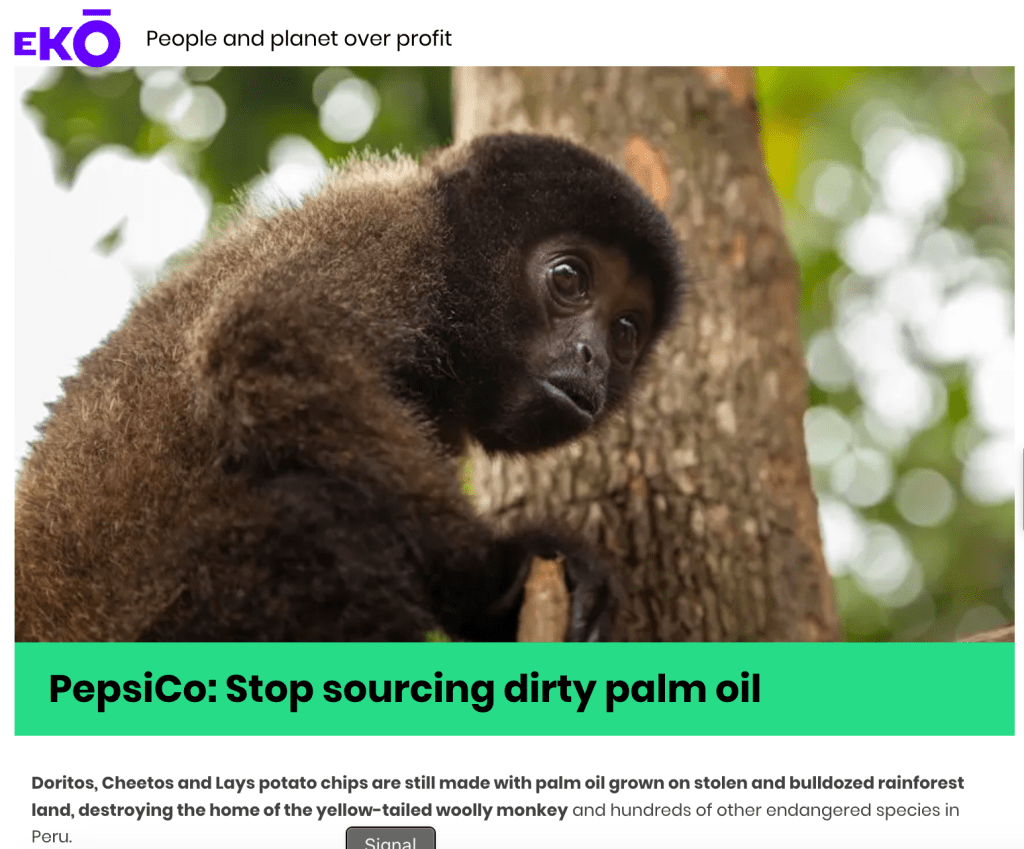
5. Sign a petition about PepsiCo and palm oil

6. Boycott other brands using so-called “sustainable” palm oil


return to menu ↑

Take Action: Share to BlueSky & Twitter

Crisp and drink giant #Pepsi runs quirky ad campaigns enticing zoomers and millennials into a lifetime of #obesity and #diabetes. Yet few people know PepsiCo are linked to #indigenous #landgrabbing for #palmoil Take action! #Boycottpalmoil @palmoildetect https://wp.me/scFhgU-pepsico

Share to BlueSkyShare to Twitter

Next time you snack AVOID #Cheetos #Doritos #Lays crisps and #MountainDew 🍟🥤 because violence against #indigenous people for #palmoil comes as an unwanted freebie in snacks owned by #Pepsi. Take action! #BoycottPalmOil #Boycott4Wildlife @palmoildetect https://wp.me/scFhgU-pepsico

Share to BlueSkyShare to Twitter

return to menu ↑

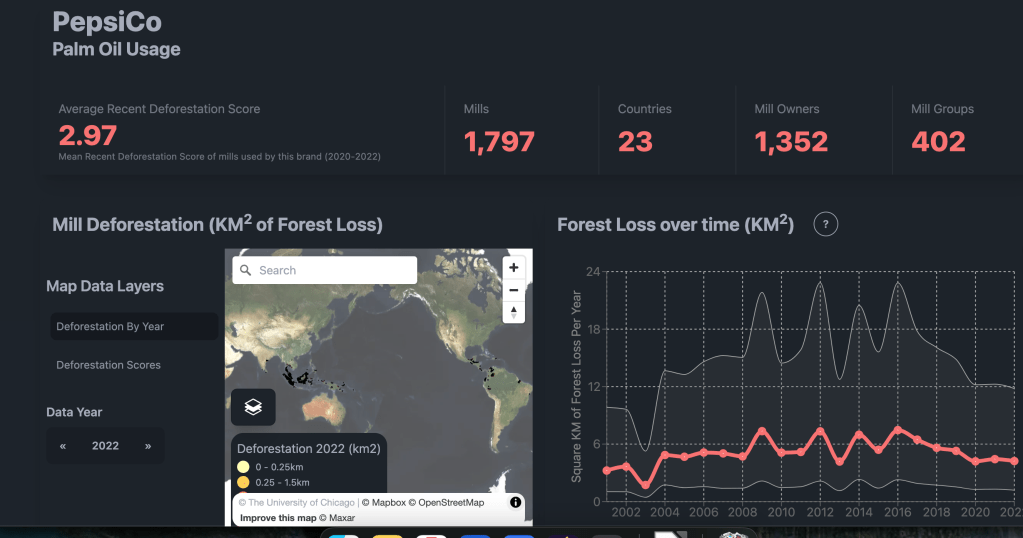
View PepsiCo’s palm oil deforestation for the past year

Data courtesy of Palm Watch, a multidisciplinary research initiative by the University of Chicago.

Look Up PepsiCo on PalmWatch

return to menu ↑

Take Action: Boycott These PepsiCo Sub-Brands

  • Pepsi
  • Lays
  • Mountain Dew
  • Doritos
  • Gatorade
  • Tropicana
  • Quaker Oats
  • Lipton
  • Starbucks
  • Aquafina
  • Ruffles
  • Cheetos
  • Brisk
  • Tostitos
  • Frittos
  • Diet Pepsi
  • Diet Mountain Dew
  • Sierra Mist
  • 7Up
  • Mirinda
  • Walkers
  • Pepsi Black
  • Pure Leaf
  • Bubly
  • Naked
  • Soda Stream
  • Kevita
  • Lifewtr
  • Sierra Mist
  • Stubborn Soda
  • Rold Gold
  • Miss Vickie’s
  • Red Rock Deli
  • Cracker Jack
  • Nut Harvest
  • Life
  • Matador
  • Quaker Chewy Granola Bars
  • Santitas
  • Funyuns
  • Cap’n Crunch
  • Rice-a-Roni and Pasta
  • Roni Quaker Rice Crisps & Rice Cakes
  • Maui Style
  • Sabritones
  • Munchies
  • Munchos
  • Grandma’s
  • Aunt Jemima
  • Izze Propel
  • O.N.E
  • Sobe Elixirs & Teas
  • Mug Root Bear
  • Stacy’s
  • Bare Snacks
  • Sabra
  • Smart50
  • Fritos
  • Near East
  • Sun Chips
  • Smartfood
  • Off the Eaten Path
  • Simply

return to menu ↑

Take Action: Read Reports About PepsiCo

Boycott PepsiCo because their products contain palm oil linked to deforestation and species extinction #Boycottpalmoil #Boycott4Wildlife

2021 report by Pusaka and others

Demanding Accountability - Wahli and Pusaka report 2021 Nestle PepsiCo

Report by Pusaka, Walhi, and Forest Peoples Programme finds that household names including Nestlé, PepsiCo, Wilmar and Unilever and associated global financial institutions and investors continue to ‘turn a blind eye’ to human rights abuses in their palm oil supply chains.

Despite these very serious, long term and well documented human rights abuses and environmental damage, on the ground, major downstream companies continue to invest in, or source products from these plantations.

Read report

2021 BBC Investigation

A 2021 joint BBC/Gecko Project and Mongabay Investigation found that Nestlé, Kellogg’s, Unilever, Johnson & Johnson, and PepsiCo have sourced palm oil from Indonesian companies linked to human rights abuses and have failed to pass on millions in profits to smallholder ‘plasma’ farmers.

Read more

2021 Chain Reaction report

A Chain Reaction Report from 2021 showed that they have caused 100,000ha of deforestation in their palm oil supply chain since 2016.

Read more

https://twitter.com/RAN/status/928326415098851328?s=20&t=de1q2YEmTjbSg2f_cJh83w

https://twitter.com/SumOfUs/status/1343240455664885763?s=20&t=ob6lQlwrIBkYsAjtaQG5iw

PepsiCo: Ties to illegal deforestation

https://youtu.be/BtX7r-D-sHk

Read full report

return to menu ↑

Sign petition: Tell PepsiCo stop destroying rainforests for palm oil!

PepsiCo’s profit-first palm oil policy is still destroying rainforests.

Meanwhile, PepsiCo keeps on promising that it’s working towards a truly sustainable palm oil policy, making commitments to human rights and zero deforestation. But this new report leaves no doubt: this whole time, PepsiCo’s palm oil promises have been nothing but smoke and mirrors.

Tell PepsiCo it’s time to cut ties with companies destroying our rainforests and exploiting their workers for cheap palm oil.

Sign the Eko petition

return to menu ↑

Take Action: Boycott Other Brands

Kelloggs/Kellanova

Brands

Kelloggs/Kellanova

Read more

Nestlé

Brands

Nestlé

Read more

PZ Cussons

Brands

PZ Cussons

Read more

Mondelēz

Brands

Mondelēz

Read more

L’Oreal

Brands

L’Oreal

Read more

Danone

Brands

Danone

Read more

Johnson & Johnson

Brands

Johnson & Johnson

Read more

Colgate-Palmolive

Brands

Colgate-Palmolive

Read more

Unilever

Brands

Unilever

Read more

Here are some other ways you can help by using your wallet as a weapon and joining the #Boycott4Wildlife

What is greenwashing?

What is greenwashing?

Read more

Why join the #Boycott4Wildlife?

Why join the #Boycott4Wildlife?

Read more

Greenwashing Tactic #4: Fake Labels

Greenwashing Tactic #4: Fake Labels

Read more

The Counterpunch: Consumer Solutions To Fight Extinction

The Counterpunch: Consumer Solutions To Fight Extinction

Read more

Palm Oil Detectives is 100% self-funded

Palm Oil Detectives is completely self-funded by its creator. All hosting and website fees and investigations into brands are self-funded by the creator of this online movement. If you like what I am doing, you and would like me to help meet costs, please send Palm Oil Detectives a thanks on Ko-Fi.

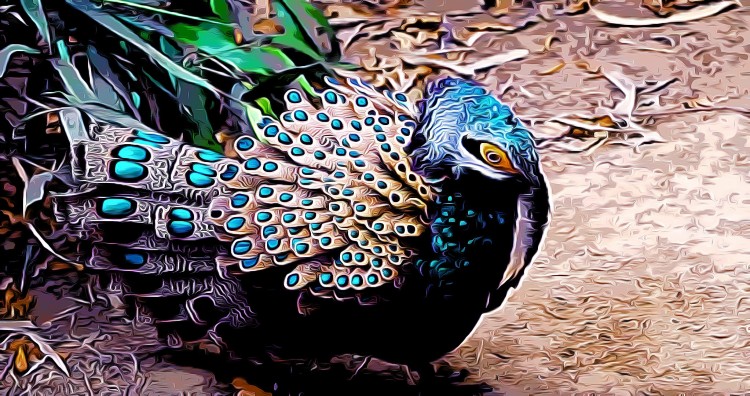
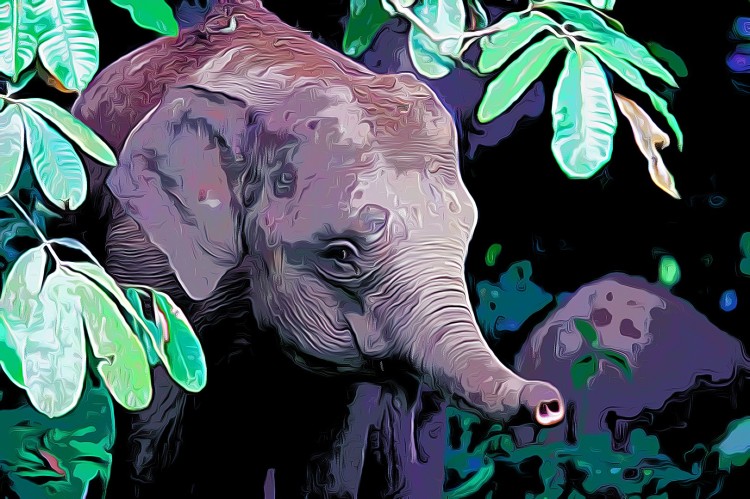
Say thanks on Ko-Fi Dorias Tree Kangaroo Dendrolagus dorianusGiant Ground Pangolin Manis giganteaBorneo Pygmy Elephant Elephas maximus borneensisBornean Peacock-pheasant Polyplectron schleiermacheri

#Borneo #Boycott4wildlife #BoycottPalmOil #brandBoycotts #Cheetos #deforestation #diabetes #Doritos #greenwashing #indigenous #landgrabbing #Lays #Malaysia #MountainDew #News #obesity #PalmOil #palmOilBiofuel #palmOilDeforestation #palmoil #Pepsi #PepsiCo #RSPOGreenwashing

Choose Indigenous Trees Over Palm Oil In India

In an effort to combat #India’s edible oil shortage, the Indian government has heavily promoted the cultivation of exotic palm oil trees. This is a decision mired in controversy due to the associated severe ecological repercussions witnessed in other nations. The thirst for high rainfall, crucial for palm oil’s yield, threatens India’s already dwindling groundwater reserves. Notably, proposals to introduce palm oil in the ecologically sensitive regions of Assam and the North East have sparked significant backlash. Writer Bharat Dogra advocates for a shift in focus, suggesting that the solution may lie in harnessing the potential of indigenous trees capable of producing oilseeds for edible oil.

Indian political commentator Bharat Dogra writes that #India turning towards #palmoil growth is a massive mistake for local #biodiversity #landrights and #climatechange, resist and #Boycottpalmoil #Boycott4Wildlife @palmoildetect https://palmoildetectives.com/2023/09/24/instead-of-risky-palm-oil-in-india-indigenous-trees-should-get-more-attention/

Share to BlueSkyShare to Twitter

https://youtu.be/jer1UJbL_Kc?si=Gqd6gLsKD1JwfED_

Article originally published in Countercurrents on 18th June, 2023. Written by Bharat Dogra is Honorary Convener of the campaign to Save Earth Now. His recent books include India’s Quest for Sustainable Farming and Healthy Food, Man over Machine and Planet in Peril.


Recent government policy has resorted to huge promotion of exotic palm oil trees to end edible oil shortage in India. However, this is associated with highly disruptive ecological costs, as has been seen from the experience of several countries.

The kind of high rainfall conditions needed for its high yield are not readily available in India and this will lead to heavy extraction of already scarce groundwater. Plans for large-scale introduction of palm oil in India’s ecologically fragile regions of Assam and the North East have already faced much criticism.

Palm oil plantations at the foothills of Eastern Ghats near Srungavarapukota in Vizianagaram district by Adityamadhav83 on WikipediaPalm oil plantations at the foothills of Eastern Ghats near Srungavarapukota in Vizianagaram district by Adityamadhav83 on Wikipedia

A better option would be to explore the potential of several indigenous trees which yield oilseeds from which edible oil can be obtained.

There are several such indigenous trees which can provide edible oils, such as mahua, karanj, sal, kokum, kusum etc. (not to mention coconut, which is already well established as a supplier of edible oil). Some of these trees are known and some are not so well-known and need to be explored further. The edible oil contained from some of these trees is known to be very good for nutrition and to be rich in poly unsaturated fats, important for nutrition.

Availability of edible oils can increase significantly even from already existing trees. However once this importance is realised and conscious efforts are made to increase these trees, then edible oil availability for domestic use ( particularly in tribal community areas) as well as for export markets for niche uses, including medicinal value, can increase even more significantly.

It will be a mistake to grow these trees as plantation crops. This will be harmful for biodiversity, environment and food security. It will be much better for all families in a tribal community to grow two additional such trees each on their land. In this way about two to four hundred additional oilseed trees can grow in each village, and about 200,000 villages in India are likely to be suitable for growing these trees.

Bharat Dogra


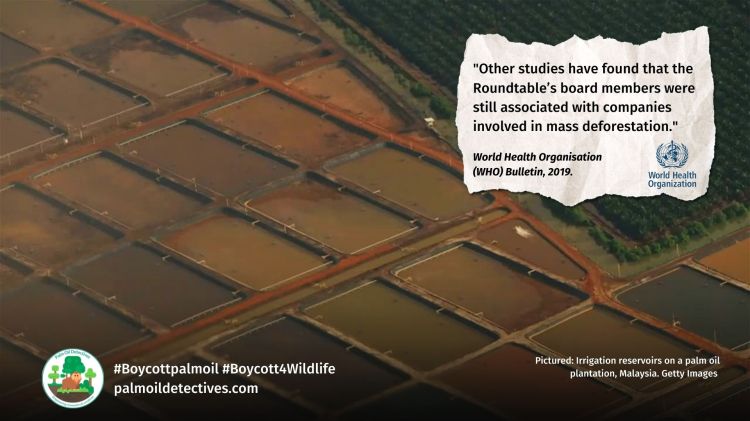
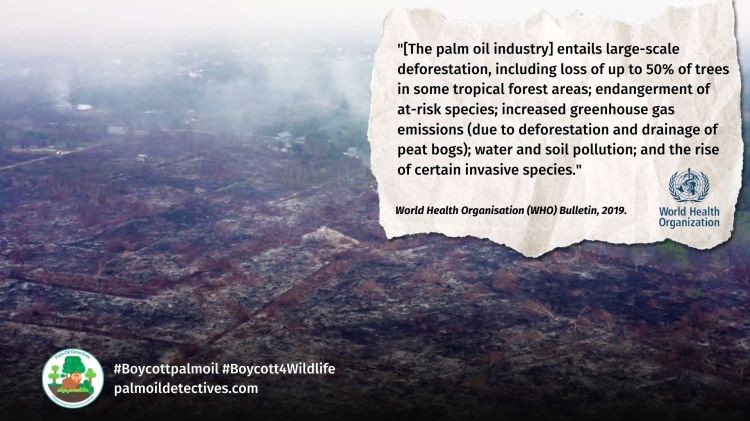
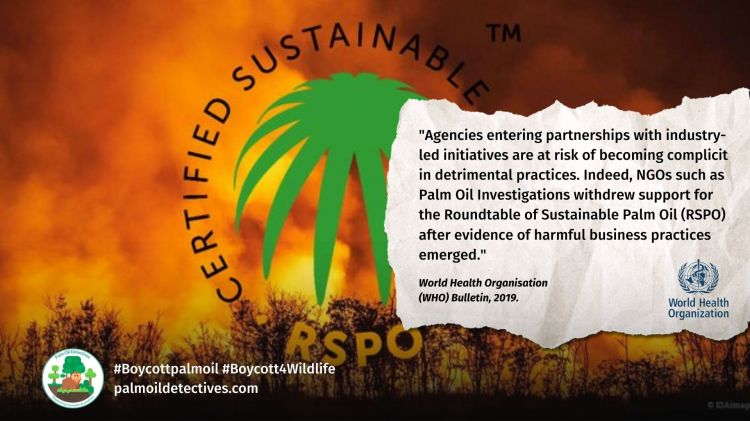
A 2019 World Health Organisation (WHO) report into the palm oil industry and RSPO finds extensive greenwashing of palm oil deforestation and the murder of endangered animals (i.e. biodiversity loss)

Read moreWHO Bulletin on Palm Oil: Deforestation and ExtinctionWHO Bulletin on Palm Oil: Deforestation and ExtinctionWHO Bulletin on Palm Oil: Deforestation and ExtinctionWHO Bulletin on Palm Oil: Air Pollution and Health

As almost all of these trees have multiple uses for their fruits, flowers, seeds, leaves etc., benefits for these farmers and villagers will be many. Mahua tree can provide very nutritious and filling food which is all the more useful in lean season and drought years, its fodder is also very useful while at the same time the use of its flower as an intoxicant should be minimised.

Cooperatives of farmers and villagers to collect tree oilseeds can be set up to ensure a fair price. However instead of selling these to big processors, value addition can be obtained by local processing.

Local processing units in all these villages should be set up, particularly to extract oil but also to process other produce of these trees. This local processing will generate more livelihoods, while the residue (after oil extraction) will provide nutritive feed for animals and organic fertiliser for farms.

The potential for this is the highest in tribal communities, but certainly potential exists in other villages also for various communities.

Isn’t it irrational that the authorities are ignoring this potential but instead going in for the ecologically disruptive option of palm oil plantation?

There are also trees like neem whose oil may not be used for cooking but has important medicinal uses. Then there are other trees which provide non-edible oil with several uses such as for soap making and can be used for cottage scale units of soap or other products of everyday use.

In addition there is much potential for better protection and improvement of coconut trees which have so many different uses apart from providing edible oils.

There is a strong case for giving much more attention to all indigenous trees which provide edible oils and for providing many more sustainable livelihoods on the basis of their various products including oilseeds, with the added caution that these indigenous trees should be grown not as big monoculture plantations but instead in their usual natural way co-existing with all biodiversity.

Article originally published in Countercurrents on 18th June, 2023. Written by Bharat Dogra is Honorary Convener of the campaign to Save Earth Now. His recent books include India’s Quest for Sustainable Farming and Healthy Food, Man over Machine and Planet in Peril.

ENDS


Read more about Indian animals threatened by palm oil deforestation in India

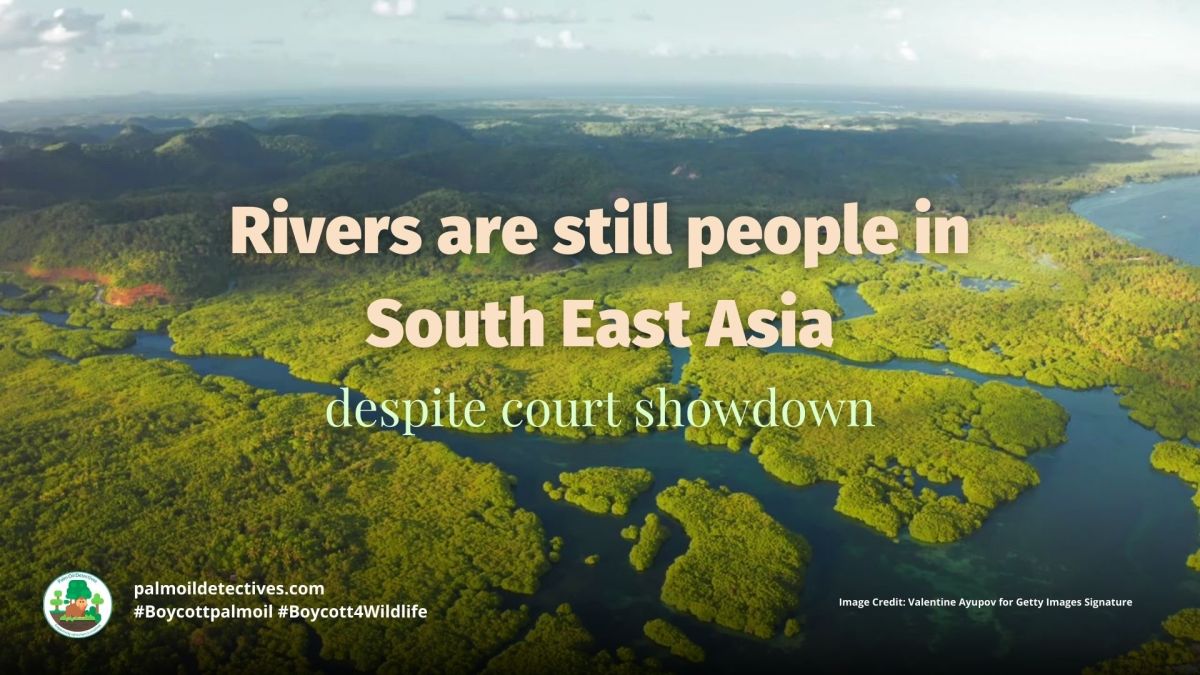
Rivers are still people in South East Asia despite court showdown

Rivers are still people in South East Asia despite court showdown

Healthy rivers are essential for community wellbeing, economic development, and society, culture, and spirituality. But current damage to India and Bangladesh’s rivers compromises their health, and ultimately, the neighbouring people.

In recognising rivers…

Read more

Protecting India’s Tigers Saves One Million Tonnes of CO2

Protecting India’s Tigers Saves One Million Tonnes of CO2

#India’s fifty year long Project #Tiger has been a successful conservation project. A new research study finds that protecting tigers and their rainforest home has additional benefits to #carbonemissions, saving 1 million tonnes…

Read more

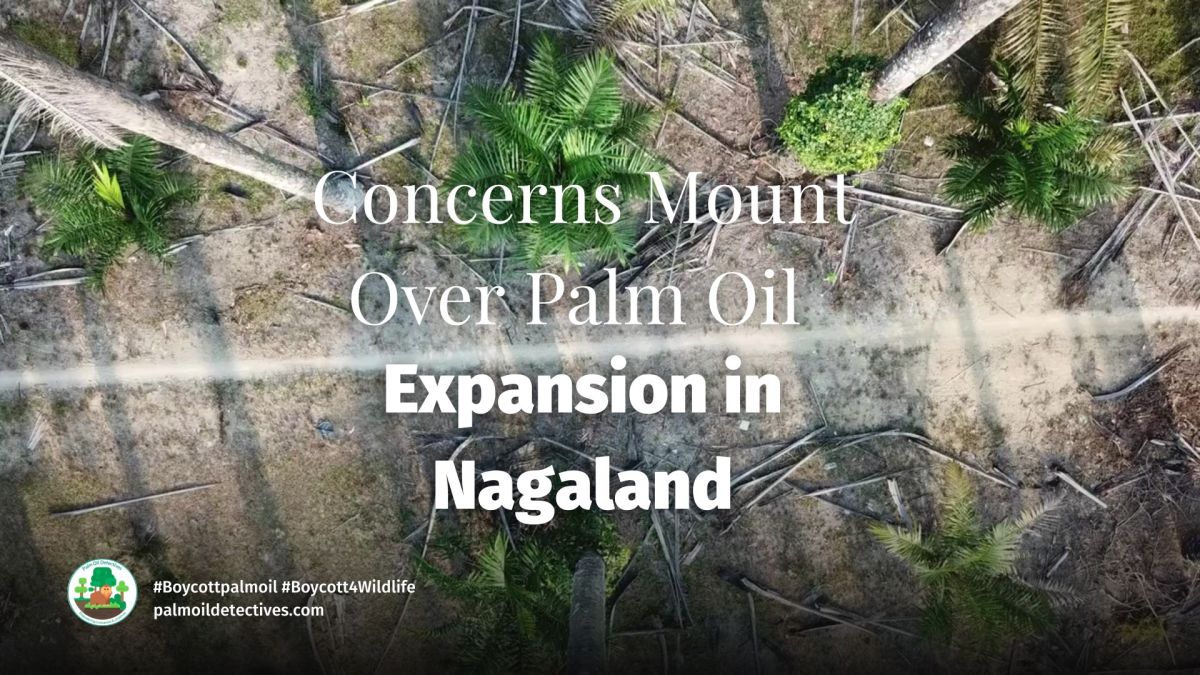
Concerns Mount Over Palm Oil Expansion in Nagaland

Concerns Mount Over Palm Oil Expansion in Nagaland

Climate activists in Nagaland, India, are raising grave concerns about the environmental and social impacts of expanding palm oil plantations in the region.

Read more

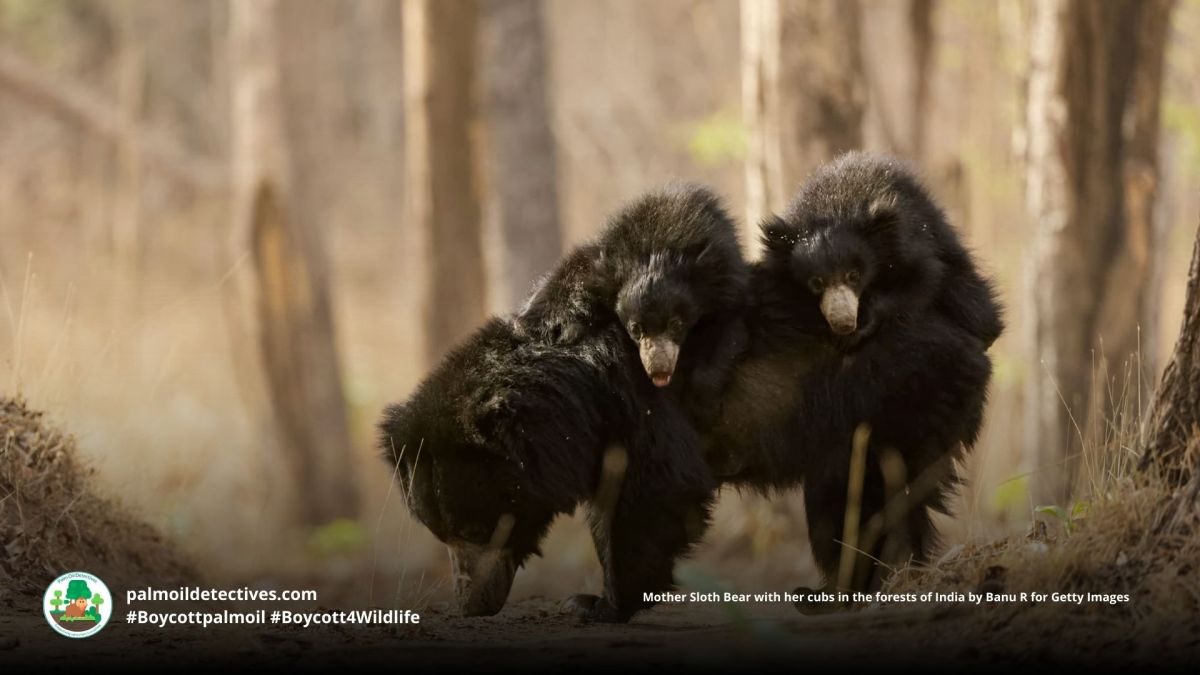
Sloth Bear Melursus ursinus

Sloth Bear Melursus ursinus

The sloth bear (Melursus ursinus), with their distinctive “Y” or “V” shaped chest patch and shaggy fur, are unique bears native to the Indian subcontinent. Once exploited as ‘dancing bears’ by the Kalandar…

Read more

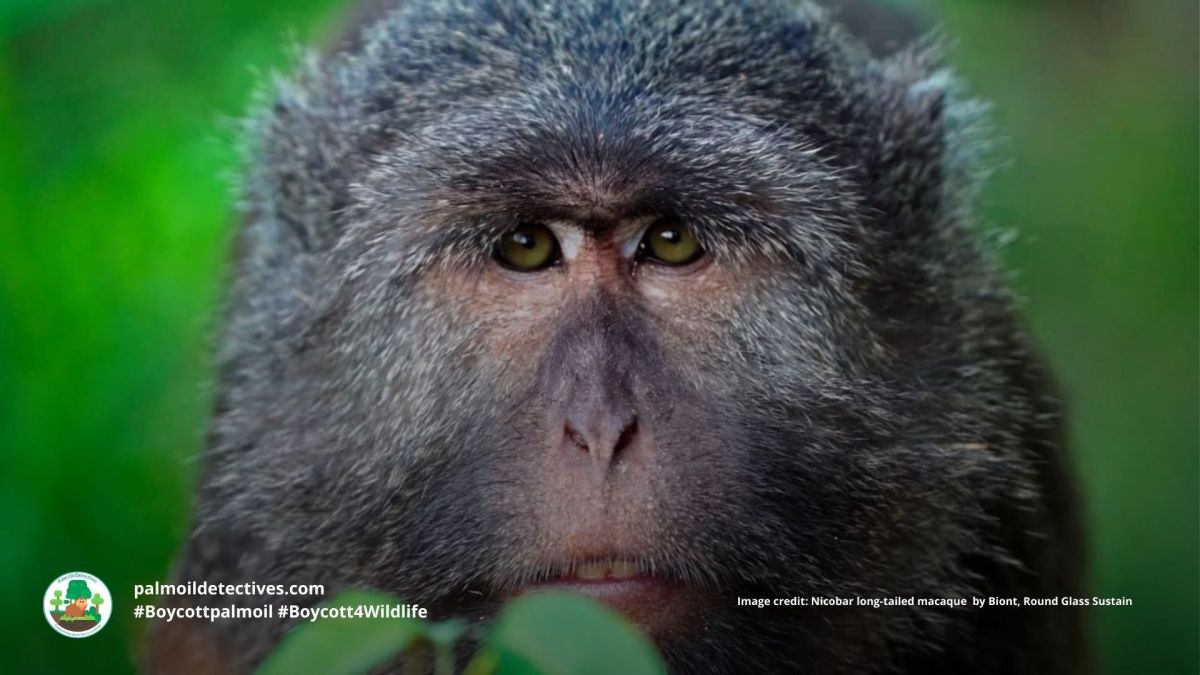
Nicobar Long-Tailed Macaque Macaca fascicularis umbrosa

Nicobar Long-Tailed Macaque Macaca fascicularis umbrosa

Discover the intriguing world of the Nicobar long-tailed macaque, a true survivor of India’s Andaman and Nicobar Islands. These intelligent, adaptable, and highly social creatures navigate a variety of habitats with remarkable resilience.…

Read more

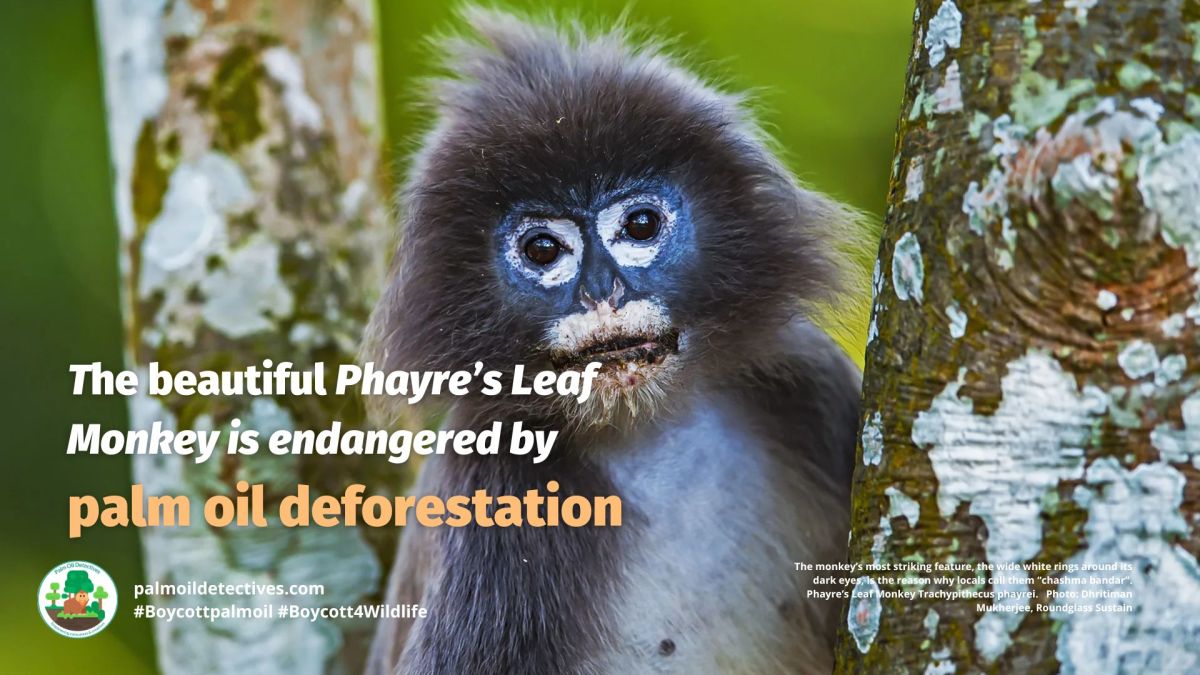
Phayre’s Leaf Monkey Trachypithecus phayrei

Phayre’s Leaf Monkey Trachypithecus phayrei

Phayre’s leaf monkey, also known as Phayre’s langur, are remarkable Old World monkeys distinguished by large, white-rimmed eyes that lend them a “spectacled” appearance. Known locally as ‘Chasma bandor’ they live mostly in…

Read more

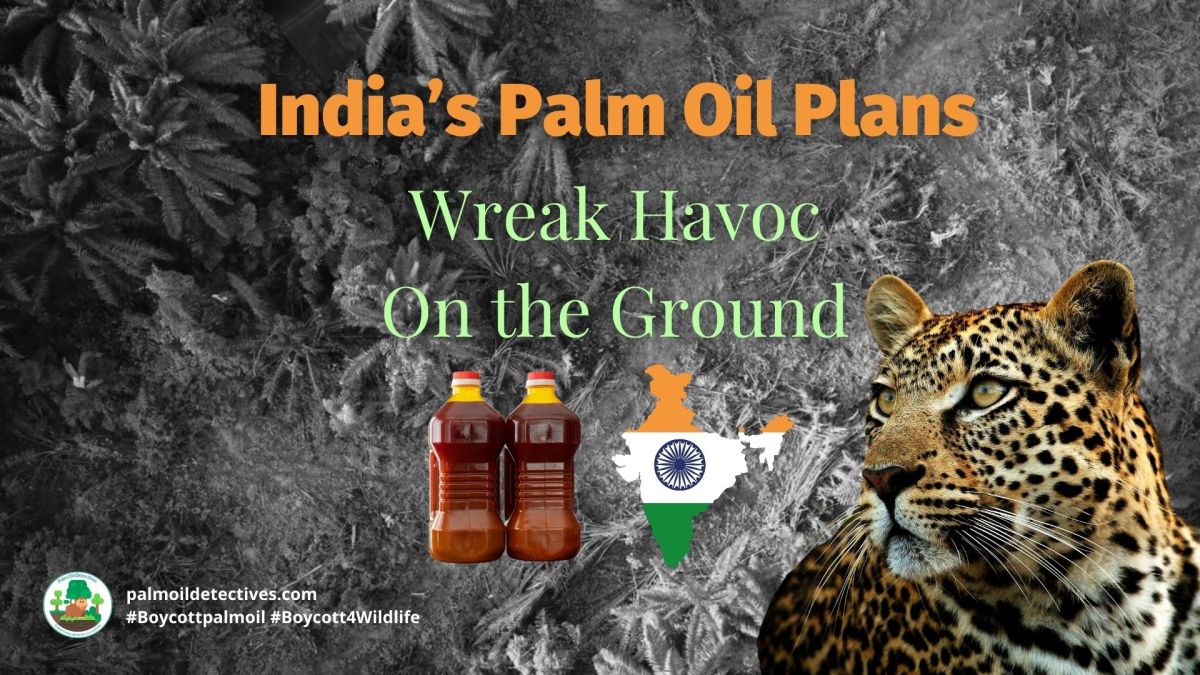
India’s Palm Oil Plans Wreak Havoc On The Ground

India’s Palm Oil Plans Wreak Havoc On The Ground

#India’s aggressive push for #palmoil plantations in #Nagaland, #Assam and #Mizoram is wreaking havoc on both the environment and local communities. The government plans to ramp up oil palm cultivation in the northeast,…

Read more

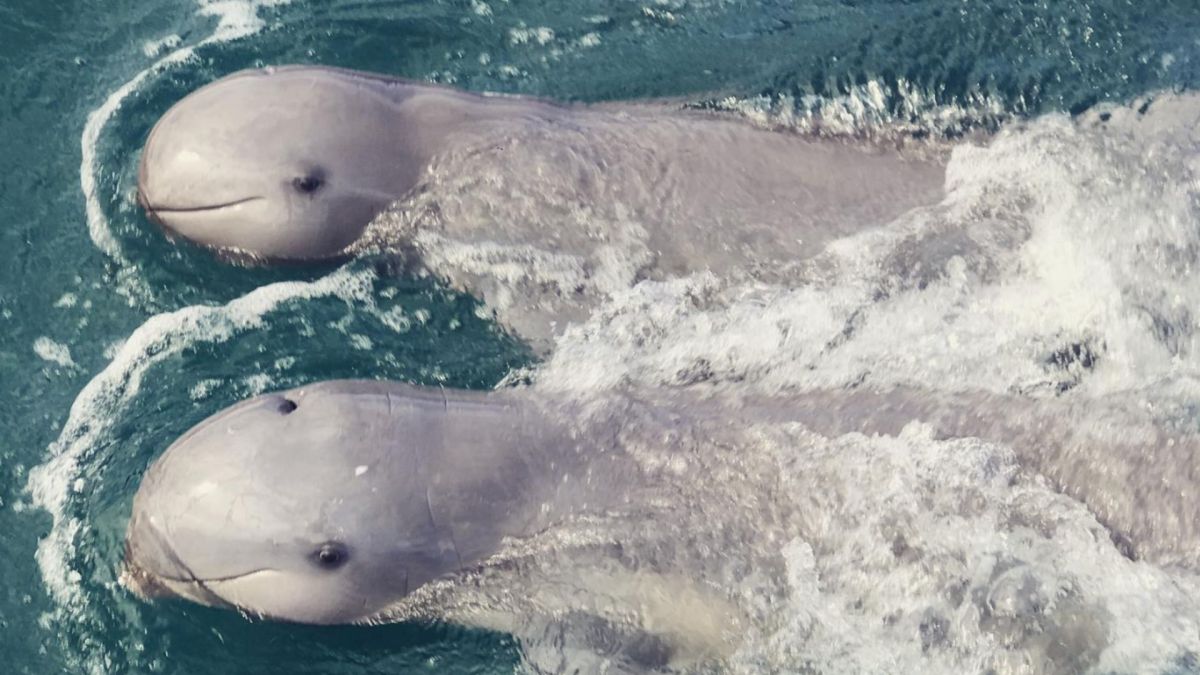
Irrawaddy Dolphin Orcaella brevirostris

Irrawaddy Dolphin Orcaella brevirostris

Intelligent and social Irrawaddy dolphins, also known as the Mahakam River dolphins or Ayeyarwady river #dolphins have endearing faces. Only 90 to 300 are estimated to be left living in the wild. Their…

Read more

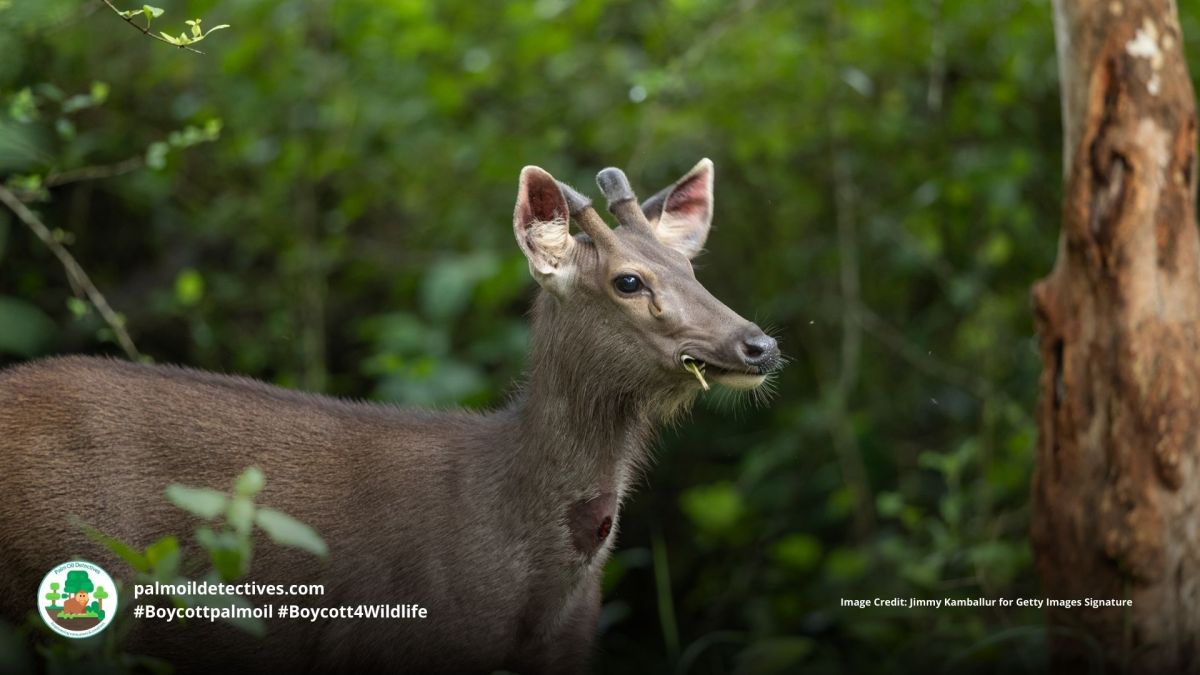
Sambar deer Rusa unicolor

Sambar deer Rusa unicolor

The majestic Sambar deer, cloaked in hues ranging from light brown to dark gray, are distinguished by their rugged antlers and uniquely long tails. Adorned with a coat of coarse hair and marked…

Read more

Lion-tailed Macaque Macaca silenus

Lion-tailed Macaque Macaca silenus

Lion-tailed macaques hold the title of one of the smallest macaque species in the world and sport a majestic lion-esque mane of hair. They exclusively call the Western Ghats in India their home.…

Read more

Load more posts

Something went wrong. Please refresh the page and/or try again.


Take Action in Five Ways

1. Join the #Boycott4Wildlife on social media and subscribe to stay in the loop: Share posts from this website to your own network on Twitter, Mastadon, Instagram, Facebook and Youtube using the hashtags #Boycottpalmoil #Boycott4Wildlife.

Enter your email address

Sign Up

Join 3,529 other subscribers

2. Contribute stories: Academics, conservationists, scientists, indigenous rights advocates and animal rights advocates working to expose the corruption of the palm oil industry or to save animals can contribute stories to the website.

Wildlife Artist Juanchi Pérez

Wildlife Artist Juanchi Pérez

Read more

Mel Lumby: Dedicated Devotee to Borneo’s Living Beings

Mel Lumby: Dedicated Devotee to Borneo’s Living Beings

Read more

Anthropologist and Author Dr Sophie Chao

Anthropologist and Author Dr Sophie Chao

Read more

Health Physician Dr Evan Allen

Health Physician Dr Evan Allen

Read more

The World’s Most Loved Cup: A Social, Ethical & Environmental History of Coffee by Aviary Doert

The World’s Most Loved Cup: A Social, Ethical & Environmental History of Coffee by Aviary Doert

Read more

How do we stop the world’s ecosystems from going into a death spiral? A #SteadyState Economy

How do we stop the world’s ecosystems from going into a death spiral? A #SteadyState Economy

Read more

3. Supermarket sleuthing: Next time you’re in the supermarket, take photos of products containing palm oil. Share these to social media along with the hashtags to call out the greenwashing and ecocide of the brands who use palm oil. You can also take photos of palm oil free products and congratulate brands when they go palm oil free.

https://twitter.com/CuriousApe4/status/1526136783557529600?s=20

https://twitter.com/PhillDixon1/status/1749010345555788144?s=20

https://twitter.com/mugabe139/status/1678027567977078784?s=20

4. Take to the streets: Get in touch with Palm Oil Detectives to find out more.

5. Donate: Make a one-off or monthly donation to Palm Oil Detectives as a way of saying thank you and to help pay for ongoing running costs of the website and social media campaigns. Donate here

Pledge your support

#Assam #biodiversity #BoycottPalmOil #Boycott4wildlife #BoycottPalmOil #childLabour #childSlavery #climatechange #deforestation #humanRights #India #indigenousRights #landRights #landgrabbing #landrights #PalmOil #palmoil #slavery

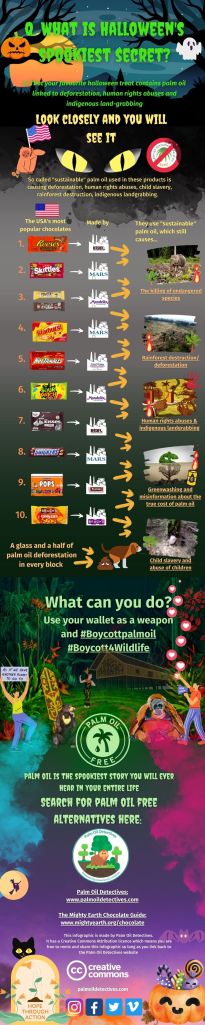
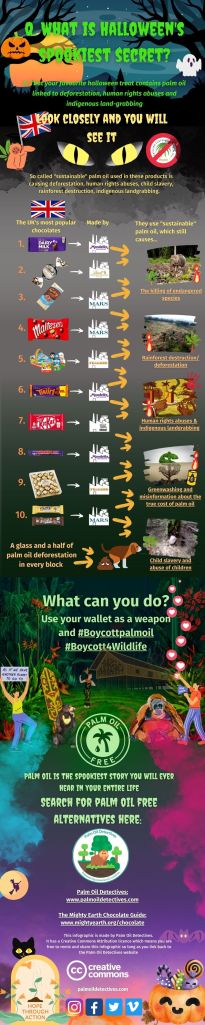
Terrifying Tale of Halloween: Palm Oil Ecocide in Your Treats!

This #Halloween, as you revel in terrifying tales and creepy costumes, remember that the most terrifying tale of all isn’t enjoyable folklore—it’s the horrifying truth about palm oil. This ingredient causes #deforestation, #ecocide, #humanrights abuses and #indigenous land-grabbing. The production of #palmoil casts a dark shadow over our planet, as it can only be grown on destroyed tropical rainforests. So-called “sustainable” palm oil used by the world’s biggest food brands like Nestle, Mondelez, Hersheys, Ferrero and Mars is a complete greenwashing lie. So don’t buy any of it! All palm oil threatens the very existence of wildlife, polluting our air and water, accelerates climate change, and tramples on the rights of indigenous communities worldwide. This Halloween, take action and use your wallet as a weapon. 🌍🌳🦍 #Boycottpalmoil #Boycott4Wildlife

https://youtu.be/Hccw9zCh9pw

What is #Halloween’s most terrifying tale? #Palmoil #greenwashing 🧐💰🤑👿 #ecocide contained in your favourite #chocolate ☠️🌴🪔☠️ and #candy! Take action for #wildlife when you #Boycottpalmoil #Boycott4Wildlife @palmoildetect https://palmoildetectives.com/2023/10/18/halloweens-most-terrifying-tale-palm-oil-greenwashing-and-ecocide-in-your-treats/

Share to BlueSkyShare to Twitter

DYK so-called “sustainable” #palmoil is a #greenwashing lie that still causes #deforestation?🤯 Learn how to #Boycottpalmoil #Boycott4Wildlife this #Halloween 🎃👻🪦 Instead enjoy #palmoilfree and #vegan treats and #candy @palmoildetect https://palmoildetectives.com/2023/10/18/halloweens-most-terrifying-tale-palm-oil-greenwashing-and-ecocide-in-your-treats/

Share to BlueSkyShare to Twitter

Palm oil is commonly used in Halloween candies and treats for one reason only – it is cheap to manufacture.

The production of palm oil has severe environmental and social impacts. Deforestation and ecocide caused by palm oil production threatens wildlife habitats, contributes to air pollution and water pollution, is strongly linked to climate change, and infringes on the rights of indigenous peoples all over the tropical world.


A 2019 World Health Organisation (WHO) report into the palm oil industry and RSPO finds extensive greenwashing of palm oil deforestation and the murder of endangered animals (i.e. biodiversity loss)

Read moreWHO Bulletin on Palm Oil: Deforestation and ExtinctionWHO Bulletin on Palm Oil: Deforestation and ExtinctionWHO Bulletin on Palm Oil: Deforestation and ExtinctionWHO Bulletin on Palm Oil: Air Pollution and Health

Although proponents of palm oil claim that it helps farmers to earn a living wage, a 2021 report by Chain Reaction Research found that the world’s biggest brands earn the lion’s share of profit from palm oil, 66% or more of gross profit flows back to the world’s biggest FMCG companies such as Nestle, Unilever, Hersheys and Colgate-Palmolive. In contrast, almost 0% of profit flows back to farmers themselves.

The Problems with Palm Oil

Palm Oil Detectives is a website that gathers together evidence from dozens of different sources in order to clearly show the elaborate and widespread greenwashing of so-called “sustainable” palm oil. Take a look at the 10 forms of “sustainable” palm oil greenwashing to see how this works, using a network of zoos and fake NGOs in order to push the narrative of “sustainable” palm oil to consumers.

Research: Certifying Palm Oil as “Sustainable” Is No Panacea

Research: Certifying Palm Oil as “Sustainable” Is No Panacea

University of Michigan research reveals that RSPO certification is associated with deforestation and human rights abuses in Guatemala. Boycott palm oil! The…

Certification Schemes Fail to Stop Palm Oil Deforestation

Certification Schemes Fail to Stop Palm Oil Deforestation

71 rights groups warn that certification schemes like RSPO and FSC fail to stop deforestation and abuses. Learn why they are called…

RSPO member SIAT leaves Nigerian farmers without food. Leases their illegally taken land for €1.23 Euros per hectare, per year

RSPO member SIAT leaves Nigerian farmers without food. Leases their illegally taken land for €1.23 Euros per hectare, per year

A 5-month investigation by Elfredah Kevin-Alerechi and Kevin Woke of Sahara Reporters reveals how RSPO member SIAT Nigeria Limited is involved in…

Greenwashing Tactic 9: Partnerships, Sponsorships and Research Funding

Greenwashing Tactic 9: Partnerships, Sponsorships and Research Funding

Greenwashing Tactic 9. Corporations use NGOs, Zoo partnerships, sponsorships, and research funding to give an industry or brand a ‘green image.

This website also provides evidence in the form of many research papers and reports from many non-profits (those organisations not partnered with the palm oil supply chain). These reports expose the immense corruption, ecocide and greenwashing in the palm oil industry along with its human rights abuses, violence, land-grabbing and animal cruelty – all associated with RSPO members supposedly using “sustainable” palm oil.

Greenwashing: Manufacturing consumer demand for palm oil

Since its inception two decades ago, the global certification for palm oil the RSPO continues to promote “sustainable” palm oil. Yet not one of its supply chain members has actually eradicated deforestation or human rights abuses from their palm oil supply chains. This constant promotion of the palm oil industry in spite of evidence of its ongoing failures is clear evidence of the RSPO’s greenwashing.

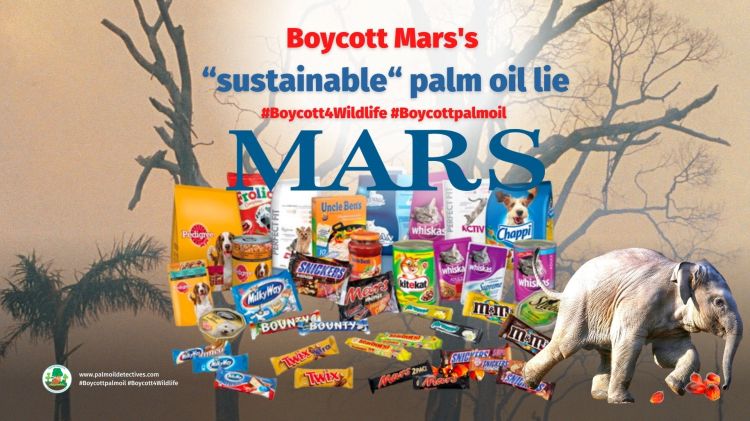
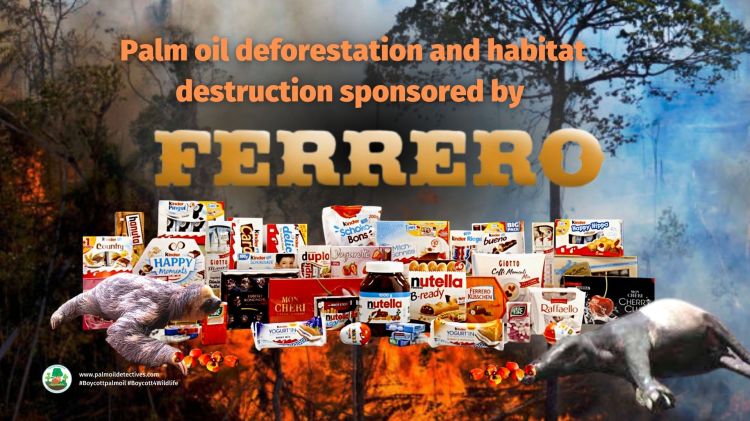
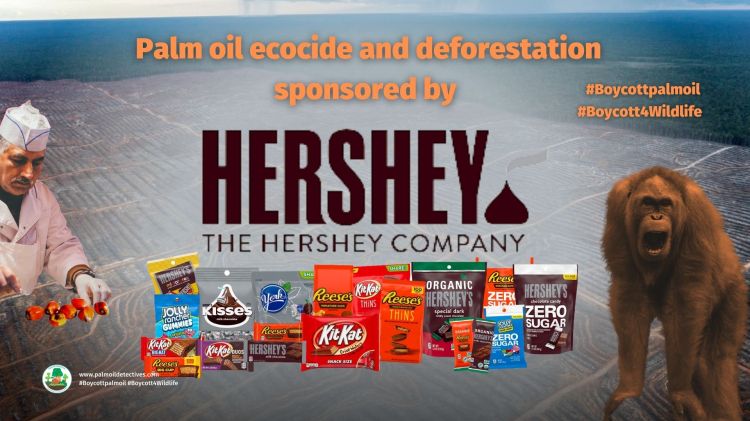
  • Boycott nestle cover image
  • Boycott mondelez cover image
  • Boycott Pepsi cover image
  • Boycott Mars cover image
  • Boycott danone cover image
  • Boycott ferrero cover image
  • Boycott Hersheys cover image
Palm Oil FreeBrands to Boycott

The global demand for palm oil contributes significantly to deforestation, particularly in countries like Indonesia, Malaysia, Brazil, Colombia, Nigeria and Uganda. These regions are rich in biodiversity, and the loss of their rainforests impacts numerous species non-human beings of all shapes and sizes. This includes not only the poster child for palm oil ecocide – the three orangutan species, but also rare and endangered plants and animal species.

From the smallest insect to the most magnificent elephant, to exquisite and vibrantly coloured birds – all are under threat by palm oil’s relentless growth across all tropical regions of the world. Indigenous peoples with their unique cultures, customs and languages are also endangered by palm oil expansion as well.

The #Boycottpalmoil #Boycott4Wildlife movement starts with you

If this terrifying tale of palm oil has alarmed you, the good news is – there are actions you can take.

One powerful and effective way to help rare animals, plants and indigenous peoples is to use your wallet as a weapon and boycott palm oil. By learning how to identify palm oil in products and choosing products that are palm oil free, you can contribute to reducing demand for this destructive commodity.

A great place to start is by searching for palm oil-free alternatives on this website and also by promoting the #Boycottpalmoil and #Boycott4Wildlife on movement on social media.

Remember, every purchase you make has an impact. This Halloween, support the wildlife you love and use your wallet as a weapon.

Download your free Halloween infographic here

Learn how to boycott palm oil this Halloween in America, the UK and Australia

Learn how to boycott palm oil this Halloween in America, the UK and Australia

The reality of these chocolate and confectionery brands is the spookiest story you will ever hear this Halloween Learn how to boycott with handy lists for the US, Uk and Australia. Discover the spookiest story of #Halloween 🎃👻💀: “sustainable” #palmoil is not sustainable! Major brands continue to buy #palmoil infused with #ecocide. Make sure you…

Palm Oil Detectives's avatarby Palm Oil DetectivesOctober 26, 2022April 22, 2025Q. What is Halloween's Spookiest Secret A. Palm Oil - USA EditionQ. What is Halloween's Spookiest Secret A. Palm Oil - UK Edition

#Boycott4wildlife #BoycottPalmOil #candy #chocolate #confectionery #consumerBoycott #consumerRights #Danone #deforestation #ecocide #ethicalConsumerism #greenwashing #Halloween #Hersheys #HumanRights #indigenous #Mars #Mondelez #Nestle #PalmOil #palmOilDeforestation #palmoil #palmoilfree #treats #vegan #wildlife

Seaweed is high in vitamins and minerals – but that’s not the only reason westerners should eat more of it

Now

This article was written by Rochelle Embling, a PhD researcher in psychology at Swansea University, and Laura Wilkinson, a senior lecturer in psychology at Swansea University. It is republished from The Conversation under a Creative Commons license. Read the original article.

Edible seaweeds and algae – or sea vegetables – are a group of aquatic plants that are found in the ocean. Kelp, dulse, wakame and sea grapes are all types of seaweeds that are used in seaweed-based dishes.

#Algae has a tasty ‘umami’ flavour and a superb nutrient profile, especially for #vegans. It doesn’t cause #deforestation either! Replacing #palmoil with #algae makes sense for rainforests #Boycottpalmoil #Boycott4Wildlife #Together4Forests

Tweet

Share to BlueSkyShare to Twitter

Share to BlueSkyShare to Twitter

Though eating seaweed is mostly common in Asian countries, today seaweeds are widely growing in popularity as an ingredient in a range of food and beverages. This notably includes sushi, where nori seaweed is used as an edible wrap for vegetable, fish, and rice-based fillings.

Our research suggests that people in the UK, like consumers in other western countries, are less familiar with seaweed as an ingredient. This is important because food neophobia (wanting to avoid novel foods) may prevent consumers from trying new products.

And for seaweeds in particular, first impressions may be less appealing when associated with the plant washed up on our beaches. For example, many participants in our research imagined seaweed to be “smelly”, “salty”, and “slimy” when asked.

Despite it being considered an Asian staple, people have been eating seaweed in Europe as well for centuries

Many European countries have a history of consuming seaweeds. This includes laverbread, a savoury puree made from laver seaweed, which is eaten alongside other seafood as part of Welsh cuisine. A sweet alternative is carrageen pudding, a jelly-like dessert made from carrageen seaweed (otherwise known as Irish moss).

Spirulina algae by Madeleine Steinback on Getty Images

However, this traditional consumption of seaweed remains somewhat niche today. And with the exception of sushi, seaweed consumption is relatively low in most western countries.

In a recent study, we explored how consumers rate seaweeds and potential food products (that could be supplemented with seaweed) when thinking about eating them. We found that people expected seaweed food products (such as seaweed burgers) to be more appealing than seaweed as a general food source.

Notably, as participants already expected seaweed products to be healthy and sustainable, these attributes were less important to their acceptance of seaweed. Taste and familiarity were the two factors that had the greatest influence on participants’ willingness to try and buy seaweed-based foods.

Seaweed: a superb way to get nutrients as a vegan

Seaweeds are a highly versatile and nutritious food source that can benefit our diet. Seaweeds are often rich in fibre and high in vitamins and minerals. This includes iodine and vitamin B12, which can be lacking in vegetarian and vegan diets.

Submerged algae and seaweed Lucas B Bracht on Getty Images

Has a super tasty ‘umami’ flavour, despite its reputation for being a stinky plant of the sea

And seaweeds can be added to a range of products for their taste as well as how they can be used to thicken soups or stabilise the texture of ice cream. As seaweeds have a umami flavour, many chefs also favour seaweeds as a way to enhance the depth of flavour in their dishes.

A climate-friendly and forest-friendly food

Thinking about what we eat has become an important environment-related talking point. As more of us try to eat less meat and dairy, we have seen a rise in the consumption of plant-based products (including burger patties, nuggets, and sausages), plant-based milk (soya, almond, rice, and oat milk), and other dairy alternatives (such as dairy-free yoghurt and cheese).Kelp recipes.

In the current market, plant-based “meat” is typically made from soya, with other plant-based proteins including peas, mushrooms, and wheat.

High in protein, low in salt

Importantly, seaweeds and algae could be worthy additions to this list. Though the protein content of seaweed differs between species (particularly as it goes through the production process), protein can account for up to 25% of the dry weight for green seaweeds, and 47% for red seaweeds.

This means that seaweeds could be used to supplement the nutritional content of protein alternatives. In particular, seaweeds are often low in sodium. As the salt content of plant-based meat products can be higher than similar products, seaweeds could be used as an alternative seasoning to salt, helping to improve the healthiness of these items while enhancing taste

Seaweeds also have the potential for sustainable farming along the UK coastline. When compared to other plant-based alternatives, this means they stand out for their ability to grow without freshwater or fertilisers and do not compete for land space.

Seaweed needs ‘taste profiling’ on the packaging (like wines do) for consumers to appreciate it more

Our research also suggests that including more taste-focused language on packaging (delicious, warm, rich) and providing recipe ideas to consumers (serve seaweed as a side dish) may be an important marketing strategy if future seaweed products are to find new audiences.

We need to make seaweed cheaper so everyone can enjoy it

There are some additional barriers that we need to consider. For example, like other plant-based alternative foods, seaweed can be more expensive, and high street availability is limited compared to online. Also, as the nutrients in seaweeds are affected by the waters they grow in, eating too much or consuming seaweeds from unregulated sources can affect food safety.

Overall, however, there are plenty of reasons why seaweed is a great food for the future.

Here are more Reasons to be Hopeful

Songbirds Socialise Mid-Flight During Migration

Amazing Animal Adaptations

Songbirds Socialise Mid-Flight During Migration

Read more

Why Pangolins Are So Special

Amazing Animal Adaptations

Why Pangolins Are So Special

Read more

Protecting Peru’s Grasslands Vital for Spectacled Bears

Amazing Animal Adaptations

Protecting Peru’s Grasslands Vital for Spectacled Bears

Read more

Javan Rhinos Not Safe from Poachers

Amazing Animal Adaptations

Javan Rhinos Not Safe from Poachers

Read more

Load more posts

Something went wrong. Please refresh the page and/or try again.

Boycott the brands causing deforestation for palm oil, soy and meat by joining the #Boycott4Wildlife

Join the #Boycott4Wildlife Small version - Palm OIl Detectives Banner Header

Palm Oil Detectives is 100% self-funded

Palm Oil Detectives is completely self-funded by its creator. All hosting and website fees and investigations into brands are self-funded by the creator of this online movement. If you like what I am doing, you and would like me to help meet costs, please send Palm Oil Detectives a thanks on Ko-Fi.

Say thanks on Ko-Fi Dorias Tree Kangaroo Dendrolagus dorianusGiant Ground Pangolin Manis giganteaBorneo Pygmy Elephant Elephas maximus borneensisBornean Peacock-pheasant Polyplectron schleiermacheri

#algae #Boycott4wildlife #BoycottPalmOil #consumerRights #consumerism #deforestation #diet #food #health #healthProducts #humanHealth #nutrition #PalmOil #palmOilAndHealth #palmoil #plantBasedDiet #ReasonsToBeHopeful #vegan #veganism #vegans
View (PDF)