Discussion
Loading...

#Tag

  • About
  • Code of conduct
  • Privacy
  • About Bonfire
Media Revolution Channel
Media Revolution Channel boosted
 ·  activity timestamp 4 years ago
activity timestamp 5 months ago
Peer:

Unsupported type or deleted object

Conservation activists suing Indonesian zoo could inspire global action on endangered species trade

In a court in rural #Indonesia, an environmental group recently filed a lawsuit of global importance. Their case is against a zoo in North #Sumatra that it’s alleged illegally exhibited threatened species, including Komodo dragons and critically endangered Sumatran #orangutans. The illegal wildlife trade is a multibillion-dollar industry that threatens species globally, from #elephants to orchids. Plants, animals and fungi are harvested from the wild and sold to customers around the world as attractions in zoos, as pets, for food, as souvenirs or as medicine. Help animals and #BoycottWildlifeTrade #Boycott4Wildlife

People caught trafficking wildlife are typically tried in criminal law cases, in which courts impose fines or prison sentences that punish the responsible parties in order to deter would-be criminals. But in this recent case, rather than seek punishment against the Indonesian zoo, the activists brought a civil lawsuit ordering the zoo to remedy the harm it allegedly caused by exhibiting these species illegally.

Lawsuit by activists against #zoo in #Indonesia for harm caused by illegally exhibiting endangered #species was successful. It’s a new way to protect #wildlife from illegal and cruel #trafficking #Boycottpalmoil #Boycott4Wildlife Images @CraigJones17 https://palmoildetectives.com/2022/04/03/conservation-activists-suing-indonesian-zoo-could-inspire-global-action-on-endangered-species-trade/

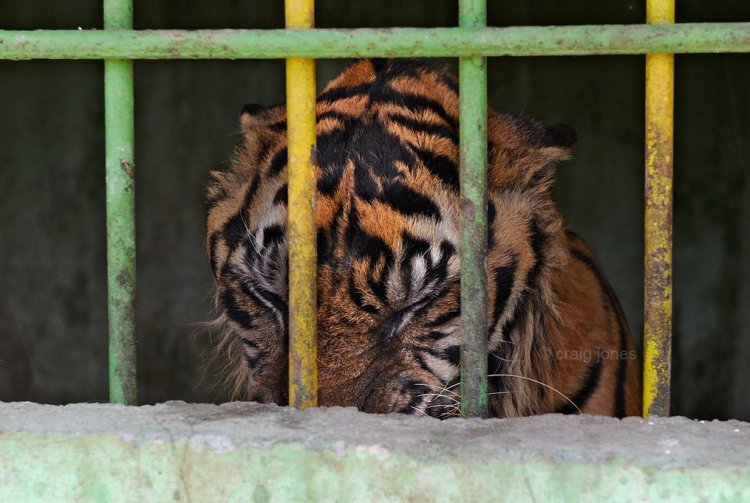
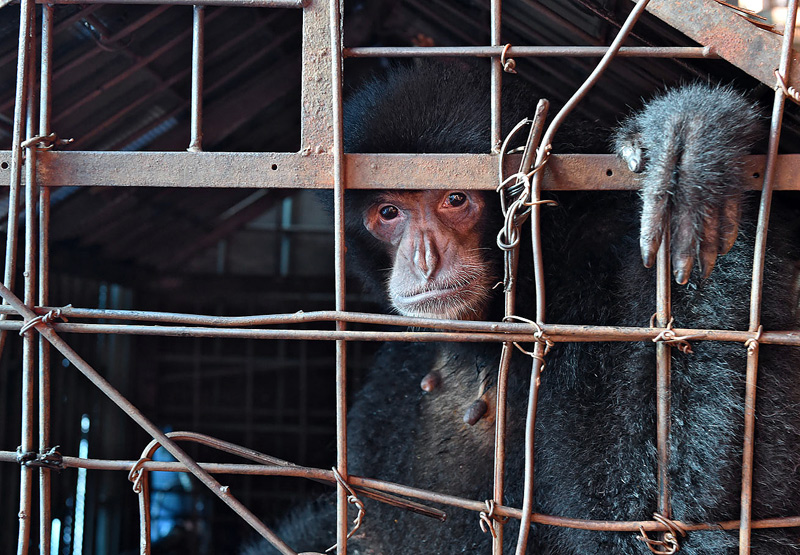
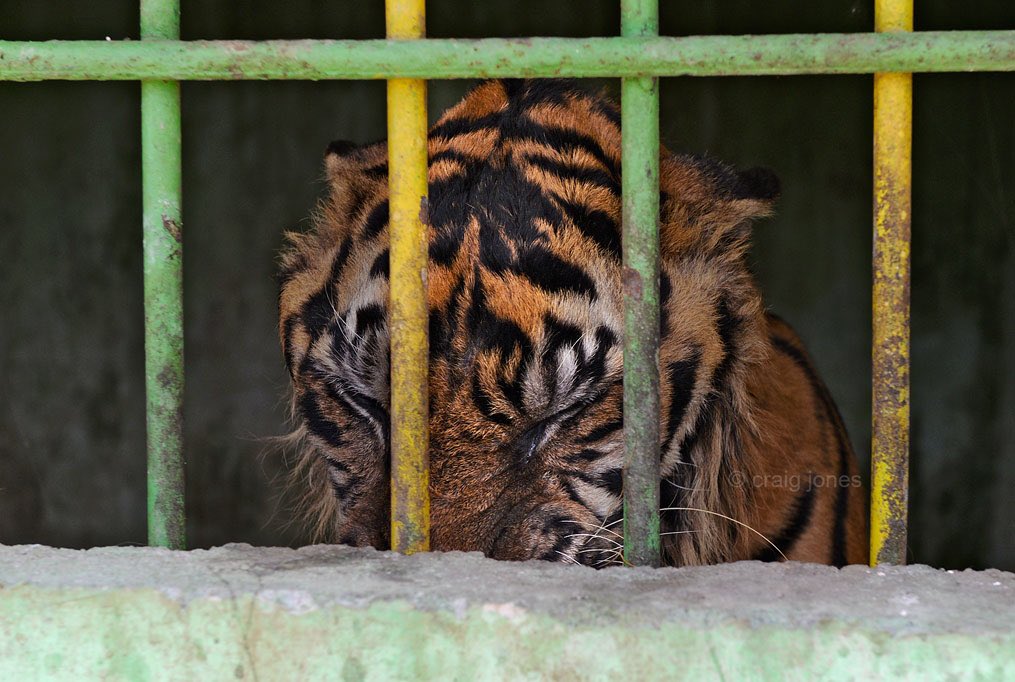
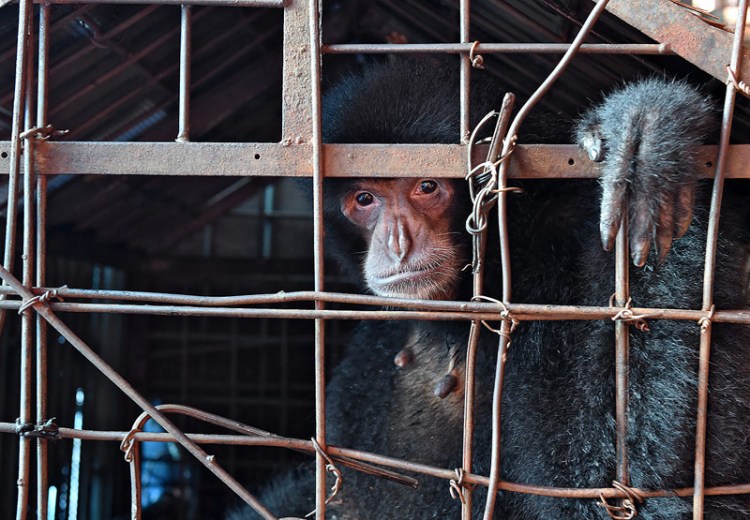
Share to BlueSkyShare to TwitterThis siamang has spent her whole life in this cage, a vision that was a true nightmare. Craig Jones Wildlife PhotographyThis siamang has spent her whole life in this cage, a vision that was a true nightmare. Craig Jones Wildlife PhotographyA Sumatran tiger help in a tiny cage struggles to stay alive. Craig Jones Wildlife photographyA Sumatran tiger help in a tiny cage struggles to stay alive. Craig Jones Wildlife photography A captured Siamang and a captured tiger in Indonesia. Photos by Craig Jones Wildlife Photography
In the press release announcing the lawsuit, the North Sumatra Chapter of the Indonesian Forum for the Environment (Walhi Sumut) and Medan Legal Aid Institute said they were suing to cover the costs of care for one Sumatran orangutan confiscated from the zoo, and to fund monitoring of orangutan habitat to aid the recovery of their wild population. The resulting bill exceeds US$70,000 (£49,438). The typical criminal sanction for wildlife crime in Indonesia is around US$3,500.
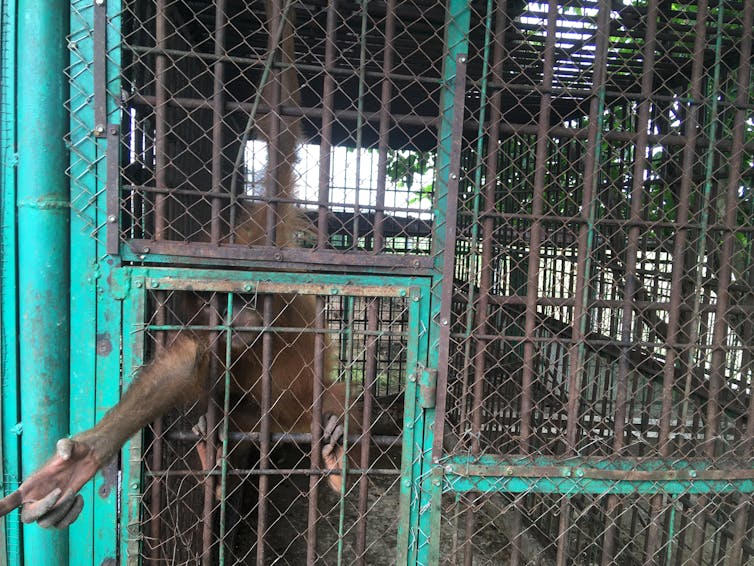
An orangutan pokes its arm through the bars of a large cage.One of the orangutans in the zoo before it was confiscated in 2019. Walhi North Sumatra, Author provided

The activists are also asking the zoo to publicly apologise and to create educational exhibits that explain how the illegal trade and use of wildlife harms nature and society. Surprisingly, these types of legal strategies that aim to repair harm – rather than punish perpetrators – have been largely overlooked by conservationists in many countries. The Indonesian zoo lawsuit could demonstrate the value of a new legal approach for protecting threatened wildlife.
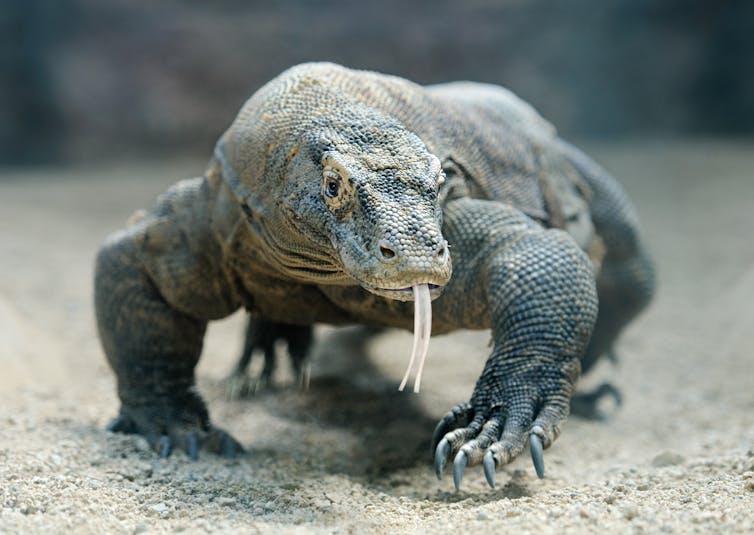
Komodo dragons were illegally exhibited at the zoo. Anna Kucherova/Shutterstock

Historical precedents

The zoo lawsuit parallels landmark pollution cases, such as the Exxon Valdez and Deepwater Horizon oil spills, where the responsible parties (in these cases, oil companies) were sued by government agencies and citizens and required to clean up pollution, compensate victims and restore affected habitats. It is also similar to innovative climate change lawsuits that have argued for the world’s largest oil and gas companies to pay for building protective sea walls, and other measures which help mitigate the effects of global warming.

Similar legal approaches haven’t been a major part of enforcing conservation laws. But through our work in Conservation Litigation – a project led by conservationists and lawyers – colleagues and I are working to bring such lawsuits against offenders globally.

Many countries already have laws that would allow these lawsuits, including in biodiversity hotspots such as Mexico, Democratic Republic of Congo and Indonesia. The 1992 UN Rio Convention called on states to “develop national law[s] regarding liability compensation for the victims of pollution and other environmental damage”. Although laws that oblige offenders to remedy environmental harm have been established already, the Indonesian zoo case is unique as one of the first times such a law has been applied to address wildlife crime. https://player.vimeo.com/video/510514912

The case could serve to influence public views and policies around biodiversity. This has been an important benefit of litigation in other areas, such as in cases against tobacco companies and opioid manufacturers.

Over the years, these lawsuits have secured compensation for healthcare costs, public admissions of guilt from executives and corrective adversiting to clarify earlier misinformation. These cases have not only benefited individual victims, but helped shift attitudes and reform public health policies and company practices.

The zoo lawsuit could achieve something similar by holding the zoo liable for downstream harms caused by its involvement in the illegal wildlife trade. By requesting public apologies and support for educational programmes, the lawsuit would not only seek to remedy harm to individual animals and species, but to help shape public perceptions and policy.

It’s also significant that this case is being brought by a non-governmental organisation (NGO). Governments can bring criminal cases against offenders, while the NGOs cannot. But in many countries, citizens and civil society groups are permitted to launch civil lawsuits in response to environmental harm, expanding the potential for public conservation action.

These types of lawsuits are often hindered by difficulties paying lawyers, corruption in legal systems and the intimidation of activists. With more than one million species potentially facing extinction, it’s important to recognise and support these rare cases which are testing new ways to protect the planet’s most threatened forms of life.

Jacob Phelps, Senior Lecturer in Conservation Governance, Lancaster University

This article is republished from The Conversation under a Creative Commons license. Read the original article.

How can I help the #Boycott4Wildlife?

1. Join the #Boycott4Wildlife: Share posts from this website to your own network on Twitter, Instagram and Facebook using the hashtags #Boycottpalmoil #Boycott4Wildlife.

2. Contribute stories: Academics, conservationists, scientists, indigenous rights advocates and animal rights advocates working to expose the corruption of the palm oil industry or to save animals can contribute stories to the website.

3. Supermarket sleuthing: Next time you’re in the supermarket, take photos of products containing palm oil. Share these to social media along with the hashtags to call out the greenwashing and ecocide of the brands who use palm oil. You can also take photos of palm oil free products and congratulate brands when they go palm oil free.

4. Take to the streets: Get in touch with Palm Oil Detectives to find out more.

5. Donate: Make a one-off or monthly donation to Palm Oil Detectives as a way of saying thank you or to help pay for ongoing running costs.

Contribute

Enter your email address

Sign Up

Join 3,528 other subscribers
  • Twitter
  • Facebook
  • Instagram
  • WordPress
  • Mail

Share palm oil free purchases online and shame companies still using dirty palm oil!

Don’t forget to tag in #BoycottPalmOil #Boycott4Wildlife to get shared

https://twitter.com/ECOWARRIORSS/status/1625103083175923713

https://twitter.com/MAPICC2021/status/1643269215929999360

https://twitter.com/netzfrauen/status/1806059662703222960

https://twitter.com/JosieAllan4/status/1716432333698392163

https://twitter.com/ChiweenieT14381/status/1872709841040687385

#animalBehaviour #animalCruelty #animalExtinction #animalRights #AnimalCruelty #animalrights #Boycott4wildlife #BoycottPalmOil #BoycottWildlifeTrade #corruption #crime #deforestation #ecocide #elephants #illegalPetTrade #Indonesia #orangutans #petTrade #species #Sumatra #SumatranOrangutanPongoAbelii #trafficking #wildlife #wildlifeActivism #wildlifetrade #Zoo

X (formerly Twitter)
View
X (formerly Twitter)
View
X (formerly Twitter)
View
X (formerly Twitter)
View
X (formerly Twitter)
View

Lancaster University sur The Conversation

The Conversation

Jacob Phelps

Jacob Phelps — profile sur The Conversation
Global Witness

Defending tomorrow

Our annual report into the killings of land and environmental defenders in 2019 shows the highest number yet have been murdered in a single year
https://www.nytimes.com

Opinion | A Forced ‘Corrective’ on Cigarettes (Published 2017)

Pongo the Stolen Orangutan: How law can heal on Vimeo

Palm Oil Detectives

Democractic Republic of Congo – Palm Oil Detectives

Posts about Democractic Republic of Congo written by Palm Oil Detectives
⁂
More from
Palm Oil Detectives

Oil majors gear up for wave of climate change liability lawsuits

Local US authorities seek compensation for costs ranging from sea wall upgrades to retrofitting storm drains

OSF

X (formerly Twitter)
https://twitter.com/intent/tweet?text=Lawsuit%20by%20activists%20against%20%23zoo%20in%20%23Indonesia%20for%20harm%20caused%20by%20illegally%20exhibiting%20endangered%20%23species%20was%20successful.%20It's%20a%20new%20way%20to%20protect%20%23wildlife%20from%20illegal%20and%20cruel%20%23trafficking%20%23Boycottpalmoil%20%23Boycott4Wildlife%20Images%20%40CraigJones17%20https%3A%2F%2Fpalmoildetectives.com%2F2022%2F04%2F03%2Fconservation-activists-suing-indonesian-zoo-could-inspire-global-action-on-endangered-species-trade%2F&url=
World Wildlife Fund

Orangutans

Protect endangered orangutans with WWF. We're working to conserve these great apes and their tropical forest homes.

Instagram

X (formerly Twitter)
View
Facebook

Se connecter à Facebook

Connectez-vous à Facebook pour commencer à partager et communiquer avec vos amis, votre famille et les personnes que vous connaissez.
Ko-fi

Buy Palm Oil Detectives a Coffee

Become a supporter of Palm Oil Detectives today!
This siamang has spent her whole life in this cage, a vision that was a true nightmare. Craig Jones Wildlife Photography
A Sumatran tiger help in a tiny cage struggles to stay alive. Craig Jones Wildlife photography
  • Copy link
  • Flag this post
  • Block
Media Revolution Channel
Media Revolution Channel boosted
 ·  activity timestamp 2 years ago
activity timestamp 5 months ago
Peer:

Unsupported type or deleted object

Stop Gambling Our Future for Meat Deforestation

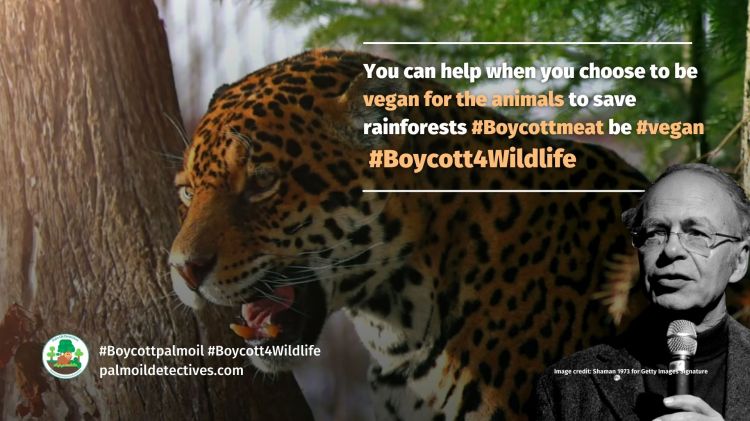
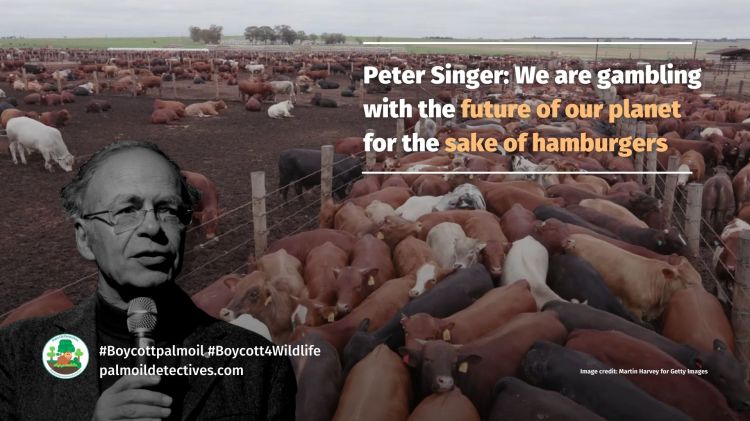
Renowned animal rights ethicist philosopher Peter Singer asserts that our dietary choices, particularly our consumption of meat and dairy, are jeopardising the Earth’s future. These industries contribute significantly to environmental degradation, deforestation, and greenhouse gas emissions, intensifying the impacts of climate change. By indulging in hamburgers and other meat-based products, we are not only compromising our health but also the wellbeing of our planet. For a more sustainable and compassionate future, consider boycotting meat and dairy. Choose to be vegan for the animals and to save our planet #Boycottmeat be #vegan #Boycott4Wildlife

https://youtu.be/ge4S2oHF5oY

Eating #meat 🥩 and #dairy 🥛is jeopardising the earth’s future says renowned #animalrights advocate Peter Singer. If you want to fight #climatechange 💚🌳🙏 be #vegan for the #animals 🐵 🦏 and planet 🌏 #Boycottmeat #Boycott4Wildlife @palmoildetect https://palmoildetectives.com/2024/05/05/peter-singer-we-are-gambling-with-the-future-of-our-planet-for-the-sake-of-hamburgers/

Share to BlueSky Share to Twitter

Famous #animalrights ethicist Peter Singer links eating of #dairy and #meat to carbon emissions. If you want to fight #climatechange you should be #vegan! #Boycottmeat and dairy for the #animals 🐷🐍🐘💚 #Boycott4Wildlife @palmoildetect https://palmoildetectives.com/2024/05/05/peter-singer-we-are-gambling-with-the-future-of-our-planet-for-the-sake-of-hamburgers/

Share to BlueSkyShare to Twitter

Originally published by The Conversation June 15, 2023 and republished here under the Creative Commons Licence, read original.


Peter Singer, Princeton University

I wasn’t aware of climate change until the 1980s — hardly anyone was — and even when we recognised the dire threat that burning fossil fuels posed, it took time for the role of animal production in warming the planet to be understood.

Today, though, the fact that eating plants will reduce your greenhouse gas emissions is one of the most important and influential reasons for cutting down on animal products and, for those willing to go all the way, becoming vegan.

Singer - We are gambling with the future of our planet for hamburgers

A few years ago, eating locally — eating only food produced within a defined radius of your home — became the thing for environmentally conscious people to do, to such an extent that “locavore” became the Oxford English Dictionary’s “word of the year” for 2007.

If you enjoy getting to know and support your local farmers, of course, eating locally makes sense. But if your aim is, as many local eaters said, to reduce greenhouse gas emissions, you would do much better by thinking about what you are eating, rather than where it comes from. That’s because transport makes up only a tiny share of the greenhouse gas emissions from the production and distribution of food.

With beef, for example, transport is only 0.5% of total emissions. So if you eat local beef you will still be responsible for 99.5% of the greenhouse gas emissions your food would have caused if you had eaten beef transported a long distance. On the other hand, if you choose peas you will be responsible for only about 2% of the greenhouse gas emissions from producing a similar quantity of local beef.

And although beef is the worst food for emitting greenhouse gases, a broader study of the carbon footprints of food across the European Union showed that meat, dairy and eggs accounted for 83% of emissions, and transport for only 6%.

More generally, plant foods typically have far lower greenhouse gas emissions than any animal foods, whether we are comparing equivalent quantities of calories or of protein. Beef, for example, emits 192 times as much carbon dioxide equivalent per gram of protein as nuts, and while these are at the extremes of the protein foods, eggs, the animal food with the lowest emissions per gram of protein, still has, per gram of protein, more than twice the emissions of tofu.

Singer - We are gambling with the future of our planet for hamburgers

Animal foods do even more poorly when compared with plant foods in terms of calories produced. Beef emits 520 times as much per calorie as nuts, and eggs, again the best-performing animal product, emit five times as much per calorie as potatoes.

Favourable as these figures are to plant foods, they leave out something that tilts the balance even more strongly against animal foods in the effort to avoid catastrophic climate change: the “carbon opportunity cost” of the vast area of land used for grazing animals and the smaller, but still very large, area used to grow crops that are then fed — wastefully, as we have seen — to confined animals.

Because we use this land for animals we eat, it cannot be used to restore native ecosystems, including forests, which would safely remove huge amounts of carbon from the atmosphere. One study has found that a shift to plant-based eating would free up so much land for this purpose that seizing the opportunity would give us a 66% probability of achieving something that most observers believe we have missed our chance of achieving: limiting warming to 1.5℃.

Singer - We are gambling with the future of our planet for hamburgers

Another study has suggested that a rapid phaseout of animal agriculture would enable us to stabilise greenhouse gases for the next 30 years and offset more than two-thirds of all carbon dioxide emissions this century. According to the authors of this study:

The magnitude and rapidity of these potential effects should place the reduction or elimination of animal agriculture at the forefront of strategies for averting disastrous climate change.

Climate change is undoubtedly the biggest environmental issue facing us today, but it is not the only one. If we look at environmental issues more broadly, we find further reasons for preferring a plant-based diet.

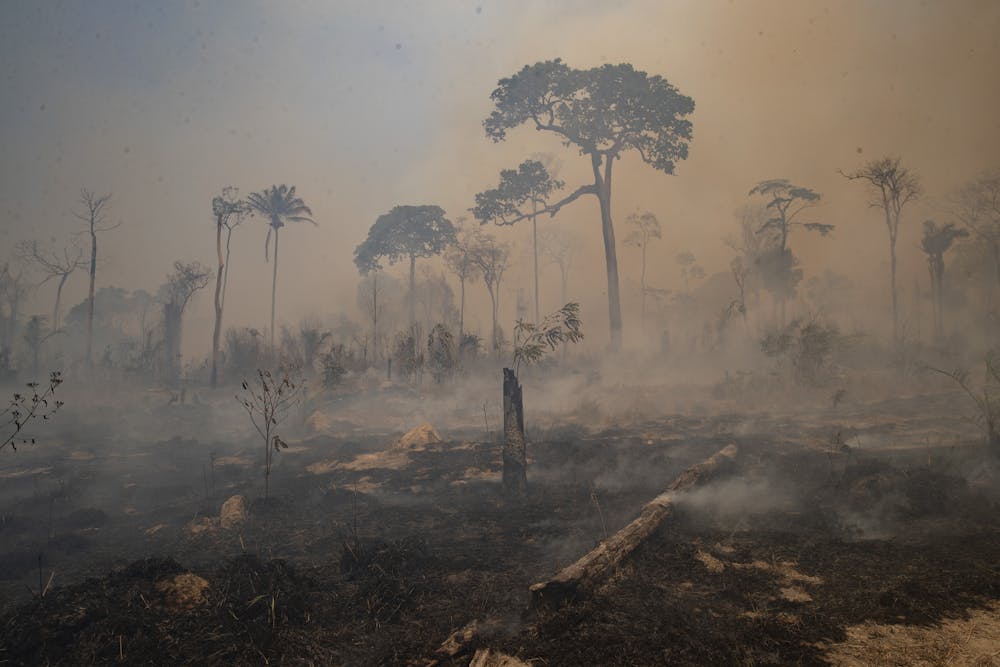
Smoky landscape photo, fire consumed land recently deforested by cattle farmers near Novo Progresso, Para state, Brazil.Fires in the Amazon and linked to cattle ranching. Andre Penner/AP Photo

The clearing and burning of the Amazon rainforest means not only the release of carbon from the trees and other vegetation into the atmosphere, but also the likely extinction of many plant and animal species that are still unrecorded.

This destruction is driven largely by the prodigious appetite of the affluent nations for meat, which makes it more profitable to clear the forest than to preserve it for the indigenous people living there, establish an ecotourism industry, protect the area’s biodiversity, or keep the carbon locked up in the forest. We are, quite literally, gambling with the future of our planet for the sake of hamburgers.

Joseph Poore, of the University of Oxford, led a study that consolidated a huge amount of environmental data on 38,700 farms and 1,600 food processors in 119 countries and covered 40 different food products. Poore summarised the upshot of all this research thus:

A vegan diet is probably the single biggest way to reduce your impact on planet Earth, not just greenhouse gases, but global acidification, eutrophication, land use and water use. It is far bigger than cutting down on your flights or buying an electric car, as these only cut greenhouse gas emissions.

Poore doesn’t see “sustainable” animal agriculture as the solution:

Really it is animal products that are responsible for so much of this. Avoiding consumption of animal products delivers far better environmental benefits than trying to purchase sustainable meat and dairy.

Those who claim to care about the wellbeing of human beings and the preservation of our climate and our environment should become vegans for those reasons alone.

Doing so would reduce greenhouse gas emissions and other forms of pollution, save water and energy, free vast tracts of land for reforestation, and eliminate the most significant incentive for clearing the Amazon and other forests.


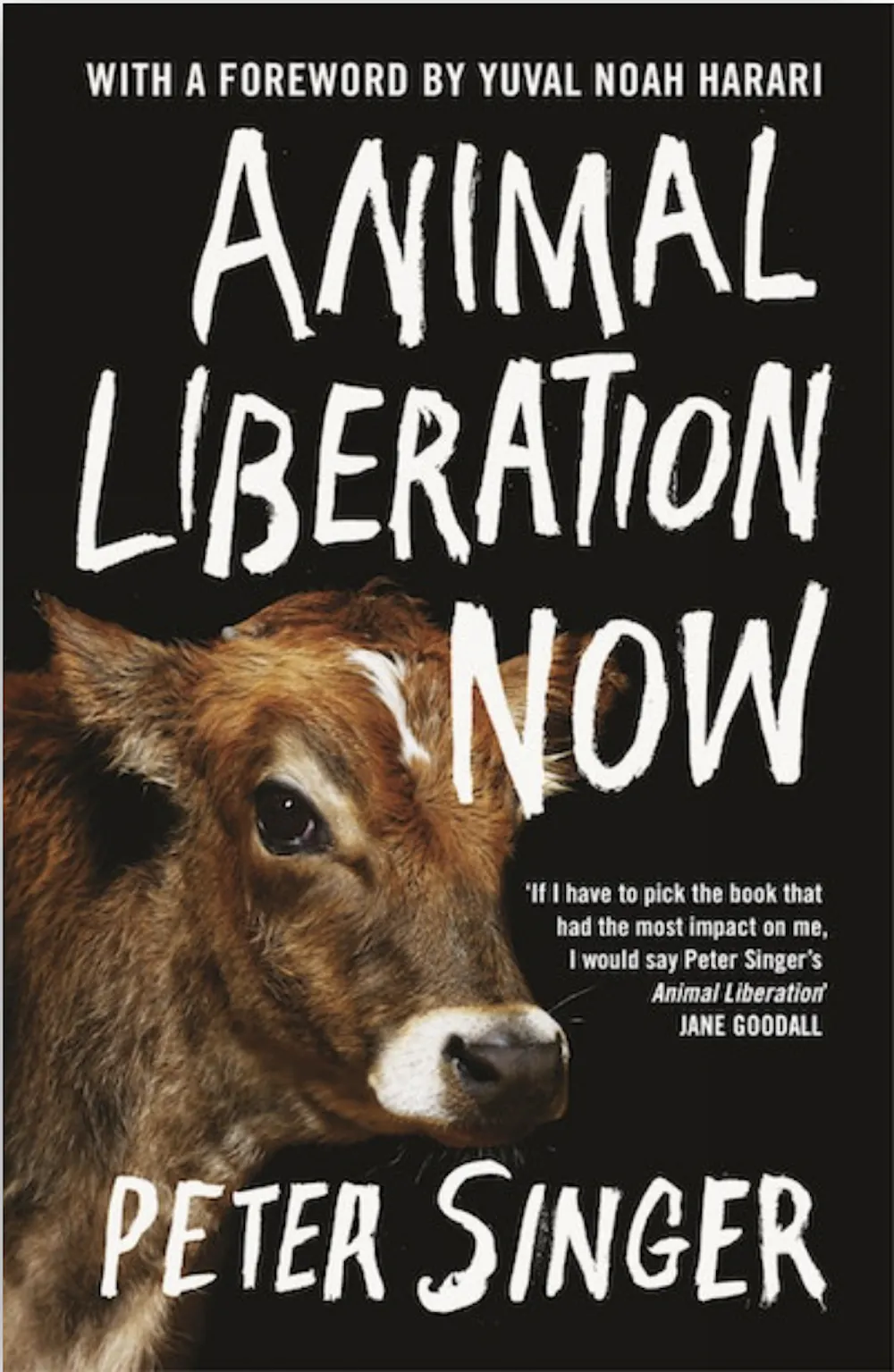
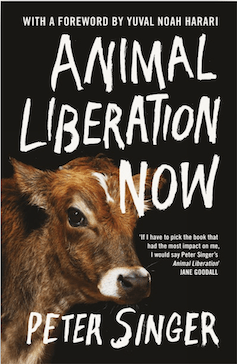
This is an edited extract from Animal Liberation Now by Peter Singer (Penguin Random House).

Peter Singer, Professor of Bioethics in the Center for Human Values, Princeton University

This article is republished from The Conversation under a Creative Commons license. Read the original article.

Originally published by The Conversation June 15, 2023 and republished here under the Creative Commons Licence, read original.

ENDS


Read more about human health, veganism, nutrition and why you should #Boycottpalmoil, #Boycottmeat for your own and the planet’s health

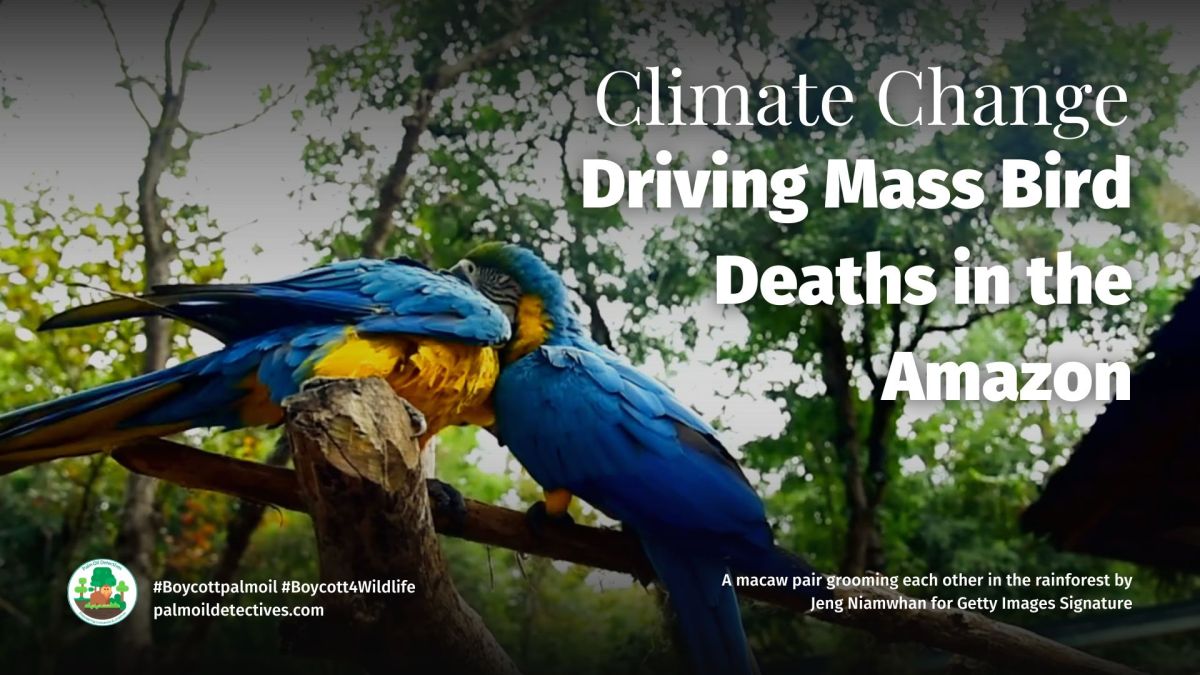
Climate Change Driving Mass Bird Deaths in the Amazon

Climate Change Driving Mass Bird Deaths in the Amazon

A recent #study has revealed that even in the most isolated parts of the #Amazon, bird #populations are collapsing due to #climatechange. Research published in Science Advances found that a 1°C increase in…

Read more

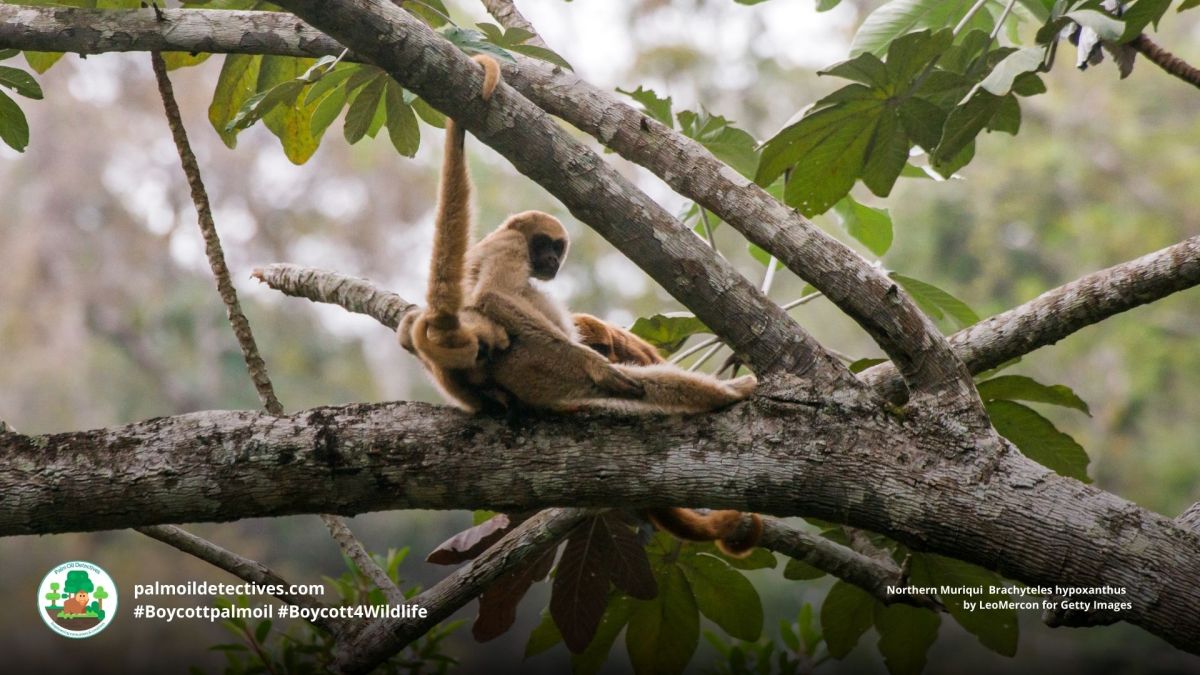
Declining primate numbers are threatening Brazil’s Atlantic forest

Declining primate numbers are threatening Brazil’s Atlantic forest

#Brazil’s Atlantic Forest, one of the most biodiverse ecosystems in the world, is facing severe threats due to deforestation and habitat fragmentation. This has led to a sharp decline in primate species, including…

Read more

Blue-streaked Lory Eos reticulata

Blue-streaked Lory Eos reticulata

Brilliantly coloured and full of energy, the Blue-streaked Lory (Eos reticulata) is a striking and unique #parrot living in the forests of the Banda Sea Islands, #Indonesia. Their scarlet plumage is decorated with…

Read more

Blonde Capuchin Sapajus flavius

Blonde Capuchin Sapajus flavius

The blonde #capuchin (Sapajus flavius) is an enigmatic and critically endangered #primate found in the northeastern forests of Brazil. With their striking golden-yellow fur and intelligent, expressive faces, these capuchins are among the…

Read more

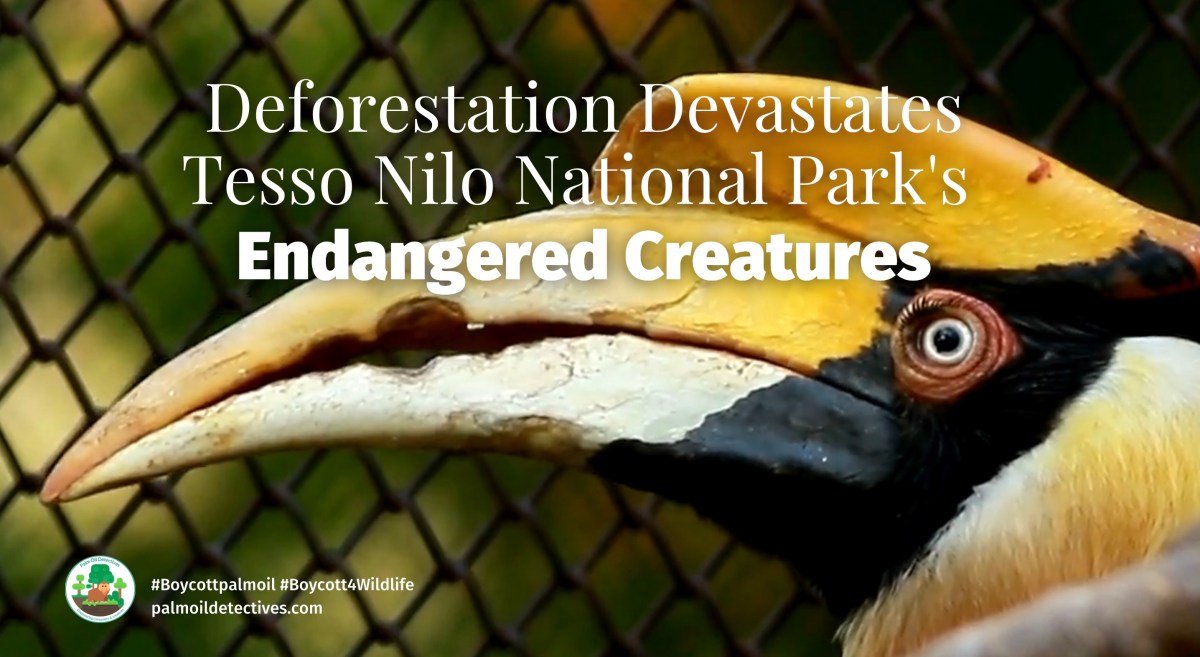
Deforestation Devastates Tesso Nilo National Park’s Endangered Creatures

Deforestation Devastates Tesso Nilo National Park’s Endangered Creatures

Tesso Nilo National Park in #Sumatra, #Indonesia, has lost 78% of its primary forest between 2009 and 2023, primarily due to #palmoil plantations. This #deforestation threatens the habitat of critically endangered species like…

Read more

Load more posts

Something went wrong. Please refresh the page and/or try again.


Take Action in Five Ways

1. Join the #Boycott4Wildlife on social media and subscribe to stay in the loop: Share posts from this website to your own network on Twitter, Mastadon, Instagram, Facebook and Youtube using the hashtags #Boycottpalmoil #Boycott4Wildlife.

  • Twitter
  • Facebook
  • Instagram
  • WordPress
  • YouTube
  • Mail
  • Mastodon

Enter your email address

Sign Up

Join 3,529 other subscribers

2. Contribute stories: Academics, conservationists, scientists, indigenous rights advocates and animal rights advocates working to expose the corruption of the palm oil industry or to save animals can contribute stories to the website.

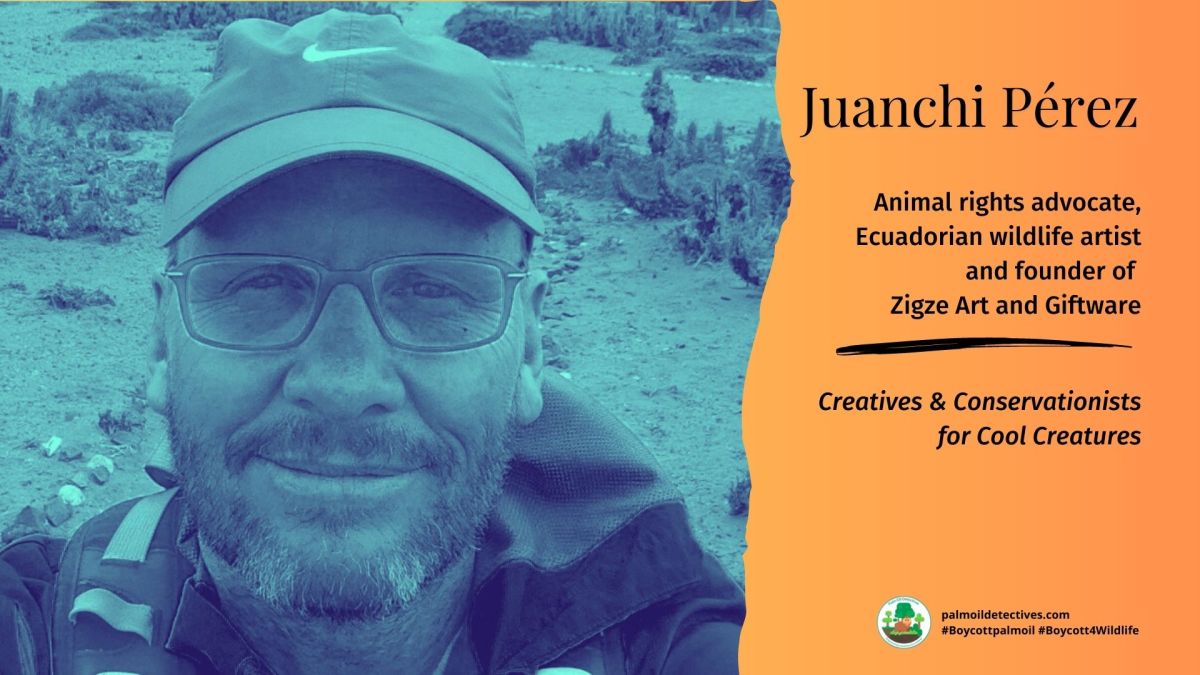
Wildlife Artist Juanchi Pérez

Wildlife Artist Juanchi Pérez

Read more

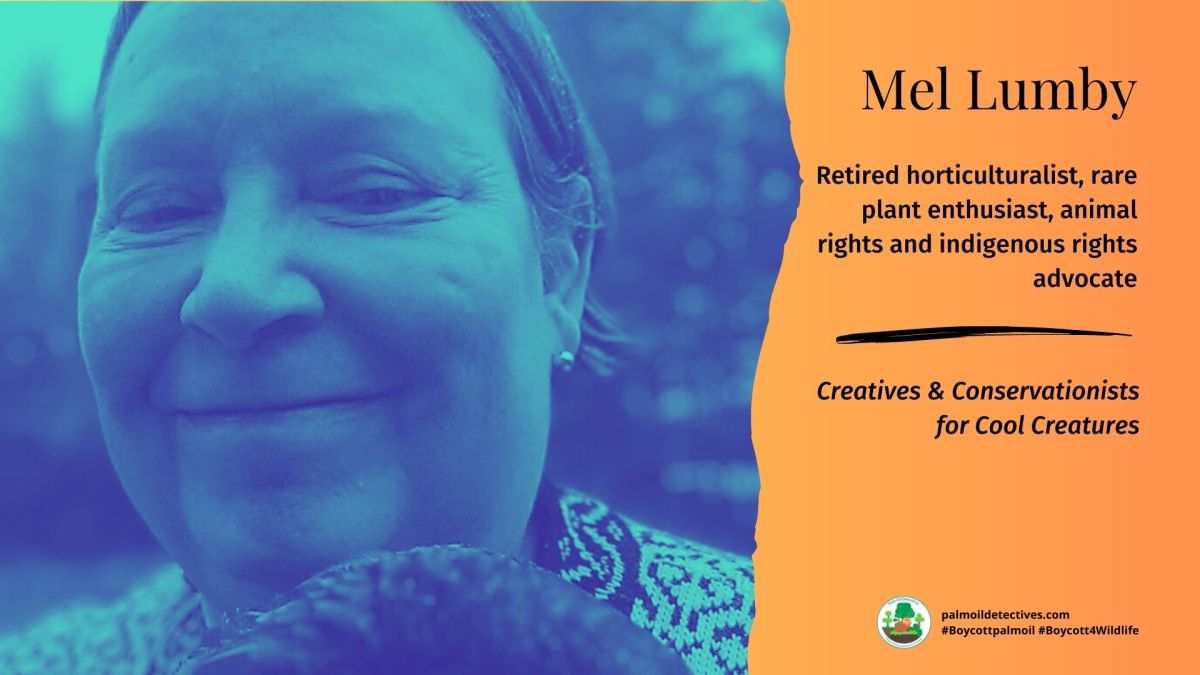
Mel Lumby: Dedicated Devotee to Borneo’s Living Beings

Mel Lumby: Dedicated Devotee to Borneo’s Living Beings

Read more

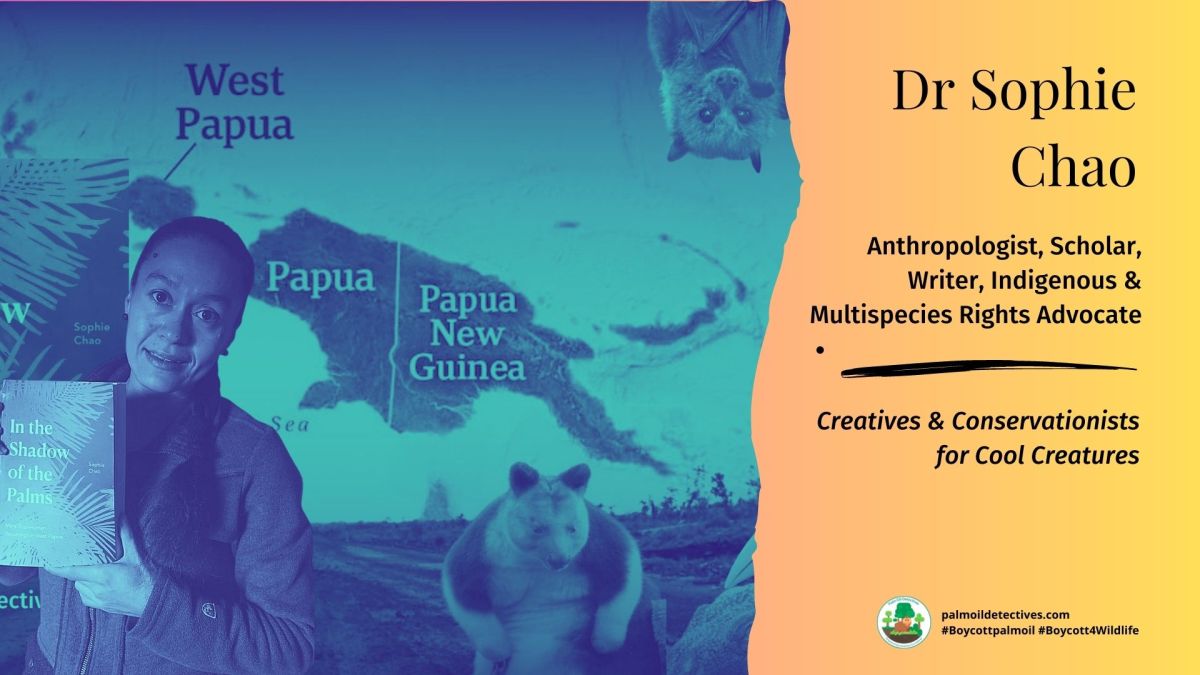
Anthropologist and Author Dr Sophie Chao

Anthropologist and Author Dr Sophie Chao

Read more

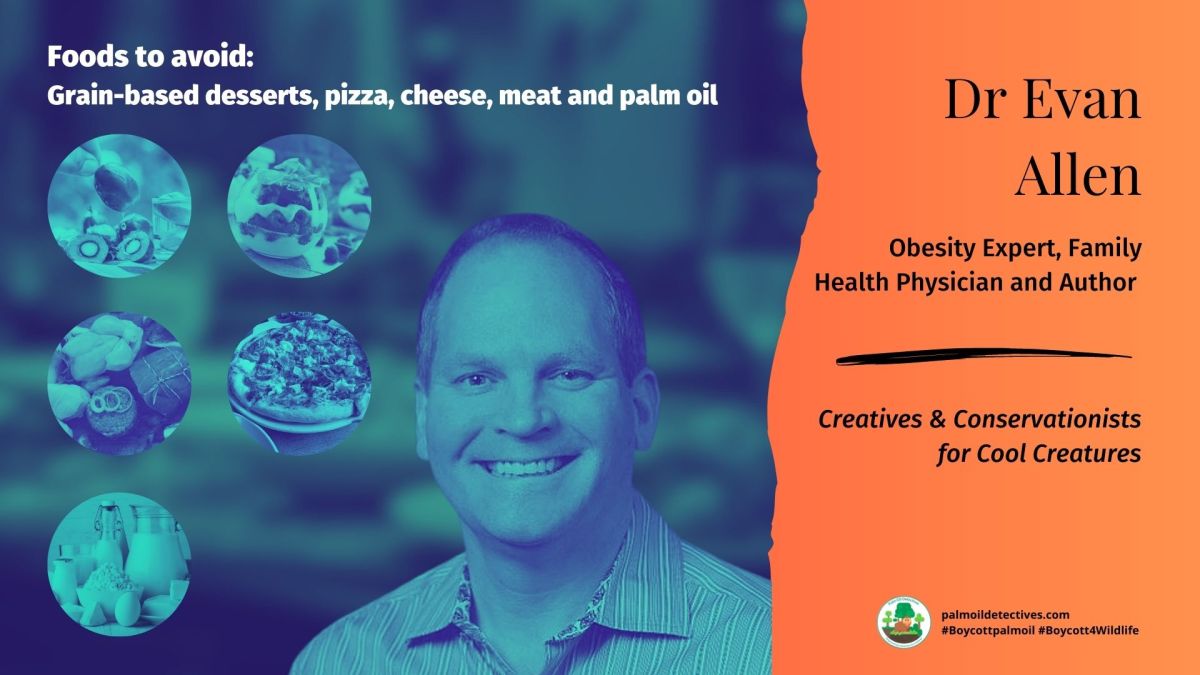
Health Physician Dr Evan Allen

Health Physician Dr Evan Allen

Read more

The World’s Most Loved Cup: A Social, Ethical & Environmental History of Coffee by Aviary Doert

The World’s Most Loved Cup: A Social, Ethical & Environmental History of Coffee by Aviary Doert

Read more

How do we stop the world’s ecosystems from going into a death spiral? A #SteadyState Economy

How do we stop the world’s ecosystems from going into a death spiral? A #SteadyState Economy

Read more

3. Supermarket sleuthing: Next time you’re in the supermarket, take photos of products containing palm oil. Share these to social media along with the hashtags to call out the greenwashing and ecocide of the brands who use palm oil. You can also take photos of palm oil free products and congratulate brands when they go palm oil free.

https://twitter.com/CuriousApe4/status/1526136783557529600?s=20

https://twitter.com/PhillDixon1/status/1749010345555788144?s=20

https://twitter.com/mugabe139/status/1678027567977078784?s=20

4. Take to the streets: Get in touch with Palm Oil Detectives to find out more.

5. Donate: Make a one-off or monthly donation to Palm Oil Detectives as a way of saying thank you and to help pay for ongoing running costs of the website and social media campaigns. Donate here

Pledge your support

#animalRights #animalrights #animals #BoycottMeat #BoycottPalmOil #Boycott4wildlife #BoycottMeat #BoycottPalmOil #climateChange #climatechange #dairy #deforestation #diet #ethics #meat #nutrition #PalmOil #palmOilDeforestation #PeterSinger #plantBasedDiet #saturatedFats #vegan #veganism

X (formerly Twitter)
View
X (formerly Twitter)
View
X (formerly Twitter)
View
Palm Oil Detectives

Mel Lumby: Dedicated Devotee to Borneo’s Living Beings

Undiscovered Begonia species in Borneo risk extinction from palm oil bulldozers. Join horticulturist Mel Lumby’s fight to save them. #Boycottpalmoil
⁂
More from
Palm Oil Detectives
YouTube

Palm Oil Detectives

Palm Oil Detectives is an exciting online community raising awareness of animals threatened by palm oil deforestation. The website features consumer advice about how you can boycott brands causing deforestation for palm oil, meat and other dirty commodities in their ingredients. You can also discover palm oil free brands and learn how to spot extensive misinformation and greenwashing online about so-called "sustainable" palm oil.
X (formerly Twitter)
View
Palm Oil Detectives

palmoil – Palm Oil Detectives

Posts about palmoil written by Palm Oil Detectives
⁂
More from
Palm Oil Detectives
Palm Oil Detectives

Sumatra – Palm Oil Detectives

Posts about Sumatra written by Palm Oil Detectives and Content Catnip
⁂
More from
Palm Oil Detectives
Palm Oil Detectives

Primate – Palm Oil Detectives

Posts about Primate written by Palm Oil Detectives
⁂
More from
Palm Oil Detectives
Palm Oil Detectives

capuchin – Palm Oil Detectives

Posts about capuchin written by Palm Oil Detectives
⁂
More from
Palm Oil Detectives
Palm Oil Detectives

Indonesia – Palm Oil Detectives

Posts about Indonesia written by Palm Oil Detectives and Content Catnip
⁂
More from
Palm Oil Detectives
Palm Oil Detectives

Parrot – Palm Oil Detectives

Posts about Parrot written by Palm Oil Detectives
⁂
More from
Palm Oil Detectives
Palm Oil Detectives

Brazil – Palm Oil Detectives

Posts about Brazil written by Palm Oil Detectives
⁂
More from
Palm Oil Detectives
Palm Oil Detectives

populations – Palm Oil Detectives

Posts about populations written by Palm Oil Detectives
⁂
More from
Palm Oil Detectives
Palm Oil Detectives

Amazon – Palm Oil Detectives

Posts about Amazon written by Palm Oil Detectives
⁂
More from
Palm Oil Detectives
Palm Oil Detectives

study – Palm Oil Detectives

Posts about study written by Palm Oil Detectives
⁂
More from
Palm Oil Detectives

Animal Liberation Now

Animal Liberation started a worldwide movement when it revealed the abuse of animals in factory farms and laboratories. It demonstrated that these and other practices were the cause of appalling and unnecessary suffering and therefore morally indefensible. In the fifty years since, science has further vindicated Peter Singer's arguments about animal sentience, vegetarianism has become widespread, and the book has helped change the minds of millions. But the situation for animals has in many ways grown worse. Despite improvements in animal welfare in some regions - brought about in large part by this book - in many others the scale of their abuse has reached staggering new depths. This revised edition, of which about two-thirds is entirely new, documents these and other developments, such as the impact of meat consumption on climate and the spread of dangerous new viruses. It refines its arguments in light of new evidence, equips the reader with fresh tools and advice, and shows us all the road ahead. The result, Animal Liberation Now, is a book of galvanising power, relevance and importance.
Our World in Data

Environmental Impacts of Food Production

What are the environmental impacts of food production? How do we reduce the impacts of agriculture on the environment?
Our World in Data

You want to reduce the carbon footprint of your food? Focus on what you eat, not whether your food is local

“Eat local” is a common recommendation to reduce your diet's carbon footprint. How does the impact of what you eat compare to where it comes from?
OUPblog

Oxford Word Of The Year 2007: Locavore

It's that time of the year again. It is finally starting to get cold, and the New Oxford American Dictionary is preparing for the holidays by making its biggest announcement of the year. The 2007 Word of the Year is (drum-roll please) ‘locavore’; a trend in using locally grown, seasonal ingredients.

Princeton University sur The Conversation

The Conversation

Peter Singer

Peter Singer — profile sur The Conversation
X (formerly Twitter)
https://twitter.com/intent/tweet?text=Famous%20%23animalrights%20ethicist%20Peter%20Singer%20links%20eating%20of%20%23dairy%20and%20%23meat%20to%20carbon%20emissions.%20If%20you%20want%20to%20fight%20%23climatechange%20you%20should%20be%20%23vegan!%20%23Boycottmeat%20and%20dairy%20for%20the%20%23animals%20%F0%9F%90%B7%F0%9F%90%8D%F0%9F%90%98%F0%9F%92%9A%20%23Boycott4Wildlife%20%40palmoildetect%20https%3A%2F%2Fpalmoildetectives.com%2F2024%2F05%2F05%2Fpeter-singer-we-are-gambling-with-the-future-of-our-planet-for-the-sake-of-hamburgers%2F&url=
X (formerly Twitter)
https://twitter.com/intent/tweet?text=Eating%20%23meat%20%F0%9F%A5%A9%20and%20%23dairy%20%F0%9F%A5%9Bis%20jeopardising%20the%20earth's%20future%20says%20renowned%20%23animalrights%20advocate%20Peter%20Singer.%20If%20you%20want%20to%20fight%20%23climatechange%20%F0%9F%92%9A%F0%9F%8C%B3%F0%9F%99%8F%20be%20%23vegan%20for%20the%20%23animals%20%F0%9F%90%B5%20%F0%9F%A6%8F%20and%20planet%20%F0%9F%8C%8F%20%23Boycottmeat%20%23Boycott4Wildlife%20%40palmoildetect%20https%3A%2F%2Fpalmoildetectives.com%2F2024%2F05%2F05%2Fpeter-singer-we-are-gambling-with-the-future-of-our-planet-for-the-sake-of-hamburgers%2F&url=
Palm Oil Detectives

Vegan Palm Oil Free Christmas Recipes

Wondering how to cook #vegan and #palmoilfree this Christmas or Hannukah? Help keep the rainforests standing and resist #extinction with 10 cruelty-free and healthy recipes. These dishes feature oo…
⁂
More from
Palm Oil Detectives
Ko-fi

Buy Palm Oil Detectives a Coffee

Become a supporter of Palm Oil Detectives today!

Palm Oil Detectives | Auckland

Palm Oil Detectives | Auckland
Sorry, no caption provided by author
Singer - We are gambling with the future of our planet for hamburgers
Animal Liberation Now by Peter Singer book cover
Singer - We are gambling with the future of our planet for hamburgers
  • Copy link
  • Flag this post
  • Block
Log in

Encryptr.net Social

This is a forward thinking server running the Bonfire social media platform.

LGBTQA+ and BPOC friendly.

Encryptr.net Social: About · Code of conduct · Privacy ·
Encryptr.net social · 1.0.0-rc.3.6 no JS en
Automatic federation enabled
  • Explore
  • About
  • Code of Conduct
Home
Login