Ecuadorean Viscacha Lagidium ahuacaense
Ecuadorean Viscacha Lagidium ahuacaense
IUCN Status: Critically Endangered
Location: Ecuador’s Cerro El Ahuaca
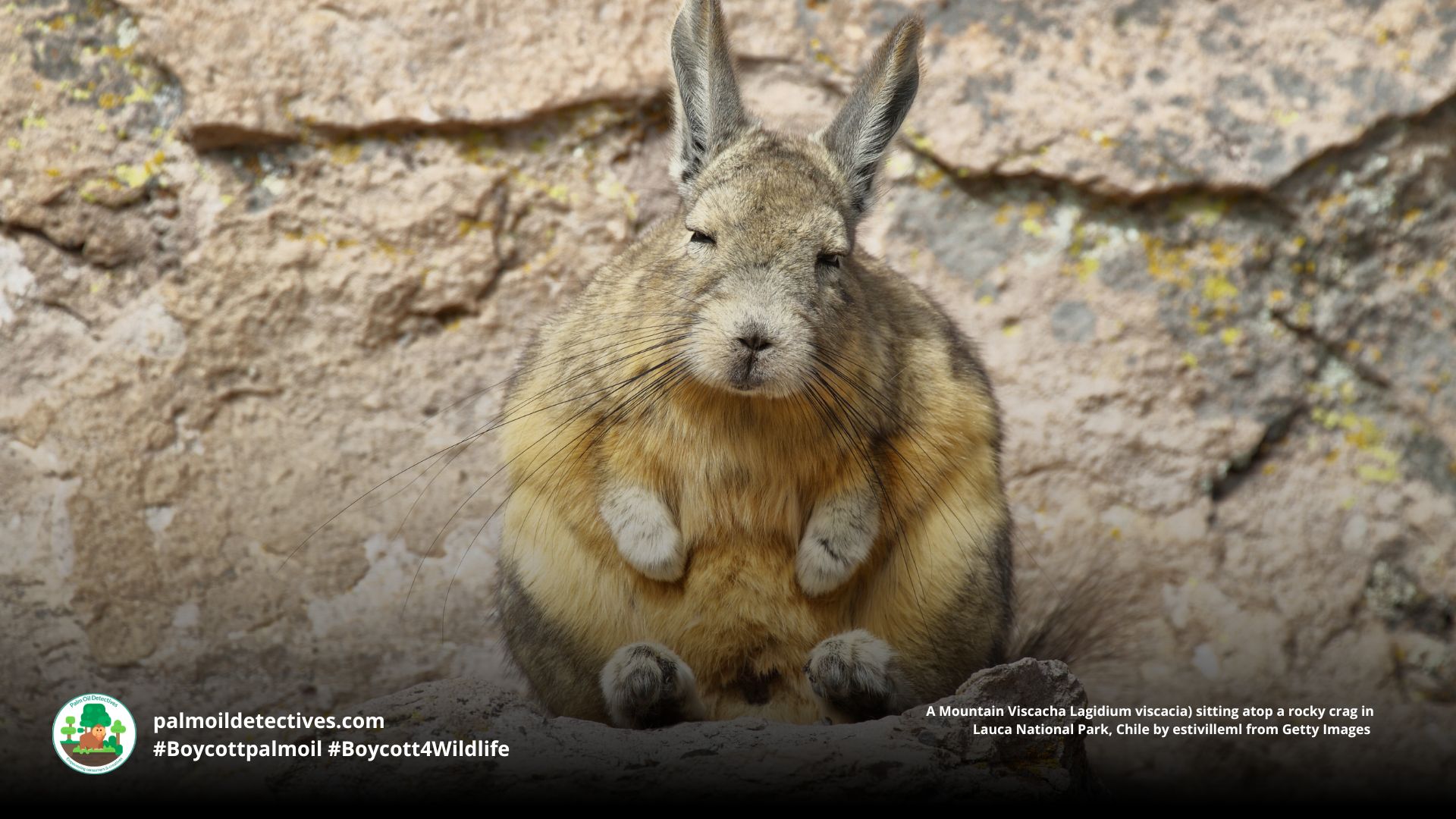
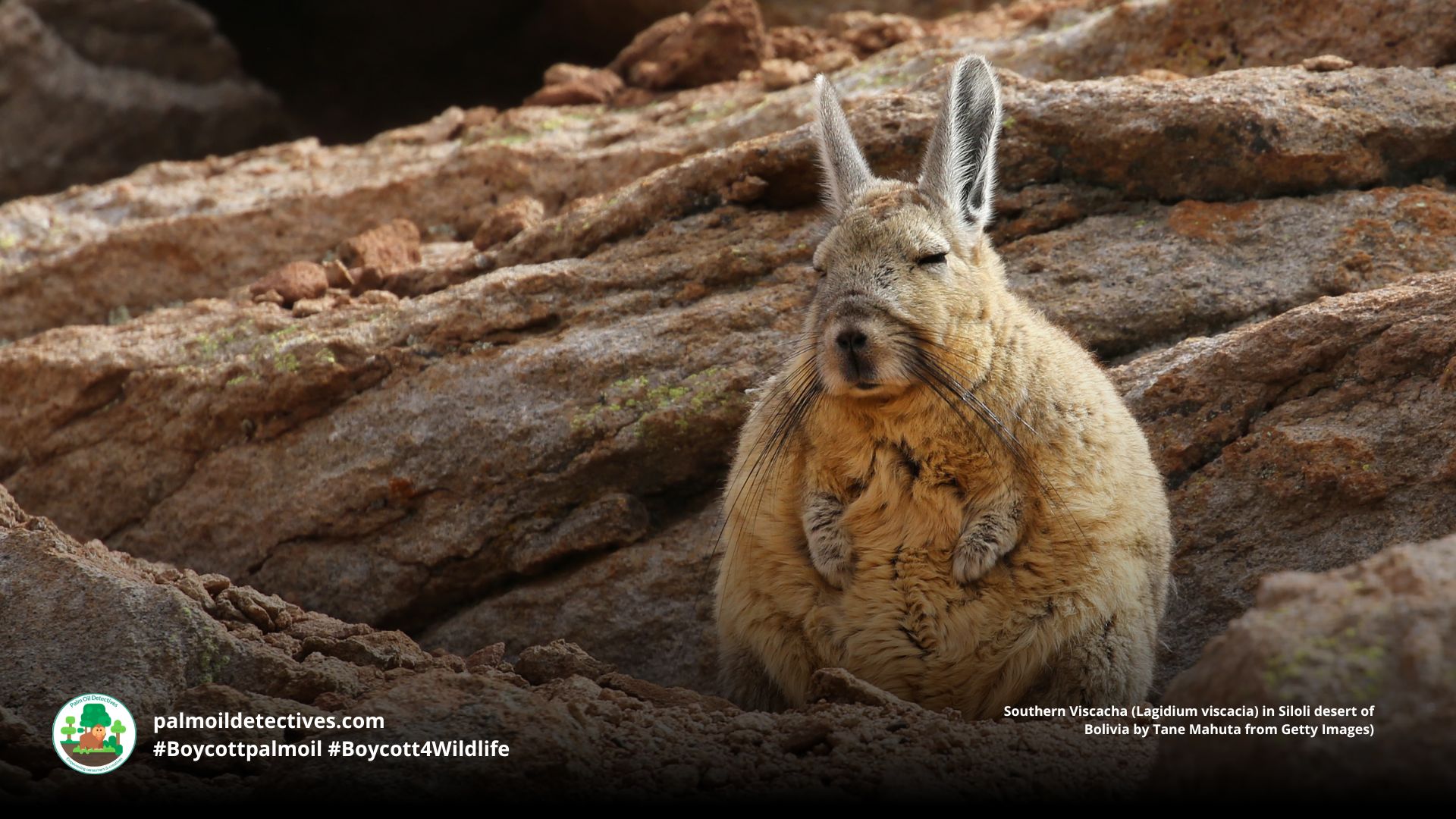
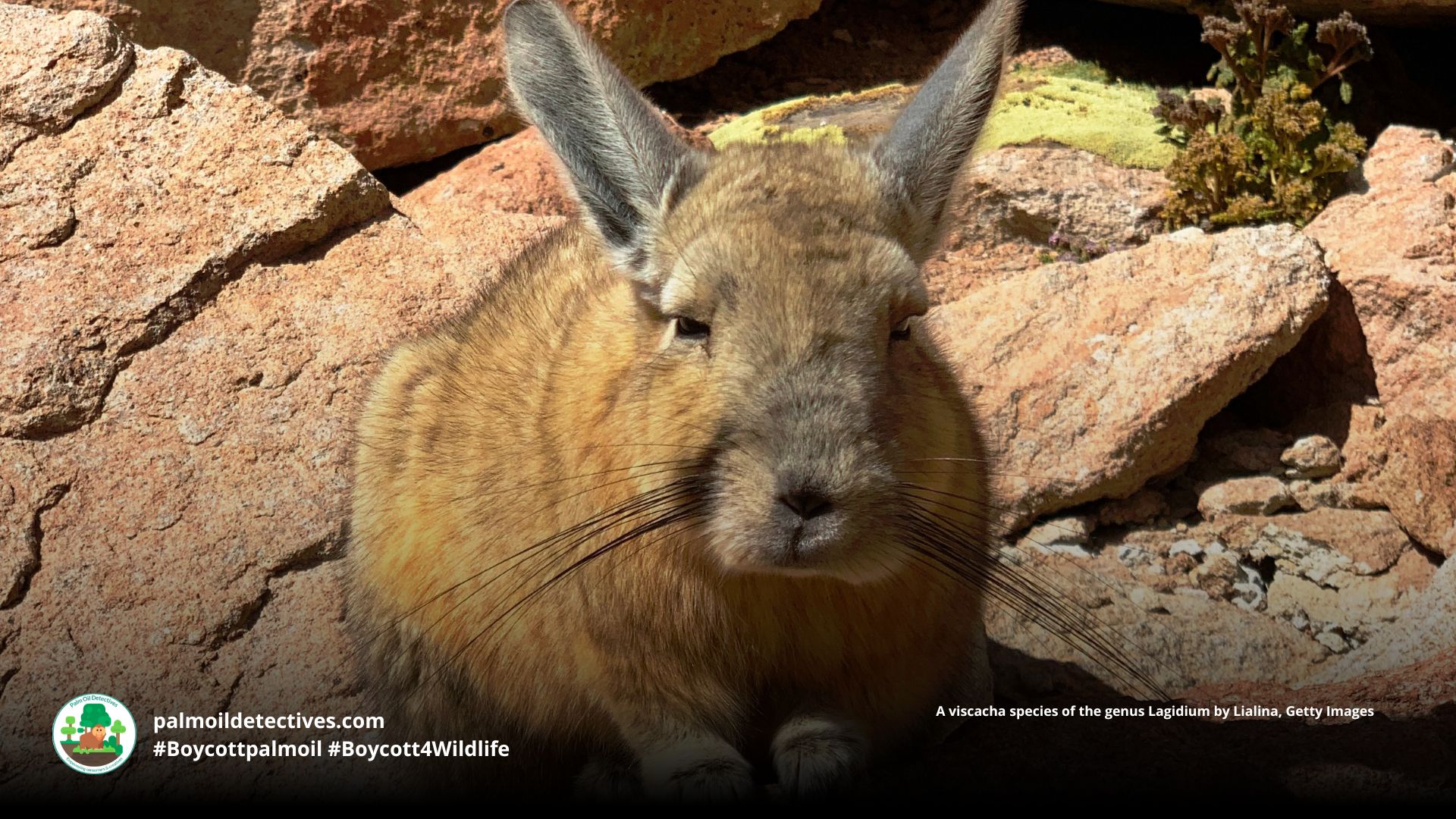
High in the remote granite outcrops of Cerro El Ahuaca, #Ecuador the Ecuadorean #Viscacha Lagidium ahuacaense is plump and fluffy #rodent sporting sage-like long whiskers. From their high perch they look down upon the world below with a permanent expression of what could interpreted as disappointment. Ecuadorean Viscachas were first spotted in 2005 and formally described in 2009, these mountain-dwelling large #rodents are the northernmost member of the Lagidium genus, marooned over 500 kilometres from their closest relatives in #Peru. Few creatures are as elusive or fascinating— tragically, only a handful of them remain alive.
Fires, #beef agriculture, and #deforestation for monoculture are carving away at their already fragile existence, pushing them ever closer to the brink of #extinction. Help them by sharing their story to social media. Join the #Boycott4Wildlife.
High in the mountains of #Ecuador 🇪🇨 lives a sage-like fluffy #rodent, the Ecuadorean #Viscacha, a critically endangered alpine wonder. Few remain alive due to #climatechange and #meat #agriculture 🥩🔥. Be #vegan for them #Boycott4Wildlife @palmoildetect https://wp.me/pcFhgU-aoV
Share to BlueSky Share to TwitterThe Ecuadorean #Viscacha is a fluffy epic #rodent of #Ecuador’s high mountains with long and wise whiskers and a bushy tail. These tenacious creatures are critically #endangered 😭😿 Help them to survive, be #vegan #Boycott4Wildlife 🥩🔥⛔️ @palmoildetect https://wp.me/pcFhgU-aoV
Share to BlueSky Share to TwitterAppearance & Behaviour
Built for survival in one of Ecuador’s harshest landscapes, the Ecuadorean Viscacha is a sturdy and big rodent with a compact body covered in thick, grey-brown fur. Their dense, woolly fur shields them from the biting Andean winds, while their long, silvery tails provide balance as they scale sheer rock faces. Their large, dark eyes scan the terrain for danger, and their long, sensitive whiskers twitch as they pick up the faintest vibrations in the wind.
Long and distinguished whiskers provide them with sensitive and deep understanding of their environment. A black dorsal stripe runs the length of their back, this disappears into the dense coat that keeps them warm against the mountain’s chill.
Most active at dawn and dusk, their every movement is deliberate. They bound effortlessly between jagged outcrops, using their powerful hind legs to launch themselves across treacherous gaps. Unlike burrowing rodents, they take refuge in narrow rock crevices, where they remain hidden from predators.


Threats
Once secure in their isolated stronghold, the Ecuadorean Viscacha now faces a gauntlet of human-driven threats. Their already tiny population is being squeezed into an ever-smaller fragment of land, where survival is becoming increasingly precarious.
Deforestation for eucalyptus and pine monoculture plantations
For generations, wildfires have been used to clear land for agriculture and livestock grazing, but in recent decades, these fires have intensified, spreading further into the Viscacha’s habitat. Each blaze devours critical vegetation, stripping away the food sources they rely on and forcing them into ever-smaller pockets of surviving habitat.
Farmed Animal Agriculture
Grazing cattle have become an unrelenting force in the region, trampling vegetation and outcompeting the Viscacha for food. Their presence has disrupted the delicate balance of this fragile ecosystem, leaving fewer resources for native wildlife.
Climate Change-related Environmental Shifts
With their entire known population confined to a single mountain, the Ecuadorean Viscacha is especially vulnerable to even the smallest environmental shifts. Changing rainfall patterns, prolonged droughts, and temperature fluctuations could alter the availability of food and water, placing further stress on their already limited numbers.
Population Fragmentation and Isolation
Trapped within a tiny range with no known neighbouring populations, the Viscacha is cut off from potential mates and genetic diversity. Without intervention, this isolation could lead to inbreeding, weakening the species’ ability to adapt and survive.


Geographic Range
The Ecuadorean Viscacha is found only in a single location—Cerro El Ahuaca, a rugged granite mountain in southern Ecuador. They inhabit steep, rocky surfaces at elevations between 1,950 and 2,480 metres, a world of exposed rock faces and sparse vegetation. No other known populations exist, making them one of the most geographically restricted mammals on the planet.
Though their habitat once stretched further, fires and deforestation have steadily chipped away at the fringes of their territory. Today, their entire known range spans just 120 hectares—an area smaller than many urban parks—leaving them with little room to escape the pressures of a changing world.
Diet
These high-altitude specialists are herbivores, feeding primarily on native grasses, shrubs, and small herbs that cling to the mountainside. Signs of their feeding are visible throughout their habitat—freshly grazed plants and stripped vegetation mark the places where they have foraged. Their diet is shaped by scarcity, forcing them to survive on whatever plant life they can find in their isolated, rocky home. Their close relatives Mountain Viscacha of Peru are preyed upon by Andean Mountain Cats.
Mating and Reproduction
Little is known about the reproductive habits of the Ecuadorean Viscacha, but they likely follow a pattern similar to their relatives in the Lagidium genus. Mountain Viscachas generally give birth to a single offspring after a long gestation period, ensuring that each newborn has a better chance of survival in the unforgiving terrain. Born with fur and open eyes, young Viscachas are relatively well-developed, an adaptation that allows them to quickly learn the skills needed to navigate their hazardous mountain environment.
FAQs
Are Ecuadorean Viscachas related to rabbits or chinchillas?
Despite their rabbit-like appearance, Ecuadorean Viscachas belong to the Chinchillidae family, making them closer relatives of chinchillas than rabbits. Their long whiskers, dense fur, and powerful hind legs are adaptations seen in other members of this family, allowing them to thrive in rocky, high-altitude environments.
How are Ecuadorean Viscachas different from other Mountain Viscachas?
Ecuadorean Viscachas are the northernmost species of the Lagidium genus, separated by more than 500 kilometres from their closest relatives in Peru. Genetic studies show that they diverged significantly from other Mountain Viscachas, with at least 7.9% DNA sequence differences. Morphologically, they have a more compact body, a distinct black dorsal stripe, and a tail that shifts in colour from grey-brown to reddish-brown. Their isolation and unique adaptations to the Cerro El Ahuaca environment make them a distinct species.
How do Ecuadorean Viscachas survive in their rocky habitat?
Perfectly adapted to life among sheer cliffs and granite outcrops, Ecuadorean Viscachas use their powerful hind legs to leap between rocks, navigating the treacherous terrain with ease. Their thick, woolly fur provides insulation against the cold, and instead of burrowing, they take refuge in rock crevices where they remain hidden from predators.
What do Ecuadorean Viscachas eat?
These herbivores feed on native shrubs, grasses, and small herbs found in their mountainous habitat. They leave behind distinct feeding traces, such as grazed vegetation and stripped plants, which provide insight into their foraging habits. Their diet is dictated by the limited plant life available in their isolated environment.
How many Ecuadorean Viscachas are left in the wild?
The total known population is alarmingly small, possibly consisting of only a few dozen individuals confined to a 120-hectare area on Cerro El Ahuaca. No other populations have been discovered, making them one of the most critically endangered rodents in the world.
What are the biggest threats to the Ecuadorean Viscacha?
Their biggest threats include:
• Habitat destruction – Uncontrolled fires and land clearing for eucalyptus and pine monoculture and cattle grazing are steadily erasing their already limited habitat.
• Livestock competition – Grazing cattle trample vegetation and outcompete Viscachas for food.
• Climate change – Shifting rainfall patterns and temperature fluctuations could further disrupt their delicate ecosystem.
• Genetic isolation – With only a single known population, they face the risk of inbreeding, which could weaken their resilience.
Why are they only found in one place?
Ecuadorean Viscachas are highly specialised mountain dwellers, perfectly suited to the rocky terrain of Cerro El Ahuaca. They may have once had a wider range, but habitat destruction and fragmentation have left them stranded in this isolated stronghold. Unlike more adaptable rodents, they cannot easily move to new areas due to their specific habitat needs.
Are Ecuadorean Viscachas protected?
The Ecuadorean Vischaca was only recently discovered and are considered a forgotten species. However conservation efforts have begun, there is no targeted species-wide protection in place. However, local conservation initiatives have helped establish protected areas that include their habitat. Researchers continue to push for stronger conservation measures to ensure their survival.
How can I help save the Ecuadorean Viscacha?
You can make a difference by:
• Supporting conservation organisations working to protect their habitat.
• Raising awareness about the threats they face by sharing this post and joining the #Boycott4Wildlife
• Advocating for stronger environmental policies in Ecuador to prevent further deforestation and habitat loss.
Without immediate action, these rare and remarkable mountain survivors could disappear forever.
Take Action!
The Ecuadorean Viscacha is teetering on the edge of extinction, but there is still time to act. Conservationists have already taken steps to protect their habitat, securing key areas under municipal conservation agreements. However, long-term survival depends on preventing further destruction of their fragile mountain refuge.
You can help by:
• Supporting organisations working to protect Ecuador’s high-altitude ecosystems.
• Spreading awareness about the threats facing the Ecuadorean Viscacha and the urgent need for conservation.
• Demanding stronger environmental protections to prevent further habitat loss in Loja Province.
Every effort counts. Without immediate action, these extraordinary mountain survivors could disappear forever.
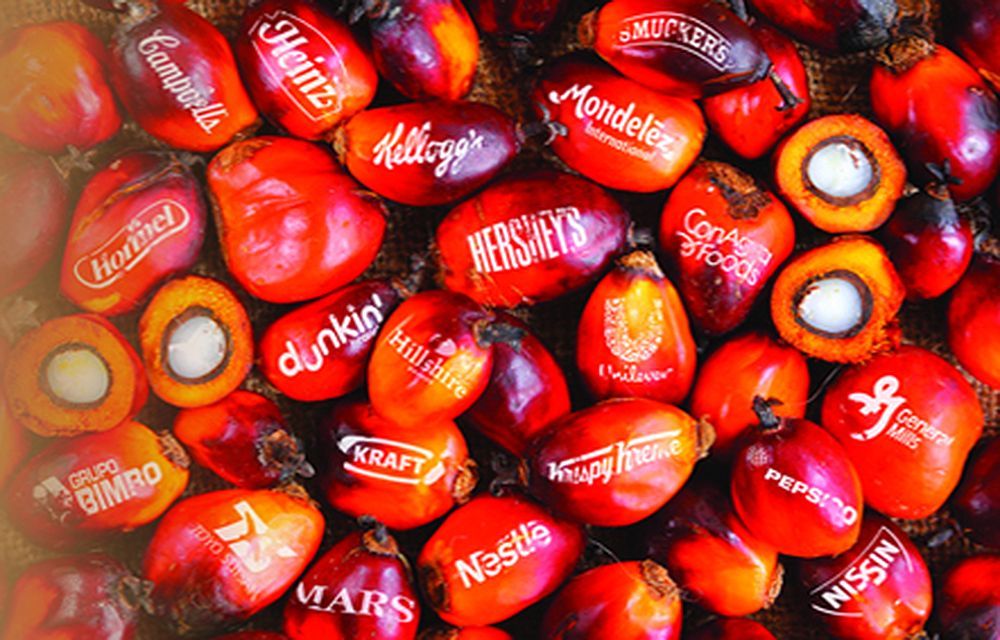
Support Ecuadorean Viscacha by going vegan and boycotting palm oil in the supermarket, it’s the #Boycott4Wildlife
Support the conservation of this species
This animal has no protections in place. Read about other forgotten species here. Create art to support this forgotten animal or raise awareness about them by sharing this post and using the #Boycottpalmoil #Boycott4Wildlife hashtags on social media. Also you can boycott palm oil in the supermarket.
Further Information
Nature and Culture International. (2022). Ecuadorian Viscacha Conservation Project. Retrieved from https://www.natureandculture.org/directory/ecuadorian-vizcacha-conservation-project/
Roach, N. 2016. Lagidium ahuacaense. The IUCN Red List of Threatened Species 2016: e.T48295808A48295811. https://dx.doi.org/10.2305/IUCN.UK.2016-2.RLTS.T48295808A48295811.en. Accessed on 27 February 2025.
Werner, F. A., Ledesma, K. J., & Hidalgo B., R. (2006). Mountain vizcacha (Lagidium cf. peruanum) in Ecuador – first record of Chinchillidae from the northern Andes. Mastozoología Neotropical, 13(2), 271–274.
Wikipedia Contributors. (n.d.). Lagidium ahuacaense. Wikipedia, The Free Encyclopedia. Retrieved from https://en.wikipedia.org/wiki/Lagidium_ahuacaense


How can I help the #Boycott4Wildlife?
Take Action in Five Ways
1. Join the #Boycott4Wildlife on social media and subscribe to stay in the loop: Share posts from this website to your own network on Twitter, Mastadon, Instagram, Facebook and Youtube using the hashtags #Boycottpalmoil #Boycott4Wildlife.
Enter your email address
Sign Up
Join 3,529 other subscribers2. Contribute stories: Academics, conservationists, scientists, indigenous rights advocates and animal rights advocates working to expose the corruption of the palm oil industry or to save animals can contribute stories to the website.
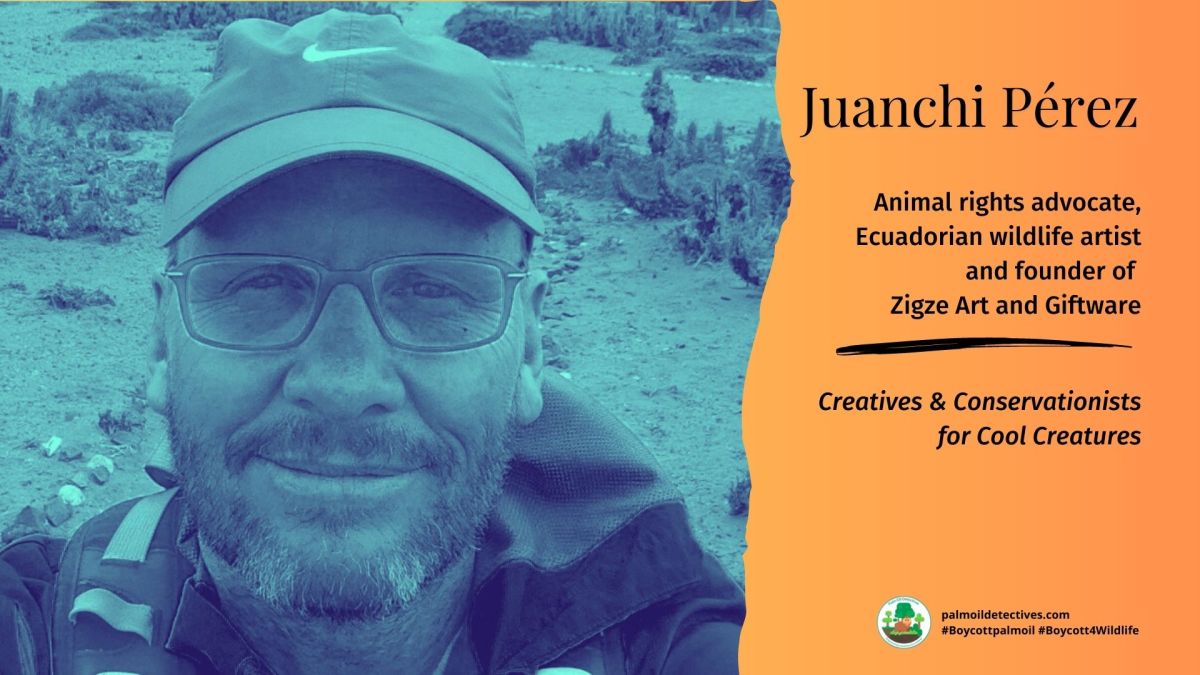
Wildlife Artist Juanchi Pérez
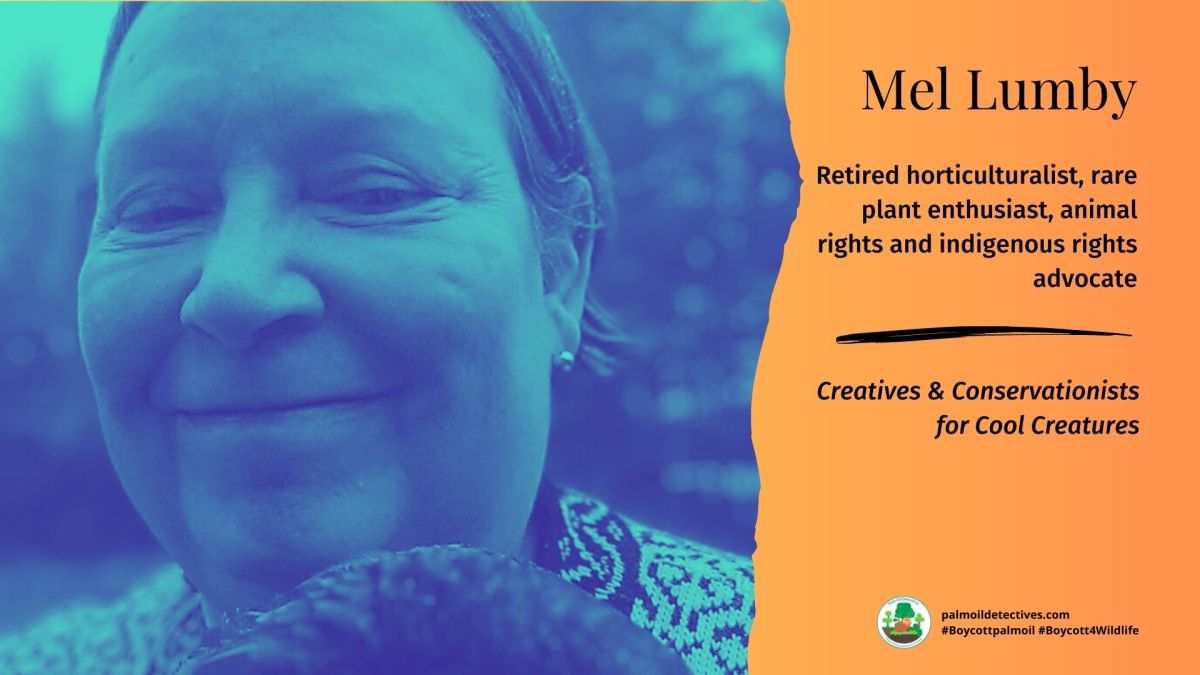
Mel Lumby: Dedicated Devotee to Borneo’s Living Beings
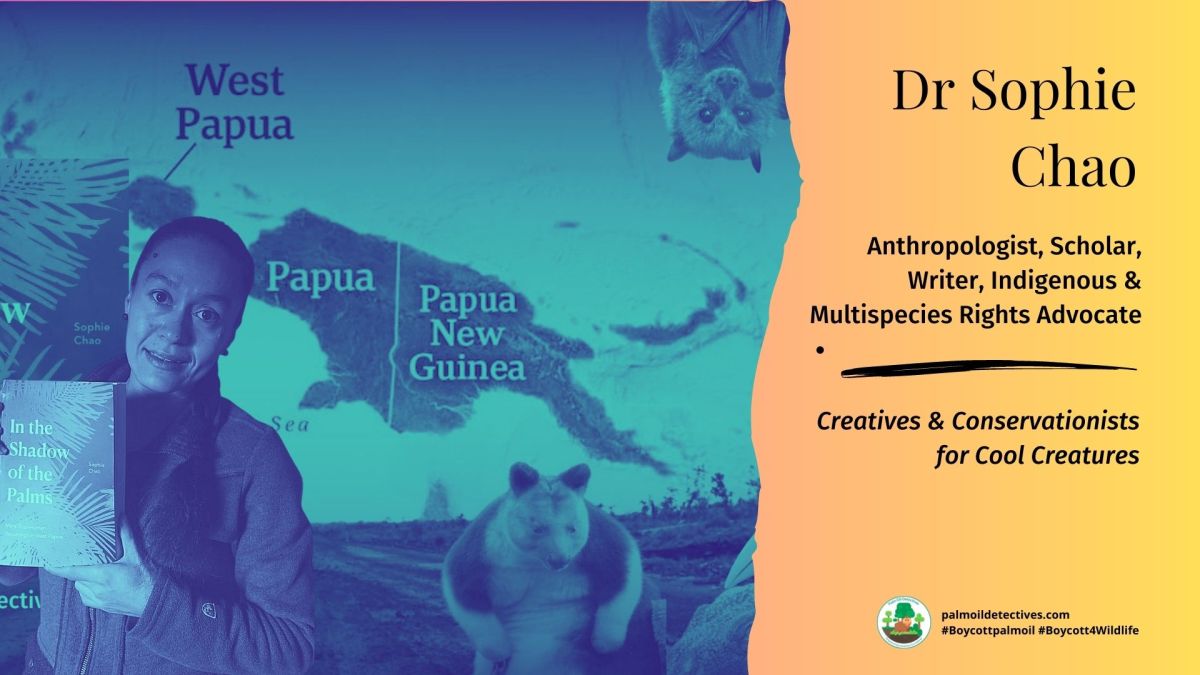
Anthropologist and Author Dr Sophie Chao

Health Physician Dr Evan Allen

The World’s Most Loved Cup: A Social, Ethical & Environmental History of Coffee by Aviary Doert

How do we stop the world’s ecosystems from going into a death spiral? A #SteadyState Economy
3. Supermarket sleuthing: Next time you’re in the supermarket, take photos of products containing palm oil. Share these to social media along with the hashtags to call out the greenwashing and ecocide of the brands who use palm oil. You can also take photos of palm oil free products and congratulate brands when they go palm oil free.
https://twitter.com/CuriousApe4/status/1526136783557529600?s=20
https://twitter.com/PhillDixon1/status/1749010345555788144?s=20
https://twitter.com/mugabe139/status/1678027567977078784?s=20
4. Take to the streets: Get in touch with Palm Oil Detectives to find out more.
5. Donate: Make a one-off or monthly donation to Palm Oil Detectives as a way of saying thank you and to help pay for ongoing running costs of the website and social media campaigns. Donate here
Pledge your supportLearn about other animals endangered by palm oil and other agriculture
GlobalSouth America S.E. AsiaIndiaAfricaWest Papua & PNG
Southern Pudu Pudu puda

Blue-streaked Lory Eos reticulata

Blonde Capuchin Sapajus flavius

Savage’s Glass Frog Centrolene savagei
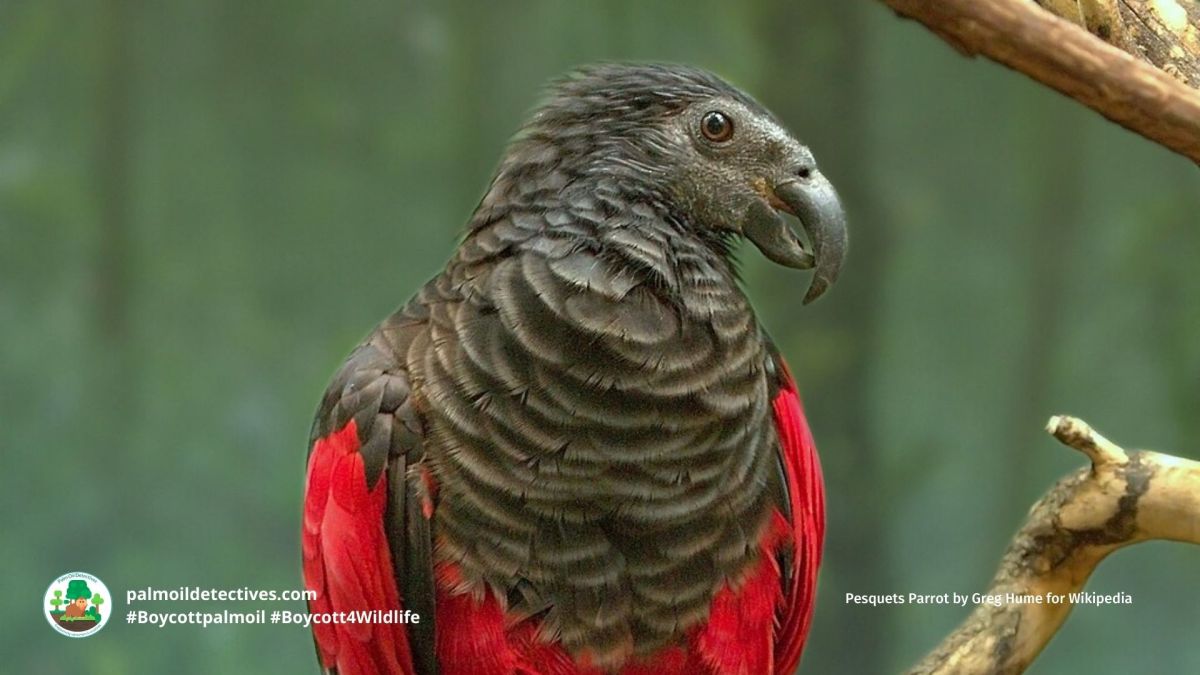
Pesquets Parrot Psittrichas fulgidus
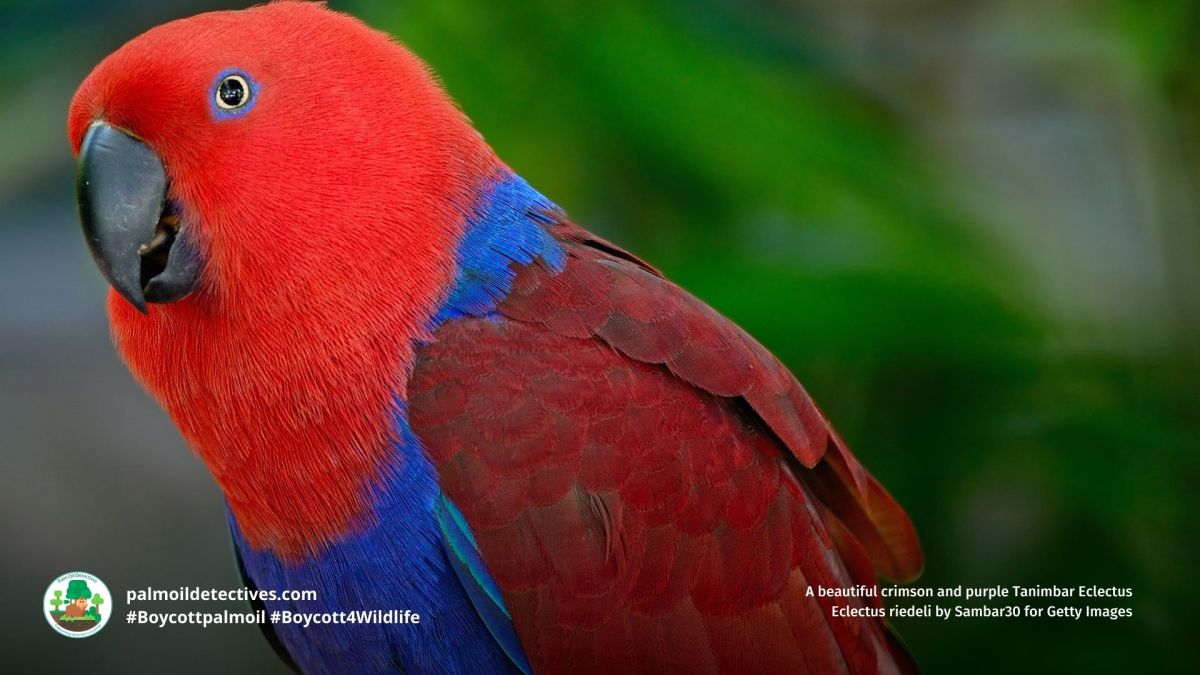
Tanimbar Eclectus Parrot Eclectus riedeli
Learn about “sustainable” palm oil greenwashing
Read more about RSPO greenwashing
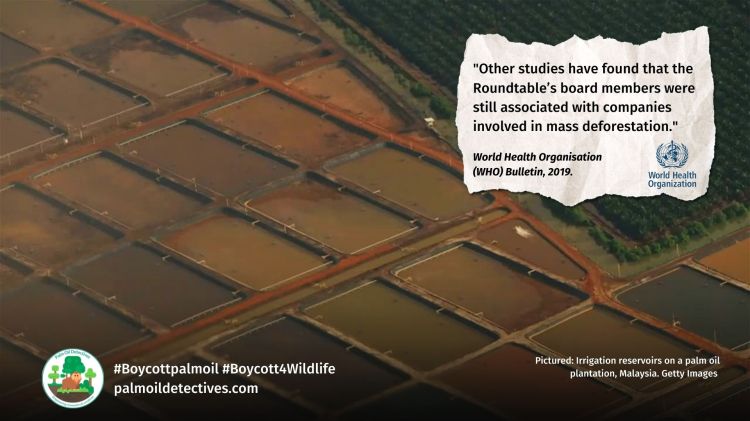
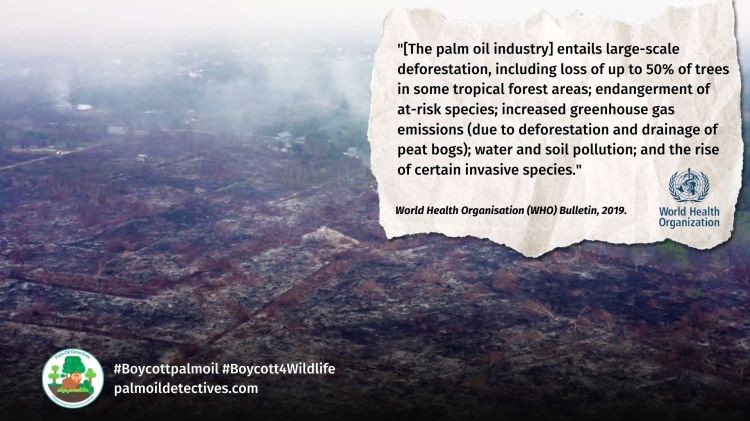
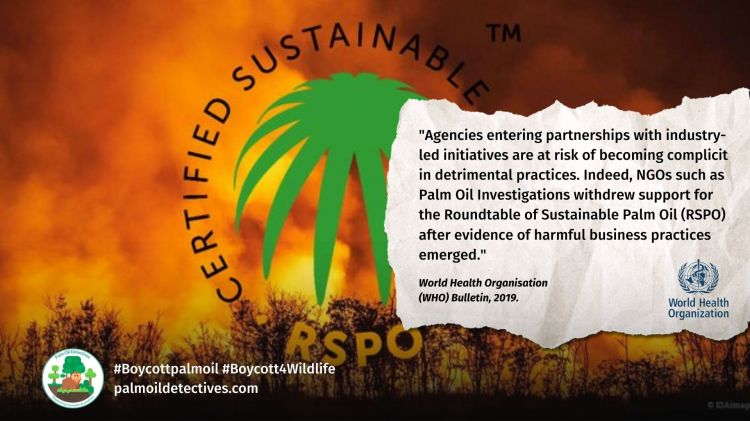
Lying Fake labelsIndigenous Land-grabbingHuman rights abusesDeforestation Human health hazardsA 2019 World Health Organisation (WHO) report into the palm oil industry and RSPO finds extensive greenwashing of palm oil deforestation and the murder of endangered animals (i.e. biodiversity loss)
Read more

#Agriculture #animals #beef #Boycott4wildlife #BoycottPalmOil #climatechange #CriticallyEndangeredSpecies #criticallyendangered #deforestation #Ecuador #EcuadoreanViscachaLagidiumAhuacaense #endangered #extinction #ForgottenAnimals #hunting #meat #meatDeforestation_ #PalmOil #palmOilDeforestation #Peru #poaching #rodent #rodents #SouthAmericaSpeciesEndangeredByPalmOilDeforestation #vegan #Viscacha
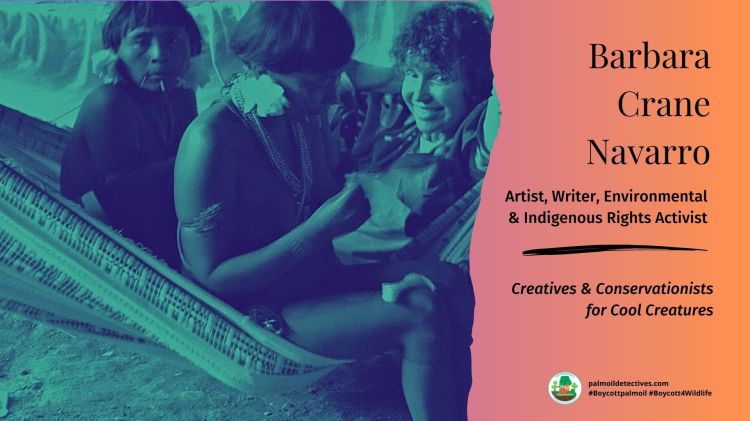
Artist and Indigenous Rights Advocate Barbara Crane Navarro
Barbara Crane Navarro: In Her Own Words
Artist, Writer, Environmental & Indigenous Rights Activist
Bio: Barbara Crane Navarro
Barbara Crane Navarro is a French-American artist, writer, Indigenous and animal activist who lives near Paris. From 1968 to 1973 she studied at Rhode Island School of Design, then she went on to study at the San Francisco Art Institute in San Francisco, California, for a BFA.
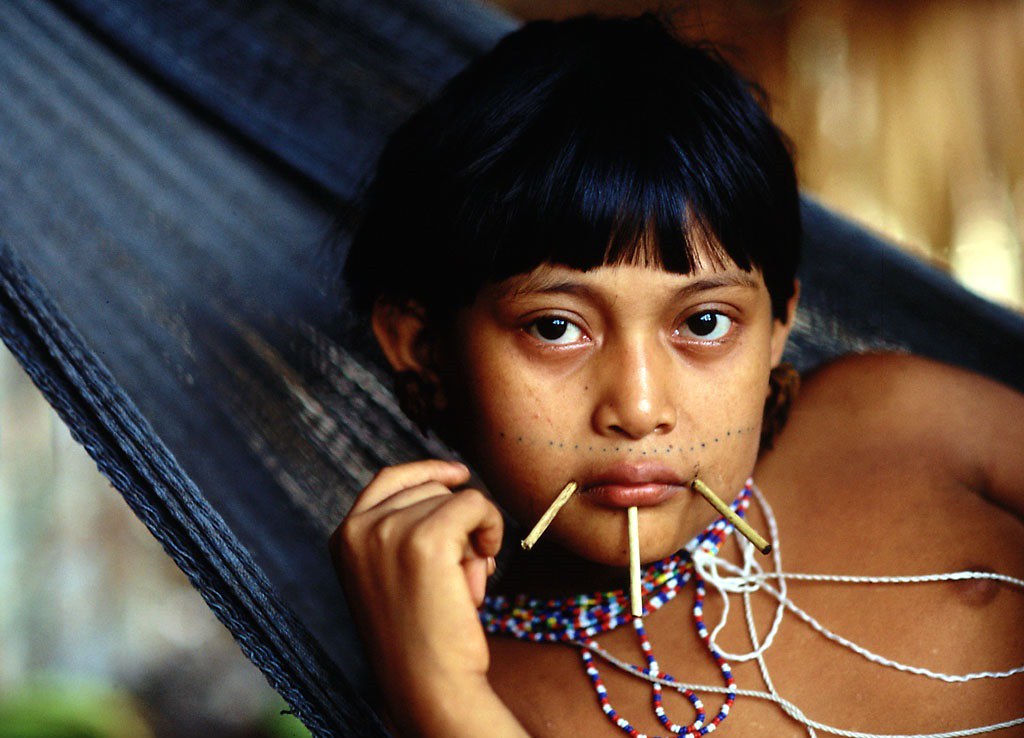
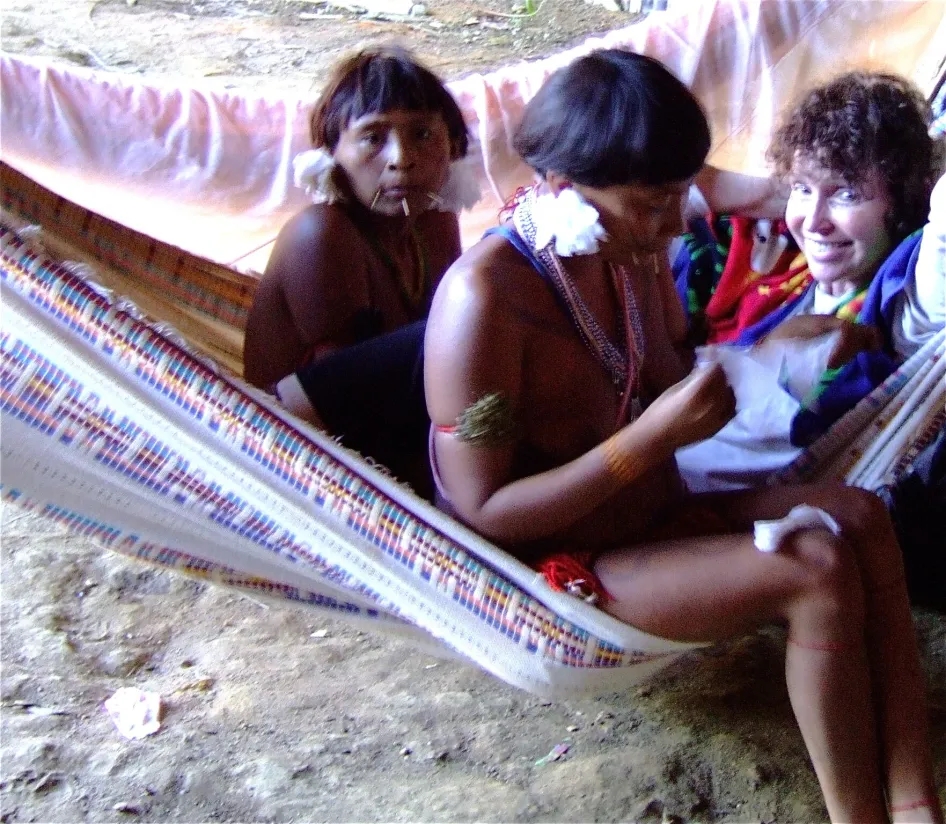
Her work over many decades has been informed and inspired by time spent with indigenous communities. She took various study trips devoted to the exploration of techniques and natural pigments of different indigenous communities including the Dogon of Mali, West Africa, and the Yanomami communities in Venezuela and Brazil.
Over many years, during the winters, she studied the techniques of traditional Bogolan painting. Hand woven fabric is dyed with boiled bark from the Wolo tree or crushed leaves from other trees, then painted with mud from the Niger river which oxidizes in contact with the dye. Through the Dogon and the Yanomami, her interest in the multiplicity of techniques and supports for aesthetic expression influenced her artistic practice.
Her voyages to the Amazon Rainforest have informed several series of paintings created while living among the Yanomami. The support used is roughly woven canvas prepared with acrylic medium then textured with a mixture of sand from the river bank and lava. This supple canvas is then rolled and transported on expeditions into the forest. These are then painted using a mixture of acrylic colors and Achiote and Genipap, the vegetal pigments used by the Yanomami for their ritual body paintings and on practical and shamanic implements. Barbara is deeply concerned about the ongoing devastation of the Amazon Rainforest and this has inspired many of her films, installation projects and children’s books.
Palm Oil Detectives is honoured to interview to Barbara Crane Navarro about her fascinating work, indigenous activism, the devastation of deforestation and land-grabbing from gold mining on the Indigenous Yanomami people
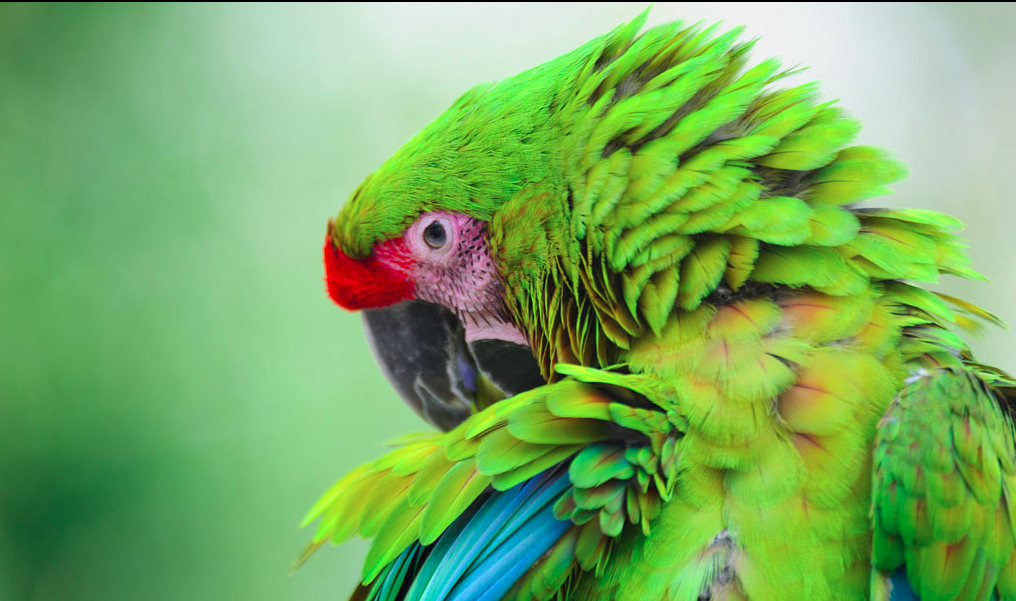 Great Green Macaw Ara ambiguus
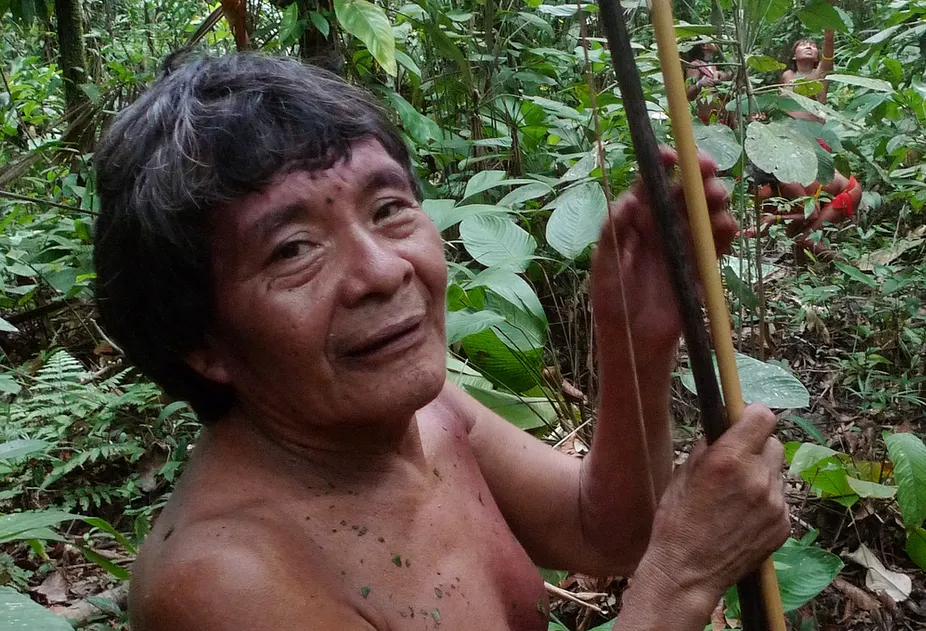
Behind the insatiable appetite for buying #gold is a dark secret of money laundering, illegal #mining, #ecocide, sex #slavery and human misery for the #Yanomami people of #Venezuela & #Brazil. @BarbaraNavarro #BoycottGold4Yanomami
Read more: Illegal gold mining and the Yanomami’s fight for their land
‘Illegal mining in the Amazon hits record high amid Indigenous protests’, Jeff Tollerson, Nature 2021.
FinCEN Files investigations into the gold trade from around the world. Kyra Guerny, International Consortium of Investigative Journalists, 2020.
Five Golden Rings and an Environmental Dilemma, Wake Forest University, 2018.
‘Gold mining leaves deforested Amazon land barren for years, find scientists’ The Conversation, July 1, 2020.
Mercury: Chasing the Quicksilver by InfoAmazonia
‘Pictures from outer space reveal the extent of illegal gold mining in Peru’, The Conversation, May 7, 2021.
‘Sex trafficking ‘staggering’ in illegal Latin American gold mines: researchers’, Reuters, 2016.
Yanomami: Povos Indigenas Brasil
Help Barbara’s movement to #BoycottGold4Yanomami
1. By regularly sharing out these tweets below…
2. By following the #BoycottGold4Yanomami hashtag on Twitter and share out other people’s tweets
“I wrote Rainforest Magic, children’s stories about Yanomami children Namowë and Meromi to honour the Yanomami families I love and to raise awareness of the disappearing Amazon” #BoycottGold4Yanomami @BarbaraNavarro
It’s important that consumers know – every item we buy affects the lives of people and animals. #Gold #mining and #palmoil directly impacts Indigenous peoples. #Boycottpalmoil #BoycottGold4Yanomami #Boycott4Wildlife @BarbaraNavarro
#Yanomami children as young as 12 are forced into prostitution for illegal miners that take over their rainforest home for gold mining. Fight back against this with your wallet and refuse to buy gold! #BoycottGold4Yanomami @BarbaraNavarro
Top Brazil gold exporter leaves a trail of criminal probes and illegal mines! Please #Boycott4Wildlife #BoycottGold4Yanomami! @ScarpullaA @barbaranavarro https://news.mongabay.com/2021/11/top-brazil-gold-exporter-leaves-a-trail-of-criminal-probes-and-illegal-mines/ via @Mongabay
Tweet thisL’amico a sorpresa del ragazzo Yanomami nella giungla! #BoycottGold4Yanomami #Boycott4Wildlife @ScarpullaA @barbaranavarro https://barbara-navarro.com/2021/12/24/ital-dec-24-lamico-a-sorpresa-del-ragazzo-yanomami-nella-giungla/
Tweet thisAmigo surpresa do menino Yanomami na selva! #BoycottGold4Yanomami #Boycott4Wildlife @barbaranavarro @ScarpullaA https://barbara-navarro.com/2021/12/23/amigo-surpresa-do-menino-yanomami-na-selva/
Tweet thisThe Art of #Greenwashing by Luxury Merchants of the Death #BoycottGold4Yanomami #Boycott4Wildlife @barbaranavarro @ScarpullaA https://barbara-navarro.com/2020/12/07/the-art-of-greenwashing-by-the-luxury-merchants-of-the-death-of-nature-and-indigenous-peoples-in-their-own-words-the-people-of-gold-and/
Tweet this#Indigenous knowledge could be the answer to stopping #Climate Change! #ClimateEmergency @ScarpullaA @barbaranavarro #Boycott4Wildlife and #BoycottGold4Yanomami and save the forests, animals and indigenous peoples of South America! https://barbara-navarro.com/2021/12/25/indigenous-knowledge-could-be-the-answer-to-climate-change-the-st-andrews-economist/
Tweet thisAmigo surpresa do menino Yanomami na selva! Boicote todos os produtos resultantes do desmatamento; ouro, óleo de palma, carne, soja, madeiras exóticas, pedras preciosas #BoycottGold4Yanomami #Boycottpalmoil #Boycott4Wildlife @BarbaraNavarro @ScarpullaA https://barbara-navarro.com/2021/12/23/amigo-surpresa-do-menino-yanomami-na-selva/
Tweet this@Cartier Foundation uses #greenwashing “art” to sell their business model as eco-friendly. This is #greenwashing! #Yanomami people and #animals are dying for #gold! @BarbaraNavarro @ScarpullaA #BoycottGold4Yanomami #Boycott4Wildlife https://barbara-navarro.com/2020/10/11/the-cartier-foundation-epitomizes-the-insidious-practice-of-using-an-art-foundation-to-seduce-the-public-into-believing-that-its-merchandise-and-business-model-is-actually-the-opposite-of-its-true/
Tweet thisMy Exhibition “Pas de Cartier: Yanomami and Trees” Gold mining by @Cartier @Bulgariofficial and COVID-19 are killing the #Yanomami people. This is why we #BoycottGold4Yanomami @BarbaraNavarro @ScarpullaA https://barbara-navarro.com/2020/08/04/exhibition-pas-de-cartier-yanomami-and-trees-gold-mining-and-gold-luxury-items-covid-19-propagated-by-gold-miners/
Tweet this“When you cut down the trees, you assault the spirits of our ancestors. When you dig for minerals you impale the heart of the Earth” Cacique Raoni Metuktire Illegal gold mining is why we #BoycottGold4Yanomami #Boycott4Wildlife @BarbaraNavarro @ScarpullaA https://barbara-navarro.com/2020/06/27/gold-fever-covid-19-and-the-genocide-of-the-yanomami-update/
Tweet this“In the Venezuelan and Brazilian Amazon, I witnessed the destruction of nature from deforestation and gold mining worsen as I returned year after year”
Barbara Crane Navarro
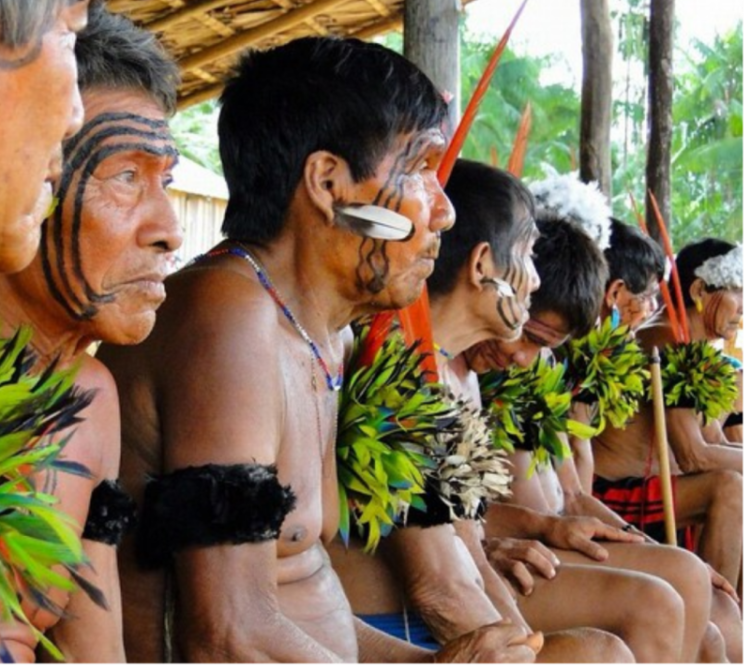
The Yanomami communities I spent time with were very worried about this situation and the shamans worked to fight against it, but this has been in vain so far.
Since my birth, I was always an artist and spent my childhood drawing and painting
I want to understand why people in indigenous societies spend so much time and effort creating art and with such an incredible variety of supports and substances.
“Since 2005, I’ve created a performance and film project: Fire Sculpture, to bring urgent attention to rainforest destruction. And to protest against the continuing destruction of the Yanomami’s territory. I’ve publicly set fire to my totemic sculptures. These burning sculptures symbolise the degradation of nature and the annihilation of indigenous cultures that depend on the forest for their survival.”
~ Barbara Crane Navarro
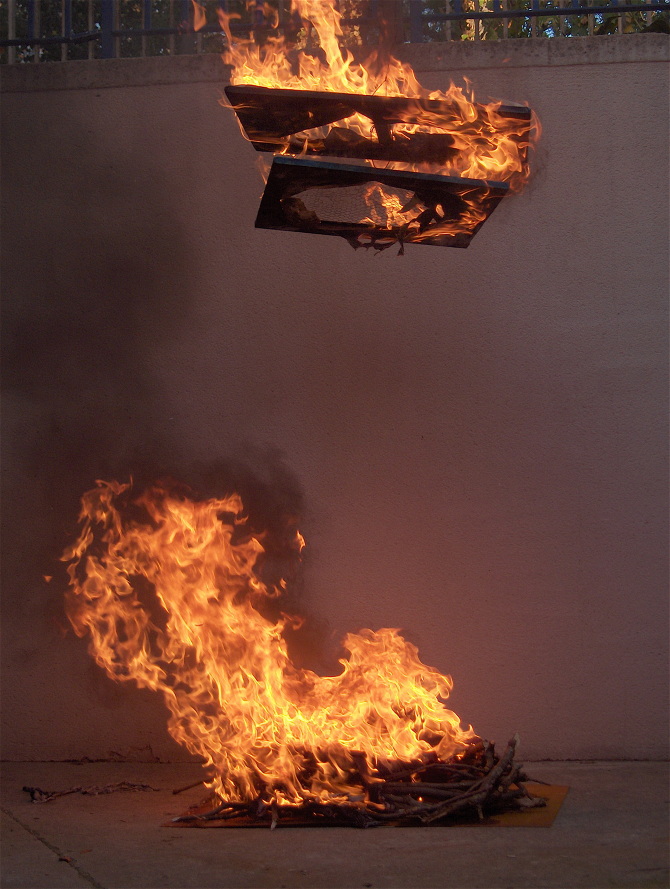
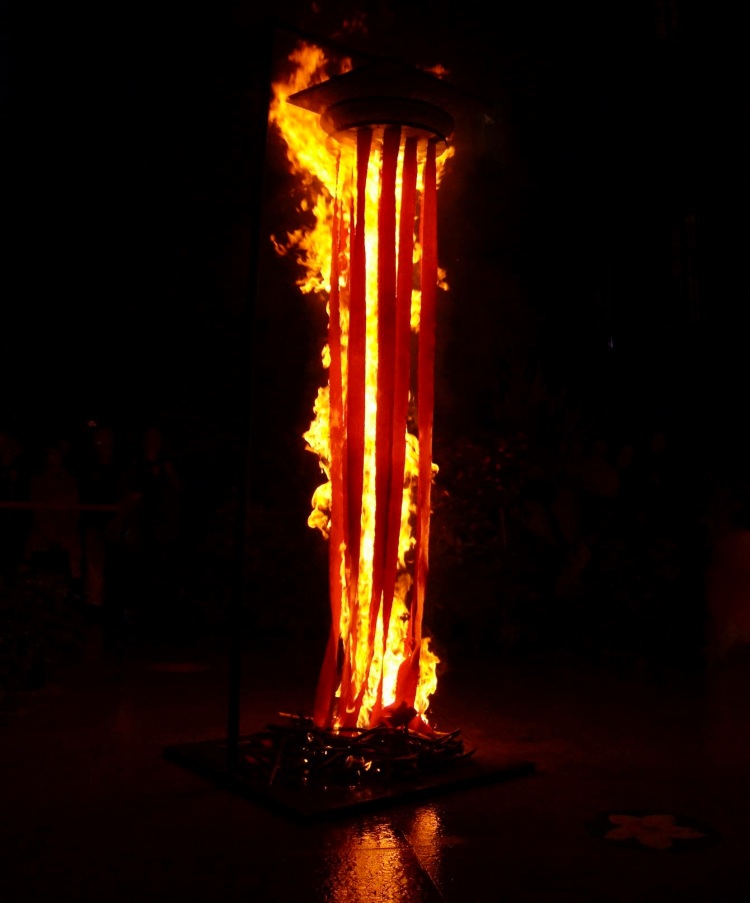
The idea of burning the sculptures was to make a symbolic point about how Yanomami and other indigenous communities are endangered by our consumerism which creates chaos and destruction where they live, in their ancestral home.
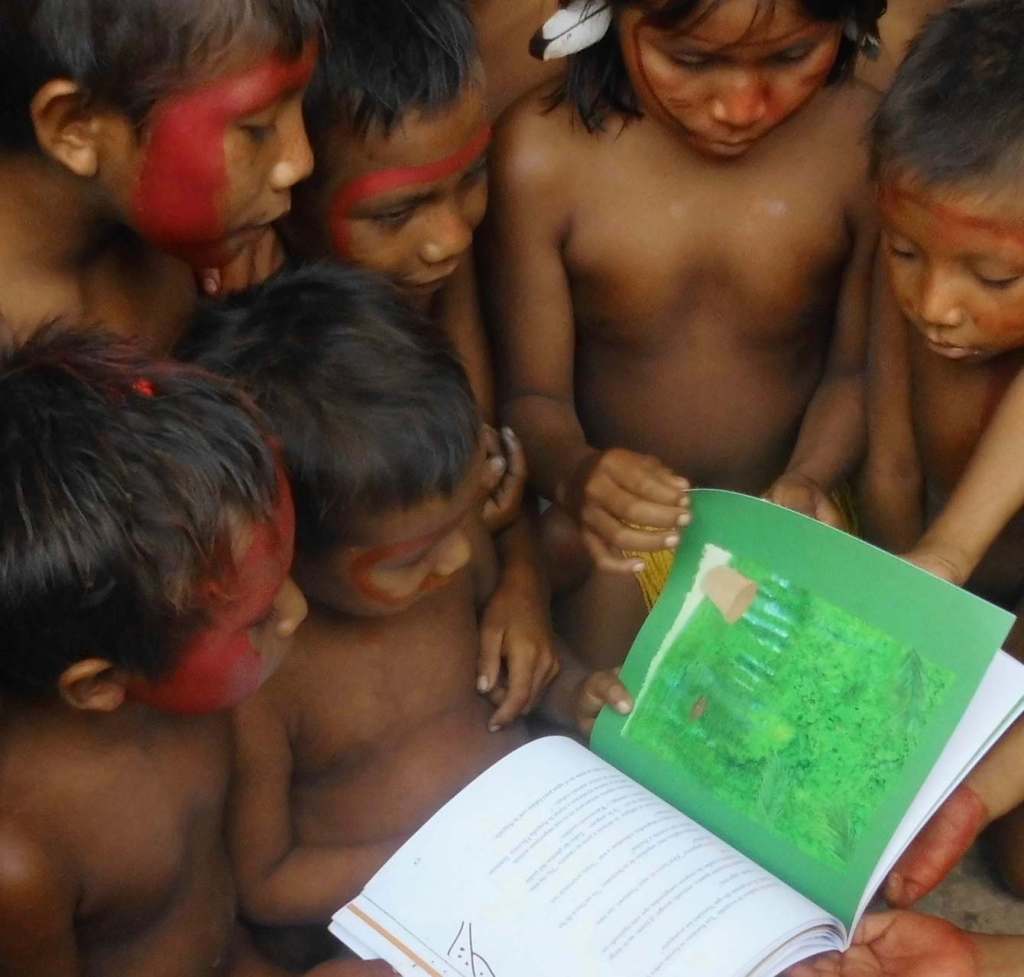
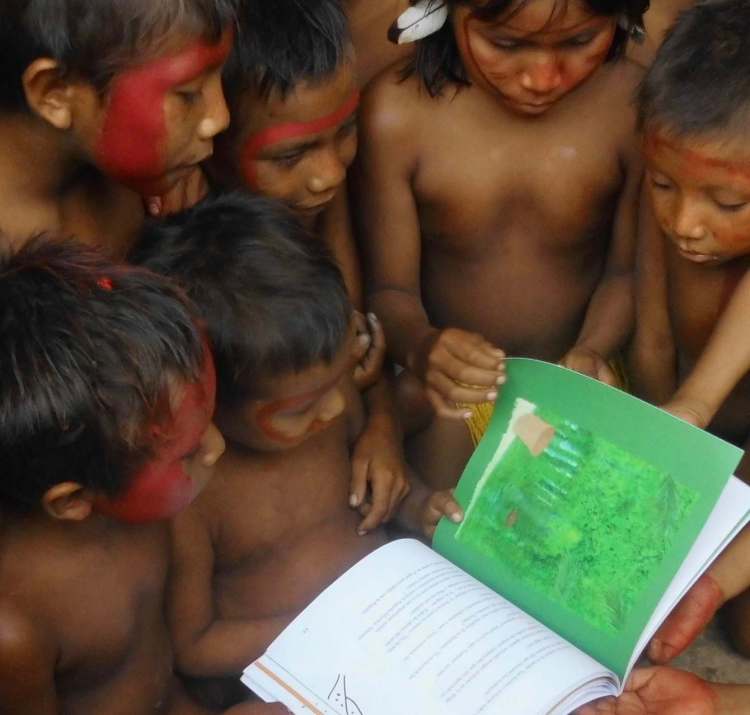
I wrote Amazon Rainforest Magic, two stories of Yanomami children Namowë, a Yanomami boy and Meromi, a Yanomami girl in honour of the families I know and love
Several of the Yanomami children and their families I know well are among the characters in the two books of the series.
I self-published my books with CreateSpace years ago which was subsequently bought by Amazon’s KDP. Now my books are only available on Amazon or here at my gallery near Paris, where my artwork is also available.
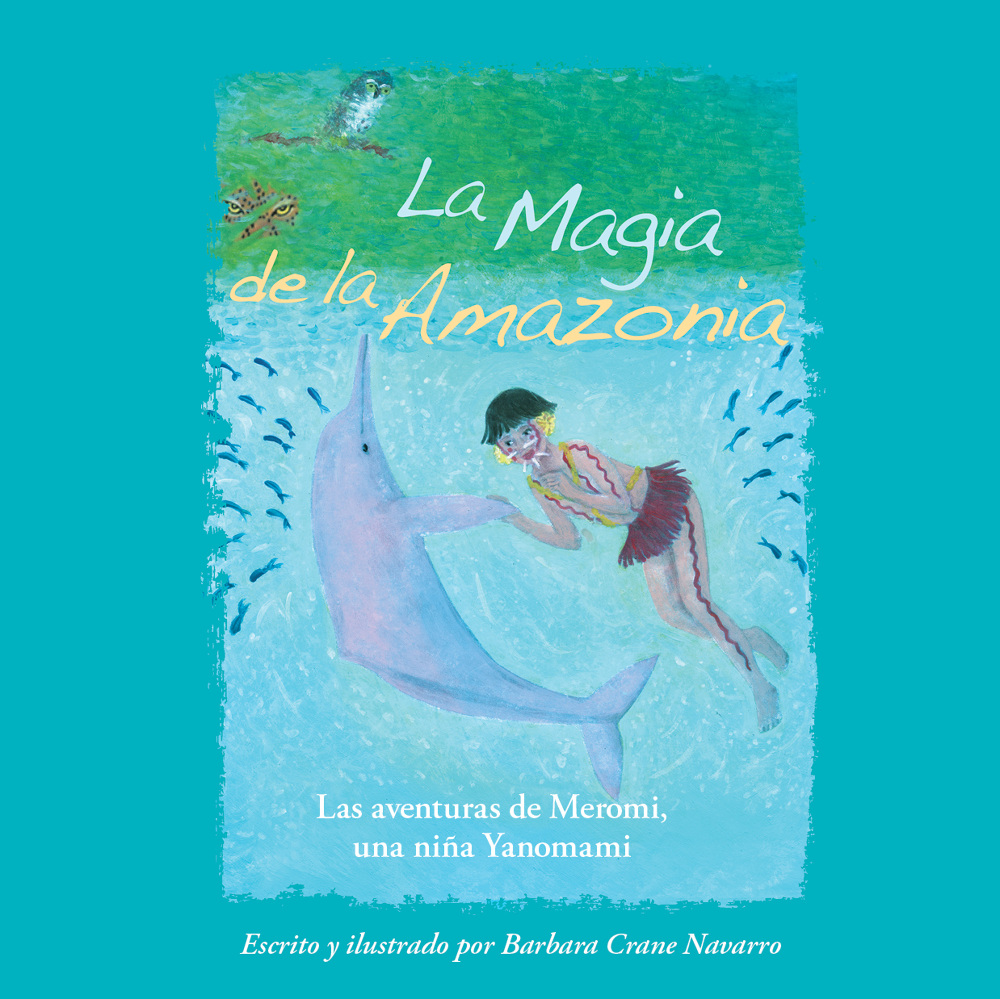

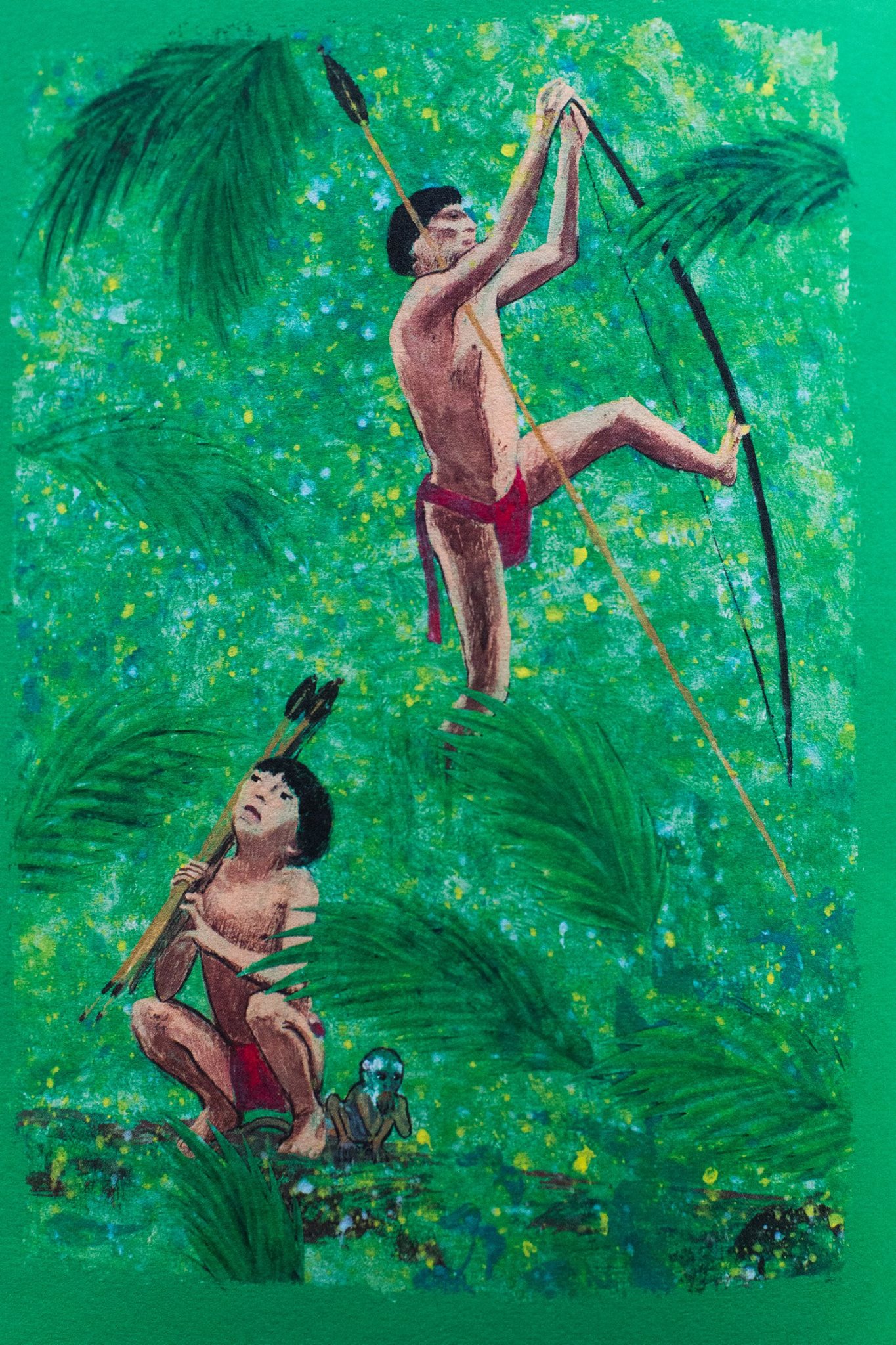
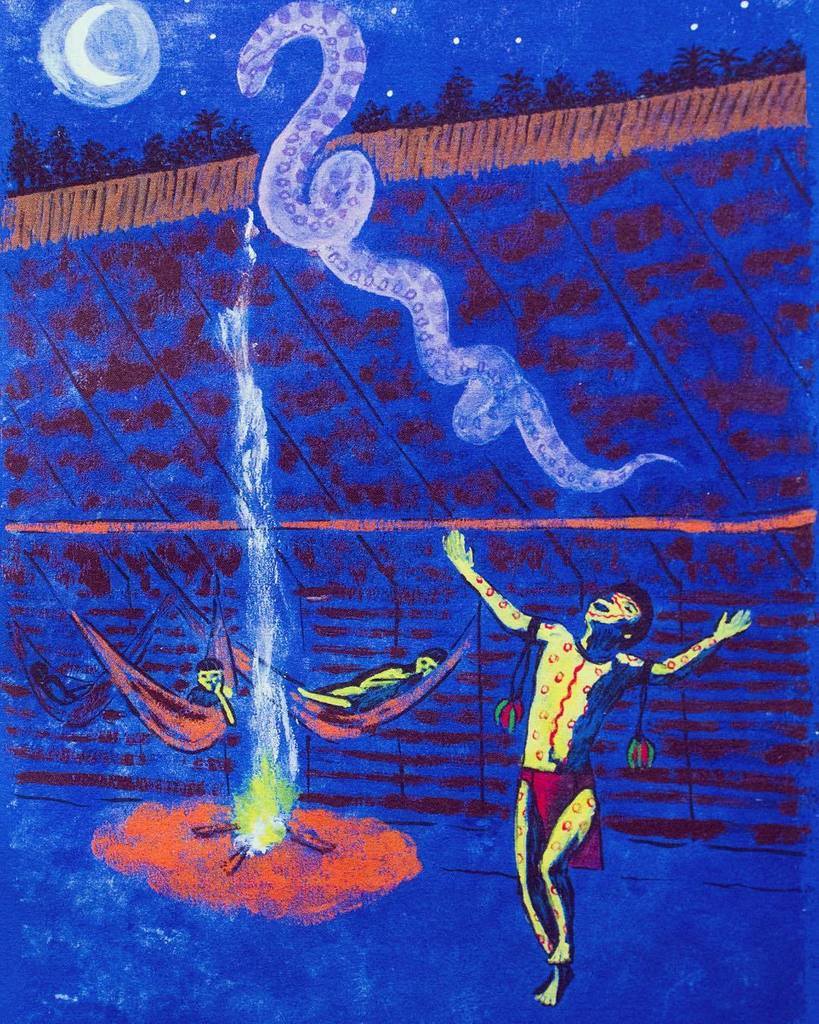
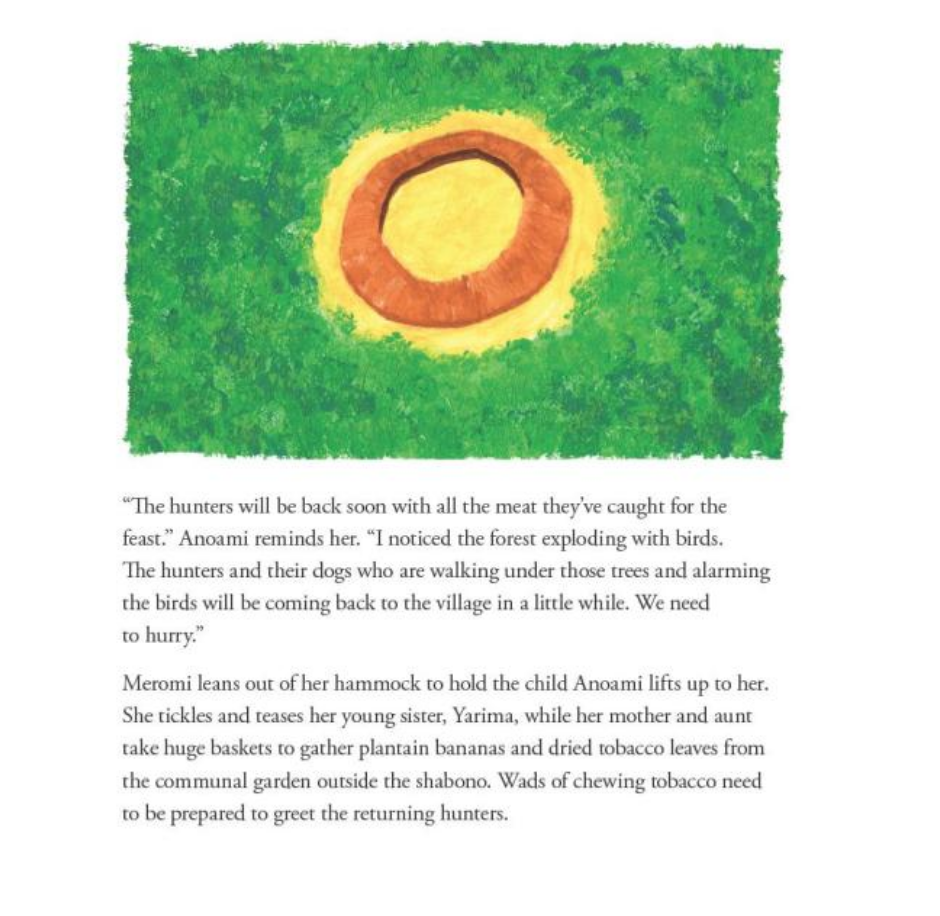
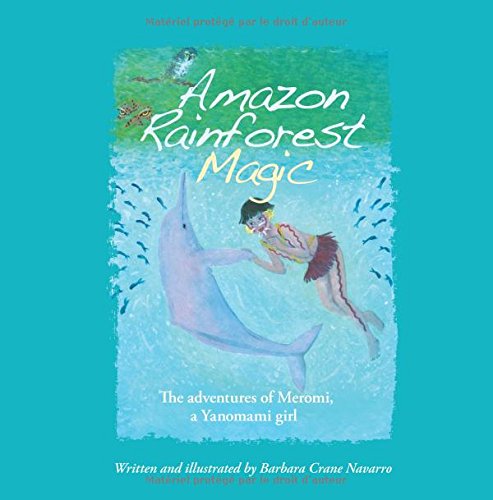
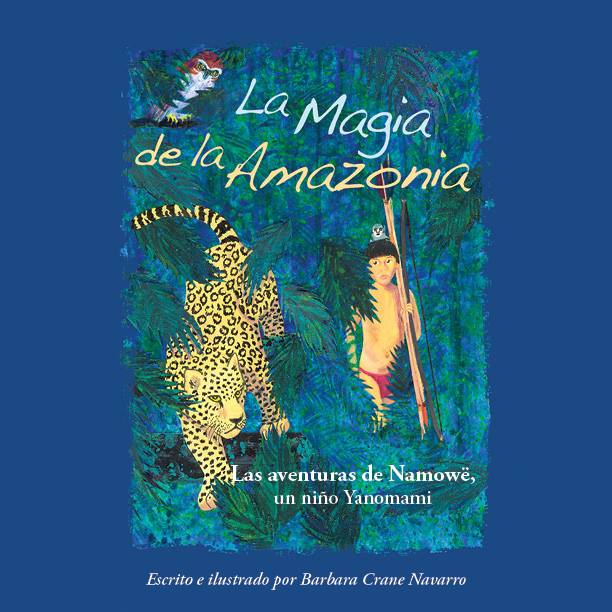
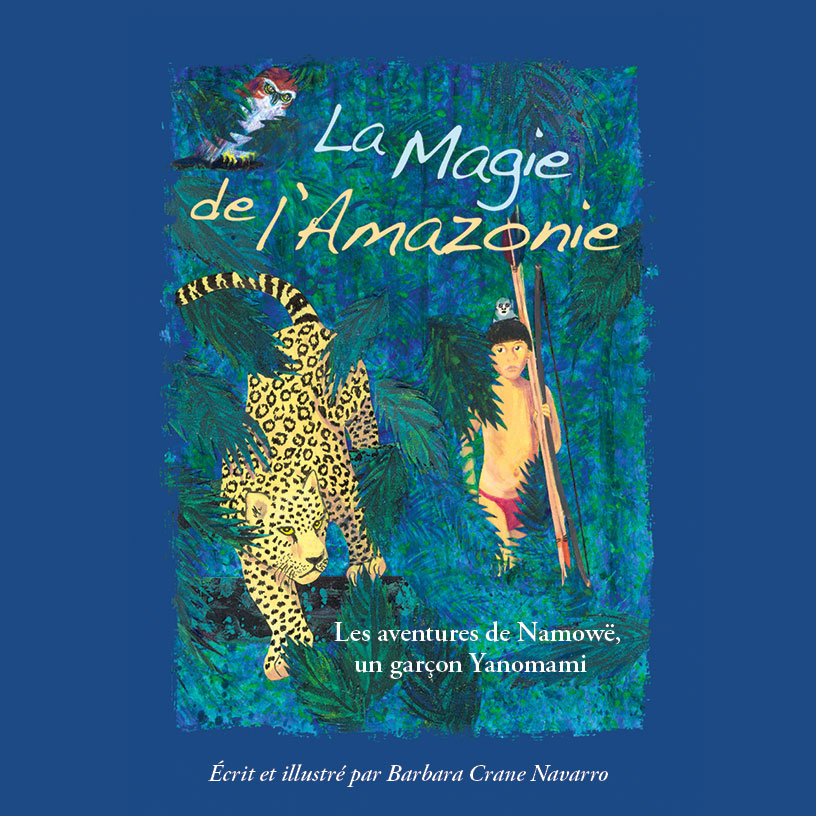
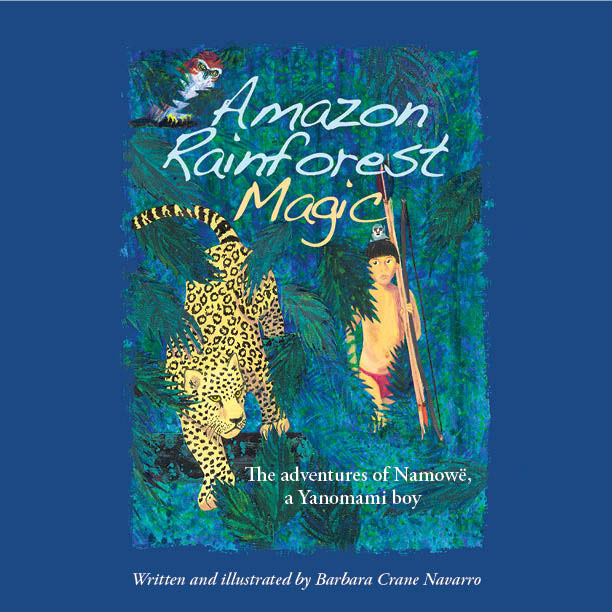
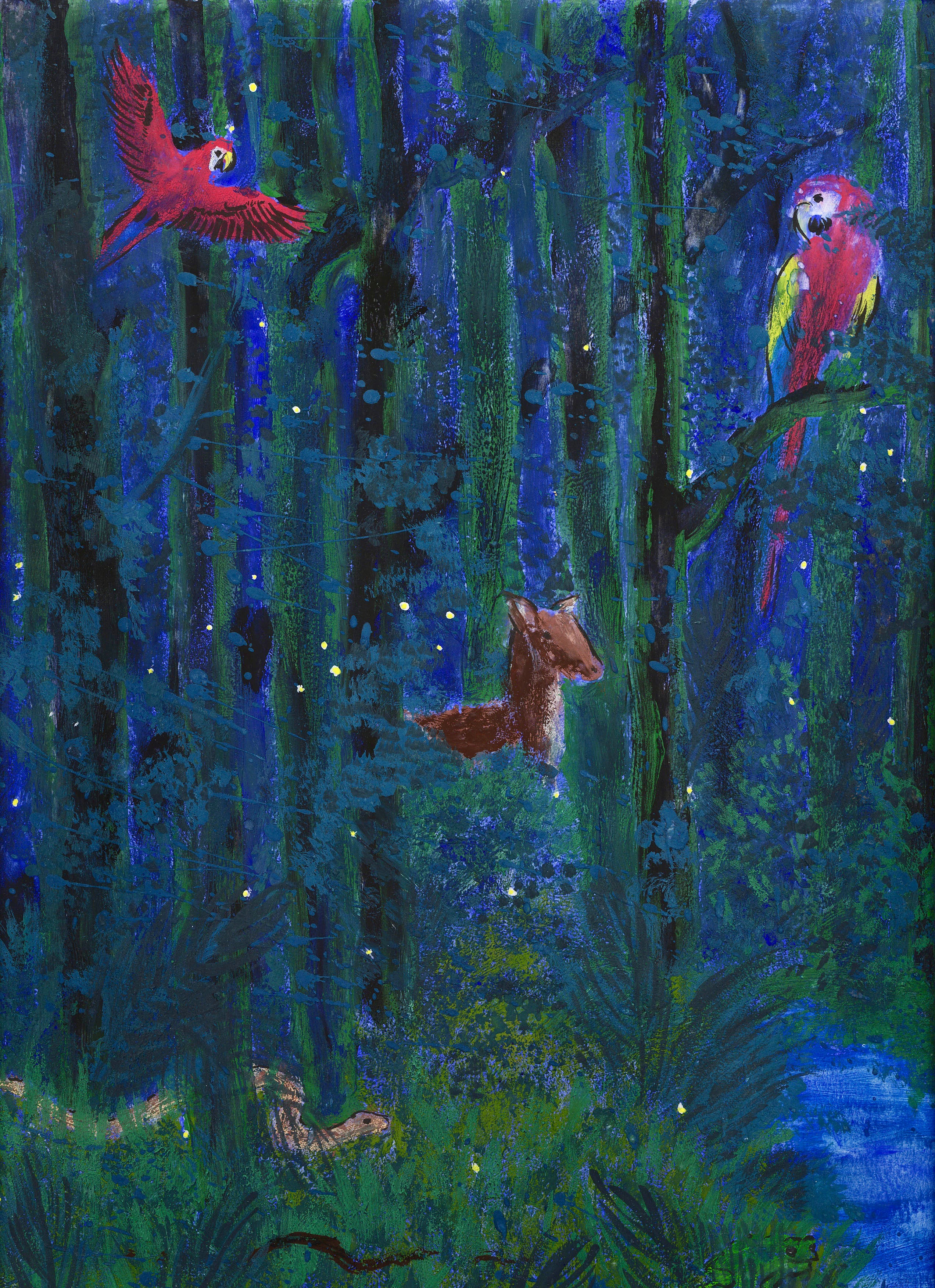
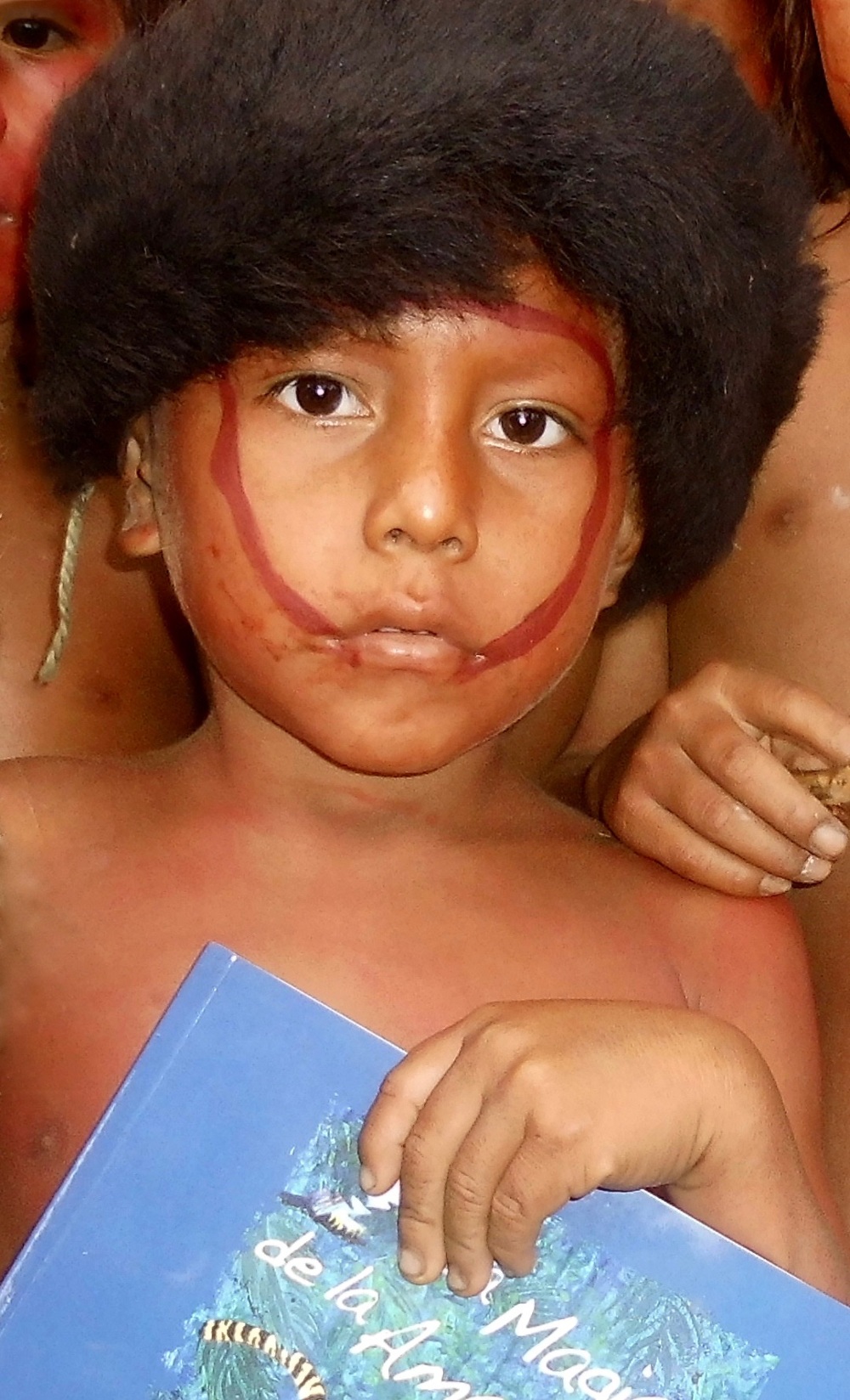
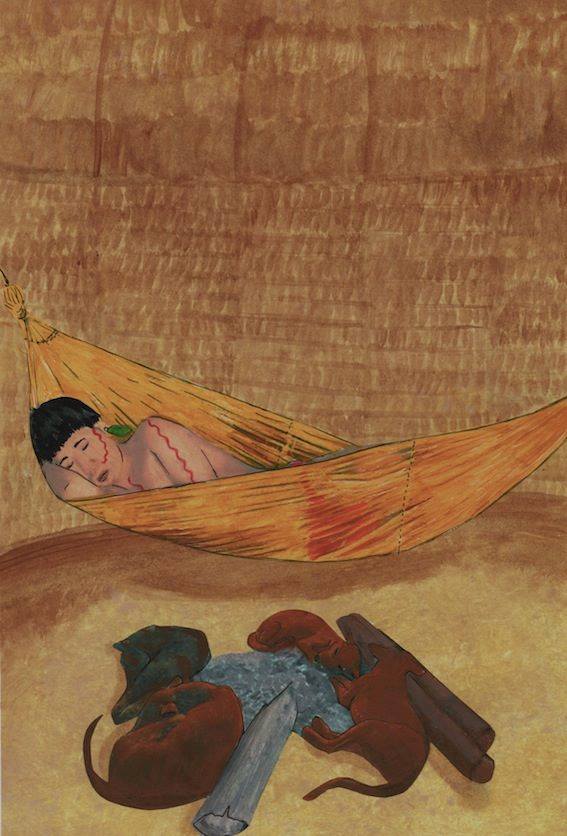
The two books are available from Barbara Crane Navarro’s Amazon page in English, Spanish and French.
Buy Vol. 1 Buy Vol. 2“Amazon Rainforest Magic” presents a world that at first might seem whimsical, where people, animals, and plants joke, conspire, and argue with each other. The serious point is that humans are no more important than any of the other creatures – all are mutually dependent, some are just more aware of it than others.
The plants and the animals, each with special knowledge, accompany the hero, Namowë, as he embarks on a life-saving quest for a cure for his ailing youngest sister. When he embarks on this exciting journey through the jungle, he has already taken a big step toward maturity.
Behind the charming artwork and story is a clear message that we humans are not separate from our environment and that to put ourselves above nature is arbitrary and ultimately counter-productive.
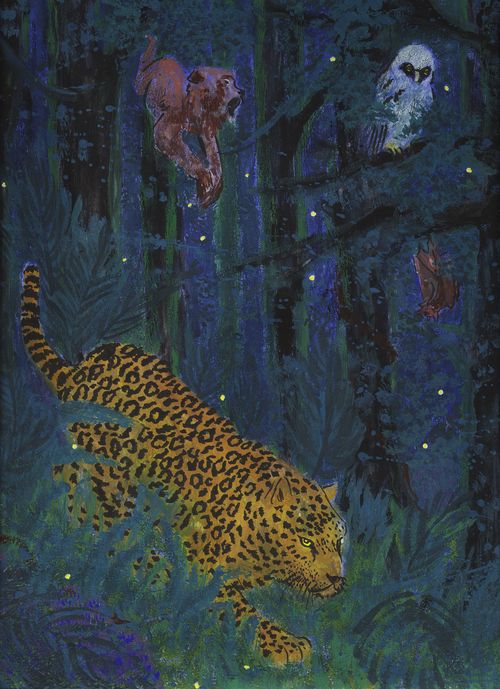
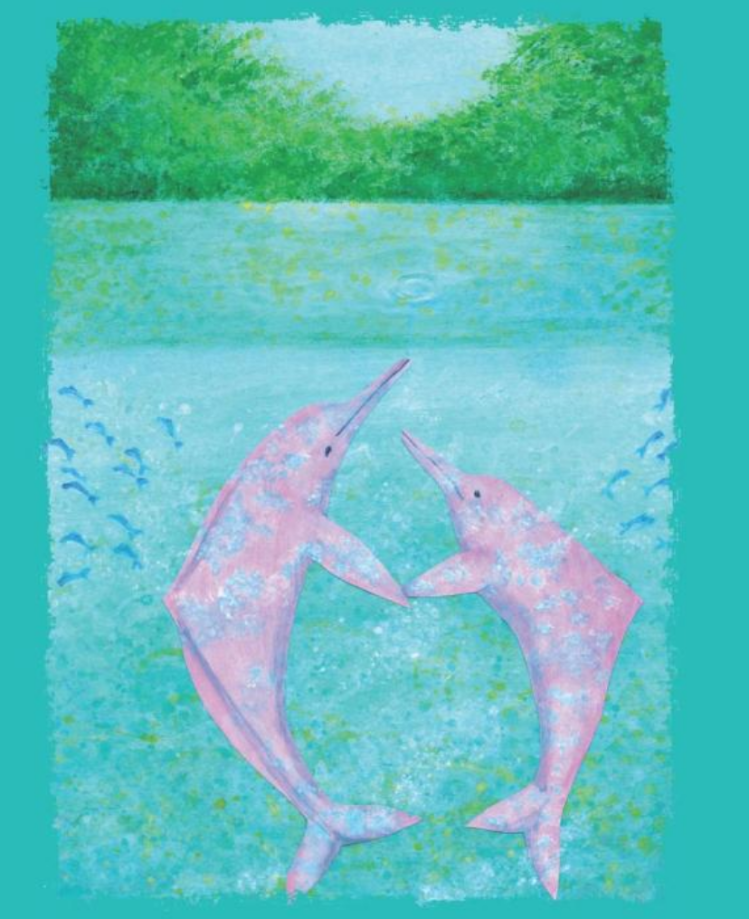 Illustration by Barbara Crane Navarro from her book “Amazon Rainforest Magic – The adventures of Meromi, a Yanomami girl
All of the various indigenous communities along the rivers in the Amazon are very alarmed at the acceleration of the devastation of the forests.
https://www.youtube.com/watch?v=yd3GoL5MeAg
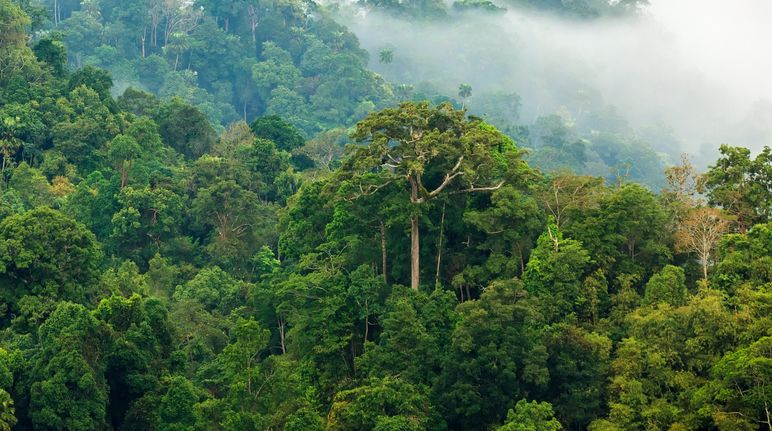
“I discovered that much of the Yanomami’s art is about venerating nature and the spirits of the forests, sky, water and the animals.”
~ Barbara Crane-Navarro
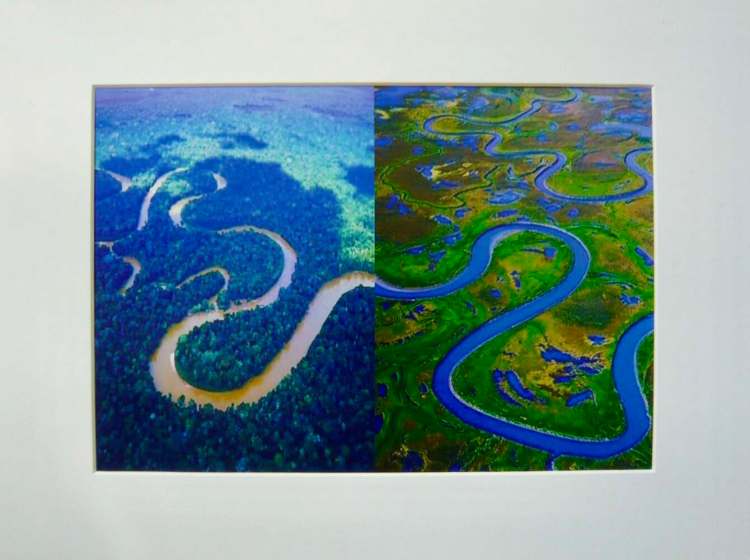
Tundra project/Nature Morte
The repercussions of the 2019 fires in the Amazon and Arctic regions continue to impact forests, water, the atmosphere and indigenous communities. This art is an artistic dialogue between two territories and two geomorphologies. Each have a planetary resonance.
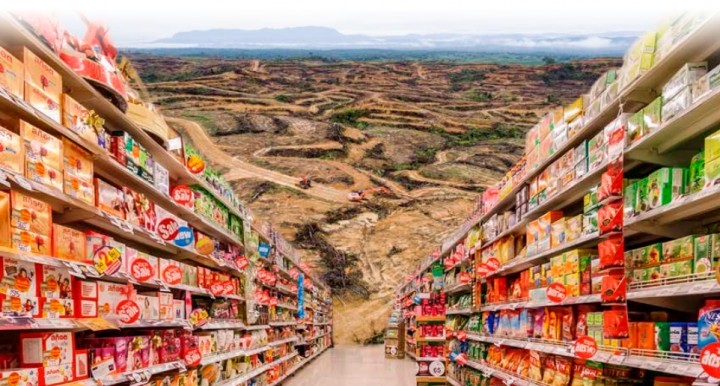
It’s important consumers know that every shopping choice we make has repercussions on the lives of people in other parts of the world
I try to eat only local and in-season vegetables grown nearby. What I grow myself I keep as jam and conserve to eat in the winter months.
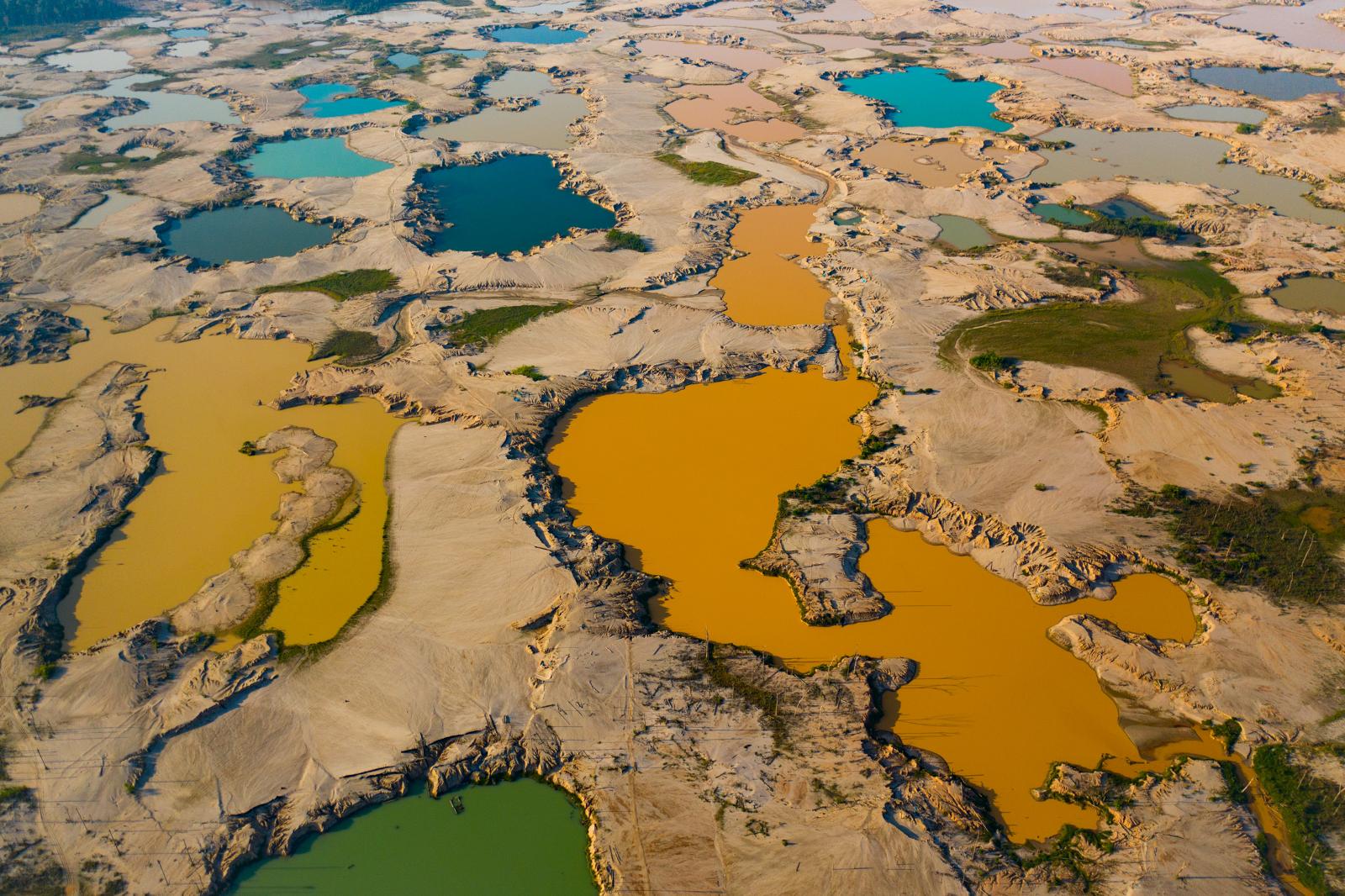
Many different indigenous communities in the nine countries of the Amazon region are devastated by gold mining with its resulting deforestation, violence against indigenous peoples, mercury poisoning and Covid-19 propagated by gold miners.
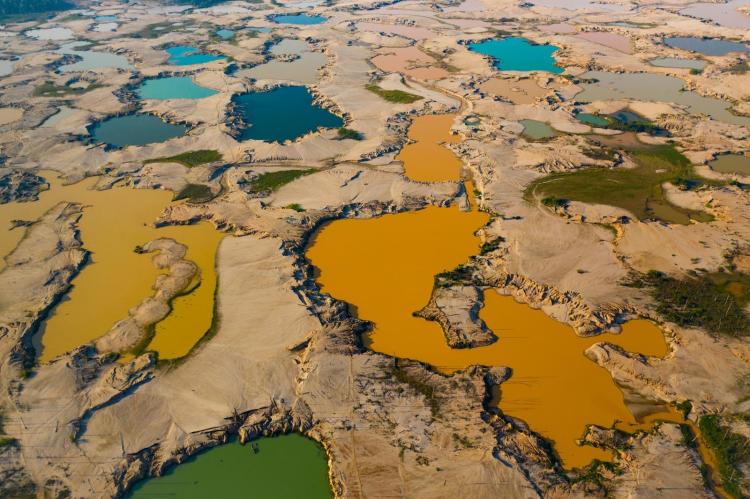 Amazonian gold mine
https://twitter.com/PersonalEscrito/status/1432750926004170755?s=20
https://twitter.com/BarbaraNavarro/status/1350098960954892288?s=20
https://twitter.com/PattyLaya/status/1161291783084621827?s=20
Merchants of Gold, Greed and Genocide
Hunger for Gold in the Global North is fuelling a living hell in the Global South

Here are 13 reasons why you should #BoycottGold4Yanomami
Image: ‘llegal gold that undermines forests and lives in the Amazon’ by Igarapé Institute
Behind the insatiable appetite for #gold is a dark secret of money laundering, illegal #mining, environmental damage and human misery. #BoycottGold4Yanomami @BarbaraNavarro
1. Gold mining = greenwashing of crime and corruption
2. Even the world’s biggest gold-importing nations don’t properly monitor the origins of their gold
3. Laundering crimes using gold is easy
4. Gold is a legal version of cocaine
5. Gold mining causes massive deforestation
6. Indigenous people have no rights
7. Brazil’s racist President, Bolsonaro allows land-grabbing to continue
8. Indigenous women and children are forced into sex slavery
9. Violence and murder in gold mining is common
10. Mercury kills ecosystems, people and animals
11. Ecosystems rarely recover from the damage – they are dead
12. Jewellery and electronics companies and criminals are the only ones who benefit from gold
13. Over a million children are forced to work in gold mines
How can I help?
Forests and rivers are a spiritual and practical necessity for Indigenous people
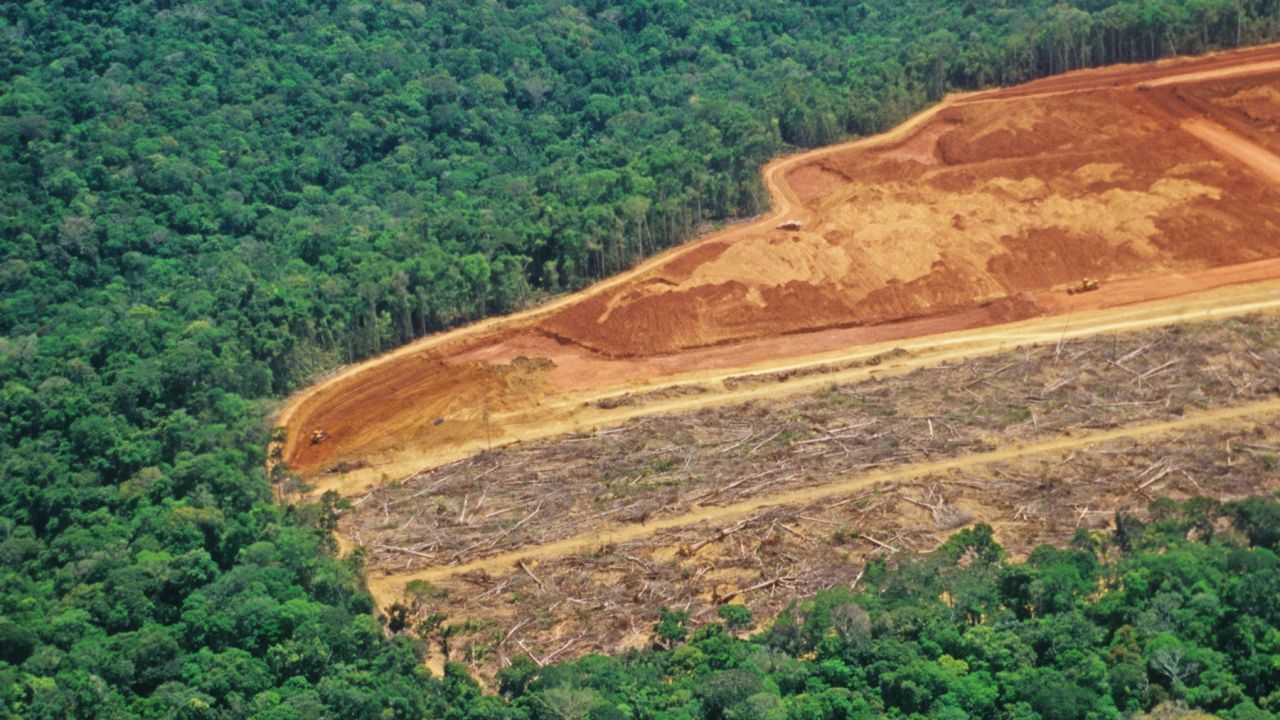
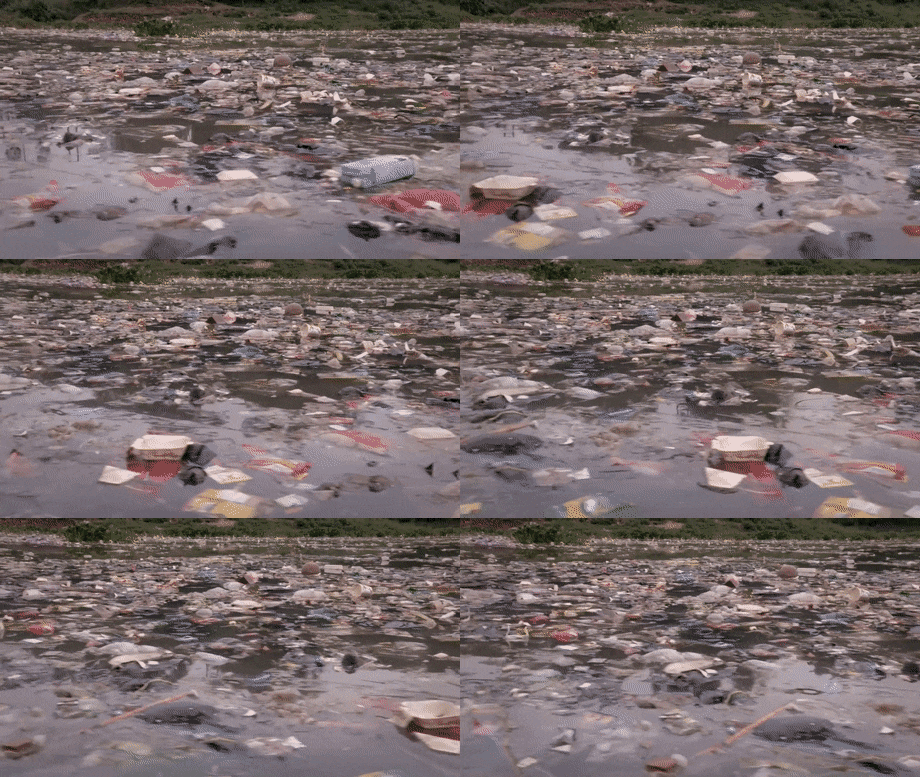
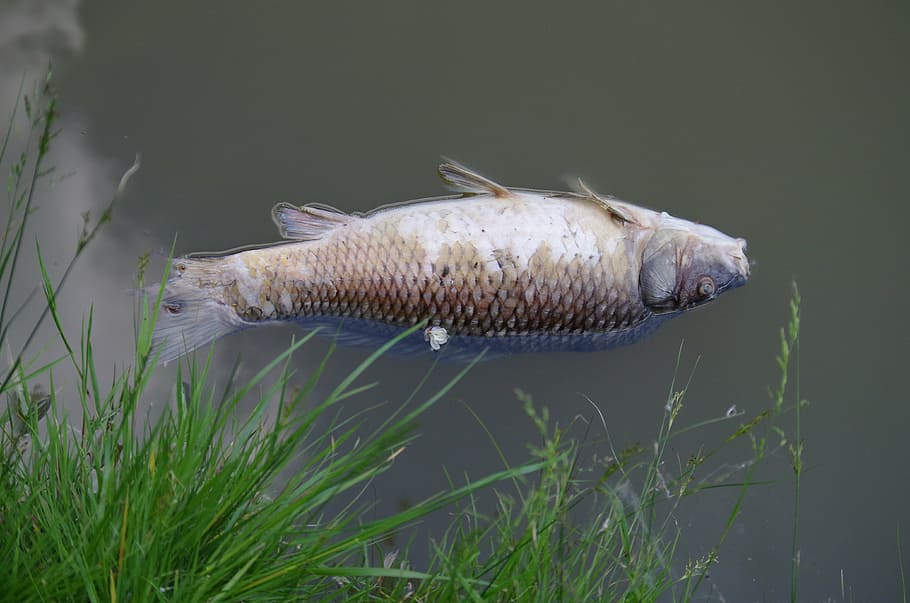
However their access to food and water is removed by palm oil and soy plantations, cattle grazing and gold mining, which contaminates the water and kills the fish. Forest wildfires are happening in the Amazon due to degraded and destroyed forests and rivers.
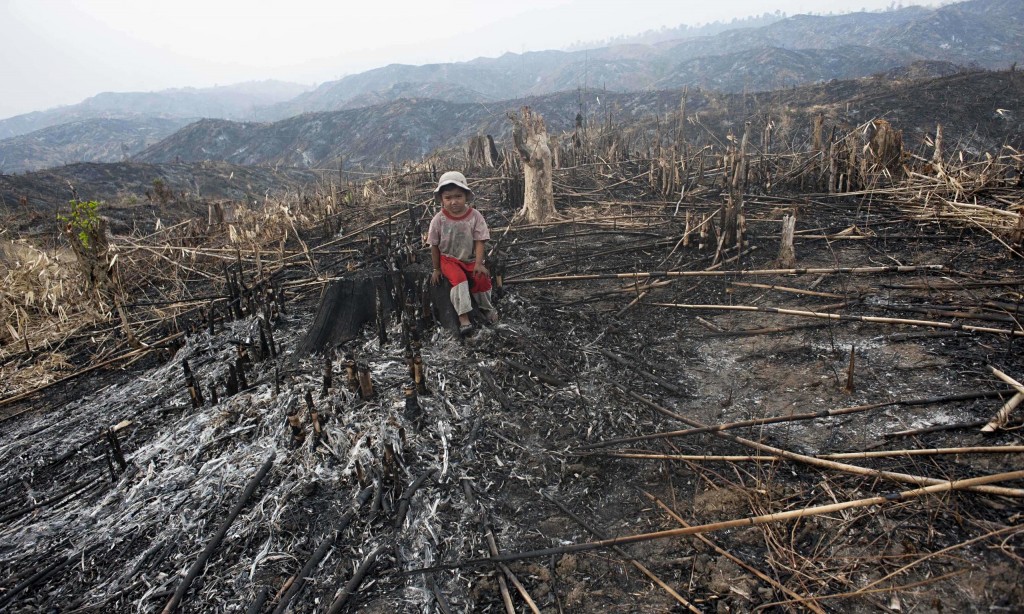
 Deforestation by fire for palm oil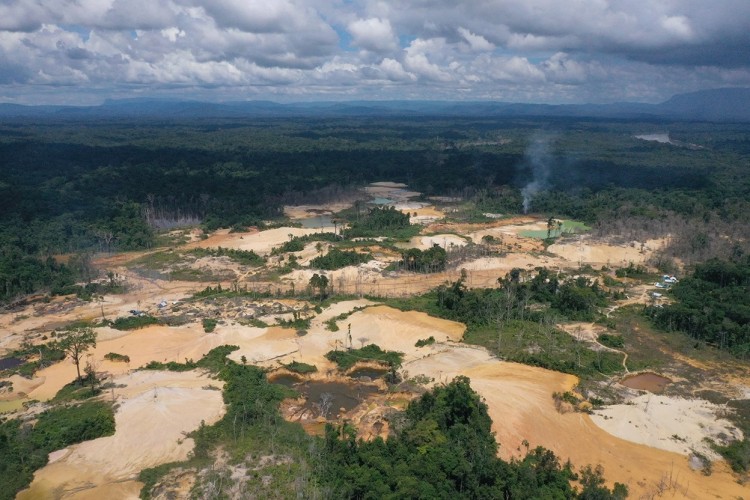
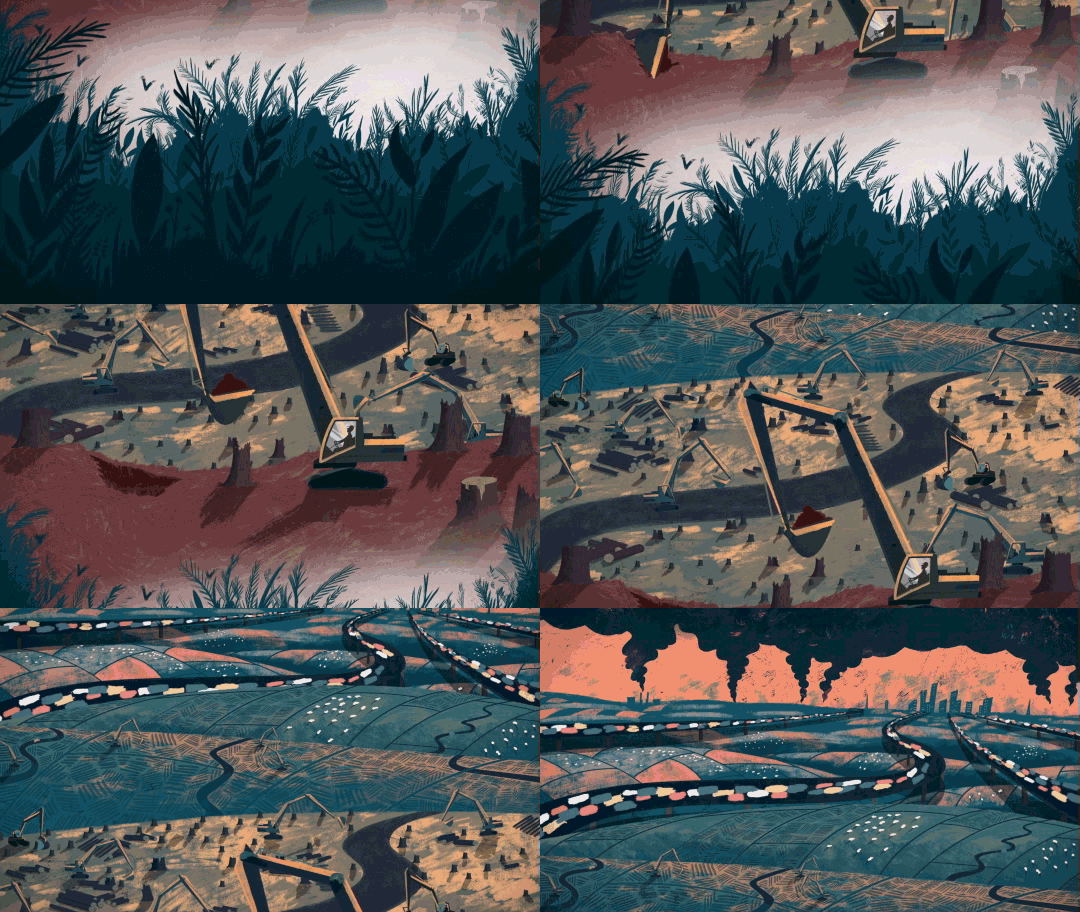 Deforestation by Sean Weston https://seanweston.co.uk
Dirty Gold War: A documentary about gold mining

The gold industry is overflowing with corruption:
If there’s a crackdown in Peru, you just smuggle the gold across the border to Chile. Or if there’s a crackdown all across Latin America, then you can simply sell your gold through the Emirates, where there are very few controls. It’s a very difficult industry to completely eliminate the opportunities for money laundering, because it’s so global and you can just keep shifting your business.
‘‘Dirty Gold’ chases ‘three amigos’ from Miami to Peru and beyond’:
International Consortium of Investigative Journalists
Nobody needs to use gold jewelry or watches to decorate themselves. There are so many less destructive and non-destructive options. Small elements of gold are in phones and other electronic items. We should replace them as seldom as possible.
Barbara Crane Navarro
We all need to boycott palm oil, soy, meat, exotic wood, gold and any other product of deforestation.
The #Boycott4Wildlife movement has the same goals as the #BoycottGold4Yanomami movement
Indigenous peoples know that their well-being depends on healthy forests and ecosystems. They see the evidence of that truth around them every day.
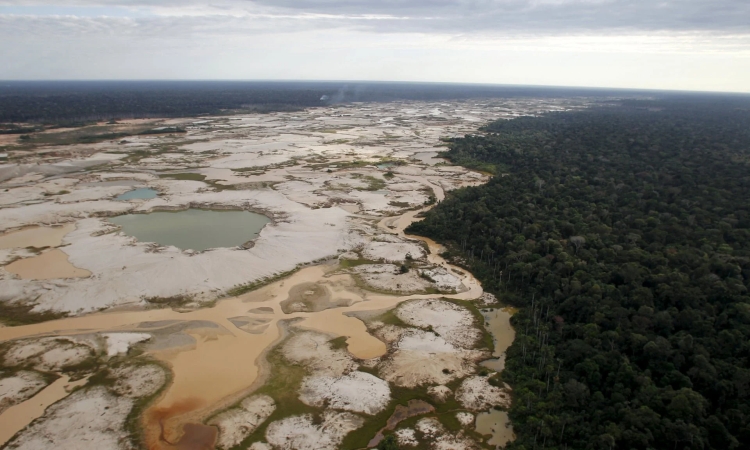
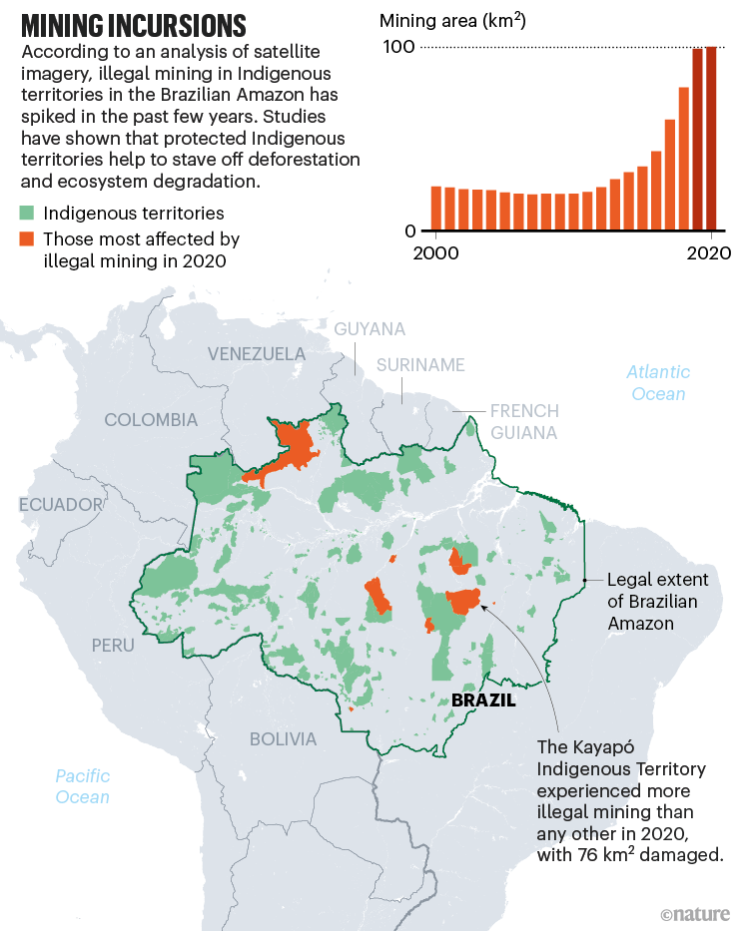 Mining incursions in the Amazon jungle.
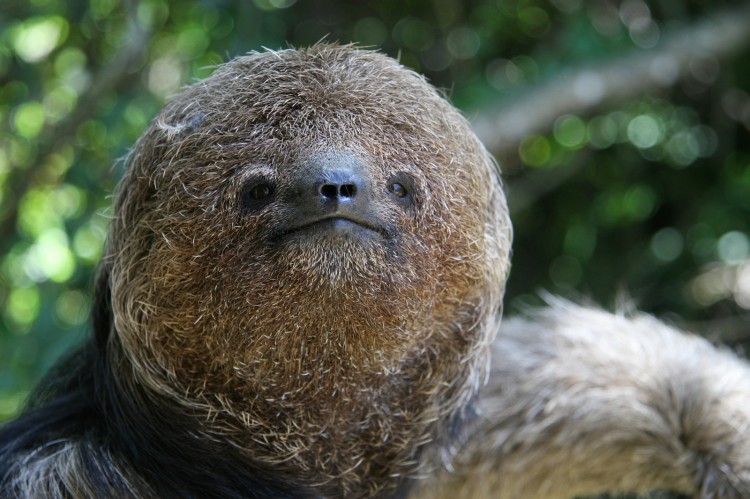 Maned Three-toed Sloth Bradypus torquatus
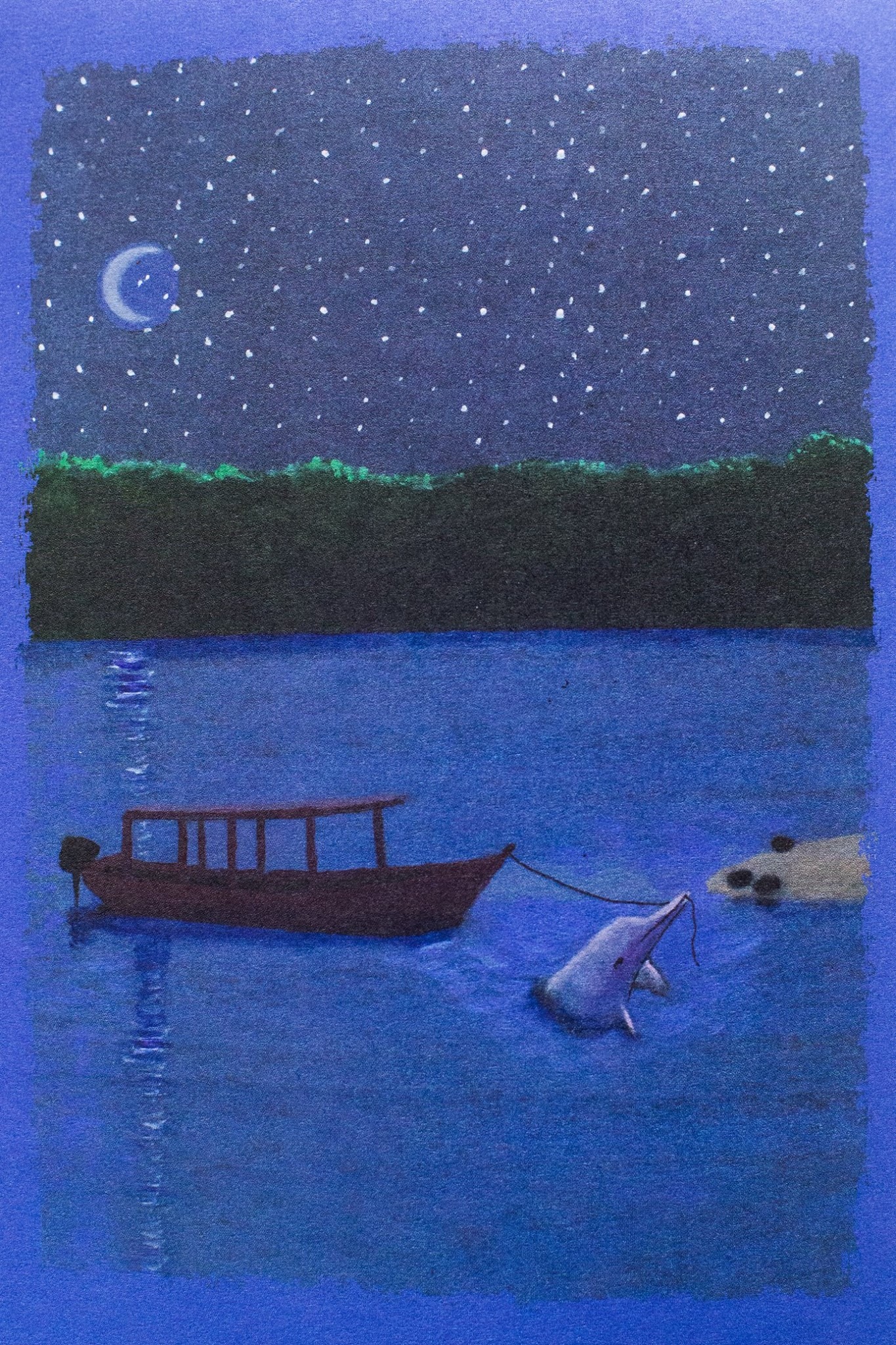
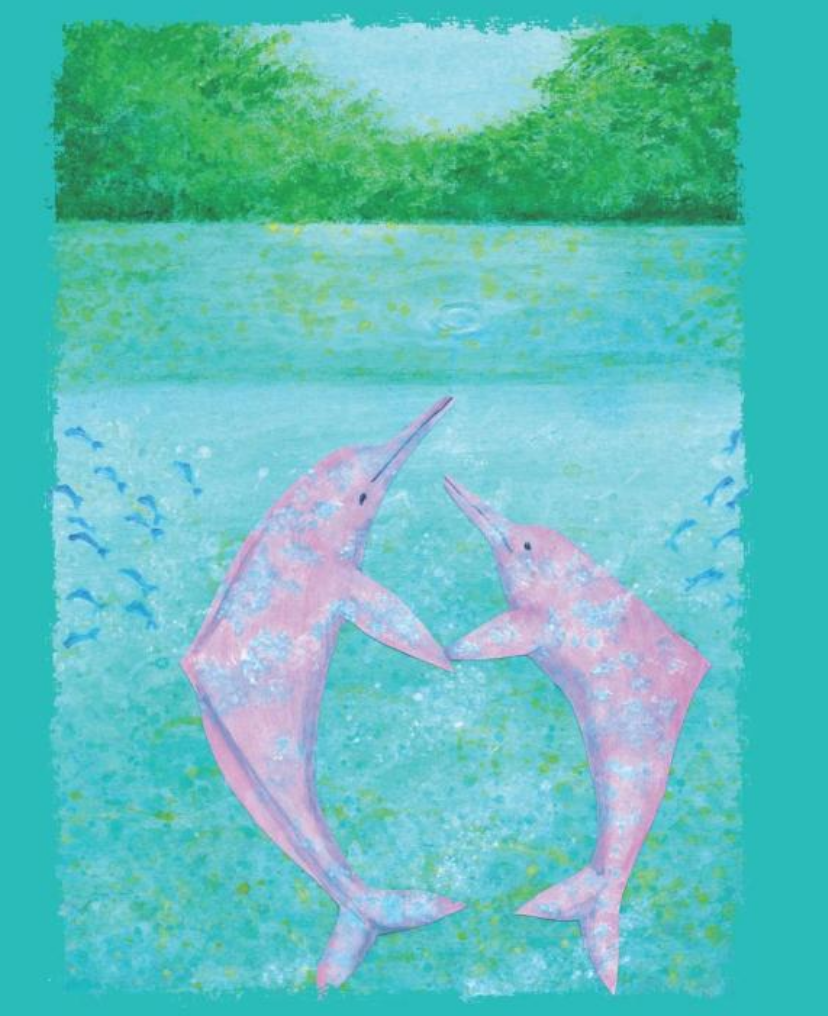
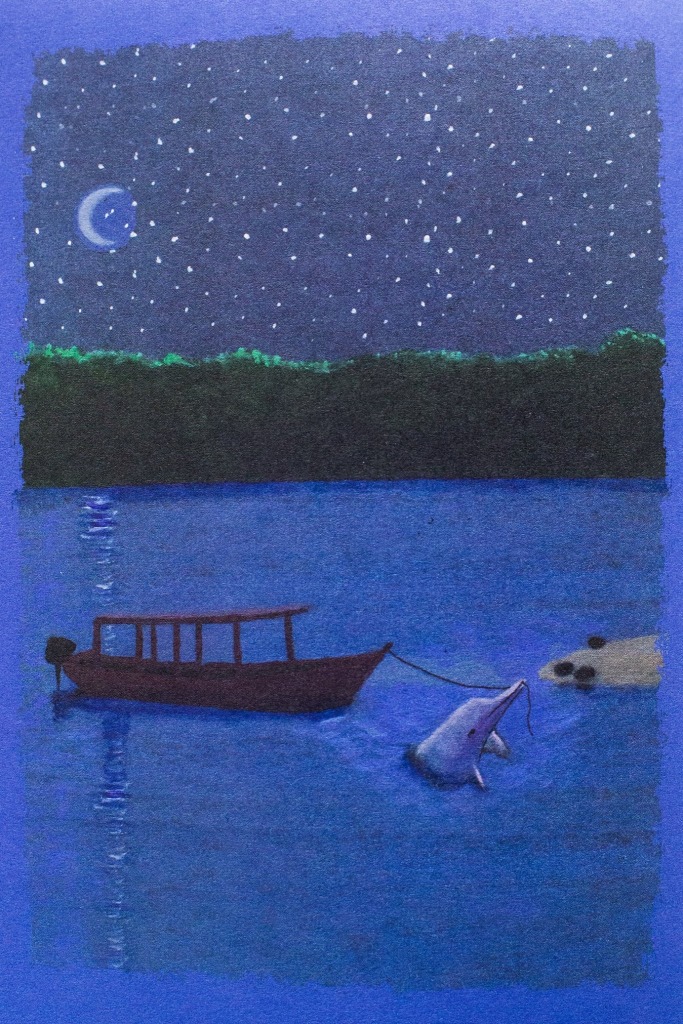 The Dolphin and the gold miners’ boat at twilight, from my children’s book series- Amazon Rainforest Magic, the adventures of Meromi, a Yanomami girl
The future well-being of people in the West will be determined by how soon we realise that we must respect nature and not take more than we need, just as indigenous peoples do.
“If we continue to treat nature as a commodity, all the living world, including us, will suffer”
~ Barbara Crane Navarro
Every effort, even the smallest effort, is important
I can’t predict the outcome, but I believe that we have to fight every day in order to mitigate the damage we’re doing.
Did you know that #gold #mining #palmoil and cattle grazing is destroying the last great swathes of the Amazon jungle? This land belongs to #Indigenous people! So #BoycottGold4Yanomami and #Boycottpalmoil @BarbaraNavarro
“I was born in 1950 and we are no longer living in the world that I knew when I was young”
I was 20 when humans began using more resources every year than the earth could replenish.
~ Barbara Crane Navarro
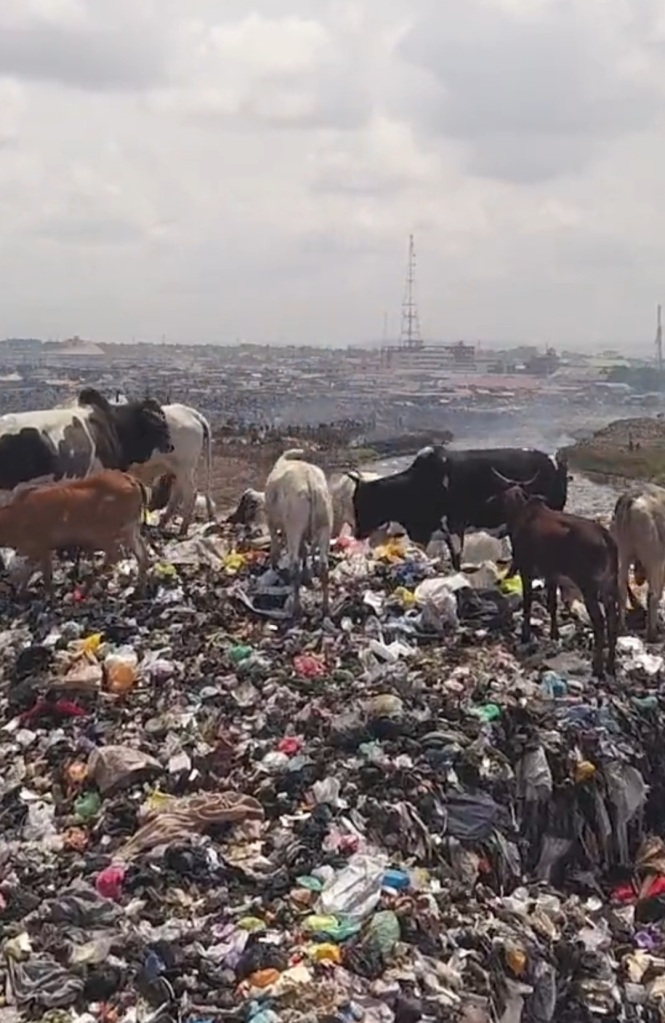
“It has been heart wrenching to witness the decline of nature
and to grieve for what has disappeared.”Barbara Crane Navarro
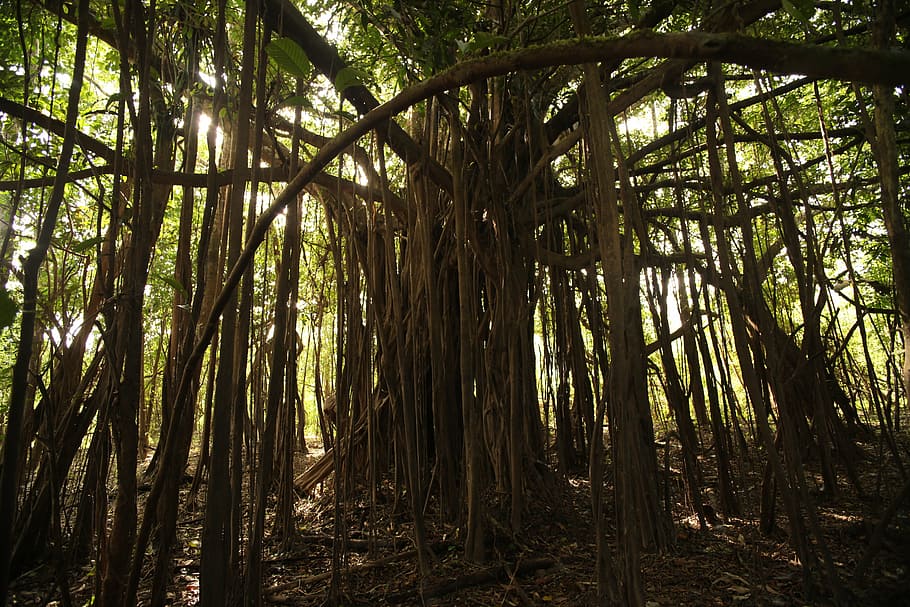
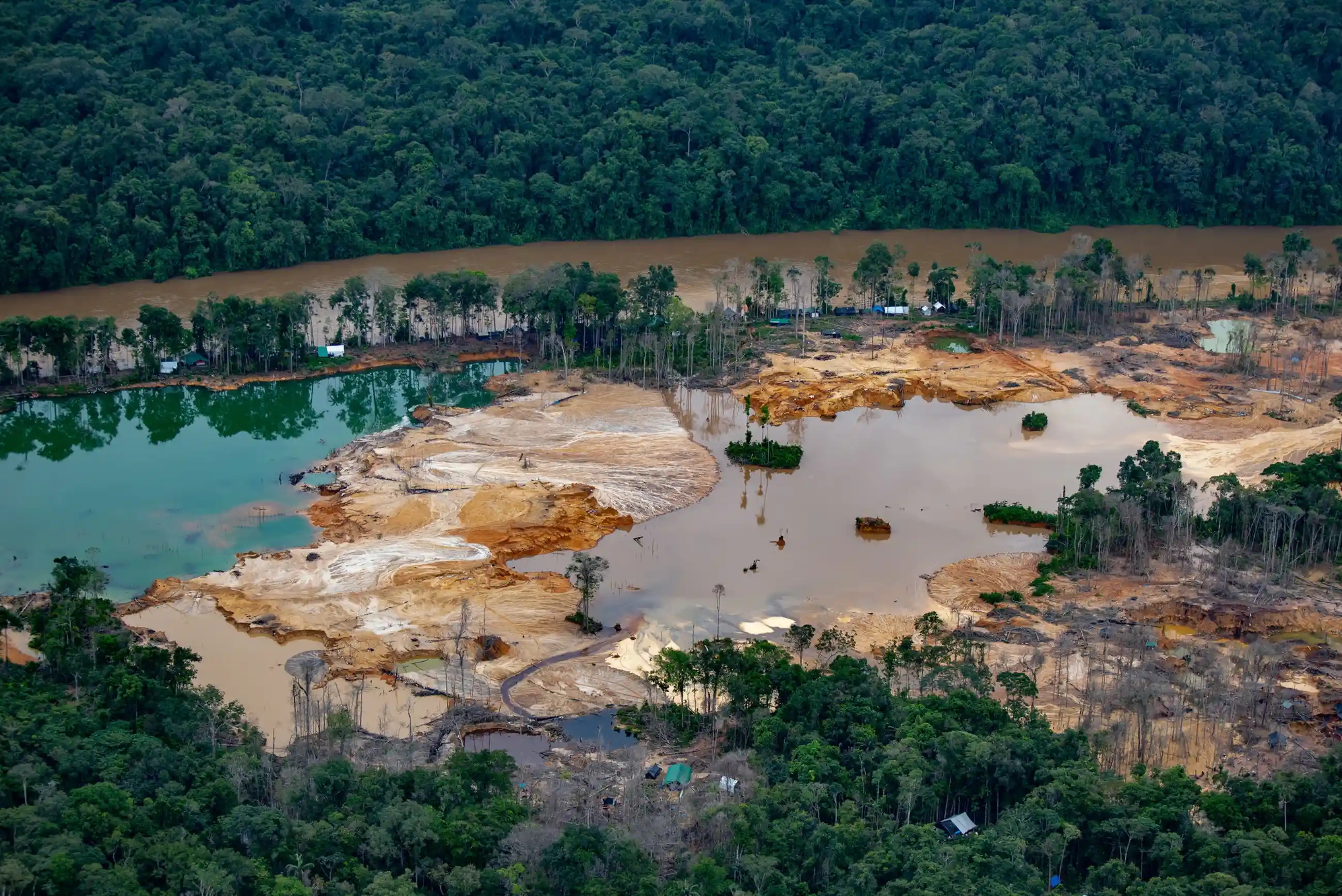
[Before] The pristine Amazon rainforest. [After] Absolute devastation following gold mining in the Yanomami territory at the border of Venezuela and Brazil.
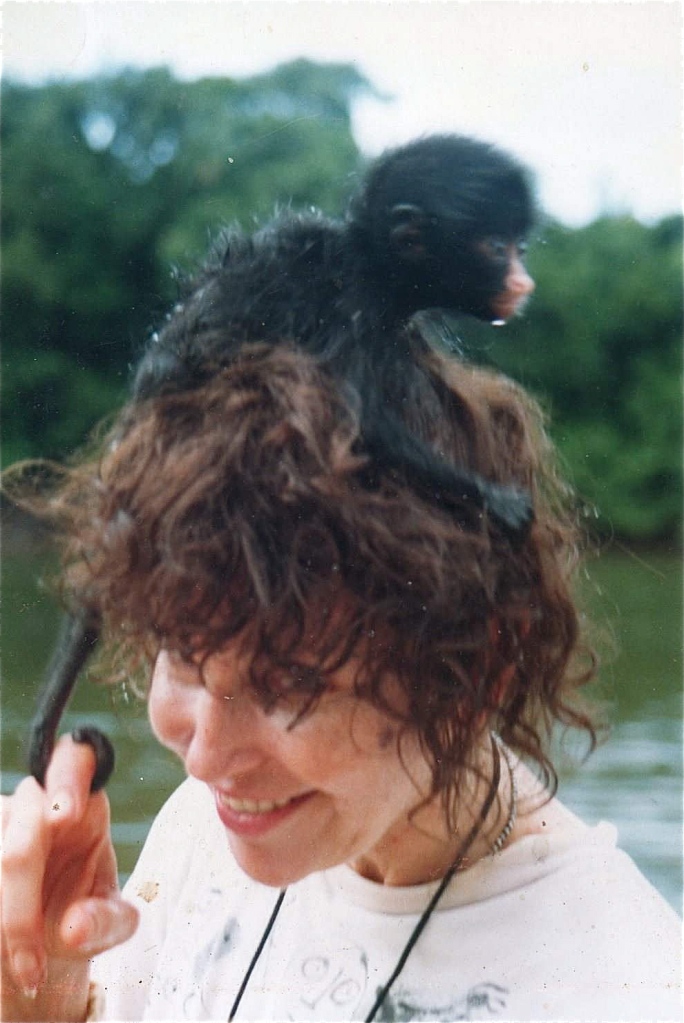
There are many rainforest animals that I love that make the Amazon rainforest absolutely enchanting. The monkeys, pink river dolphins, giant river otters, capybaras, tapirs, macaws and so many birds and butterflies are some of my favourites.
Here are a few of the 1000’s of animals disappearing forever due to out-of-control extractive mining, palm oil and meat deforestation in the Amazon jungle
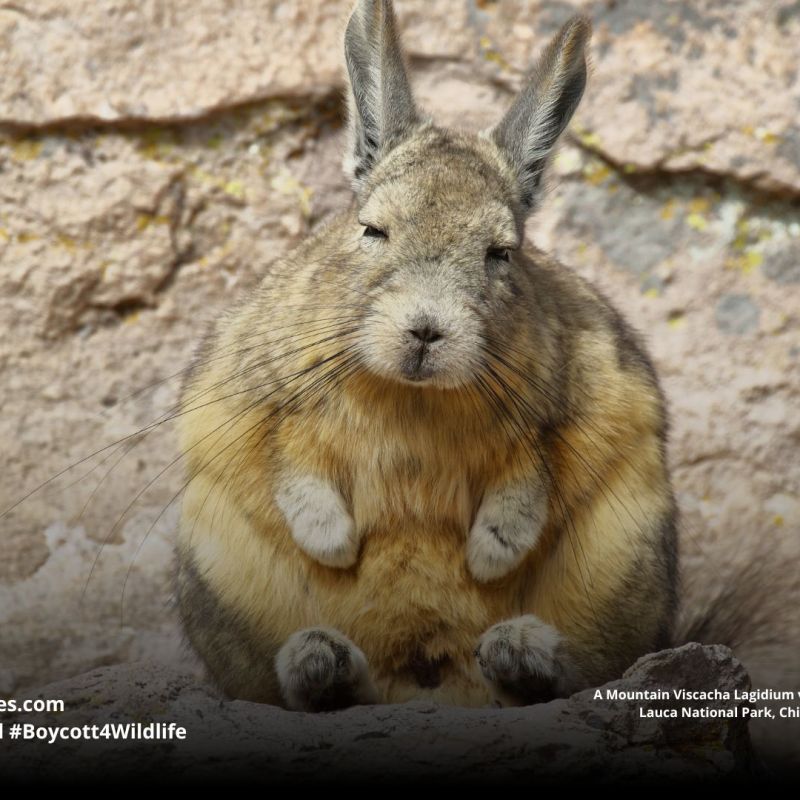
Ecuadorean Viscacha Lagidium ahuacaense
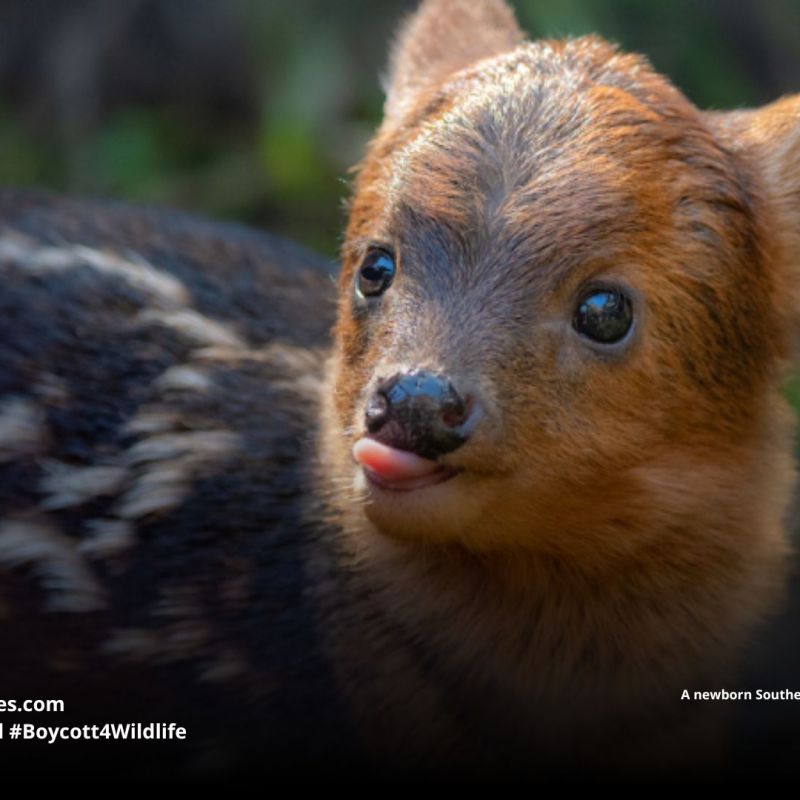
Southern Pudu Pudu puda
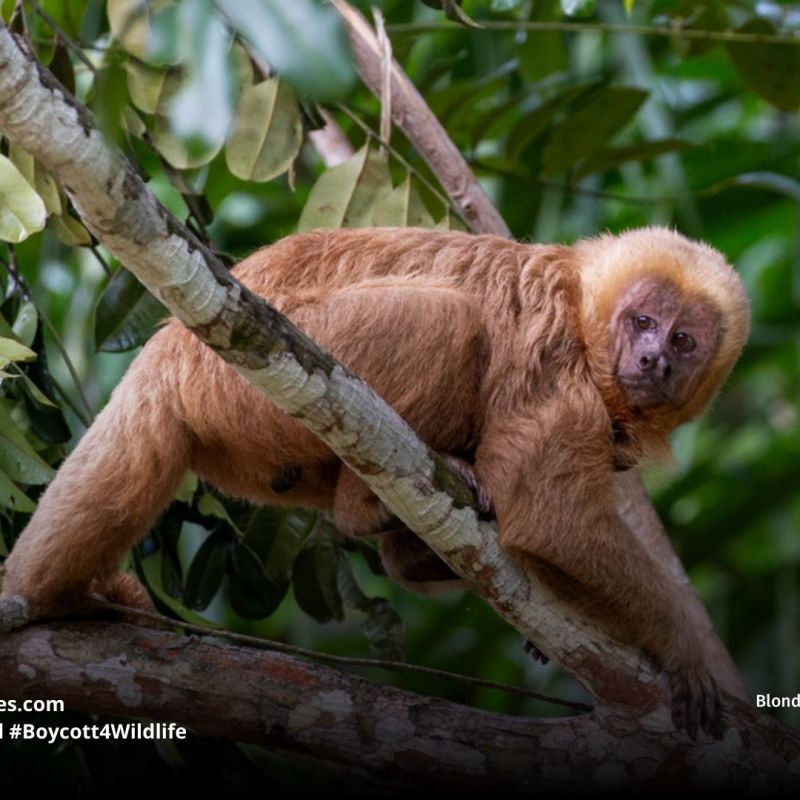
Blonde Capuchin Sapajus flavius

Savage’s Glass Frog Centrolene savagei

Andean condor Vultur gryphus
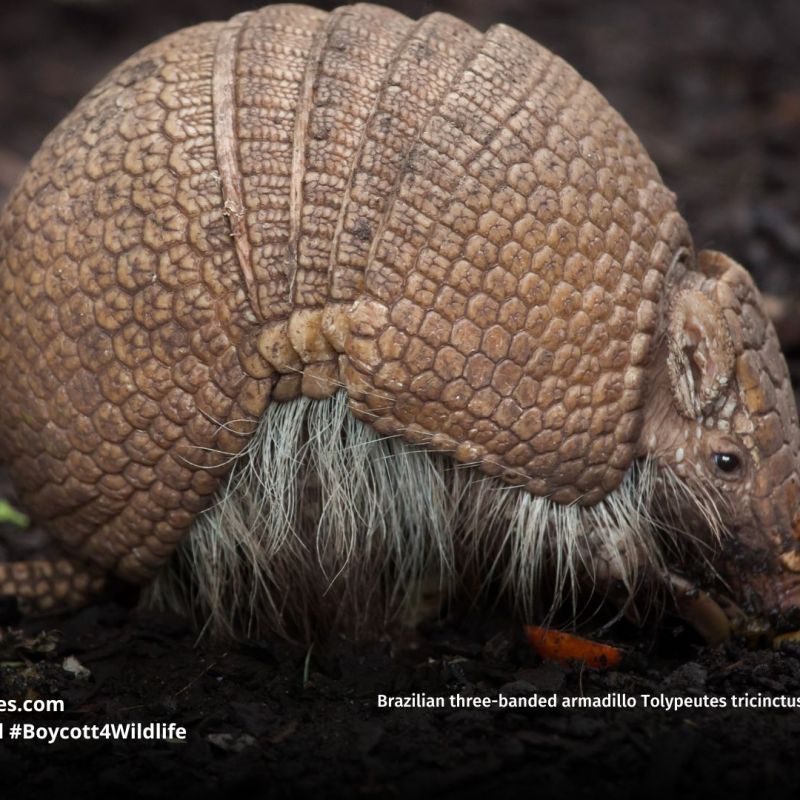
Brazilian three-banded armadillo Tolypeutes tricinctus
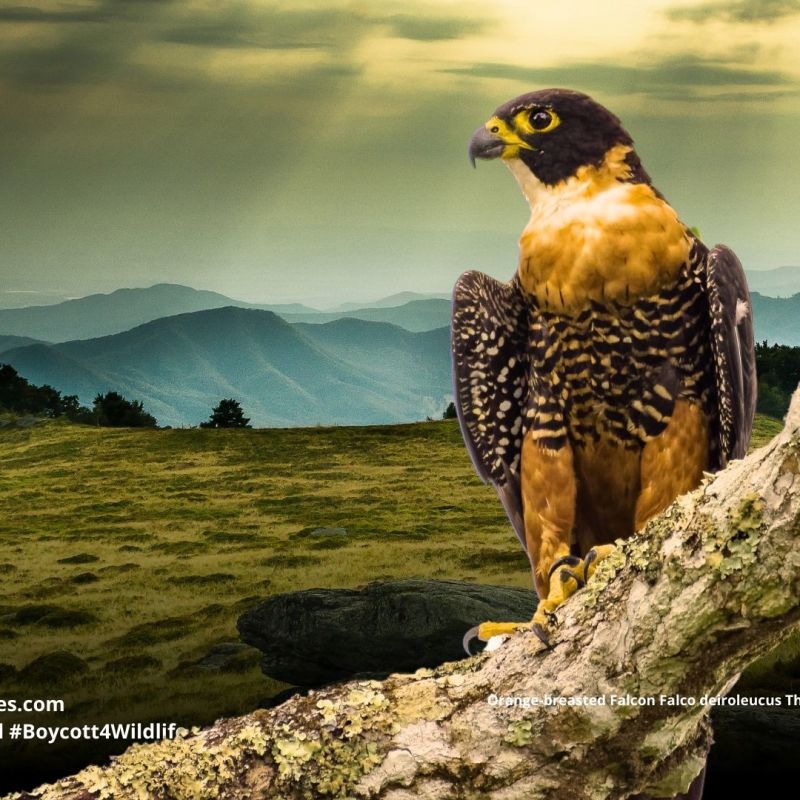
Orange-breasted Falcon Falco deiroleucus
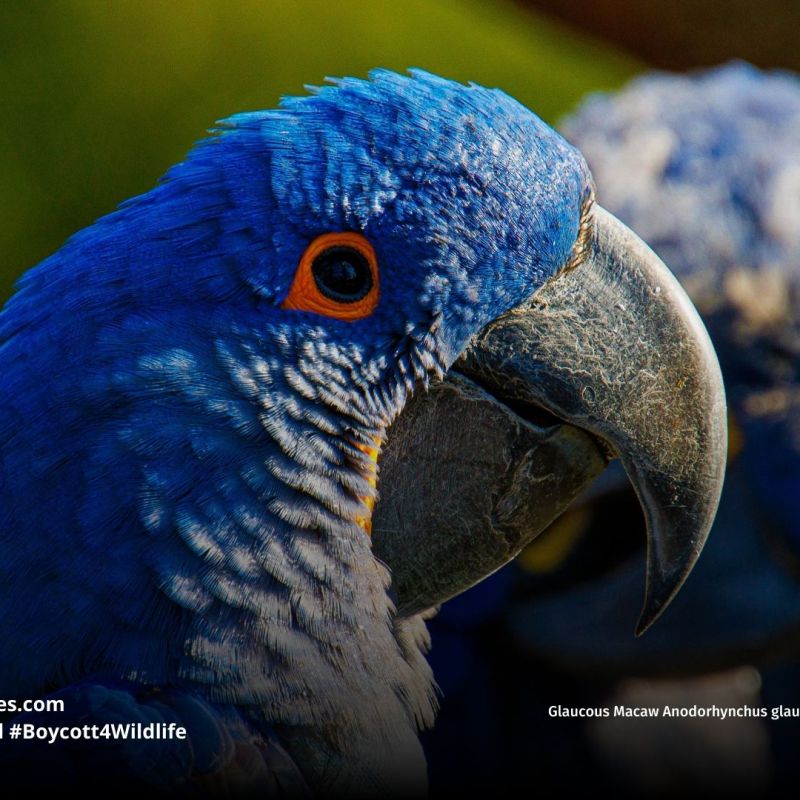
Glaucous Macaw Anodorhynchus glaucus
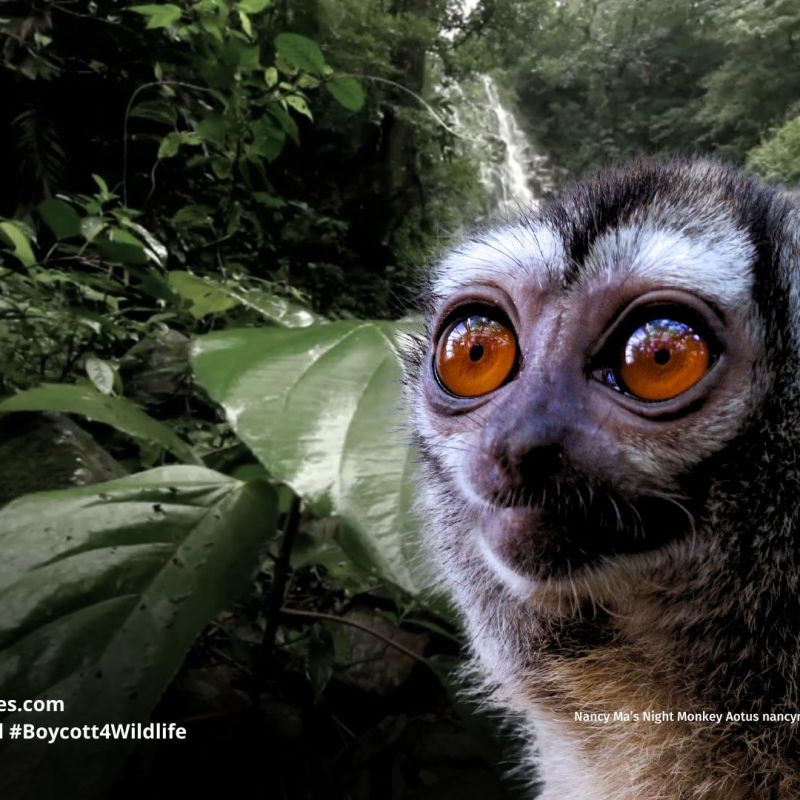
Nancy Ma’s Night Monkey Aotus nancymaae
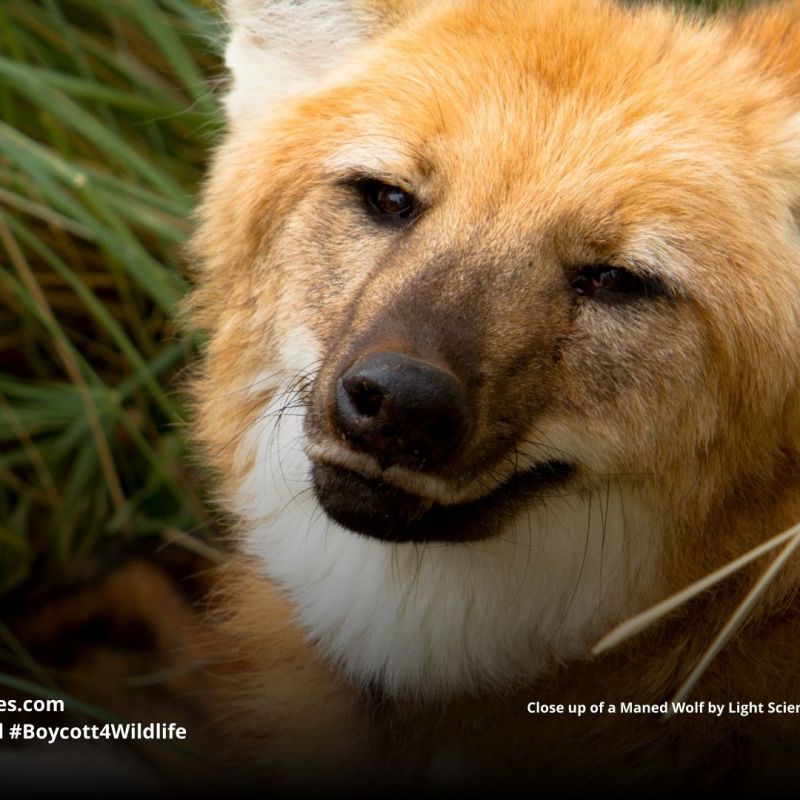
Maned Wolf Chrysocyon brachyurus

Sloth Bear Melursus ursinus

Andean Mountain Cat Leopardus jacobita

Bush Dog Speothos venaticus
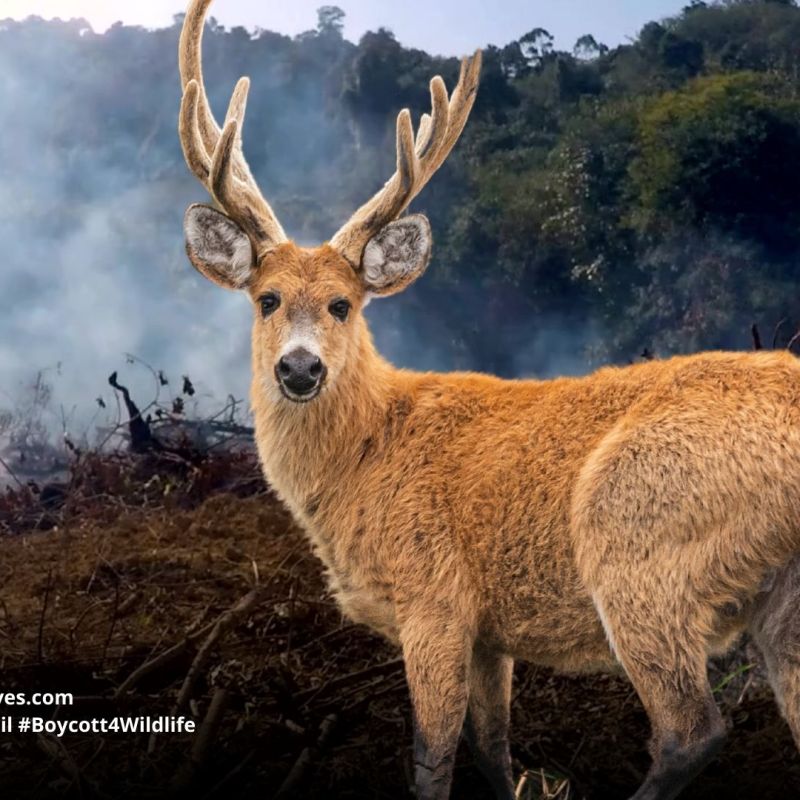
Marsh Deer Blastocerus dichotomus
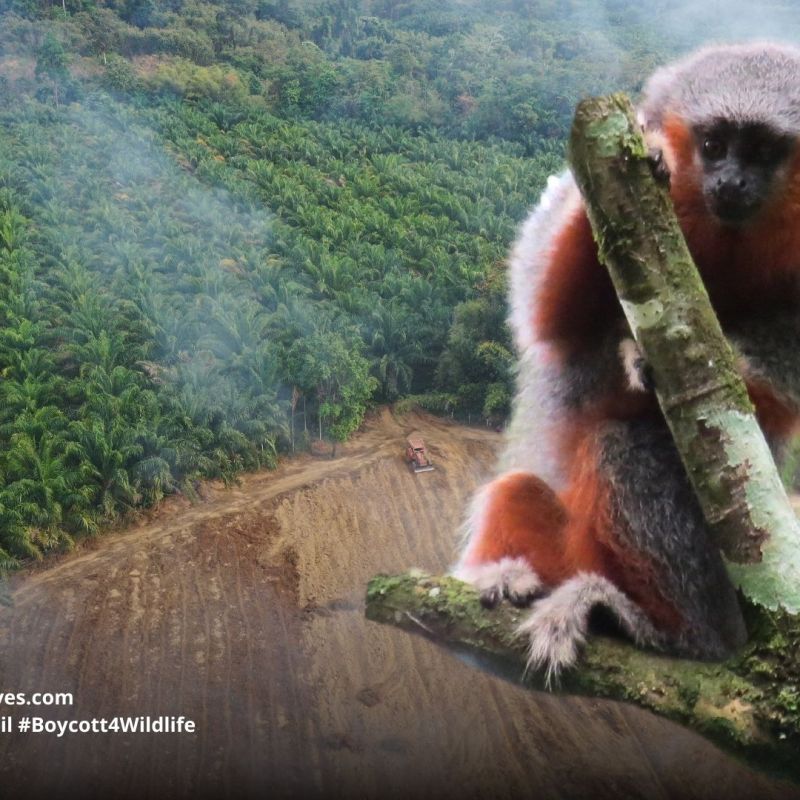
Alta Floresta titi monkey Plecturocebus grovesi
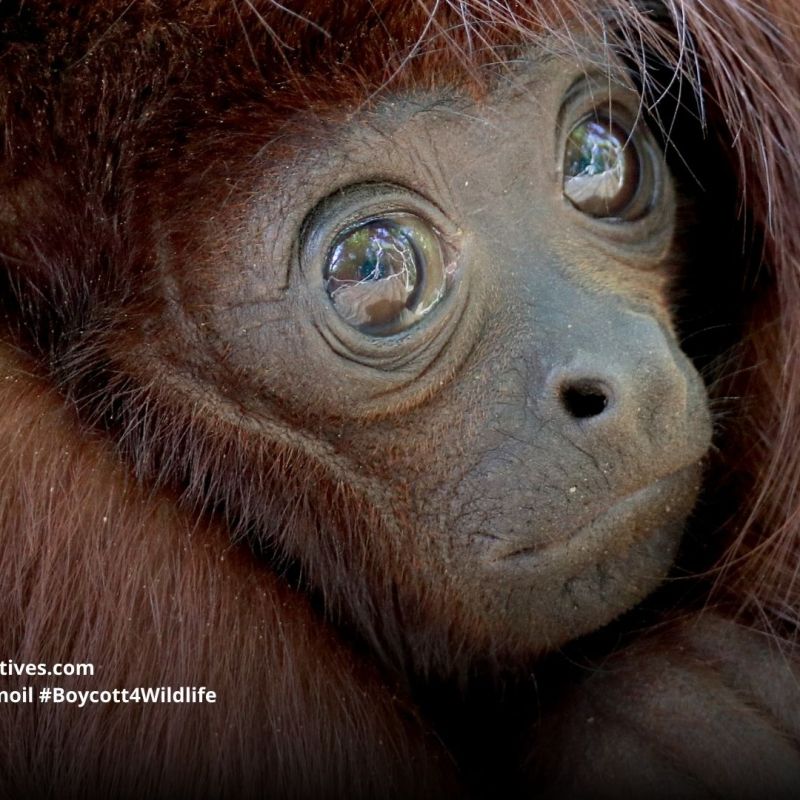
Colombian Red Howler Monkey Alouatta seniculus
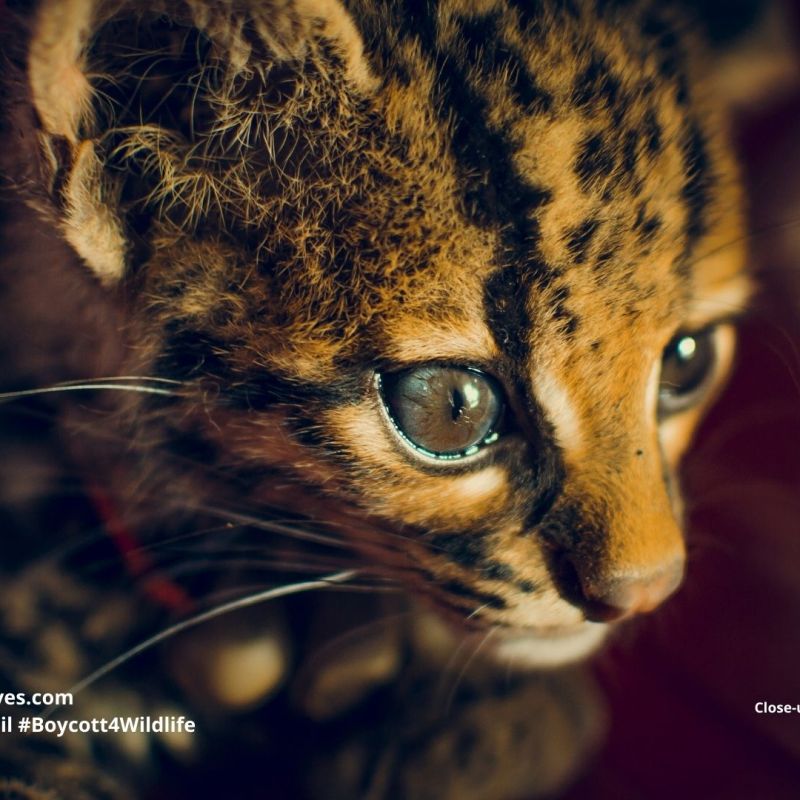
Margay Leopardus wiedii
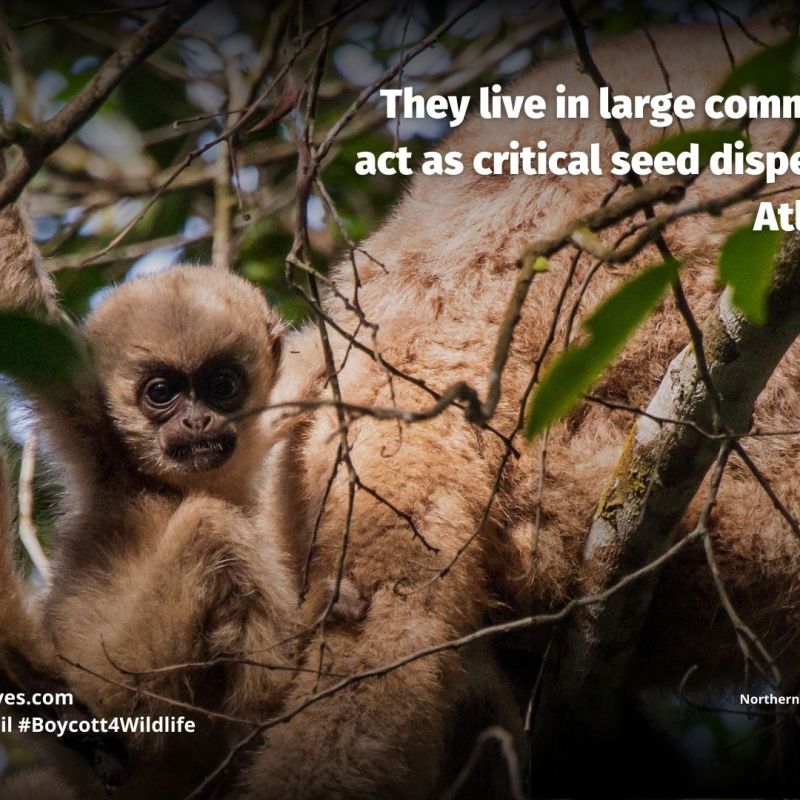
Northern Muriqui Brachyteles hypoxanthus

Brown Howler Monkey Alouatta guariba
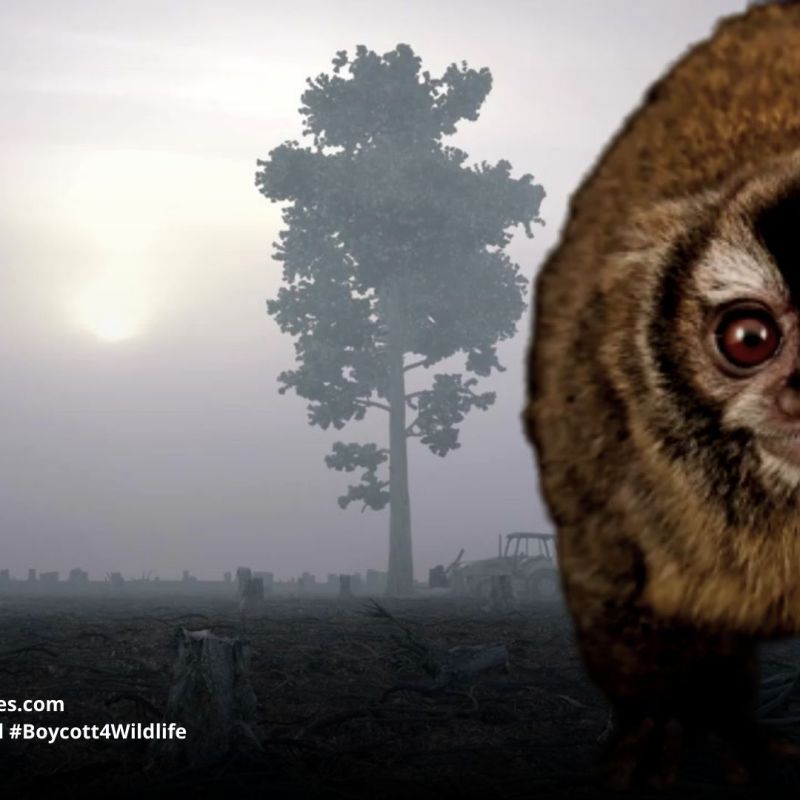
Andean Night Monkey Aotus miconax

Spiny-headed Tree Frog Triprion spinosus

White-Nosed Saki Chiropotes albinasus
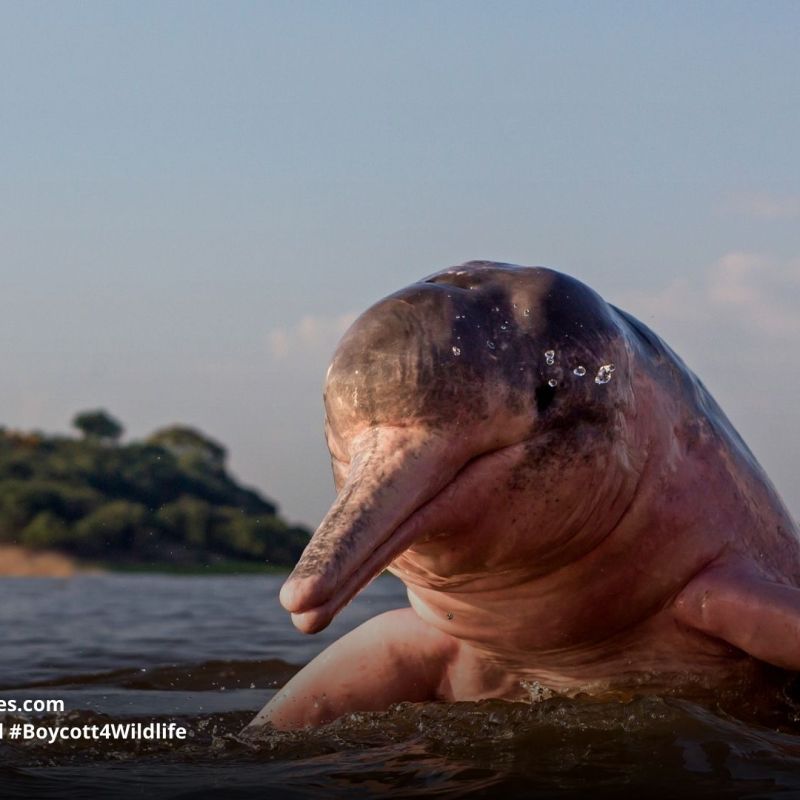
Amazon River Dolphin Inia geoffrensis
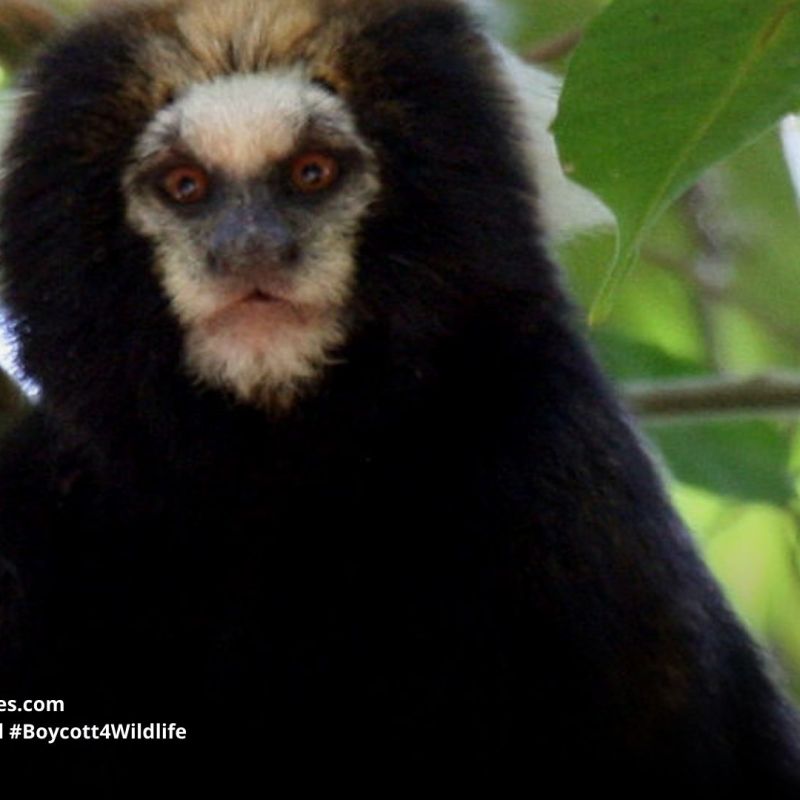
Buffy-tufted-ear Marmoset Callithrix aurita
If you want to make a difference to the lives of Indigenous people in the Amazon, there are some NGOs to avoid, and others that are really making a difference…
Some NGOS such as Survival claim to be helping indigenous people are great pretenders. They spread awareness but don’t offer practical on the ground support for people like the Yanomami.
These NGOS that allegedly work for Indigenous Rights simply lobby to governments to recognise indigenous land rights. They write and talk about issues affecting Indigenous peoples without having any real, tangible impact.
I donate as often as possible to a Brazilian NGO, APIB: The Articulation of Indigenous Peoples of Brazil.
APIB on the other hand are taking the Brazilian government to court! They have an emergency campaign now concerning gold mining, deforestation and Covid.
Please donate to APIB:
With the funds they will take the Brazilian government to court for this disgraceful ecocide and genocide!
DonatePhotography, Art: Barbara Crane Navarro, PxFuel, Creative Commons, Wikipedia, Greenpeace, Sean Weston, Igarapé Institute.
Words: Barbara Crane Navarro
I welcome you to connect with me, you can find me here on Twitter @BarbaraNavarro
https://twitter.com/BarbaraNavarro/status/1457330048181186564?s=20
https://twitter.com/BarbaraNavarro/status/1429423517070766086?s=20
https://twitter.com/BarbaraNavarro/status/1463827100738236420?s=20
https://twitter.com/BarbaraNavarro/status/1445658455713349632?s=20
#BoycottGold4Yanomami
Buy vintage jewellery instead
Find out moreImage: ‘llegal gold that undermines forests and lives in the Amazon’ by Igarapé Institute
#Amazon #animals #art #BarbaraCraneNavarro #Boycott4wildlife #BoycottGold4Yanomami #BoycottPalmOil #Brazil #Christmas #Climate #ClimateEmergency #corruption #CreativesForCoolCreatures #deforestation #ecocide #gold #goldMining #greenwashing #indigenous #IndigenousActivism #indigenousRights #investigativeJournalism #jewellery #mining #palmoil #rainforestConservation #slavery #Valentine #Venezuela #Yanomami