Artist and Indigenous Rights Advocate Barbara Crane Navarro
Barbara Crane Navarro: In Her Own Words
Artist, Writer, Environmental & Indigenous Rights Activist
Bio: Barbara Crane Navarro
Barbara Crane Navarro is a French-American artist, writer, Indigenous and animal activist who lives near Paris. From 1968 to 1973 she studied at Rhode Island School of Design, then she went on to study at the San Francisco Art Institute in San Francisco, California, for a BFA.
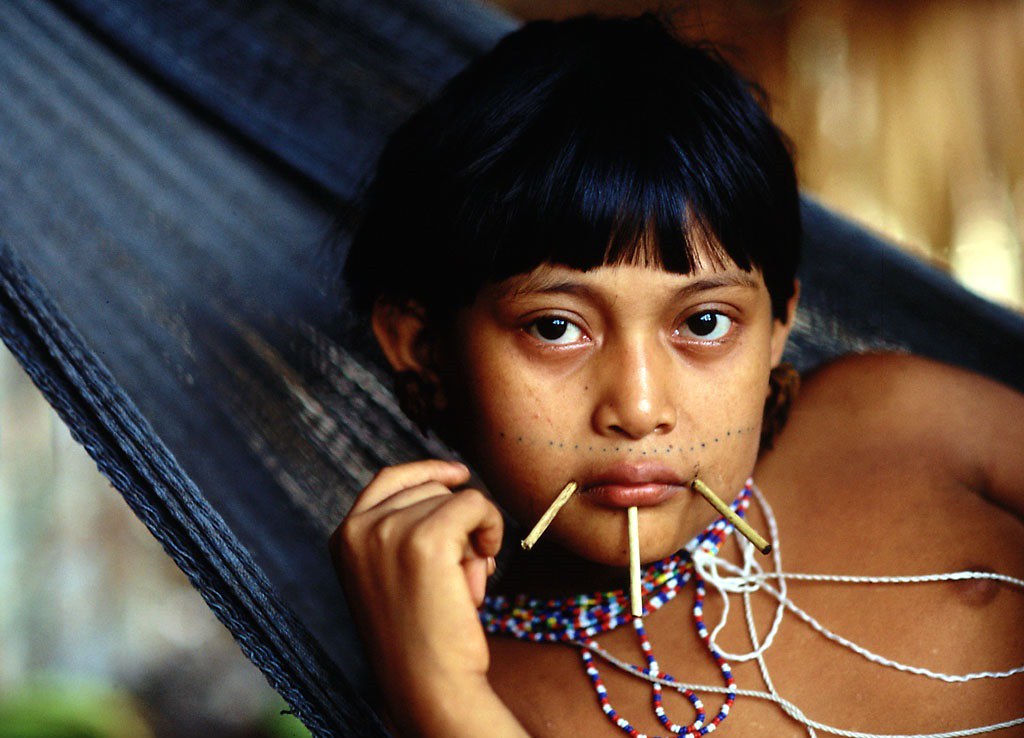
Her work over many decades has been informed and inspired by time spent with indigenous communities. She took various study trips devoted to the exploration of techniques and natural pigments of different indigenous communities including the Dogon of Mali, West Africa, and the Yanomami communities in Venezuela and Brazil.
Over many years, during the winters, she studied the techniques of traditional Bogolan painting. Hand woven fabric is dyed with boiled bark from the Wolo tree or crushed leaves from other trees, then painted with mud from the Niger river which oxidizes in contact with the dye. Through the Dogon and the Yanomami, her interest in the multiplicity of techniques and supports for aesthetic expression influenced her artistic practice.
Her voyages to the Amazon Rainforest have informed several series of paintings created while living among the Yanomami. The support used is roughly woven canvas prepared with acrylic medium then textured with a mixture of sand from the river bank and lava. This supple canvas is then rolled and transported on expeditions into the forest. These are then painted using a mixture of acrylic colors and Achiote and Genipap, the vegetal pigments used by the Yanomami for their ritual body paintings and on practical and shamanic implements. Barbara is deeply concerned about the ongoing devastation of the Amazon Rainforest and this has inspired many of her films, installation projects and children’s books.
Palm Oil Detectives is honoured to interview to Barbara Crane Navarro about her fascinating work, indigenous activism, the devastation of deforestation and land-grabbing from gold mining on the Indigenous Yanomami people
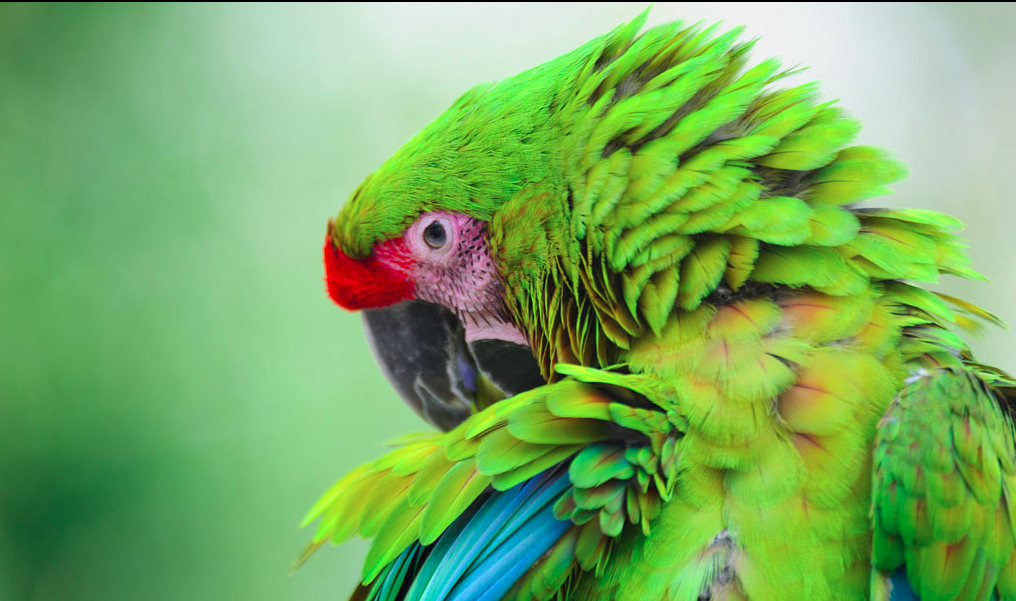 Great Green Macaw Ara ambiguus
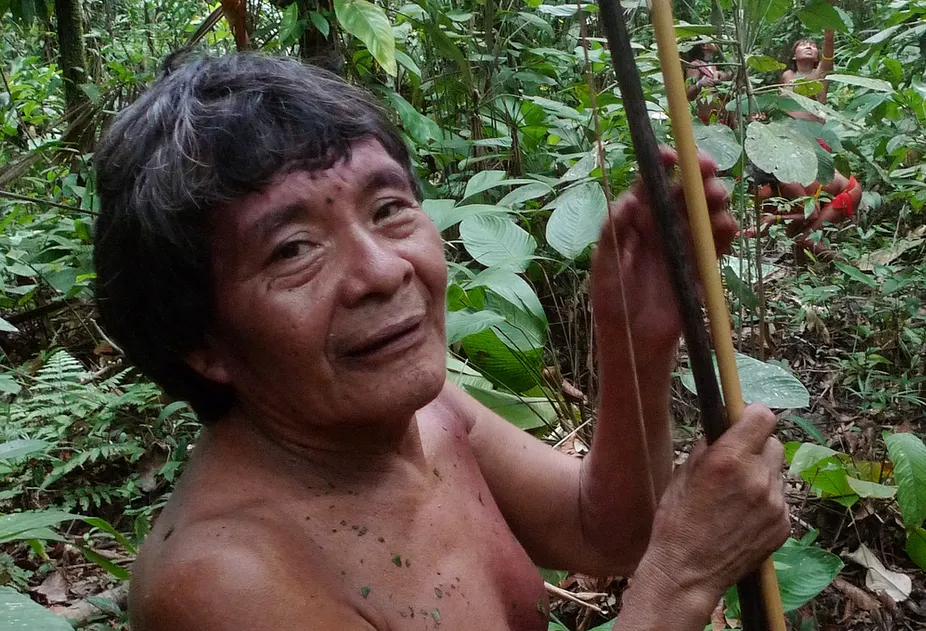
Behind the insatiable appetite for buying #gold is a dark secret of money laundering, illegal #mining, #ecocide, sex #slavery and human misery for the #Yanomami people of #Venezuela & #Brazil. @BarbaraNavarro #BoycottGold4Yanomami
Read more: Illegal gold mining and the Yanomami’s fight for their land
‘Illegal mining in the Amazon hits record high amid Indigenous protests’, Jeff Tollerson, Nature 2021.
FinCEN Files investigations into the gold trade from around the world. Kyra Guerny, International Consortium of Investigative Journalists, 2020.
Five Golden Rings and an Environmental Dilemma, Wake Forest University, 2018.
‘Gold mining leaves deforested Amazon land barren for years, find scientists’ The Conversation, July 1, 2020.
Mercury: Chasing the Quicksilver by InfoAmazonia
‘Pictures from outer space reveal the extent of illegal gold mining in Peru’, The Conversation, May 7, 2021.
‘Sex trafficking ‘staggering’ in illegal Latin American gold mines: researchers’, Reuters, 2016.
Yanomami: Povos Indigenas Brasil
Help Barbara’s movement to #BoycottGold4Yanomami
1. By regularly sharing out these tweets below…
2. By following the #BoycottGold4Yanomami hashtag on Twitter and share out other people’s tweets
“I wrote Rainforest Magic, children’s stories about Yanomami children Namowë and Meromi to honour the Yanomami families I love and to raise awareness of the disappearing Amazon” #BoycottGold4Yanomami @BarbaraNavarro
It’s important that consumers know – every item we buy affects the lives of people and animals. #Gold #mining and #palmoil directly impacts Indigenous peoples. #Boycottpalmoil #BoycottGold4Yanomami #Boycott4Wildlife @BarbaraNavarro
#Yanomami children as young as 12 are forced into prostitution for illegal miners that take over their rainforest home for gold mining. Fight back against this with your wallet and refuse to buy gold! #BoycottGold4Yanomami @BarbaraNavarro
Top Brazil gold exporter leaves a trail of criminal probes and illegal mines! Please #Boycott4Wildlife #BoycottGold4Yanomami! @ScarpullaA @barbaranavarro https://news.mongabay.com/2021/11/top-brazil-gold-exporter-leaves-a-trail-of-criminal-probes-and-illegal-mines/ via @Mongabay
Tweet thisL’amico a sorpresa del ragazzo Yanomami nella giungla! #BoycottGold4Yanomami #Boycott4Wildlife @ScarpullaA @barbaranavarro https://barbara-navarro.com/2021/12/24/ital-dec-24-lamico-a-sorpresa-del-ragazzo-yanomami-nella-giungla/
Tweet thisAmigo surpresa do menino Yanomami na selva! #BoycottGold4Yanomami #Boycott4Wildlife @barbaranavarro @ScarpullaA https://barbara-navarro.com/2021/12/23/amigo-surpresa-do-menino-yanomami-na-selva/
Tweet thisThe Art of #Greenwashing by Luxury Merchants of the Death #BoycottGold4Yanomami #Boycott4Wildlife @barbaranavarro @ScarpullaA https://barbara-navarro.com/2020/12/07/the-art-of-greenwashing-by-the-luxury-merchants-of-the-death-of-nature-and-indigenous-peoples-in-their-own-words-the-people-of-gold-and/
Tweet this#Indigenous knowledge could be the answer to stopping #Climate Change! #ClimateEmergency @ScarpullaA @barbaranavarro #Boycott4Wildlife and #BoycottGold4Yanomami and save the forests, animals and indigenous peoples of South America! https://barbara-navarro.com/2021/12/25/indigenous-knowledge-could-be-the-answer-to-climate-change-the-st-andrews-economist/
Tweet thisAmigo surpresa do menino Yanomami na selva! Boicote todos os produtos resultantes do desmatamento; ouro, óleo de palma, carne, soja, madeiras exóticas, pedras preciosas #BoycottGold4Yanomami #Boycottpalmoil #Boycott4Wildlife @BarbaraNavarro @ScarpullaA https://barbara-navarro.com/2021/12/23/amigo-surpresa-do-menino-yanomami-na-selva/
Tweet this@Cartier Foundation uses #greenwashing “art” to sell their business model as eco-friendly. This is #greenwashing! #Yanomami people and #animals are dying for #gold! @BarbaraNavarro @ScarpullaA #BoycottGold4Yanomami #Boycott4Wildlife https://barbara-navarro.com/2020/10/11/the-cartier-foundation-epitomizes-the-insidious-practice-of-using-an-art-foundation-to-seduce-the-public-into-believing-that-its-merchandise-and-business-model-is-actually-the-opposite-of-its-true/
Tweet thisMy Exhibition “Pas de Cartier: Yanomami and Trees” Gold mining by @Cartier @Bulgariofficial and COVID-19 are killing the #Yanomami people. This is why we #BoycottGold4Yanomami @BarbaraNavarro @ScarpullaA https://barbara-navarro.com/2020/08/04/exhibition-pas-de-cartier-yanomami-and-trees-gold-mining-and-gold-luxury-items-covid-19-propagated-by-gold-miners/
Tweet this“When you cut down the trees, you assault the spirits of our ancestors. When you dig for minerals you impale the heart of the Earth” Cacique Raoni Metuktire Illegal gold mining is why we #BoycottGold4Yanomami #Boycott4Wildlife @BarbaraNavarro @ScarpullaA https://barbara-navarro.com/2020/06/27/gold-fever-covid-19-and-the-genocide-of-the-yanomami-update/
Tweet this“In the Venezuelan and Brazilian Amazon, I witnessed the destruction of nature from deforestation and gold mining worsen as I returned year after year”
Barbara Crane Navarro
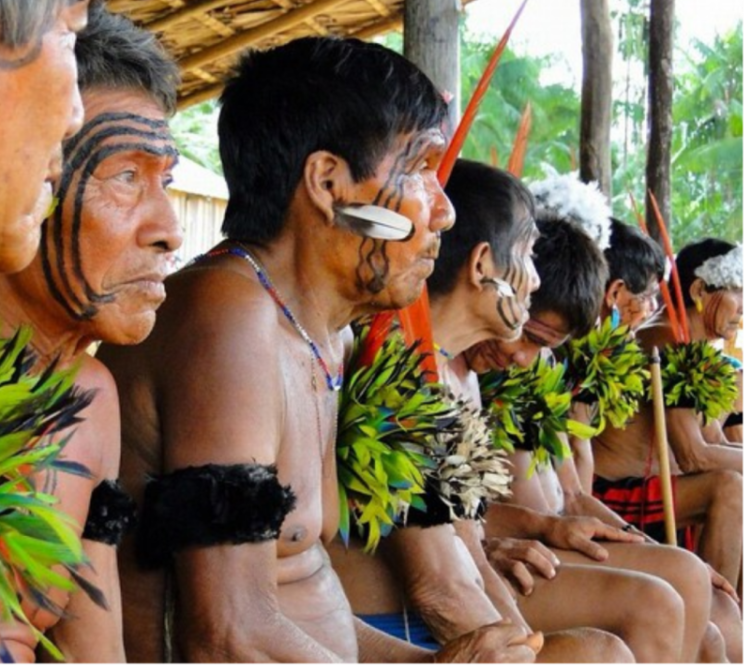
The Yanomami communities I spent time with were very worried about this situation and the shamans worked to fight against it, but this has been in vain so far.
Since my birth, I was always an artist and spent my childhood drawing and painting
I want to understand why people in indigenous societies spend so much time and effort creating art and with such an incredible variety of supports and substances.
“Since 2005, I’ve created a performance and film project: Fire Sculpture, to bring urgent attention to rainforest destruction. And to protest against the continuing destruction of the Yanomami’s territory. I’ve publicly set fire to my totemic sculptures. These burning sculptures symbolise the degradation of nature and the annihilation of indigenous cultures that depend on the forest for their survival.”
~ Barbara Crane Navarro
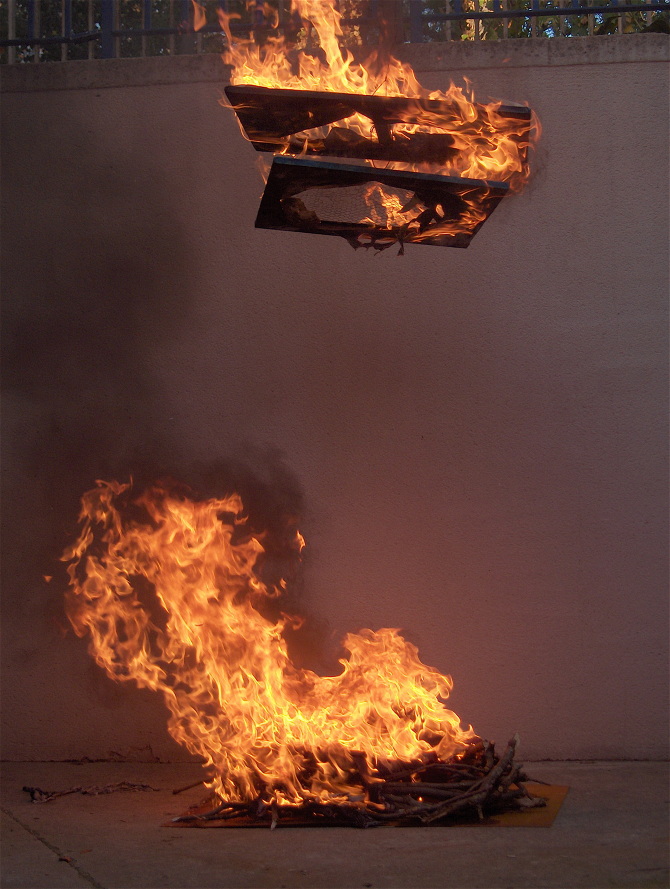
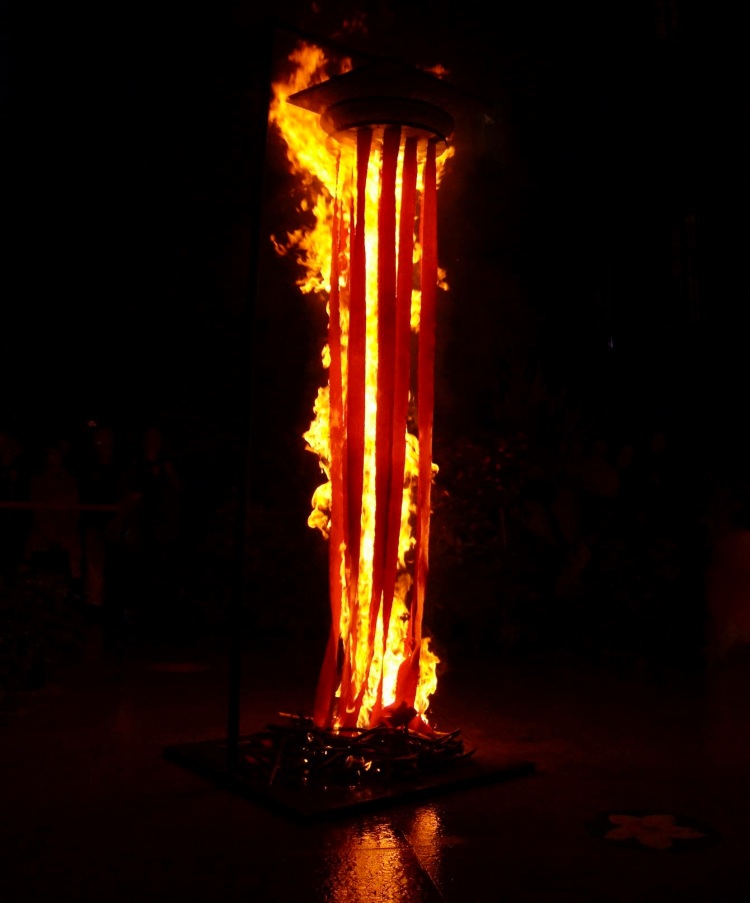
The idea of burning the sculptures was to make a symbolic point about how Yanomami and other indigenous communities are endangered by our consumerism which creates chaos and destruction where they live, in their ancestral home.
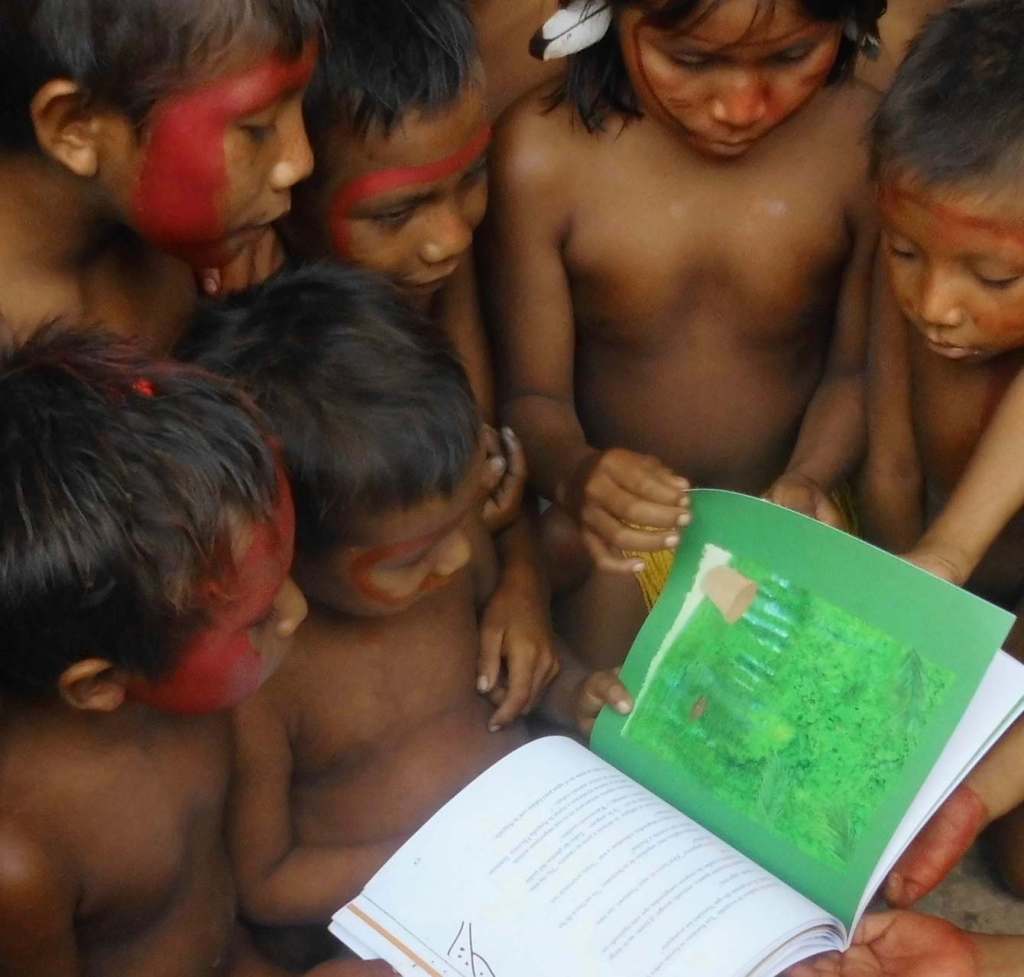
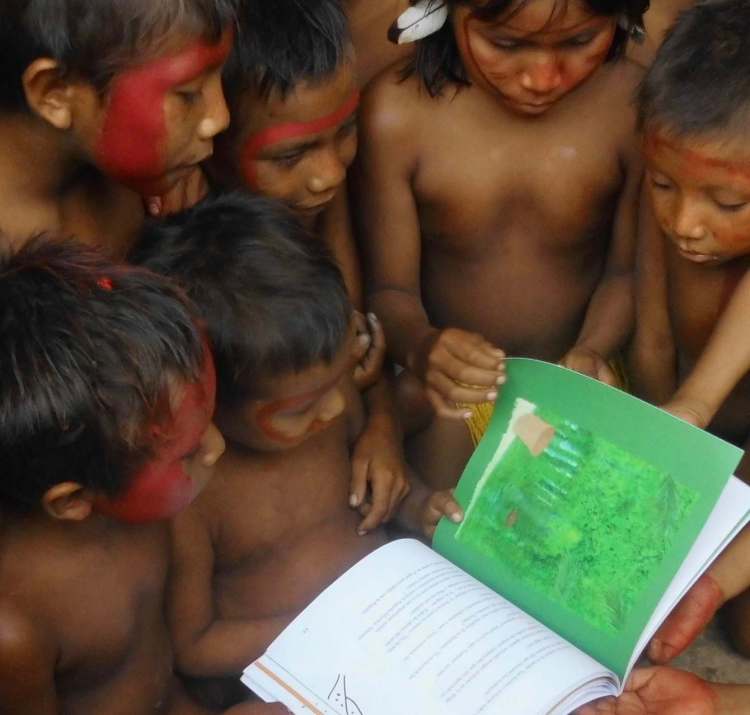
I wrote Amazon Rainforest Magic, two stories of Yanomami children Namowë, a Yanomami boy and Meromi, a Yanomami girl in honour of the families I know and love
Several of the Yanomami children and their families I know well are among the characters in the two books of the series.
I self-published my books with CreateSpace years ago which was subsequently bought by Amazon’s KDP. Now my books are only available on Amazon or here at my gallery near Paris, where my artwork is also available.
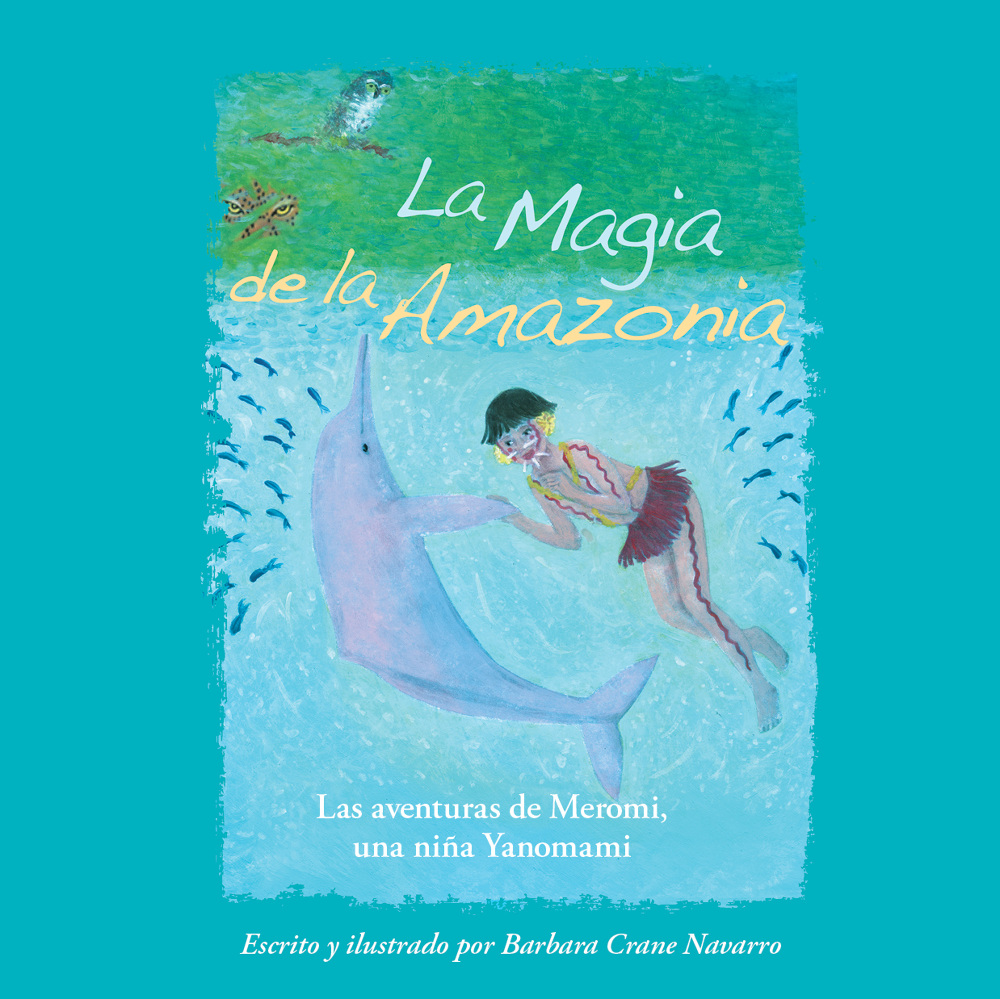
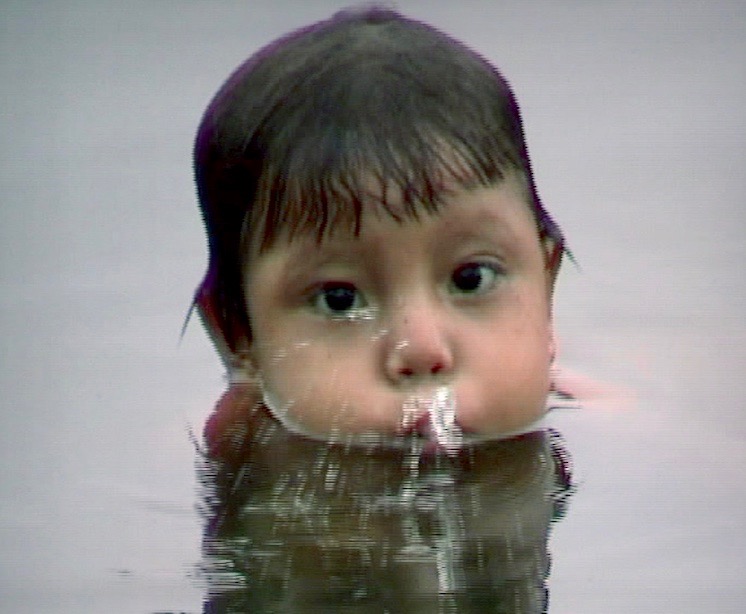
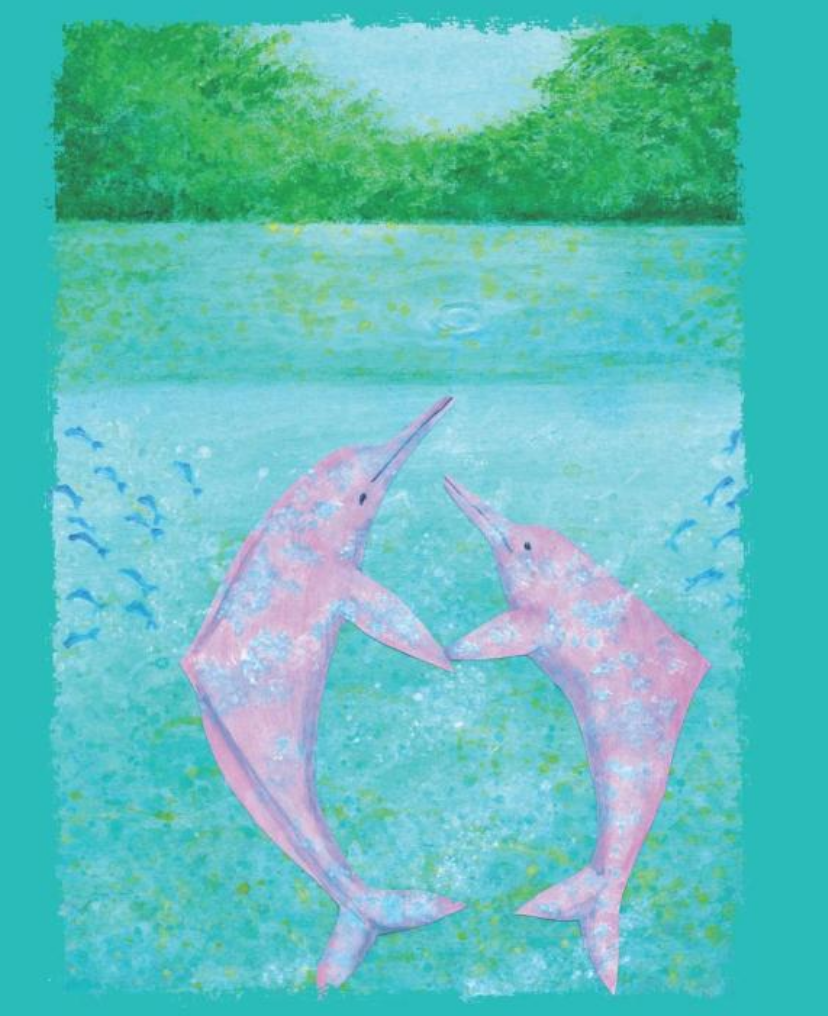
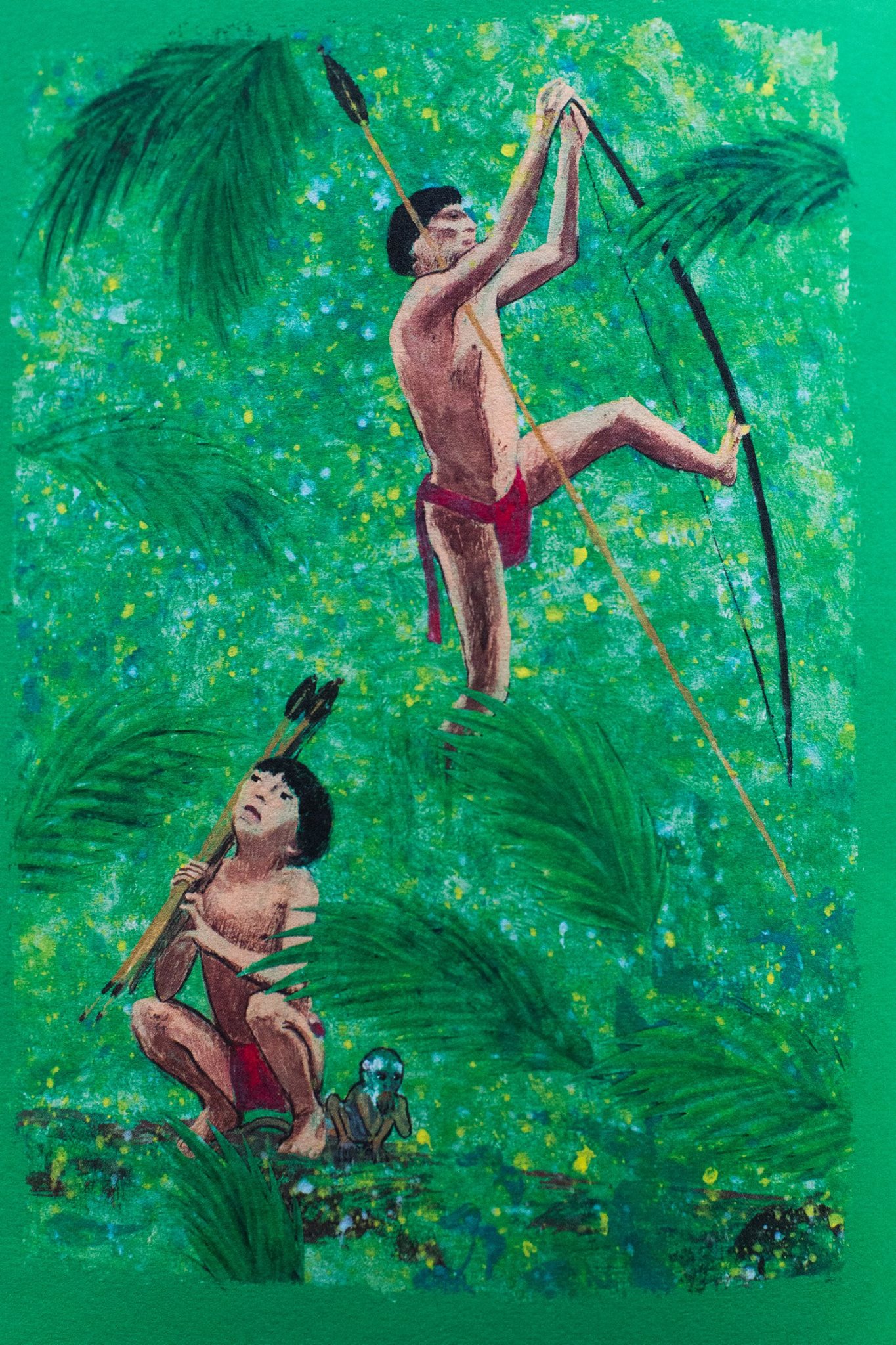
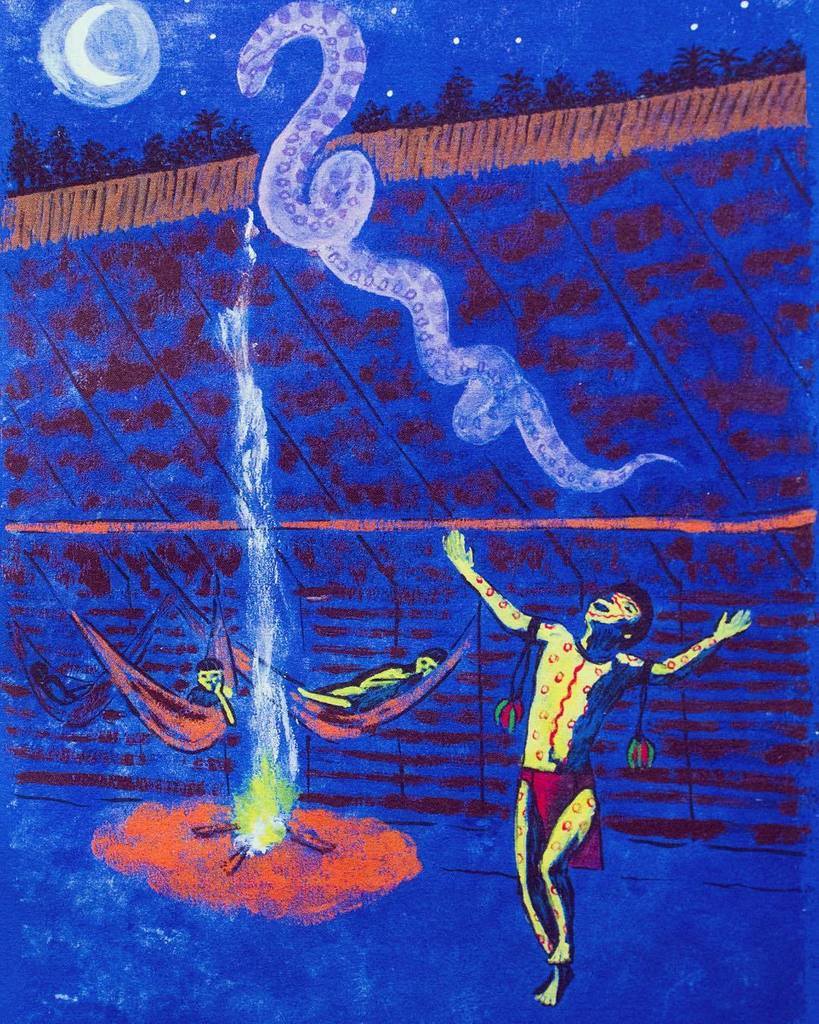
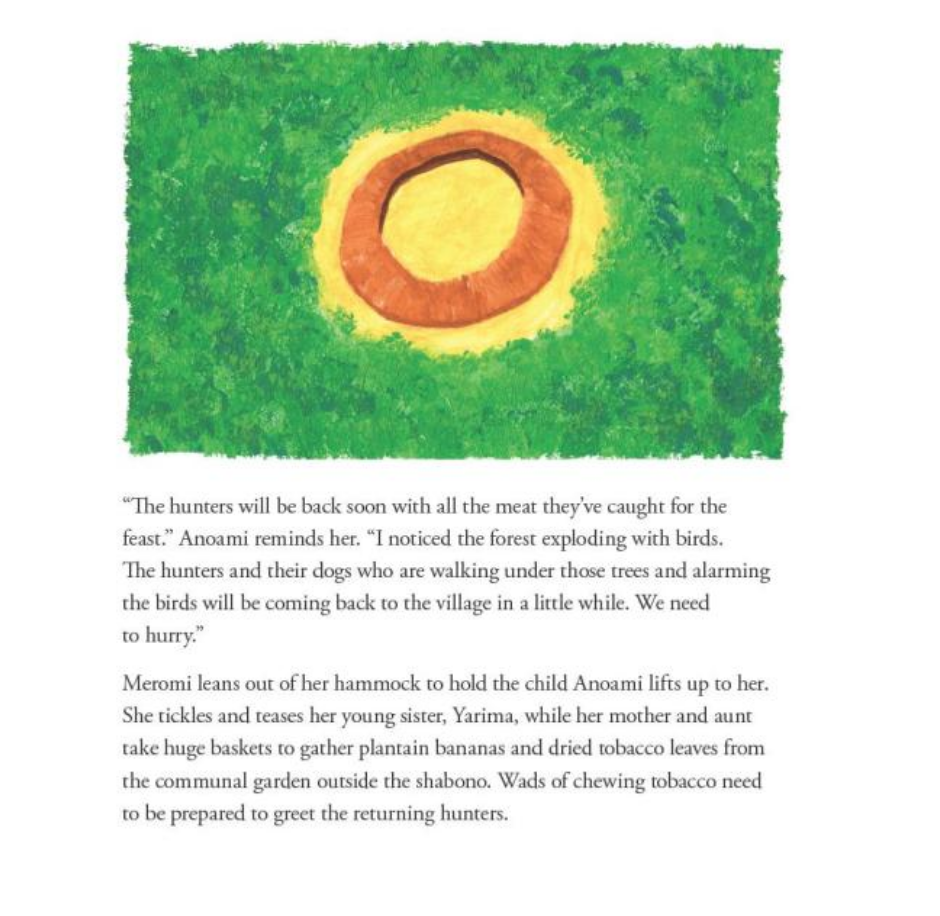
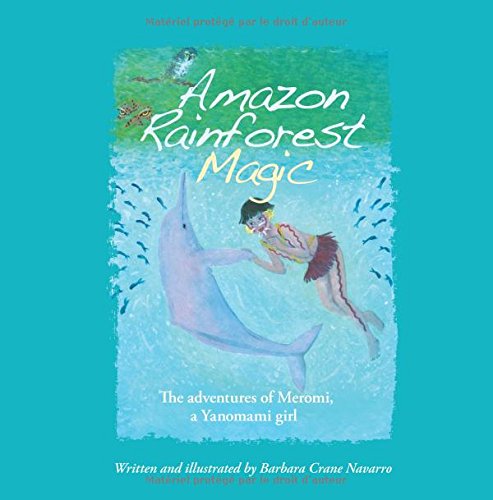
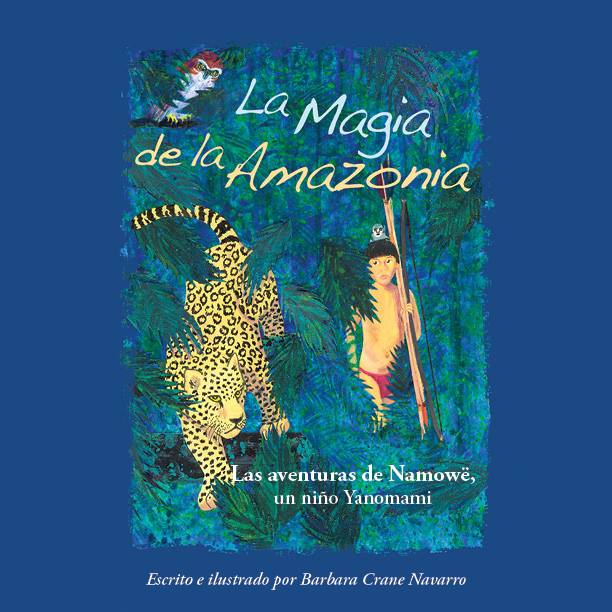
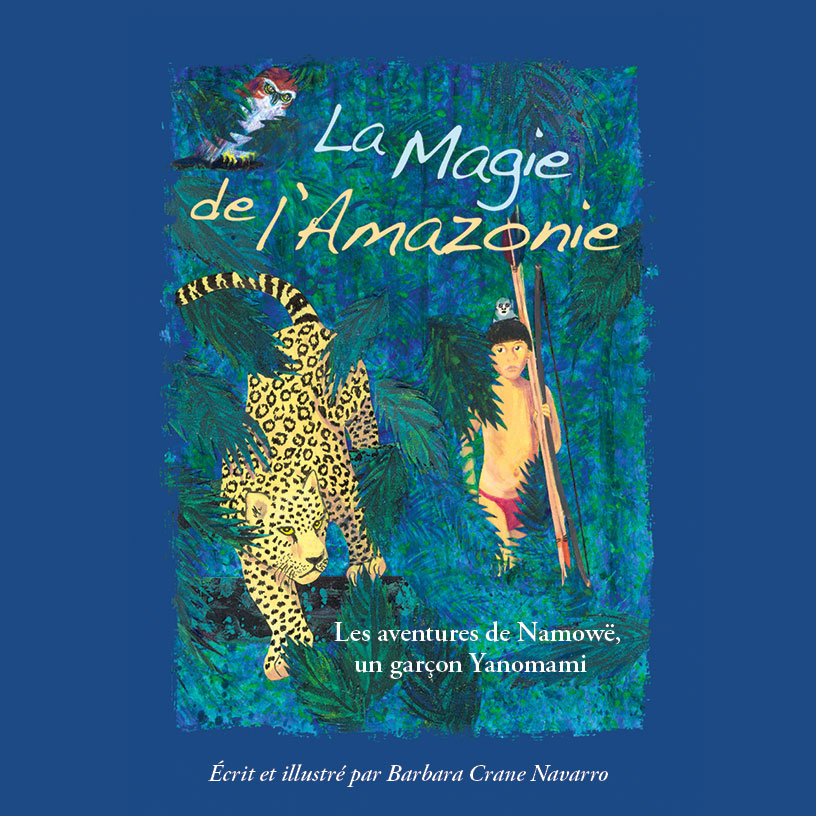
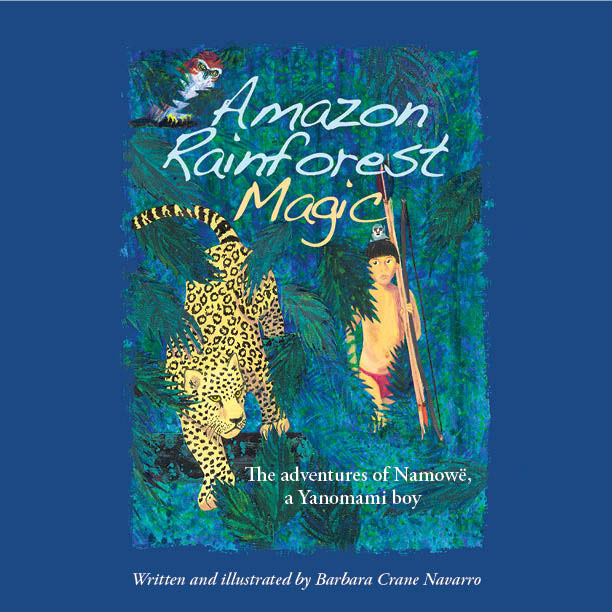
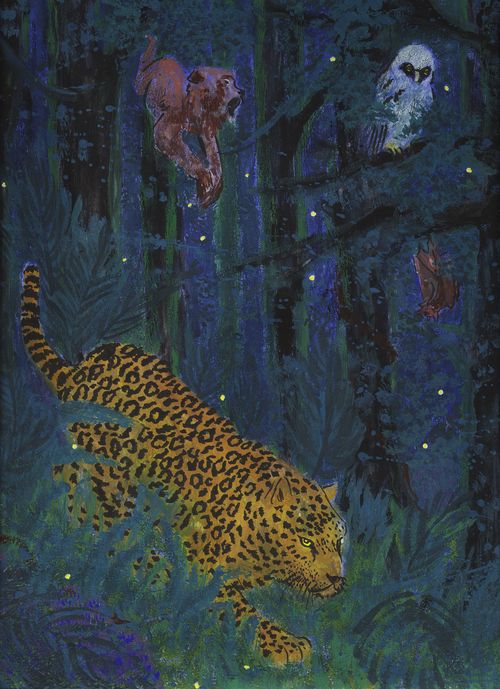
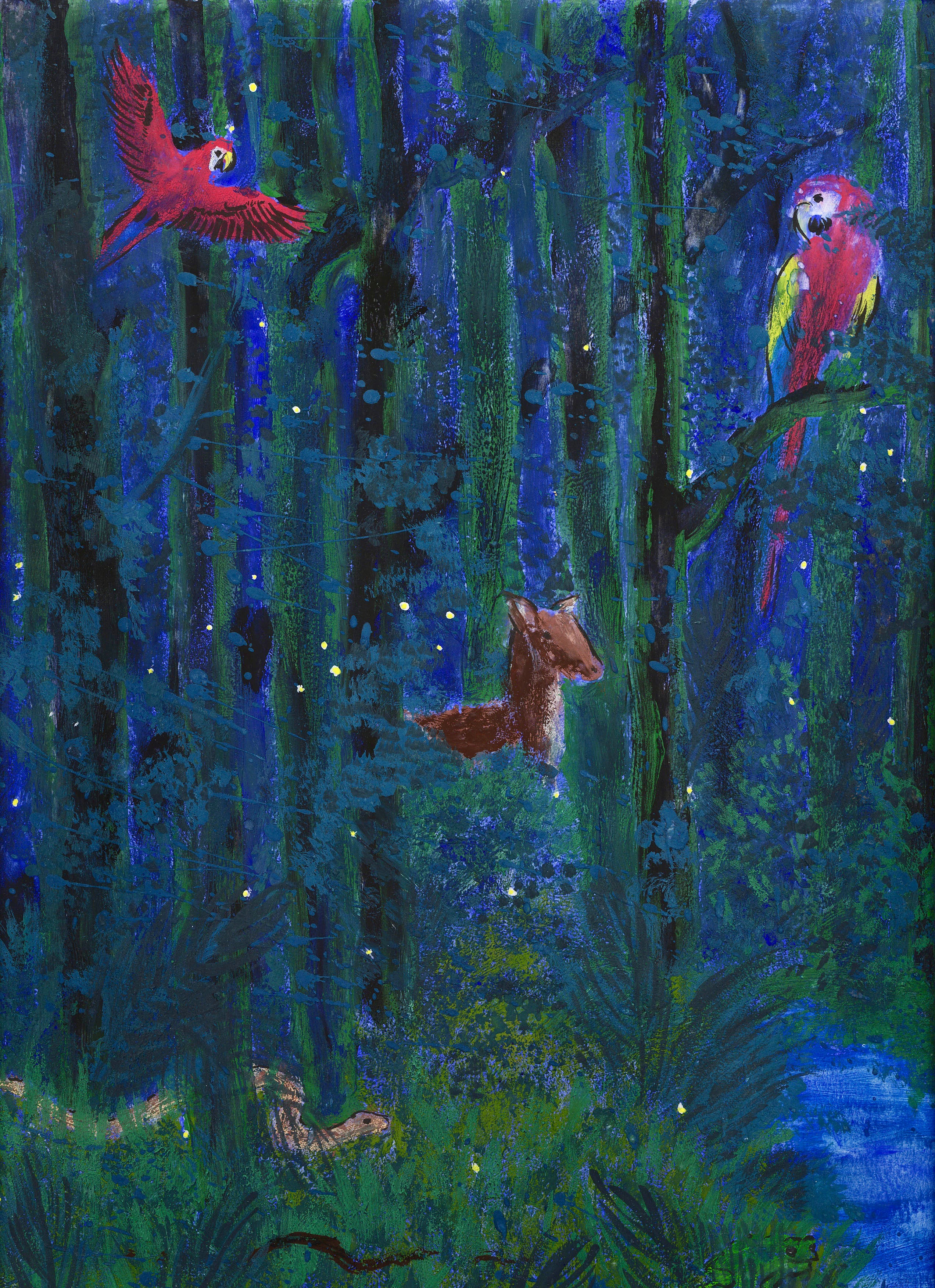
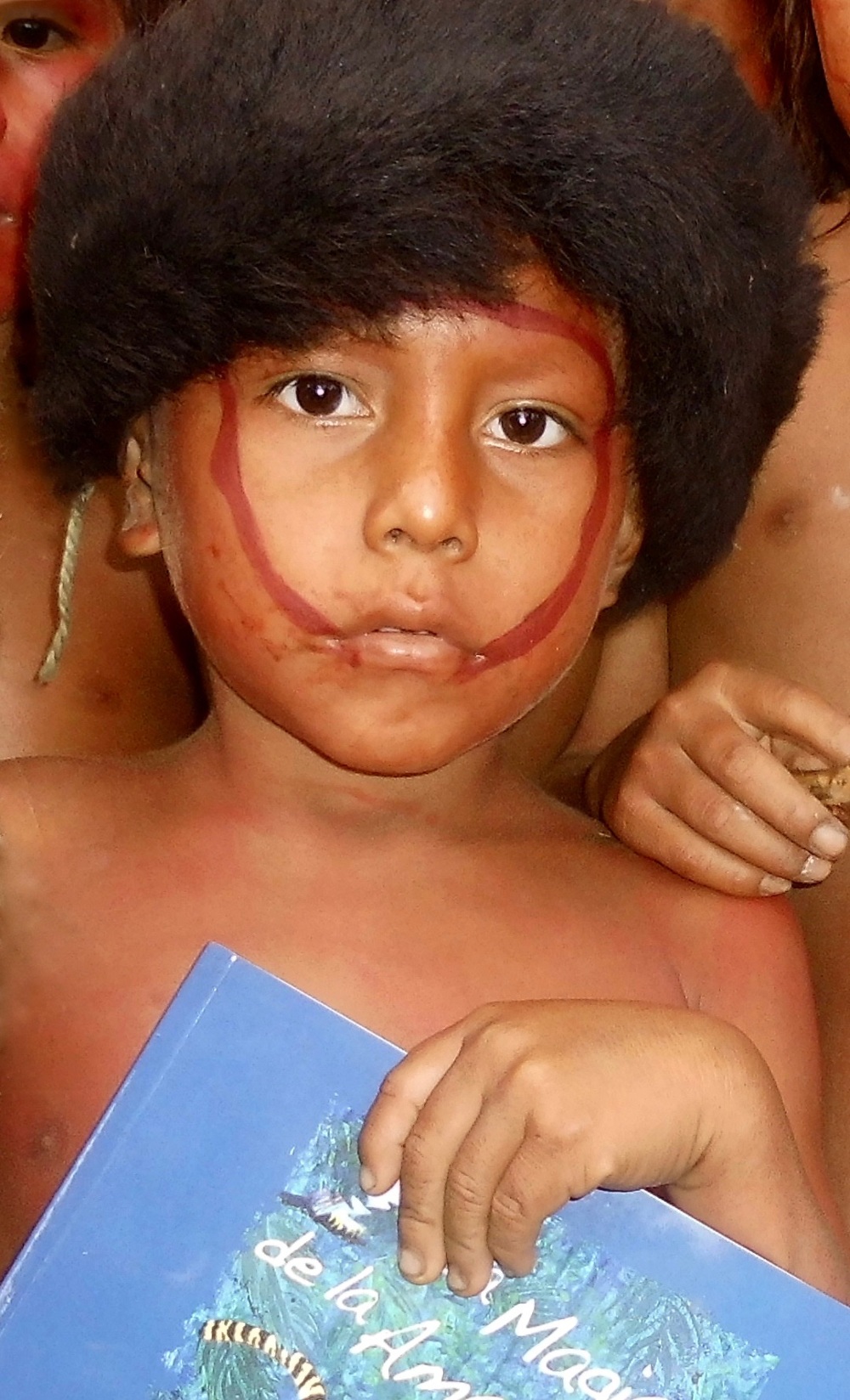
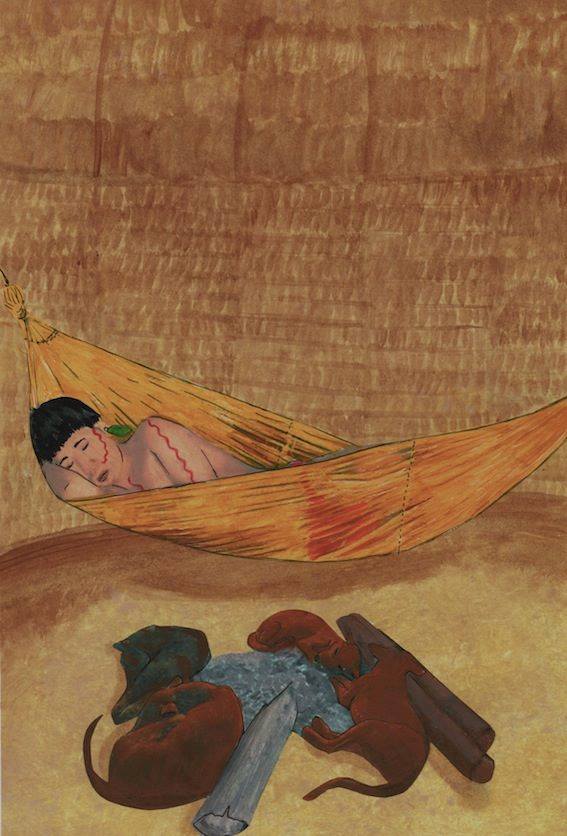
The two books are available from Barbara Crane Navarro’s Amazon page in English, Spanish and French.
Buy Vol. 1 Buy Vol. 2“Amazon Rainforest Magic” presents a world that at first might seem whimsical, where people, animals, and plants joke, conspire, and argue with each other. The serious point is that humans are no more important than any of the other creatures – all are mutually dependent, some are just more aware of it than others.
The plants and the animals, each with special knowledge, accompany the hero, Namowë, as he embarks on a life-saving quest for a cure for his ailing youngest sister. When he embarks on this exciting journey through the jungle, he has already taken a big step toward maturity.
Behind the charming artwork and story is a clear message that we humans are not separate from our environment and that to put ourselves above nature is arbitrary and ultimately counter-productive.
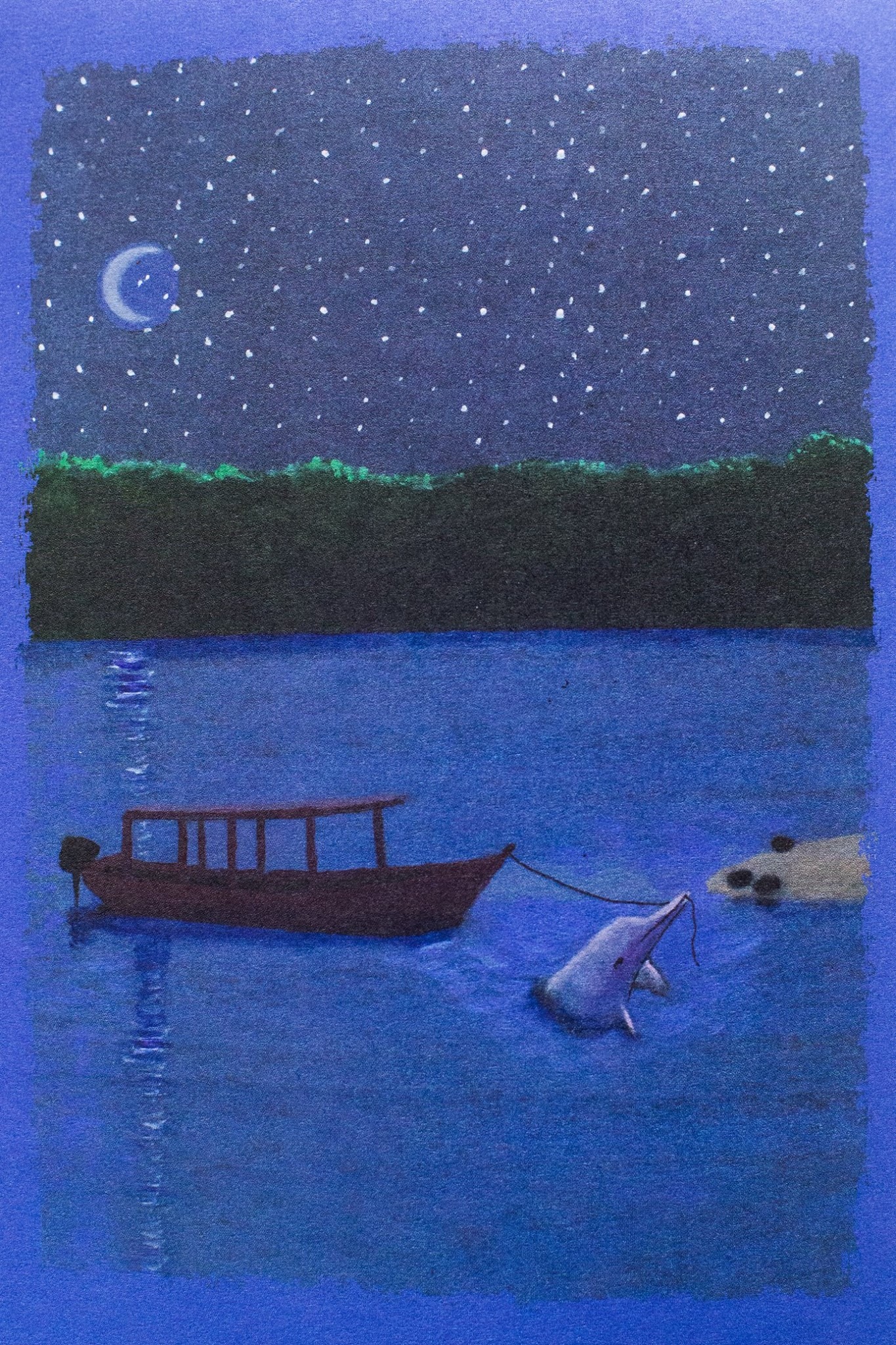
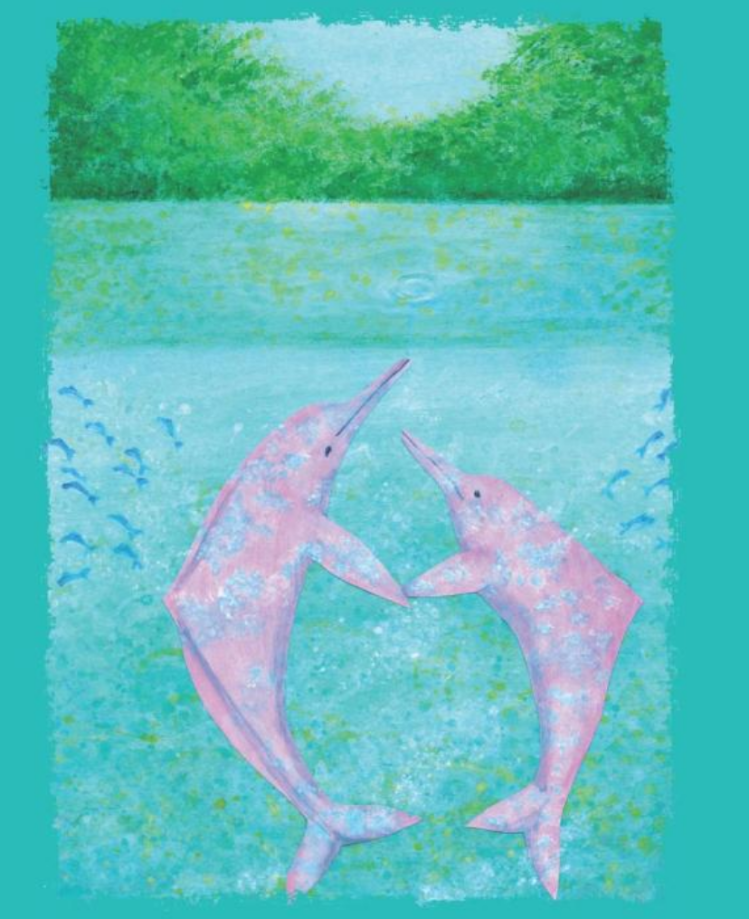 Illustration by Barbara Crane Navarro from her book “Amazon Rainforest Magic – The adventures of Meromi, a Yanomami girl
All of the various indigenous communities along the rivers in the Amazon are very alarmed at the acceleration of the devastation of the forests.
https://www.youtube.com/watch?v=yd3GoL5MeAg
“I discovered that much of the Yanomami’s art is about venerating nature and the spirits of the forests, sky, water and the animals.”
~ Barbara Crane-Navarro
Tundra project/Nature Morte
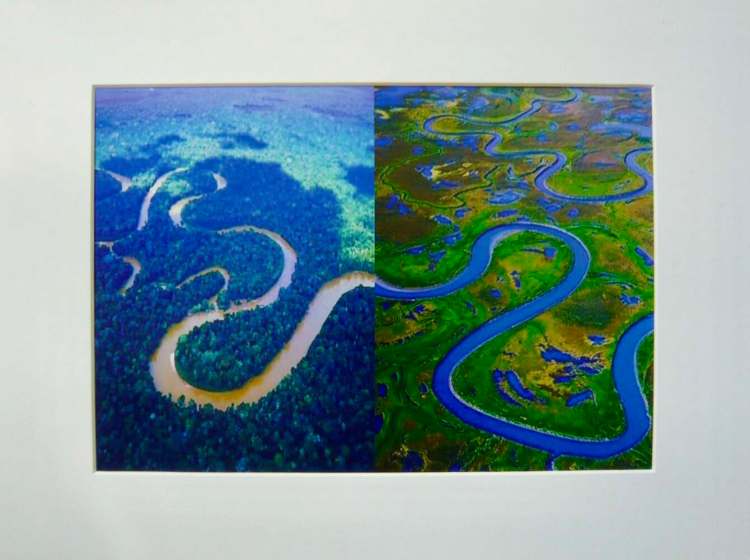
The repercussions of the 2019 fires in the Amazon and Arctic regions continue to impact forests, water, the atmosphere and indigenous communities. This art is an artistic dialogue between two territories and two geomorphologies. Each have a planetary resonance.
It’s important consumers know that every shopping choice we make has repercussions on the lives of people in other parts of the world
I try to eat only local and in-season vegetables grown nearby. What I grow myself I keep as jam and conserve to eat in the winter months.
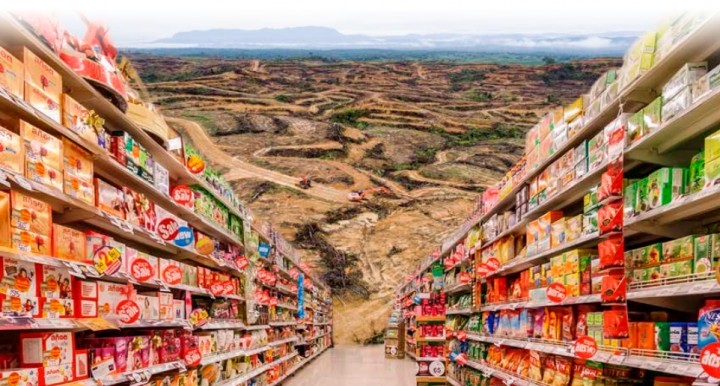
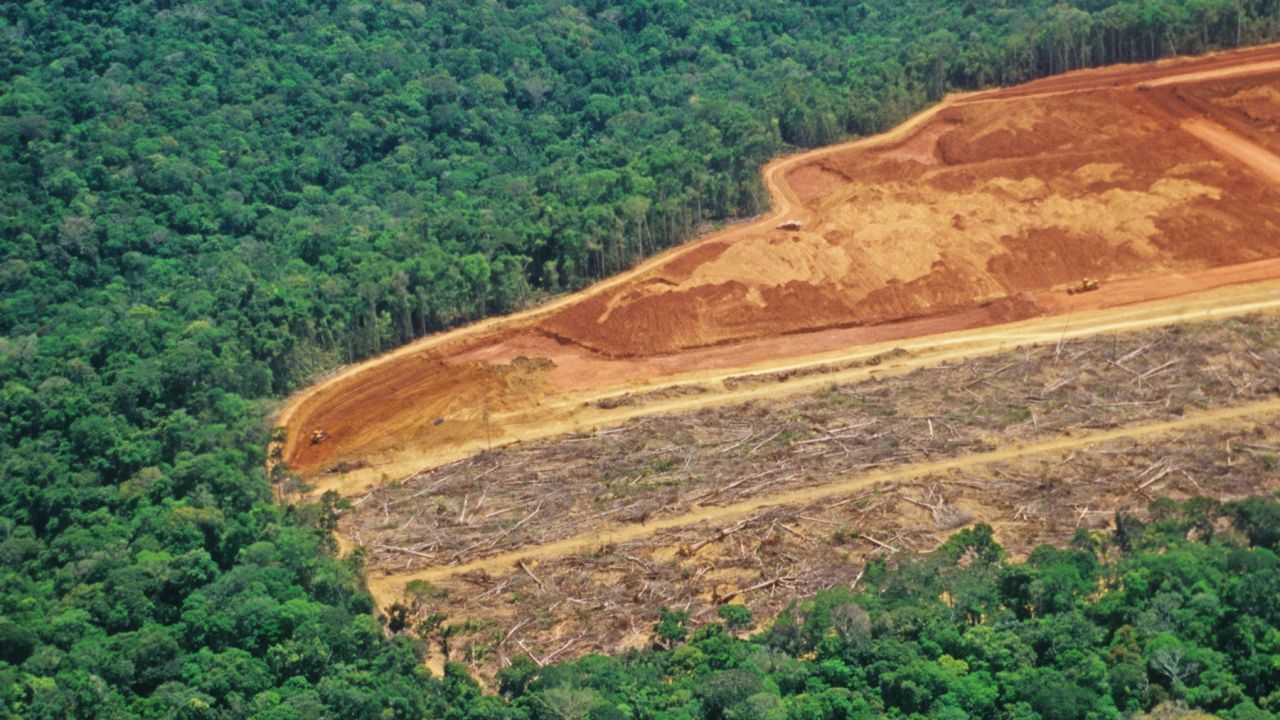
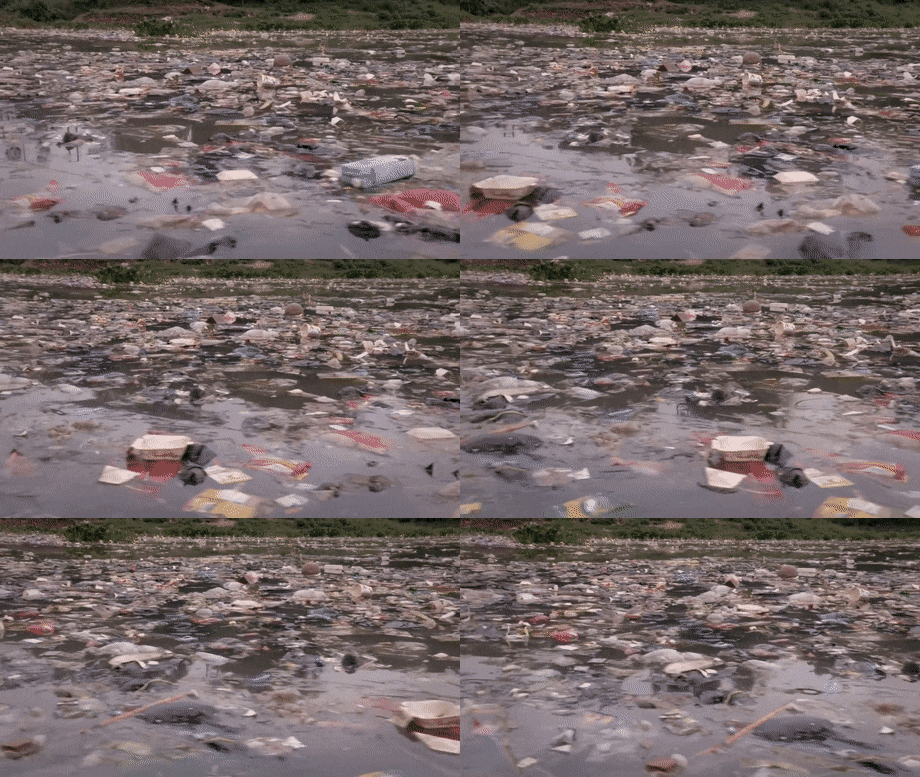
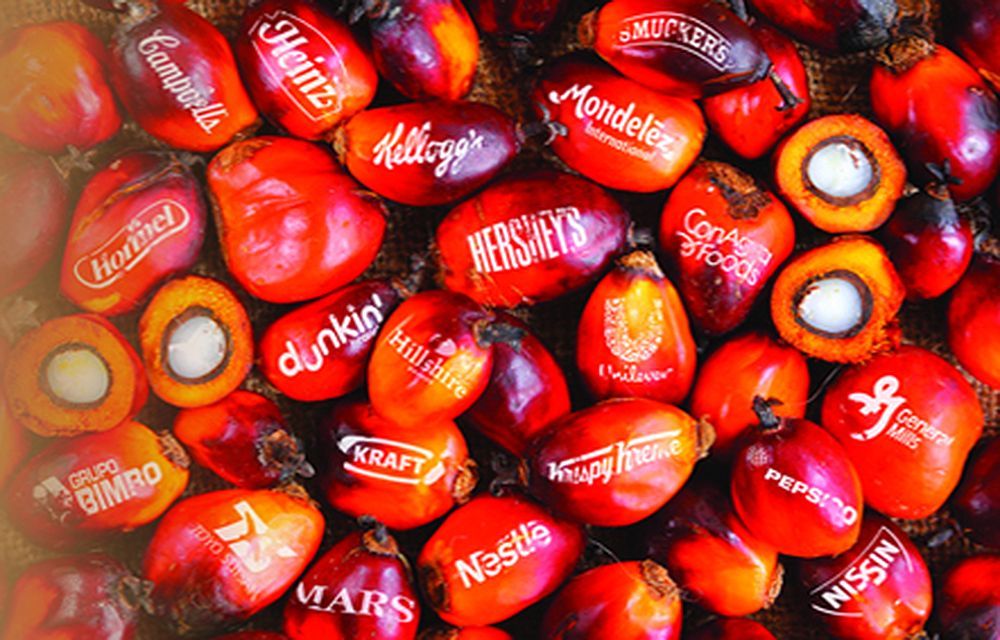
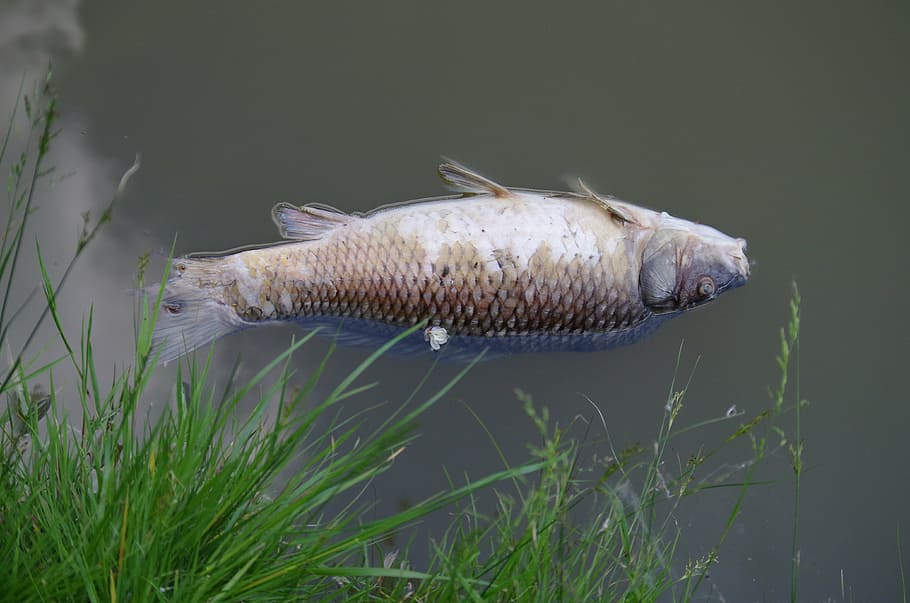
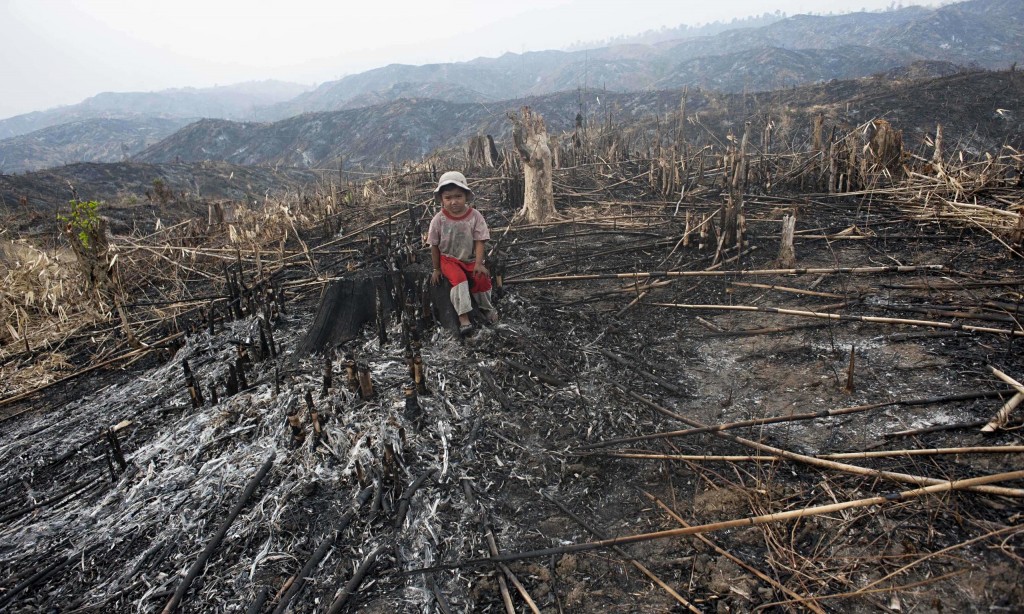
Many different indigenous communities in the nine countries of the Amazon region are devastated by gold mining with its resulting deforestation, violence against indigenous peoples, mercury poisoning and Covid-19 propagated by gold miners.
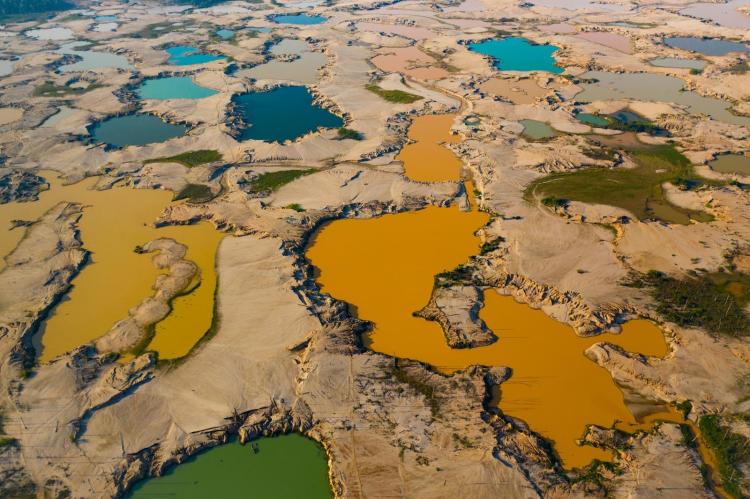 Amazonian gold mine
https://twitter.com/PersonalEscrito/status/1432750926004170755?s=20
https://twitter.com/BarbaraNavarro/status/1350098960954892288?s=20
https://twitter.com/PattyLaya/status/1161291783084621827?s=20
Merchants of Gold, Greed and Genocide
Hunger for Gold in the Global North is fuelling a living hell in the Global South

Here are 13 reasons why you should #BoycottGold4Yanomami
Image: ‘llegal gold that undermines forests and lives in the Amazon’ by Igarapé Institute
Behind the insatiable appetite for #gold is a dark secret of money laundering, illegal #mining, environmental damage and human misery. #BoycottGold4Yanomami @BarbaraNavarro
1. Gold mining = greenwashing of crime and corruption
2. Even the world’s biggest gold-importing nations don’t properly monitor the origins of their gold
3. Laundering crimes using gold is easy
4. Gold is a legal version of cocaine
5. Gold mining causes massive deforestation
6. Indigenous people have no rights
7. Brazil’s racist President, Bolsonaro allows land-grabbing to continue
8. Indigenous women and children are forced into sex slavery
9. Violence and murder in gold mining is common
10. Mercury kills ecosystems, people and animals
11. Ecosystems rarely recover from the damage – they are dead
12. Jewellery and electronics companies and criminals are the only ones who benefit from gold
13. Over a million children are forced to work in gold mines
How can I help?
Forests and rivers are a spiritual and practical necessity for Indigenous people
However their access to food and water is removed by palm oil and soy plantations, cattle grazing and gold mining, which contaminates the water and kills the fish. Forest wildfires are happening in the Amazon due to degraded and destroyed forests and rivers.
 Deforestation by fire for palm oil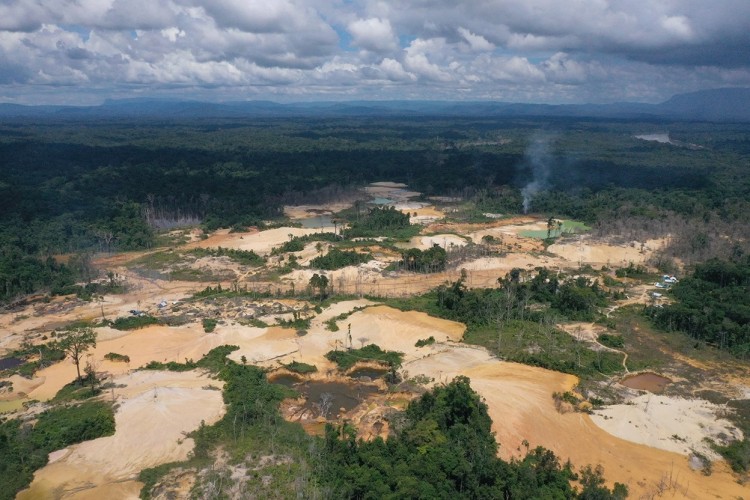
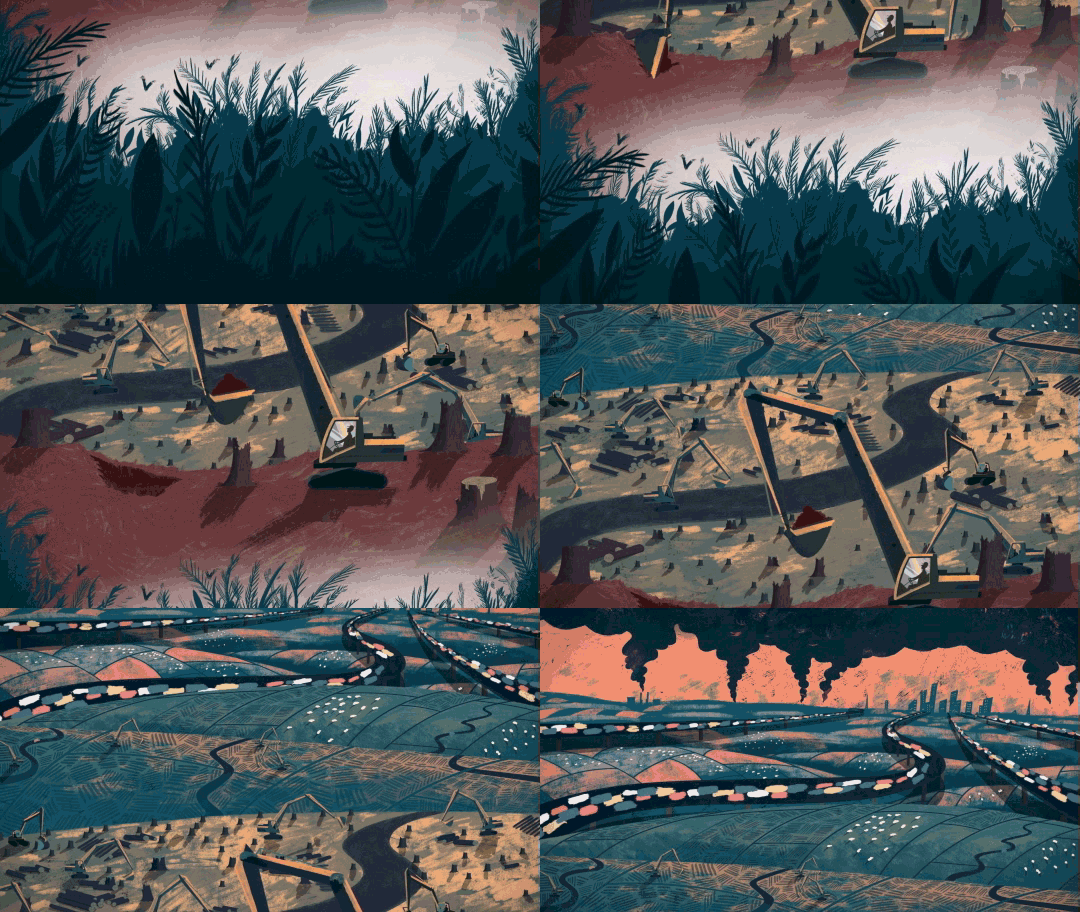 Deforestation by Sean Weston https://seanweston.co.uk
Dirty Gold War: A documentary about gold mining
The gold industry is overflowing with corruption:
If there’s a crackdown in Peru, you just smuggle the gold across the border to Chile. Or if there’s a crackdown all across Latin America, then you can simply sell your gold through the Emirates, where there are very few controls. It’s a very difficult industry to completely eliminate the opportunities for money laundering, because it’s so global and you can just keep shifting your business.
‘‘Dirty Gold’ chases ‘three amigos’ from Miami to Peru and beyond’:
International Consortium of Investigative Journalists
Nobody needs to use gold jewelry or watches to decorate themselves. There are so many less destructive and non-destructive options. Small elements of gold are in phones and other electronic items. We should replace them as seldom as possible.
Barbara Crane Navarro
We all need to boycott palm oil, soy, meat, exotic wood, gold and any other product of deforestation.
The #Boycott4Wildlife movement has the same goals as the #BoycottGold4Yanomami movement
Indigenous peoples know that their well-being depends on healthy forests and ecosystems. They see the evidence of that truth around them every day.
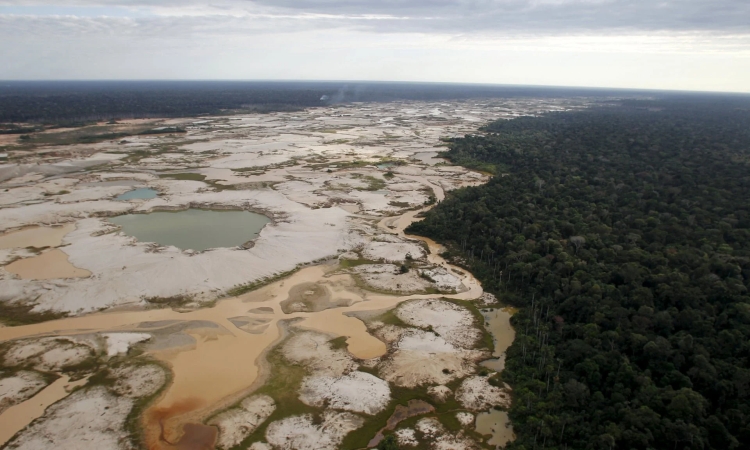
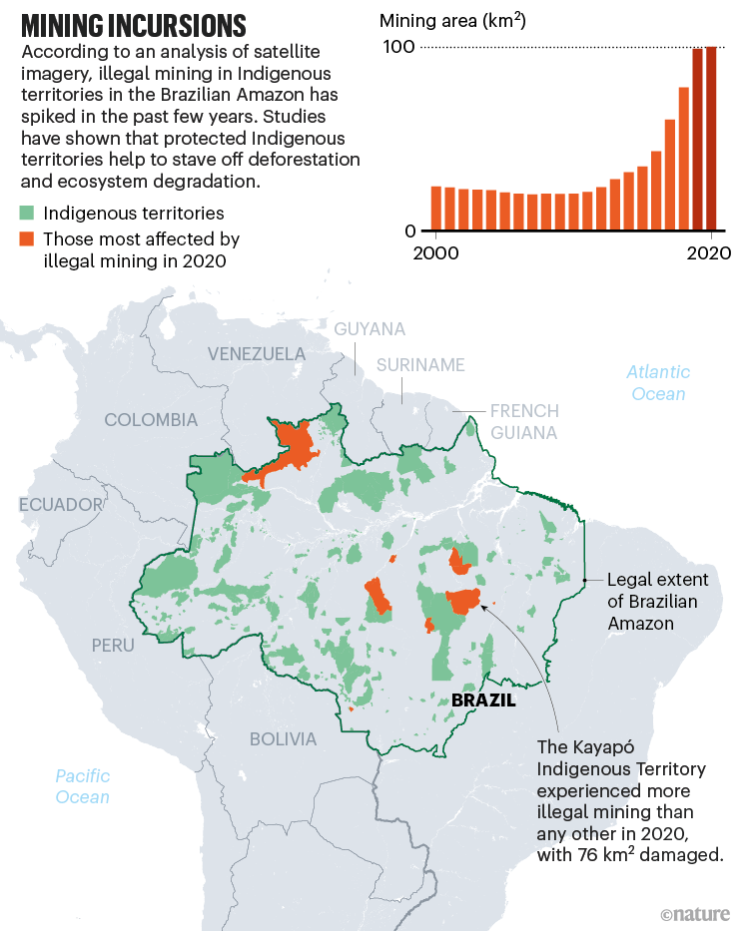 Mining incursions in the Amazon jungle.
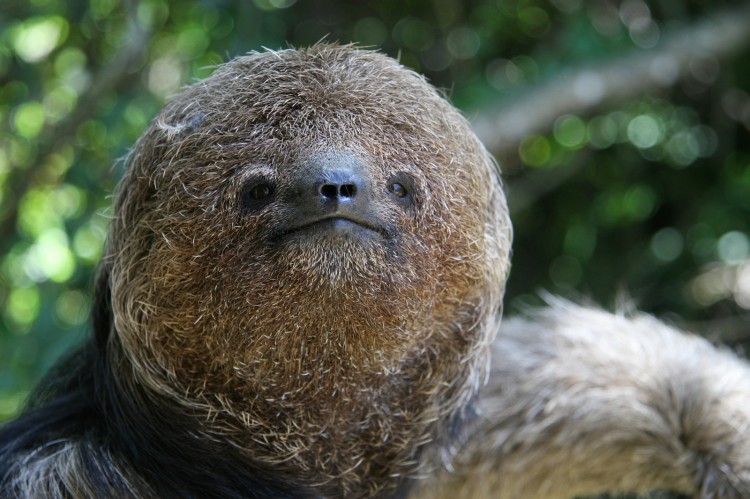 Maned Three-toed Sloth Bradypus torquatus
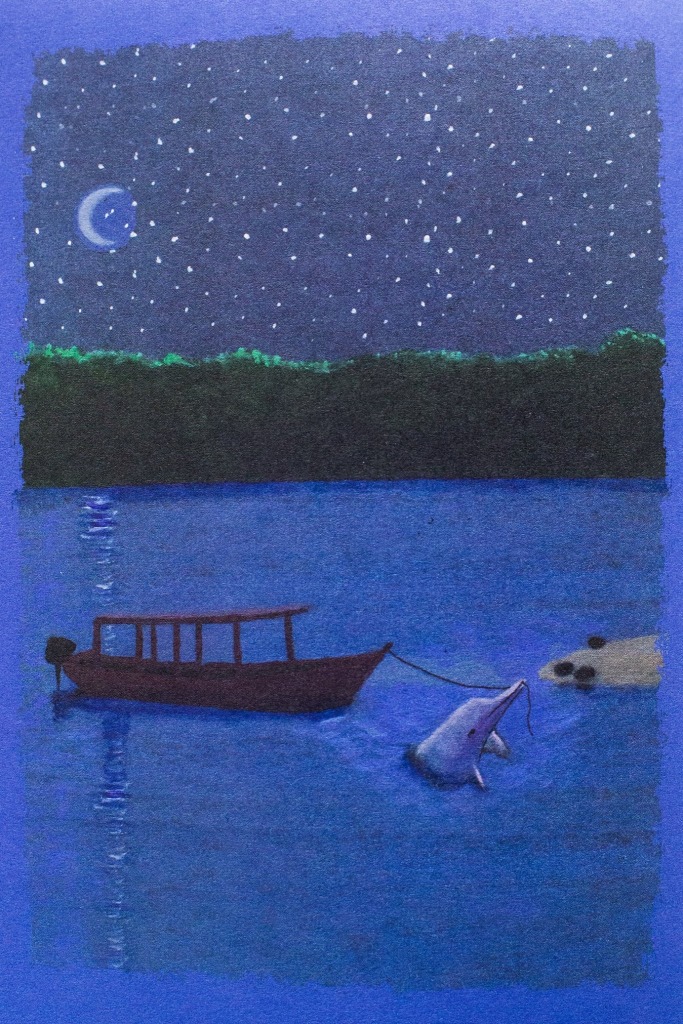 The Dolphin and the gold miners’ boat at twilight, from my children’s book series- Amazon Rainforest Magic, the adventures of Meromi, a Yanomami girl
The future well-being of people in the West will be determined by how soon we realise that we must respect nature and not take more than we need, just as indigenous peoples do.
“If we continue to treat nature as a commodity, all the living world, including us, will suffer”
~ Barbara Crane Navarro
Every effort, even the smallest effort, is important
I can’t predict the outcome, but I believe that we have to fight every day in order to mitigate the damage we’re doing.
Did you know that #gold #mining #palmoil and cattle grazing is destroying the last great swathes of the Amazon jungle? This land belongs to #Indigenous people! So #BoycottGold4Yanomami and #Boycottpalmoil @BarbaraNavarro
“I was born in 1950 and we are no longer living in the world that I knew when I was young”
I was 20 when humans began using more resources every year than the earth could replenish.
~ Barbara Crane Navarro
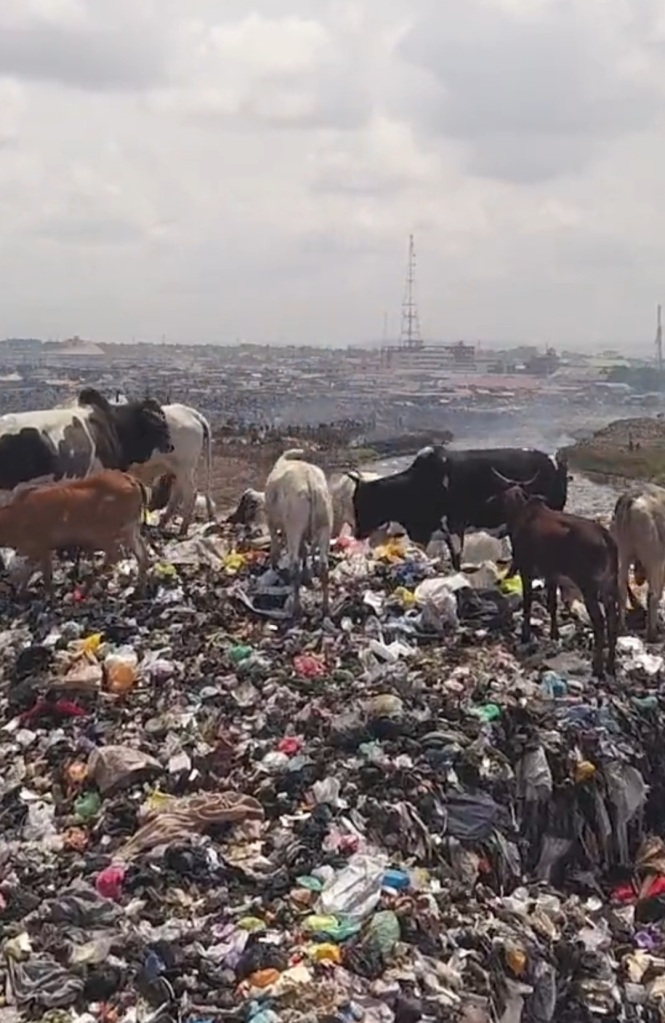
“It has been heart wrenching to witness the decline of nature
and to grieve for what has disappeared.”Barbara Crane Navarro
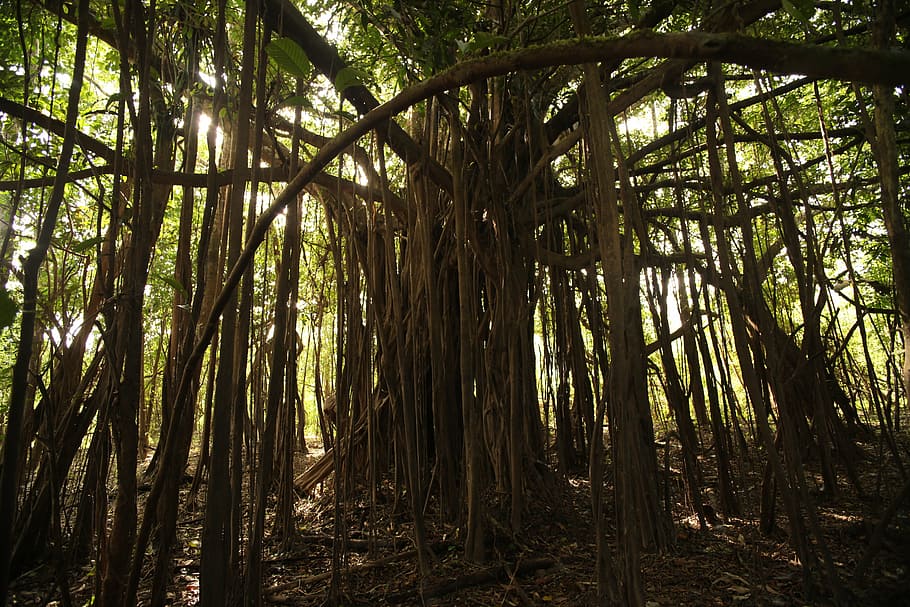
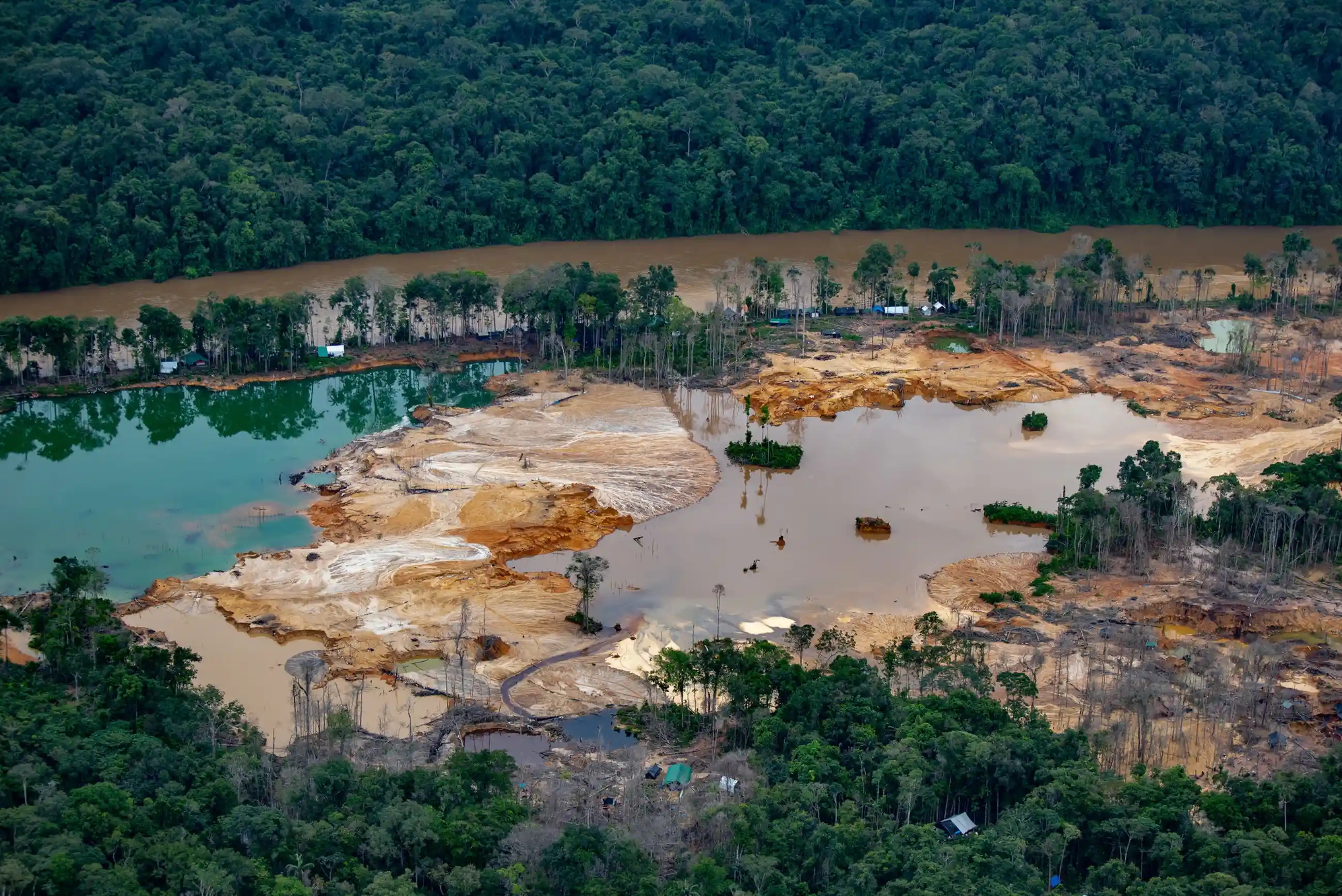
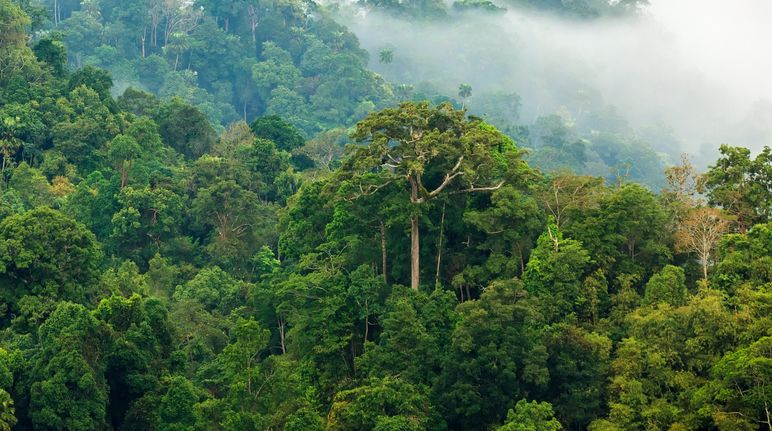
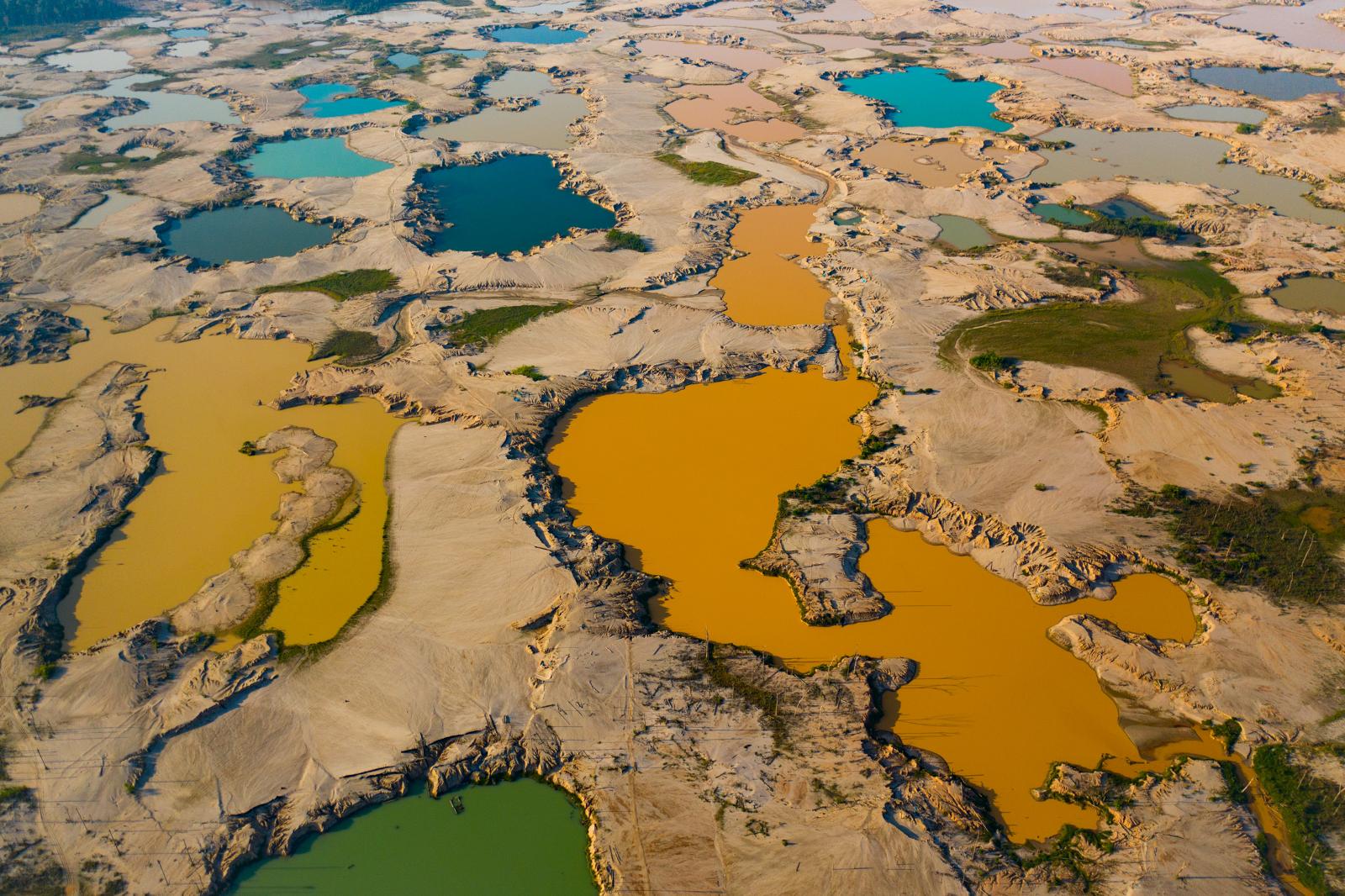
[Before] The pristine Amazon rainforest. [After] Absolute devastation following gold mining in the Yanomami territory at the border of Venezuela and Brazil.
There are many rainforest animals that I love that make the Amazon rainforest absolutely enchanting. The monkeys, pink river dolphins, giant river otters, capybaras, tapirs, macaws and so many birds and butterflies are some of my favourites.
Here are a few of the 1000’s of animals disappearing forever due to out-of-control extractive mining, palm oil and meat deforestation in the Amazon jungle
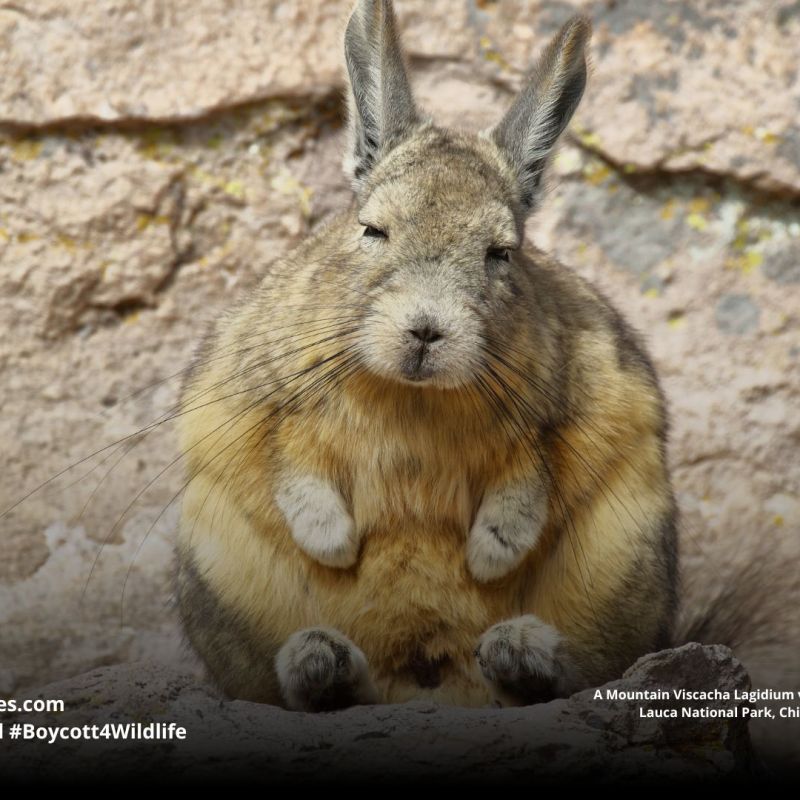
Ecuadorean Viscacha Lagidium ahuacaense
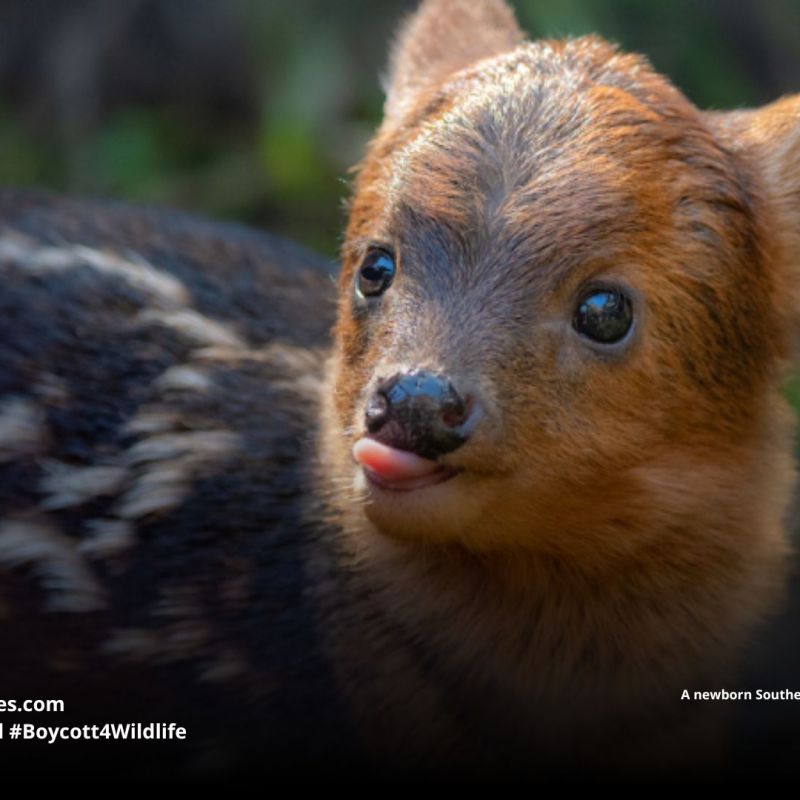
Southern Pudu Pudu puda
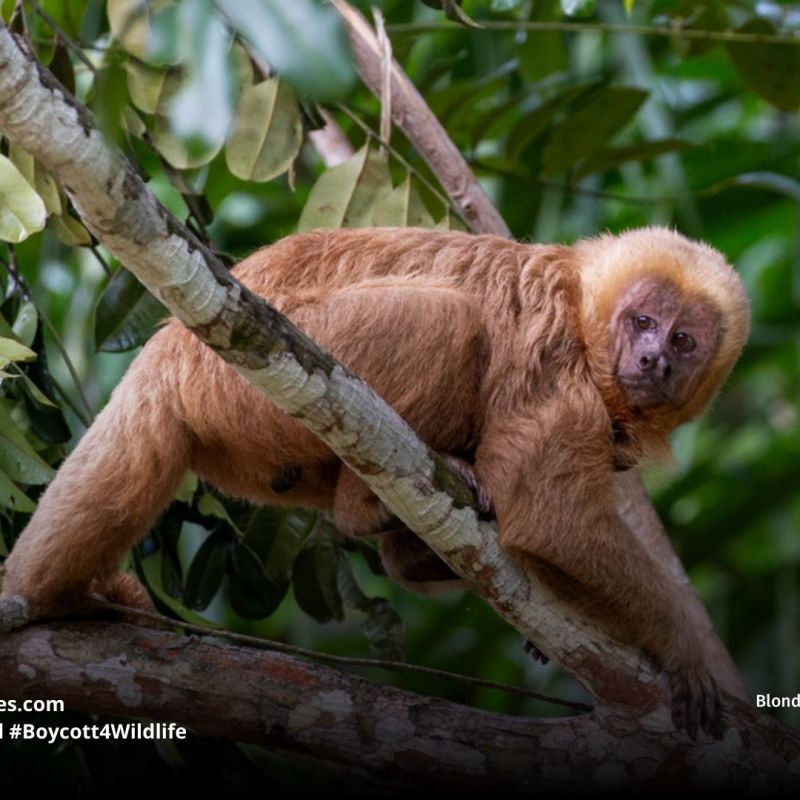
Blonde Capuchin Sapajus flavius

Savage’s Glass Frog Centrolene savagei

Andean condor Vultur gryphus
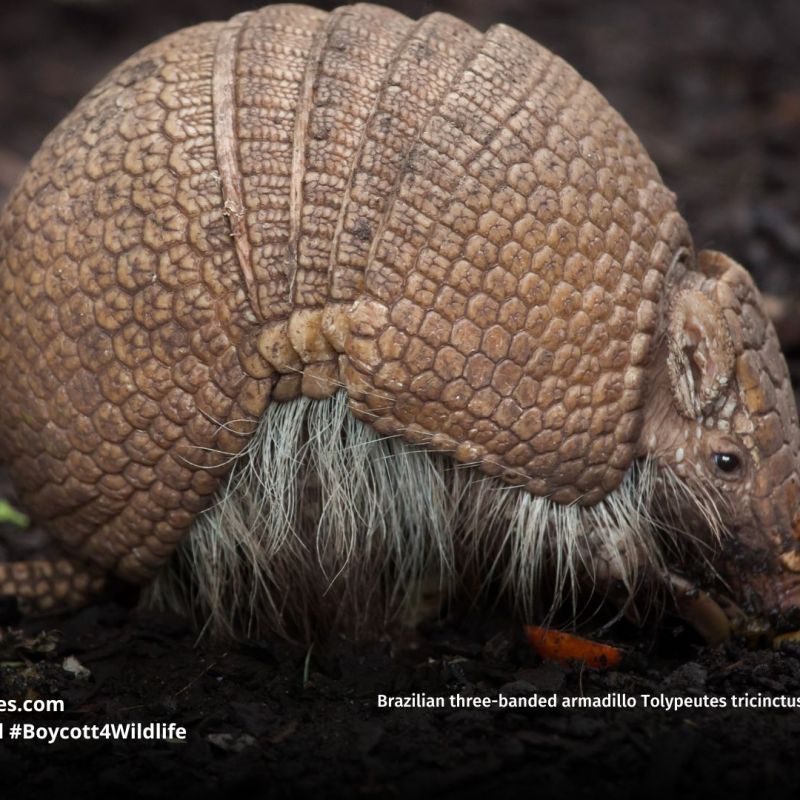
Brazilian three-banded armadillo Tolypeutes tricinctus
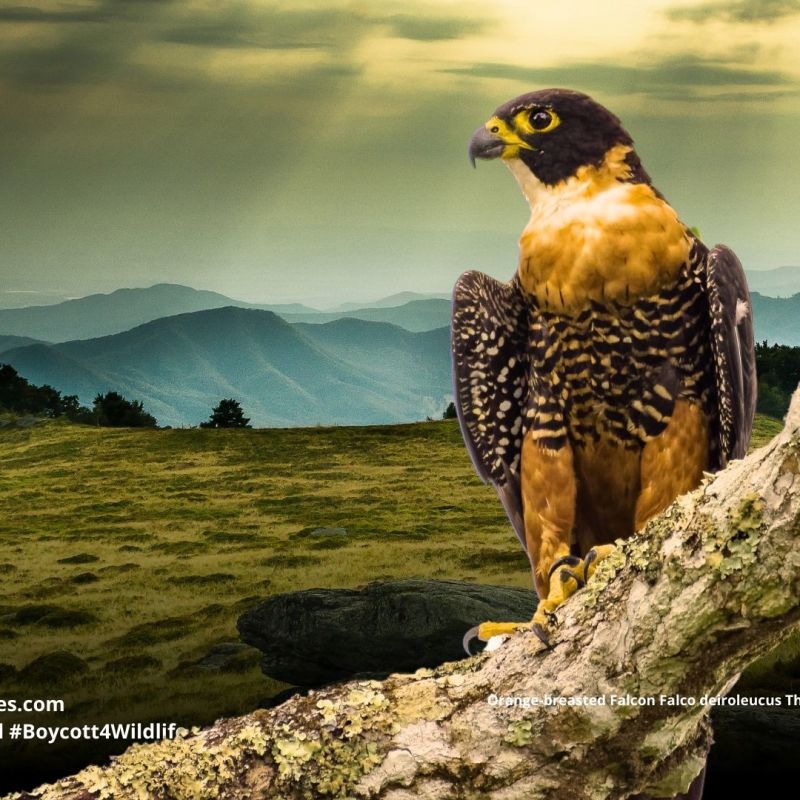
Orange-breasted Falcon Falco deiroleucus
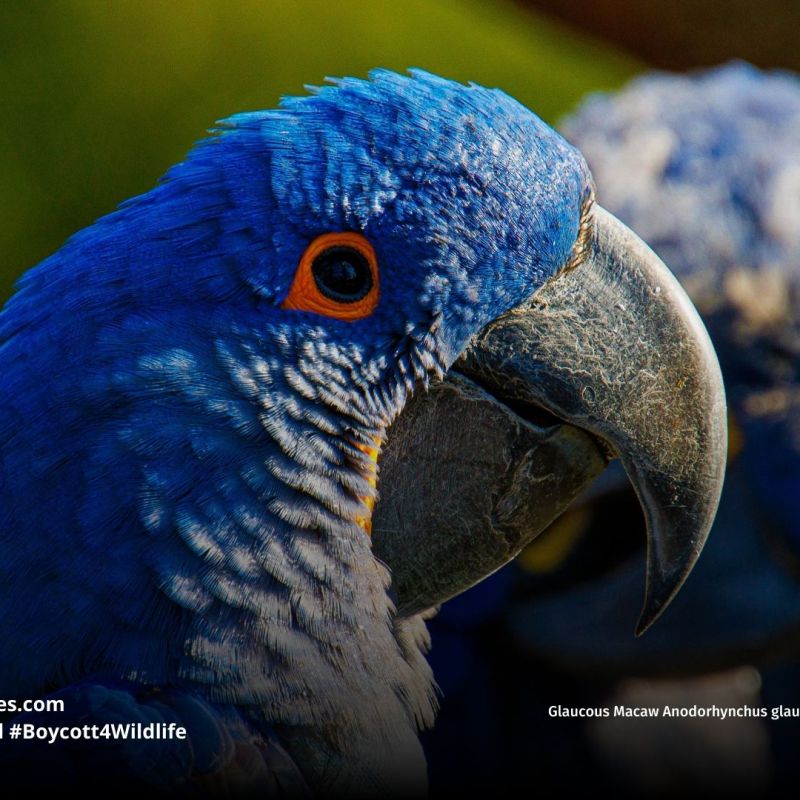
Glaucous Macaw Anodorhynchus glaucus
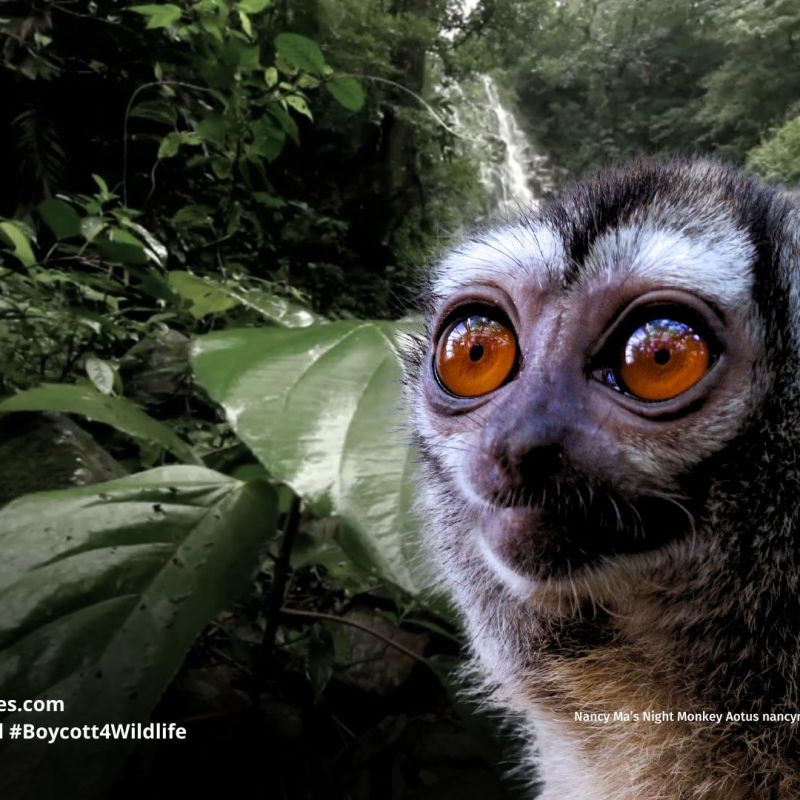
Nancy Ma’s Night Monkey Aotus nancymaae
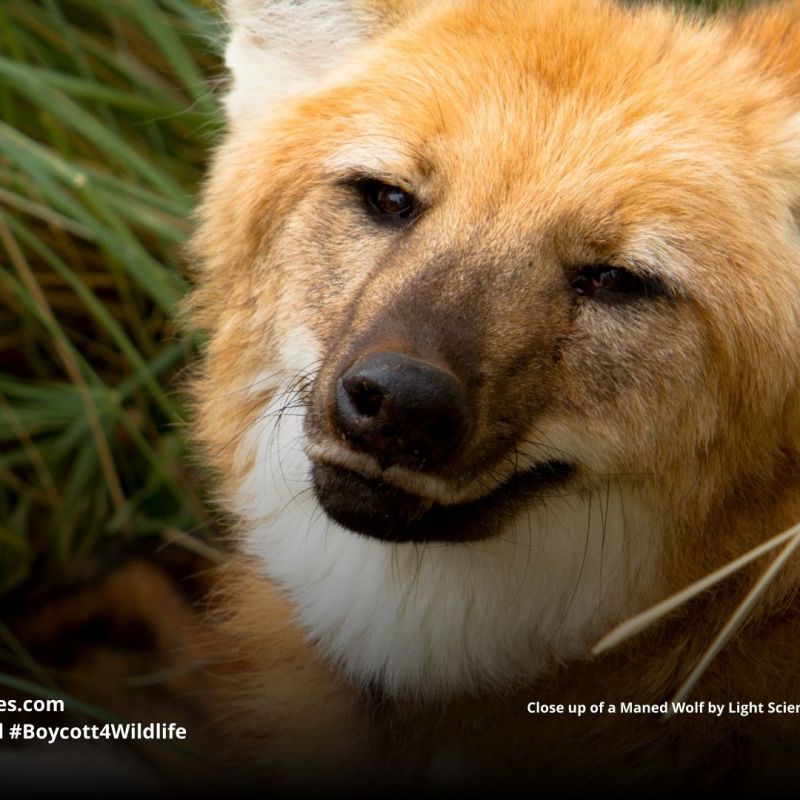
Maned Wolf Chrysocyon brachyurus

Sloth Bear Melursus ursinus

Andean Mountain Cat Leopardus jacobita

Bush Dog Speothos venaticus
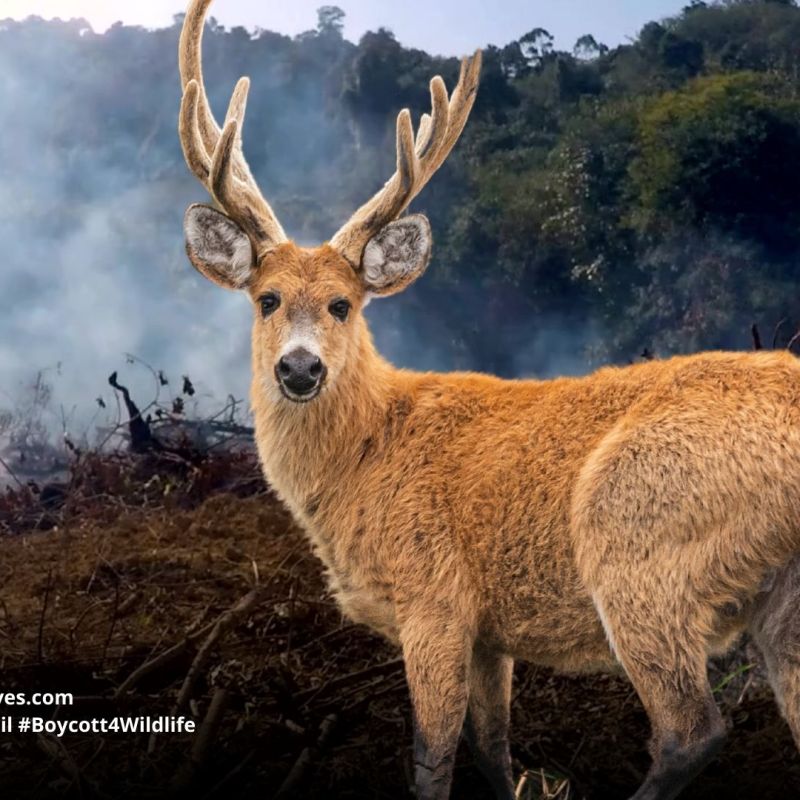
Marsh Deer Blastocerus dichotomus
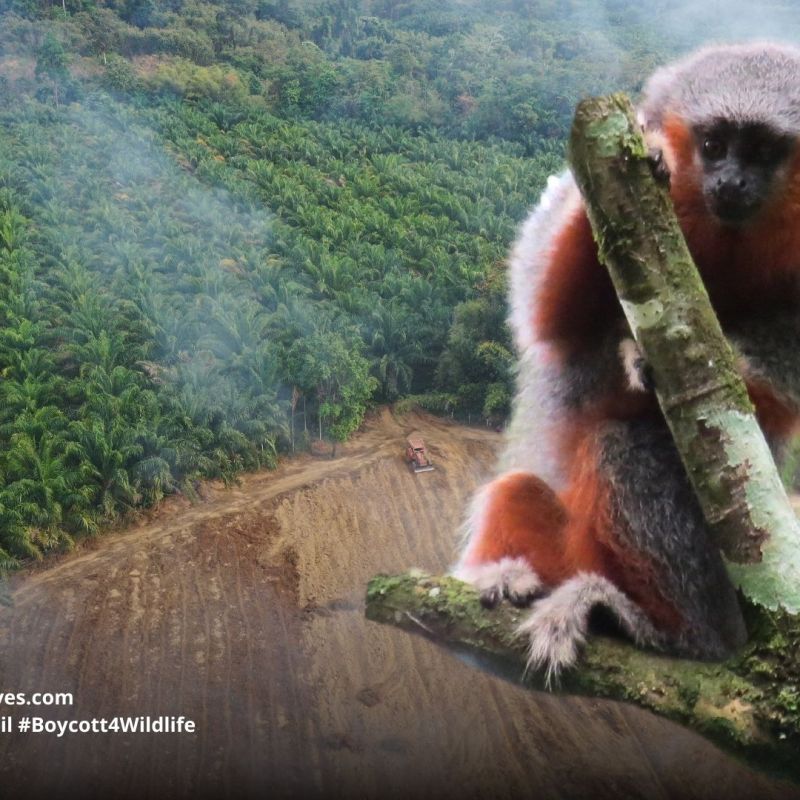
Alta Floresta titi monkey Plecturocebus grovesi
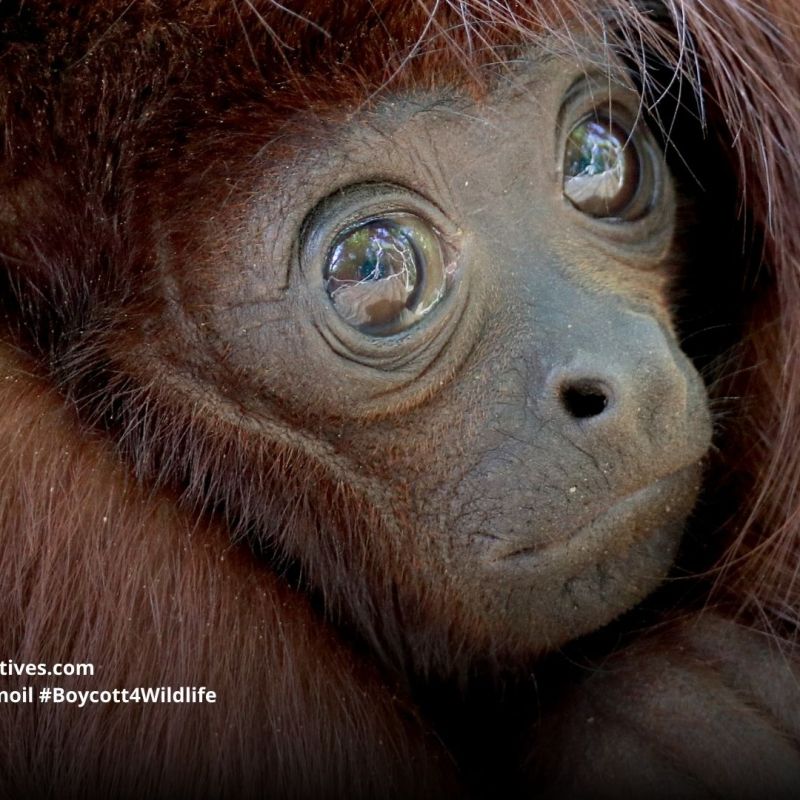
Colombian Red Howler Monkey Alouatta seniculus
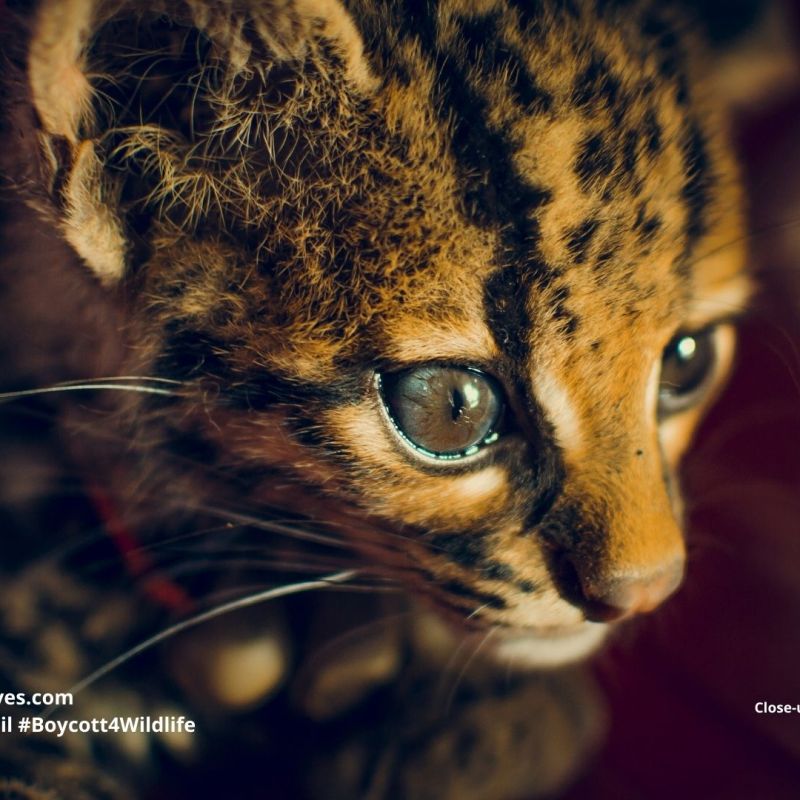
Margay Leopardus wiedii
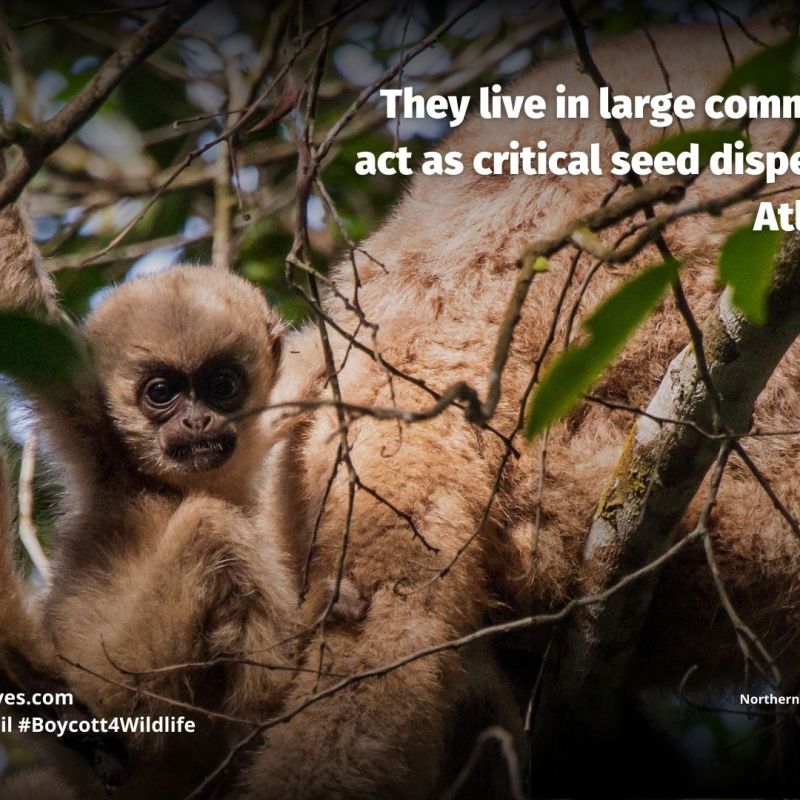
Northern Muriqui Brachyteles hypoxanthus

Brown Howler Monkey Alouatta guariba
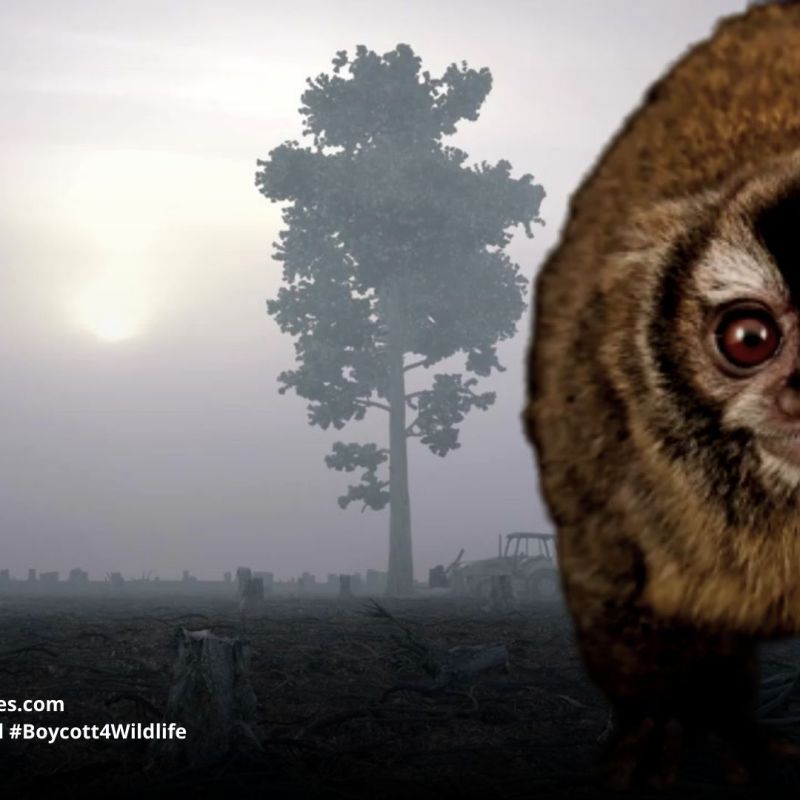
Andean Night Monkey Aotus miconax

Spiny-headed Tree Frog Triprion spinosus

White-Nosed Saki Chiropotes albinasus
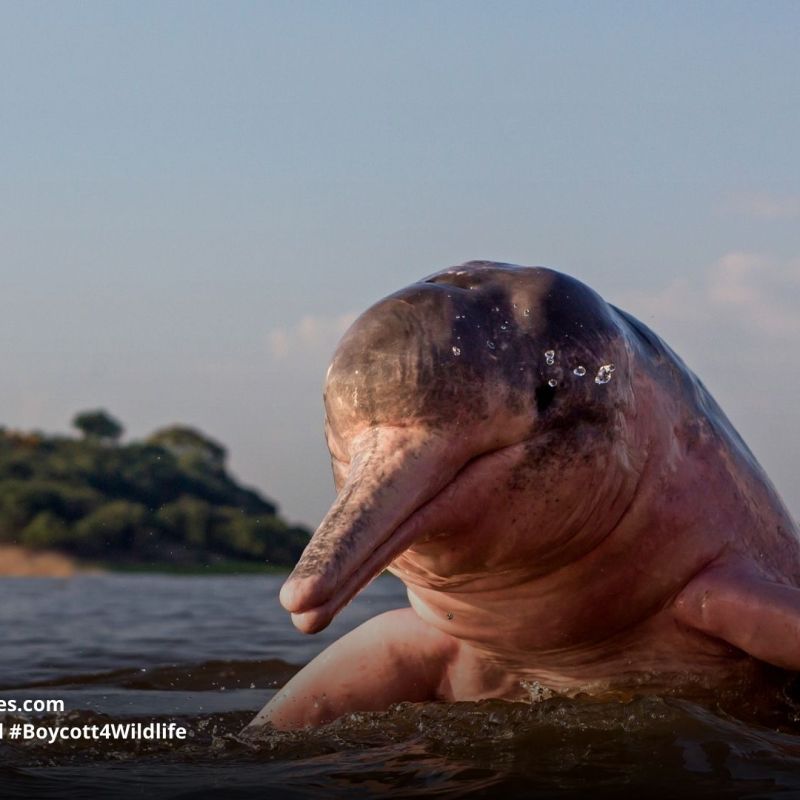
Amazon River Dolphin Inia geoffrensis
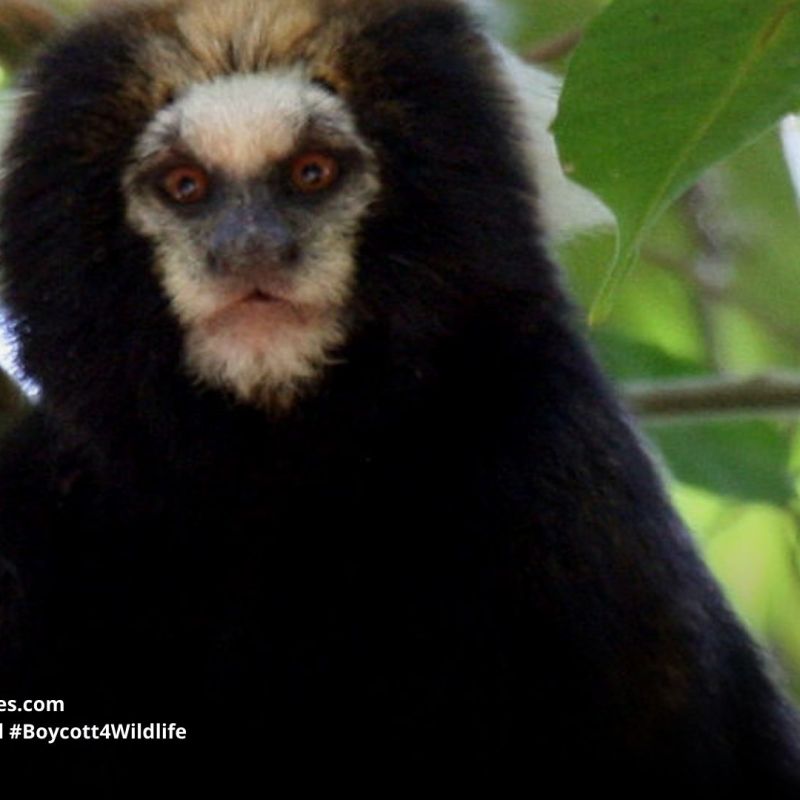
Buffy-tufted-ear Marmoset Callithrix aurita
If you want to make a difference to the lives of Indigenous people in the Amazon, there are some NGOs to avoid, and others that are really making a difference…
Some NGOS such as Survival claim to be helping indigenous people are great pretenders. They spread awareness but don’t offer practical on the ground support for people like the Yanomami.
These NGOS that allegedly work for Indigenous Rights simply lobby to governments to recognise indigenous land rights. They write and talk about issues affecting Indigenous peoples without having any real, tangible impact.
I donate as often as possible to a Brazilian NGO, APIB: The Articulation of Indigenous Peoples of Brazil.
APIB on the other hand are taking the Brazilian government to court! They have an emergency campaign now concerning gold mining, deforestation and Covid.
Please donate to APIB:
With the funds they will take the Brazilian government to court for this disgraceful ecocide and genocide!
DonatePhotography, Art: Barbara Crane Navarro, PxFuel, Creative Commons, Wikipedia, Greenpeace, Sean Weston, Igarapé Institute.
Words: Barbara Crane Navarro
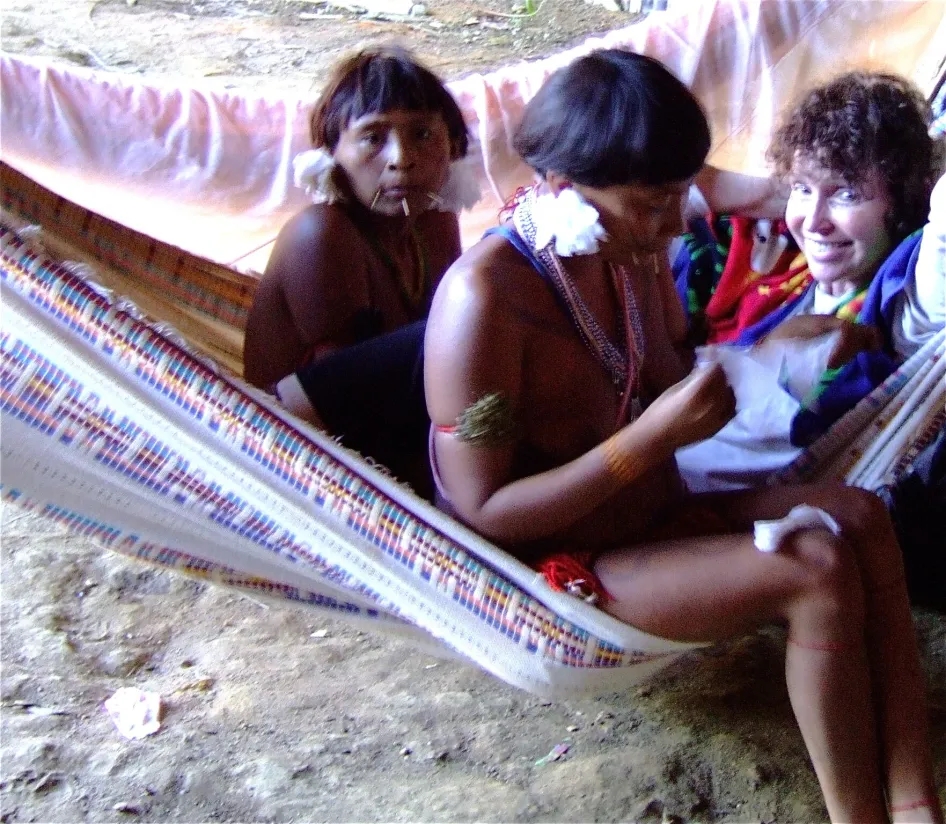
I welcome you to connect with me, you can find me here on Twitter @BarbaraNavarro
https://twitter.com/BarbaraNavarro/status/1457330048181186564?s=20
https://twitter.com/BarbaraNavarro/status/1429423517070766086?s=20
https://twitter.com/BarbaraNavarro/status/1463827100738236420?s=20
https://twitter.com/BarbaraNavarro/status/1445658455713349632?s=20
#BoycottGold4Yanomami
Buy vintage jewellery instead
Find out moreImage: ‘llegal gold that undermines forests and lives in the Amazon’ by Igarapé Institute
#Amazon #animals #art #BarbaraCraneNavarro #Boycott4wildlife #BoycottGold4Yanomami #BoycottPalmOil #Brazil #Christmas #Climate #ClimateEmergency #corruption #CreativesForCoolCreatures #deforestation #ecocide #gold #goldMining #greenwashing #indigenous #IndigenousActivism #indigenousRights #investigativeJournalism #jewellery #mining #palmoil #rainforestConservation #slavery #Valentine #Venezuela #Yanomami
Around 25% of Africa’s Land is Damaged: This is How We Fix It!
Almost 25% of all land in Africa has been damaged. Land degradation is worrying issue across the continent of Africa. This is being driven by climate change and deforestation for extractive industries like rare mineral mining and monocultures like palm oil and cocoa. Other big drivers includes invasive species and environmental pollutants and toxins. Mlungele Nsikani is a land restoration specialist and environmental scientist. He explains how ecological restoration and agroecology is a great way to reverse land degradation so that people, plants and animals can thrive. Another powerful way to make an impact is through boycotting industries destroying the world like gold mining, palm oil and the meat industry. #BoycottPalmOil #Boycott4Wildlife
25% of #land in #Africa is damaged by #climatechange #mining and #palmoil #deforestation. Yet strong policies for #agroecology would restore land for people, plants and animals to thrive #BoycottPalmOil #ClimateActionNow #Boycott4Wildlife @palmoildetect https://wp.me/pcFhgU-90N
Share to BlueSkyShare to TwitterWritten by Mlungele M. Nsikani, Senior scientist, South African National Biodiversity Institute. This article is republished from The Conversation under a Creative Commons license. Read the original article.



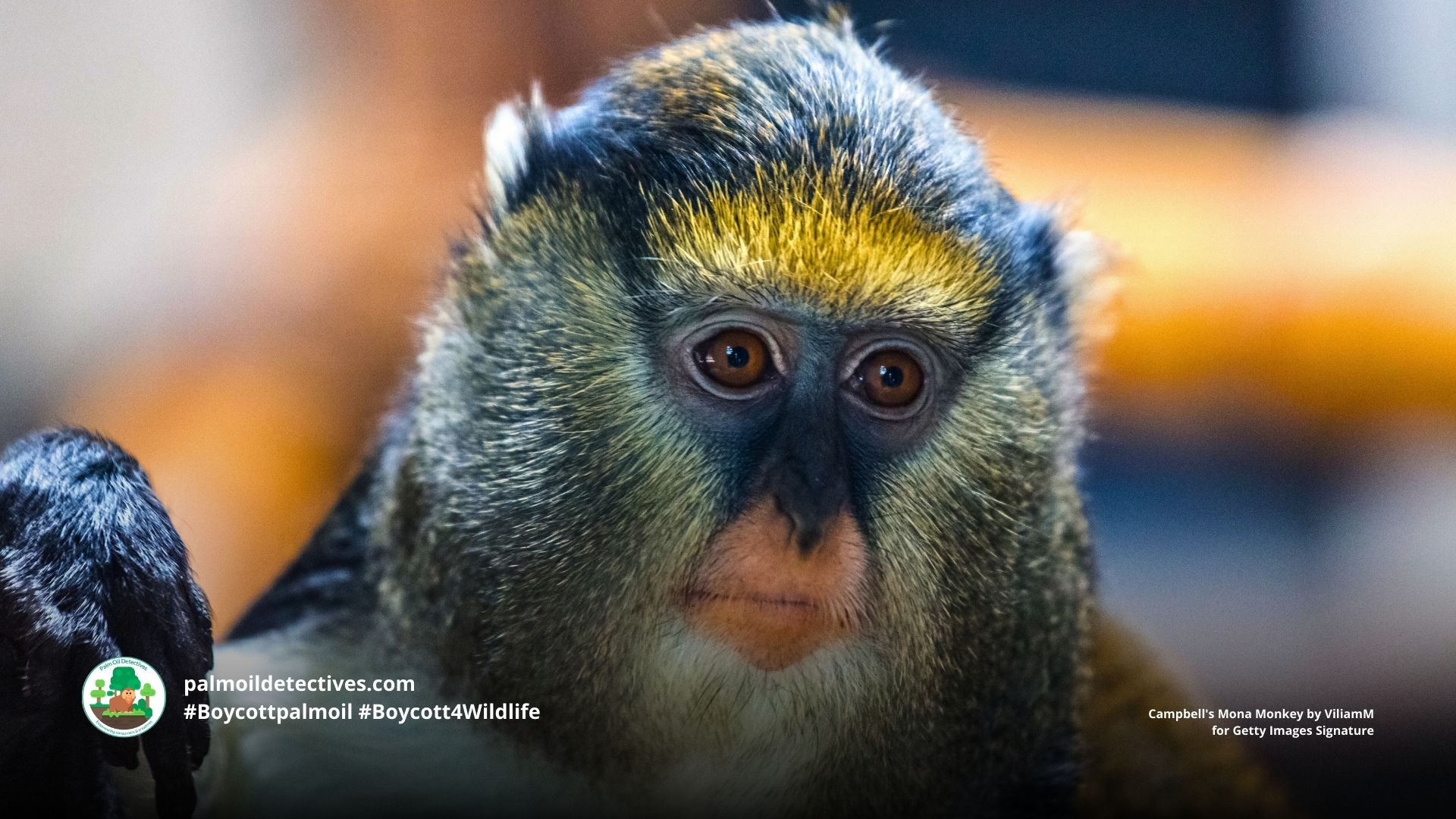


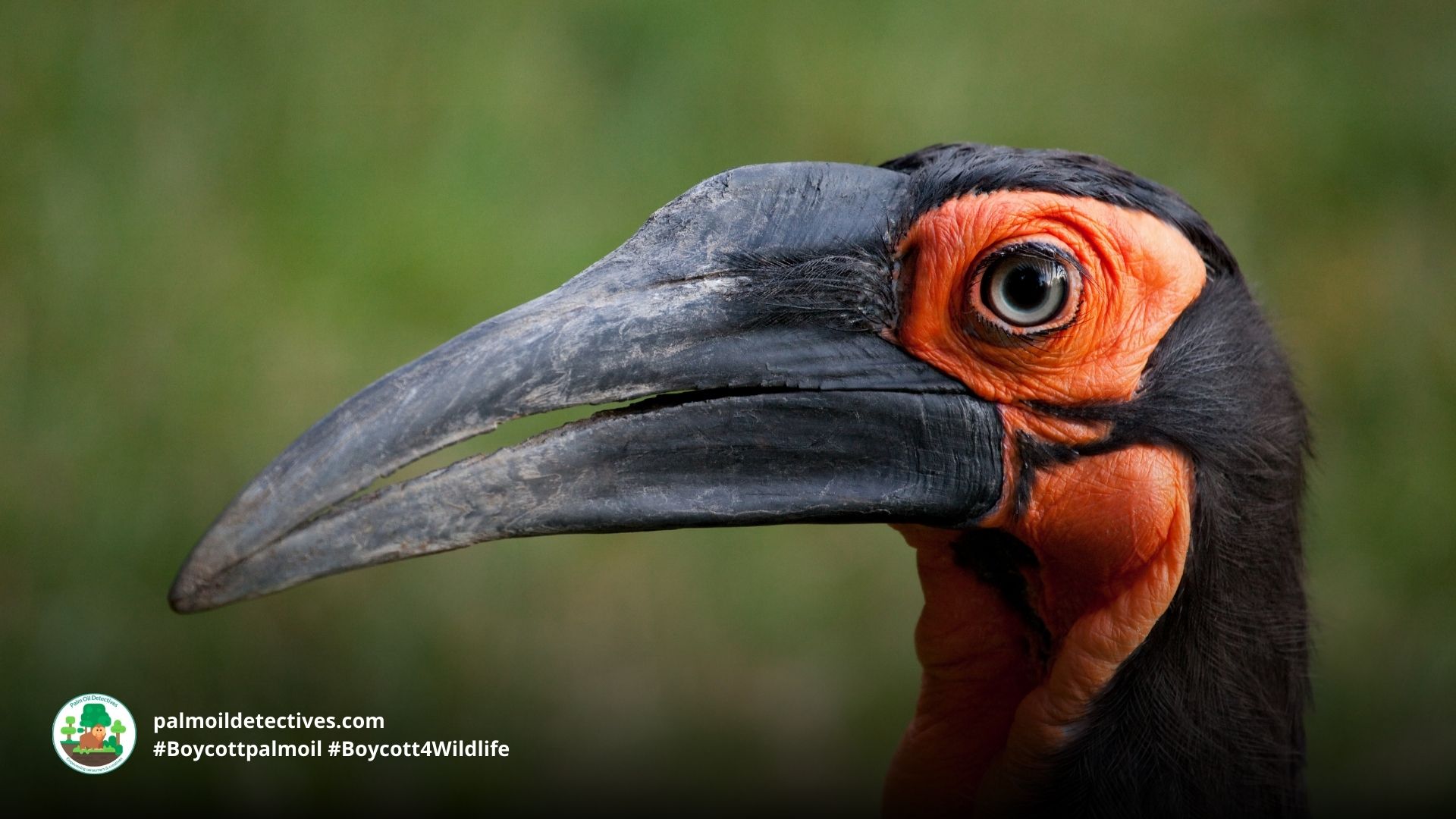
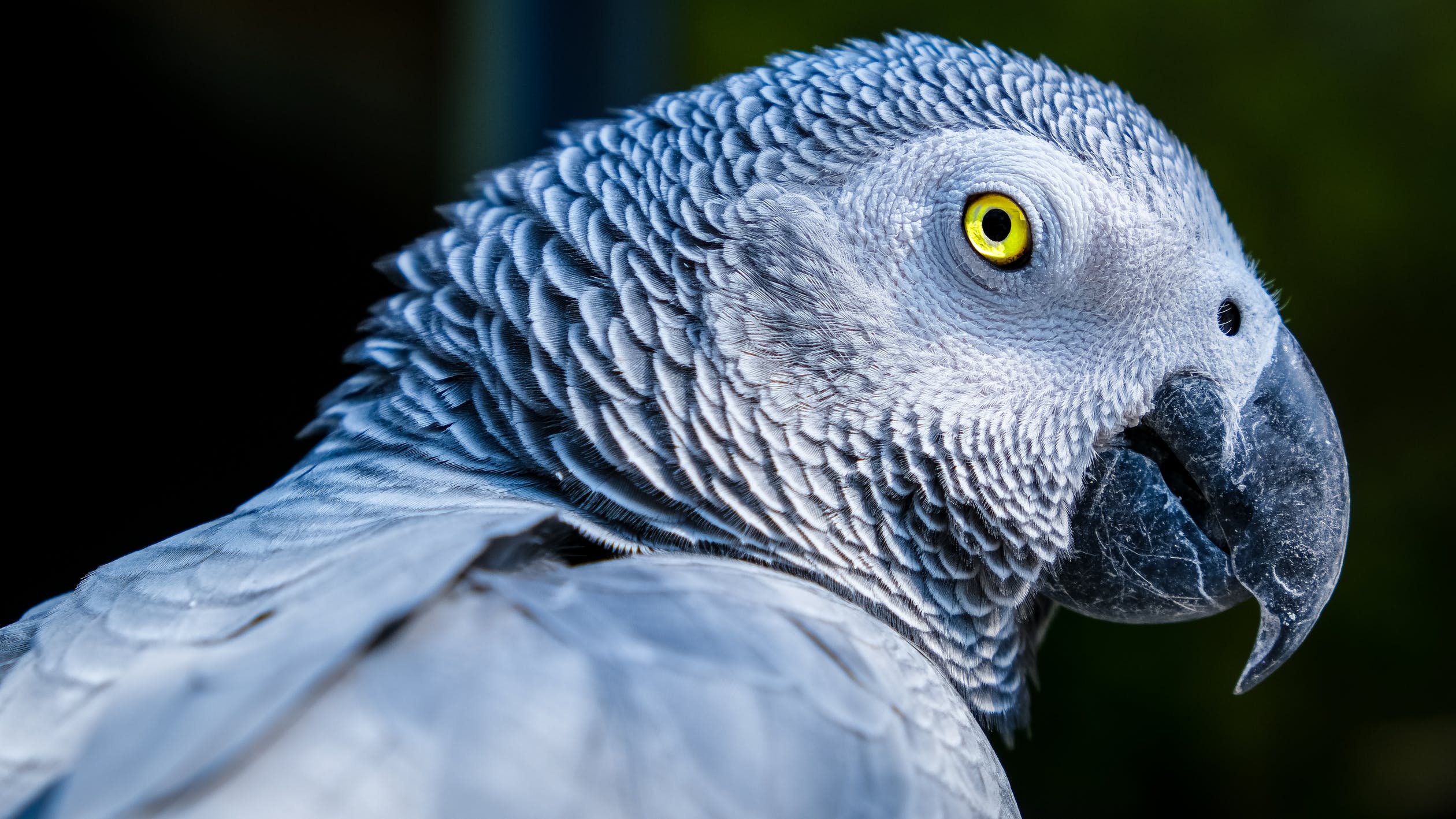
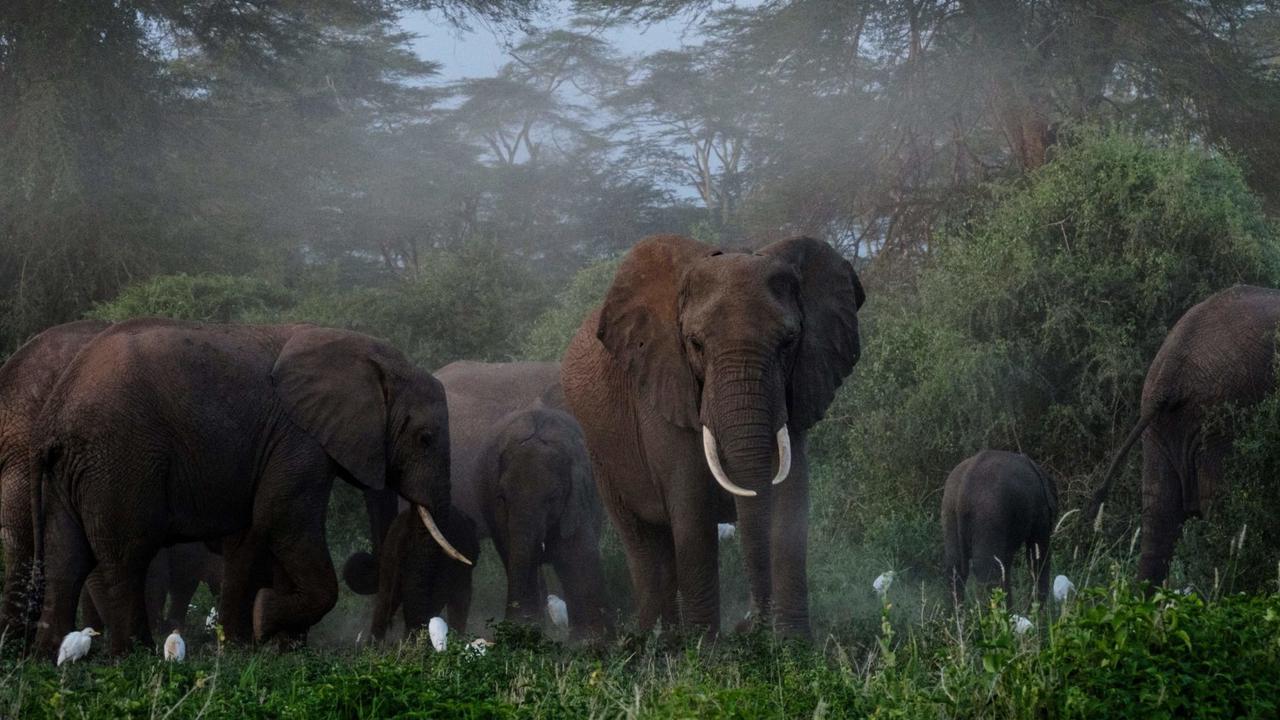
What’s driving land degradation on the continent?
Africa is one of the most degraded continents in the world. About 23% of the surface of Africa, or over 700 million hectares of land, is already degraded. Another three million hectares is being further degraded annually.
Degraded land is land that has lost some of its natural productivity through processes caused by humans. It’s estimated that up to 40% of the planet’s land is degraded.
The “big five” drivers of land degradation globally and in Africa are:
- biological invasions, where plant species have spread outside their indigenous area and disrupted the services provided by ecosystems
- climate change driven events, such as intense droughts and severe fires
- extractive activities, such as mining and over-harvesting
- habitat transformation or fragmentation, including deforestation and poor agricultural practices
- pollutants such as sulphur dioxide, and eutrophication – where algae and other plants take over plant life.
Factors that have made the situation worse in Africa include: development demands; a high dependency on natural resources at the household level (such as the use of firewood for cooking); agricultural practices (including clearing indigenous plants to grow cash crops); weak governance; insecure land tenure; pervasive poverty; and population growth.
What is ecological restoration?
Ecological restoration is the process of assisting the recovery of an ecosystem that has been degraded, damaged or destroyed. Removing invasive plants and reintroducing indigenous species is one way to reverse damage. Ecological restoration is about helping to create conditions in which plants, animals and microorganisms can carry out the work of recovery themselves.
Assisting recovery can be as complex as altering landforms (intentionally changing aspects of the landscape), planting vegetation, changing the hydrology (water flow), and reintroducing wildlife. It can also be as simple as removing an invasive species or reintroducing a lost plant species to the land.
For example more than 8,750 plant species have found their way to South Africa. Over 785 species have made the country their permanent home on a significant scale and have had negative impacts. These include at least 14 Australian Acacia tree species which are invasive across South Africa. These cover about 554,000 hectares of the country.
They use up water resources and reduce grazing land. They also change soil microbial community structure, diversity and function. Invasive Acacia trees have established extensive woodlands that compete against native species, leaving little room for native plants and trees to grow. This costs more than R4 billion annually (about US$214 million) – the combined cost of clearing invasive species and the value of reduced ecosystem services in invaded areas.
The fynbos biome, which covers large parts of South Africa’s Western Cape province, has been the most affected. Since 1995, the publicly funded Working for Water programme has cleared invasive species, leaving ecosystems to recover naturally. The Greater Cape Town Water Fund has also funded the removal of thousands of thirsty invasive trees in mountain areas in a bid to save water and restore indigenous fynbos. This is known as passive restoration.
Planting native vegetation (often done through seed) – active restoration – has also helped the land recover. However, it has been applied at a smaller scale than passive restoration because it is more expensive. Planting native vegetation after clearing invasive species is often a more effective way to help native species recover in the restoration site, particularly if the native soil seedbanks have been depleted by the long duration of invasion.
How can people help?
Anyone can contribute to the restoration of ecosystems. The first thing is to advocate for and actively engage in the conservation of intact ecosystems. As the old adage goes, prevention is better than cure.
Ecological restoration is a great tool to tackle land degradation. But it’s not a quick fix. It’s still necessary to protect and conserve natural ecosystems.
Secondly, everyone should get involved in ecological restoration efforts, no matter how small. We can help remove invasive species or plant native species where we live. We can donate or be part of organisations that are involved in ecological restoration.
Above all, we should continue to spread the ecological restoration message and show that we are #GenerationRestoration!
The need for ecological restoration on the continent is great. Only functioning landscapes can provide affordable food, water and energy. These are the cornerstones of economic development. Ecological restoration can protect and enhance environmental assets and natural resources, provide employment, and help national development, security and social stability.
Written by Mlungele M. Nsikani, Senior scientist, South African National Biodiversity Institute. This article is republished from The Conversation under a Creative Commons license. Read the original article.
ENDS
Read more about conservation and reasons to be hopeful
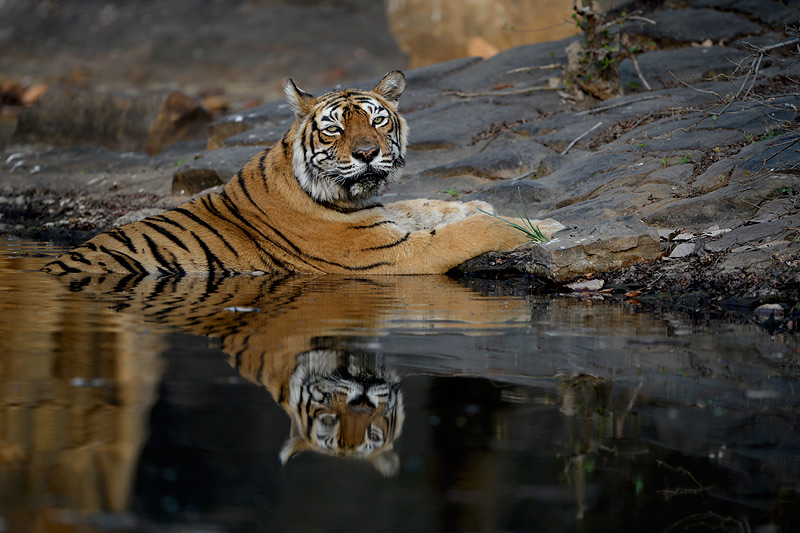
Protecting India’s Tigers Saves One Million Tonnes of CO2
#India’s fifty year long Project #Tiger has been a successful conservation project. A new research study finds that protecting tigers and their rainforest home has additional benefits to #carbonemissions, saving 1 million tonnes…
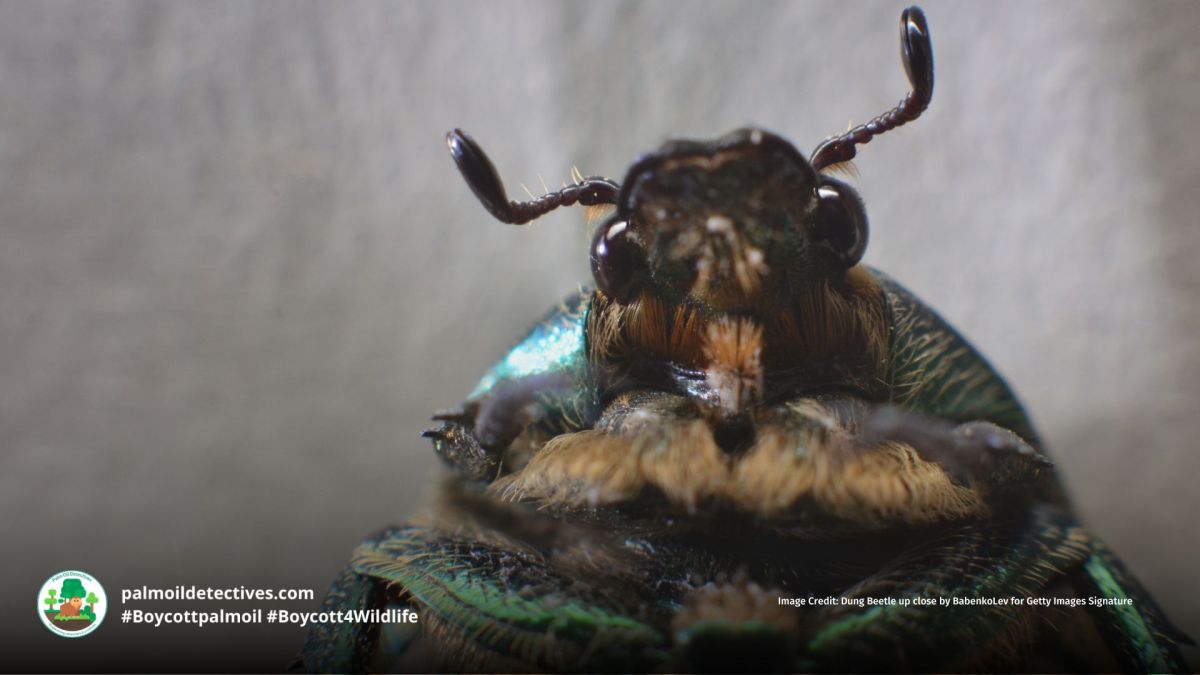
Dung Beetles Are Rainforests’ Diligent Regrowth Soldiers
The dung beetle may eat and nest in poop, but their role in nature is anything but humble. These hardshelled scarabs live on every continent except Antarctica, recycling feces and suppressing parasites that…
Protect Nature to Avoid Future Pandemics
Research from University of Queensland and published in The Lancet: Planetary Health finds that the COVID-19 pandemic is linked to the decline of ecosystems and biodiversity, creating a cycle that could lead to…
Food Without Agriculture
Researchers argue food can be made without destroying rainforests, using alternative energy sources like microbes, yeast and CO2, saving animals and emissions
Indigenous Farming: Science, Not Superstition
What does it mean when you encounter snakes slithering along paths or find a bird nest with eggs? For Indigenous peoples in Malaysia, these are tell-tale signs passed down by their ancestors discouraging…
Load more posts
Something went wrong. Please refresh the page and/or try again.
Take Action in Five Ways
1. Join the #Boycott4Wildlife on social media and subscribe to stay in the loop: Share posts from this website to your own network on Twitter, Mastadon, Instagram, Facebook and Youtube using the hashtags #Boycottpalmoil #Boycott4Wildlife.
Enter your email address
Sign Up
Join 3,521 other subscribers2. Contribute stories: Academics, conservationists, scientists, indigenous rights advocates and animal rights advocates working to expose the corruption of the palm oil industry or to save animals can contribute stories to the website.
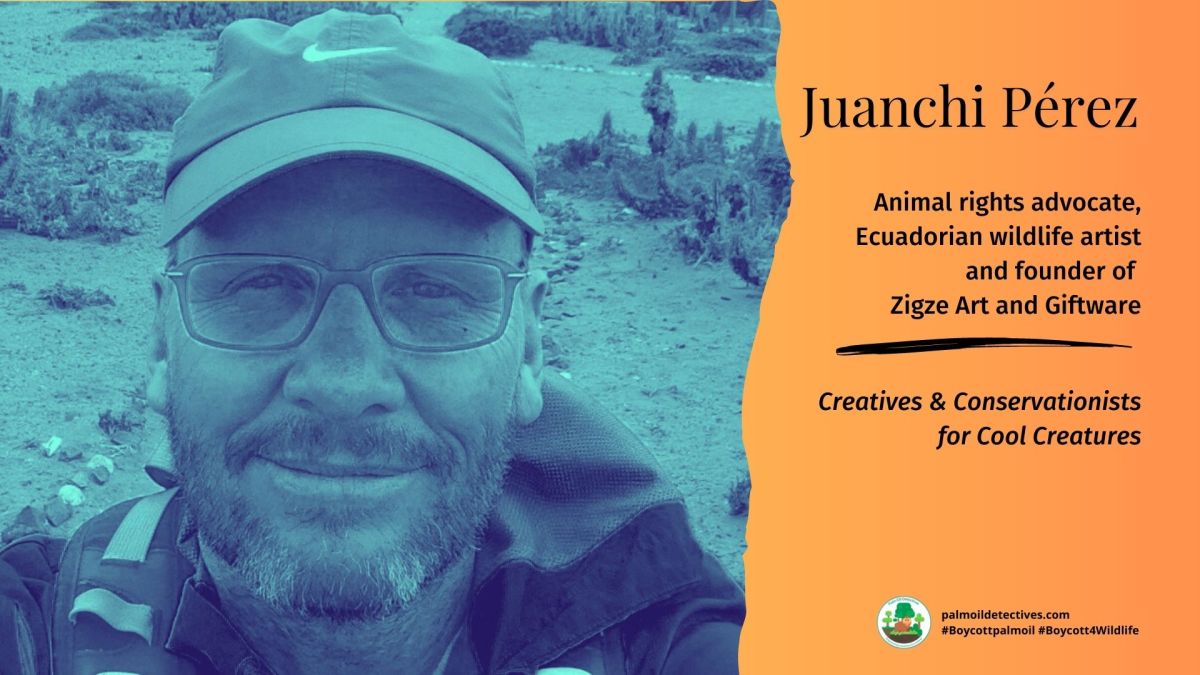
Wildlife Artist Juanchi Pérez
Mel Lumby: Dedicated Devotee to Borneo’s Living Beings
Anthropologist and Author Dr Sophie Chao
Health Physician Dr Evan Allen

The World’s Most Loved Cup: A Social, Ethical & Environmental History of Coffee by Aviary Doert

How do we stop the world’s ecosystems from going into a death spiral? A #SteadyState Economy
3. Supermarket sleuthing: Next time you’re in the supermarket, take photos of products containing palm oil. Share these to social media along with the hashtags to call out the greenwashing and ecocide of the brands who use palm oil. You can also take photos of palm oil free products and congratulate brands when they go palm oil free.
https://twitter.com/CuriousApe4/status/1526136783557529600?s=20
https://twitter.com/PhillDixon1/status/1749010345555788144?s=20
https://twitter.com/mugabe139/status/1678027567977078784?s=20
4. Take to the streets: Get in touch with Palm Oil Detectives to find out more.
5. Donate: Make a one-off or monthly donation to Palm Oil Detectives as a way of saying thank you and to help pay for ongoing running costs of the website and social media campaigns. Donate here
Pledge your support#Africa #agroecology #agroforestry #Boycott4wildlife #BoycottPalmOil #ClimateActionNow #climatechange #conservation #deforestation #environment #GenerationRestoration #land #mining #PalmOil #palmOilDeforestation #palmoil #ReasonsToBeHopeful
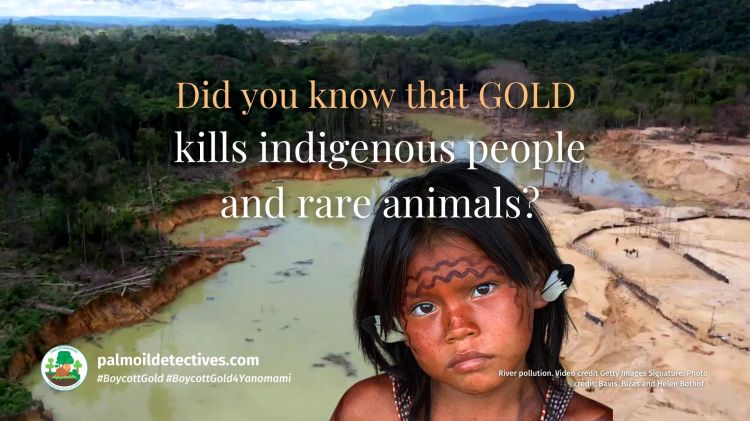
Did you know that gold kills indigenous people and rare animals?
Gold mining kills indigenous peoples throughout the world like the Yanomami people of Brazil and Papuans in West Papua. The bloody, violent and greedy landgrabbing that goes on for gold forces indigenous women and children into sex slavery! Mercury poisons the water, which kills people and puts 1000’s of species closer to extinction. To help indigenous peoples to fight for their ancestral lands and help endangered animals you should #BoycottGold #BoycottGold4Yanomami
#Gold #mining kills #indigenous peoples 🩸 forcing women and children into sex #slavery! Help #Yanomami people forced violently from their #rainforest homes for the #greed of gold! 🪙⛔️ #BoycottGold #BoycottGold4Yanomami 🫶🌳@BarbaraNavarro @palmoildetect https://wp.me/pcFhgU-8uY
Share to BlueSkyShare to TwitterDYK #Gold #mining 🥇🚫 is sending species like #Tapirs and #jaguars 🐅 towards #extinction? 😿It causes #ecocide and violently displaces #Yanomami of #Brazil and #Papuans of #WestPapa. Fight for them 🦥🌱 and #BoycottGold @BarbaraNavarro @palmoildetect https://wp.me/pcFhgU-8uY
Share to BlueSkyShare to Twitter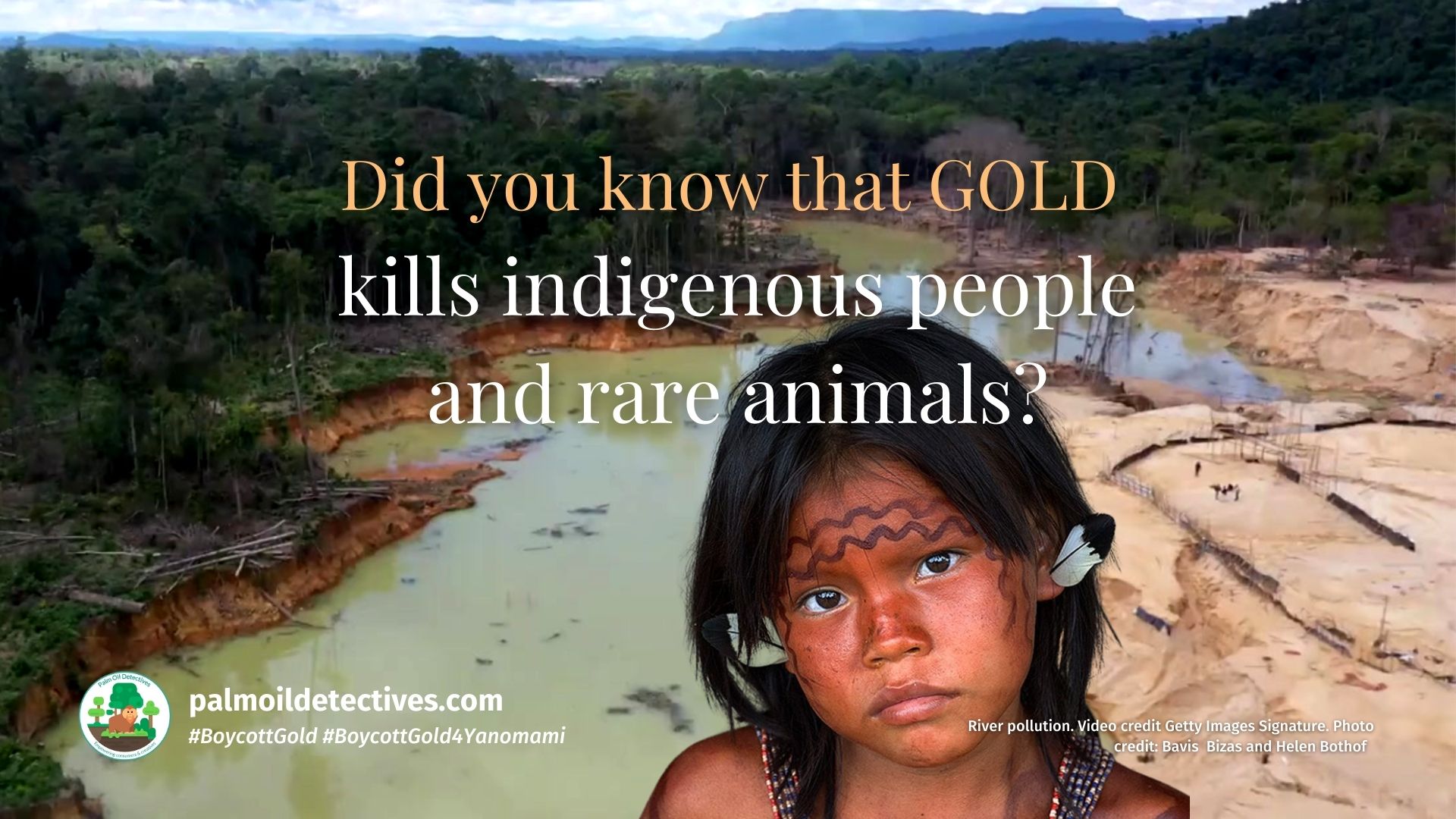

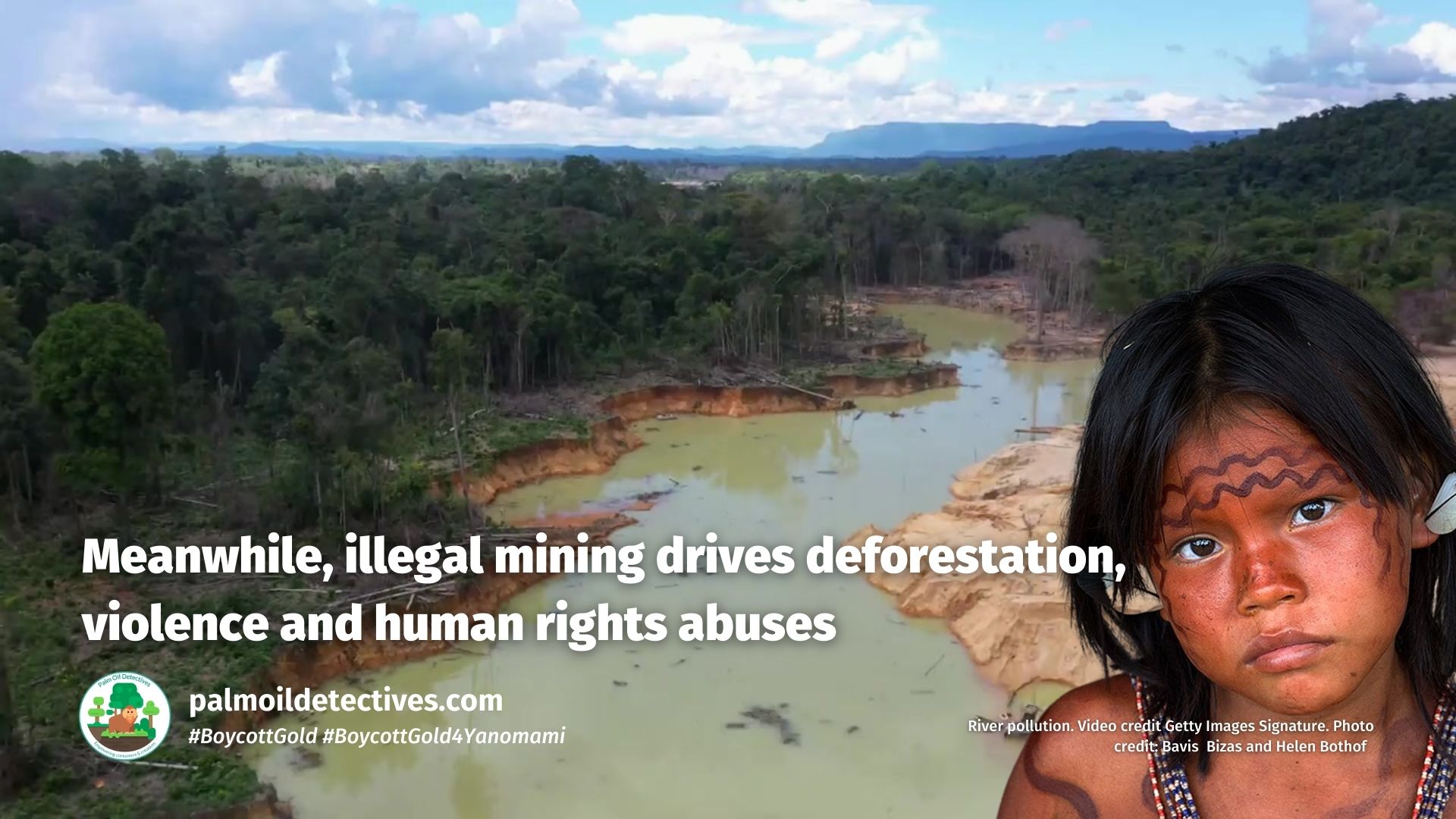
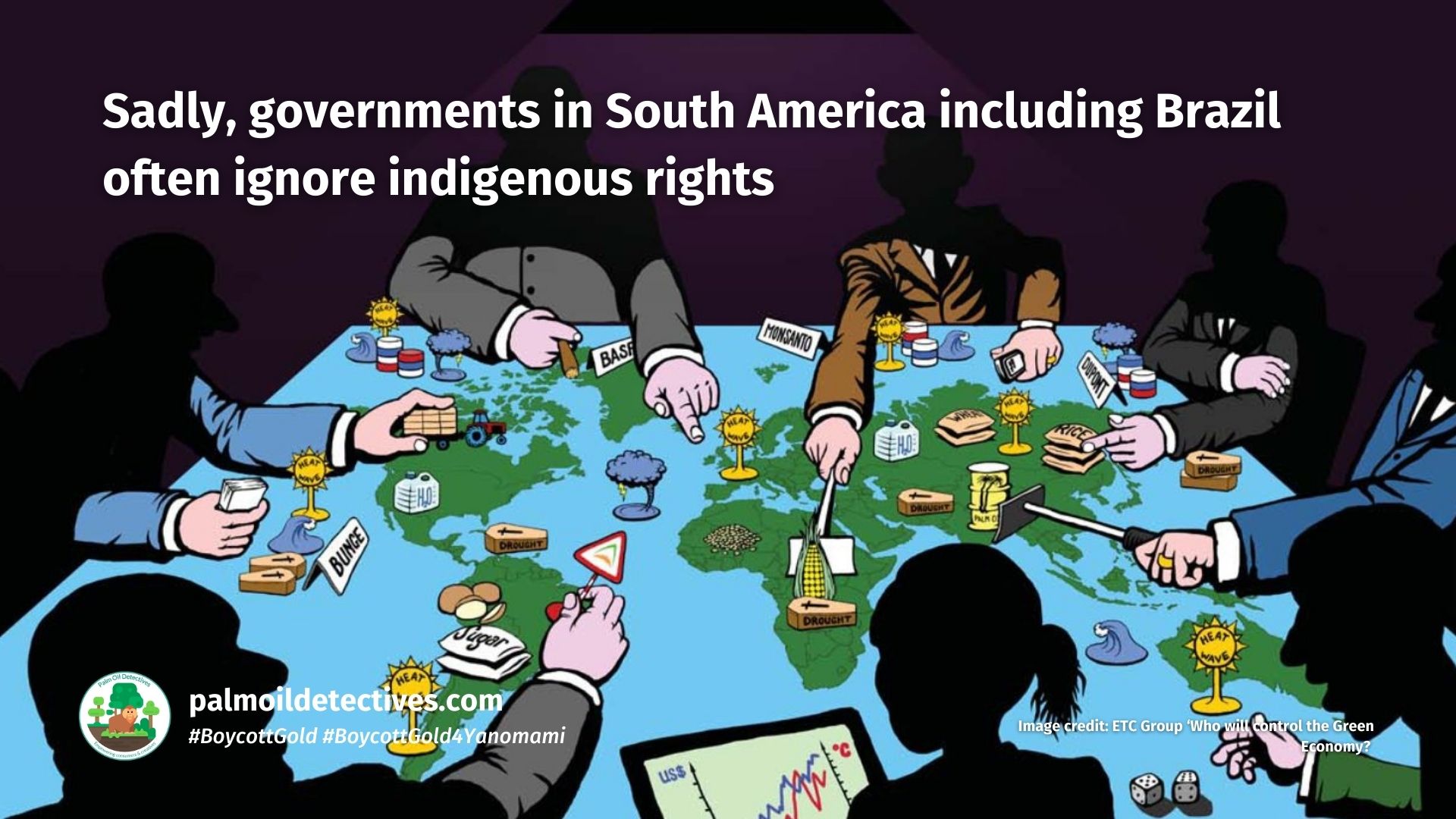


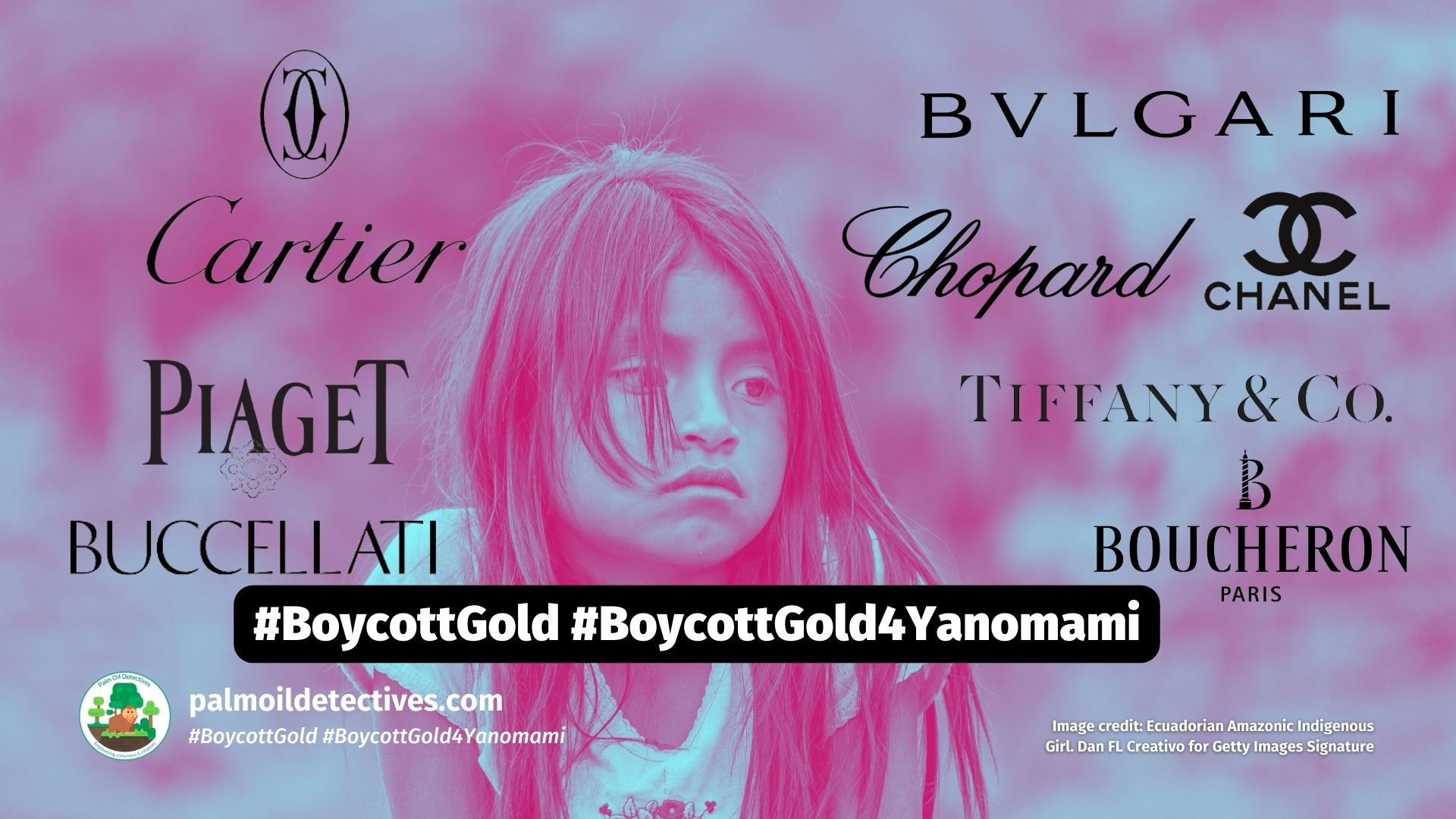
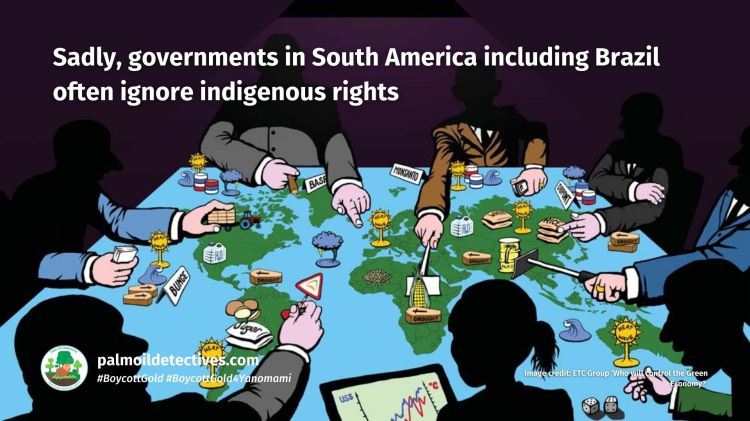
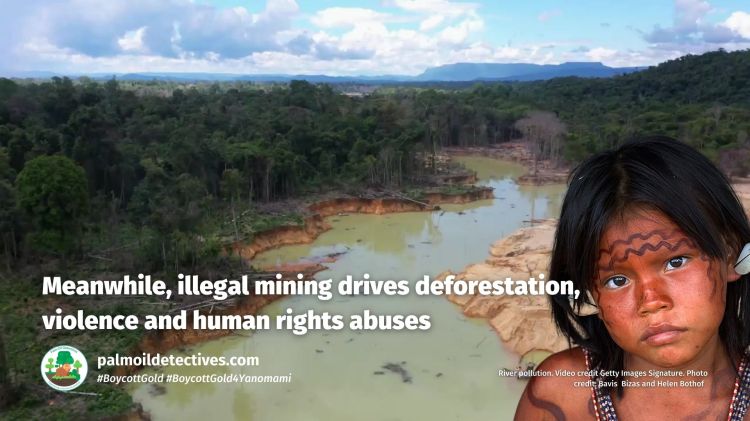
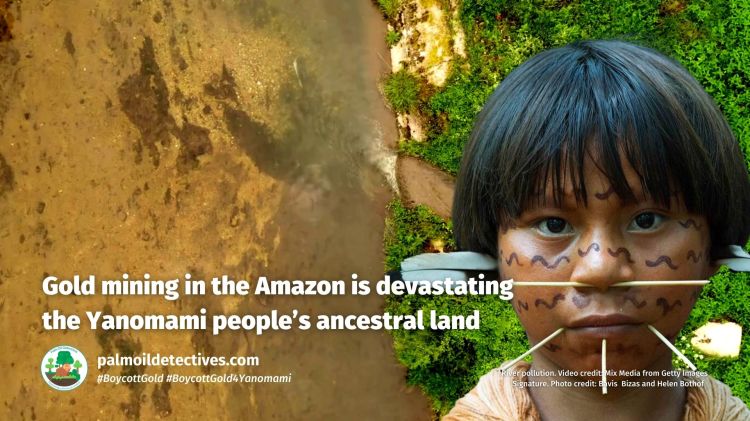
Gold mining in the Amazon devastates the Yanomami people’s ancestral land. Meanwhile, Illegal mining drives deforestation, violence, and human rights abuses. Sadly, successive governments in many South American countries, including Brazil, have failed to safeguard the rights of Indigenous peoples, turning a blind eye to the issue. A little known fact is that mercury used in gold extraction poisons ecosystems, wildlife, and people. Another horrifying fact is that indigenous women and children are often forced into sex slavery near mining sites. Major companies and criminals profit from this illegal trade, while the Yanomami suffer.
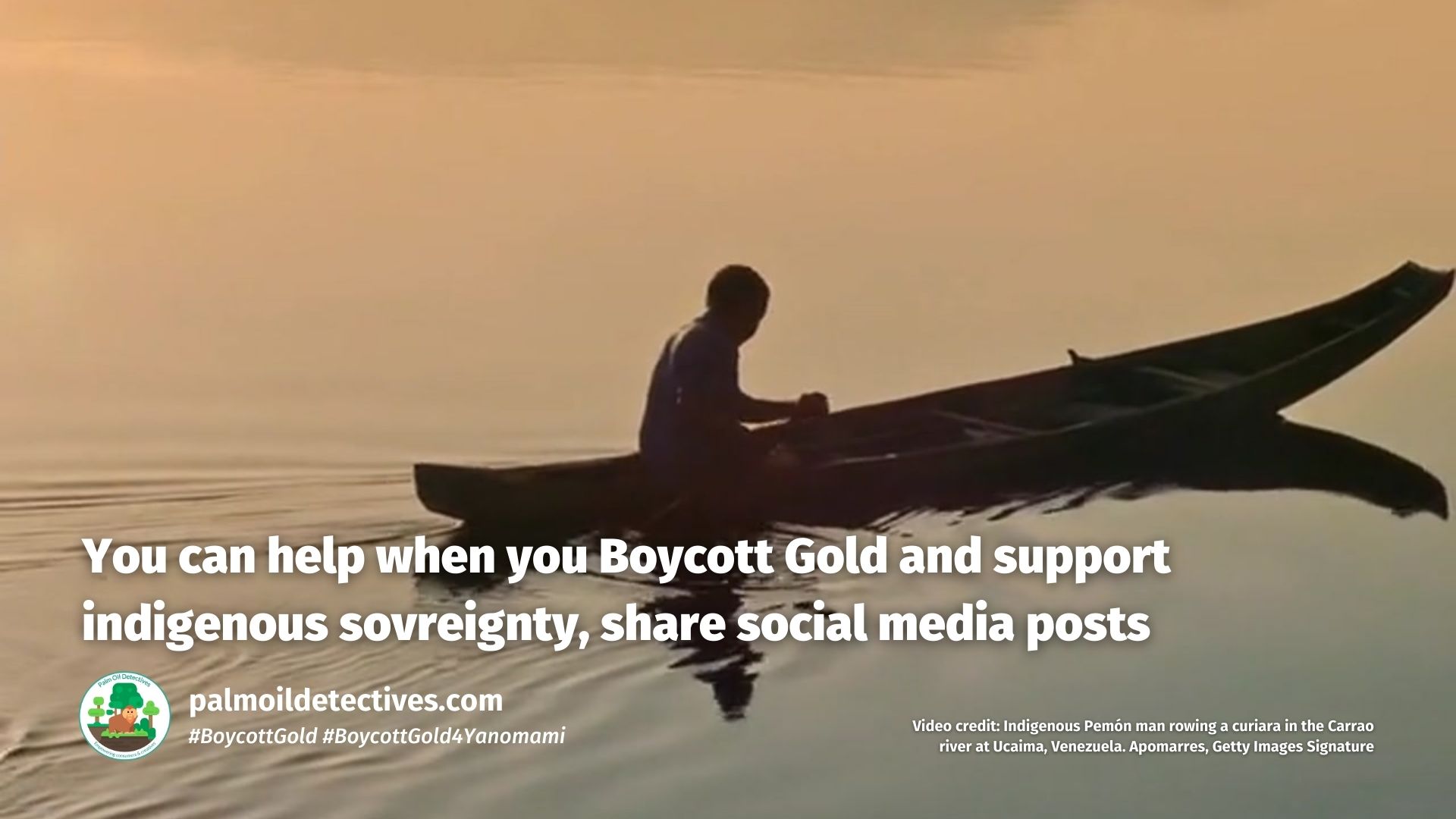
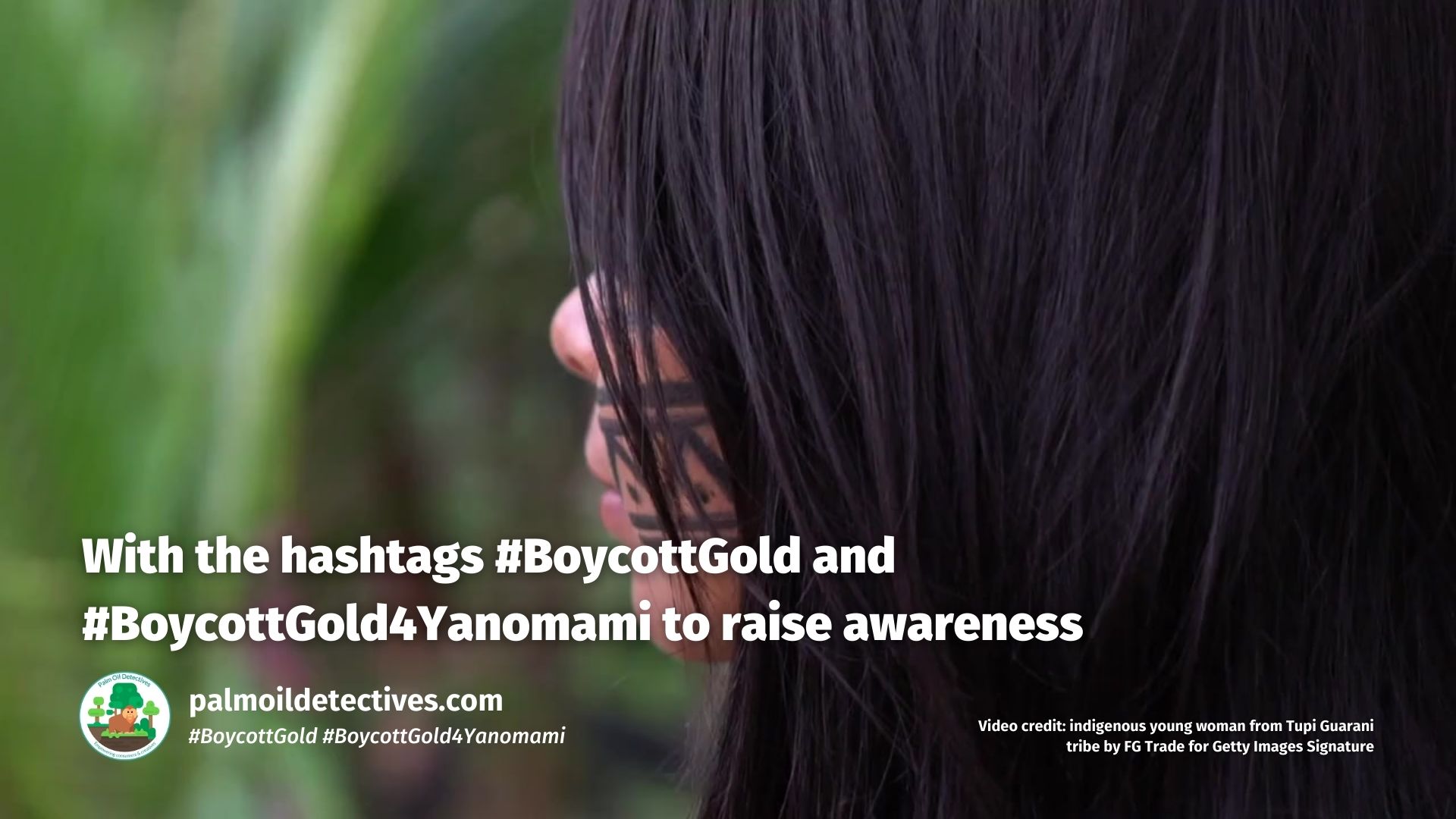
Gold mining also leads to the loss of biodiversity, disrupts traditional livelihoods, contaminates water sources, and contributes to climate change. You can help when you boycott gold and support Indigenous sovereignty. Share social media posts with the hashtags #BoycottGold and #BoycottGold4Yanomami and follow Barbara Crane Navarro to raise awareness.
ENDS
Read more about why you should boycott gold
Around 25% of Africa’s Land is Damaged: This is How We Fix It!
Almost 25% of all land in Africa has been damaged driven by climate change and deforestation for mining palm oil and cocoa. Take action and protect forests!
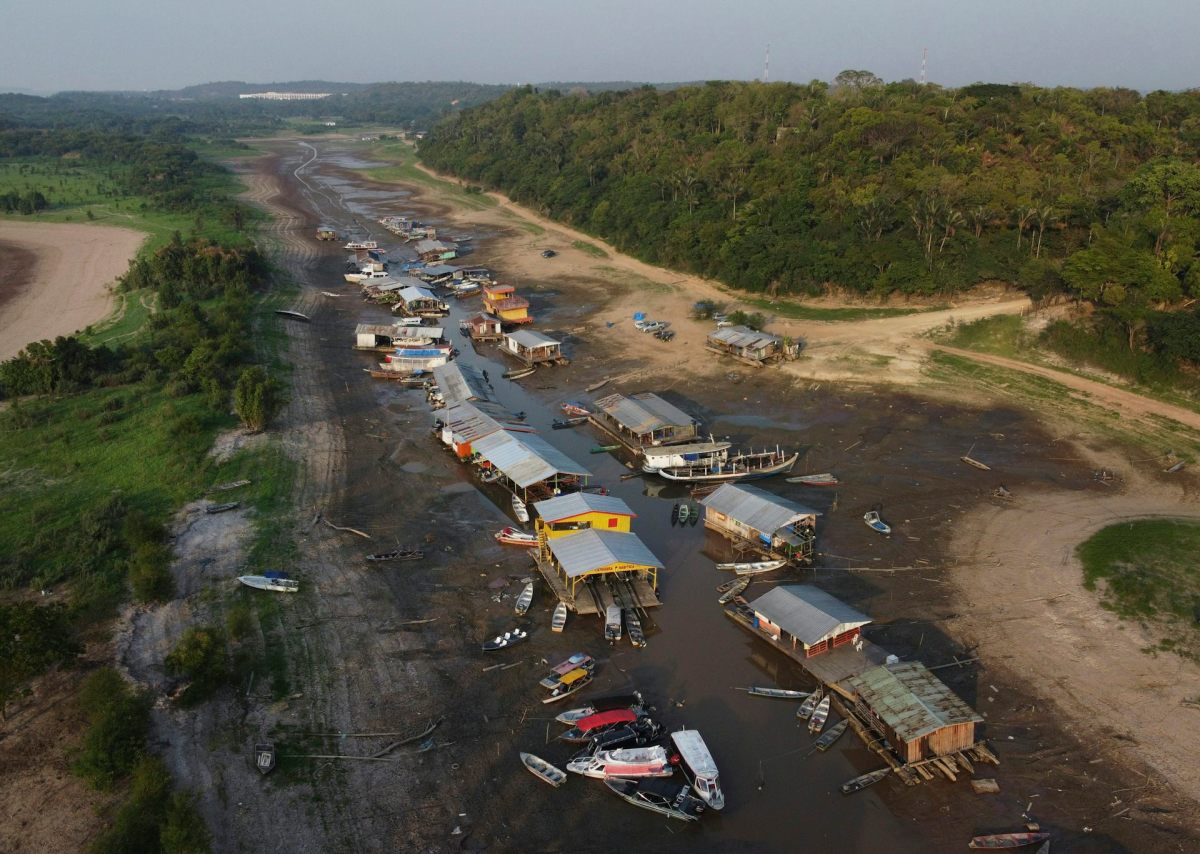
An Action Plan for Amazon Droughts: The Time is Now!
The fertile lungs of our planet, the Amazon jungle faces severe drought due to El Niño, climate change, and deforestation for agriculture like palm oil, soy and meat. This along with gold mining,…
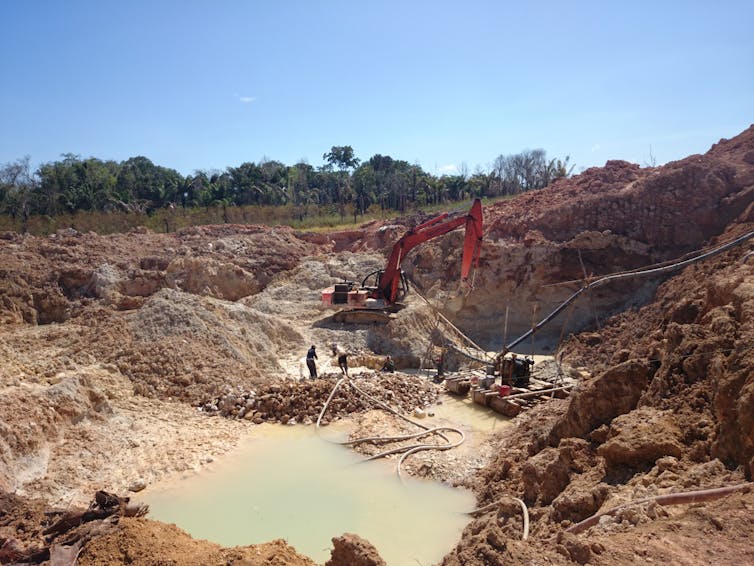
Indigenous Empowerment to Reverse Amazonia’s Mineral Demand
Illegal mining for minerals like gold is driving Amazonia deforestation. Empowering Indigenous peoples to care for biodiversity-rich areas is the key!
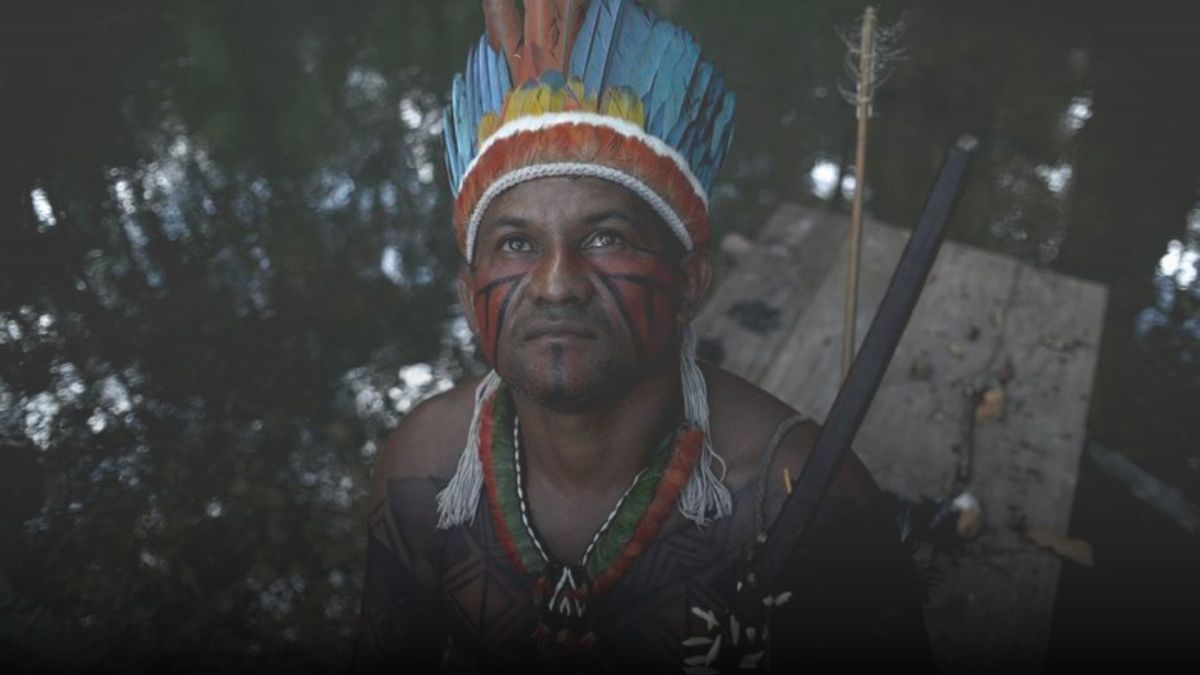
New Research: Indigenous Communities Reduce Amazon Deforestation by 83%”
Although #deforestation rates in the Brazilian #Amazon have halved, this globally critical biome is still losing more than 5,000km² every year. That’s an area three times larger than Greater London. By combining satellite…
Dung Beetles Are Rainforests’ Diligent Regrowth Soldiers
The dung beetle may eat and nest in poop, but their role in nature is anything but humble. These hardshelled scarabs live on every continent except Antarctica, recycling feces and suppressing parasites that…
Load more posts
Something went wrong. Please refresh the page and/or try again.
Take Action in Five Ways
1. Join the #Boycott4Wildlife on social media and subscribe to stay in the loop: Share posts from this website to your own network on Twitter, Mastadon, Instagram, Facebook and Youtube using the hashtags #Boycottpalmoil #Boycott4Wildlife.
Enter your email address
Sign Up
Join 3,172 other subscribers2. Contribute stories: Academics, conservationists, scientists, indigenous rights advocates and animal rights advocates working to expose the corruption of the palm oil industry or to save animals can contribute stories to the website.
Wildlife Artist Juanchi Pérez
Mel Lumby: Dedicated Devotee to Borneo’s Living Beings
Anthropologist and Author Dr Sophie Chao
Health Physician Dr Evan Allen
The World’s Most Loved Cup: A Social, Ethical & Environmental History of Coffee by Aviary Doert
How do we stop the world’s ecosystems from going into a death spiral? A #SteadyState Economy
3. Supermarket sleuthing: Next time you’re in the supermarket, take photos of products containing palm oil. Share these to social media along with the hashtags to call out the greenwashing and ecocide of the brands who use palm oil. You can also take photos of palm oil free products and congratulate brands when they go palm oil free.
https://twitter.com/CuriousApe4/status/1526136783557529600?s=20
https://twitter.com/PhillDixon1/status/1749010345555788144?s=20
https://twitter.com/mugabe139/status/1678027567977078784?s=20
4. Take to the streets: Get in touch with Palm Oil Detectives to find out more.
5. Donate: Make a one-off or monthly donation to Palm Oil Detectives as a way of saying thank you and to help pay for ongoing running costs of the website and social media campaigns. Donate here
Pledge your support#barbaraCraneNavarro #boycottGold #boycottgold #boycottgold4yanomami #brazil #childLabour #childSlavery #ecocide #extinction #gold #goldMining #greed #humanRights #indigenous #indigenousRights #jaguars #landRights #landgrabbing #mining #papuans #rainforest #slavery #tapirs #westpapa #yanomami
South America: Species Endangered by Palm Oil Deforestation