Johnson & Johnson
Global mega-brand Johnson & Johnson have issued a position statement on palm oil in 2020.
‘At Johnson & Johnson, we are committed to doing our part to address the unsustainable rate of global deforestation, particularly in precious rain forests.’
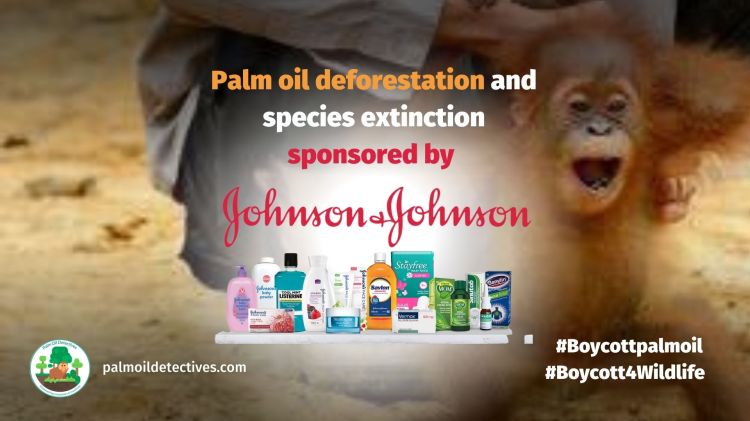
However, despite this virtue signalling, the brand’s supply chain continues to slash and burn forests and release mega-tonnes of carbon into the atmosphere, and killing hundreds of endangered species. Once these animals are gone – they are gone for good. See research on Johnson & Johnson’s palm oil sources.
JohnsonAndJohnson @JNJNews use “sustainable” #palmoil yet they continue with mass #deforestation #extinction 🦏🐘🦧 for #palmoil ☠️🌴🪔⛔️. Say no to their #greed and #greenwashing! When you shop #BoycottPalmOil #Boycott4Wildlife @palmoildetect https://palmoildetectives.com/2021/02/09/johnson-johnson/
Share to BlueSkyShare to TwitterDo u use JohnsonAndJohnson #soap and #cleaning products? “Sustainable” #palmoil they use is far from “clean”. It’s linked to #deforestation 🦏🐘🦧, all for a dirty ingredient nobody even wants! ☠️🌴🪔⛔️.#BoycottPalmOil #Boycott4Wildlife @palmoildetect https://palmoildetectives.com/2021/02/09/johnson-johnson/
Share to BlueSkyShare to TwitterView Johnson & Johnson’s recent palm oil deforestation
Data courtesy of Palm Watch, a multidisciplinary research initiative by the University of Chicago.
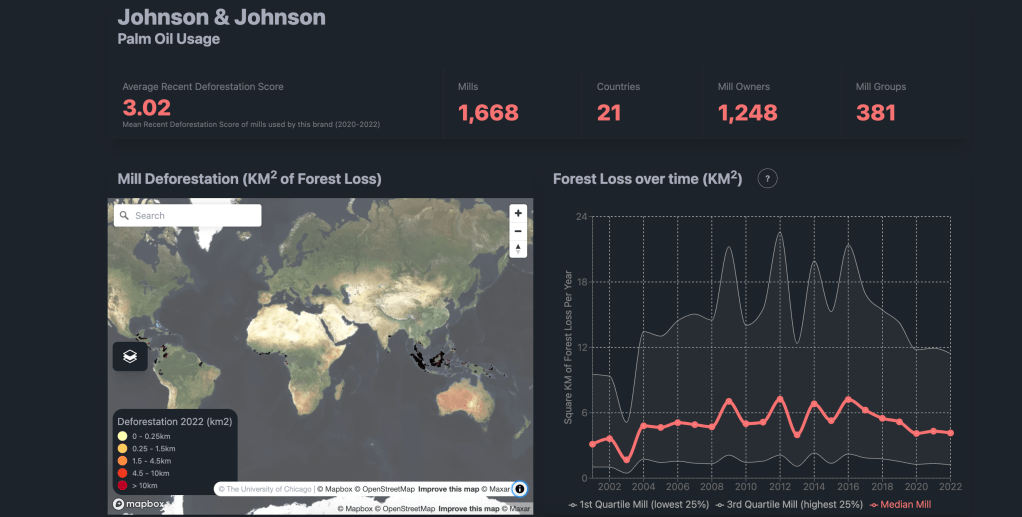 Look Up Johnson & Johnson on PalmWatch
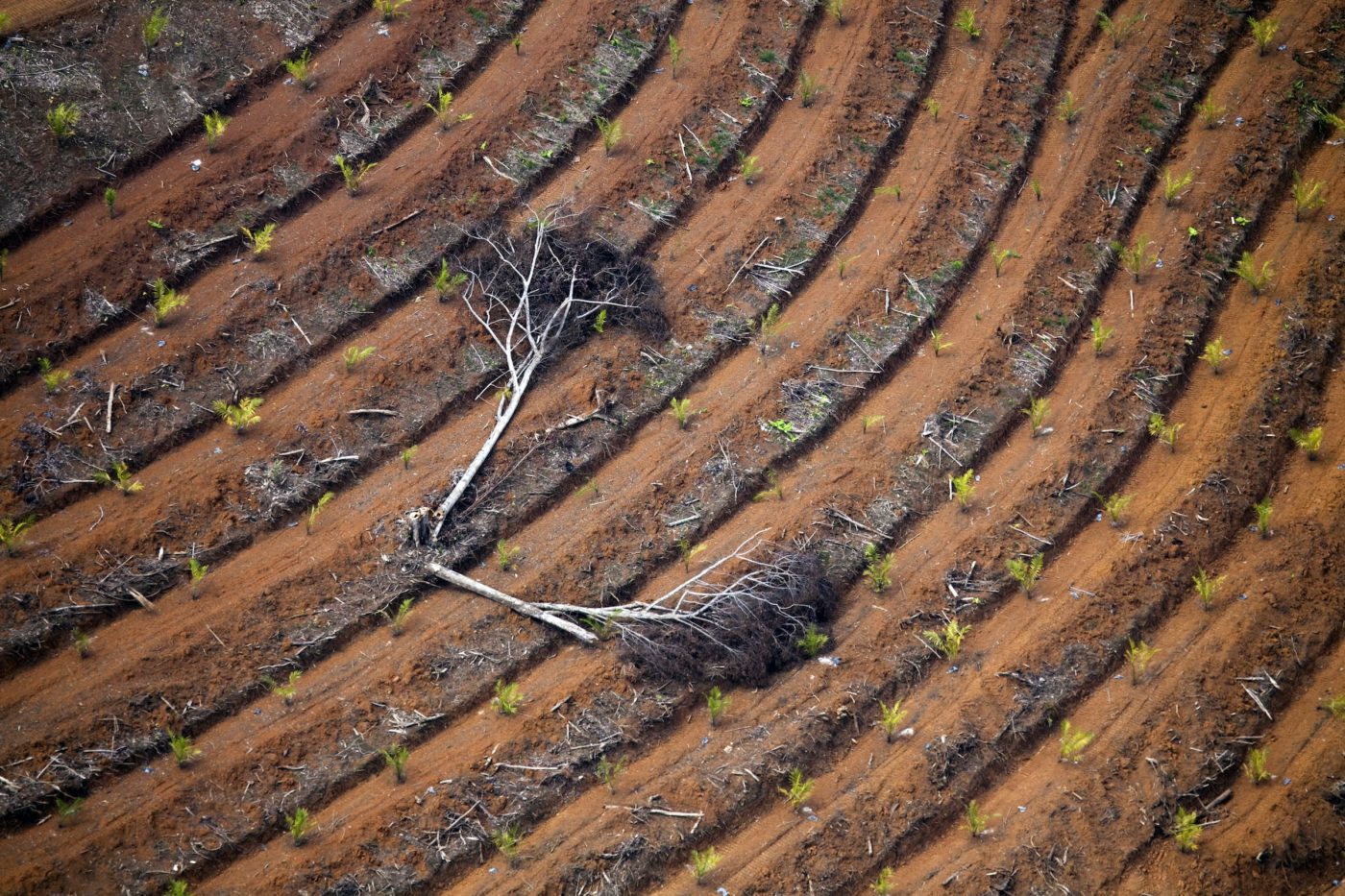
Johnson & Johnson makes claims of sustainability including a ‘promise’ to stop deforestation. Promises mean nothing – action is what matters.
Source: chain reaction research
Johnson & Johnson has a high ranking on the WWF Scorecard and an RSPO certification. However this high ranking is greenwashing and this mega-brand is purchasing huge amounts of palm oil from two mills that are responsible for deforestation: Peputra Group and Jhonlin.
Johnson & Johnson own a vast global stable of consumer health, personal care and pharmaceutical products….
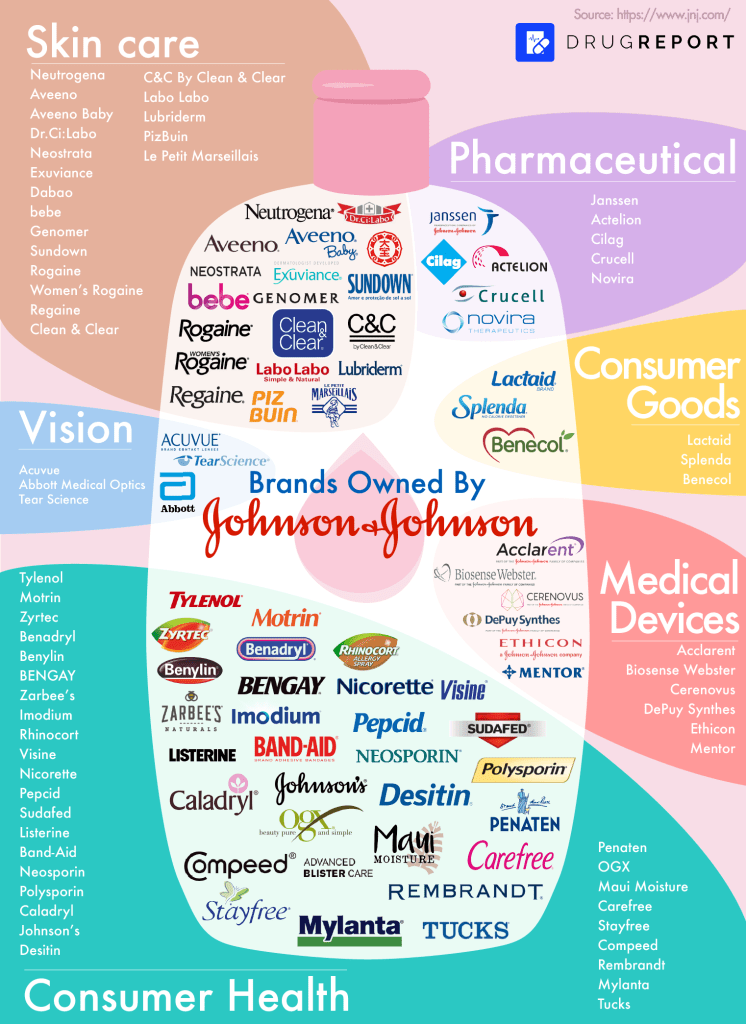 See more at Drug Report
Consumer health products
- Tylenol
- Motrin
- Zyrtec
- Benadryl
- Benylin
- BENGAY
- Zarbee’s
- Imodium
- Rhinocort
- Nicorette
- Pepcid
- Sudafed
- Listerine
- Band-Aid
- Neosporin
- Polysporin
- Caladryl
- Johnson’s (including Baby Powder)
- Desitin
- Penaten
- Maui Moisture
- Carefree
- Stayfree
- Compeed
- Rembrandt
- Mylanta
- Tucks
Medical devices
- Acclarent
- Biosense Webster
- Cerenovus
- DePuy Synthes
- Ethicon
- Mentor
Pharmaceutical subsidiaries
- Janssen
- Actelion
- Cilag
- Crucell
- Novira
Food Products
- Splenda
- Lactaid
- Benecol
Personal care and skincare
- Clean & Clear
- C&C By Clean & Clear
- OGX
- Neutrogena
- Aveeno
- Aveeno Baby
- Dr.Ci:Labo
- Neostrata
- Exuviance
- Dabao
- bebe
- Genomer
- Sundown
- Rogaine
- Women’s Rogaine
- Regaine
- Labo Labo
- Lubriderm
- PizBuin
- Le Petit Marseillais
Vision and optical
- Acuvue
- Abbott Medical Optics
- Tear Science
- Visine
More Information
The Chain: Repeat Offenders Continue to Clear Forests for Oil Palm in Southeast Asia
#Boycott4wildlife #BoycottPalmOil #brandMarketing #cleaning #deforestation #extinction #greed #greenwashing #healthProducts #JohnsonJohnson #PalmOil #palmoil #pharmaceutical #productMarketing #skincare #soapKelloggs/Kellanova
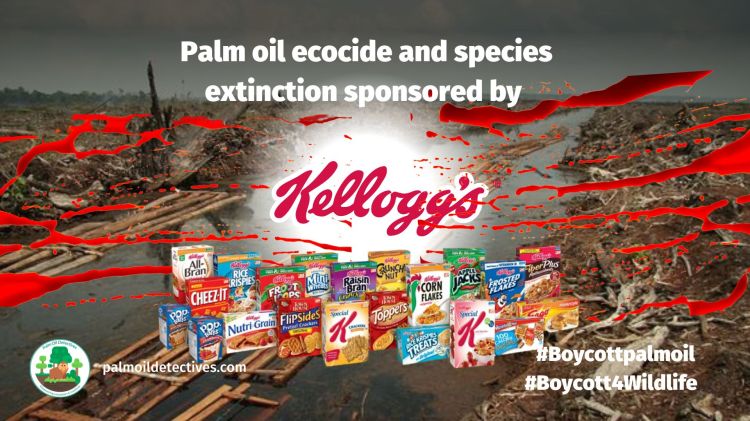
In late 2023, Kelloggs became Kellanova for their US arm. Savvy consumers have been pressuring Kelloggs for decades to cease using deforestation palm oil. Yet they actually haven’t stopped this. From their website:
‘All of the palm oil that is used in our products is sourced from a combination of the Roundtable of Sustainable Palm Oil (RSPO) Certified Segregated supply chain, RSPO Mass Balance mixed-source supply and the purchase of Green Palm certificates.’
Read more: Kelloggs website
This phrasing above means absolutely nothing. In reality, Kelloggs’ supply chain continues to slash and burn thousands of hectares of forests and release mega-tonnes of carbon into the atmosphere. Kellogg’s is therefore involved in the killing thousands of endangered species. Once these animals are gone – they are gone for good. See research on Kelloggs’s palm oil sources including a PDF of their palm oil mills.
View Kelloggs/Kellanova’s recent palm oil deforestation
Data courtesy of Palm Watch, a multidisciplinary research initiative by the University of Chicago.
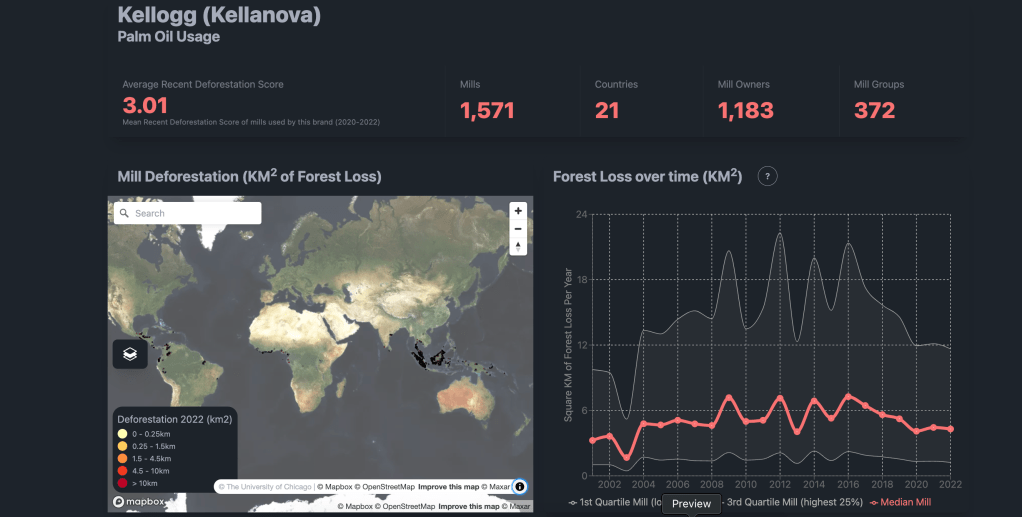 Look Up Kelloggs on PalmWatch
#Kelloggs/Kellanova uses so-called “sustainable” #palmoil yet still causes #deforestation and child slavery for #palmoil in their child-friendly #cereal 🥣 Fight back when you #Boycottpalmoil #Boycott4Wildlife @palmoildetect 🌴⛔️🧐🔥https://palmoildetectives.com/2021/02/09/kelloggs/
Share to BlueSkyShare to Twitter#Palmoil used by #Kelloggs’s brands is so-called “sustainable” yet it still causes #deforestation #ecocide #extinction and #indigenous landgrabbing. Fight back against the greenwash ☠️🧐🌴🤮⛔️ and #BoycottPalmOIl #Boycott4Wildlife @palmoildetect https://palmoildetectives.com/2021/02/09/kelloggs/
Share to BlueSkyShare to TwitterGlobal Witness October 2021 Report: Violence and death for palm oil connected to household supermarket brands (RSPO members)
“One palm oil firm, Rimbunan Hijau, [Papua New Guinea] negligently ignored repeated and avoidable worker deaths and injuries on palm oil plantations, with at least 11 workers and the child of one worker losing their lives over an eight-year period.
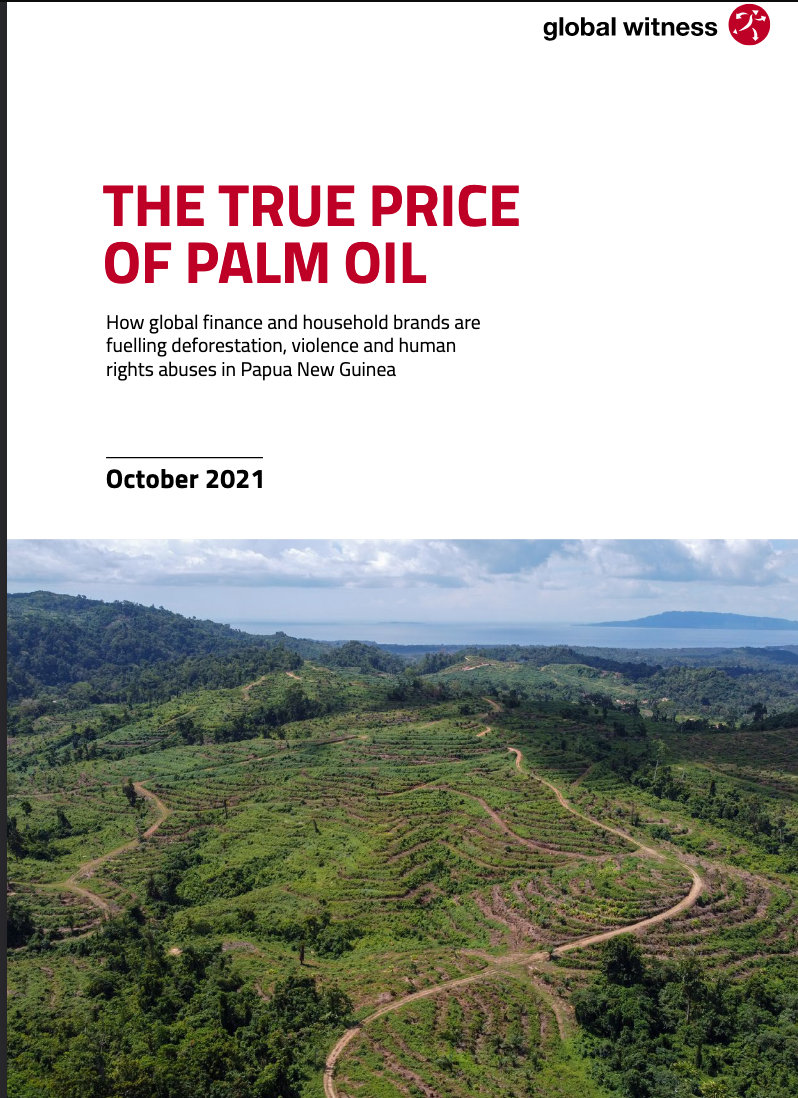
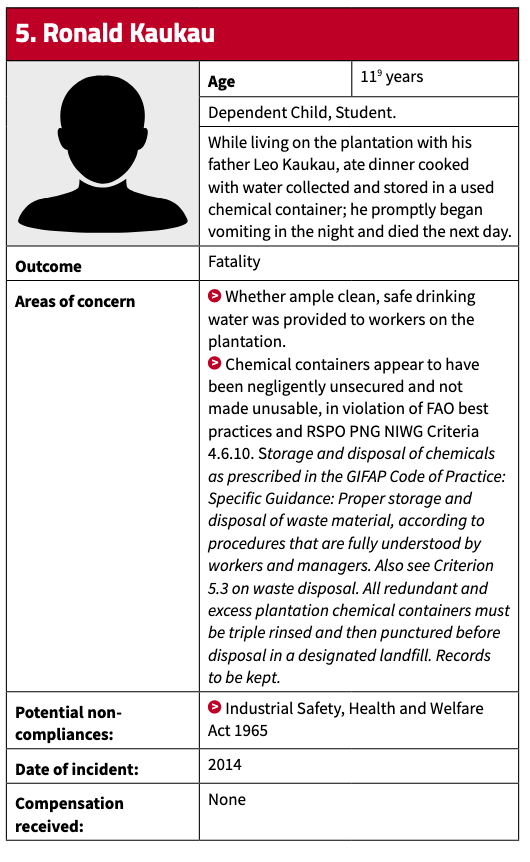
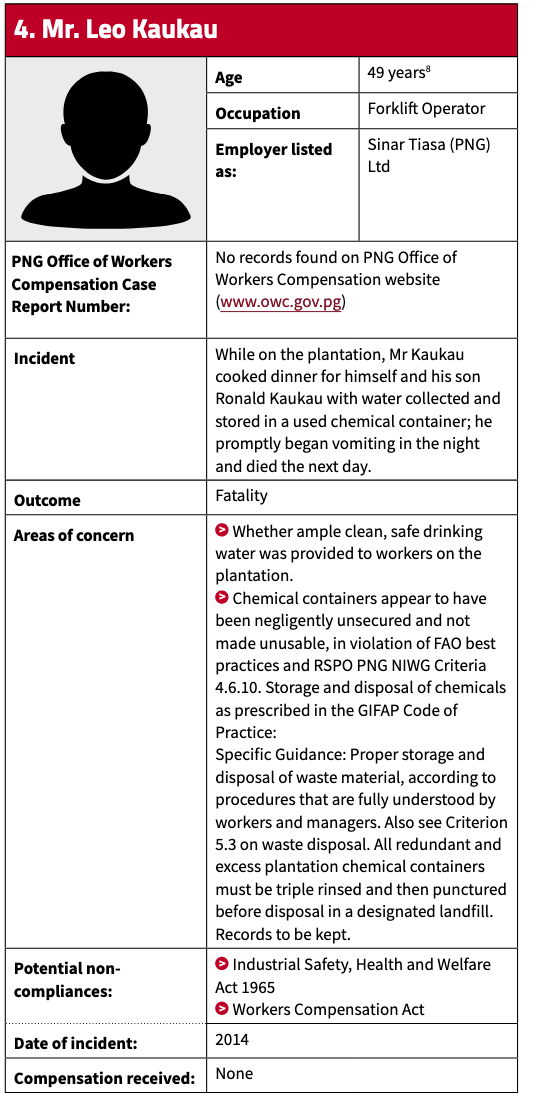

“Tainted palm oil from Papua New Guinea plantations was sold to household name brands, all of them RSPO members including Kellogg’s, Nestlé, Colgate, Danone, Hershey’s and PZ Cussons and Reckitt Benckiser”
Read report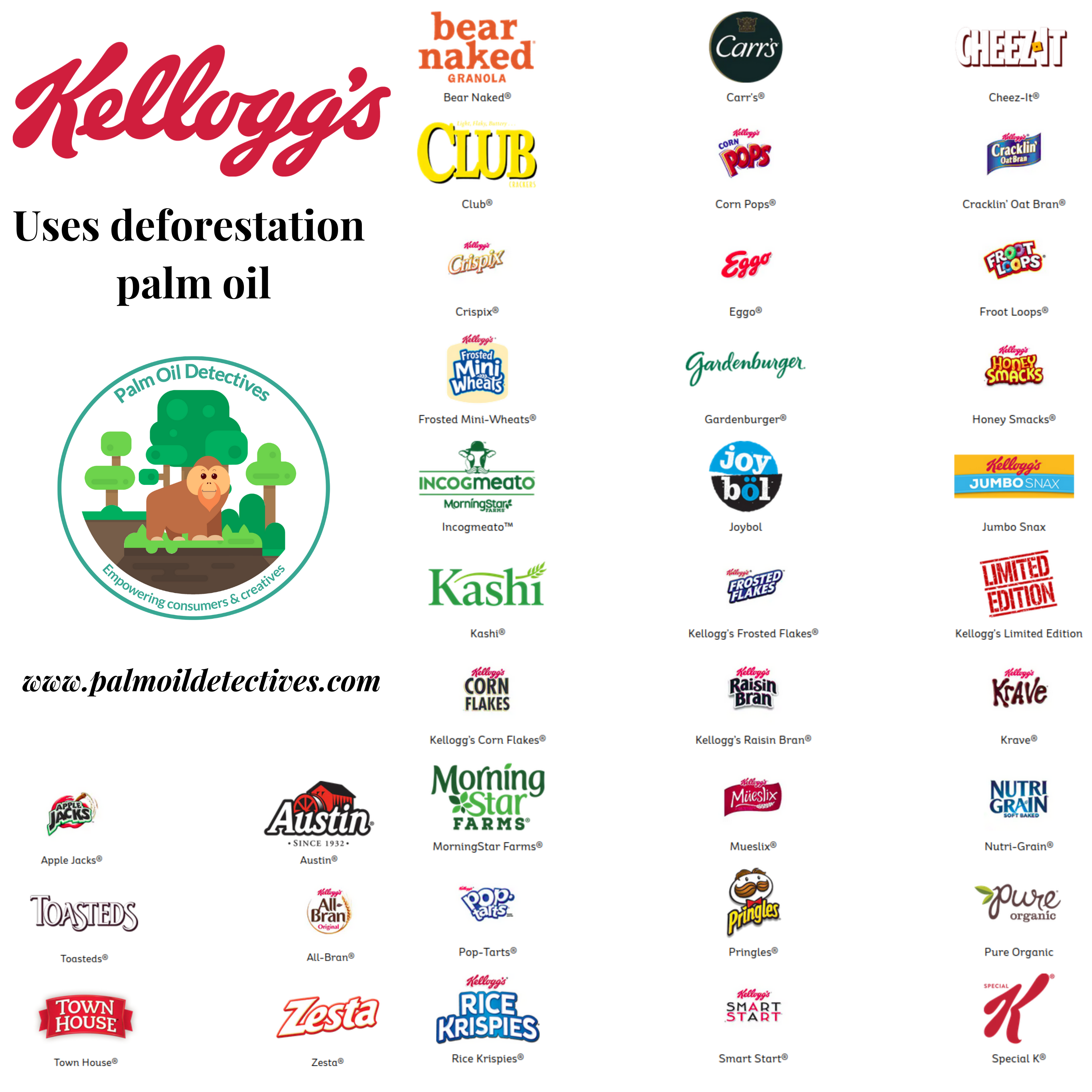
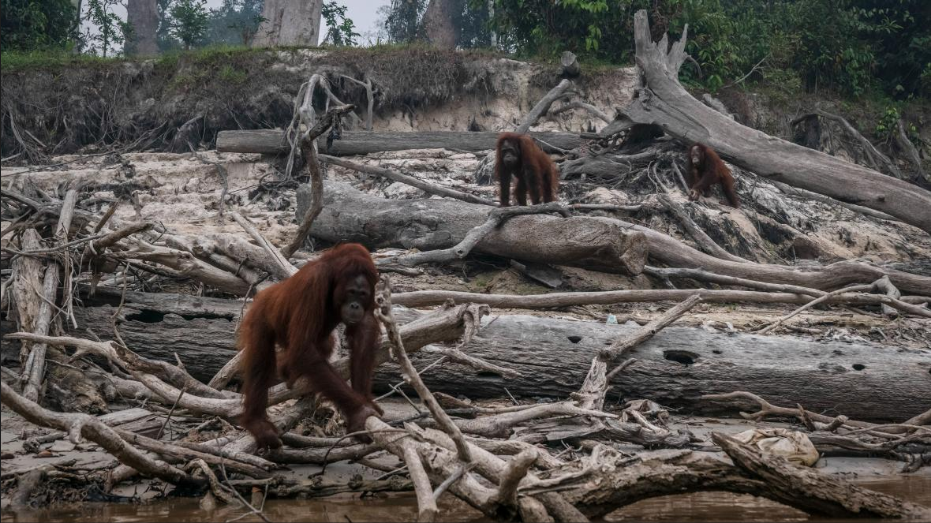
Kelloggs makes claims of sustainability for palm oil on their website. However these claims do not match what is happening on the ground. This is pure greenwashing.
Source: chain reaction research
The brand has a high ranking on the WWF Scorecard and has an RSPO certification. However this high ranking is greenwashing and this mega-brand is purchasing huge amounts of palm oil from four mills that are responsible for 44% of all deforestation: Jhonlin, Mulia Sawit, Tunas Baru Lampung and Peputra Group
Palm Oil Detectives thinks it is wise to boycott all Kelloggs sub-brands until it has been independently verified that they have stopped 100% of their deforestation activities throughout the world.

Sign a petition telling Kelloggs to stop deforestation!
Sign petitionKelloggs own a vast global empire of cereal and food brands…
The most updated list of their stable of brands from their website includes:
All-Bran®
Apple Jacks®
Austin®
Bear Naked®
Carr’s®
Cheez-It®
Club®
Corn Pops®
Cracklin’ Oat Bran®
Crispix®
Eggo®
Froot Loops®
Frosted Mini-Wheats®
Gardenburger®
Honey Smacks®
Incogmeato™
Joybol
Jumbo Snax
Kashi®
Kellogg’s Frosted Flakes®
Kellogg’s Limited Edition
Kellogg’s Corn Flakes®
Kellogg’s Raisin Bran®
Krave®
MorningStar Farms®
Mueslix®
Nutri-Grain®
Pop-Tarts®
Pringles®
Pure Organic
Rice Krispies®
Smart Start®
Special K®
Toasteds®
Town House®
Zesta®
More Information
The Chain: Repeat Offenders Continue to Clear Forests for Oil Palm in Southeast Asia
Research: Palm Oil deforestation and its connection to retail brands
#Boycott4wildlife #BoycottPalmOil #brandMarketing #breakfastFoods #cereal #Cereals #deforestation #ecocide #extinction #Fightgreenwashing #illegal #indigenous #Kelloggs #landgrabbing #PalmOil #palmoil #productMarketing #snackFoods #supplyChainFour Things to Know about Cholesterol
Cholesterol is among the most feared substances, but why? You need cholesterol to produce some hormones and to build vital structures in your body. But too much-referred to as high cholesterol-can build up in your arteries and lead to heart attack, stroke, and other cardiovascular diseases.
That’s why it’s important to get tested and know your cholesterol numbers; they show how much cholesterol is circulating in your blood.
We asked Sonia Tolani, MD, an expert in cardiovascular disease and cholesterol management, to explain the good and the bad about cholesterol, and how to have healthy levels. To start, she says, “Know your cholesterol numbers and keep them in check. You are in control. Maintaining normal cholesterol levels significantly reduces your risk of heart attack and stroke.”
A. Prof Sonia Tolani from @whccolumbia talks about why consuming #palmoil #meat and convenience foods may put you at risk of a #heartattack 🫀🫁 or #stroke. For your #health you should #Boycottpalmoil, go #vegan 🥕🥦 #Boycott4Wildlife @palmoildetect https://palmoildetectives.com/2022/10/19/four-things-to-know-about-cholesterol/
Share to BlueSkyShare to TwitterThis is a media release from Columbia University Irving Medical Center republished under Creative Commons licence, written by A. Prof Sonia Tolani, MD.
What is cholesterol?
Cholesterol is a substance that circulates in your blood. Your liver produces most of the cholesterol in your body. Other cholesterol enters your body through food.
The two most important types of cholesterol:
- LDL (low-density lipoprotein)
- This is the bad one; your target number depends on your risk for heart disease. Most people should aim for an LDL below 100, but those with diabetes or who have cardiovascular disease should aim for lower, below 70.
- HDL (high-density lipoprotein)
- This is the good one. For women, a good level is above 60; for men, it’s above 40.
Too much LDL, or too little HDL, increases health risk.
Where does cholesterol come from?
Your liver and cells in your body produce about 80% of the cholesterol in your blood. Food brings in the other 20%. Food that’s high in trans and saturated fats contributes to bad levels of cholesterol (not food that’s high in cholesterol, as once was thought). Bad means bad for your health.
When you take in more cholesterol, your liver reduces its cholesterol production and removes the excess. But some people’s livers don’t do this well, because of their genes.
Trans and saturated fats
Trans fats are primarily artificial (created by adding hydrogen to vegetable oil to make it more solid) but some occur naturally in animal products. The Food and Drug Administration banned trans fats in the United States in 2018, with the final allowable manufacturing date of Jan. 1, 2021. But some processed and packaged food may still have trans fat because of how it is processed.
Packaged food includes:
- Biscuits
- Cookies
- Crackers
- Frosting
- Microwave popcorn
- Pie crusts
- Pizza
- Vegetable shortening and oil
Look at the nutrition facts panel on packaged food to see how many trans fats it contains.
In addition to increasing heart disease and stroke risk, consuming trans fats increases risk of type 2 diabetes. The American Heart Association recommends that most people reduce or eliminate consumption of trans fats.
Saturated fats occur naturally in many foods, such as animal-based and tropical oils, including:
- Beef
- Butter, cheese, cream
- Coconut
- Lamb
- Lard
- Pork
- Poultry, especially with skin
- Palm oil
Research shows that not all saturated fats are bad to eat. The American Heart Association recommends that most people limit daily consumption of saturated fats to 13 grams per day.
Know your numbers
How much cholesterol do you have?
The amount of cholesterol you have depends on genetics, diet, age, activity, assigned sex at birth, and other factors.
Where, when, and how do I get a cholesterol test?
According to the Centers for Disease Control and Prevention:
- Healthy adults should have their cholesterol checked every four to six years.
- Children should have their cholesterol checked at least once between ages 9 and 11 and again between ages 17 and 21.
- People with family history of heart disease should get their cholesterol checked more often.
Ask your doctor about the lipid panel blood test.
Keep cholesterol levels in check (low!)
- Eat a low saturated fat diet, like the Mediterranean-style diet.
- Exercise regularly (30 minutes of moderate exercise five days a week of moderate exercise or 75 minutes of vigorous exercise a week).
- Maintain a healthy weight.
In addition, due to genetic factors, some people need medications to keep their cholesterol in check. Talk to your doctor about your known risk factors.
High cholesterol is one of the major risk factors for cardiovascular diseases that you can control with healthy eating and/or medication. The first step is knowing your cholesterol numbers.
This is a media release from Columbia University Irving Medical Center republished under Creative Commons licence written by A. Prof Sonia Tolani, MD, assistant professor of medicine at Columbia University’s Vagelos College of Physicians and Surgeons and co-director of the Columbia Women’s Heart Center. She is an expert in consultative cardiology, preventive medicine, and women’s heart disease, including the treatment of gestational hypertension and preeclampsia. See original media release.
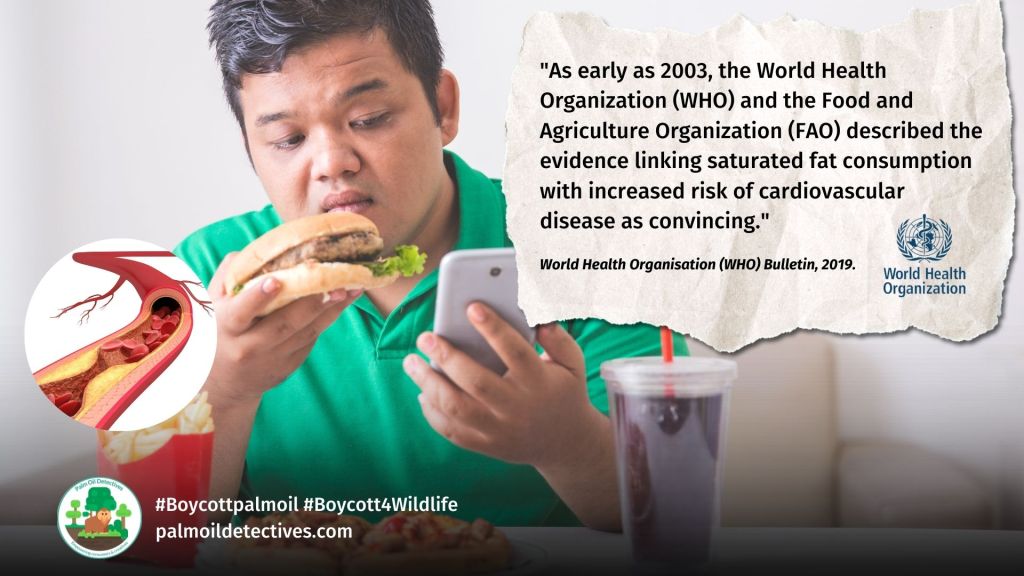
A 2019 World Health Organisation (WHO) report into the palm oil industry found that palm oil has severe impacts on cardiovascular health
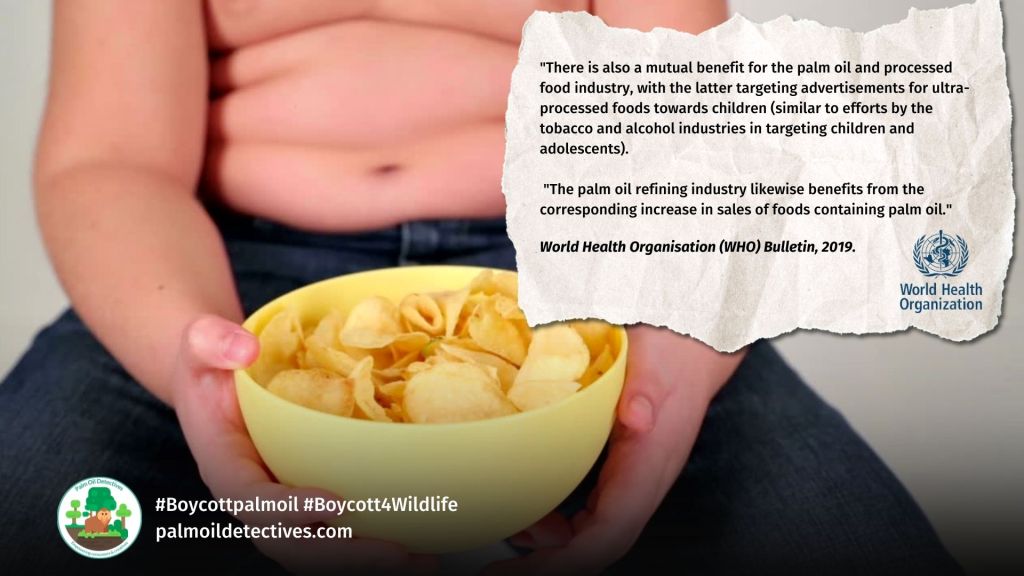
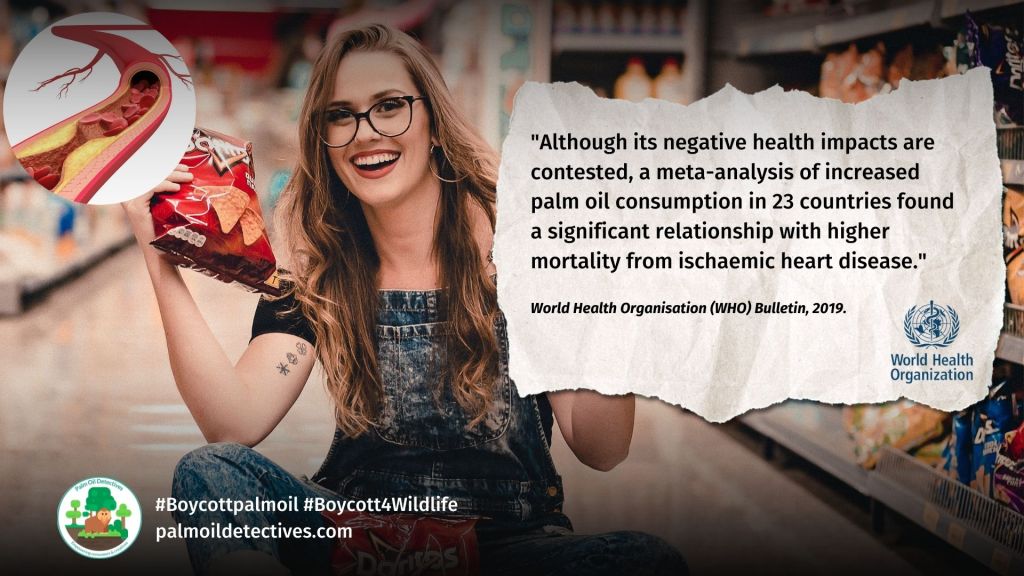 Read report
Here are some other ways you can help by using your wallet as a weapon and joining the #Boycott4Wildlife

What is greenwashing?
Why join the #Boycott4Wildlife?
Greenwashing Tactic #4: Fake Labels

The Counterpunch: Consumer Solutions To Fight Extinction
Contribute to my Ko-Fi
Did you enjoy visiting this website?

Palm Oil Detectives is 100% self-funded
Palm Oil Detectives is completely self-funded by its creator. All hosting and website fees and investigations into brands are self-funded by the creator of this online movement. If you like what I am doing, you and would like me to help meet costs, please send Palm Oil Detectives a thanks on Ko-Fi.
Say thanks on Ko-Fi
Contribute to my Ko-Fi
Did you enjoy visiting this website?
Palm Oil Detectives is 100% self-funded
Palm Oil Detectives is completely self-funded by its creator. All hosting and website fees and investigations into brands are self-funded by the creator of this online movement. If you like what I am doing, you and would like me to help meet costs, please send Palm Oil Detectives a thanks on Ko-Fi.
Say thanks on Ko-Fi#Boycott4wildlife #BoycottPalmOil #cardiovascularHealth #cholesterol #diet #health #heartHealth #heartattack #humanHealth #meat #nutrition #PalmOil #palmOilAndHealth #palmoil #plantBasedDiet #research #stroke #vegan #veganism
Unsupported type or deleted object
Dwindling tropical rainforests mean lost medicines yet to be discovered in their plants
About 80% of the world population relies on compounds derived from plants for medicines to treat various ailments, such as malaria and cancer, and to suppress pain. Our future medicines are likely to come from plants, but how effectively are we protecting these plants from extinction? We aren’t doing enough and we must do more!
#Medicine 💊 humans need for our future survival will likely come from #rainforests 🍃🌳 Yet we aren’t stopping #deforestation! Help forests and forest animals! Be #vegan 🥦🍆🥑 and #Boycottpalmoil #Boycott4Wildlife 🌴🪔☠️🔥🧐⛔️ @palmoildetect https://palmoildetectives.com/2023/04/23/dwindling-tropical-rainforests-mean-lost-medicines-yet-to-be-discovered-in-their-plants/
Share to BlueSkyShare to Twitter80% of the world’s population relies on #medicines 💊from #rainforests. As greedy companies destroy #Borneo, the #Congo and the #Amazon, the world edges ever closer to losing medicines forever! #Boycottpalmoil 🌴💀🚫 #Boycott4Wildlife @palmoildetect https://palmoildetectives.com/2023/04/23/dwindling-tropical-rainforests-mean-lost-medicines-yet-to-be-discovered-in-their-plants/
Share to BlueSkyShare to TwitterWritten by Walter Suza, Adjunct Assistant Professor of Agronomy, Iowa State University. This article is republished from The Conversation under a Creative Commons license. Read the original article.
Walter Suza, Iowa State University
As fires continue to burn in the Amazon and land is cleared for agriculture, most of the concerns have focused on the drop in global oxygen production if swaths of the forests disappear. But I’m also worried about the loss of potential medicines that are plentiful in forests and have not yet been discovered. Plants and humans also share many genes, so it may be possible to test various medicines in plants, providing a new strategy for drug testing.
As a plant physiologist, I am interested in plant biodiversity because of the potential to develop more resilient and nutritious crops. I am also interested in plant biodiversity because of its contribution to human health. About 80% of the world population relies on compounds derived from plants for medicines to treat various ailments, such as malaria and cancer, and to suppress pain.
Future medicines may come from plants
One of the greatest challenges in fighting diseases is the emergence of drug resistance that renders treatment ineffective. Physicians have observed drug resistance in the fight against malaria, cancer, tuberculosis and fungal infections. It is likely that drug resistance will emerge with other diseases, forcing researchers to find new medicines.
Plants are a rich source of new and diverse compounds that may prove to have medicinal properties or serve as building blocks for new drugs. And, as tropical rainforests are the largest reservoir of diverse species of plants, preserving biodiversity in tropical forests is important to ensure the supply of medicines of the future.
Plants and new cholesterol-lowering medicines
The goal of my own research is to understand how plants control the production of biochemical compounds called sterols. Humans produce one sterol, called cholesterol, which has functions including formation of testosterone and progesterone – hormones essential for normal body function. By contrast, plants produce a diverse array of sterols, including sitosterol, stigmasterol, campesterol, and cholesterol. These sterols are used for plant growth and defense against stress but also serve as precursors to medicinal compounds such as those found in the Indian Ayurvedic medicinal plant, ashwagandha.
Humans produce cholesterol through a string of genes, and some of these genes produce proteins that are the target of medicines for treating high cholesterol. Plants also use this collection of genes to make their sterols. In fact, the sterol production systems in plants and humans are so similar that medicines used to treat high cholesterol in people also block sterol production in plant cells.
I am fascinated by the similarities between how humans and plants manufacture sterols, because identifying new medicines that block sterol production in plants might lead to medicines to treat high cholesterol in humans.
New medicines for chronic and pandemic diseases
An example of a gene with medical implications that is present in both plants and humans is NPC1, which controls the transport of cholesterol. However, the protein made by the NPC1 gene is also the doorway through which the Ebola virus infects cells. Since plants contain NPC1 genes, they represent potential systems for developing and testing new medicines to block Ebola.
This will involve identifying new chemical compounds that interfere with plant NPC1. This can be done by extracting chemical compounds from plants and testing whether they can effectively prevent the Ebola virus from infecting cells.
There are many conditions that might benefit from plant research, including high cholesterol, cancer and even infectious diseases such as Ebola, all of which have significant global impact. To treat high cholesterol, medicines called statins are used. Statins may also help to fight cancer. However, not all patients tolerate statins, which means that alternative therapies must be developed.
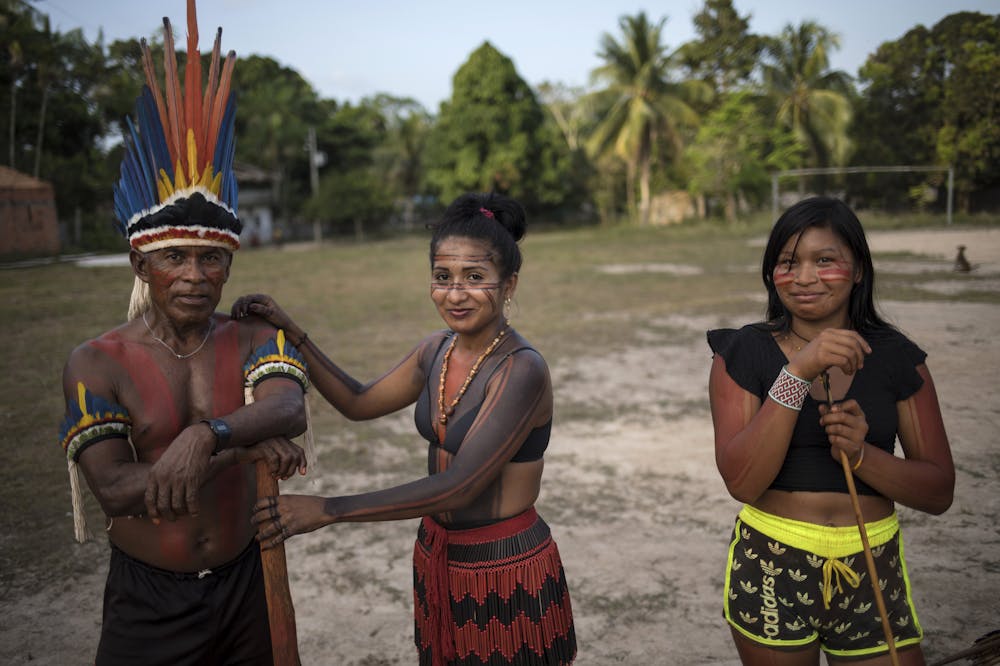 Villagers take a break during a meeting of Tembé tribes at the Tekohaw indigenous reserve, Para state, Brazil. From the trees they take traditional medicines, as well as products they sell, such as acai, an Amazonian berry that’s a vitamin- and calorie-packed breakfast staple in Brazil. AP Photo/Rodrigo Abd
Tropical rainforests are medicine reservoirs
The need for new medicines to combat heart disease and cancer is dire. A rich and diverse source of chemicals can be found in natural plant products. With knowledge of genes and enzymes that make medicinal compounds in native plant species, scientists can apply genetic engineering approaches to increase their production in a sustainable manner.
Tropical rainforests house vast biodiversity of plants, but this diversity faces significant threat from human activity.
To help students in my genetics and biotechnology class appreciate the value of plants in medical research, I refer to findings from my research on plant sterols. My goal is to help them recognize that many cellular processes are similar between plants and humans. My hope is that, by learning that plants and animals share similar genes and metabolic pathways with health implications, my students will value plants as a source of medicines and become advocates for preservation of plant biodiversity.
Walter Suza, Adjunct Assistant Professor of Agronomy, Iowa State University
This article is republished from The Conversation under a Creative Commons license. Read the original article.
Written by Walter Suza, Adjunct Assistant Professor of Agronomy, Iowa State University. This article is republished from The Conversation under a Creative Commons license. Read the original article.
ENDS
Read more about RSPO greenwashing
Lying Fake labelsIndigenous Land-grabbingHuman rights abusesDeforestation Human health hazardsBig brands using “sustainable” RSPO palm oil yet still causing deforestation (there are many others)

Nestlé
Nestlé is destroying rainforests, releasing mega-tonnes of carbon into the atmosphere, and killing hundreds of endangered species. Once these animals are gone – they are gone for good. See Nestlé’s full list of…
Read more by Palm Oil DetectivesFebruary 9, 2021March 2, 2025
Colgate-Palmolive
Despite global retail giant Colgate-Palmolive forming a coalition with other brands in 2020, virtue-signalling that they will stop all deforestation, they continue to do this – destroying rainforest and releasing mega-tonnes of carbon…
Read more by Palm Oil DetectivesFebruary 9, 2021March 2, 2025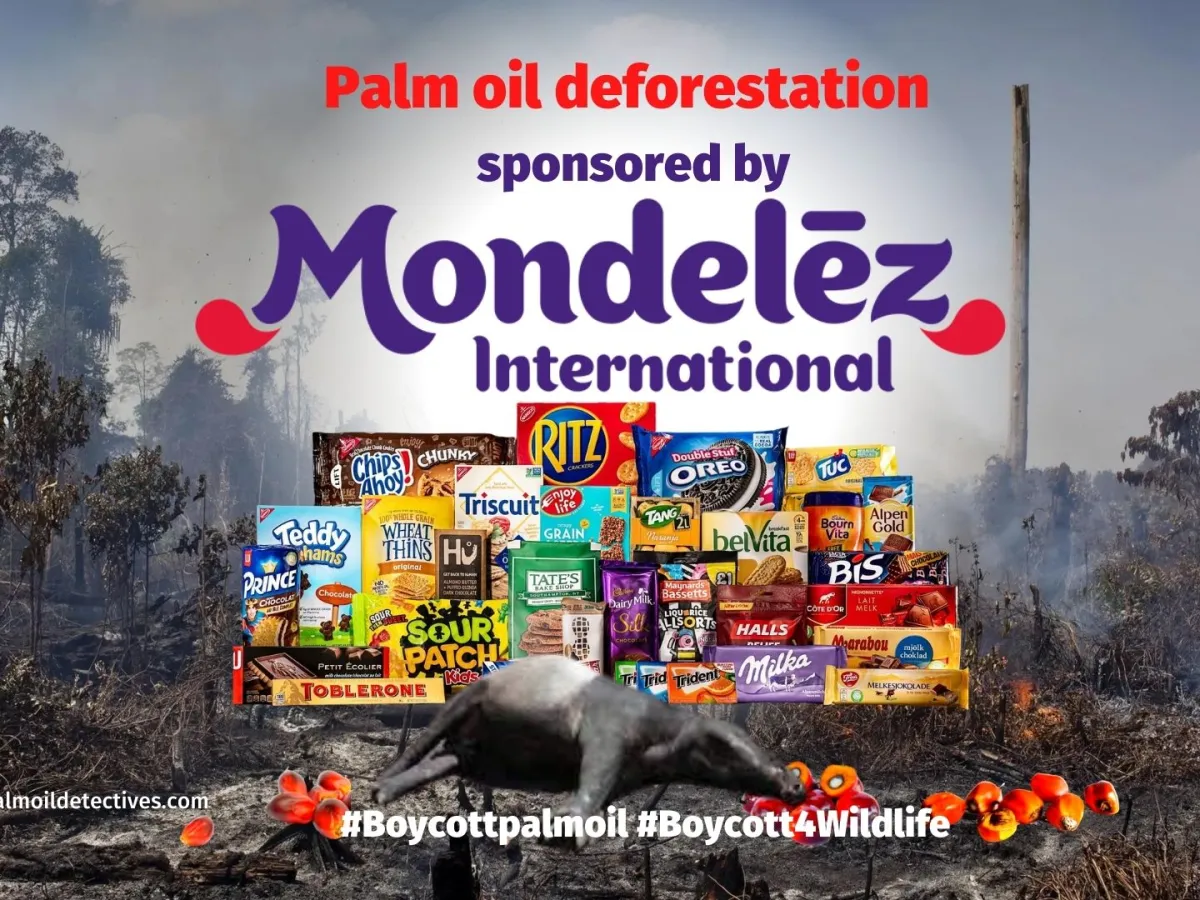
Mondelēz
Mondelez destroys rainforests, sending animals extinct and release mega-tonnes of carbon into air for so-called “sustainable” palm oil. Boycott them!
Read moreby Palm Oil DetectivesFebruary 9, 2021February 28, 2026
Unilever
In 2020, global retail giant Unilever unveiled a deforestation-free supply chain promise. By 2023 they would be deforestation free. This has been and gone and they are still causing deforestation. This brand has…
Read moreby Palm Oil DetectivesFebruary 9, 2021March 2, 2025
Danone
Savvy consumers have been pressuring French Dairy multinational Danone for decades to cease using deforestation palm oil. Yet they actually haven’t stopped this. From their website: ‘Danone is committed to eliminating deforestation from…
Read moreby Palm Oil DetectivesMarch 6, 2021March 2, 2025
PepsiCo
Despite decades of promises to end deforestation for palm oil PepsiCo (owner of crisp brands Frito-Lay, Cheetos and Doritos along with hundreds of other snack food brands) have continued sourcing palm oil that…
Read moreby Palm Oil DetectivesJune 9, 2022March 2, 2025
Procter & Gamble
Despite decades of promises to end deforestation for palm oil Procter & Gamble or (P&G as they are also known) have continued sourcing palm oil that causes ecocide, indigenous landgrabbing, and the habitat…
Read moreby Palm Oil DetectivesJune 3, 2022March 2, 2025
Kelloggs/Kellanova
In late 2023, Kelloggs became Kellanova for their US arm. Savvy consumers have been pressuring Kelloggs for decades to cease using deforestation palm oil. Yet they actually haven’t stopped this. From their website:…
Read moreby Palm Oil DetectivesFebruary 9, 2021March 2, 2025
Johnson & Johnson
Global mega-brand Johnson & Johnson have issued a position statement on palm oil in 2020. ‘At Johnson & Johnson, we are committed to doing our part to address the unsustainable rate of global…
Read moreby Palm Oil DetectivesFebruary 9, 2021July 13, 2025
PZ Cussons
PZ Cussons is a British-owned global retail giant. They own well-known supermarket brands in personal care, cleaning, household goods and toiletries categories, such as Imperial Leather, Morning Fresh, Carex, Radiant laundry powder and…
Read moreby Palm Oil DetectivesMarch 10, 2021March 2, 2025Take Action in Five Ways
1. Join the #Boycott4Wildlife on social media and subscribe to stay in the loop: Share posts from this website to your own network on Twitter, Mastadon, Instagram, Facebook and Youtube using the hashtags #Boycottpalmoil #Boycott4Wildlife.
Enter your email address
Sign Up
Join 3,179 other subscribers2. Contribute stories: Academics, conservationists, scientists, indigenous rights advocates and animal rights advocates working to expose the corruption of the palm oil industry or to save animals can contribute stories to the website.
Wildlife Artist Juanchi Pérez
Read more
Mel Lumby: Dedicated Devotee to Borneo’s Living Beings
Read more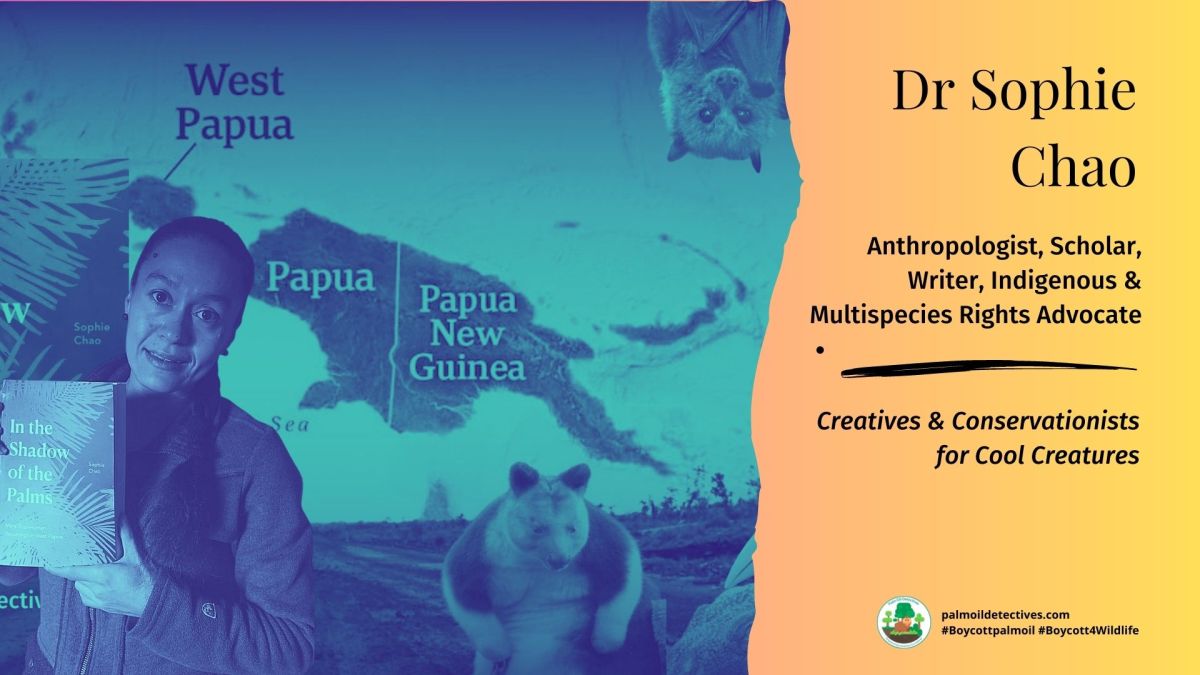
Anthropologist and Author Dr Sophie Chao
Read more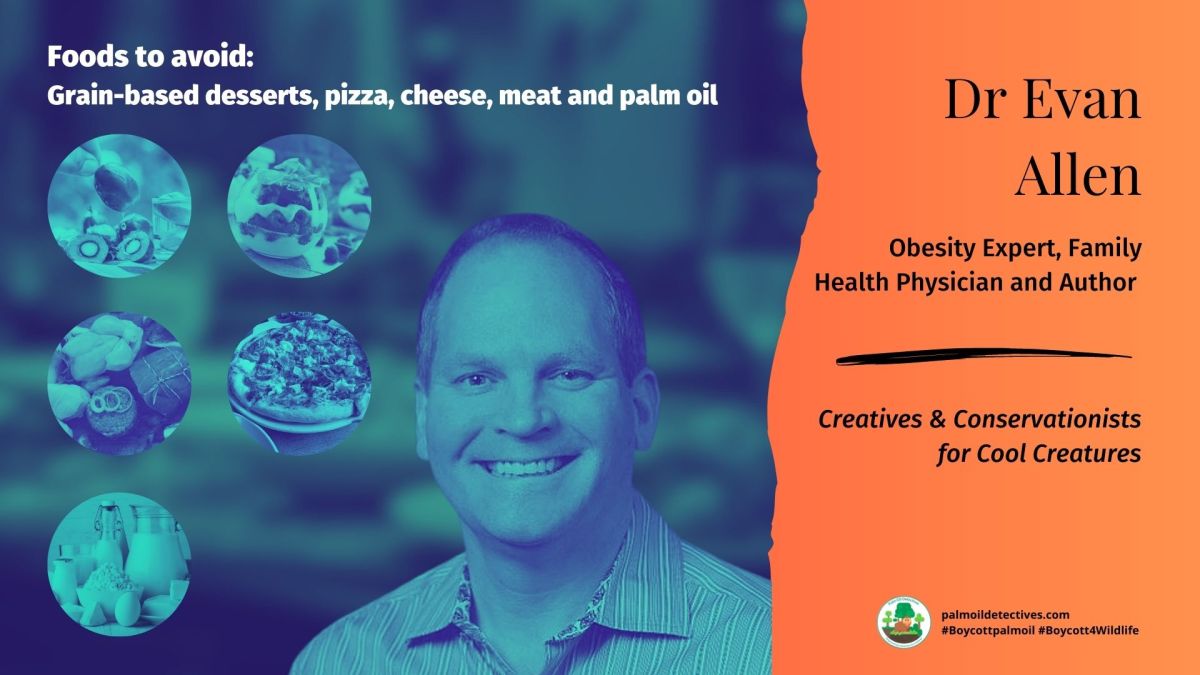
Health Physician Dr Evan Allen
Read more
The World’s Most Loved Cup: A Social, Ethical & Environmental History of Coffee by Aviary Doert
Read more
How do we stop the world’s ecosystems from going into a death spiral? A #SteadyState Economy
Read more3. Supermarket sleuthing: Next time you’re in the supermarket, take photos of products containing palm oil. Share these to social media along with the hashtags to call out the greenwashing and ecocide of the brands who use palm oil. You can also take photos of palm oil free products and congratulate brands when they go palm oil free.
https://twitter.com/CuriousApe4/status/1526136783557529600?s=20
https://twitter.com/PhillDixon1/status/1749010345555788144?s=20
https://twitter.com/mugabe139/status/1678027567977078784?s=20
4. Take to the streets: Get in touch with Palm Oil Detectives to find out more.
5. Donate: Make a one-off or monthly donation to Palm Oil Detectives as a way of saying thank you and to help pay for ongoing running costs of the website and social media campaigns. Donate here
Pledge your support #Amazon #Borneo #BoycottPalmOil #Boycott4wildlife #BoycottPalmOil #Congo #CorpseFlower #deforestation #endangeredPlants #indigenousRights #landRights #landgrabbing #medical #Medicine #medicines #PalmOil #palmOilDeforestation #plants #rainforests #TitanArum #veganSpatial and temporal regulation of sterol biosynthesis in Nicotiana benthamiana
Management of Statin Intolerance in 2018: Still More Questions Than Answers
DNAJA1 controls the fate of misfolded mutant p53 through the mevalonate pathway
Misexpression of the Niemann-Pick disease type C1 (NPC1)-like protein in Arabidopsis causes sphingolipid accumulation and reproductive defects
Ebola virus entry requires the cholesterol transporter Niemann–Pick C1
Regulation of the mevalonate pathway
The past, present and future of anti-malarial medicines
Quinine, an old anti-malarial drug in a modern world: role in the treatment of malaria
Scientist honored for work with paclitaxel
Palm Oil Lobbyists Getting Caught Lying Orangutan Land Trust and Agropalma

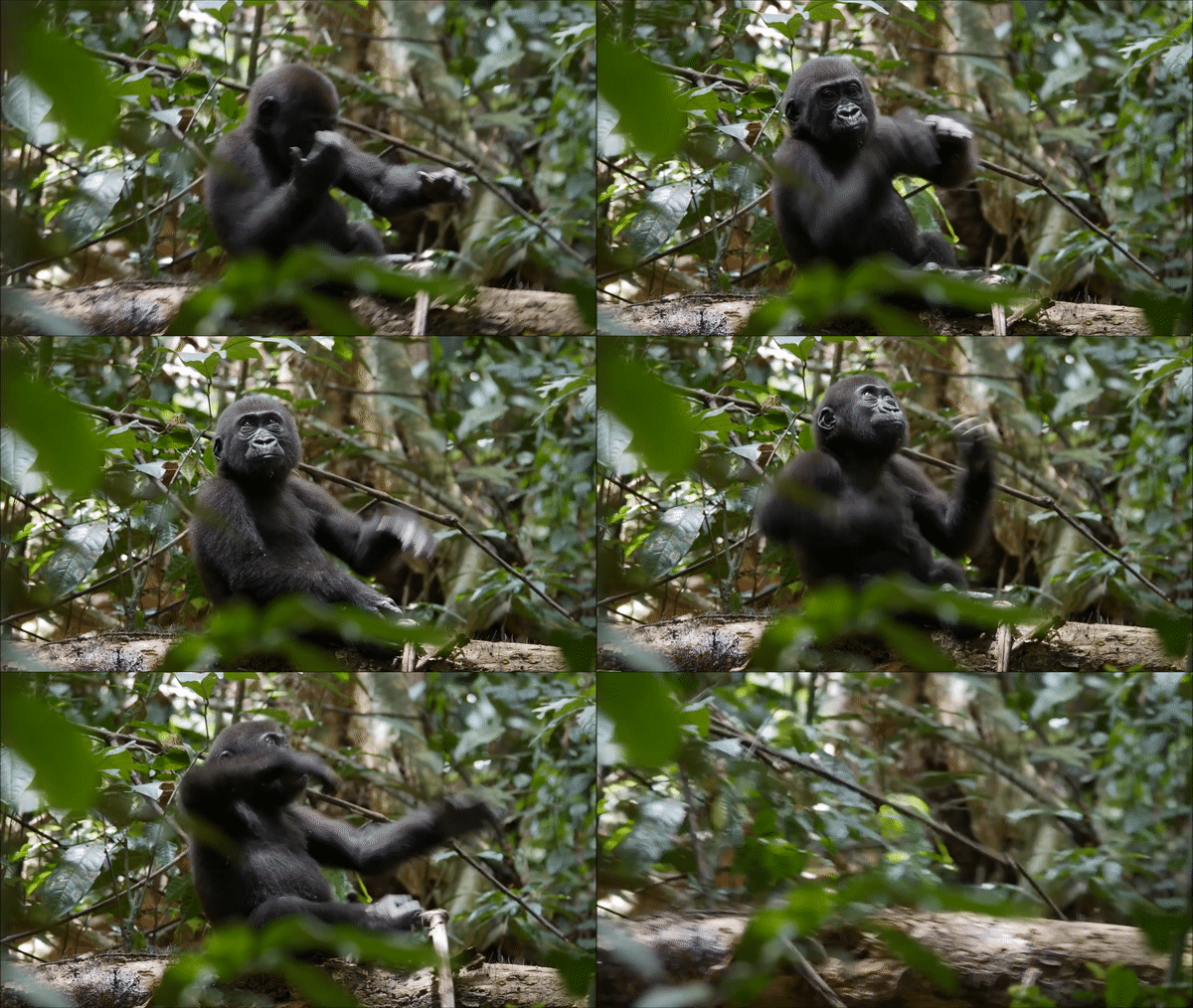 Western Lowland Gorilla Gorilla gorilla
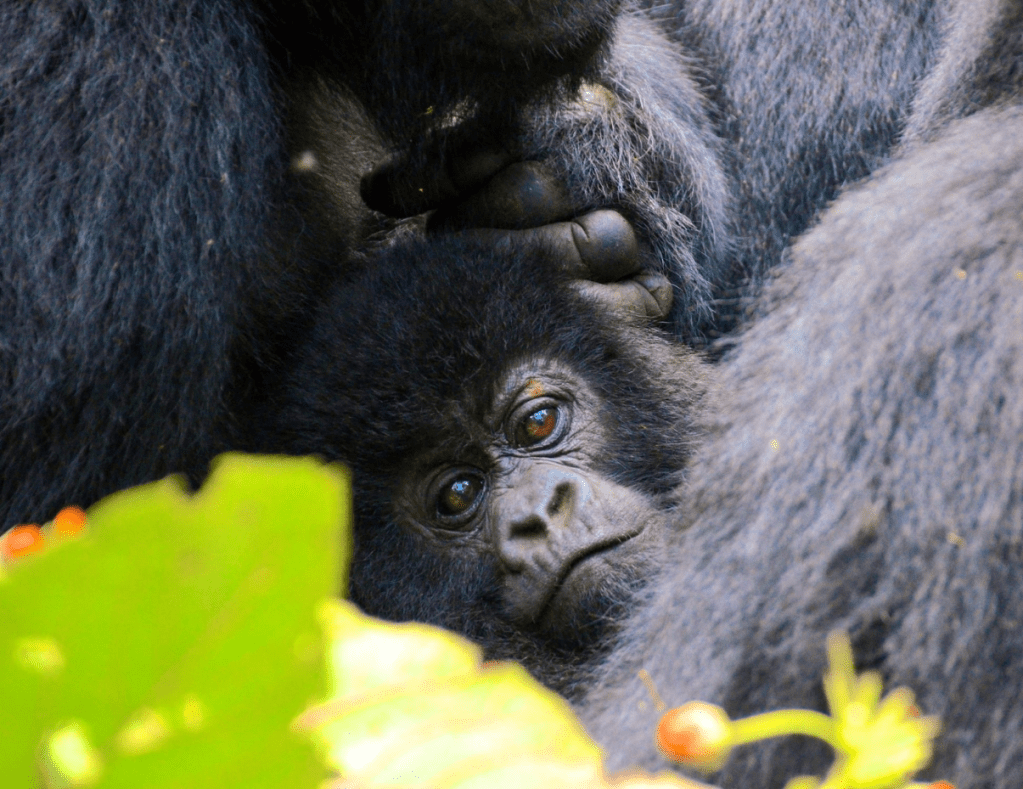 Western Lowland Gorilla Gorilla gorilla
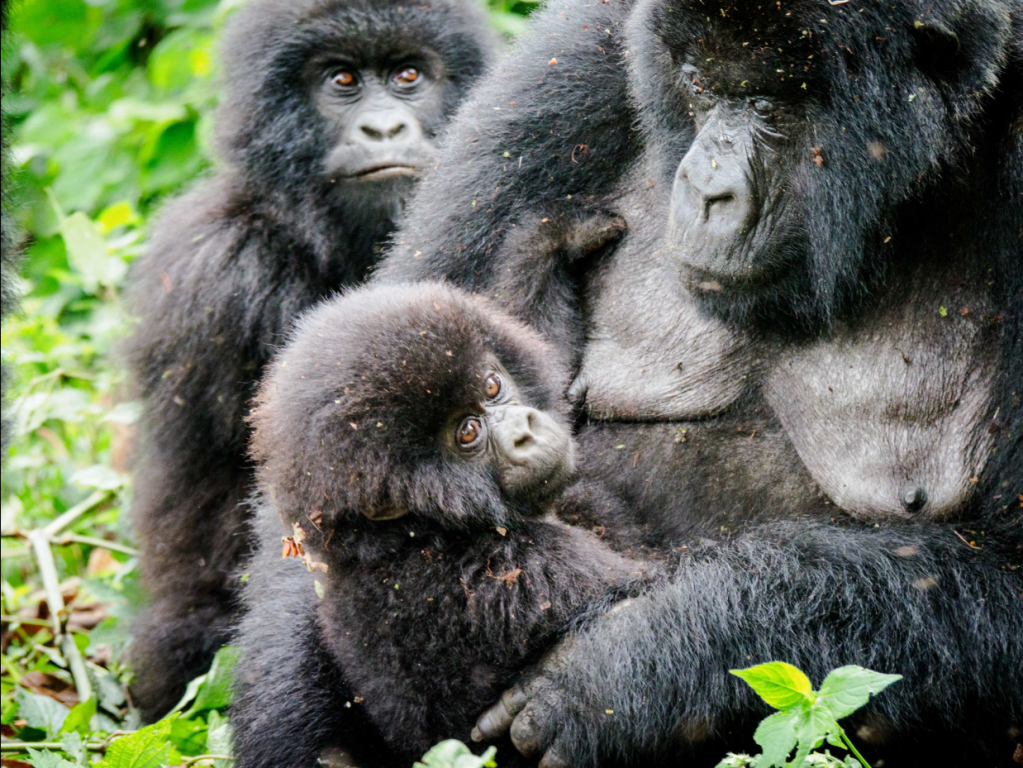 Western Lowland Gorilla Gorilla gorilla
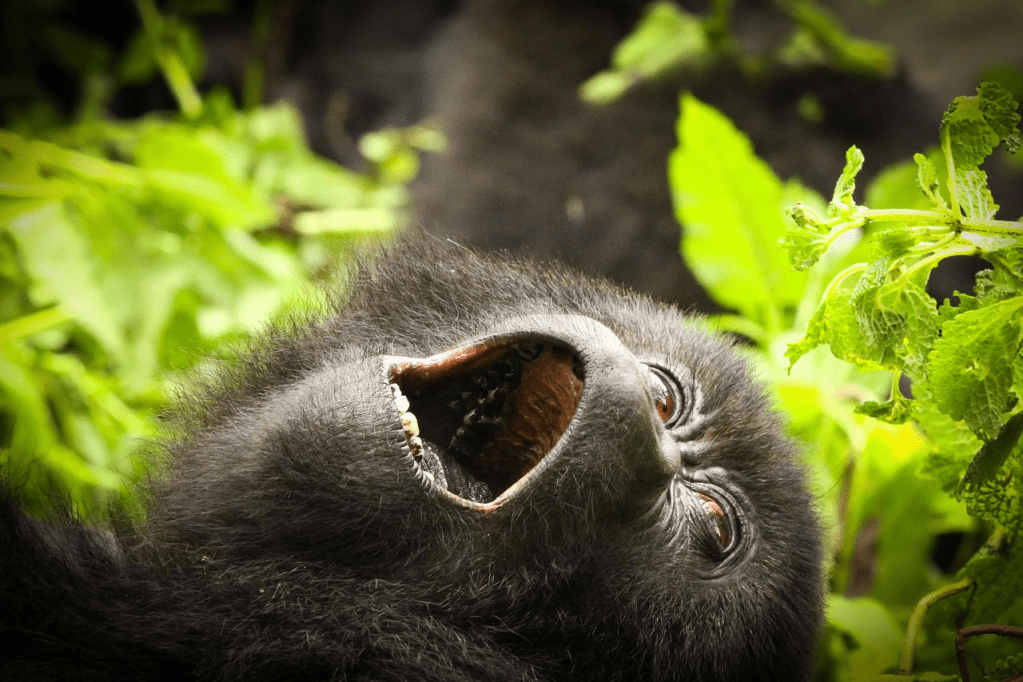 Western Lowland Gorilla Gorilla gorilla
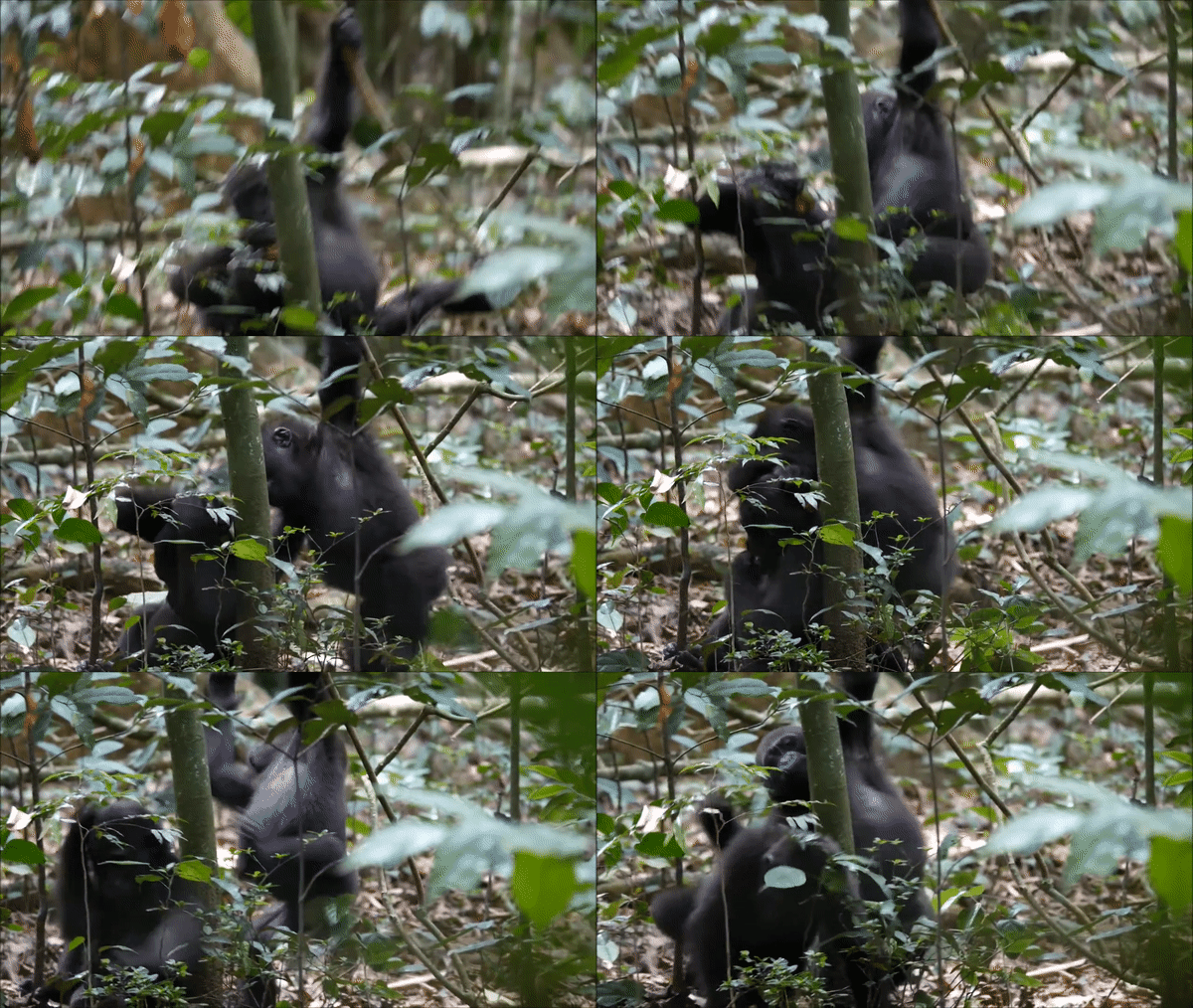 Western Lowland Gorilla Gorilla gorilla