Johnson & Johnson

Global mega-brand Johnson & Johnson have issued a position statement on palm oil in 2020.

‘At Johnson & Johnson, we are committed to doing our part to address the unsustainable rate of global deforestation, particularly in precious rain forests.’

~ Johnson & Johnson

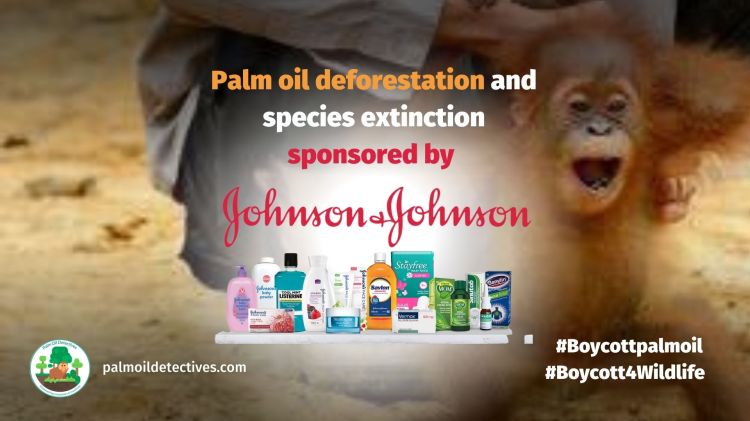
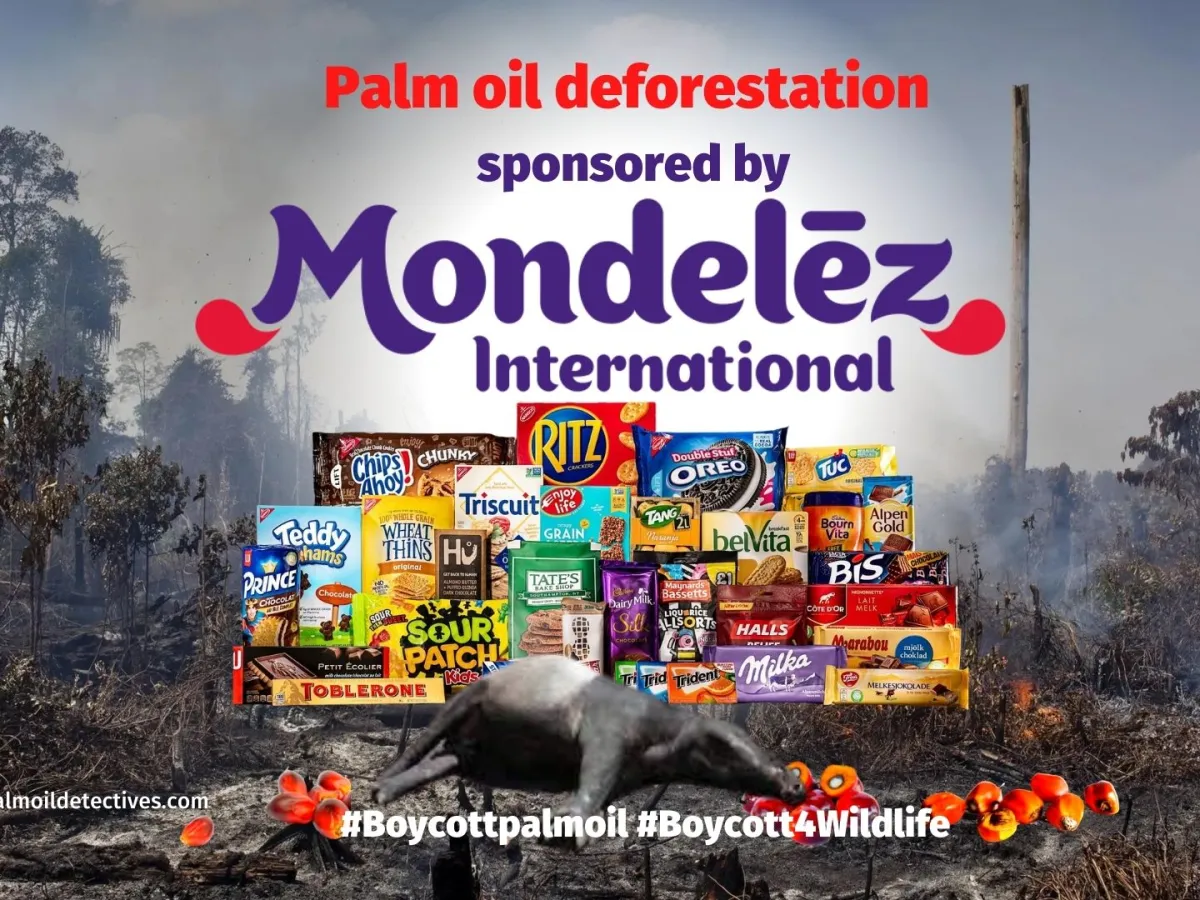
However, despite this virtue signalling, the brand’s supply chain continues to slash and burn forests and release mega-tonnes of carbon into the atmosphere, and killing hundreds of endangered species. Once these animals are gone – they are gone for good. See research on Johnson & Johnson’s palm oil sources.

JohnsonAndJohnson @JNJNews use “sustainable” #palmoil yet they continue with mass #deforestation #extinction 🦏🐘🦧 for #palmoil ☠️🌴🪔⛔️. Say no to their #greed and #greenwashing! When you shop #BoycottPalmOil #Boycott4Wildlife @palmoildetect https://palmoildetectives.com/2021/02/09/johnson-johnson/

Share to BlueSkyShare to Twitter

Do u use JohnsonAndJohnson #soap and #cleaning products? “Sustainable” #palmoil they use is far from “clean”. It’s linked to #deforestation 🦏🐘🦧, all for a dirty ingredient nobody even wants! ☠️🌴🪔⛔️.#BoycottPalmOil #Boycott4Wildlife @palmoildetect https://palmoildetectives.com/2021/02/09/johnson-johnson/

Share to BlueSkyShare to Twitter

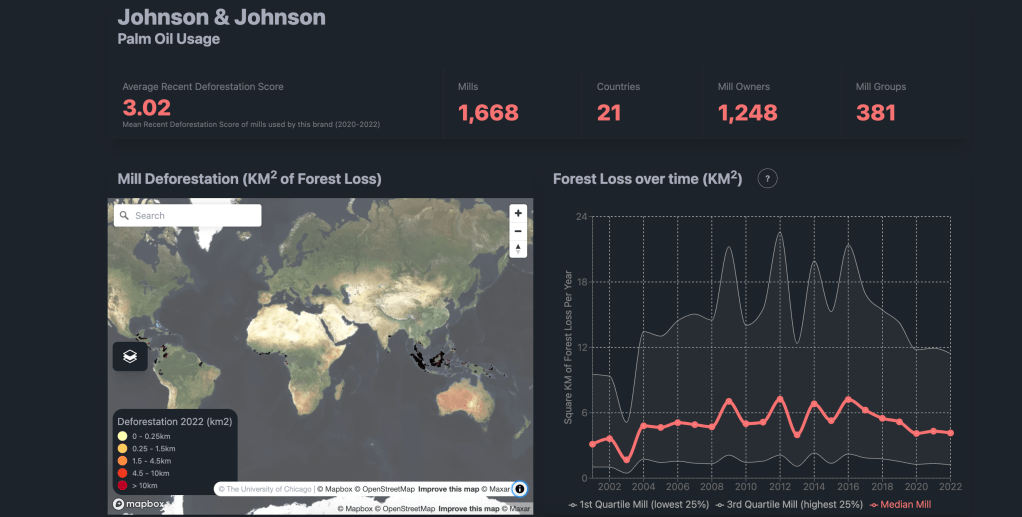
View Johnson & Johnson’s recent palm oil deforestation

Data courtesy of Palm Watch, a multidisciplinary research initiative by the University of Chicago.

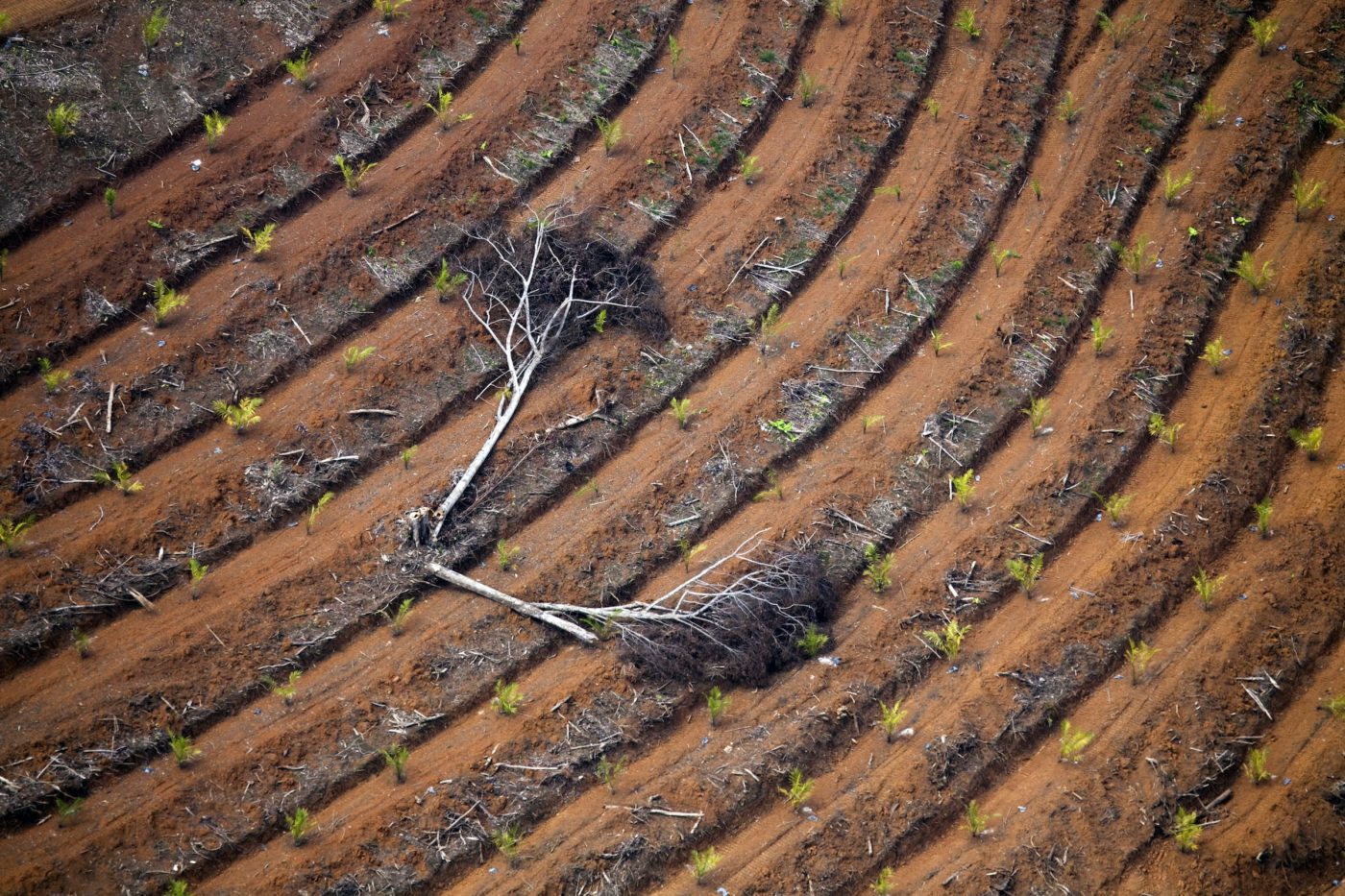
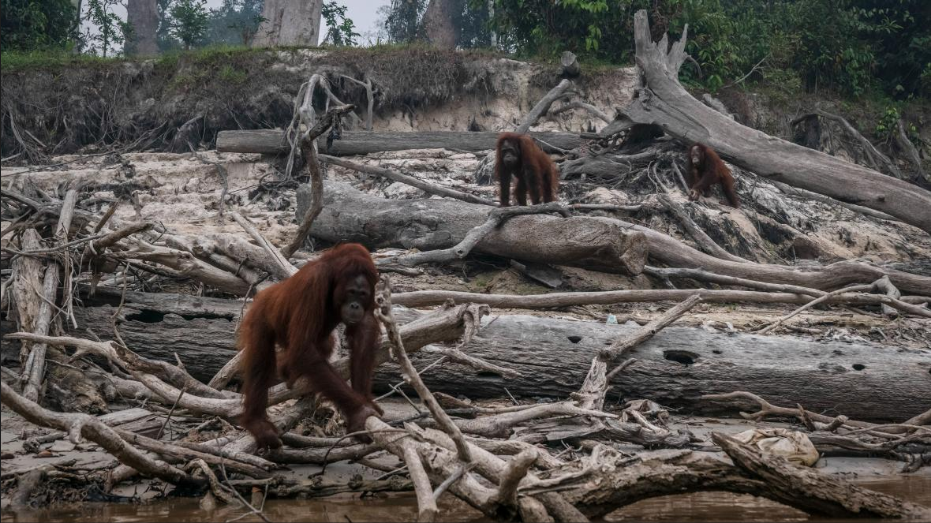
Look Up Johnson & Johnson on PalmWatchIn a new oil-palm plantation near Sungaihantu, in South Kalimantan, the skeleton of a tree is the last relic of the rainforest that once was.

Johnson & Johnson makes claims of sustainability including a ‘promise’ to stop deforestation. Promises mean nothing – action is what matters.
Johnson & Johnson has a high ranking on the WWF Scorecard and an RSPO certification. However this high ranking is greenwashing and this mega-brand is purchasing huge amounts of palm oil from two mills that are responsible for deforestation: Peputra Group and Jhonlin.

Source: chain reaction research
Boycott Johnson and Johnson 2025

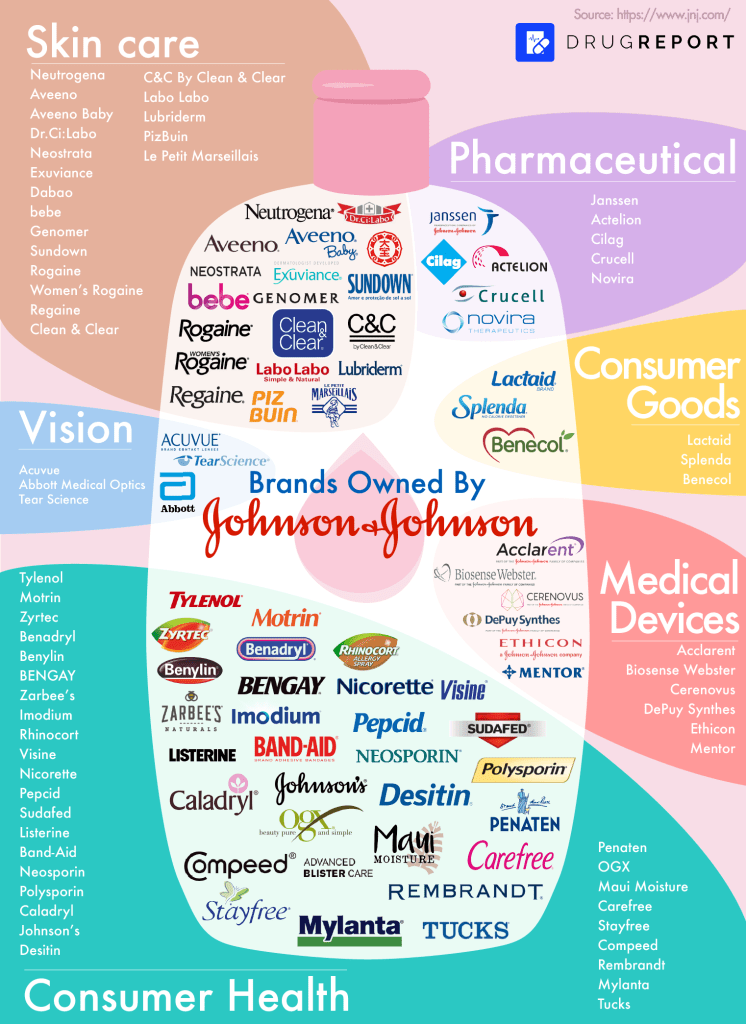
Johnson & Johnson own a vast global stable of consumer health, personal care and pharmaceutical products….

Johnson & Johnson sub-brands See more at Drug Report

Consumer health products

  • Tylenol
  • Motrin
  • Zyrtec
  • Benadryl
  • Benylin
  • BENGAY
  • Zarbee’s
  • Imodium
  • Rhinocort
  • Nicorette
  • Pepcid
  • Sudafed
  • Listerine
  • Band-Aid
  • Neosporin
  • Polysporin
  • Caladryl
  • Johnson’s (including Baby Powder)
  • Desitin
  • Penaten
  • Maui Moisture
  • Carefree
  • Stayfree
  • Compeed
  • Rembrandt
  • Mylanta
  • Tucks

Medical devices

  • Acclarent
  • Biosense Webster
  • Cerenovus
  • DePuy Synthes
  • Ethicon
  • Mentor

Pharmaceutical subsidiaries

  • Janssen
  • Actelion
  • Cilag
  • Crucell
  • Novira

Food Products

  • Splenda
  • Lactaid
  • Benecol

Personal care and skincare

  • Clean & Clear
  • C&C By Clean & Clear
  • OGX
  • Neutrogena
  • Aveeno
  • Aveeno Baby
  • Dr.Ci:Labo
  • Neostrata
  • Exuviance
  • Dabao
  • bebe
  • Genomer
  • Sundown
  • Rogaine
  • Women’s Rogaine
  • Regaine
  • Labo Labo
  • Lubriderm
  • PizBuin
  • Le Petit Marseillais

Vision and optical

  • Acuvue
  • Abbott Medical Optics
  • Tear Science
  • Visine

More Information

The Chain: Repeat Offenders Continue to Clear Forests for Oil Palm in Southeast Asia

Wikipedia

The Drug Report

#Boycott4wildlife #BoycottPalmOil #brandMarketing #cleaning #deforestation #extinction #greed #greenwashing #healthProducts #JohnsonJohnson #PalmOil #palmoil #pharmaceutical #productMarketing #skincare #soap

Kelloggs/Kellanova

In late 2023, Kelloggs became Kellanova for their US arm. Savvy consumers have been pressuring Kelloggs for decades to cease using deforestation palm oil. Yet they actually haven’t stopped this. From their website:

‘All of the palm oil that is used in our products is sourced from a combination of the Roundtable of Sustainable Palm Oil (RSPO) Certified Segregated supply chain, RSPO Mass Balance mixed-source supply and the purchase of Green Palm certificates.’

Read more: Kelloggs website

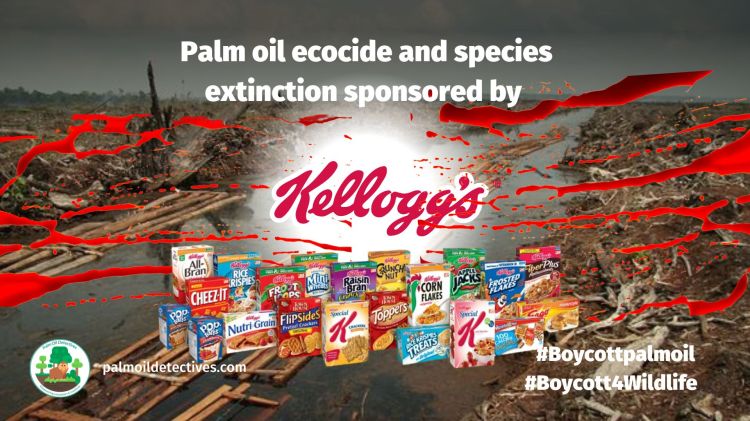
This phrasing above means absolutely nothing. In reality, Kelloggs’ supply chain continues to slash and burn thousands of hectares of forests and release mega-tonnes of carbon into the atmosphere. Kellogg’s is therefore involved in the killing thousands of endangered species. Once these animals are gone – they are gone for good. See research on Kelloggs’s palm oil sources including a PDF of their palm oil mills.

Boycott Kelloggs because their products contain palm oil linked to deforestation and species extinction

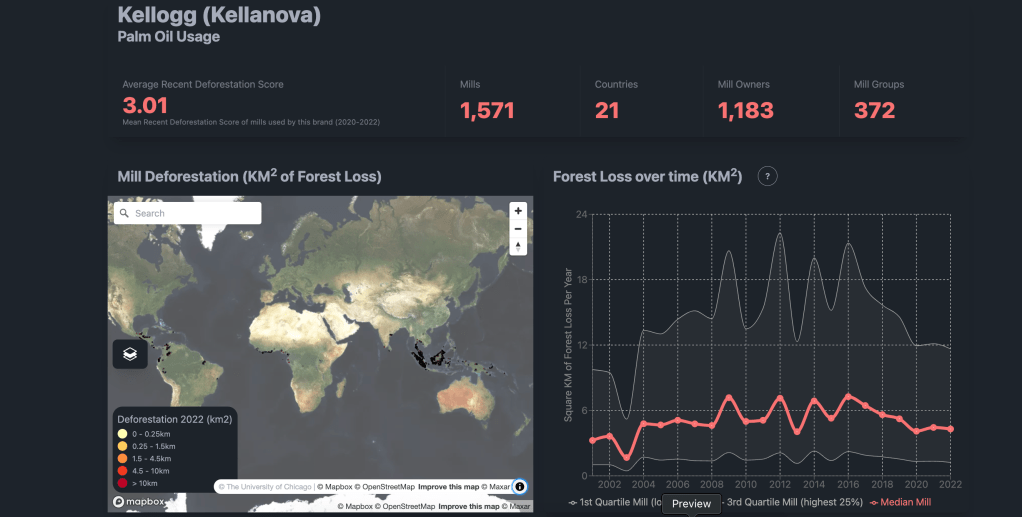
View Kelloggs/Kellanova’s recent palm oil deforestation

Data courtesy of Palm Watch, a multidisciplinary research initiative by the University of Chicago.

Look Up Kelloggs on PalmWatch

#Kelloggs/Kellanova uses so-called “sustainable” #palmoil yet still causes #deforestation and child slavery for #palmoil in their child-friendly #cereal 🥣 Fight back when you #Boycottpalmoil #Boycott4Wildlife @palmoildetect 🌴⛔️🧐🔥https://palmoildetectives.com/2021/02/09/kelloggs/

Share to BlueSkyShare to Twitter

#Palmoil used by #Kelloggs’s brands is so-called “sustainable” yet it still causes #deforestation #ecocide #extinction and #indigenous landgrabbing. Fight back against the greenwash ☠️🧐🌴🤮⛔️ and #BoycottPalmOIl #Boycott4Wildlife @palmoildetect https://palmoildetectives.com/2021/02/09/kelloggs/

Share to BlueSkyShare to Twitter

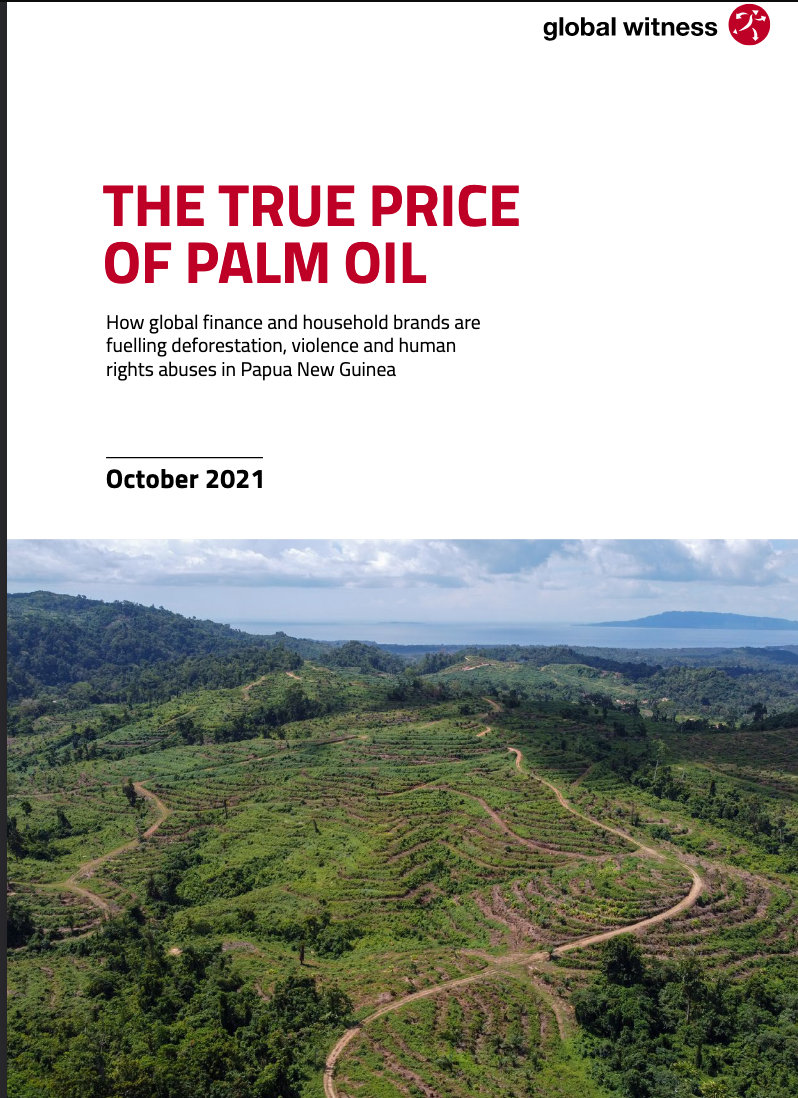
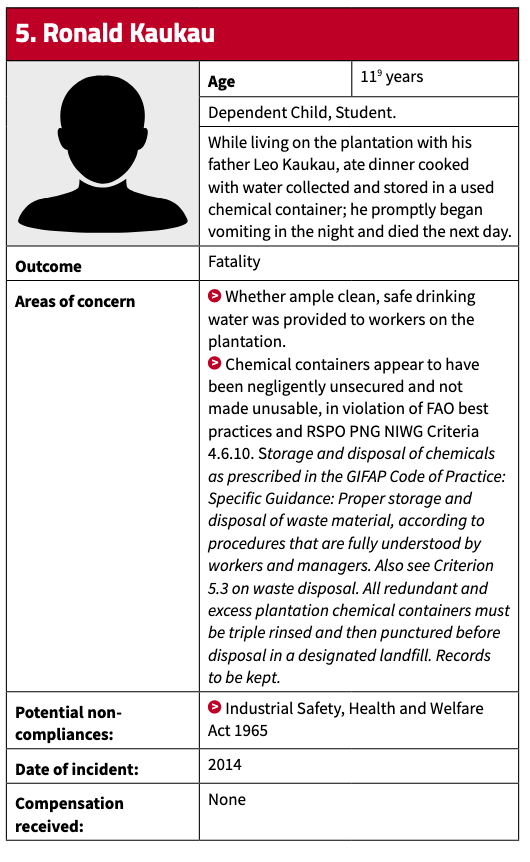
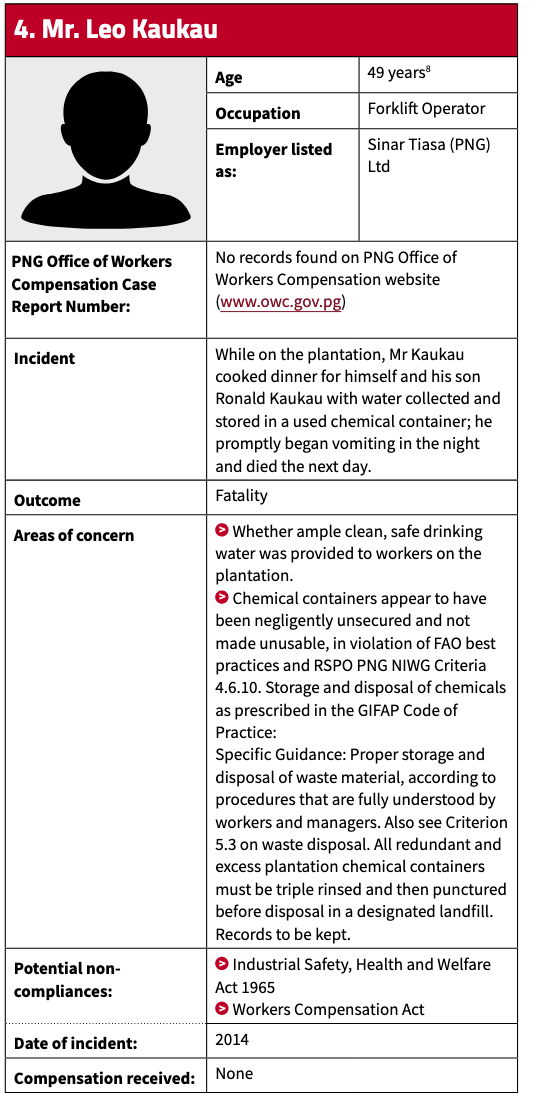
Global Witness October 2021 Report: Violence and death for palm oil connected to household supermarket brands (RSPO members)

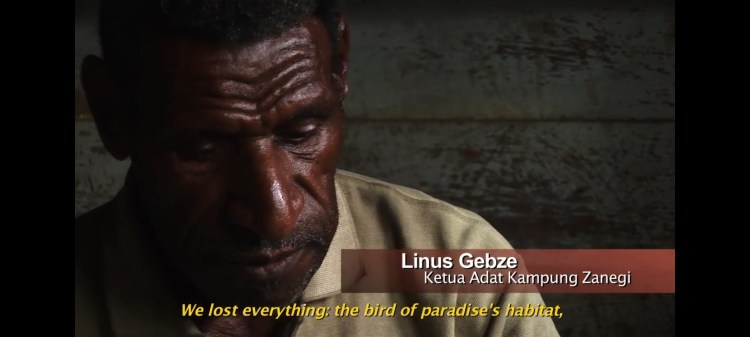
“One palm oil firm, Rimbunan Hijau, [Papua New Guinea] negligently ignored repeated and avoidable worker deaths and injuries on palm oil plantations, with at least 11 workers and the child of one worker losing their lives over an eight-year period.

The True Price of Palm Oil - Global Witness Report, Papua New Guinea deaths, violence and slavery linked to RSPO members Kelloggs, Nestle, Hersheys, DanoneThe True Price of Palm Oil - Global Witness Report, Papua New Guinea deaths, violence and slavery linked to RSPO members Kelloggs, Nestle, Hersheys, DanoneThe True Price of Palm Oil - Global Witness Report, Papua New Guinea deaths, violence and slavery linked to RSPO members Kelloggs, Nestle, Hersheys, DanoneThe True Price of Palm Oil - Global Witness Report, Papua New Guinea deaths, violence and slavery linked to RSPO members Kelloggs, Nestle, Hersheys, DanonePapua New Guinea -landgrabbing for palm oil

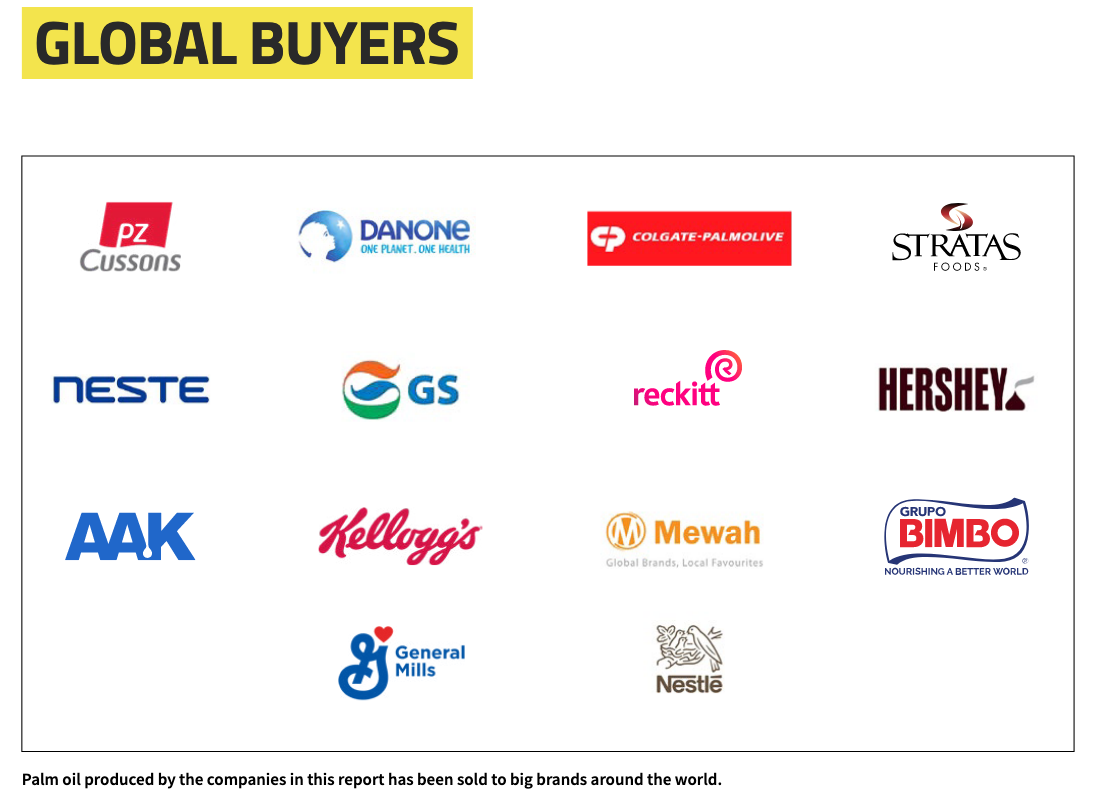
“Tainted palm oil from Papua New Guinea plantations was sold to household name brands, all of them RSPO members including Kellogg’s, Nestlé, Colgate, Danone, Hershey’s and PZ Cussons and Reckitt Benckiser”

The true price of palm oil: How global finance funds deforestation, violence and human rights abuses in Papua New Guinea – Global Witness, 2021

Read reportKelloggs brands with deforestation palm oil

Kelloggs makes claims of sustainability for palm oil on their website. However these claims do not match what is happening on the ground. This is pure greenwashing.
The brand has a high ranking on the WWF Scorecard and has an RSPO certification. However this high ranking is greenwashing and this mega-brand is purchasing huge amounts of palm oil from four mills that are responsible for 44% of all deforestation: Jhonlin, Mulia Sawit, Tunas Baru Lampung and Peputra Group

Source: chain reaction research

Palm Oil Detectives thinks it is wise to boycott all Kelloggs sub-brands until it has been independently verified that they have stopped 100% of their deforestation activities throughout the world.

Kelloggs brands with deforestation palm oil

Sign a petition telling Kelloggs to stop deforestation!

Sign petition

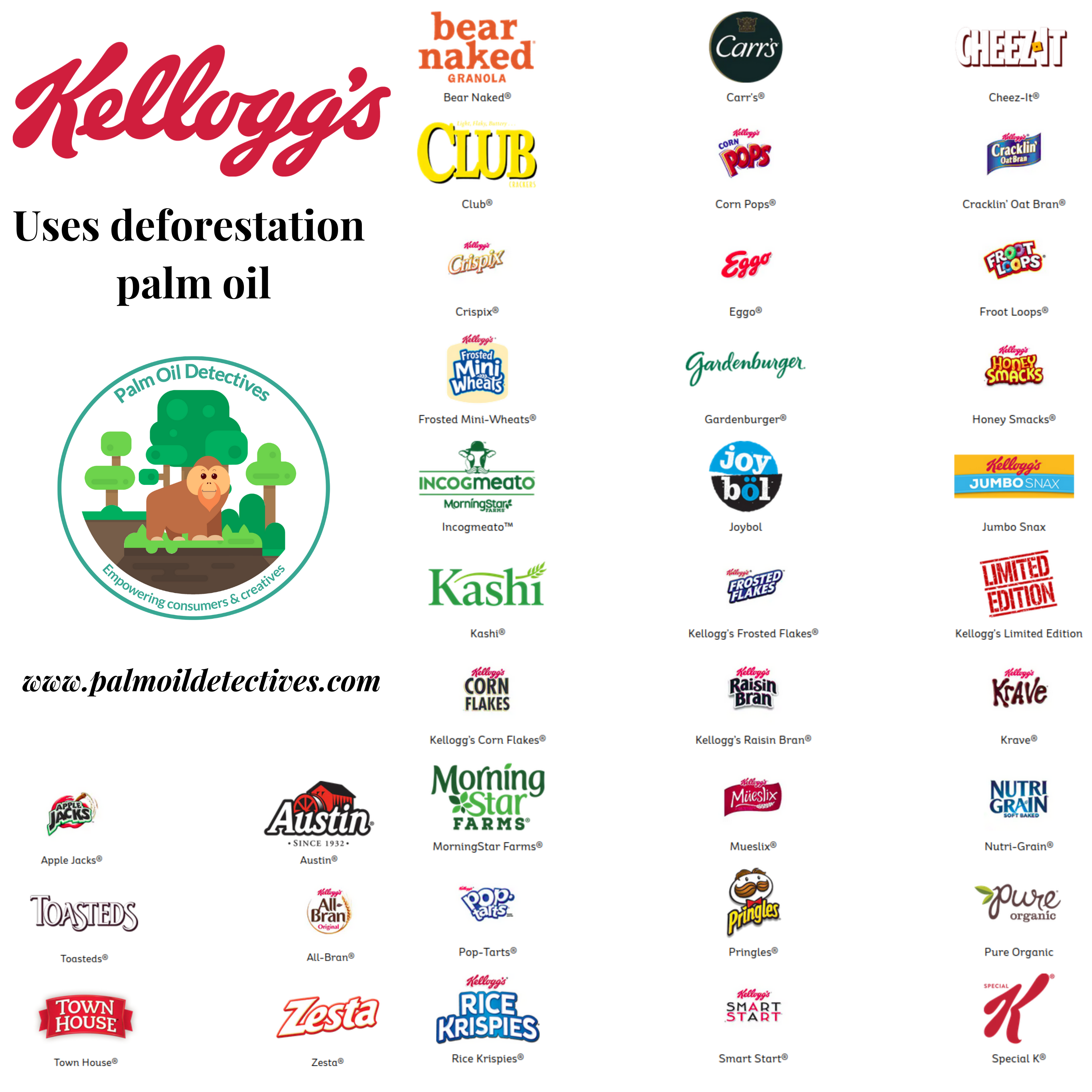
Kelloggs own a vast global empire of cereal and food brands…

The most updated list of their stable of brands from their website includes:

All-Bran®
Apple Jacks®
Austin®
Bear Naked®
Carr’s®
Cheez-It®
Club®
Corn Pops®
Cracklin’ Oat Bran®
Crispix®
Eggo®
Froot Loops®
Frosted Mini-Wheats®
Gardenburger®
Honey Smacks®
Incogmeato™

Joybol
Jumbo Snax
Kashi®
Kellogg’s Frosted Flakes®
Kellogg’s Limited Edition
Kellogg’s Corn Flakes®
Kellogg’s Raisin Bran®
Krave®
MorningStar Farms®
Mueslix®
Nutri-Grain®
Pop-Tarts®
Pringles®
Pure Organic
Rice Krispies®
Smart Start®
Special K®
Toasteds®
Town House®
Zesta®

More Information

The Chain: Repeat Offenders Continue to Clear Forests for Oil Palm in Southeast Asia

Wikipedia

Kelloggs

Research: Palm Oil deforestation and its connection to retail brands

#Boycott4wildlife #BoycottPalmOil #brandMarketing #breakfastFoods #cereal #Cereals #deforestation #ecocide #extinction #Fightgreenwashing #illegal #indigenous #Kelloggs #landgrabbing #PalmOil #palmoil #productMarketing #snackFoods #supplyChain

Four Things to Know about Cholesterol

Cholesterol is among the most feared substances, but why? You need cholesterol to produce some hormones and to build vital structures in your body. But too much-referred to as high cholesterol-can build up in your arteries and lead to heart attack, stroke, and other cardiovascular diseases.

That’s why it’s important to get tested and know your cholesterol numbers; they show how much cholesterol is circulating in your blood.

We asked Sonia Tolani, MD, an expert in cardiovascular disease and cholesterol management, to explain the good and the bad about cholesterol, and how to have healthy levels. To start, she says, “Know your cholesterol numbers and keep them in check. You are in control. Maintaining normal cholesterol levels significantly reduces your risk of heart attack and stroke.”

A. Prof Sonia Tolani from @whccolumbia talks about why consuming #palmoil #meat and convenience foods may put you at risk of a #heartattack 🫀🫁 or #stroke. For your #health you should #Boycottpalmoil, go #vegan 🥕🥦 #Boycott4Wildlife @palmoildetect https://palmoildetectives.com/2022/10/19/four-things-to-know-about-cholesterol/

Share to BlueSkyShare to Twitter

This is a media release from Columbia University Irving Medical Center republished under Creative Commons licence, written by A. Prof Sonia Tolani, MD.

What is cholesterol?

Cholesterol is a substance that circulates in your blood. Your liver produces most of the cholesterol in your body. Other cholesterol enters your body through food.

The two most important types of cholesterol:

  1. LDL (low-density lipoprotein)
    • This is the bad one; your target number depends on your risk for heart disease. Most people should aim for an LDL below 100, but those with diabetes or who have cardiovascular disease should aim for lower, below 70.
  2. HDL (high-density lipoprotein)
    • This is the good one. For women, a good level is above 60; for men, it’s above 40.

Too much LDL, or too little HDL, increases health risk.

Saturated fat: foods to avoid

Where does cholesterol come from?

Your liver and cells in your body produce about 80% of the cholesterol in your blood. Food brings in the other 20%. Food that’s high in trans and saturated fats contributes to bad levels of cholesterol (not food that’s high in cholesterol, as once was thought). Bad means bad for your health.

When you take in more cholesterol, your liver reduces its cholesterol production and removes the excess. But some people’s livers don’t do this well, because of their genes.

Trans and saturated fats

Trans fats are primarily artificial (created by adding hydrogen to vegetable oil to make it more solid) but some occur naturally in animal products. The Food and Drug Administration banned trans fats in the United States in 2018, with the final allowable manufacturing date of Jan. 1, 2021. But some processed and packaged food may still have trans fat because of how it is processed.

Packaged food includes:

  • Biscuits
  • Cookies
  • Crackers
  • Frosting
  • Microwave popcorn
  • Pie crusts
  • Pizza
  • Vegetable shortening and oil

Look at the nutrition facts panel on packaged food to see how many trans fats it contains.

In addition to increasing heart disease and stroke risk, consuming trans fats increases risk of type 2 diabetes. The American Heart Association recommends that most people reduce or eliminate consumption of trans fats.

Saturated fats occur naturally in many foods, such as animal-based and tropical oils, including:

  • Beef
  • Butter, cheese, cream
  • Coconut
  • Lamb
  • Lard
  • Pork
  • Poultry, especially with skin
  • Palm oil

Research shows that not all saturated fats are bad to eat. The American Heart Association recommends that most people limit daily consumption of saturated fats to 13 grams per day.


Know your numbers

How much cholesterol do you have?

The amount of cholesterol you have depends on genetics, diet, age, activity, assigned sex at birth, and other factors.

Where, when, and how do I get a cholesterol test?

According to the Centers for Disease Control and Prevention:

  • Healthy adults should have their cholesterol checked every four to six years.
  • Children should have their cholesterol checked at least once between ages 9 and 11 and again between ages 17 and 21.
  • People with family history of heart disease should get their cholesterol checked more often.

Ask your doctor about the lipid panel blood test.


Keep cholesterol levels in check (low!)

  • Eat a low saturated fat diet, like the Mediterranean-style diet.
  • Exercise regularly (30 minutes of moderate exercise five days a week of moderate exercise or 75 minutes of vigorous exercise a week).
  • Maintain a healthy weight.

In addition, due to genetic factors, some people need medications to keep their cholesterol in check. Talk to your doctor about your known risk factors.


High cholesterol is one of the major risk factors for cardiovascular diseases that you can control with healthy eating and/or medication. The first step is knowing your cholesterol numbers.

This is a media release from Columbia University Irving Medical Center republished under Creative Commons licence written by A. Prof Sonia Tolani, MD, assistant professor of medicine at Columbia University’s Vagelos College of Physicians and Surgeons and co-director of the Columbia Women’s Heart Center. She is an expert in consultative cardiology, preventive medicine, and women’s heart disease, including the treatment of gestational hypertension and preeclampsia. See original media release.


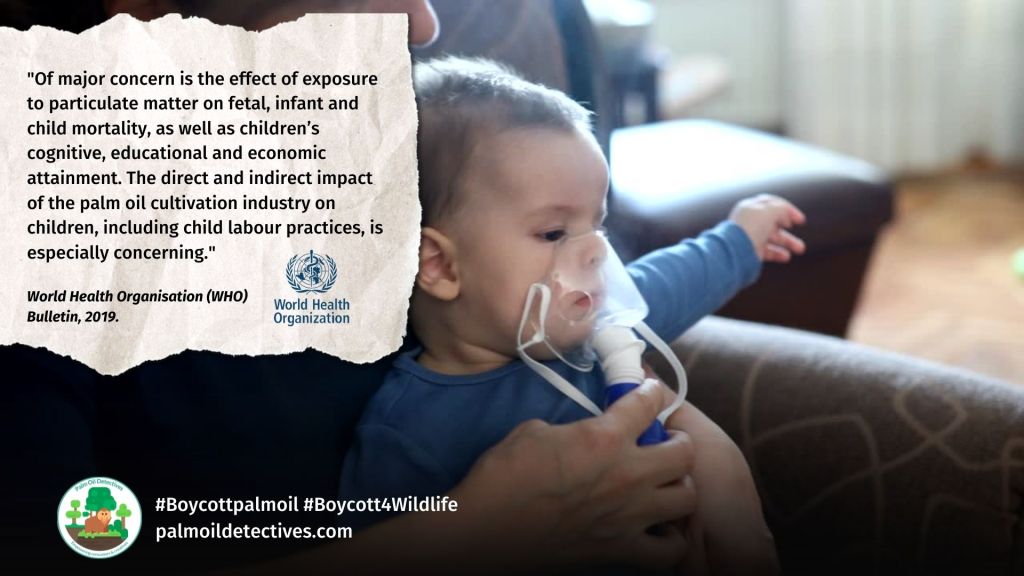
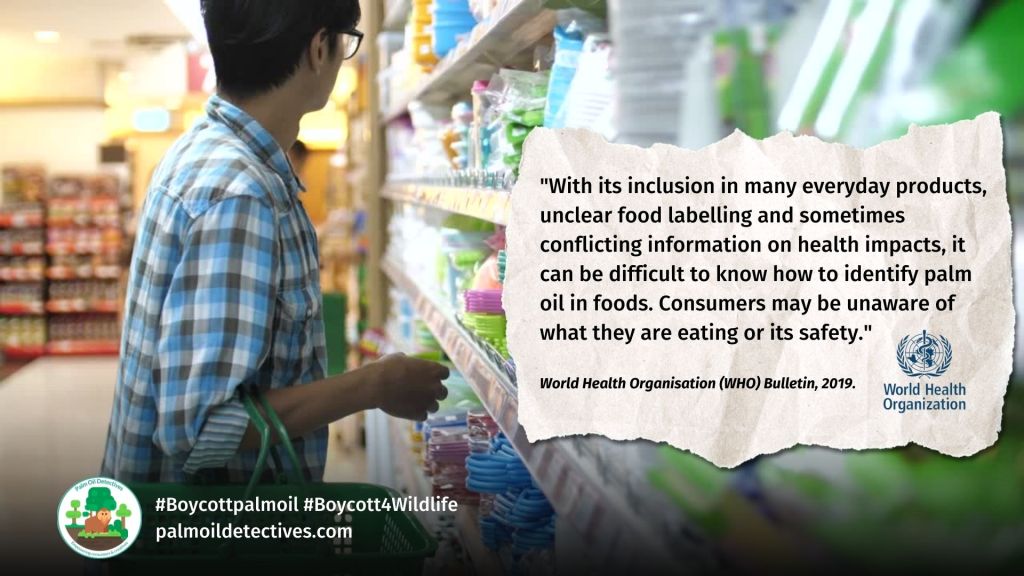
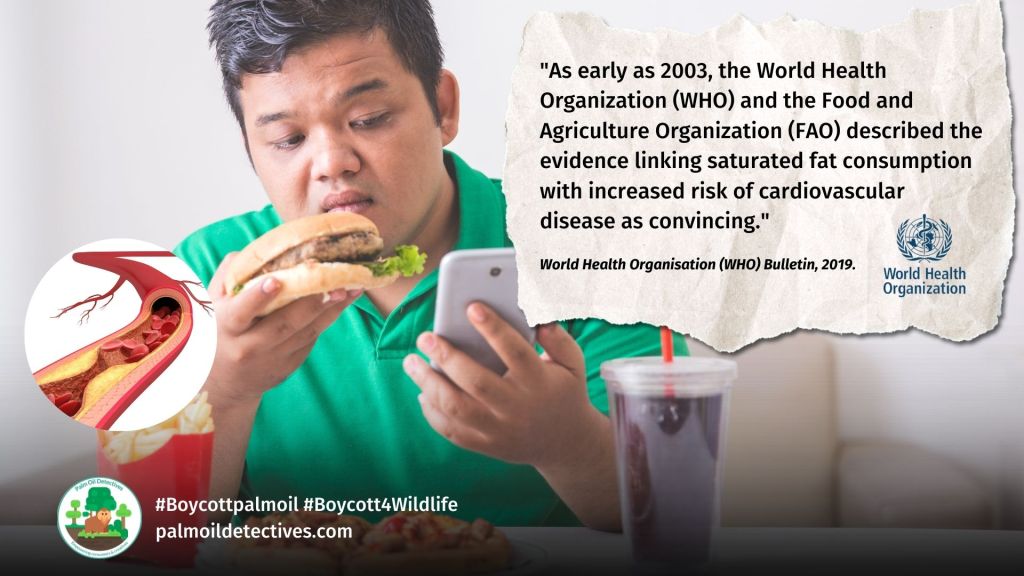
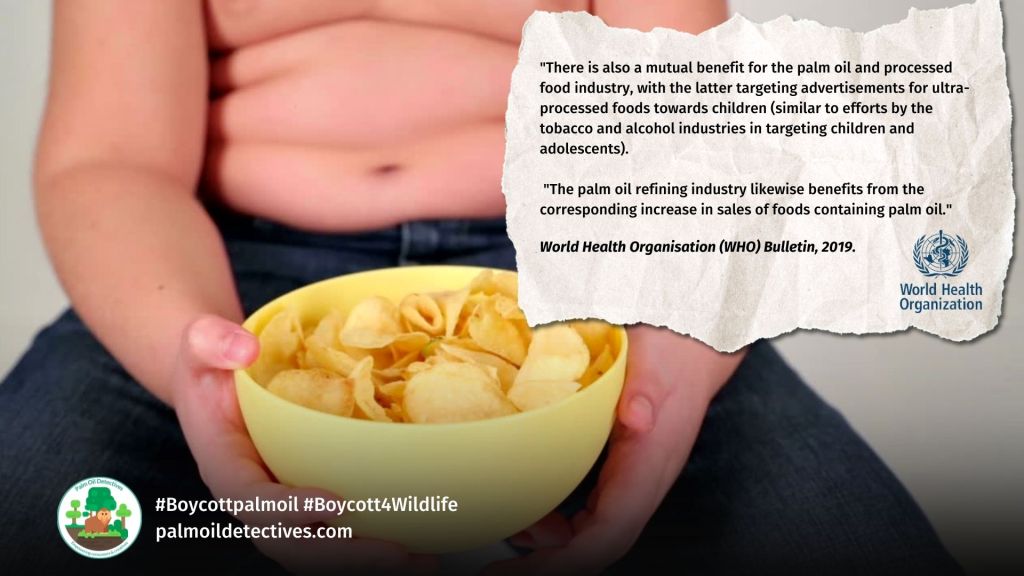
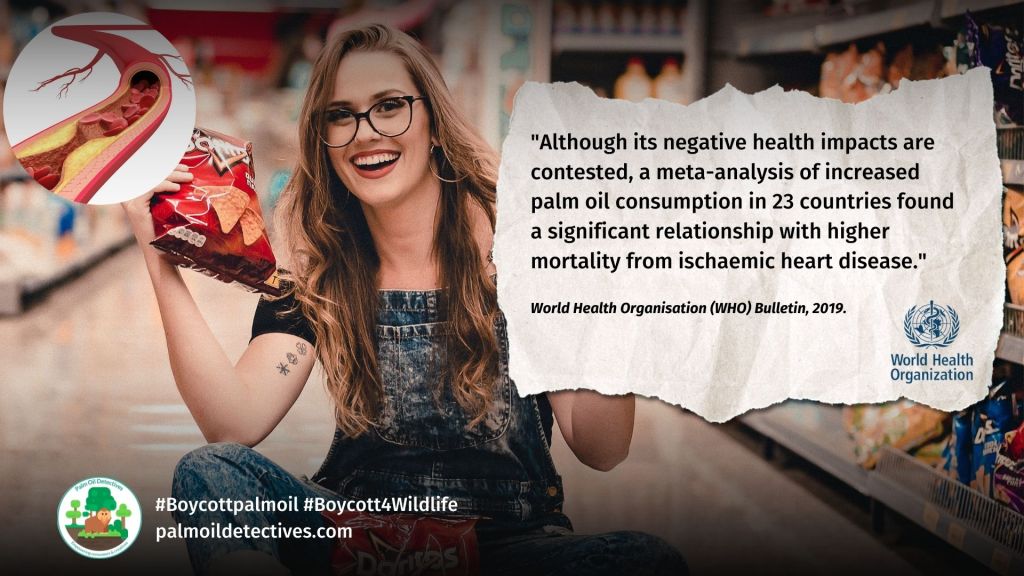
A 2019 World Health Organisation (WHO) report into the palm oil industry found that palm oil has severe impacts on cardiovascular health

WHO Bulletin on Palm Oil: Air Pollution and HealthWHO Bulletin Report: Palm Oil and Human Health ImpactsWHO Bulletin Report: Palm Oil and Human Health ImpactsWHO Bulletin Report: Palm Oil and Human Health ImpactsRead report

Here are some other ways you can help by using your wallet as a weapon and joining the #Boycott4Wildlife

What is greenwashing?

What is greenwashing?

Read more

Why join the #Boycott4Wildlife?

Why join the #Boycott4Wildlife?

Read more

Greenwashing Tactic #4: Fake Labels

Greenwashing Tactic #4: Fake Labels

Read more

The Counterpunch: Consumer Solutions To Fight Extinction

The Counterpunch: Consumer Solutions To Fight Extinction

Read more

Contribute to my Ko-Fi

Did you enjoy visiting this website?

Contribute to my kofi

Palm Oil Detectives is 100% self-funded

Palm Oil Detectives is completely self-funded by its creator. All hosting and website fees and investigations into brands are self-funded by the creator of this online movement. If you like what I am doing, you and would like me to help meet costs, please send Palm Oil Detectives a thanks on Ko-Fi.

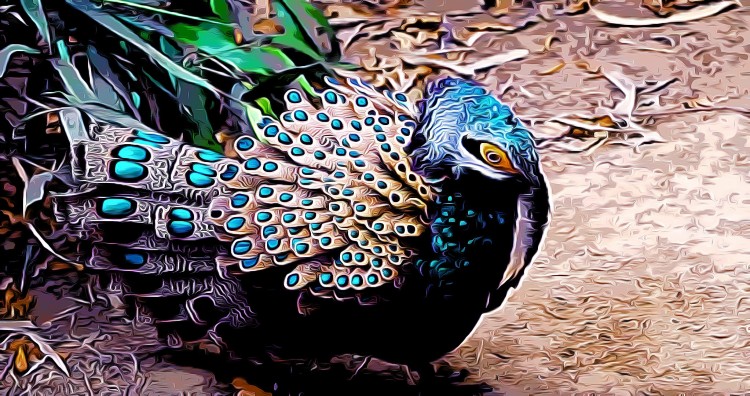
Say thanks on Ko-Fi Dorias Tree Kangaroo Dendrolagus dorianusGiant Ground Pangolin Manis giganteaBorneo Pygmy Elephant Elephas maximus borneensisBornean Peacock-pheasant Polyplectron schleiermacheri

Contribute to my Ko-Fi

Did you enjoy visiting this website?

Contribute to my kofi

Palm Oil Detectives is 100% self-funded

Palm Oil Detectives is completely self-funded by its creator. All hosting and website fees and investigations into brands are self-funded by the creator of this online movement. If you like what I am doing, you and would like me to help meet costs, please send Palm Oil Detectives a thanks on Ko-Fi.

Say thanks on Ko-Fi Dorias Tree Kangaroo Dendrolagus dorianusGiant Ground Pangolin Manis giganteaBorneo Pygmy Elephant Elephas maximus borneensisBornean Peacock-pheasant Polyplectron schleiermacheri

#Boycott4wildlife #BoycottPalmOil #cardiovascularHealth #cholesterol #diet #health #heartHealth #heartattack #humanHealth #meat #nutrition #PalmOil #palmOilAndHealth #palmoil #plantBasedDiet #research #stroke #vegan #veganism

Thailand Leaf-nosed Bat Hipposideros halophyllus

Thailand Leaf-nosed Bat Hipposideros halophyllus

IUCN Red List Status: Vulnerable

Location: Thailand (Chiang Mai, Lop Buri, Sara Buri, Sa Kaeo), Northern Peninsular Malaysia (Perlis)

Habitat: Limestone caves in lowland forests between sea level and 480 metres

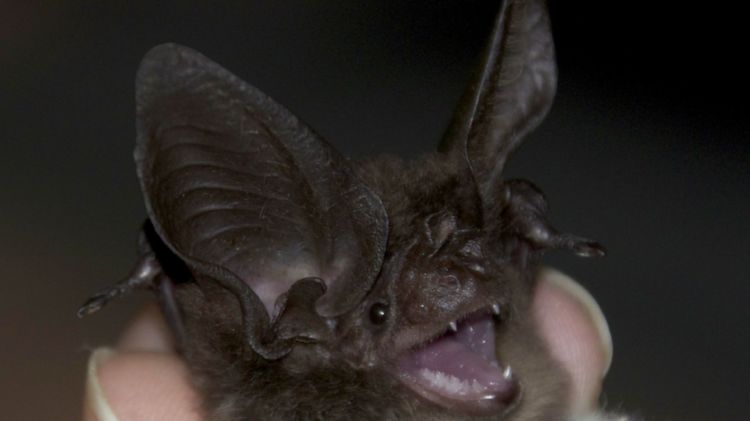
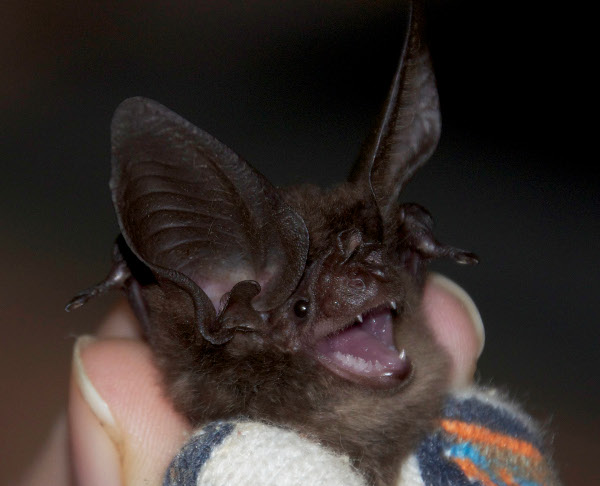
The Thailand leaf-nosed #bat (Hipposideros halophyllus) is a #Vulnerable and elusive bat species confined to the limestone cave systems of # Thailand and northern Peninsular # Malaysia. With fewer than 10,000 individuals remaining, and many local populations under threat from limestone #mining, #palmoil and #timber deforestation, and #pesticide use, this cave-dwelling species is projected to decline by at least 15% over the next 15 years. Found only in isolated forest patches, these #bats are easily disturbed and highly sensitive to habitat change. Protecting them begins with rejecting destructive industries. Help them when you shop and #BoycottPalmOil #Boycott4Wildlife and adopt a #Vegan lifestyle.

Bats are absolutely essential to forest eco-systems. They pollinate plants and make the forest grow and also control insect populations. The Thailand Leaf-nosed Bat is species of Indonesian bat that is vulnerable and experiencing rapid loss of their limestone habitat in the area due to limestone mining (S. Bumrungsri pers. comm).

Thailand Leaf-nosed #Bats 🦇🖤🦇 are ecosystem guardians dispersing seeds in #rainforests of #Thailand 🇹🇭 and #Malaysia 🇲🇾 Hunting and rampant #deforestation are ravaging their numbers. Help flying #mammals, be #vegan 🥦 #Boycott4Wildlife @palmoildetect https://palmoildetectives.com/2021/01/24/thailand-leaf-nosed-bat-hipposideros-halophyllus/

Share to BlueSkyShare to TwitterThailand Leaf-nosed Bat Hipposideros halophyllus by Psunhum

Appearance and Behaviour

The Thailand leaf-nosed bat is a small, insectivorous mammal characterised by a distinct horseshoe-shaped noseleaf that assists in echolocation. Though morphologically similar to its relatives in the Hipposideros bicolor group, H. halophyllus can be distinguished by its echolocation calls and skull shape. These bats roost communally in dark limestone caves, often choosing locations with narrow entrances and minimal light exposure. They are most active at dusk and dawn, remaining close to their roost, usually within a 2 km radius, to forage for insects.

Diet

Like many hipposiderid bats, the Thailand leaf-nosed bat is an insectivore. They use sophisticated echolocation to locate flying insects at night, including moths, beetles, and other small arthropods. Their foraging radius is limited, which makes intact, nearby forest habitat crucial to their survival.

Reproduction and Mating

Very little is known about their reproductive cycle. However, similar species in the Hipposideros genus tend to breed once a year, with females giving birth to a single pup. Maternity roosts are likely to be highly sensitive to disturbance, and young bats rely on secure cave environments for their early development.

Geographic Range

The species is found from northern Thailand (Chiang Mai, Lop Buri, Sa Kaeo, and Sara Buri) to northern Peninsular Malaysia (Perlis). Its range is severely fragmented, with key populations found in Khao Samor Khon and Pha Daeng Cave. Most known populations are small, isolated, and surrounded by agriculture and urban development, limiting gene flow and recolonisation opportunities.

Threats

Thailand Leaf-nosed Bat Hipposideros halophyllus by Bats of Thailand

Known localities are severely fragmented and surrounded by urban areas or rice fields where pesticide use is high. The bats were reported being hunted by local hunters at Khao Samor Khon (Lop Buri) and disturbed by tourist activities in Ton Chan Cave (Sara Buri) and Khao Yoi Cave (Petcha Buri) (Douangboubpha et al. 2010). This species is assessed as Vulnerable because the population is estimated to be less than 10,000 individuals, and they are expected to decline by 15% in the next 15 years (three generations).

In addition most known populations are outside protected areas and the forest habitat is highly disturbed due to livestock and deforestation (S. Bumrungsri pers. comm).

IUCN red list

  • Limestone mining: Destruction of cave systems, especially outside protected areas
  • Deforestation: Loss of surrounding forest for logging and agriculture
  • Palm oil plantations: Expansion into forested areas reduces foraging grounds
  • Tourism: Disturbance in caves such as Ton Chan and Khao Yoi
  • Pesticides: High levels of pesticide use in adjacent rice fields impact insect prey and bat health
  • Hunting: Local hunting at some roost sites (e.g. Khao Samor Khon)

Take Action!

Protecting the Thailand leaf-nosed bat means defending what remains of Southeast Asia’s ancient limestone ecosystems. Reject products that fuel deforestation and cave destruction, including palm oil. Support bans on limestone mining in biodiversity-rich zones and demand action against pesticide pollution. #BoycottPalmOil #Boycott4Wildlife #Vegan #BoycottMeat

FAQs

How many Thailand leaf-nosed bats are left?

The global population is estimated at fewer than 10,000 individuals, with most colonies extremely small and fragmented. The largest known group—at Khao Samor Khon in Thailand—is estimated to host only 1,000–1,400 bats (Waengsothorn et al., 2006). Many other sites have fewer than 200 bats, and no connectivity exists between populations.

Why are limestone caves so important for these bats?

Hipposideros halophyllus requires specific cave conditions: low elevation, limestone rock formations, small underground entrances, and stable humidity. These habitats provide protection from predators and climate extremes. Once a cave is mined, the bats cannot relocate easily, making habitat loss devastating (Douangboubpha et al., 2010).

Do palm oil plantations threaten bats?

Yes. Forest clearing for palm oil destroys the vegetation buffer around bat caves and reduces insect availability. The bats rarely travel far from their roosts, so losing surrounding forest can starve colonies and make them vulnerable to predators and heat stress.

Do Thailand leaf-nosed bats live in protected areas?

Most known populations are outside protected areas and vulnerable to mining, tourism, or hunting. The lack of formal protection makes conservation efforts difficult, and habitat degradation continues largely unchecked (IUCN, 2021).

What can we do to help protect them?

Support bans on mining in karst landscapes, avoid products with palm oil, and advocate for more protected areas in Thailand and Malaysia. Raising awareness and funding for bat surveys is also essential, as these bats are rarely monitored.

Further Information

IUCN Rating vulnerable

Douangboubpha , B. & Soisook, P. 2016. Hipposideros halophyllus. The IUCN Red List of Threatened Species 2016: e.T10137A22092544. https://dx.doi.org/10.2305/IUCN.UK.2016-2.RLTS.T10137A22092544.en. Downloaded on 24 January 2021.

Douangboubpha, B., Bumrungsri, S., Soisook, P., Murray, S. W., Puechmaille, S. J., Satasook, C., Hla Bu, S. S., Harrison, D. L., & Bates, P. J. J. (2010). A taxonomic review of Hipposideros halophyllus, with additional information on H. ater and H. cineraceus (Chiroptera: Hipposideridae) from Thailand and Myanmar. Acta Chiropterologica, 12(1), 29–50. https://doi.org/10.3161/150811010X504572

Douangboubpha , B. & Soisook, P. 2016. Hipposideros halophyllusThe IUCN Red List of Threatened Species 2016: e.T10137A22092544. https://dx.doi.org/10.2305/IUCN.UK.2016-2.RLTS.T10137A22092544.en. Accessed on 18 April 2025.

Thailand Leaf-nosed Bat Hipposideros halophyllus


Contribute to palm oil detectives - black rhino in profile

How can I help the #Boycott4Wildlife?


Take Action in Five Ways

1. Join the #Boycott4Wildlife on social media and subscribe to stay in the loop: Share posts from this website to your own network on Twitter, Mastadon, Instagram, Facebook and Youtube using the hashtags #Boycottpalmoil #Boycott4Wildlife.

Enter your email address

Sign Up

Join 3,529 other subscribers

2. Contribute stories: Academics, conservationists, scientists, indigenous rights advocates and animal rights advocates working to expose the corruption of the palm oil industry or to save animals can contribute stories to the website.

Wildlife Artist Juanchi Pérez

Wildlife Artist Juanchi Pérez

Read more

Mel Lumby: Dedicated Devotee to Borneo’s Living Beings

Mel Lumby: Dedicated Devotee to Borneo’s Living Beings

Read more

Anthropologist and Author Dr Sophie Chao

Anthropologist and Author Dr Sophie Chao

Read more

Health Physician Dr Evan Allen

Health Physician Dr Evan Allen

Read more

The World’s Most Loved Cup: A Social, Ethical & Environmental History of Coffee by Aviary Doert

The World’s Most Loved Cup: A Social, Ethical & Environmental History of Coffee by Aviary Doert

Read more

How do we stop the world’s ecosystems from going into a death spiral? A #SteadyState Economy

How do we stop the world’s ecosystems from going into a death spiral? A #SteadyState Economy

Read more

3. Supermarket sleuthing: Next time you’re in the supermarket, take photos of products containing palm oil. Share these to social media along with the hashtags to call out the greenwashing and ecocide of the brands who use palm oil. You can also take photos of palm oil free products and congratulate brands when they go palm oil free.

https://twitter.com/CuriousApe4/status/1526136783557529600?s=20

https://twitter.com/PhillDixon1/status/1749010345555788144?s=20

https://twitter.com/mugabe139/status/1678027567977078784?s=20

4. Take to the streets: Get in touch with Palm Oil Detectives to find out more.

5. Donate: Make a one-off or monthly donation to Palm Oil Detectives as a way of saying thank you and to help pay for ongoing running costs of the website and social media campaigns. Donate here

Pledge your support

#Agriculture #Bat #bats #Boycott4wildlife #BoycottMeat #BoycottPalmOil #deforestation #hunting #Malaysia #Mammal #mammals #mines #mining #palmoil #Paraquat #pesticide #pesticides #pollination #pollinator #rainforests #SouthEastAsia #Thailand #ThailandLeafNosedBatHipposiderosHalophyllus #timber #tourism #vegan #vulnerable #VulnerableSpecies