Stop Gambling Our Future for Meat Deforestation
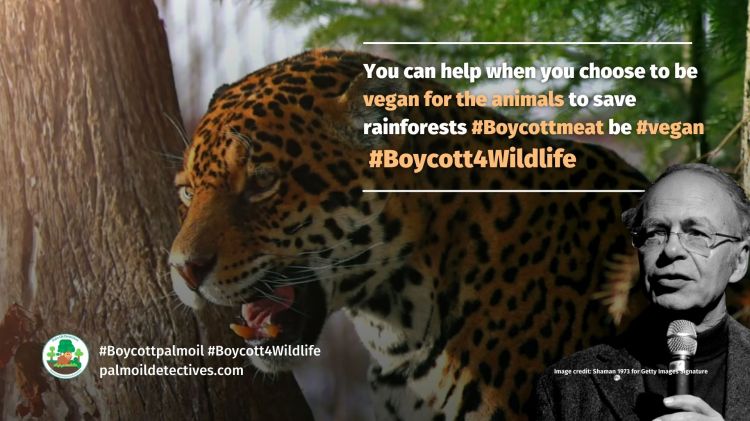
Renowned animal rights ethicist philosopher Peter Singer asserts that our dietary choices, particularly our consumption of meat and dairy, are jeopardising the Earth’s future. These industries contribute significantly to environmental degradation, deforestation, and greenhouse gas emissions, intensifying the impacts of climate change. By indulging in hamburgers and other meat-based products, we are not only compromising our health but also the wellbeing of our planet. For a more sustainable and compassionate future, consider boycotting meat and dairy. Choose to be vegan for the animals and to save our planet #Boycottmeat be #vegan #Boycott4Wildlife
Eating #meat 🥩 and #dairy 🥛is jeopardising the earth’s future says renowned #animalrights advocate Peter Singer. If you want to fight #climatechange 💚🌳🙏 be #vegan for the #animals 🐵 🦏 and planet 🌏 #Boycottmeat #Boycott4Wildlife @palmoildetect https://palmoildetectives.com/2024/05/05/peter-singer-we-are-gambling-with-the-future-of-our-planet-for-the-sake-of-hamburgers/
Share to BlueSky Share to TwitterFamous #animalrights ethicist Peter Singer links eating of #dairy and #meat to carbon emissions. If you want to fight #climatechange you should be #vegan! #Boycottmeat and dairy for the #animals 🐷🐍🐘💚 #Boycott4Wildlife @palmoildetect https://palmoildetectives.com/2024/05/05/peter-singer-we-are-gambling-with-the-future-of-our-planet-for-the-sake-of-hamburgers/
Share to BlueSkyShare to TwitterOriginally published by The Conversation June 15, 2023 and republished here under the Creative Commons Licence, read original.
Peter Singer, Princeton University
I wasn’t aware of climate change until the 1980s — hardly anyone was — and even when we recognised the dire threat that burning fossil fuels posed, it took time for the role of animal production in warming the planet to be understood.
Today, though, the fact that eating plants will reduce your greenhouse gas emissions is one of the most important and influential reasons for cutting down on animal products and, for those willing to go all the way, becoming vegan.

A few years ago, eating locally — eating only food produced within a defined radius of your home — became the thing for environmentally conscious people to do, to such an extent that “locavore” became the Oxford English Dictionary’s “word of the year” for 2007.

If you enjoy getting to know and support your local farmers, of course, eating locally makes sense. But if your aim is, as many local eaters said, to reduce greenhouse gas emissions, you would do much better by thinking about what you are eating, rather than where it comes from. That’s because transport makes up only a tiny share of the greenhouse gas emissions from the production and distribution of food.
With beef, for example, transport is only 0.5% of total emissions. So if you eat local beef you will still be responsible for 99.5% of the greenhouse gas emissions your food would have caused if you had eaten beef transported a long distance. On the other hand, if you choose peas you will be responsible for only about 2% of the greenhouse gas emissions from producing a similar quantity of local beef.
And although beef is the worst food for emitting greenhouse gases, a broader study of the carbon footprints of food across the European Union showed that meat, dairy and eggs accounted for 83% of emissions, and transport for only 6%.
More generally, plant foods typically have far lower greenhouse gas emissions than any animal foods, whether we are comparing equivalent quantities of calories or of protein. Beef, for example, emits 192 times as much carbon dioxide equivalent per gram of protein as nuts, and while these are at the extremes of the protein foods, eggs, the animal food with the lowest emissions per gram of protein, still has, per gram of protein, more than twice the emissions of tofu.

Animal foods do even more poorly when compared with plant foods in terms of calories produced. Beef emits 520 times as much per calorie as nuts, and eggs, again the best-performing animal product, emit five times as much per calorie as potatoes.
Favourable as these figures are to plant foods, they leave out something that tilts the balance even more strongly against animal foods in the effort to avoid catastrophic climate change: the “carbon opportunity cost” of the vast area of land used for grazing animals and the smaller, but still very large, area used to grow crops that are then fed — wastefully, as we have seen — to confined animals.
Because we use this land for animals we eat, it cannot be used to restore native ecosystems, including forests, which would safely remove huge amounts of carbon from the atmosphere. One study has found that a shift to plant-based eating would free up so much land for this purpose that seizing the opportunity would give us a 66% probability of achieving something that most observers believe we have missed our chance of achieving: limiting warming to 1.5℃.
Another study has suggested that a rapid phaseout of animal agriculture would enable us to stabilise greenhouse gases for the next 30 years and offset more than two-thirds of all carbon dioxide emissions this century. According to the authors of this study:
The magnitude and rapidity of these potential effects should place the reduction or elimination of animal agriculture at the forefront of strategies for averting disastrous climate change.
Climate change is undoubtedly the biggest environmental issue facing us today, but it is not the only one. If we look at environmental issues more broadly, we find further reasons for preferring a plant-based diet.
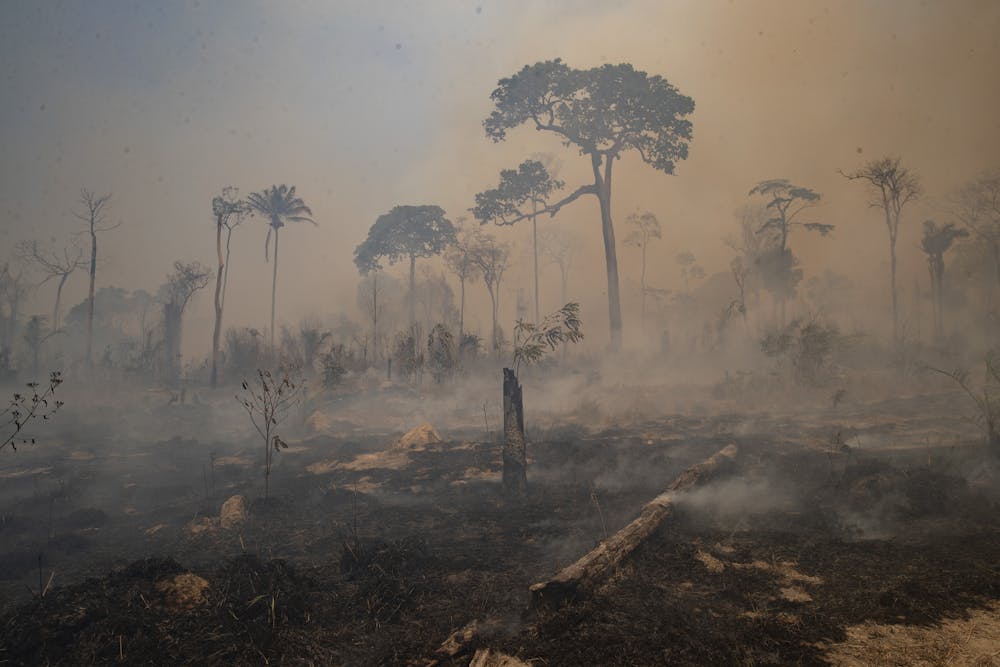 Fires in the Amazon and linked to cattle ranching. Andre Penner/AP Photo
The clearing and burning of the Amazon rainforest means not only the release of carbon from the trees and other vegetation into the atmosphere, but also the likely extinction of many plant and animal species that are still unrecorded.
This destruction is driven largely by the prodigious appetite of the affluent nations for meat, which makes it more profitable to clear the forest than to preserve it for the indigenous people living there, establish an ecotourism industry, protect the area’s biodiversity, or keep the carbon locked up in the forest. We are, quite literally, gambling with the future of our planet for the sake of hamburgers.
Joseph Poore, of the University of Oxford, led a study that consolidated a huge amount of environmental data on 38,700 farms and 1,600 food processors in 119 countries and covered 40 different food products. Poore summarised the upshot of all this research thus:
A vegan diet is probably the single biggest way to reduce your impact on planet Earth, not just greenhouse gases, but global acidification, eutrophication, land use and water use. It is far bigger than cutting down on your flights or buying an electric car, as these only cut greenhouse gas emissions.
Poore doesn’t see “sustainable” animal agriculture as the solution:
Really it is animal products that are responsible for so much of this. Avoiding consumption of animal products delivers far better environmental benefits than trying to purchase sustainable meat and dairy.
Those who claim to care about the wellbeing of human beings and the preservation of our climate and our environment should become vegans for those reasons alone.
Doing so would reduce greenhouse gas emissions and other forms of pollution, save water and energy, free vast tracts of land for reforestation, and eliminate the most significant incentive for clearing the Amazon and other forests.
This is an edited extract from Animal Liberation Now by Peter Singer (Penguin Random House).
Peter Singer, Professor of Bioethics in the Center for Human Values, Princeton University
This article is republished from The Conversation under a Creative Commons license. Read the original article.
Originally published by The Conversation June 15, 2023 and republished here under the Creative Commons Licence, read original.
ENDS
Read more about human health, veganism, nutrition and why you should #Boycottpalmoil, #Boycottmeat for your own and the planet’s health
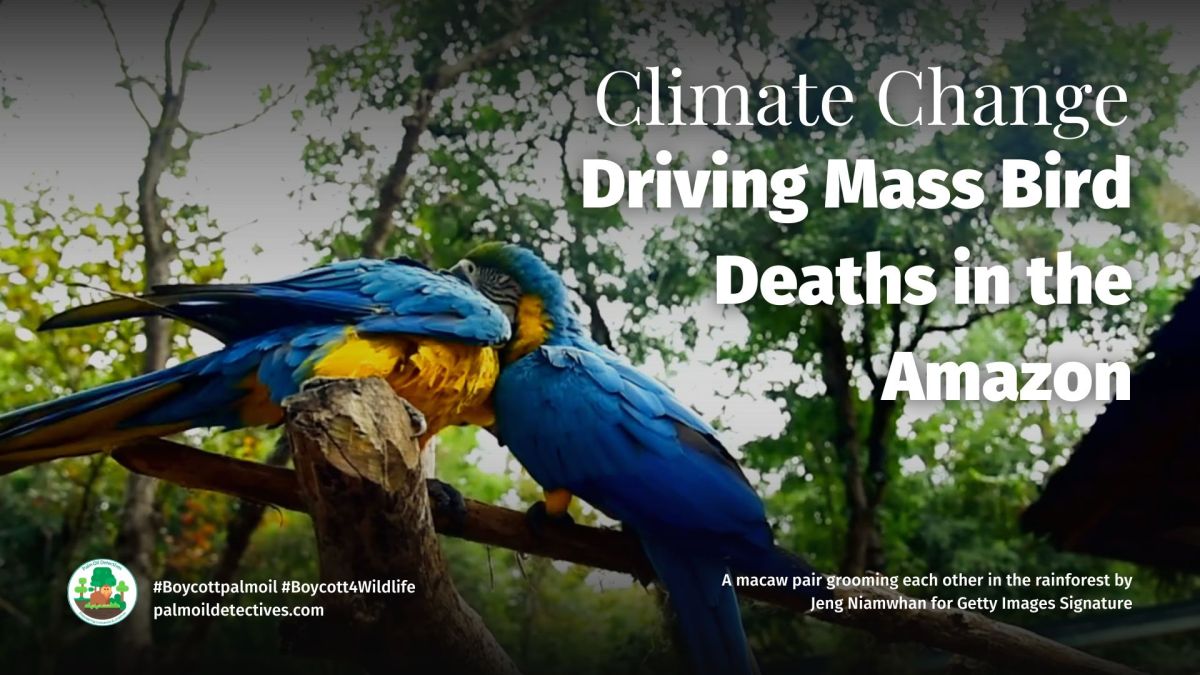
Climate Change Driving Mass Bird Deaths in the Amazon
A recent #study has revealed that even in the most isolated parts of the #Amazon, bird #populations are collapsing due to #climatechange. Research published in Science Advances found that a 1°C increase in…
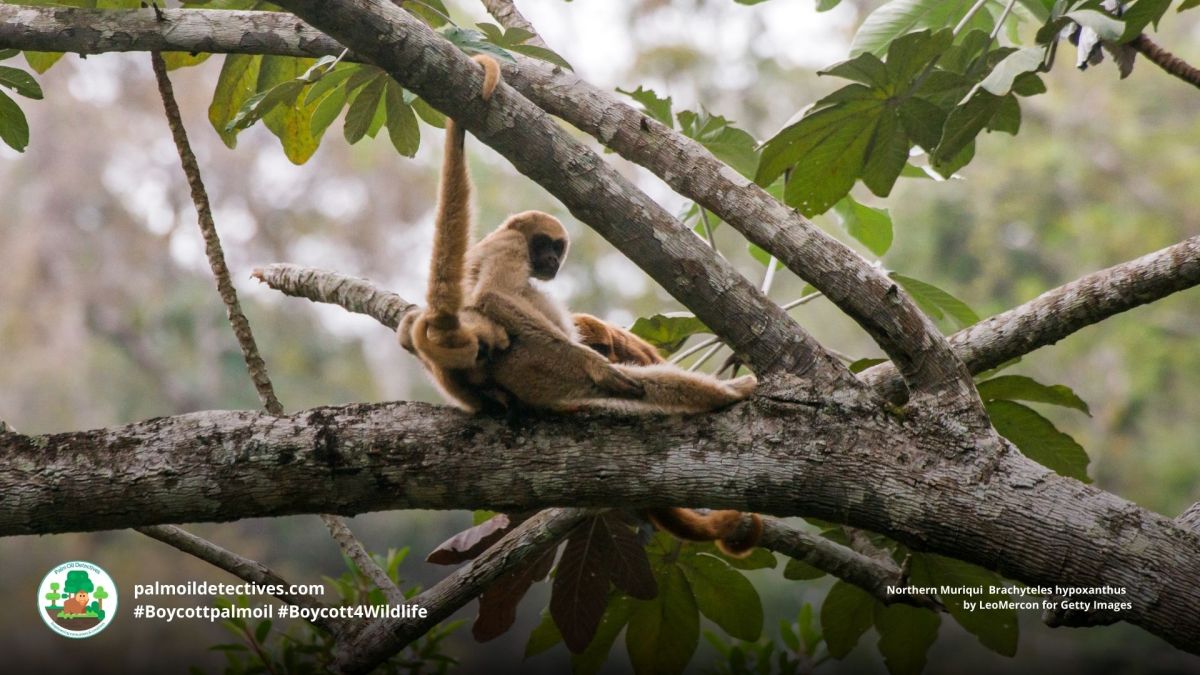
Declining primate numbers are threatening Brazil’s Atlantic forest
#Brazil’s Atlantic Forest, one of the most biodiverse ecosystems in the world, is facing severe threats due to deforestation and habitat fragmentation. This has led to a sharp decline in primate species, including…

Blue-streaked Lory Eos reticulata
Brilliantly coloured and full of energy, the Blue-streaked Lory (Eos reticulata) is a striking and unique #parrot living in the forests of the Banda Sea Islands, #Indonesia. Their scarlet plumage is decorated with…

Blonde Capuchin Sapajus flavius
The blonde #capuchin (Sapajus flavius) is an enigmatic and critically endangered #primate found in the northeastern forests of Brazil. With their striking golden-yellow fur and intelligent, expressive faces, these capuchins are among the…
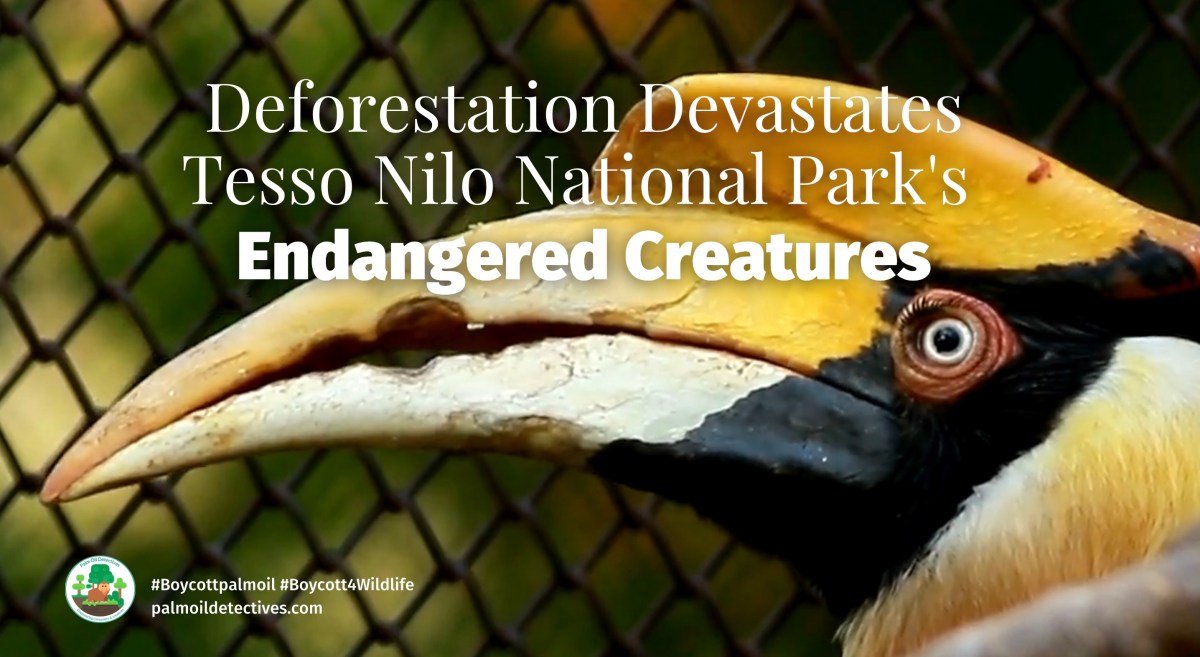
Deforestation Devastates Tesso Nilo National Park’s Endangered Creatures
Tesso Nilo National Park in #Sumatra, #Indonesia, has lost 78% of its primary forest between 2009 and 2023, primarily due to #palmoil plantations. This #deforestation threatens the habitat of critically endangered species like…
Load more posts
Something went wrong. Please refresh the page and/or try again.
Take Action in Five Ways
1. Join the #Boycott4Wildlife on social media and subscribe to stay in the loop: Share posts from this website to your own network on Twitter, Mastadon, Instagram, Facebook and Youtube using the hashtags #Boycottpalmoil #Boycott4Wildlife.
Enter your email address
Sign Up
Join 3,529 other subscribers2. Contribute stories: Academics, conservationists, scientists, indigenous rights advocates and animal rights advocates working to expose the corruption of the palm oil industry or to save animals can contribute stories to the website.
Wildlife Artist Juanchi Pérez

Mel Lumby: Dedicated Devotee to Borneo’s Living Beings
Anthropologist and Author Dr Sophie Chao

Health Physician Dr Evan Allen

The World’s Most Loved Cup: A Social, Ethical & Environmental History of Coffee by Aviary Doert

How do we stop the world’s ecosystems from going into a death spiral? A #SteadyState Economy
3. Supermarket sleuthing: Next time you’re in the supermarket, take photos of products containing palm oil. Share these to social media along with the hashtags to call out the greenwashing and ecocide of the brands who use palm oil. You can also take photos of palm oil free products and congratulate brands when they go palm oil free.
https://twitter.com/CuriousApe4/status/1526136783557529600?s=20
https://twitter.com/PhillDixon1/status/1749010345555788144?s=20
https://twitter.com/mugabe139/status/1678027567977078784?s=20
4. Take to the streets: Get in touch with Palm Oil Detectives to find out more.
5. Donate: Make a one-off or monthly donation to Palm Oil Detectives as a way of saying thank you and to help pay for ongoing running costs of the website and social media campaigns. Donate here
Pledge your support#animalRights #animalrights #animals #BoycottMeat #BoycottPalmOil #Boycott4wildlife #BoycottMeat #BoycottPalmOil #climateChange #climatechange #dairy #deforestation #diet #ethics #meat #nutrition #PalmOil #palmOilDeforestation #PeterSinger #plantBasedDiet #saturatedFats #vegan #veganism
Unsupported type or deleted object
Tucuxi Sotalia fluviatilis
Tucuxi Sotalia fluviatilis
IUCN Red List Status: Endangered
Location: #Brazil, #Peru, #Colombia, #Ecuador
Found throughout the #Amazon and Solimões River systems, including major tributaries and large lakes. Their range spans lowland rainforest areas of Brazil, southeastern Colombia, eastern Ecuador, and southern Peru.
The #Tucuxi, a small freshwater #dolphin of #Peru, #Ecuador, #Colombia and #Brazil now faces a dire future. Once common throughout the Amazon River system, they are now listed as #Endangered due to accelerating population declines. Threats include drowning in fishing nets, deforestation, mercury poisoning from gold mining, #palmoil run-off, oil drilling, and dam construction. A shocking 97% decline was recorded over 23 years in a single Amazon reserve. Without urgent action, this elegant and playful river dolphin could vanish from South America’s waterways. Use your wallet as a weapon against extinction. Choose palm oil-free, and #BoycottGold #BoycottPalmOil #Boycott4Wildlife
Playful and intelligent #Tucuxi are small #dolphins 🐬 of #Amazonian rivers in #Peru 🇵🇪 #Brazil 🇧🇷 #Ecuador 🇪🇨 and #Colombia 🇨🇴. #PalmOil and #GoldMining are major threats 😿 Fight for them! #BoycottGold #BoycottPalmOil #Boycott4Wildlife @palmoildetect https://palmoildetectives.com/2025/11/23/tucuxi-sotalia-fluviatilis/
Share to BlueSky Share to TwitterClever and joyful #Tucuxi are #dolphins 🐬💙 endangered by #hunting #gold #mining and contamination of the Amazon river 🇧🇷 for #PalmOil #agriculture ☠️ Use your wallet as a weapon and #BoycottGold 🥇🚫 #BoycottPalmOil 🌴🚫 #Boycott4Wildlife @palmoildetect https://palmoildetectives.com/2025/11/23/tucuxi-sotalia-fluviatilis/
Share to BlueSky Share to TwitterAppearance & Behaviour
Tucuxis are often mistaken for their oceanic dolphin cousins due to their streamlined bodies, short beaks, and smooth, pale-to-dark grey skin. But these freshwater dolphins are wholly unique—adapted to life in winding river systems where water levels rise and fall dramatically with the seasons.
What sets them apart is their remarkable intelligence and tightly knit social groups. Tucuxis are playful and curious by nature. They leap from the water in graceful arcs, sometimes spinning mid-air.


The Tucuxi, sometimes called the ‘grey dolphin’ due to their uniform colouring, resembles a smaller oceanic dolphin, with a streamlined body and slender beak. Their colour varies from pale grey on the belly to darker grey or bluish-grey along the back.
They travel in small groups of two to six, displaying coordinated swimming patterns. In rare cases, they may form groups up to 26 individuals, particularly at river confluences. Known for their agility, they leap and spin in the water with a grace that belies their size. Tucuxis are particularly drawn to dynamic habitats like river junctions, where waters mix and fish gather.
Threats


- Widespread deforestation from palm oil plantations Palm oil plantations are rapidly expanding across the Amazon, clearing vast tracts of forest that stabilise riverbanks and filter water. This deforestation leads to increased sedimentation in rivers, altering flow patterns and reducing water clarity—conditions that directly disrupt the Tucuxi’s feeding and movement. Run-off from fertilisers and pesticides used in palm oil monocultures also poisons aquatic ecosystems, harming Tucuxis other Amazonian dolphin species and the fish they rely on.
- Toxic mercury pollution from gold mining Artisanal and illegal gold mining in the Amazon releases massive quantities of mercury into the water, contaminating fish and other aquatic organisms. Tucuxis, as top predators, ingest this mercury through their prey, which accumulates in their tissues and causes neurological damage, weakened immunity, and reproductive failure. Mercury exposure is one of the most insidious threats, as it persists in ecosystems long after mining has ceased.
- Incidental drowning in fishing nets Tucuxis are frequently caught and killed in gillnets and other fishing gear as bycatch. Tucuxis and other Amazonian dolphins often inhabit the same confluence zones and productive fishing grounds targeted by local communities, making entanglement almost inevitable. Many carcasses are never recovered, having either been discarded by fishers or lost to river currents, meaning actual mortality rates are likely far higher than reported.
- Deliberate hunting for use as fish bait Though illegal, Tucuxis continue to be targeted and killed in parts of Brazil, especially near the Mamirauá and Amana Reserves, where they are used as bait in the piracatinga (catfish) fishery. This brutal practice involves harpooning or netting dolphins and using their flesh to lure fish, often alongside the killing of Botos. Despite a national ban, weak enforcement and ongoing demand mean this threat persists in remote and lawless regions.
- Illegal fishing with explosives and toxins In certain areas, particularly in Brazil and Peru, fishers use home-made explosives and poisoned bait to stun or kill fish en masse. These destructive methods harm or kill Tucuxis who are attracted by the sudden appearance of dead or stunned prey. The concussive force of explosions and the ingestion of poisoned prey result in slow, agonising deaths for affected dolphins.
- Construction of hydroelectric dams Dams fragment Tucuxi populations by blocking their movement along river corridors, reducing access to feeding and breeding grounds. These projects alter seasonal water flow, raise water temperatures, and flood critical habitats—conditions that significantly disrupt dolphin ecology. Brazil alone has 74 operational dams in the Amazon basin, with over 400 more planned, posing a long-term existential threat to freshwater cetaceans.
- Run-off and contamination from palm oil, soy and meat agriculture In addition to habitat loss, palm oil and soy plantations along with cattle ranching generates enormous volumes of chemical-laden waste, which enters waterways and poisons aquatic life. This pollution affects Tucuxis both directly and indirectly—exposing them to harmful substances and killing off sensitive fish species. As plantations replace biodiverse forests, the ecosystem becomes less resilient, accelerating the decline of species like the Tucuxi.
- Bioaccumulation of heavy metals and industrial pollutants Tucuxis, like many river dolphins, suffer from exposure to persistent organic pollutants such as PCBs, DDT, and flame retardants, as well as heavy metals like lead and cadmium. These toxins accumulate in dolphin tissues over time, weakening their immune systems, interfering with reproduction, and making them more vulnerable to disease. Contaminants originate from industrial waste, agriculture, and mining, and are now widespread across the Amazon basin.
- Habitat fragmentation from infrastructure and oil development Roads, oil pipelines, and shipping corridors criss-cross many parts of the Tucuxi’s range, slicing through their habitat and increasing the risk of collisions with boats. These developments also bring noise pollution, which can interfere with echolocation and communication. Fragmentation leads to isolated subpopulations, reducing genetic diversity and making recovery more difficult.
Geographic Range
The Tucuxi inhabits the Amazon River basin, spanning: Brazil, Peru, Colombia, Ecuador These river dolphins occur as far west as southern Peru and eastern Ecuador, and as far north as southeastern Colombia. They are notably absent from Bolivia’s Beni/Mamoré system, the Orinoco basin, and upper reaches above major waterfalls or rapids.
Their range includes wide, deep rivers and lakes, avoiding turbulent rapids and shallow areas. Despite overlapping with the Amazon River Dolphin (Inia geoffrensis), Tucuxis do not enter flooded forest habitats and stay closer to main river channels.
Diet
Tucuxis feed on more than 28 species of small, schooling freshwater fish, including members of the characid, sciaenid, and siluriform families. During the dry season, fish are concentrated in shrinking waterways, making them easier to catch. In contrast, flooding season disperses prey into forested areas, beyond the Tucuxi’s reach. They prefer to feed at river junctions and along confluences, where nutrient-rich waters concentrate fish populations.
Mating and Reproduction
Little is known about their mating behaviours. However, individuals appear to remain within familiar ranges for many years, and females likely give birth to a single calf after a long gestation. Calves are dependent for an extended period, learning complex navigation and foraging skills in rapidly changing river systems. The estimated generation length is 15.6 years.
FAQs
How many Tucuxis are left in the wild?
There is no comprehensive global population estimate. However, surveys from 1994–2017 in Brazil’s Mamirauá Reserve show a 7.4% annual decline—amounting to a 97% drop over three generations (da Silva et al., 2020). If this trend reflects the wider Amazon basin, the species could be on the brink of collapse.
How long do Tucuxis live?
Exact lifespans are unknown, but based on reproductive data and life history modelling, their generation length is around 15.6 years (Taylor et al., 2007), suggesting natural lifespans of 30–40 years.
How are palm oil and gold mining affecting Tucuxis?
Out-of-control palm oil expansion results in massive deforestation and run-off, clogging rivers with sediment and toxic agrochemicals. Gold mining adds mercury into aquatic ecosystems, where it bioaccumulates in fish—Tucuxis’ main food source. These pollutants cause reproductive harm, neurological damage, and immune system failure in dolphins.
Do Tucuxis make good pets and should they be kept in zoos?
Absolutely not. Tucuxis are intelligent, wild animals. Keeping them in captivity is deeply cruel and has no conservation benefit. Wild capture destroys families and can devastate local populations. If you care about these dolphins, say no to the exotic pet trade and the cruel zoo trade.
What habitats do they prefer?
Research in Peru’s Pacaya-Samiria Reserve shows that Tucuxis prefer river confluences and wide channels, particularly during the dry season when fish density is higher (Belanger et al., 2022). Feeding activity is especially concentrated in areas where whitewater rivers meet blackwater tributaries, creating nutrient-rich hotspots.
Take Action!
The Tucuxi is vanishing before our eyes. To protect them:
• Boycott palm oil and gold products linked to Amazon destruction.
• Choose fish-free and vegan products to reduce pressure on river ecosystems.
• Support indigenous-led conservation across the Amazon.
• Campaign for a ban on destructive dams, and the end of illegal fishing.
#BoycottPalmOil #Boycott4Wildlife #Vegan #BoycottMeat
Support the Tucuxi by going vegan and boycotting palm oil in the supermarket, it’s the #Boycott4Wildlife
Support the conservation of this species
This animal has no protections in place. Read about other forgotten species here. Create art to support this forgotten animal or raise awareness about them by sharing this post and using the #Boycottpalmoil #Boycott4Wildlife hashtags on social media. Also you can boycott palm oil in the supermarket.
Further Information
Belanger, A., Wright, A., Gomez, C., Shutt, J.D., Chota, K., & Bodmer, R. (2022). River dolphins (Inia geoffrensis and Sotalia fluviatilis) in the Peruvian Amazon: habitat preferences and feeding behaviour. Latin American Journal of Aquatic Mammals, 17(1). https://doi.org/10.5597/lajam00268
da Silva, V., Martin, A., Fettuccia, D., Bivaqua, L. & Trujillo, F. 2020. Sotalia fluviatilis. The IUCN Red List of Threatened Species 2020: e.T190871A50386457. https://dx.doi.org/10.2305/IUCN.UK.2020-3.RLTS.T190871A50386457.en. Accessed on 06 April 2025.
Monteiro-Neto, C., Itavo, R. V., & Moraes, L. E. S. (2003). Concentrations of heavy metals in Sotalia fluviatilis (Cetacea: Delphinidae) off the coast of Ceará, northeast Brazil. Environmental Pollution, 123(2), 319–324. https://doi.org/10.1016/S0269-7491(02)00371-8


How can I help the #Boycott4Wildlife?
Take Action in Five Ways
1. Join the #Boycott4Wildlife on social media and subscribe to stay in the loop: Share posts from this website to your own network on Twitter, Mastadon, Instagram, Facebook and Youtube using the hashtags #Boycottpalmoil #Boycott4Wildlife.
Enter your email address
Sign Up
Join 3,172 other subscribers2. Contribute stories: Academics, conservationists, scientists, indigenous rights advocates and animal rights advocates working to expose the corruption of the palm oil industry or to save animals can contribute stories to the website.
Wildlife Artist Juanchi Pérez
Mel Lumby: Dedicated Devotee to Borneo’s Living Beings
Anthropologist and Author Dr Sophie Chao
Health Physician Dr Evan Allen
The World’s Most Loved Cup: A Social, Ethical & Environmental History of Coffee by Aviary Doert
How do we stop the world’s ecosystems from going into a death spiral? A #SteadyState Economy
3. Supermarket sleuthing: Next time you’re in the supermarket, take photos of products containing palm oil. Share these to social media along with the hashtags to call out the greenwashing and ecocide of the brands who use palm oil. You can also take photos of palm oil free products and congratulate brands when they go palm oil free.
https://twitter.com/CuriousApe4/status/1526136783557529600?s=20
https://twitter.com/PhillDixon1/status/1749010345555788144?s=20
https://twitter.com/mugabe139/status/1678027567977078784?s=20
4. Take to the streets: Get in touch with Palm Oil Detectives to find out more.
5. Donate: Make a one-off or monthly donation to Palm Oil Detectives as a way of saying thank you and to help pay for ongoing running costs of the website and social media campaigns. Donate here
Pledge your supportLearn about other animals endangered by palm oil and other agriculture
GlobalSouth America S.E. AsiaIndiaAfricaWest Papua & PNG
Frill-Necked Lizard Chlamydosaurus kingii

Grey Crowned Crane Balearica regulorum

Ecuadorean Viscacha Lagidium ahuacaense

Southern Pudu Pudu puda
Blue-streaked Lory Eos reticulata
Blonde Capuchin Sapajus flavius
Learn about “sustainable” palm oil greenwashing
Read more about RSPO greenwashing
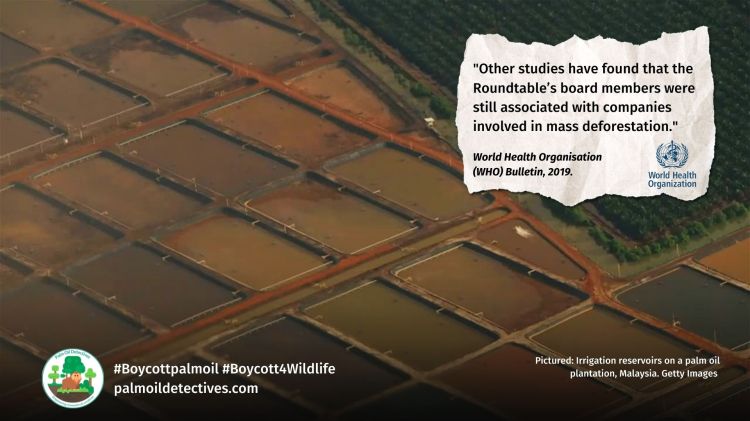
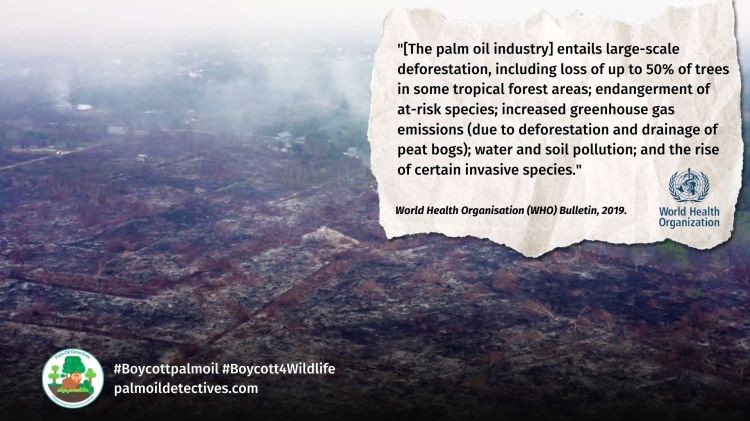
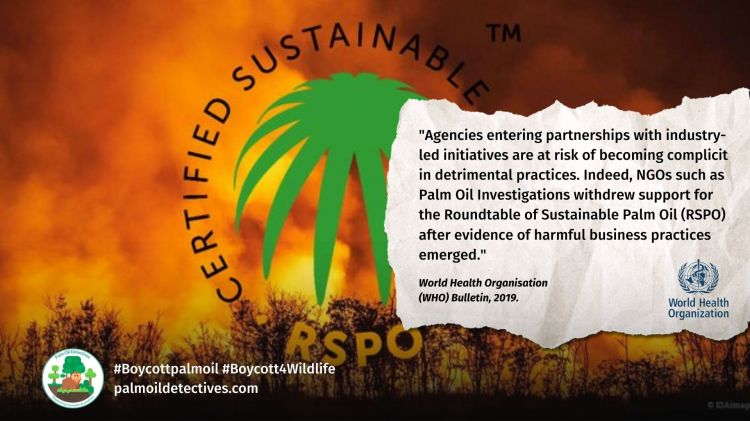
Lying Fake labelsIndigenous Land-grabbingHuman rights abusesDeforestation Human health hazardsA 2019 World Health Organisation (WHO) report into the palm oil industry and RSPO finds extensive greenwashing of palm oil deforestation and the murder of endangered animals (i.e. biodiversity loss)
Read more

#agriculture #amazon #amazonRainforest #amazonia #amazonian #animalCruelty #animals #boycott4wildlife #boycottgold #boycottmeat #boycottpalmoil #brazil #colombia #dams #deforestation #dolphin #dolphins #ecuador #endangered #endangeredSpecies #forgottenAnimals #gold #goldMining #goldmining #humanWildlifeConflict #hunting #hydroelectric #mammal #mining #palmOil #palmOilDeforestation #palmoil #peru #poaching #saynotogold #tucuxi #tucuxiSotaliaFluviatilis #vegan
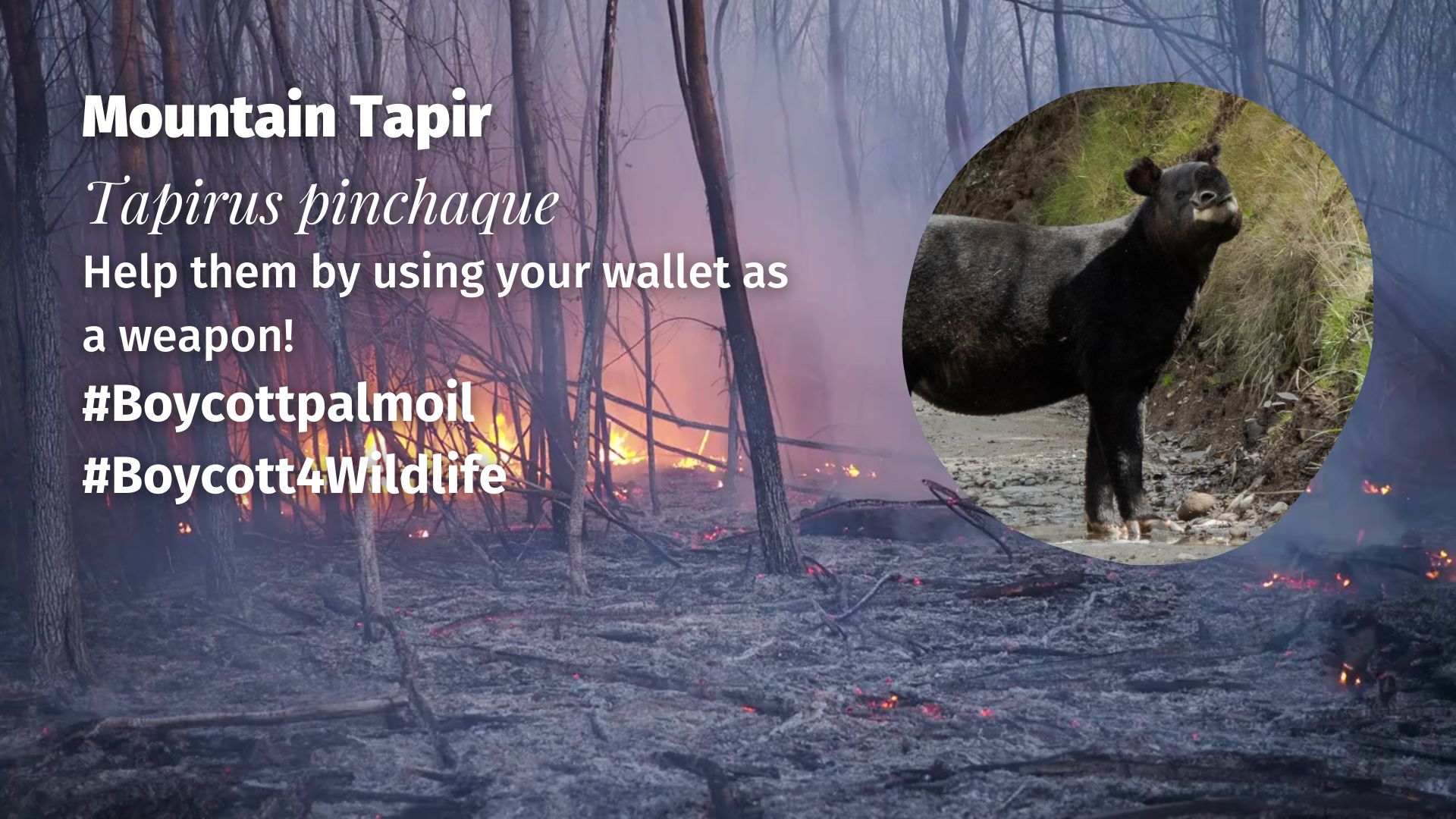
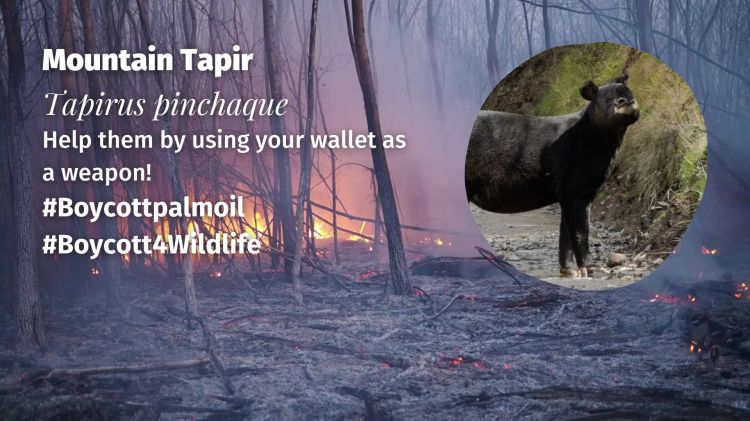
Mountain Tapir Tapirus pinchaque
Mountain Tapir Tapirus pinchaque
IUCN Red List Status: Endangered
Location: Colombia, Ecuador, northern Peru
Mountain Tapirs inhabit the high Andean cloud forests and páramos above 2,000 metres in the northern Andes. They are found in Colombia’s Central and Eastern Cordilleras, throughout Ecuador including Sangay and Podocarpus National Parks, and into northern Peru, notably in Cajamarca and Lambayeque.
The Mountain Tapir Tapirus pinchaque is one of the most threatened large mammals in the northern Andes, currently listed as Endangered. Their populations have declined by over 50% in the past three decades due to habitat loss, illegal hunting, climate change, and rampant mining. With fewer than 2,500 mature individuals remaining, they are quietly disappearing from their mist-shrouded mountain homes. Human encroachment, infrastructure development, and cattle grazing now invade their last strongholds. Without urgent action, they may vanish forever. Use your wallet as a weapon and fight back when you shop #BoycottPalmOil #Boycott4Wildlife and be #BoycottGold
Sweet-natured Mountain #Tapirs of #Ecuador 🇪🇨 #Peru 🇵🇪 and #Colombia 🇨🇴 face serious threats incl. illegal crops, #gold #mining, #palmoil #deforestation and hunting. Help them survive #BoycottPalmOil 🌴⛔️#BoycottGold 🥇⛔️ #Boycott4Wildlife @palmoildetect https://palmoildetectives.com/2025/12/28/mountain-tapir-tapirus-pinchaque/
Share to BlueSky Share to TwitterThe Wooly #Tapir AKA Mountain Tapir gives birth to one calf at a time 🩷😻 They’re #endangered due to a many threats: #climatechange and #pollution from #gold mining. Resist for them! #BoycottPalmOil #BoycottGold 🥇☠️❌ #Boycott4Wildlife @palmoildetect https://palmoildetectives.com/2025/12/28/mountain-tapir-tapirus-pinchaque/
Share to BlueSky Share to TwitterAppearance & Behaviour
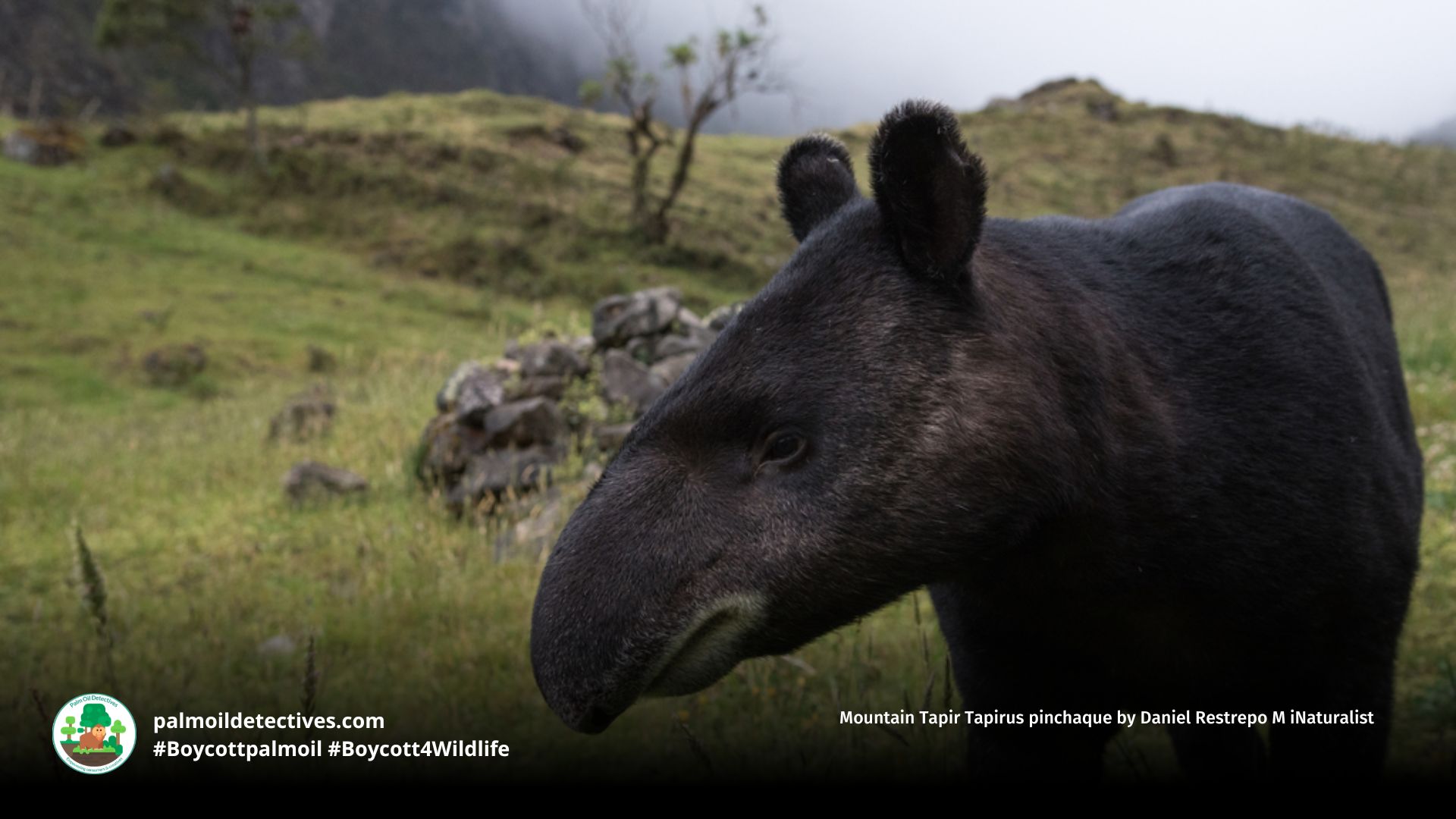
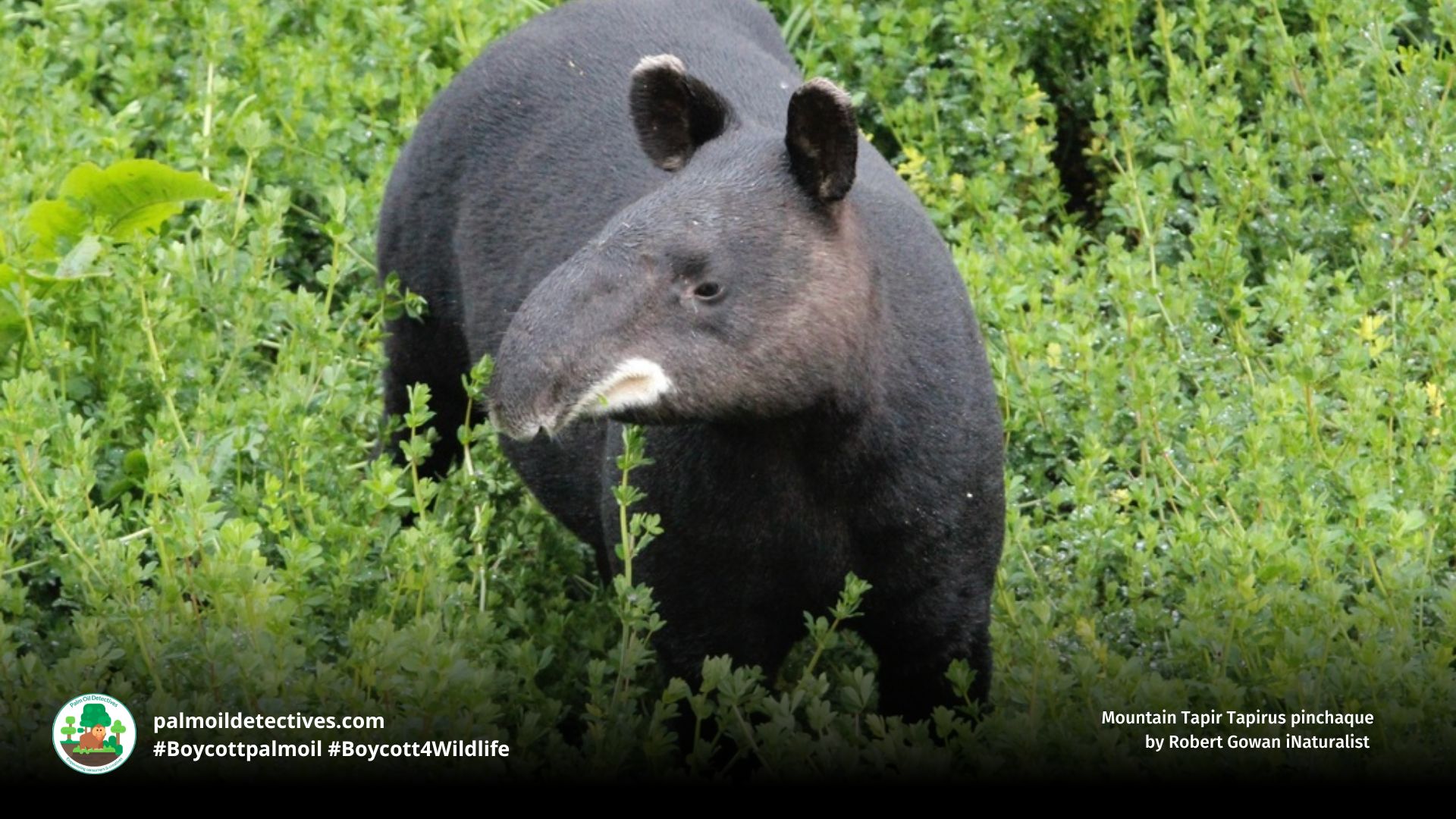
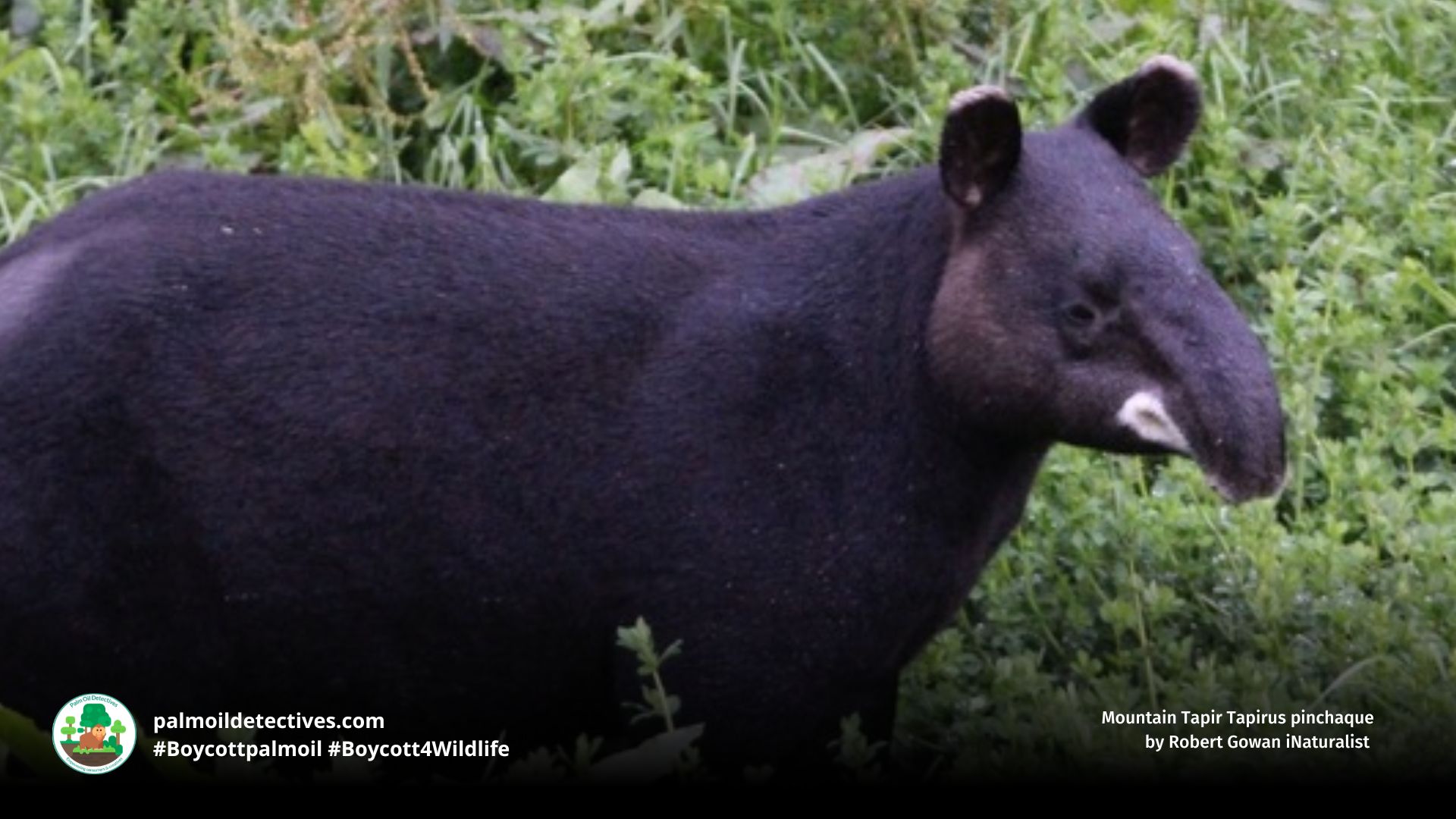
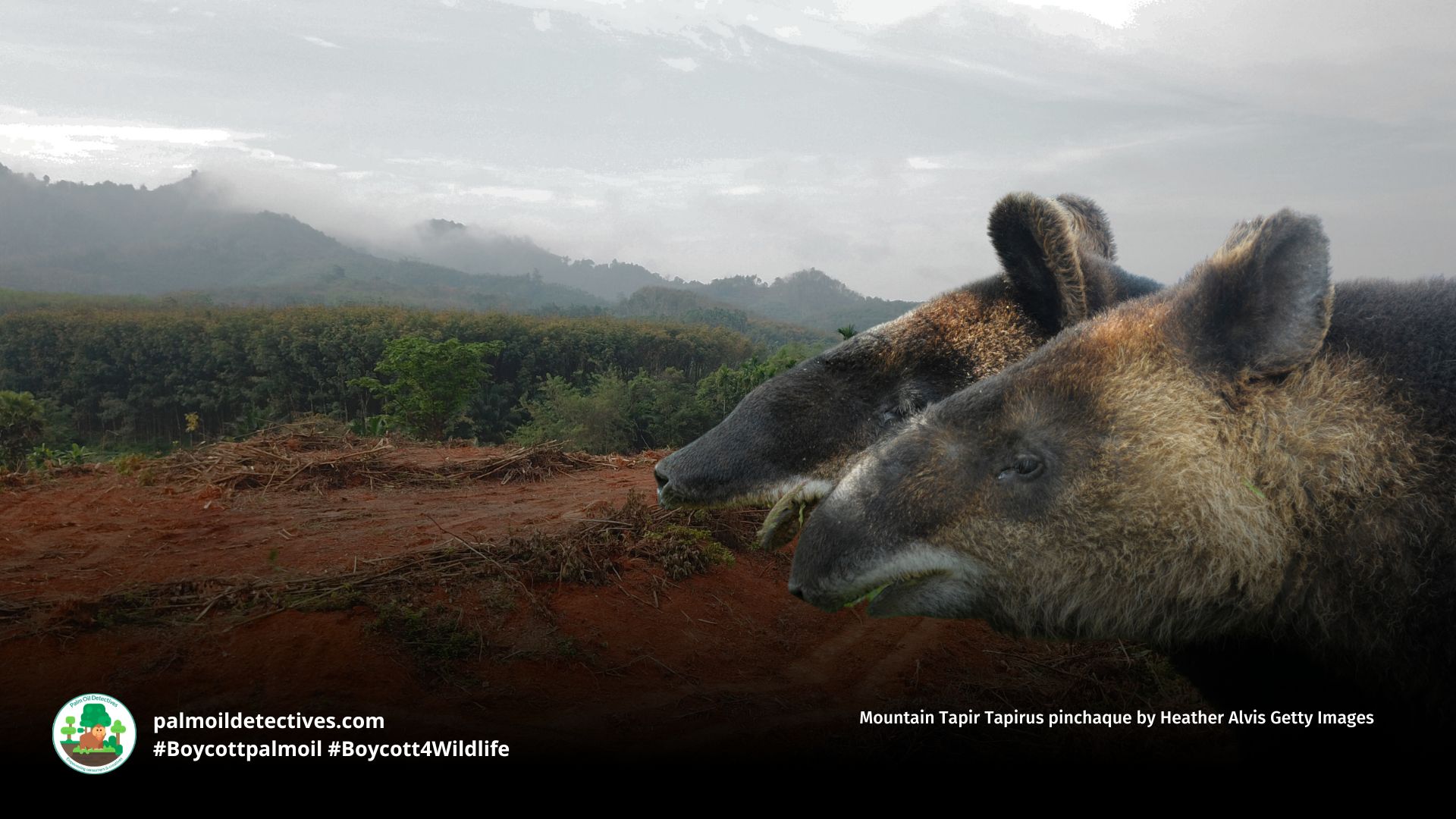
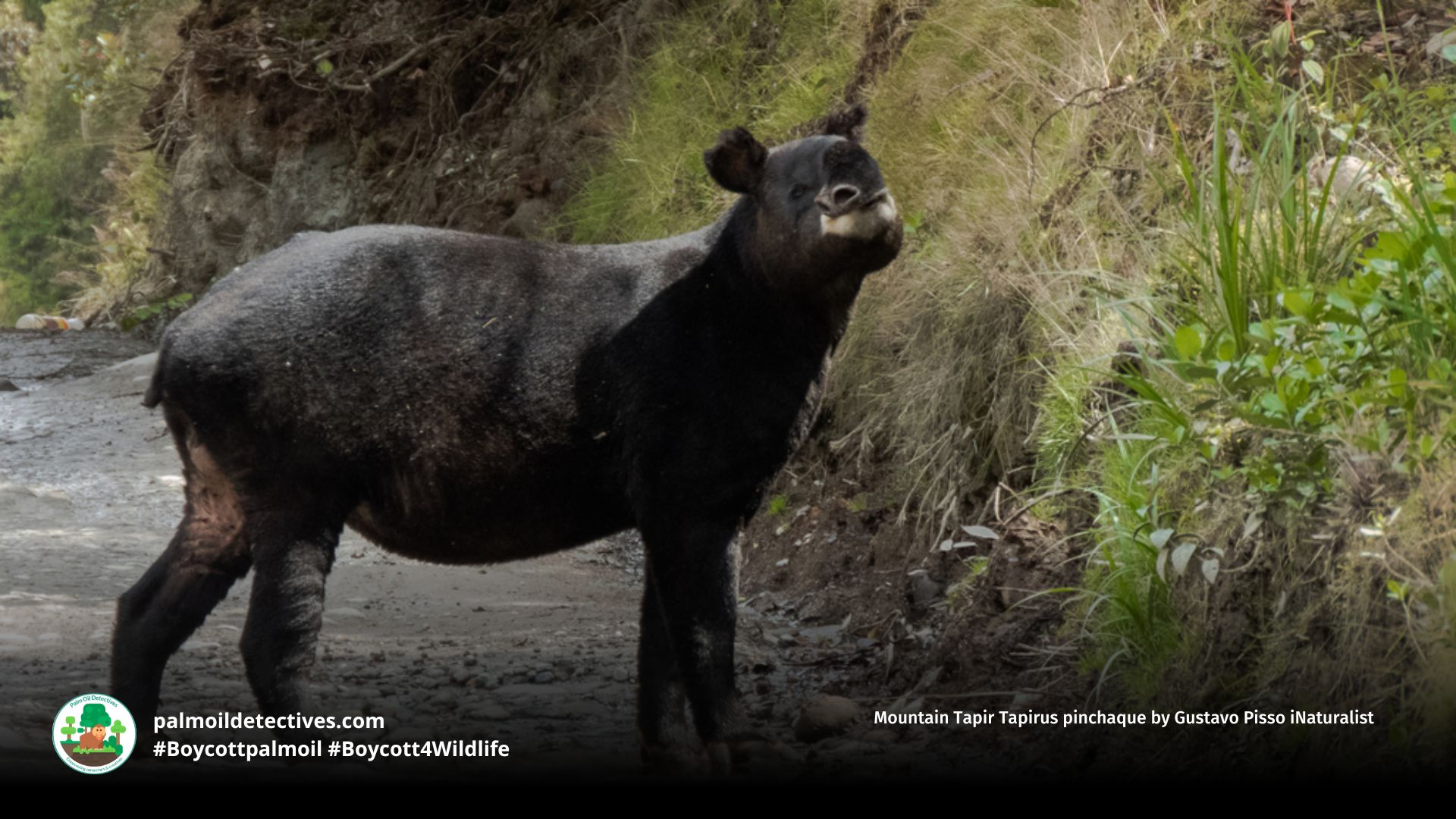
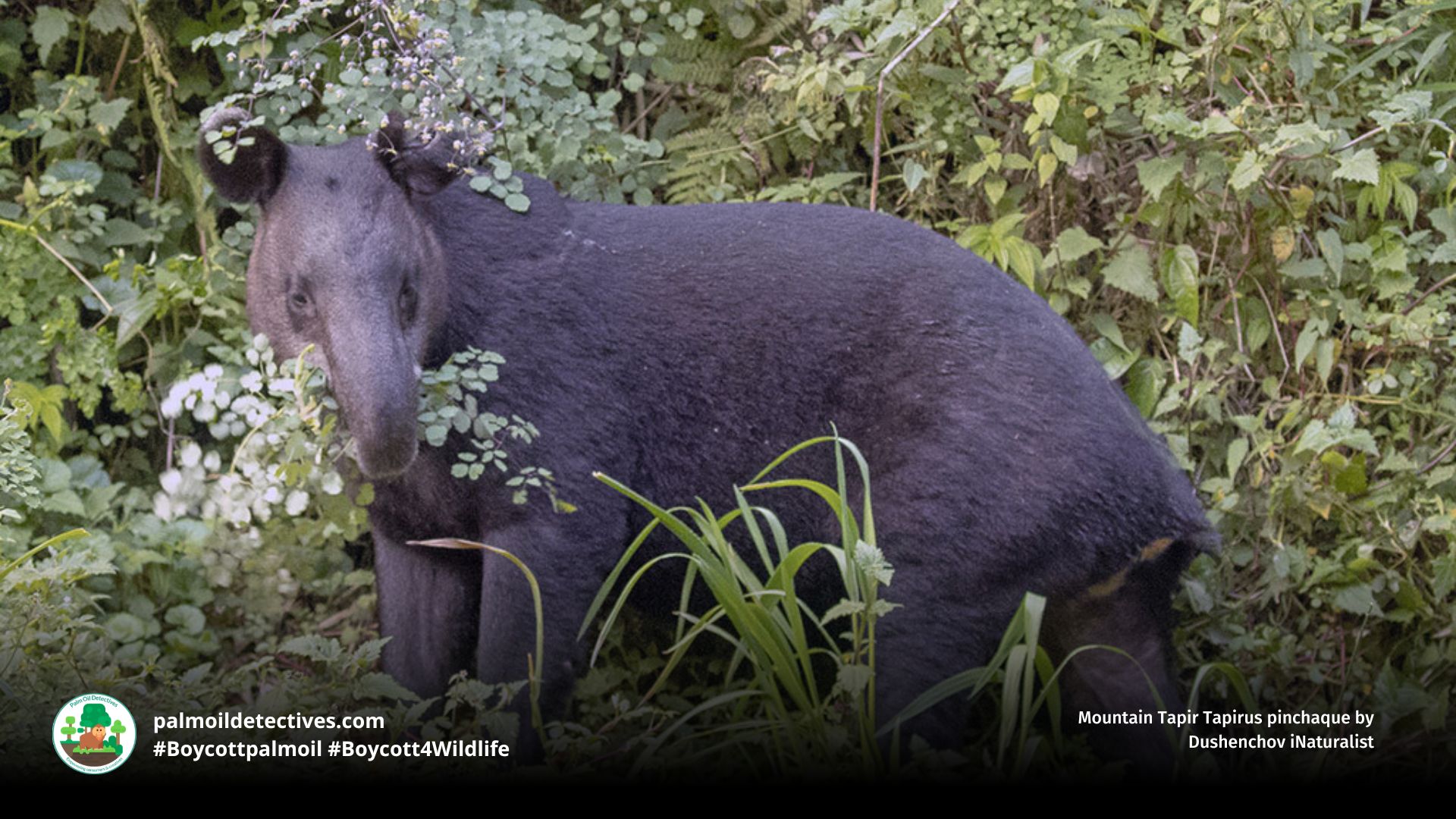
Also known as the woolly tapir for their thick, dark, shaggy coat, Mountain Tapirs are built to survive in the cold, damp cloud forests and páramo grasslands. Their dense fur, white lips, and prehensile snout give them an almost prehistoric appearance. These solitary and elusive mammals are primarily nocturnal and crepuscular, navigating dense foliage with ease. Once thought to be loners, long-term studies in Ecuador have revealed that they form small, close-knit family groups, with calves gradually dispersing over several years (Castellanos et al., 2022).

Threats
Deforestation for palm oil, meat agriculture and illicit opium/coca cultivation
Large swathes of Andean cloud forest and páramo are being cleared to make way for palm oil agricultural expansion, cattle grazing, and opium or coca cultivation. These activities are not only destroying core habitat but also breaking up previously connected populations, leaving tapirs isolated and vulnerable to local extinctions. The introduction of cattle into remote tapir refuges has become increasingly common, even inside designated national parks such as Sangay in Ecuador. This leads to trampling of sensitive vegetation, direct competition for food, and destruction of the unique montane ecosystems that Mountain Tapirs rely on for survival.

Illegal hunting for meat, traditional medicine, and cultural uses
Although hunting pressure has declined slightly in Ecuador due to greater public awareness, it remains severe in Colombia and Peru. Tapirs are killed for their meat, and their skins are used to make traditional tools, horse gear, carpets, and bed covers. Additionally, body parts are sold in local markets or prescribed by shamans for use in traditional medicine. In many remote areas, Mountain Tapirs are still being actively poached, and it is now rare to find populations that are not affected by some form of overhunting.
Gold mining and illegal mining causing deforestation and poisoning of ecosystems
Gold mining projects in the northern Peruvian Andes and central Colombia are rapidly destroying the last cloud forest headwaters and páramo ecosystems where tapirs persist. Both legal and illegal mining operations contaminate streams and watersheds with heavy metals and toxic runoff, which has severe consequences for both tapirs and the human communities downstream. Mining also brings roads, noise, and human settlements into previously inaccessible areas, increasing hunting pressure and reducing available habitat. In some parts of Peru, nearly 30% of the Mountain Tapir’s current range now overlaps with active or planned gold mining concessions (More et al., 2022).
Climate change pushing tapirs further uphill into shrinking habitat
As global temperatures rise, the high-elevation ecosystems where Mountain Tapirs live are shrinking. Suitable climate zones are shifting higher up the mountains, but because mountains have limited space at the top, this forces tapirs into ever smaller areas with fewer food resources. This phenomenon, known as “the escalator to extinction,” is especially dangerous for highland species like the Mountain Tapir, who cannot move downward into warmer zones. Climate change also alters rainfall patterns and vegetation cycles, further straining the species’ delicate habitat requirements.
Road construction and vehicle collisions within protected areas
Infrastructure development is rapidly cutting through mountainous areas, including roads that bisect national parks and reserves. This not only fragments tapir habitat but also leads to direct deaths through vehicle collisions. Once roads are completed, traffic speeds increase and tapirs crossing roads—especially at dawn and dusk—become highly vulnerable. Roads also make previously remote areas more accessible to poachers, settlers, and resource extractors, while local governments often lack sufficient ranger staff to monitor and protect these newly exposed areas.
Fumigation campaigns using toxic chemicals to eradicate drug crops
In Colombia, the government authorises aerial fumigation of coca and poppy fields using glyphosate-based herbicides like Round-Up. These chemicals are sprayed over wide areas, including forests and National Parks, contaminating soil, plants, and water sources. Mountain Tapirs can absorb these toxins through skin contact or ingestion, potentially leading to illness, reproductive failure, or death. Fumigation also destroys native plants that tapirs rely on for food, further decreasing habitat quality in affected areas.
Widespread introduction of cattle and the threat of disease transmission
Domestic cattle are increasingly being introduced into mountain tapir habitat, especially within protected areas where enforcement is weak. These animals not only compete with tapirs for forage but also carry diseases such as bovine tuberculosis and foot-and-mouth disease. Disease outbreaks have already been documented among tapirs in other parts of Latin America and pose a serious threat to small, isolated populations. In the Andes, cattle often form feral herds that reproduce and spread deep into cloud forests, further eroding habitat integrity and increasing the risk of tapir extinction.
Weak enforcement of environmental laws and lack of large protected areas in Peru
Although some Mountain Tapir habitat falls within designated protected areas, law enforcement in Peru is generally under-resourced and poorly coordinated. Rangers are too few to patrol vast mountainous regions effectively, and illegal activities such as mining, logging, and hunting continue within protected boundaries. Furthermore, most reserves are too small or fragmented to support viable tapir populations over the long term. Without stronger policies, larger protected zones, and meaningful binational cooperation with Ecuador and Colombia, tapirs in Peru face an uncertain future.
Low reproductive rate and slow population recovery
Mountain Tapirs have a long gestation period of around 13 months and typically produce only one calf at a time, meaning population growth is inherently slow. When combined with high mortality from hunting, roadkill, and disease, their populations cannot recover quickly from losses. Calves stay with their mothers for extended periods, further limiting reproductive output. This slow life cycle makes the species particularly vulnerable to sudden or sustained threats across their fragmented range.
Geographic Range
This species is found in the high Andes of Colombia, Ecuador, and northernmost Peru. In Colombia, they are present in the Central and Eastern Cordilleras but are absent from the Western Cordillera and Sierra Nevada de Santa Marta. In Ecuador, they range from the central Andes down through Sangay National Park to Podocarpus, with new records emerging from previously unconnected areas in the western Andes. In Peru, they occur north and south of the Huancabamba River in Cajamarca and Lambayeque (More et al., 2022). The total range in Peru is estimated at 183,000 hectares, but mining concessions cover nearly 30% of this habitat.
Diet
Mountain Tapirs are browsers, feeding on a wide variety of vegetation including leaves, shoots, fruits, and bromeliads. Their diet varies depending on the availability of plants within their high-altitude habitats, playing an important role as seed dispersers within these fragile ecosystems.
Mating and Reproduction
Mountain Tapirs have a slow reproductive rate, with a gestation period of approximately 13 months. Females typically give birth to a single calf, which stays with them for several months or even years before dispersing. Calves are born with white stripes and spots that fade as they mature. Their slow breeding cycle makes it difficult for populations to recover from hunting and habitat loss.
FAQs
How many Mountain Tapirs are left in the wild?
Fewer than 2,500 mature individuals remain in the wild, and the population is continuing to decline by at least 20% every two decades due to ongoing threats like habitat destruction, hunting, and climate change (IUCN, 2015).
What is the average lifespan of a Mountain Tapir?
In the wild, Mountain Tapirs may live up to 25 years, though this is significantly affected by environmental threats. Captive individuals can live slightly longer under safe and controlled conditions.
What are the biggest challenges to conserving Mountain Tapirs?
Major challenges include habitat fragmentation due to road construction, agriculture, and mining; the presence of armed conflict zones that hinder research and protection; and the slow reproduction rate of the species, which makes population recovery difficult (Guzmán-Valencia et al., 2024; More et al., 2022).
Do Mountain Tapirs make good pets?
No. Keeping a Mountain Tapir as a pet is unethical and illegal. These intelligent, solitary animals require large, wild habitats to survive. Capturing and trading them causes immense suffering and drives the species further toward extinction. Advocating against the exotic pet trade is vital to their survival.
Take Action!
Boycott palm oil and products linked to Andean deforestation. Support indigenous-led conservation and agroecology initiatives in the Andes. Call for stronger protections against mining and deforestation in Colombia, Ecuador, and Peru. Refuse to buy exotic animal products, including those used in folk medicine. #BoycottPalmOil #Boycott4Wildlife #Vegan #BoycottMeat
Support Mountain Tapirs by going vegan and boycotting palm oil in the supermarket, it’s the #Boycott4Wildlife
Support the conservation of this species
This animal has no protections in place. Read about other forgotten species here. Create art to support this forgotten animal or raise awareness about them by sharing this post and using the #Boycottpalmoil #Boycott4Wildlife hashtags on social media. Also you can boycott palm oil in the supermarket.
Further Information
Castellanos, A., Dadone, L., Ascanta, M., & Pukazhenthi, B. (2022). Andean tapir (Tapirus pinchaque) social groups and calf dispersal patterns in Ecuador. Boletín Técnico, Serie Zoológica, 17, 9–14. Retrieved from https://journal.espe.edu.ec/ojs/index.php/revista-serie-zoologica/article/view/2858
Delborgo Abra, F., Medici, P., Brenes-Mora, E., & Castelhanos, A. (2024). The Impact of Roads and Traffic on Tapir Species. In Tapirs of the World (pp. 157–165). Springer. https://doi.org/10.1007/978-3-031-65311-7_10
Guzmán-Valencia, C., Castrillón, L., Roncancio Duque, N., & Márquez, R. (2024). Co-Occurrence, Occupancy and Habitat Use of the Andean Bear and Mountain Tapir: Insights for Conservation Management in the Colombian Andes. SSRN. https://doi.org/10.2139/ssrn.5061561
Lizcano, D.J., Amanzo, J., Castellanos, A., Tapia, A. & Lopez-Malaga, C.M. 2016. Tapirus pinchaque. The IUCN Red List of Threatened Species 2016: e.T21473A45173922. https://dx.doi.org/10.2305/IUCN.UK.2016-1.RLTS.T21473A45173922.en. Accessed on 06 April 2025.
More, A., Devenish, C., Carrillo-Tavara, K., Piana, R. P., Lopez-Malaga, C., Vega-Guarderas, Z., & Nuñez-Cortez, E. (2022). Distribution and conservation status of the mountain tapir (Tapirus pinchaque) in Peru. Journal for Nature Conservation, 66, 126130. https://doi.org/10.1016/j.jnc.2022.126130
How can I help the #Boycott4Wildlife?
Take Action in Five Ways
1. Join the #Boycott4Wildlife on social media and subscribe to stay in the loop: Share posts from this website to your own network on Twitter, Mastadon, Instagram, Facebook and Youtube using the hashtags #Boycottpalmoil #Boycott4Wildlife.
Enter your email address
Sign Up
Join 3,174 other subscribers2. Contribute stories: Academics, conservationists, scientists, indigenous rights advocates and animal rights advocates working to expose the corruption of the palm oil industry or to save animals can contribute stories to the website.
Wildlife Artist Juanchi Pérez
Mel Lumby: Dedicated Devotee to Borneo’s Living Beings
Anthropologist and Author Dr Sophie Chao
Health Physician Dr Evan Allen
The World’s Most Loved Cup: A Social, Ethical & Environmental History of Coffee by Aviary Doert
How do we stop the world’s ecosystems from going into a death spiral? A #SteadyState Economy
3. Supermarket sleuthing: Next time you’re in the supermarket, take photos of products containing palm oil. Share these to social media along with the hashtags to call out the greenwashing and ecocide of the brands who use palm oil. You can also take photos of palm oil free products and congratulate brands when they go palm oil free.
https://twitter.com/CuriousApe4/status/1526136783557529600?s=20
https://twitter.com/PhillDixon1/status/1749010345555788144?s=20
https://twitter.com/mugabe139/status/1678027567977078784?s=20
4. Take to the streets: Get in touch with Palm Oil Detectives to find out more.
5. Donate: Make a one-off or monthly donation to Palm Oil Detectives as a way of saying thank you and to help pay for ongoing running costs of the website and social media campaigns. Donate here
Pledge your supportLearn about other animals endangered by palm oil and other agriculture
GlobalSouth America S.E. AsiaIndiaAfricaWest Papua & PNG
Saola Pseudoryx nghetinhensis

Tucuxi Sotalia fluviatilis
Frill-Necked Lizard Chlamydosaurus kingii
Grey Crowned Crane Balearica regulorum
Ecuadorean Viscacha Lagidium ahuacaense
Southern Pudu Pudu puda
Learn about “sustainable” palm oil greenwashing
Read more about RSPO greenwashing
Lying Fake labelsIndigenous Land-grabbingHuman rights abusesDeforestation Human health hazardsA 2019 World Health Organisation (WHO) report into the palm oil industry and RSPO finds extensive greenwashing of palm oil deforestation and the murder of endangered animals (i.e. biodiversity loss)
Read more#animals #Bantrophyhunting #Boycott4wildlife #BoycottGold #BoycottMeat #BoycottPalmOil #cattle #climateChange #climatechange #Colombia #deforestation #Ecuador #endangered #EndangeredSpecies #ForgottenAnimals #gold #herbivore #herbivores #hunting #infrastructure #lowlandTapir #Mammal #mammals #mining #PalmOil #palmOilDeforestation #palmoil #Peru #poaching #pollution #Tapir #Tapirs #ungulate #ungulates #vegan
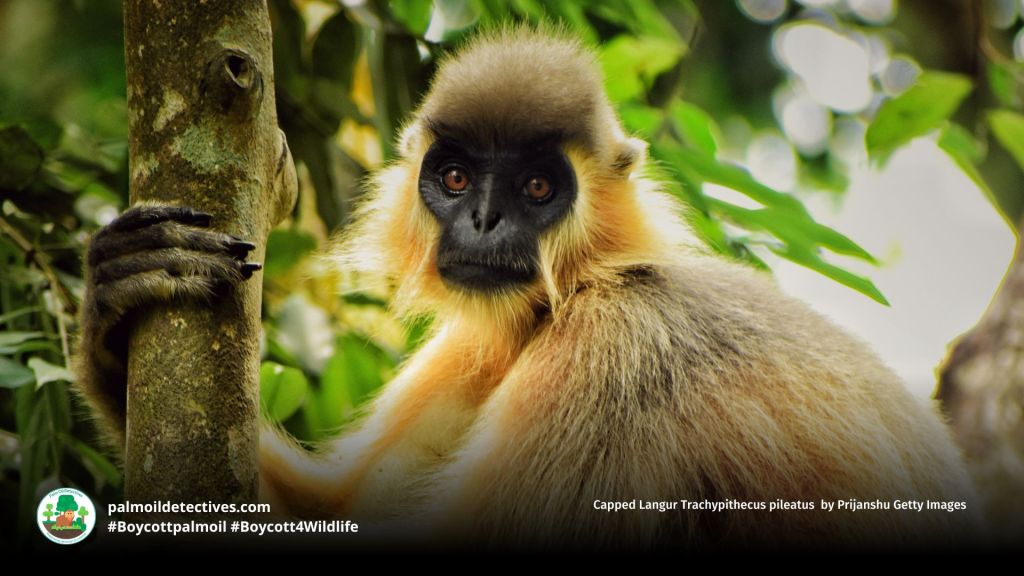
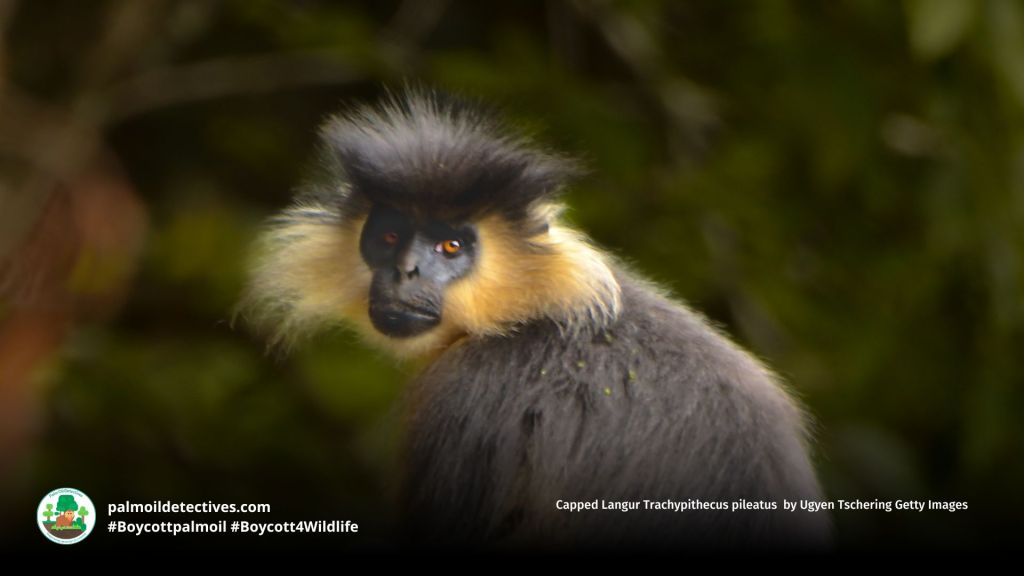
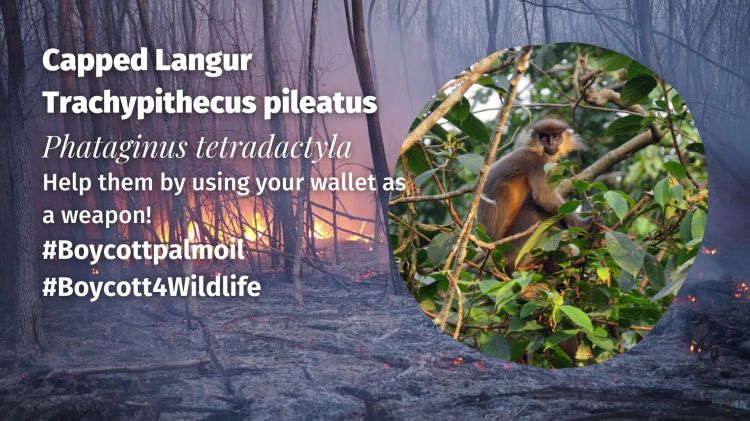
Capped Langur Trachypithecus pileatus
Capped Langur Trachypithecus pileatus
IUCN Red List Status: Vulnerable
Location: India, Bhutan, Bangladesh, Myanmar
This species inhabits subtropical and tropical dry forests, primarily in the foothills and highlands south of the Brahmaputra River and across fragmented patches in northeastern South Asia.
The capped #langur (Trachypithecus pileatus) is a graceful and beautiful leaf #monkey found across northeastern #India, #Bhutan, #Bangladesh, and #Myanmar. Sadly, they are listed as # Vulnerable on the IUCN Red List due to rapid population declines from #deforestation, logging, agriculture, and the devastating impacts of #palmoil plantations. Once widespread, their numbers have nearly halved in some regions like Assam due to the accelerating loss of native forest cover. Directly threatened by palm oil and monoculture expansion, this species is now confined to small, isolated forest fragments. Take action every time you shop and #BoycottPalmOil #Boycott4Wildlife
In the forests of #Bangladesh 🇧🇩 and northern #India 🇮🇳 lives a remarkable #primate with soulful hazel eyes 🐵🐒 on the verge of #extinction from #palmoil #deforestation. Help the Capped #Langur and #Boycottpalmoil 🌴🔥🚫 #Boycott4Wildlife @palmoildetect https://palmoildetectives.com/2026/01/11/capped-langur-trachypithecus-pileatus/
Share to BlueSky Share to TwitterThe intelligent and social Capped #Langur 🙉🐒🐵 is under pressure from #palmoil #deforestation and hunting in #India 🇮🇳 Troops are interbreeding with Phayre’s #langurs to survive. Fight for them and #Boycottpalmoil 🌴☠️❌ #Boycott4Wildlife @palmoildetect https://palmoildetectives.com/2026/01/11/capped-langur-trachypithecus-pileatus/
Share to BlueSky Share to TwitterAppearance & Behaviour
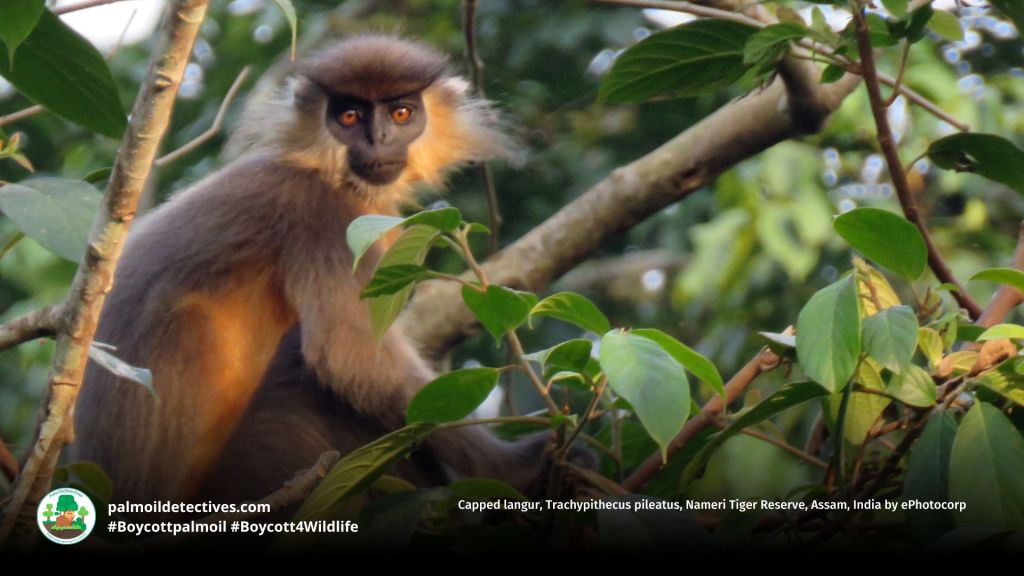
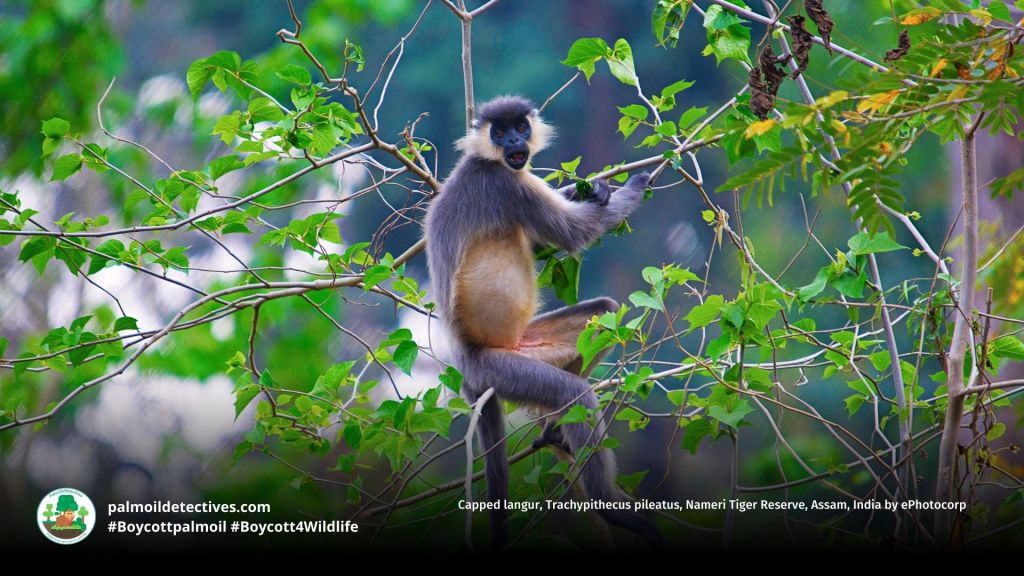
With their black-tufted crown, pale fur, and soulful eyes, capped langurs are among the most visually distinctive primates in the Eastern Himalayas. Their fur ranges from silver-grey to golden orange, with darker limbs and a black cap that gives them their name. They move gracefully through the canopy, rarely descending to the forest floor except for play or social grooming.
Capped langurs live in unimale, multifemale groups with sizes ranging from 8 to 15 individuals. They spend most of their time feeding (up to 67%) or resting (up to 40%), engaging in complex social grooming and vocal communication. Daily movements range from 320–800 metres across fragmented habitats of 21–64 hectares. Grooming is an important social activity, with females often taking turns in allomothering behaviour.




Threats
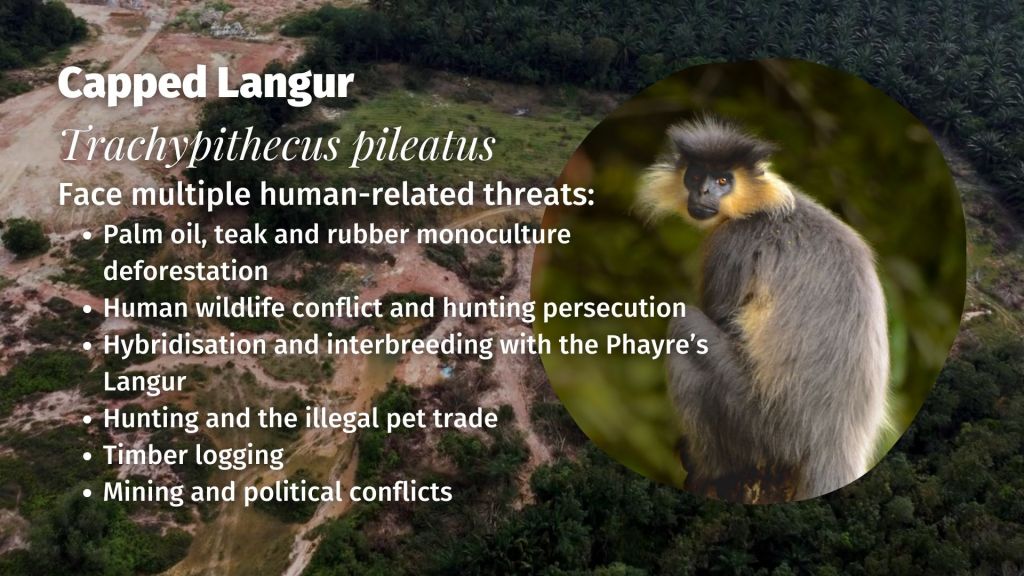
Palm oil, teak and rubber monoculture plantations
The spread of oil palm and other monoculture crops such as teak and rubber is destroying the capped langur’s native forests at an alarming rate. These industrial plantations eliminate the diverse tree species that capped langurs rely on for food and shelter, leaving them with little to survive on. Once a landscape is cleared and replaced with palm oil or other single crops, it becomes a green desert devoid of biodiversity, pushing the species closer to extinction. In regions like Assam and Bangladesh, palm oil is a major driver of habitat fragmentation and degradation, especially in forest corridors that once connected populations.
Timber deforestation
Widespread illegal logging, often fuelled by demand for timber and firewood, is rapidly eroding the capped langur’s habitat. Fruiting and lodging trees that are vital to their survival are cut down, leaving forests patchy and disconnected. As their home ranges shrink, capped langur groups are forced into smaller fragments, increasing their vulnerability to predators, food shortages, and inbreeding. In some areas, this pressure has led to local extinctions or the collapse of entire populations.
Slash-and-burn agriculture
Slash-and-burn agriculture destroys habitat for capped langurs and often brings them into closer contact with human settlements, increasing conflict and risk of hunting or roadkill. Forest recovery from this can take decades—time the capped langur simply doesn’t have.
Hunting and the illegal pet trade
Capped langurs are hunted for their meat, pelts, and for sale in the illegal pet trade. In many tribal and rural areas of Assam, Arunachal Pradesh, and Manipur, they are still targeted despite legal protections. Their pelts are used to make traditional knife sheaths, and infants are often captured after killing their mothers, then sold as pets. This exploitation causes severe suffering and has a devastating impact on group structures, leading to long-term population decline.
Roads cut into rainforests for mines and tea plantations
As forests are cut into smaller patches for roads, mining, tea plantations, and settlements, capped langur populations become increasingly isolated. Small, disconnected populations face higher risks of inbreeding, loss of genetic diversity, and eventual extinction. In some regions, such as Tinsukia and Sonitpur, populations have already disappeared due to this fragmentation. The collapse of corridors also disrupts daily movement, feeding patterns, and access to mates—placing enormous stress on surviving individuals.
Hybridisation with other species
Due to the rapid degradation of natural habitats, capped langurs are increasingly forming mixed-species groups with the closely related Phayre’s langur (Trachypithecus phayrei). Recent studies in northeast Bangladesh confirm genetically that hybridisation is occurring, which could result in the eventual cyto-nuclear extinction of the capped langur lineage. Although hybridisation can happen naturally, in this case it is being driven by human-induced fragmentation, forcing species into overlapping territories with fewer options for mates. This phenomenon is both a symptom and a driver of their decline, complicating conservation efforts.
Mining, infrastructure, and political conflict
Open-cast coal mining, limestone extraction, and petroleum exploration have all contributed to the destruction of capped langur habitat across Assam and Nagaland. Infrastructure projects, such as highways and border fences, not only destroy habitat directly but also block animal movements and isolate populations. In border regions, armed conflict and territorial skirmishes have already extirpated capped langurs from several reserves, such as the Nambhur and Rengma forests. Weak law enforcement allows habitat destruction to continue unchecked in many regions.
Geographic Range
Capped langurs are found in northeastern India (Arunachal Pradesh, Assam, Meghalaya, Nagaland, Manipur, Mizoram, and Tripura), Bhutan, northwestern Myanmar, and northeastern and central Bangladesh. They occur at elevations from 10 to 3,000 metres across hill forests, riverine reserves, and protected areas. However, their range is now severely fragmented by human development, with some populations disappearing from former strongholds due to mining, conflict, and agricultural encroachment.
Diet
Primarily folivorous, the capped langur’s diet includes mature and young leaves, petioles, seeds, flowers, bamboo shoots, bark, and occasionally caterpillars. They forage on more than 43 plant species, with favourites including banyan (Ficus benghalensis), sacred fig (Ficus religiosa), Terminalia bellerica, and Mallotus philippensis. Seasonal availability influences their feeding patterns, but they consistently prefer fruiting and flowering trees.
Mating and Reproduction
Breeding usually occurs in the dry season, with birthing concentrated between late December and May. The gestation period lasts about 200 days, and the interbirth interval is approximately two years. Only parous females participate in allomothering, allowing new mothers time to forage and recover, a behaviour rare among langurs and considered a form of altruism.
FAQs
How many capped langurs are left in the wild?
Exact numbers are uncertain, but estimates suggest the population in Assam has declined from 39,000 in 1989 to approximately 18,600 between 2008 and 2014 (Choudhury, 2014). This halving reflects habitat loss and increasing fragmentation, particularly in Upper Assam and the Barak Valley.
What is the average lifespan of a capped langur?
While data is limited, langurs of this genus generally live 20–25 years in the wild. Captive lifespans may extend slightly due to the absence of predators and constant food supply, though such conditions often lead to stress.
Why are capped langurs under threat?
Their decline is due to relentless deforestation, palm oil and monoculture plantations, illegal logging, and road-building. Slash-and-burn agriculture and mining also play a major role. Capped langurs are hunted in some regions for meat, pelts, and as pets, particularly in Assam, Arunachal Pradesh, and Nagaland.
Do capped langurs make good pets?
Absolutely not. Capped langurs are intelligent, social beings that rely on complex forest habitats and close-knit family groups. Removing them from the wild fuels extinction and causes immense trauma. Many die during illegal capture and transport. Keeping them as pets is a selfish act that destroys lives. If you care about capped langurs, never support the exotic pet trade!
What are the major conservation challenges for capped langurs?
The biggest issues are hybridisation with other primate species, habitat fragmentation, palm oil expansion, and human-wildlife conflict. The 2018 study in Satchari National Park found that local attitudes toward conservation vary by occupation, education, and gender, which means education and outreach are crucial. A big challenge is the rise in hybridisation with sympatric Phayre’s langurs, driven by habitat degradation—this poses long-term genetic risks (Ahmed et al., 2024).
Take Action!
Capped langurs are vanishing before our eyes, driven to the brink by out-of-control palm oil expansion, deforestation, and development. You can help save them.
Refuse to buy products made with palm oil. Support indigenous-led conservation in northeast India and the Eastern Himalayas. Demand governments halt the destruction of old-growth forests and restore wildlife corridors. Spread awareness and challenge the illegal wildlife trade. #BoycottPalmOil #Boycott4Wildlife #Vegan #BoycottMeat
Support the Capped Langur by going vegan and boycotting palm oil in the supermarket, it’s the #Boycott4Wildlife
Support the conservation of this species
This animal has no protections in place. Read about other forgotten species here. Create art to support this forgotten animal or raise awareness about them by sharing this post and using the #Boycottpalmoil #Boycott4Wildlife hashtags on social media. Also you can boycott palm oil in the supermarket.
Further Information
Ahmed, T., Hasan, S., Nath, S., Biswas, S., et al. (2024). Mixed-Species Groups and Genetically Confirmed Hybridization Between Sympatric Phayre’s Langur (Trachypithecus phayrei) and Capped Langur (T. pileatus) in Northeast Bangladesh. International Journal of Primatology, 46(1), 210–228. https://doi.org/10.1007/s10764-024-00459-x
Das, J., Chetry, D., Choudhury, A.U., & Bleisch, W. (2020). Trachypithecus pileatus (errata version published in 2021). The IUCN Red List of Threatened Species 2020: e.T22041A196580469. https://dx.doi.org/10.2305/IUCN.UK.2020-3.RLTS.T22041A196580469.en
Hasan, M.A.U., & Neha, S.A. (2018). Group size, composition and conservation challenges of capped langur (Trachypithecus pileatus) in Satchari National Park, Bangladesh. Retrieved from https://www.researchgate.net/publication/339550399
Wikipedia. (n.d.). Capped langur. Retrieved April 6, 2025, from https://en.wikipedia.org/wiki/Capped_langur
How can I help the #Boycott4Wildlife?
Take Action in Five Ways
1. Join the #Boycott4Wildlife on social media and subscribe to stay in the loop: Share posts from this website to your own network on Twitter, Mastadon, Instagram, Facebook and Youtube using the hashtags #Boycottpalmoil #Boycott4Wildlife.
Enter your email address
Sign Up
Join 3,173 other subscribers2. Contribute stories: Academics, conservationists, scientists, indigenous rights advocates and animal rights advocates working to expose the corruption of the palm oil industry or to save animals can contribute stories to the website.
Wildlife Artist Juanchi Pérez
Mel Lumby: Dedicated Devotee to Borneo’s Living Beings
Anthropologist and Author Dr Sophie Chao
Health Physician Dr Evan Allen
The World’s Most Loved Cup: A Social, Ethical & Environmental History of Coffee by Aviary Doert
How do we stop the world’s ecosystems from going into a death spiral? A #SteadyState Economy
3. Supermarket sleuthing: Next time you’re in the supermarket, take photos of products containing palm oil. Share these to social media along with the hashtags to call out the greenwashing and ecocide of the brands who use palm oil. You can also take photos of palm oil free products and congratulate brands when they go palm oil free.
https://twitter.com/CuriousApe4/status/1526136783557529600?s=20
https://twitter.com/PhillDixon1/status/1749010345555788144?s=20
https://twitter.com/mugabe139/status/1678027567977078784?s=20
4. Take to the streets: Get in touch with Palm Oil Detectives to find out more.
5. Donate: Make a one-off or monthly donation to Palm Oil Detectives as a way of saying thank you and to help pay for ongoing running costs of the website and social media campaigns. Donate here
Pledge your supportLearn about other animals endangered by palm oil and other agriculture
GlobalSouth America S.E. Asia IndiaAfricaWest Papua & PNG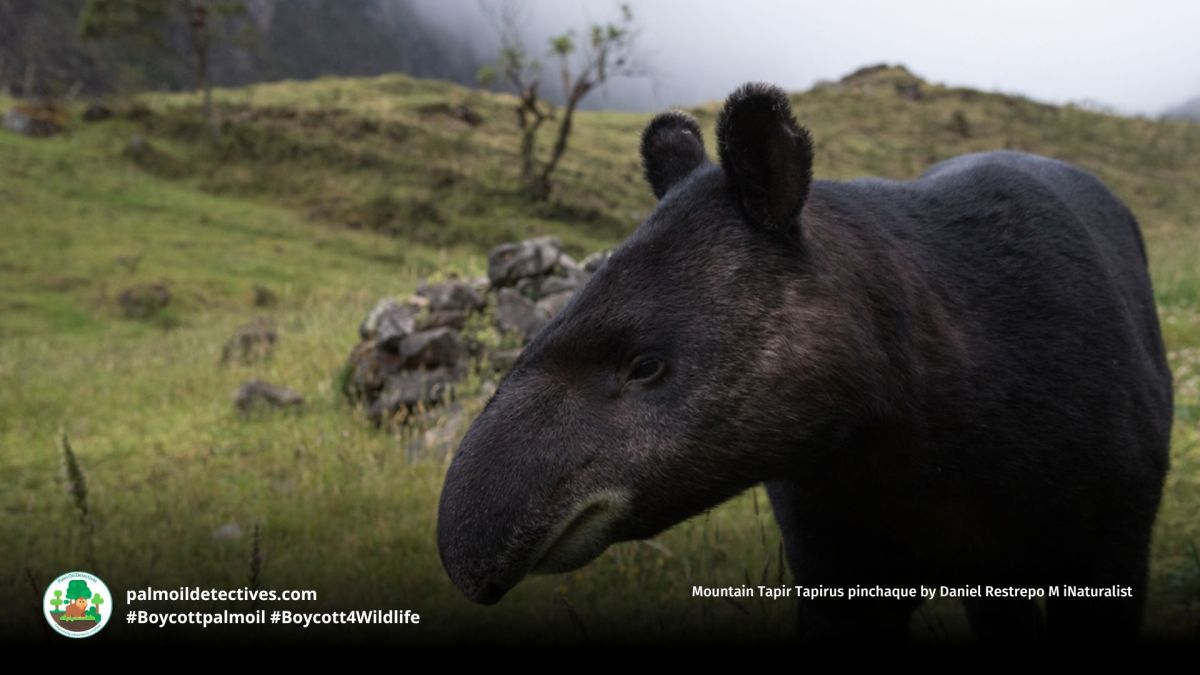
Mountain Tapir Tapirus pinchaque
Saola Pseudoryx nghetinhensis
Tucuxi Sotalia fluviatilis
Frill-Necked Lizard Chlamydosaurus kingii
Grey Crowned Crane Balearica regulorum
Ecuadorean Viscacha Lagidium ahuacaense
Learn about “sustainable” palm oil greenwashing
Read more about RSPO greenwashing
Lying Fake labelsIndigenous Land-grabbingHuman rights abusesDeforestation Human health hazardsA 2019 World Health Organisation (WHO) report into the palm oil industry and RSPO finds extensive greenwashing of palm oil deforestation and the murder of endangered animals (i.e. biodiversity loss)
Read more#animals #Assam #Bangladesh #Bantrophyhunting #Bhutan #Boycott4wildlife #BoycottMeat #BoycottPalmOil #CappedLangurTrachypithecusPileatus #deforestation #extinction #ForgottenAnimals #humanWildlifeConflict #hunting #illegalPetTrade #India #langur #Langurs #mining #monkey #monkeys #Myanmar #PalmOil #palmOilDeforestation #palmoil #PhayreSLeafMonkeyTrachypithecusPhayrei #poaching #Primate #vegan #vulnerable #VulnerableSpecies
Western Parotia Parotia sefilata
Western Parotia Parotia sefilata
Location: West Papua (Illegally occupied by Indonesia)
Found exclusively in the montane forests of the Vogelkop Peninsula and Wandammen Mountains in Indonesian-occupied West Papua, this species is confined to isolated pockets of ancient, cloud-draped rainforest.
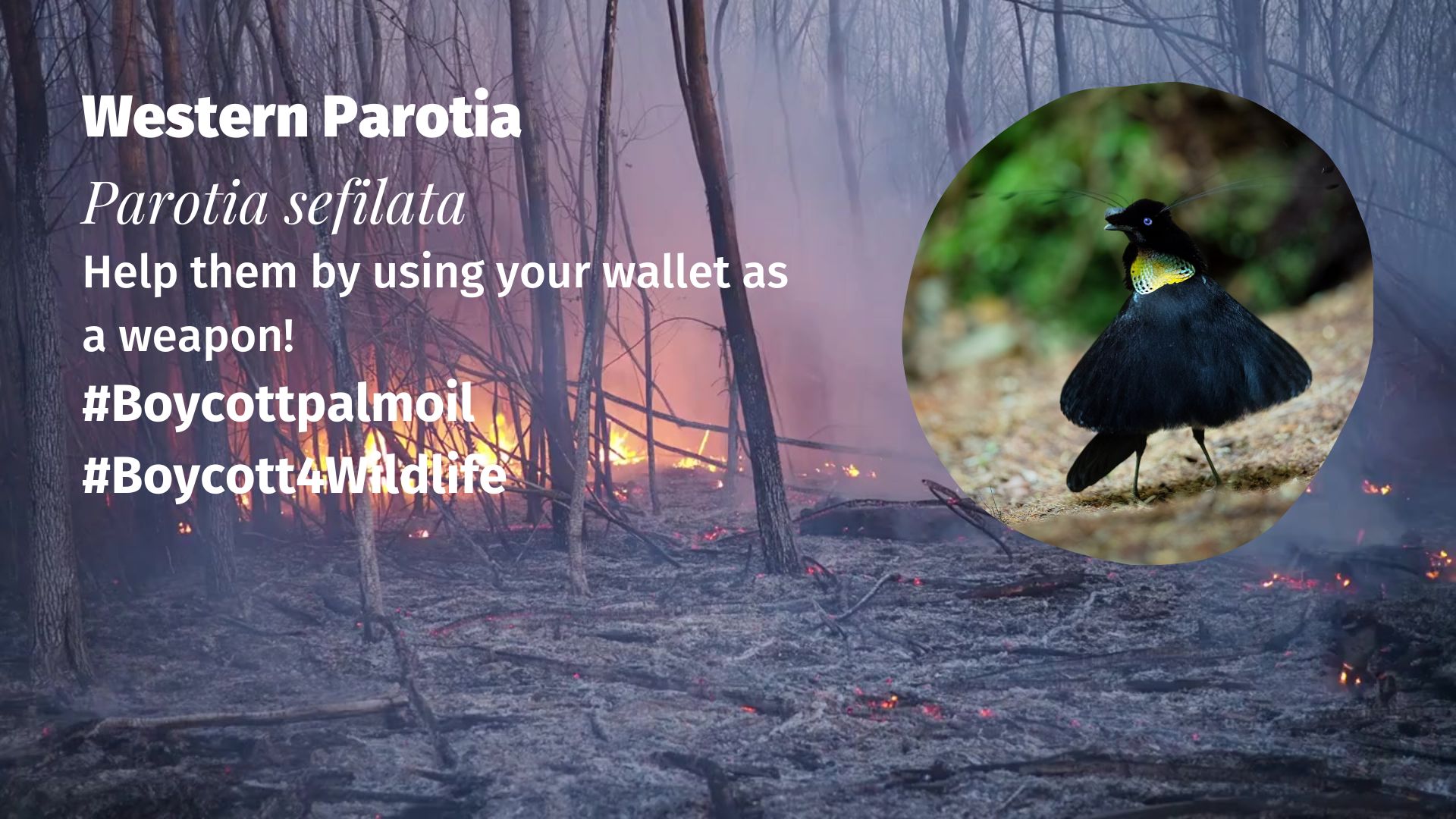
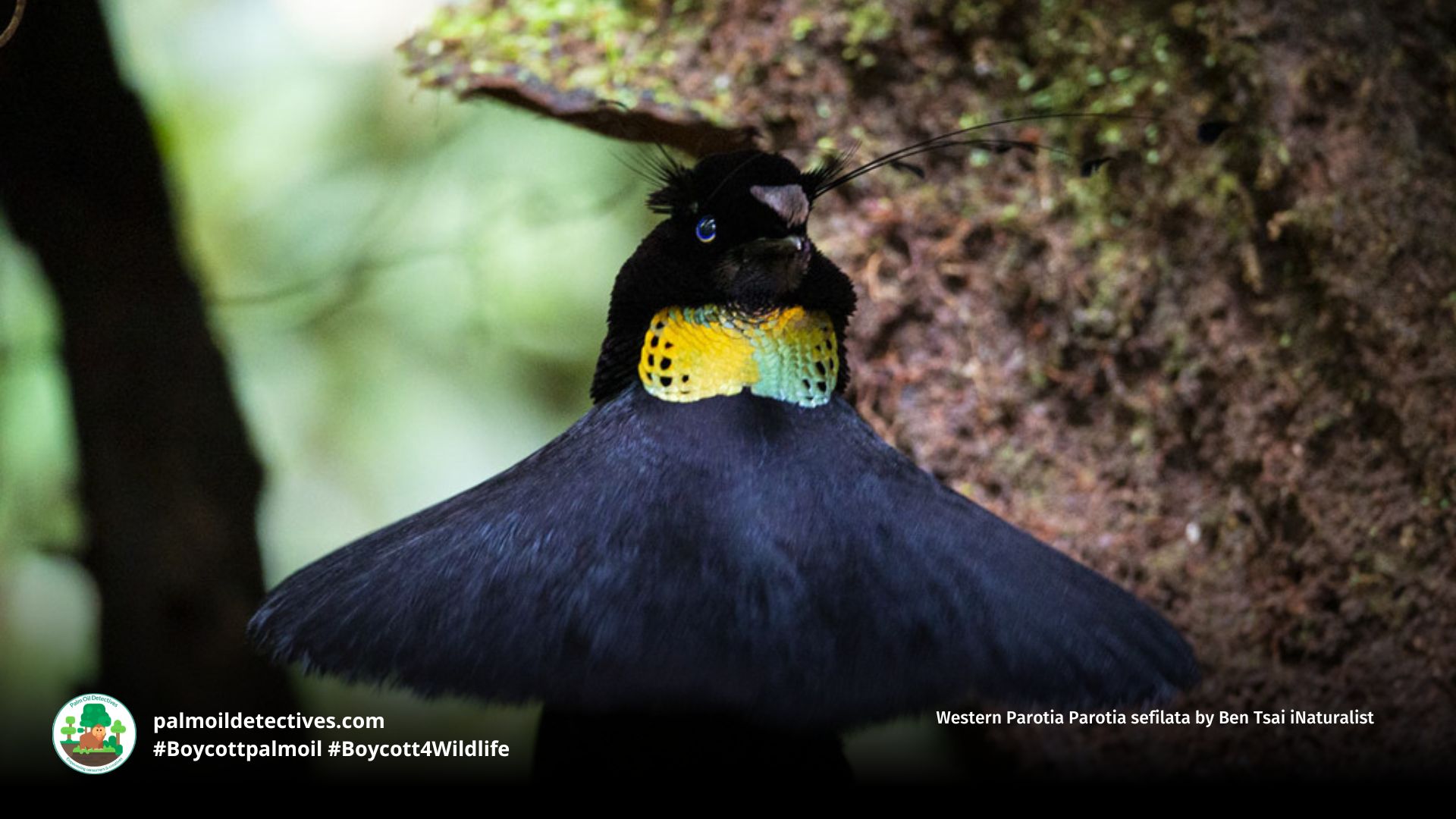
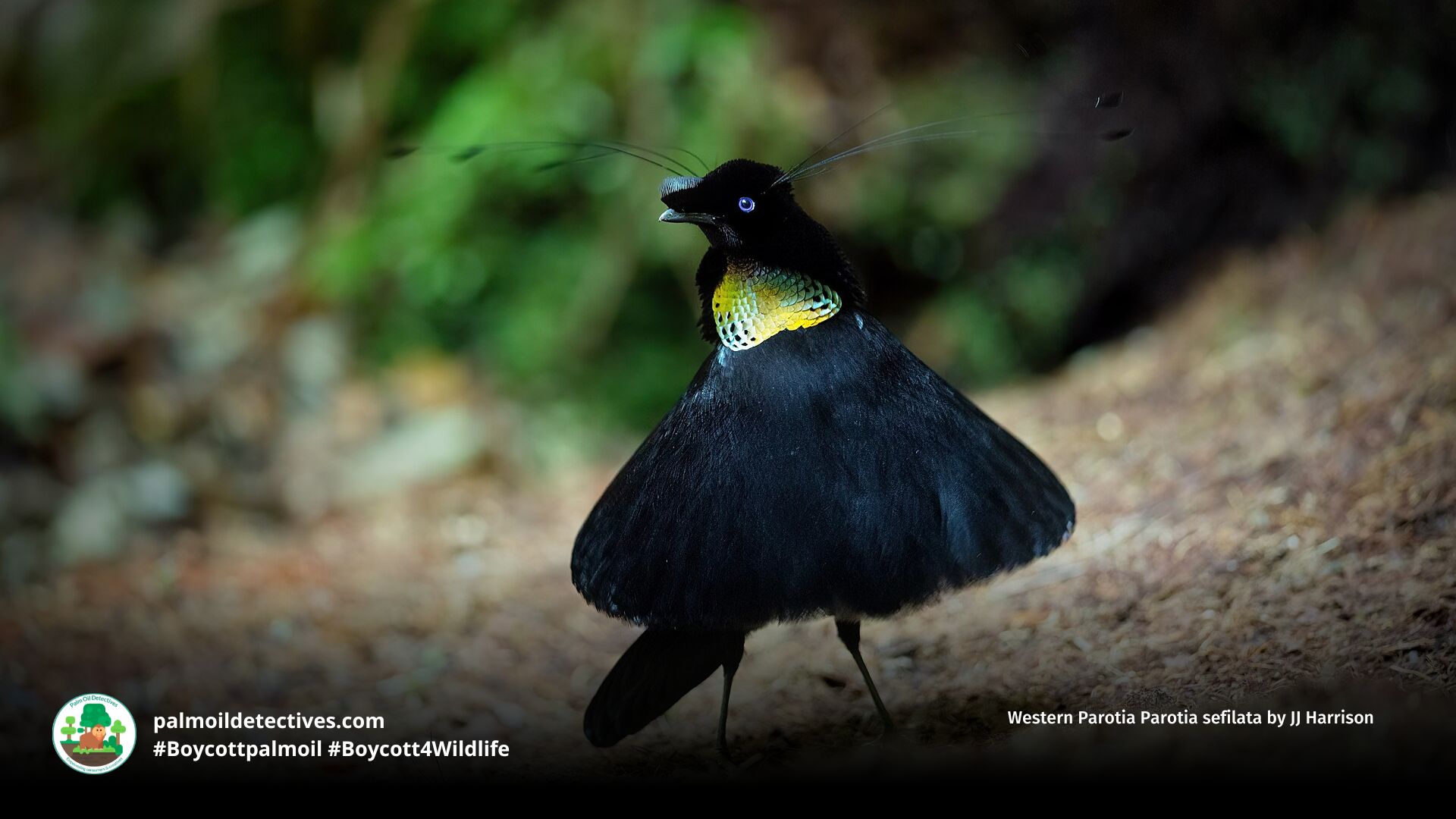
The Western Parotia Parotia sefilata, also called the Arfak Parotia, is a stunning bird-of-paradise of #WestPapua known for their mesmerising, ballerina-like courtship dance. Male #birds fan their iridescent flank plumes into a skirt and dazzle females with precise steps and shimmering throat shields. Although listed as Least Concern in 2016, this designation is dangerously outdated. The forests these rare birds call home have suffered catastrophic #deforestation in recent years due to the explosion of #palmoil plantations. These once-pristine regions are now fragmented and rapidly vanishing. Immediate action is needed to protect the Western Parotia from becoming the next victim of extinction.#BoycottPalmOil #Boycott4Wildlife
Unusual behaviours like mounting reveal complexity to the lives of Western #Parotia, thrilling #birds of paradise in #WestPapua. #Palmoil is a major threat. Fight for them and indigenous peoples #Boycottpalmoil #Boycott4Wildlife @palmoildetect https://palmoildetectives.com/2026/01/25/western-parotia-parotia-sefilata/
Share to BlueSky Share to TwitterWith jet black plumage 🖤 and bright green 💚 wattles, male Western Parotia #birds 🐦🦜🦚 of paradise gleam like scaly armour when they dance 🎶 Resist against their #extinction in #WestPapua when you #Boycottpalmoil 🌴🚫 #Boycott4Wildlife @palmoildetect https://palmoildetectives.com/2026/01/25/western-parotia-parotia-sefilata/
Share to BlueSky Share to TwitterAppearance & Behaviour
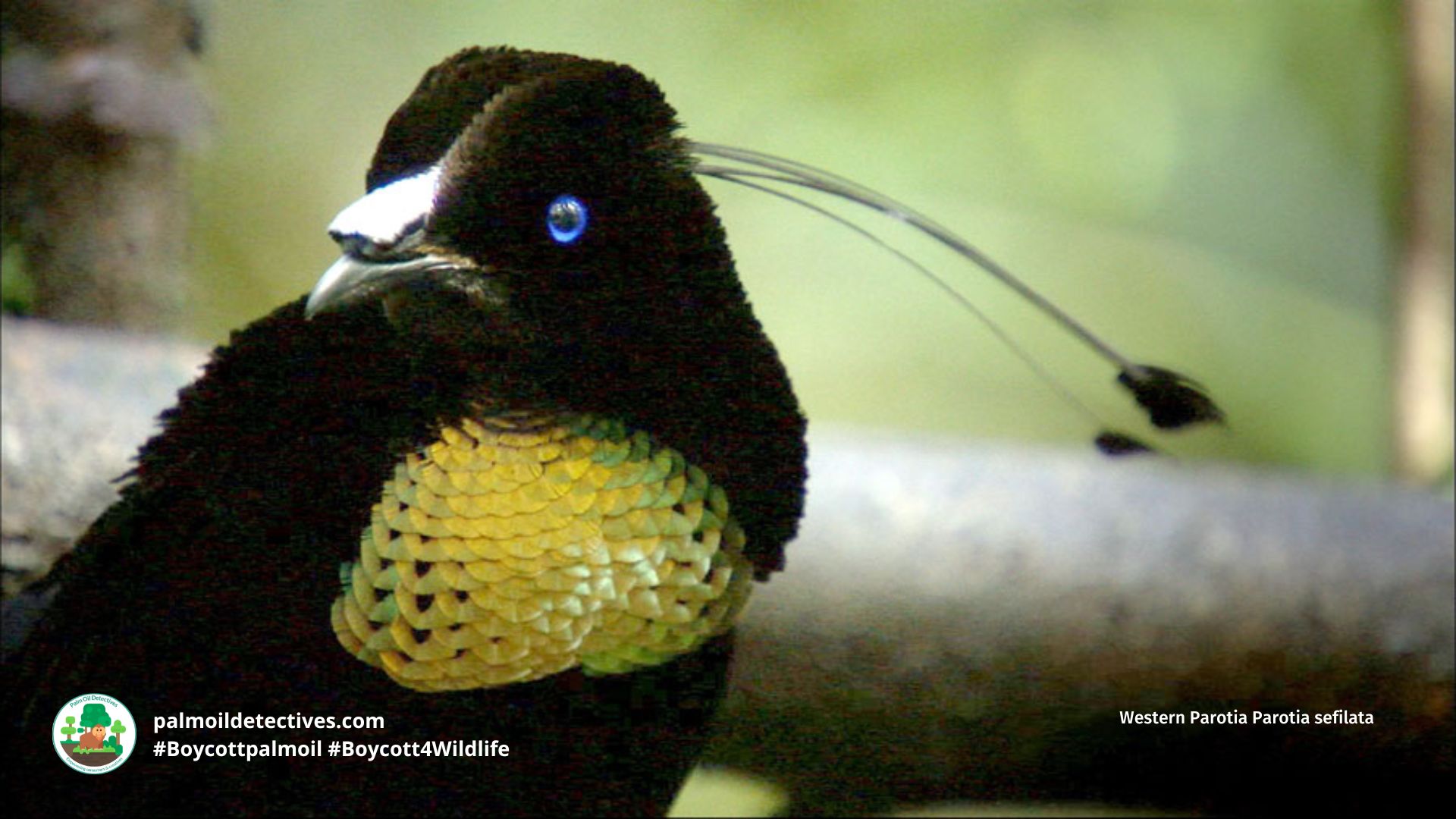
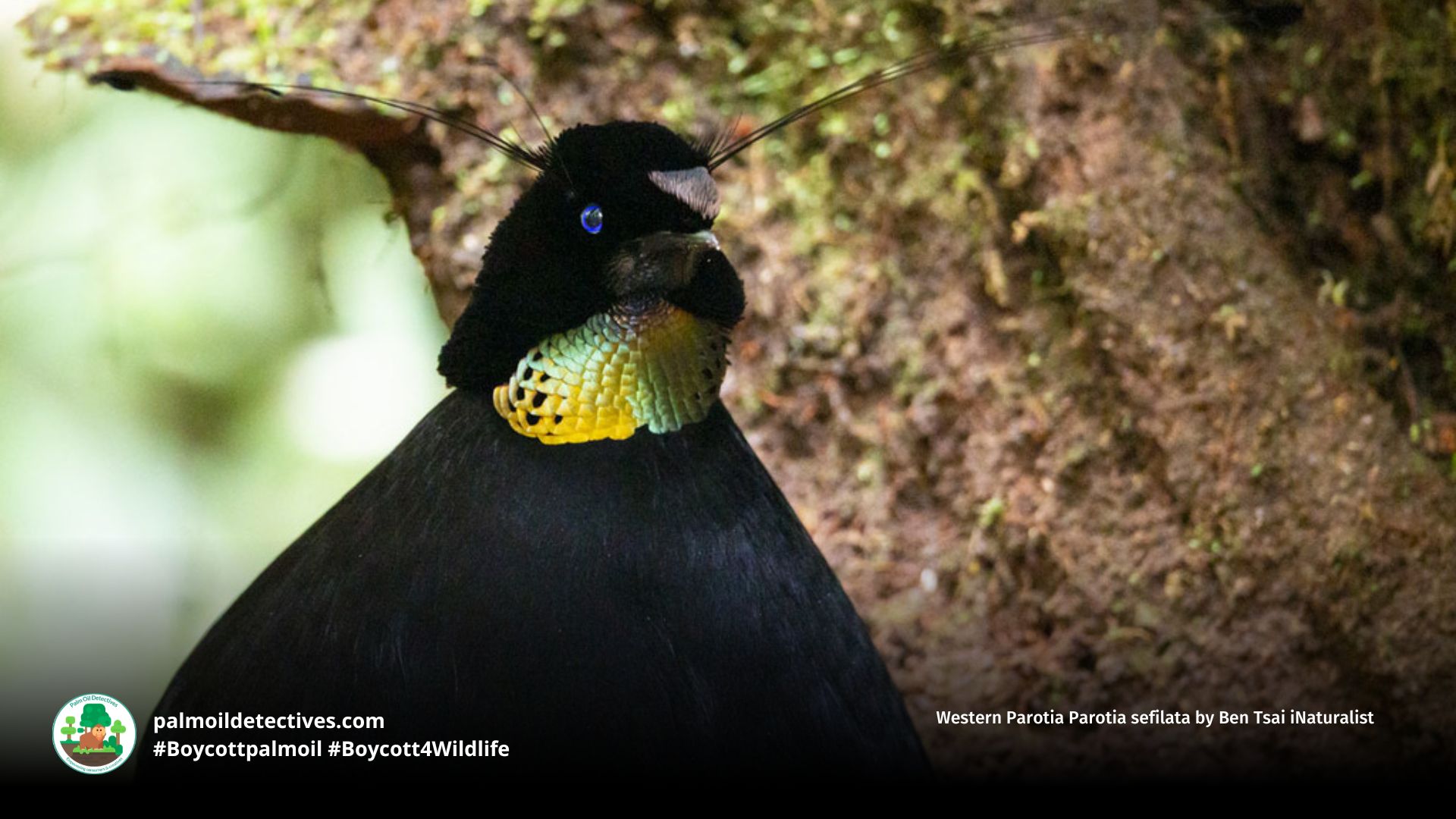
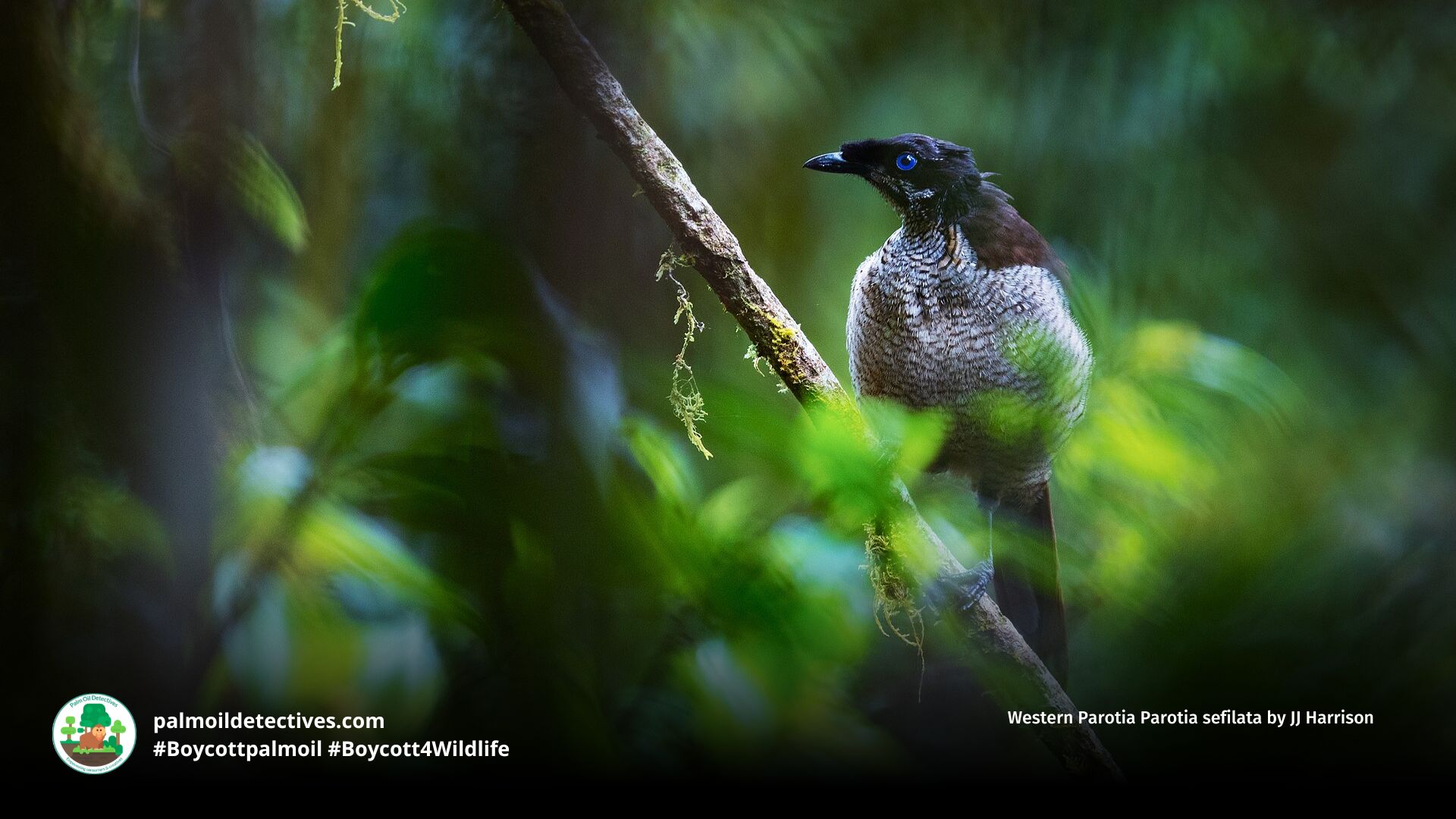
Male Western Parotias are instantly recognisable by their jet-black plumage, metallic green wattles that gleam like scaled armour, and three distinctive wire-like head plumes that curl outward from each side of the crown—features that inspired the species name, derived from the Latin sex filum, meaning ‘six threads.’ A dazzling inverted silver triangle on their head flashes during display, perfectly offset by their elegant black flank plumes which form a flared skirt in courtship. Females are more subdued, clad in streaky brown feathers, allowing them to blend into the forest understorey.
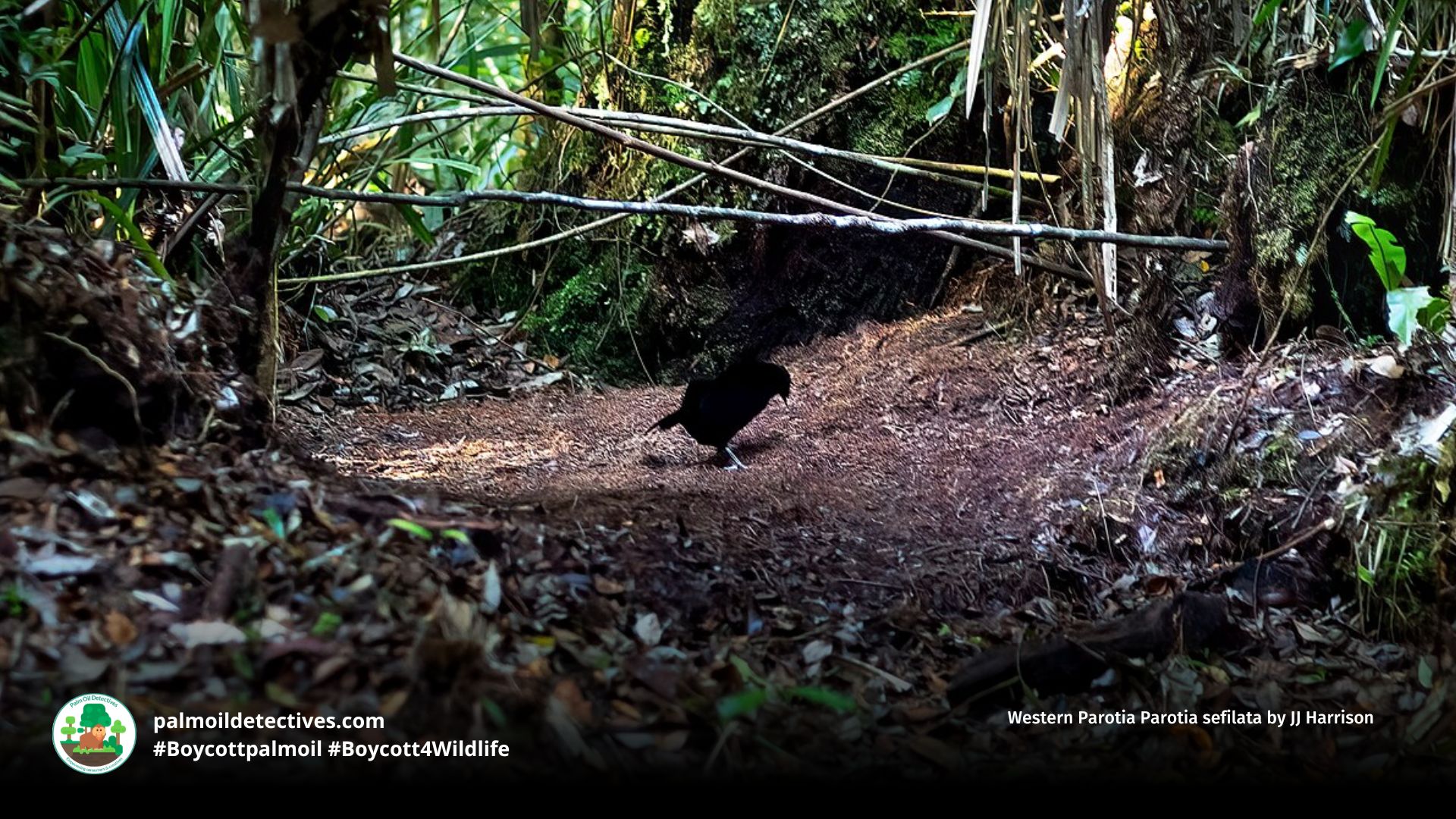
This species of bird-of-paradise is polygynous. Males gather in exploded leks—loosely spaced display grounds—where they clear leaf-littered forest floors to create courts. On these makeshift stages, they perform intricate displays to attract females, combining pirouettes, head bobs, feather shimmers, and rapid shakes. A 2024 behavioural study also observed rare alternative mating tactics, including homosexual mounting and sneak copulation attempts by female-plumaged birds, suggesting untapped behavioural complexity (MacGillavry et al., 2024).
Threats
The Western Parotia is officially listed as Least Concern, but this 2016 classification dangerously underrepresents their current reality. Since that assessment, massive deforestation for timber and palm oil has devastated much of their limited range, particularly across the Vogelkop Peninsula and Wandammen Mountains. The threats are mounting and accelerating due to the following drivers:
Palm oil deforestation
Large-scale clearing of primary rainforest to make way for industrial palm oil plantations is now rampant across the Bird’s Head (Vogelkop) Peninsula. Even remote montane forests where Western Parotias lek and nest are not safe, as new roads are cut to expand plantation frontiers.
Timber deforestation
Commercial timber extraction is removing centuries-old forest giants that the Western Parotia depends on for fruit, foraging and nesting. Logging roads also fragment habitat, increase fire risk, and provide access to previously undisturbed ecosystems.
Deforestation for mining, rubber and infrastructure projects
Government-backed agribusiness schemes are encouraging monocultures such as oil palm and rubber, which completely erase the forest understory and tree canopy vital for the Parotia’s food and shelter.
Mining concessions in West Papua—often enforced with military support—are rapidly opening up forests in the Wandammen Mountains, overlapping with the Parotia’s habitat. Road construction to access mines and plantations is fragmenting the landscape irreparably.
Climate change-induced extreme weather
The species is restricted to highland forest. As temperatures rise and human pressures encroach from below, their montane habitat may shrink to mountaintop fragments, leaving no room for retreat.
Colonial exploitation, military conflict and suppression of Indigenous land rights:
Indigenous Melanesians have stewarded Papuan forests for millennia. Today, state and corporate projects continue to override Indigenous consent, leading to ecological destruction and social injustice hand-in-hand.
These combined threats pose a serious and immediate danger to the survival of the Western Parotia. Without urgent action to halt deforestation and recognise Indigenous land sovereignty, the species could slide rapidly toward extinction unnoticed.
Geographic Range
Western Parotias are found exclusively in the montane and submontane rainforests of the Vogelkop Peninsula and the Wandammen Mountains in West Papua. They are forest specialists, requiring old-growth rainforest to support their complex courtship behaviour and nesting needs. Since their last assessment in 2016, widespread forest loss has occurred across these regions, particularly from illegal logging and palm oil expansion, putting their long-term survival in serious jeopardy.
Diet
Western Parotias primarily feed on fruits—especially figs—and supplement their diet with arthropods. Their foraging occurs at various forest levels, but they prefer mid-canopy and understorey, where fruiting trees and insect-rich foliage are abundant.
Mating and Reproduction
Courtship and nesting behaviour are marked by sexual division of labour. Only the female builds the nest and raises the chick. Nests are often camouflaged in dense foliage. Although the precise breeding season remains unclear, it is believed to vary by elevation and fruiting cycles. Male courtship is heavily influenced by evolutionary modularity in display traits, which have diverged over time, giving rise to the extravagant variety seen across the Parotia genus (Scholes, 2008).
FAQs
How many Western Parotias are left in the wild?
There are no exact population estimates for the Western Parotia. The IUCN has classified them as Least Concern, but this was based on assessments from 2016. Since then, vast tracts of their habitat have been lost. Without a recent survey, the current population trend is unknown, but it is likely decreasing due to ongoing deforestation (BirdLife International, 2016).
How long do Western Parotias live?
In the wild, birds-of-paradise often live between 5 to 10 years, though lifespan data for this species is limited. In captivity, related species have reached over 15 years, but no long-term studies exist for Parotia sefilata specifically.
What challenges do conservationists face protecting this species?
Conservation of the Western Parotia is complicated by a lack of recent data and the remoteness of their habitat. The Vogelkop and Wandammen regions are undergoing rapid transformation due to illegal logging and palm oil expansion, often facilitated by state-backed infrastructure projects. These forests also fall within contested indigenous lands, and conservation solutions must be rooted in indigenous sovereignty to be effective.
Is the Western Parotia affected by the exotic pet trade?
Unlike parrots and smaller songbirds, Western Parotias are not commonly targeted for the exotic pet trade, likely due to their remote habitat and specialised diet. However, increased accessibility due to road construction could change this. It is essential to remain vigilant and oppose any wildlife trafficking.
Take Action!
Use your wallet as a weapon to stop extinction by boycotting palm oil. Always choose products that are 100% palm oil-free to avoid contributing to the deforestation that is pushing the Western Parotia closer to extinction. Support indigenous-led conservation efforts in West Papua and call for greater transparency around the spread of monoculture plantations. Protect the mesmerising courtship rituals of these remarkable birds by fighting to keep their forests standing. #BoycottPalmOil #Boycott4Wildlife #Vegan #BoycottMeat
Support the Western Parotia by going vegan and boycotting palm oil in the supermarket, it’s the #Boycott4Wildlife
Support the conservation of this species
This animal has no protections in place. Read about other forgotten species here. Create art to support this forgotten animal or raise awareness about them by sharing this post and using the #Boycottpalmoil #Boycott4Wildlife hashtags on social media. Also you can boycott palm oil in the supermarket.
Further Information
BirdLife International. (2016). Parotia sefilata. The IUCN Red List of Threatened Species 2016: e.T22706181A93913206. Retrieved 6 April 2025, from https://www.iucnredlist.org/species/22706181/93913206
MacGillavry, T., Janiczek, C., & Fusani, L. (2024). Video evidence of mountings by female-plumaged birds of paradise (Aves: Paradisaeidae) in the wild: Is there evidence of alternative mating tactics? Ethology. https://doi.org/10.1111/eth.13451
Scholes, E. (2008). Evolution of the courtship phenotype in the bird of paradise genus Parotia (Aves: Paradisaeidae): homology, phylogeny, and modularity. Biological Journal of the Linnean Society, 94(3), 491–504. https://doi.org/10.1111/j.1095-8312.2008.01012.x
Wikipedia contributors. (n.d.). Western parotia. Wikipedia. Retrieved 6 April 2025, from https://en.wikipedia.org/wiki/Western_parotia
How can I help the #Boycott4Wildlife?
Take Action in Five Ways
1. Join the #Boycott4Wildlife on social media and subscribe to stay in the loop: Share posts from this website to your own network on Twitter, Mastadon, Instagram, Facebook and Youtube using the hashtags #Boycottpalmoil #Boycott4Wildlife.
Enter your email address
Sign Up
Join 3,176 other subscribers2. Contribute stories: Academics, conservationists, scientists, indigenous rights advocates and animal rights advocates working to expose the corruption of the palm oil industry or to save animals can contribute stories to the website.
Wildlife Artist Juanchi Pérez
Mel Lumby: Dedicated Devotee to Borneo’s Living Beings
Anthropologist and Author Dr Sophie Chao
Health Physician Dr Evan Allen
The World’s Most Loved Cup: A Social, Ethical & Environmental History of Coffee by Aviary Doert
How do we stop the world’s ecosystems from going into a death spiral? A #SteadyState Economy
3. Supermarket sleuthing: Next time you’re in the supermarket, take photos of products containing palm oil. Share these to social media along with the hashtags to call out the greenwashing and ecocide of the brands who use palm oil. You can also take photos of palm oil free products and congratulate brands when they go palm oil free.
https://twitter.com/CuriousApe4/status/1526136783557529600?s=20
https://twitter.com/PhillDixon1/status/1749010345555788144?s=20
https://twitter.com/mugabe139/status/1678027567977078784?s=20
4. Take to the streets: Get in touch with Palm Oil Detectives to find out more.
5. Donate: Make a one-off or monthly donation to Palm Oil Detectives as a way of saying thank you and to help pay for ongoing running costs of the website and social media campaigns. Donate here
Pledge your supportLearn about other animals endangered by palm oil and other agriculture
GlobalSouth America S.E. AsiaIndiaAfricaWest Papua & PNG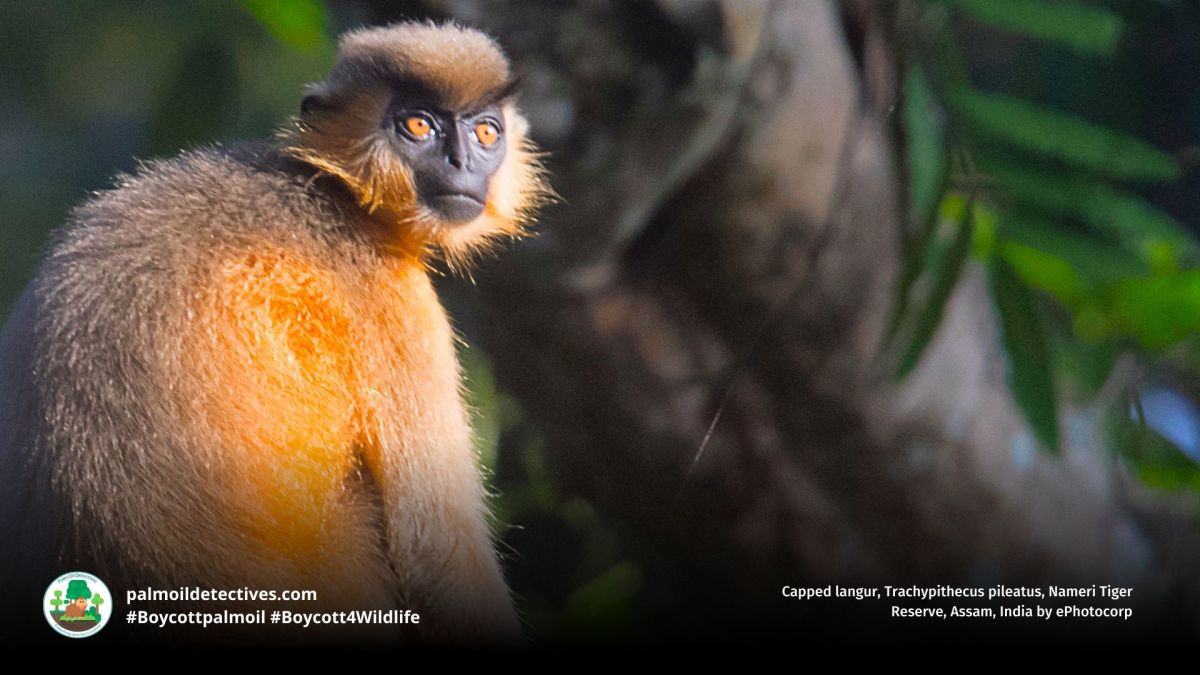
Capped Langur Trachypithecus pileatus
Mountain Tapir Tapirus pinchaque
Saola Pseudoryx nghetinhensis
Tucuxi Sotalia fluviatilis
Frill-Necked Lizard Chlamydosaurus kingii
Grey Crowned Crane Balearica regulorum
Learn about “sustainable” palm oil greenwashing
Read more about RSPO greenwashing
Lying Fake labelsIndigenous Land-grabbingHuman rights abusesDeforestation Human health hazardsA 2019 World Health Organisation (WHO) report into the palm oil industry and RSPO finds extensive greenwashing of palm oil deforestation and the murder of endangered animals (i.e. biodiversity loss)
Read more#animals #Bird #birds #Birdsong #Boycott4wildlife #BoycottMeat #BoycottPalmOil #deforestation #EndSongbirdTrade #extinction #ForgottenAnimals #FreeWestPapua #gold #goldMining #hunting #indigenous #military #PalmOil #palmOilDeforestation #palmoil #Parotia #poaching #songbird #songbirds #vegan #vulnerable #VulnerableSpecies #WestPapua #WesternParotiaParotiaSefilata #WestPapua
Sunda Flying Lemur Galeopterus variegatus
Sunda Flying Lemur Galeopterus variegatus
Locations: Thailand, Cambodia, Vietnam, Laos, Myanmar, Peninsular Malaysia, Singapore, Brunei, Indonesia ( Java, Sumatra, Kalimantan, Bali), and Borneo
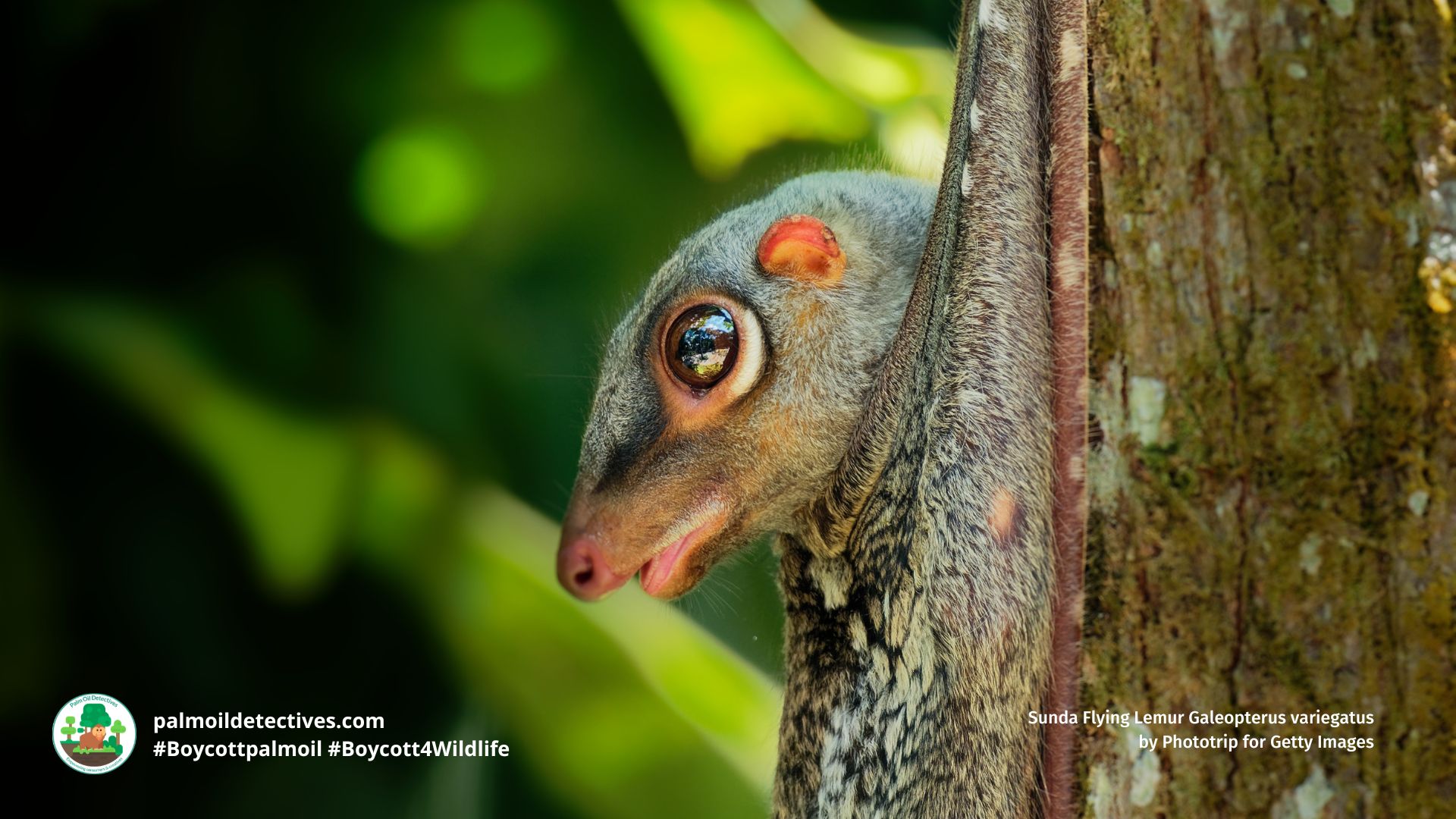
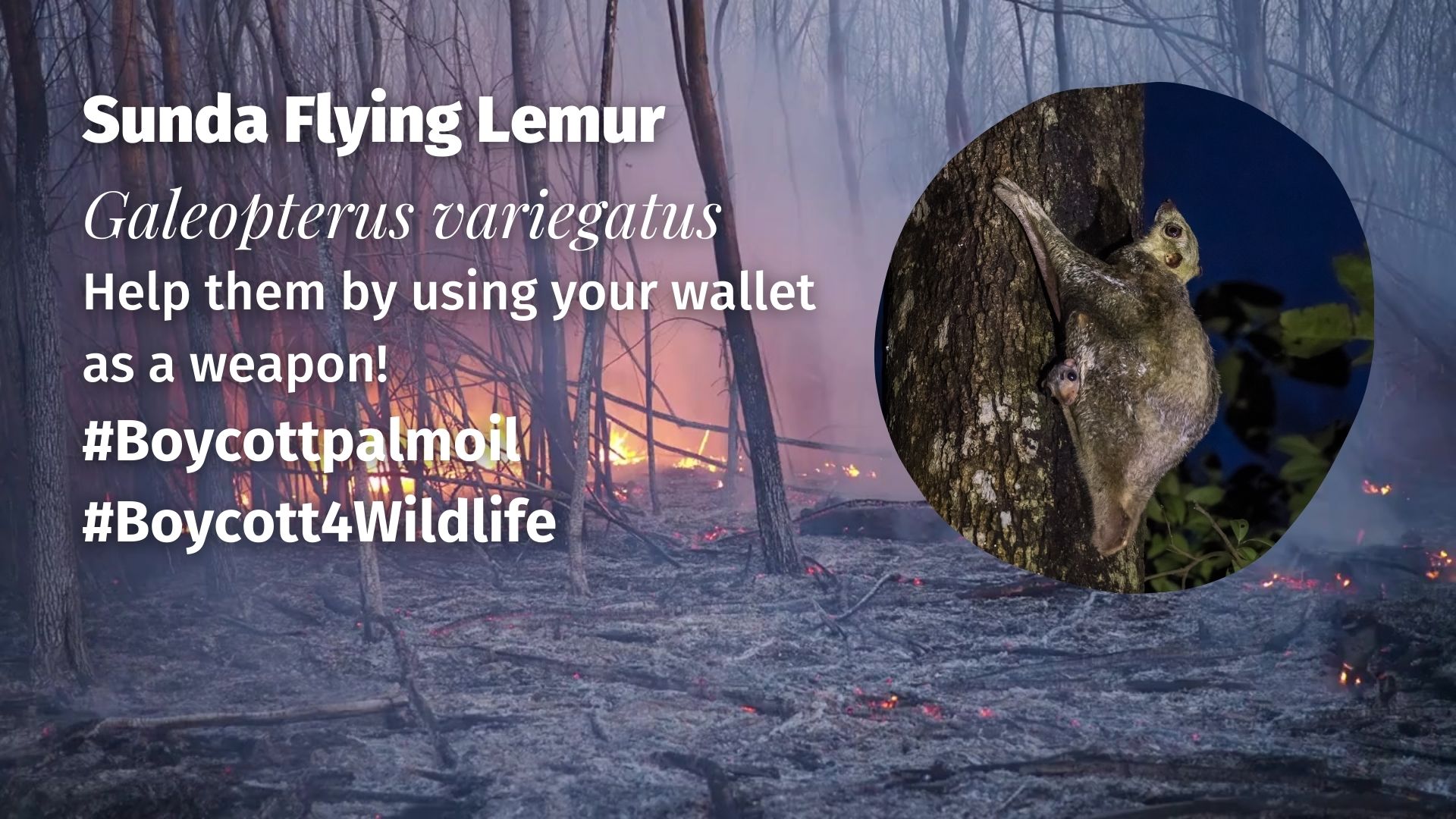
The Sunda flying lemur, also known as the Malayan flying lemur or Malayan #colugo, silently glides through the tropical forests of Southeast Asia, relying on ancient forests to survive. Despite their name, they are not true lemurs, nor do they fly—they are gliders, and among the most skilful in the world. This species is experiencing population declines in several parts of their range. They are threatened by #deforestation from #timber, #palmoil plantations, and #hunting by local communities. Forest loss, particularly in #Java, #Vietnam, and #Thailand, is fragmenting their populations and endangering their survival. Use your wallet as a weapon every time you shop and protect these sensitive creatures #BoycottPalmOil #Boycott4Wildlife
The elegant #Sunda flying #lemur AKA #Colugo can glide 100m through trees 🪽🕊️ in #Sumatra #Kalimantan and #Borneo. Totally reliant on trees, #palmoil is a major threat to them 😿 Fight back and🌴🩸🔥☠️🧐🚫 #Boycottpalmoil #Boycott4Wildlife @palmoildetect https://palmoildetectives.com/2026/02/08/sunda-flying-lemur-galeopterus-variegatus/
Share to BlueSky Share to TwitterHauntingly beautiful gliding #mammal, the Malayan #Colugo/ Sunda Flying #Lemur uses a cape-like skin membrane to slide 100’s of metres through the #rainforests of SE #Asia. Fight for them and #Boycottpalmoil 🌴🙊🤮🚜🔥❌ #Boycott4Wildlife @palmoildetect https://palmoildetectives.com/2026/02/08/sunda-flying-lemur-galeopterus-variegatus/
Share to BlueSky Share to TwitterAppearance & Behaviour
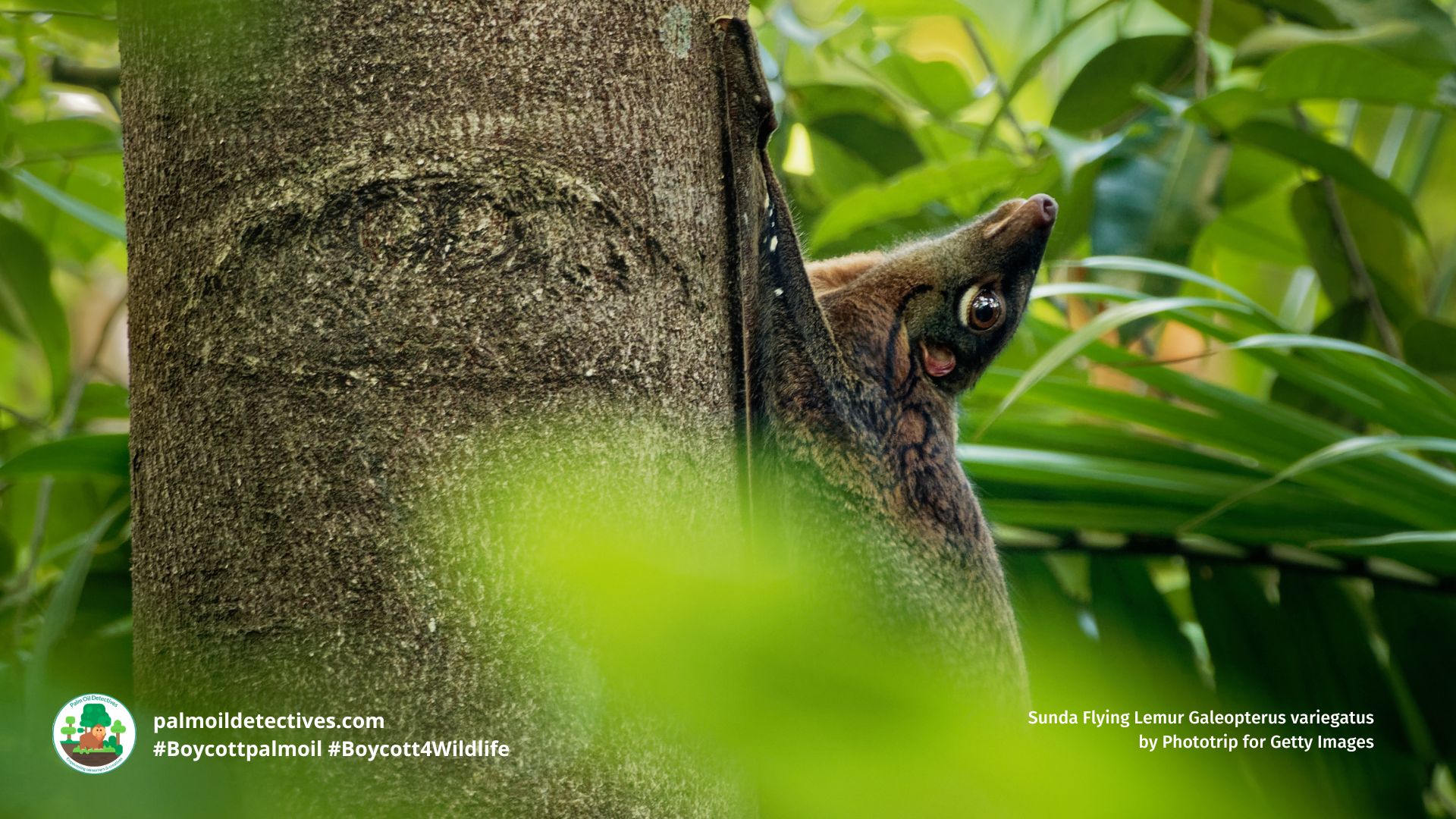
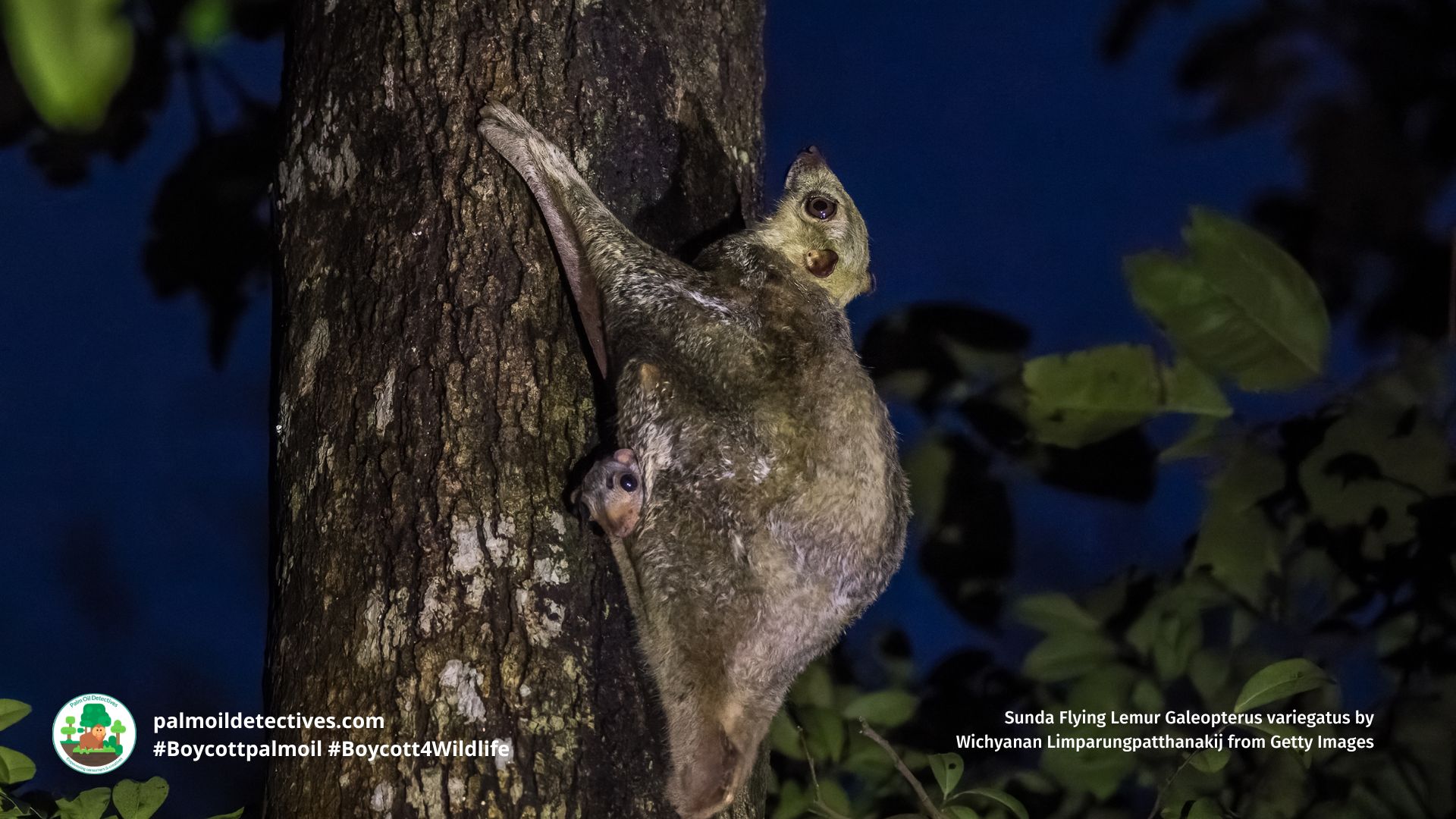
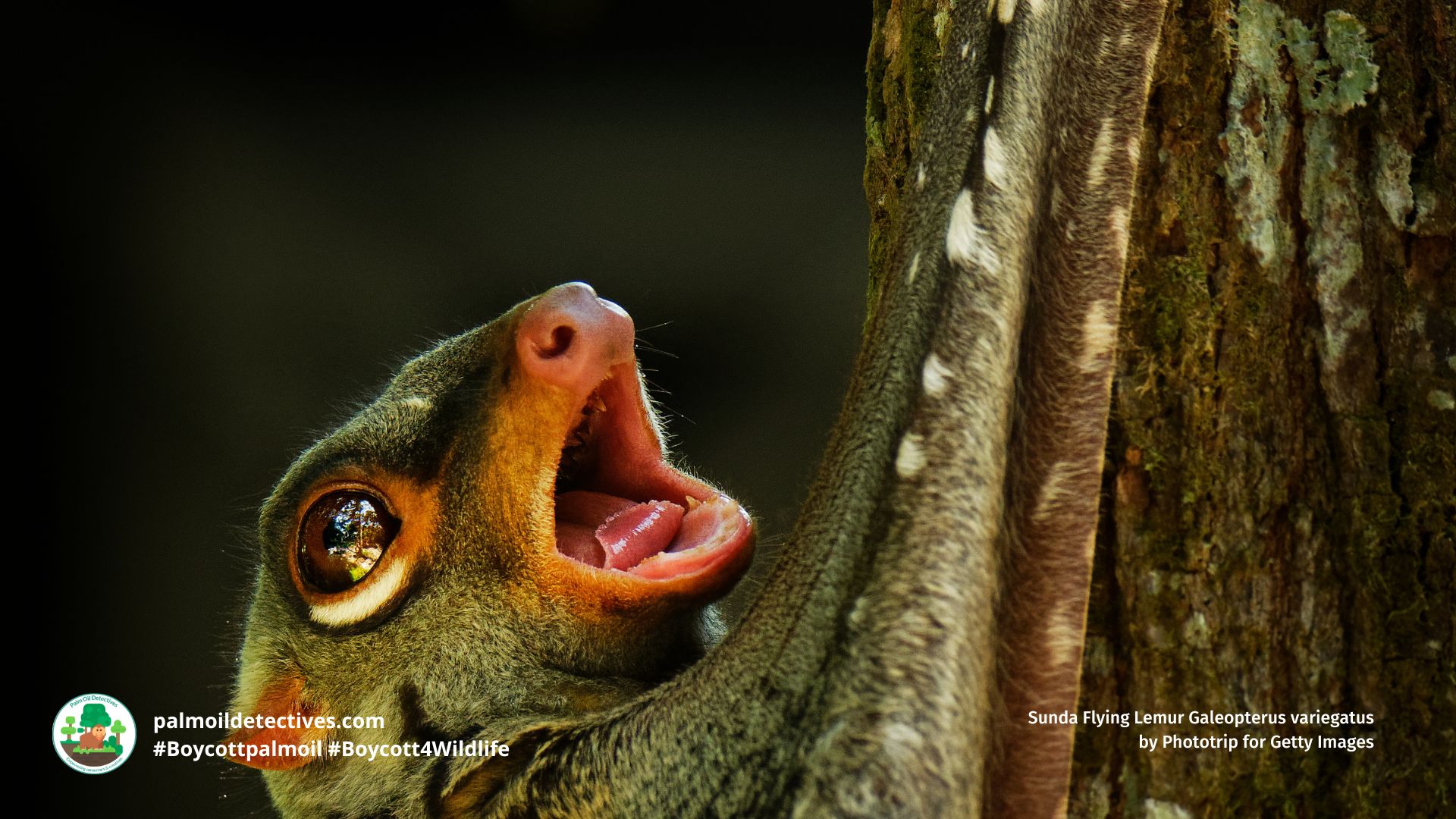
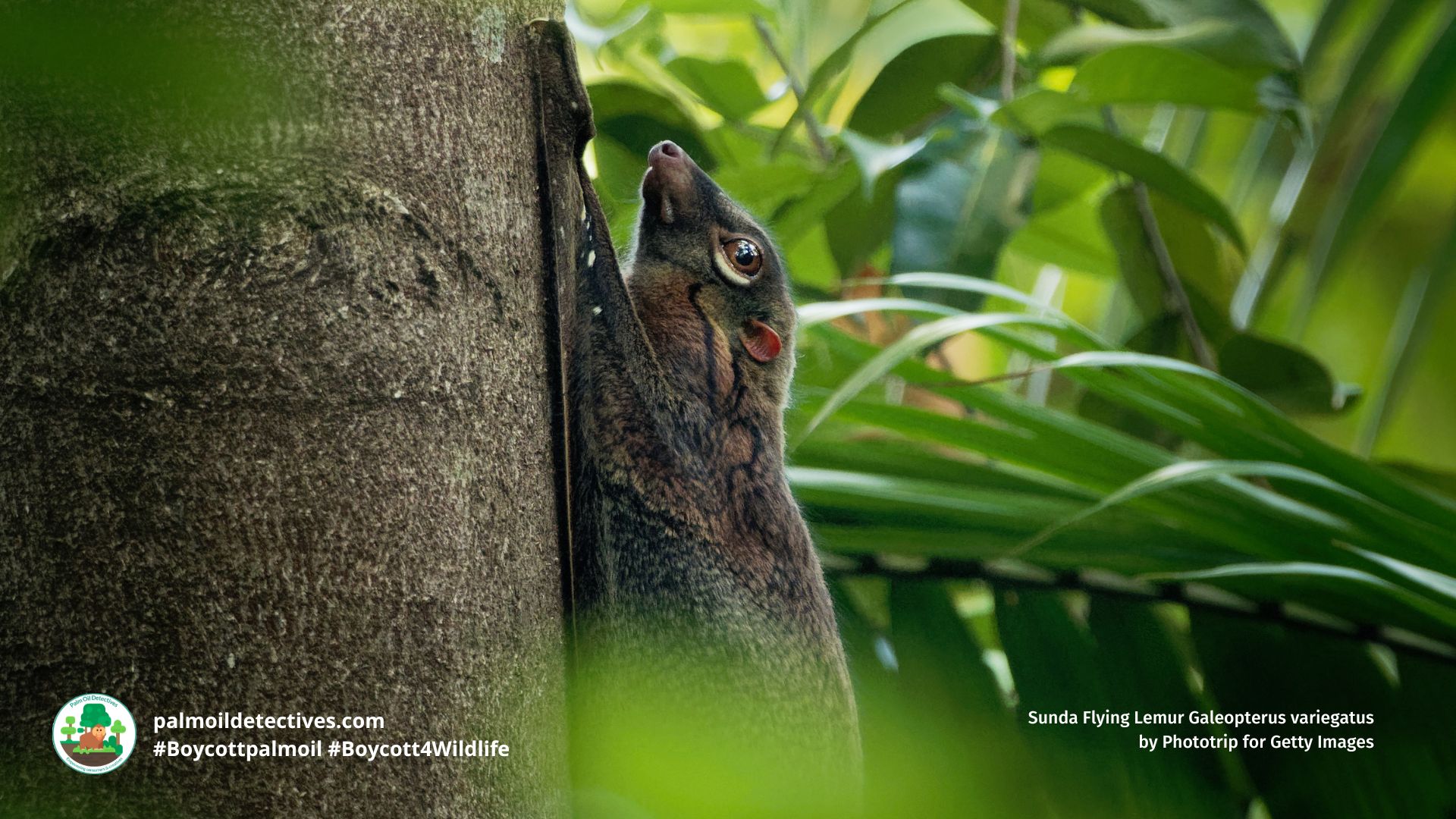
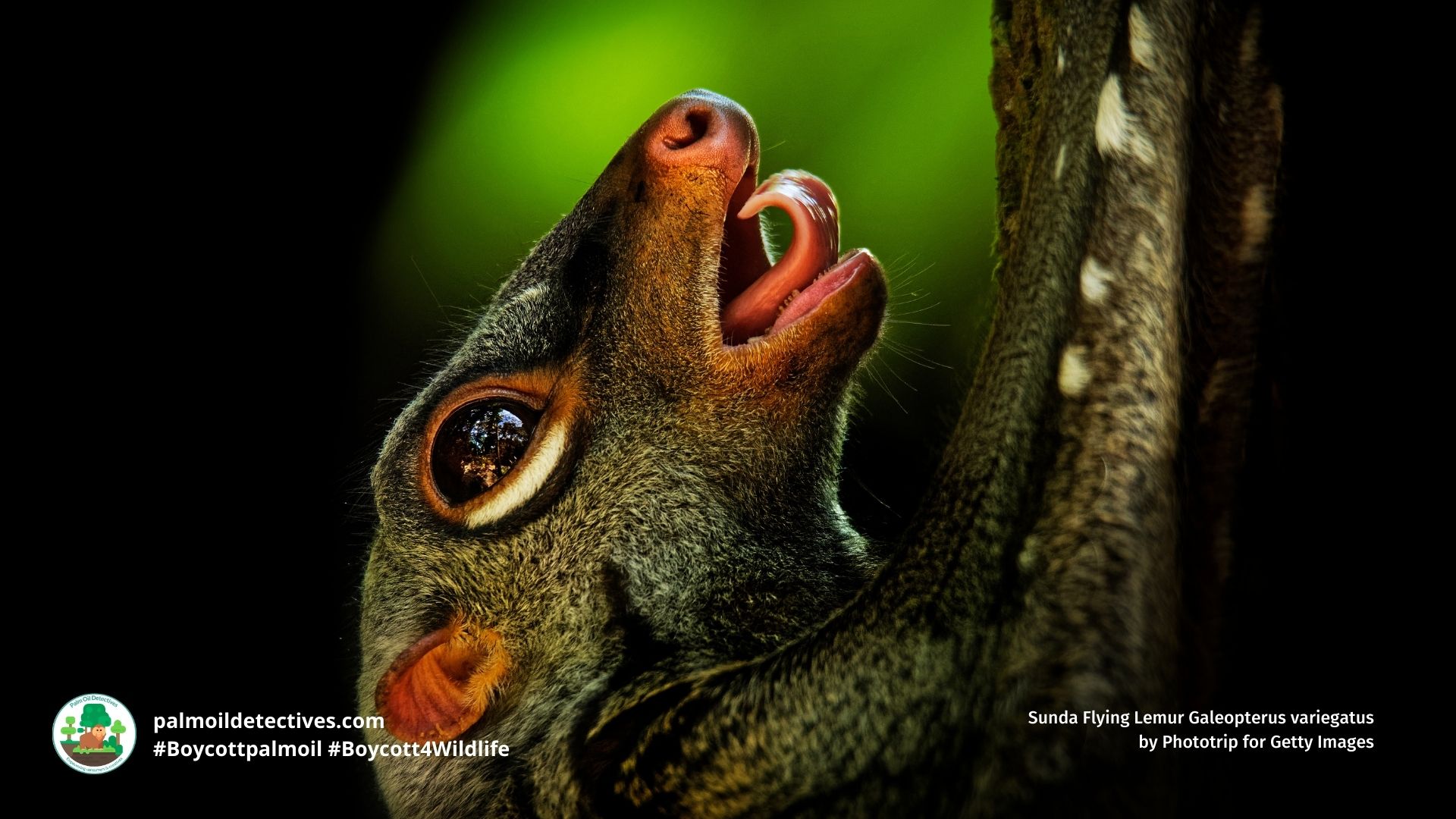
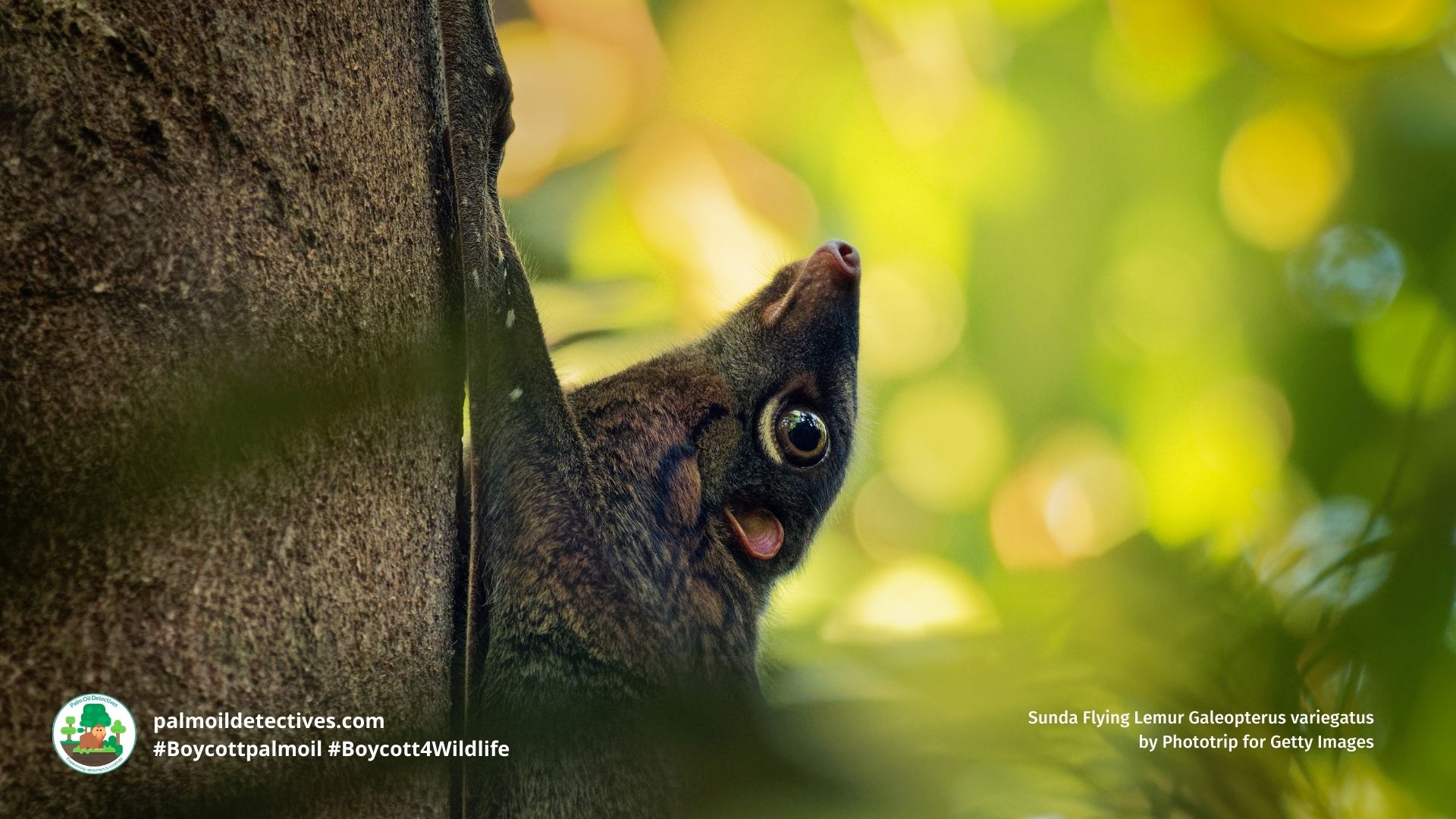
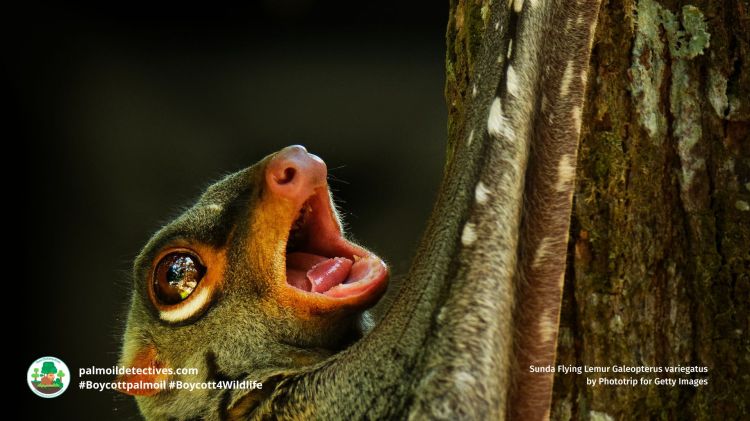
Sunda flying lemurs are hauntingly beautiful gliding mammals, with their large, forward-facing eyes adapted for night vision and a delicate, kite-shaped membrane of skin called a patagium stretching from their neck to their fingertips, tail, and toes. This structure allows them to glide over 100 metres through the forest canopy, losing as little as 10 metres in elevation. On the ground, they are nearly helpless, but in the trees, they move with astonishing agility. These quiet, nocturnal mammals spend their days curled up in tree hollows or nestled in the dense fronds of coconut trees, becoming active at dusk when they begin foraging.
Threats
Palm oil deforestation
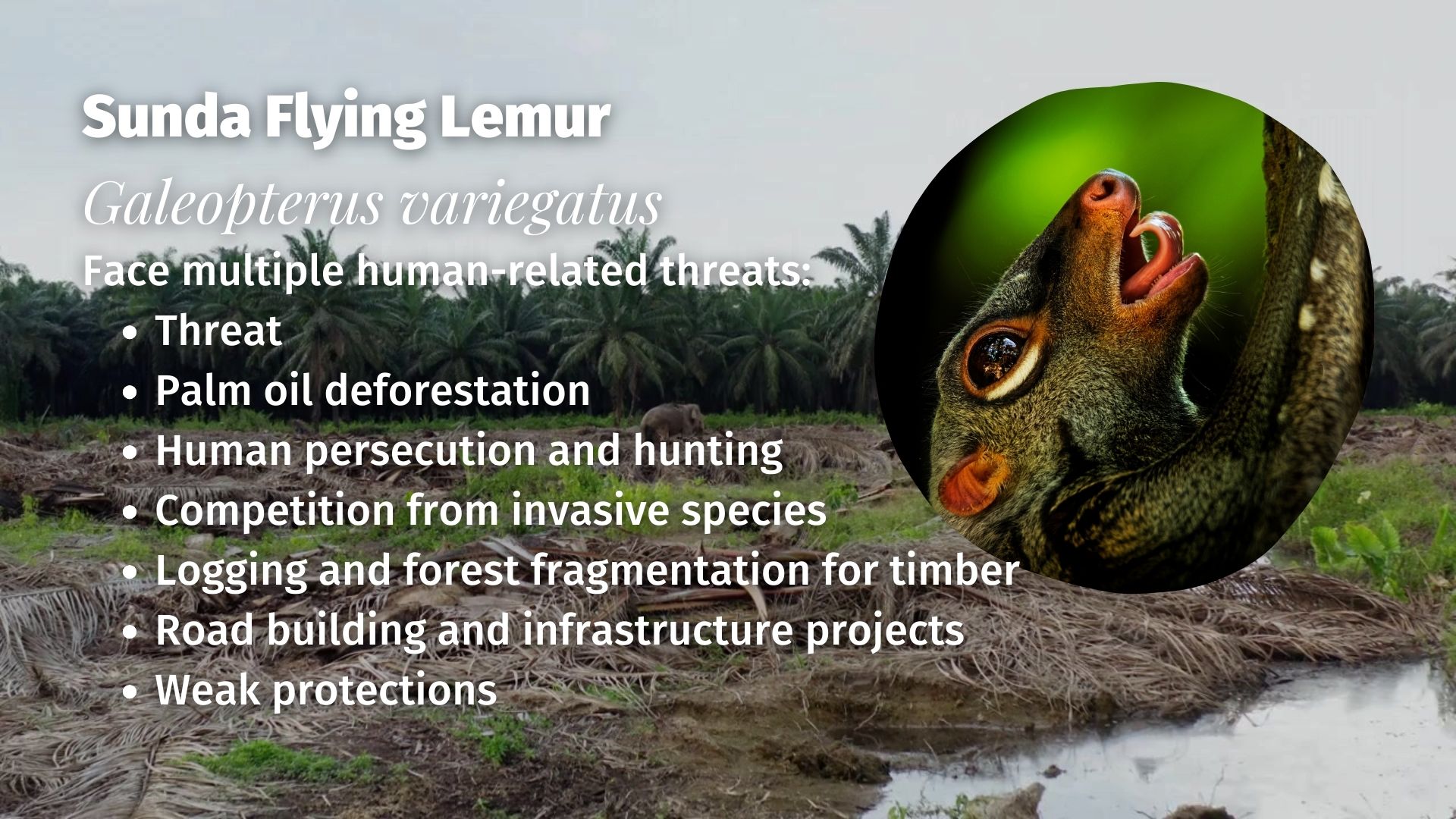
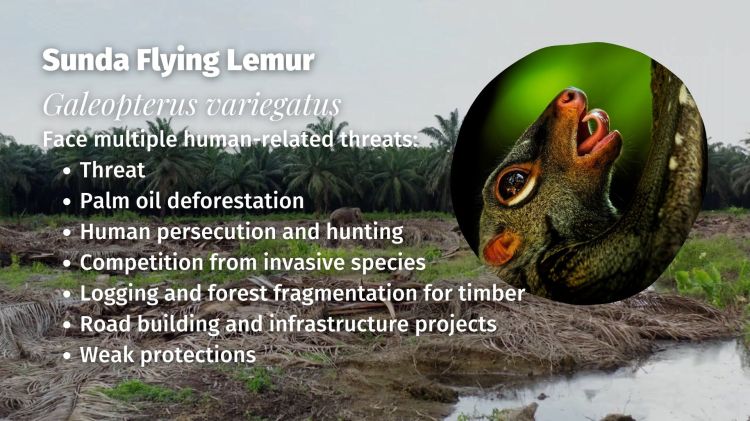
The widespread clearing of tropical rainforest to establish palm oil plantations is one of the greatest threats to the Sunda flying lemur. These gliders rely heavily on continuous tree canopy for movement, foraging, and breeding. When forests are fragmented or entirely removed for palm oil, flying lemurs become stranded, exposed to predators, and unable to access food or shelter. This process has caused severe habitat degradation across Peninsular Malaysia, Sumatra, and Borneo.
Human persecution and hunting
In Java and some other regions, Sunda flying lemurs are hunted by local communities, including the Baduy Tribe, who increase hunting activity every four years as part of cultural practices. Though the species yields little meat, they are still killed for consumption or perceived nuisance. Hunting disrupts already fragile populations, particularly in areas where habitat loss has already reduced numbers and isolated groups.
Logging and forest fragmentation for timber
Commercial and illegal logging contribute to the rapid degradation of forests across Southeast Asia. Even selective logging can cause fragmentation, which limits the flying lemur’s ability to glide and forces them to descend to the ground—where they are highly vulnerable to predators and human threats. Logging roads also increase human access to remote forests, further accelerating hunting and forest conversion.
Competition with invasive species
In degraded habitats and plantations, Sunda flying lemurs face increased competition for food and nesting sites from invasive and generalist species such as the Plantain Squirrel (Callosciurus notatus). These squirrels are more adaptable and can dominate food sources, leaving less for the more specialised colugo. Competition like this puts additional stress on the already fragile populations of flying lemurs, especially in fragmented or edge habitats.
Urban expansion and infrastructure development
Rapid urbanisation across Southeast Asia has resulted in the encroachment of cities and towns into previously forested areas. Roads, buildings, hydroelectric dams and agricultural expansion sever vital canopy corridors and isolate populations, making gliding impossible in many urban landscapes. As a result, Sunda flying lemurs are forced to navigate unsuitable environments, increasing their risk of vehicle collisions, electrocution from power lines, and conflict with humans.
Weak protections and lack of enforcement
Although the Sunda flying lemur is legally protected in several countries, enforcement is often weak or inconsistent. In areas like Sarawak and Java, data on current populations is outdated or incomplete, making it difficult to assess trends or plan effective conservation strategies. Without strong protections and ongoing monitoring, habitat loss and hunting will continue to drive the species toward future vulnerability or extinction.
Geographic Range
Sunda flying lemurs are found across Southeast Asia, including Thailand, Cambodia, Vietnam, Laos, southern Myanmar, Peninsular Malaysia, Singapore, Brunei, and Indonesia ( Java, Bali, Sumatra, Kalimantan, and Borneo). They are patchily distributed, with population declines noted in Java and possibly Sarawak. They occur in both primary and secondary forests, and are sometimes seen in plantations and gardens—but dense forest canopy is critical for their survival. Populations in disturbed habitats are less viable due to limited gliding space and reduced food availability.
Diet
The Sunda flying lemur feeds primarily on young leaves, buds, shoots, flowers, and fruits of a wide variety of forest trees. In Bako National Park, Sarawak, they have been observed feeding on over 12 tree species, with Buchanania arborescens making up over 50% of their diet. They also consume tree sap and have even been seen licking bark for water and minerals. Interestingly, they have been recorded feeding on ants (Paratrechina longicornis) in rare cases, highlighting their adaptability in changing environments.
Mating and Reproduction
After a gestation period of about 60 days, females give birth to a single young, which clings to the mother’s belly and is cradled within the folds of the patagium. The mother’s gliding membrane acts like a living pouch, offering warmth and protection as she climbs and glides through the treetops. Not much else is known about their mating systems or breeding intervals, but juveniles stay with their mothers until they are old enough to glide on their own.
FAQs
How many Sunda flying lemurs are left in the wild?
Exact population numbers are unknown, but the species is believed to be in slow decline. Localised extinctions are suspected in parts of Java and mainland Southeast Asia due to hunting and habitat fragmentation. While still widespread, their dependence on intact forests makes them vulnerable to ongoing deforestation (Boeadi & Steinmetz, 2008).
How long do Sunda flying lemurs live?
In the wild, their lifespan is estimated to be around 10–15 years, though this can vary depending on threats and environmental conditions. Data from wild populations are limited due to their elusive, nocturnal habits (Wikipedia, n.d.).
Why are they threatened by palm oil?
Palm oil plantations destroy the lowland tropical forests that flying lemurs depend on. Unlike other adaptable mammals, colugos require dense canopy cover for safe gliding, resting, and breeding. When forests are cleared, these gliders lose their ability to navigate safely, exposing them to predators and starvation. The conversion of rainforest into monoculture plantations has led to significant declines in habitat quality across their range (Lim et al., 2013; Nasir & Abdullah, 2009).
Do Sunda flying lemurs make good pets?
Absolutely not. Sunda flying lemurs are wild animals with specialised needs. They are not domesticated, and keeping them as pets leads to extreme stress, injury, or death. Capturing these animals for trade disrupts family groups and contributes to their extinction. If you care about flying lemurs, advocate against the exotic pet trade and never support it.
What conservation efforts are underway?
National laws protect the Sunda flying lemur in many range countries, and studies have been conducted in places like Bako National Park and Singapore. However, much stronger protection is needed, particularly in habitat protection and indigenous-led conservation. Conservationists recommend protecting forest patches, especially those with >95% canopy cover, to ensure their survival (Lim et al., 2013).
Take Action!
Protect the Sunda flying lemur by choosing only products that are 100% palm oil-free. Avoiding palm oil directly combats deforestation and preserves vital canopy corridors these animals depend on. Support indigenous-led agroecology and forest protection movements. Never support the exotic pet trade or keep wild animals in captivity. Every purchase you make has the power to either destroy or safeguard their rainforest homes. #BoycottPalmOil #Boycott4Wildlife
Support Sunda Flying Lemurs by going vegan and boycotting palm oil in the supermarket, it’s the #Boycott4Wildlife
Support the conservation of this species
This animal has no protections in place. Read about other forgotten species here. Create art to support this forgotten animal or raise awareness about them by sharing this post and using the #Boycottpalmoil #Boycott4Wildlife hashtags on social media. Also you can boycott palm oil in the supermarket.
Further Information
Boeadi & Steinmetz, R. 2008. Galeopterus variegatus. The IUCN Red List of Threatened Species 2008: e.T41502A10479343. https://dx.doi.org/10.2305/IUCN.UK.2008.RLTS.T41502A10479343.en. Accessed on 06 April 2025.
Lim, N. T-L., Giam, X., Byrnes, G., & Clements, G. R. (2013). Occurrence of the Sunda colugo (Galeopterus variegatus) in the tropical forests of Singapore: A Bayesian approach. Mammalian Biology, 78(1), 63–67. https://doi.org/10.1016/j.mambio.2012.06.008
Nasir, D., & Abdullah, M. T. (2009). Foraging ecology of the Sunda colugo (Galeopterus variegatus) in Bako National Park, Sarawak, Malaysia. Malayan Nature Journal, 61(4), 285–294. https://www.researchgate.net/publication/290610443_Foraging_ecology_of_the_sunda_colugo_galeopterus_variegatus_in_bako_national_park_sarawak_malaysia
Wikipedia. (n.d.). Sunda flying lemur. Retrieved April 6, 2025, from https://en.wikipedia.org/wiki/Sunda_flying_lemur
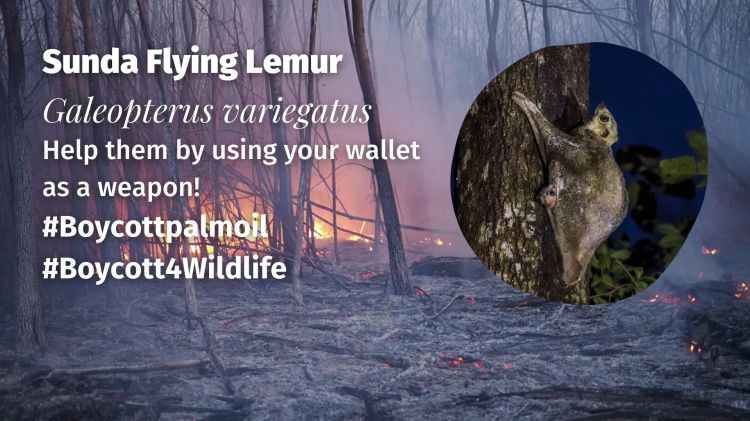
How can I help the #Boycott4Wildlife?
Take Action in Five Ways
1. Join the #Boycott4Wildlife on social media and subscribe to stay in the loop: Share posts from this website to your own network on Twitter, Mastadon, Instagram, Facebook and Youtube using the hashtags #Boycottpalmoil #Boycott4Wildlife.
Enter your email address
Sign Up
Join 3,174 other subscribers2. Contribute stories: Academics, conservationists, scientists, indigenous rights advocates and animal rights advocates working to expose the corruption of the palm oil industry or to save animals can contribute stories to the website.
Wildlife Artist Juanchi Pérez
Read moreMel Lumby: Dedicated Devotee to Borneo’s Living Beings
Read moreAnthropologist and Author Dr Sophie Chao
Read moreHealth Physician Dr Evan Allen
Read moreThe World’s Most Loved Cup: A Social, Ethical & Environmental History of Coffee by Aviary Doert
Read moreHow do we stop the world’s ecosystems from going into a death spiral? A #SteadyState Economy
Read more3. Supermarket sleuthing: Next time you’re in the supermarket, take photos of products containing palm oil. Share these to social media along with the hashtags to call out the greenwashing and ecocide of the brands who use palm oil. You can also take photos of palm oil free products and congratulate brands when they go palm oil free.
https://twitter.com/CuriousApe4/status/1526136783557529600?s=20
https://twitter.com/PhillDixon1/status/1749010345555788144?s=20
https://twitter.com/mugabe139/status/1678027567977078784?s=20
4. Take to the streets: Get in touch with Palm Oil Detectives to find out more.
5. Donate: Make a one-off or monthly donation to Palm Oil Detectives as a way of saying thank you and to help pay for ongoing running costs of the website and social media campaigns. Donate here
Pledge your supportLearn about other animals endangered by palm oil and other agriculture
GlobalSouth America S.E. AsiaIndiaAfricaWest Papua & PNG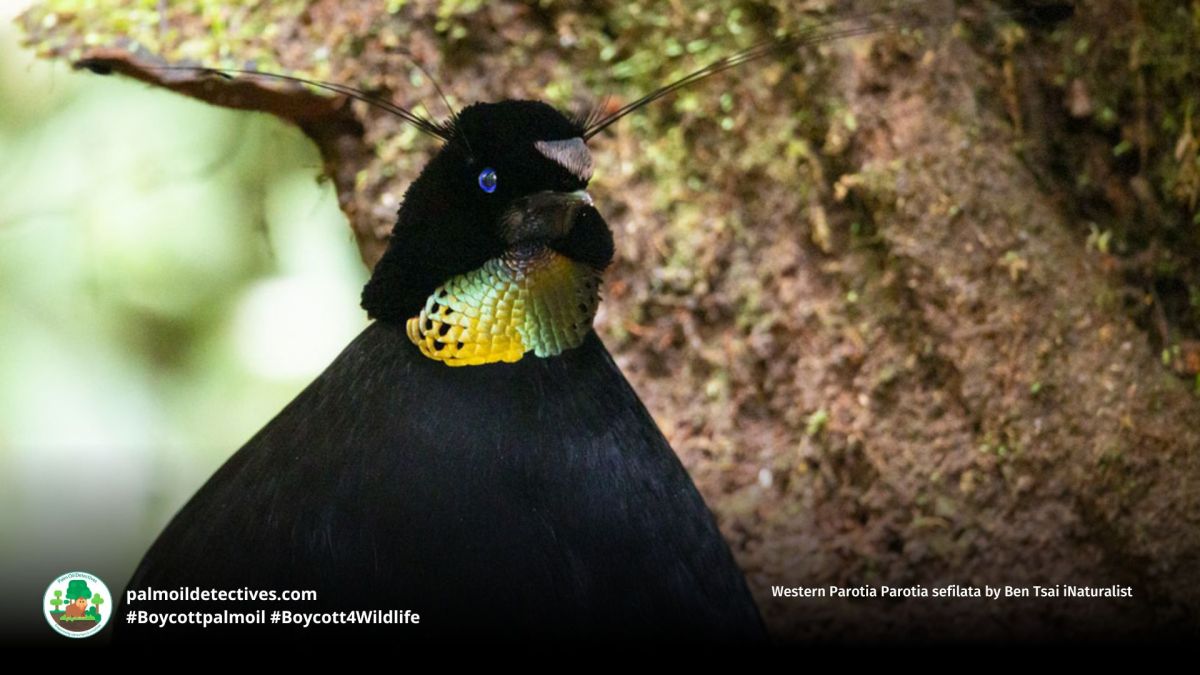
Western Parotia Parotia sefilata
Keep readingCapped Langur Trachypithecus pileatus
Keep readingMountain Tapir Tapirus pinchaque
Keep readingSaola Pseudoryx nghetinhensis
Keep readingTucuxi Sotalia fluviatilis
Keep readingFrill-Necked Lizard Chlamydosaurus kingii
Keep readingLearn about “sustainable” palm oil greenwashing
Read more about RSPO greenwashing
Lying Fake labelsIndigenous Land-grabbingHuman rights abusesDeforestation Human health hazardsA 2019 World Health Organisation (WHO) report into the palm oil industry and RSPO finds extensive greenwashing of palm oil deforestation and the murder of endangered animals (i.e. biodiversity loss)
Read more#animals #Asia #Borneo #Boycott4wildlife #BoycottMeat #BoycottPalmOil #Brunei #Cambodia #colugo #dams #deforestation #ForgottenAnimals #glidingMammal #humanWildlifeConflict #hunting #hydroelectric #Indonesia #Java #Kalimantan #Laos #lemur #Malaysia #Mammal #Myanmar #nocturnal #PalmOil #palmOilDeforestation #palmoil #poaching #rainforests #Sumatra #Sunda #SundaFlyingLemurGaleopterusVariegatus #Thailand #timber #Vietnam #VulnerableSpecies
Gursky’s Spectral Tarsier Tarsius spectrumgurskyae
Gursky’s Spectral Tarsier Tarsius spectrumgurskyae
IUCN Red List Status: Vulnerable
Location: Indonesia ( Sulawesi)
Found across the northern peninsula of Sulawesi in Indonesia, including from the northern tip to the Isthmus of Gorontalo, in primary forest, mangroves, and disturbed habitats with dense cover.
The Gursky’s spectral tarsier Tarsius spectrumgurskyae, also known locally as Wusing, is a recently recognised species of tarsier from northern Sulawesi. Listed as Vulnerable by the IUCN, they have lost more than 30% of their habitat in the past two decades. #Deforestation for #palmoil and #timber, agricultural encroachment, illegal logging, and the #pettrade all threaten their fragile populations. Their survival depends on wild spaces thick with shrubby undergrowth—the very places being rapidly erased. If you love unique #primates like the spectral #tarsier, use your voice and wallet to protect their forest home. #BoycottPalmOil #Boycott4Wildlife
Known locally as ‘Wusing’, Gursky’s Spectral #Tarsiers have enormous moon-like eyes to help them see in dark forests 🌛👀😽 #Palmoil and the #pet trade are serious threats. Help them survive when you #Boycottpalmoil 🌴🚜❌ #Boycott4Wildlife @palmoildetect https://palmoildetectives.com/2026/02/22/gurskys-spectral-tarsier-tarsius-spectrumgurskyae/
Share to BlueSky Share to TwitterFound in tree hollows of #Sulawesi #Indonesia, tiny #primates 🐵🧐 Gursky’s Spectral #Tarsiers are #carnivores with their food, #insects 🪲🦗 being poisoned by #palmoil and #pesticides ☠️ Fight for them! #Boycottpalmoil #Boycott4Wildlife @palmoildetect https://palmoildetectives.com/2026/02/22/gurskys-spectral-tarsier-tarsius-spectrumgurskyae/
Share to BlueSky Share to TwitterAppearance & Behaviour
Gursky’s spectral tarsiers also known locally as ‘Wusing’ are hauntingly beautiful tiny #primates with enormous, forward-facing eyes that shine like twin moons in the night. These tiny nocturnal primates have a soft, greyish pelage and elongated fingers adapted for gripping tree branches. They are famed for their extreme leaping ability, known as vertical clinging and leaping (VCL), allowing them to spring through the forest canopy with precision and grace.
Highly social and vocal, they live in monogamous or polygamous groups of 2–11 individuals. At dawn, their eerie territorial duets echo through the forest just before they return to their sleeping sites in dense foliage or tree cavities. They are shy, elusive, and deeply dependent on forest structure to hide, hunt, and sleep.
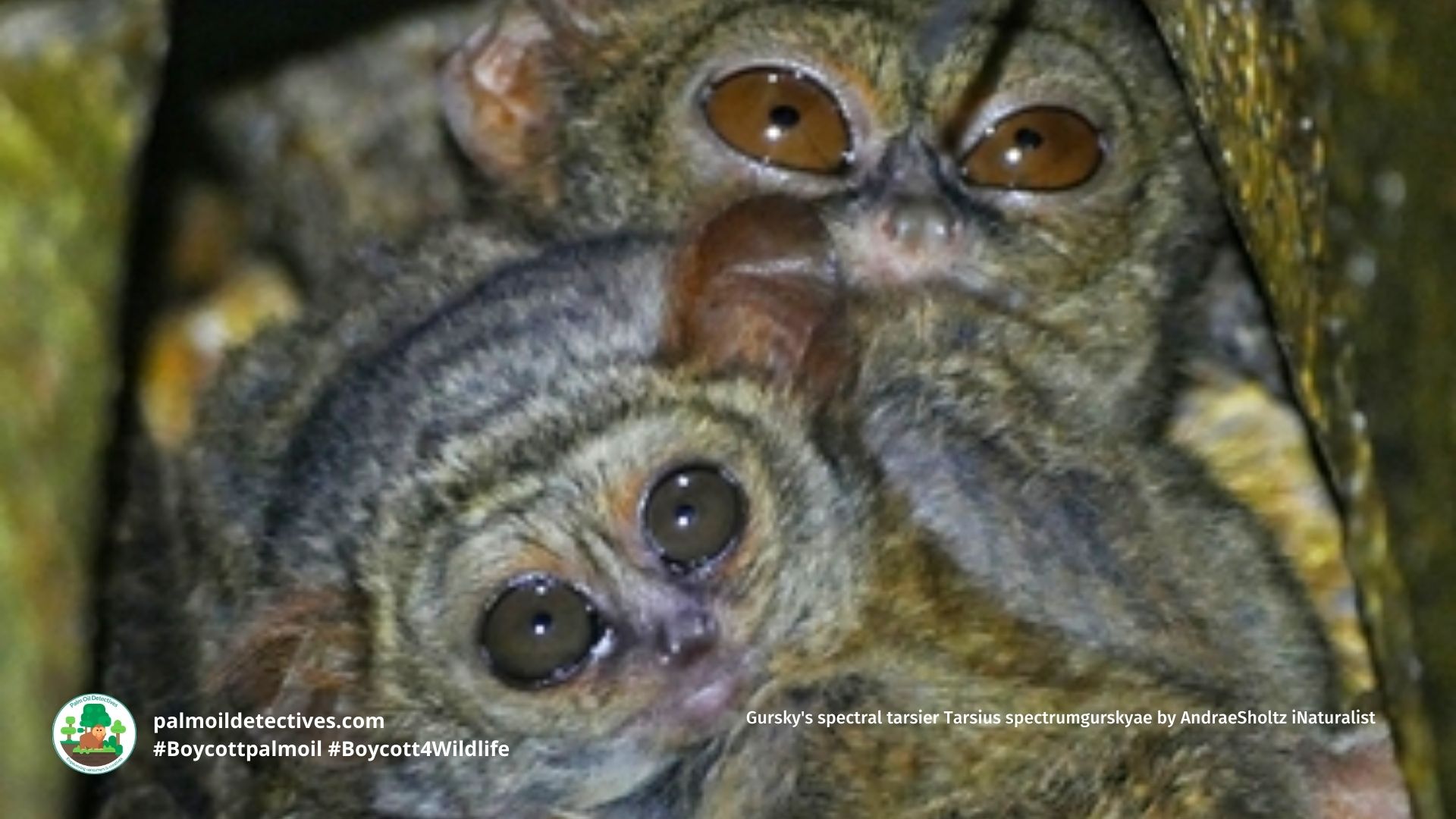
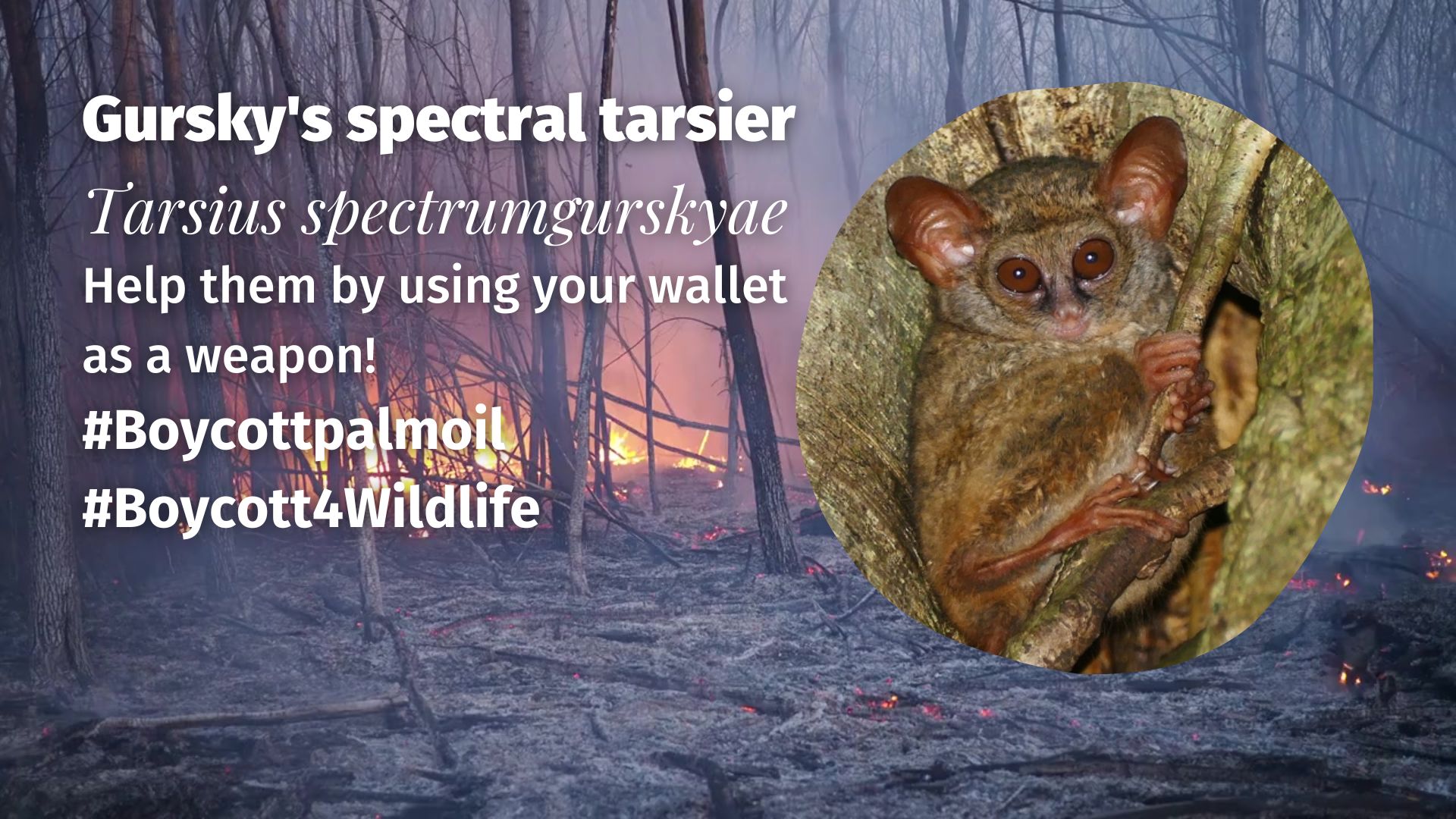
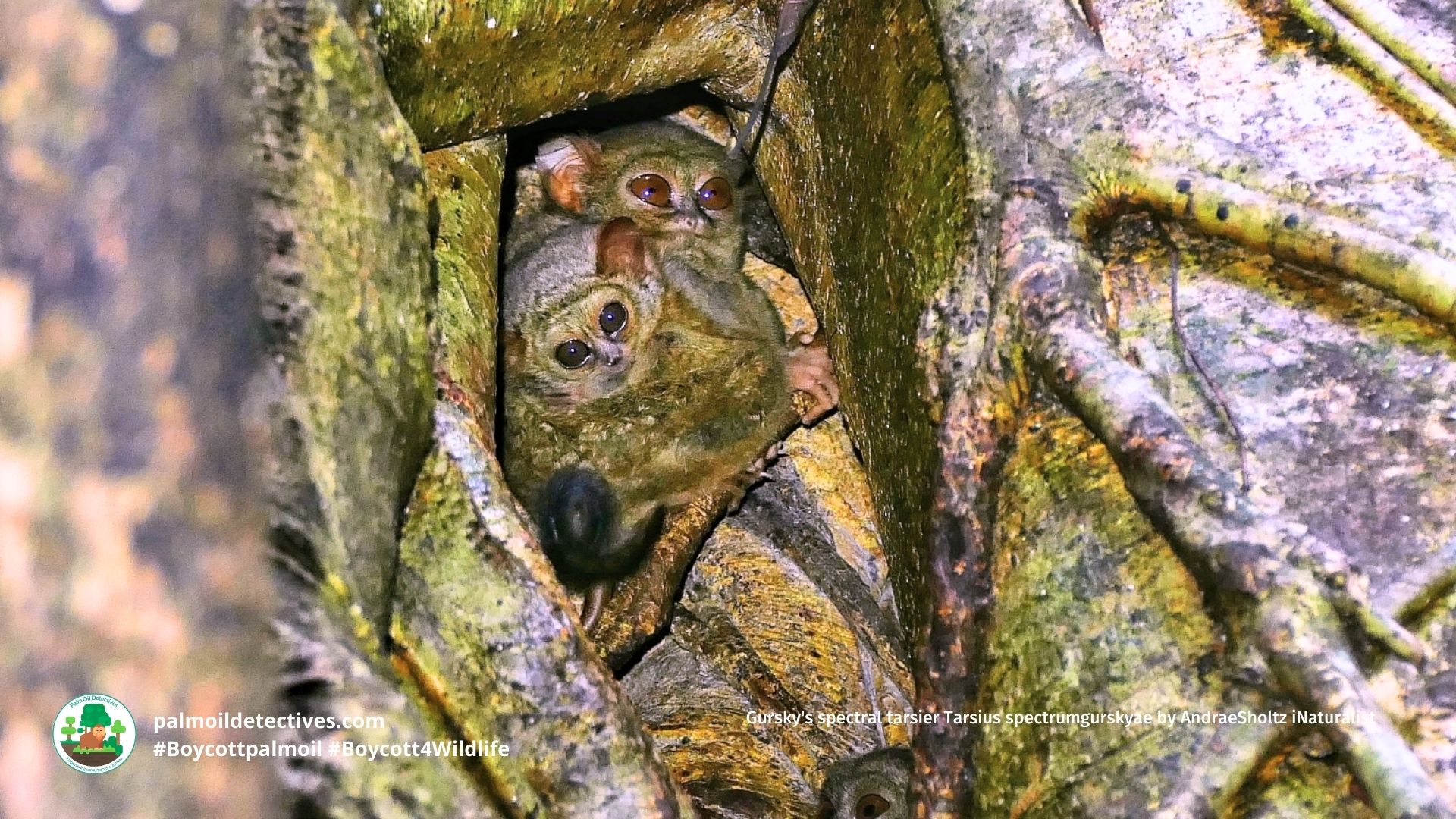
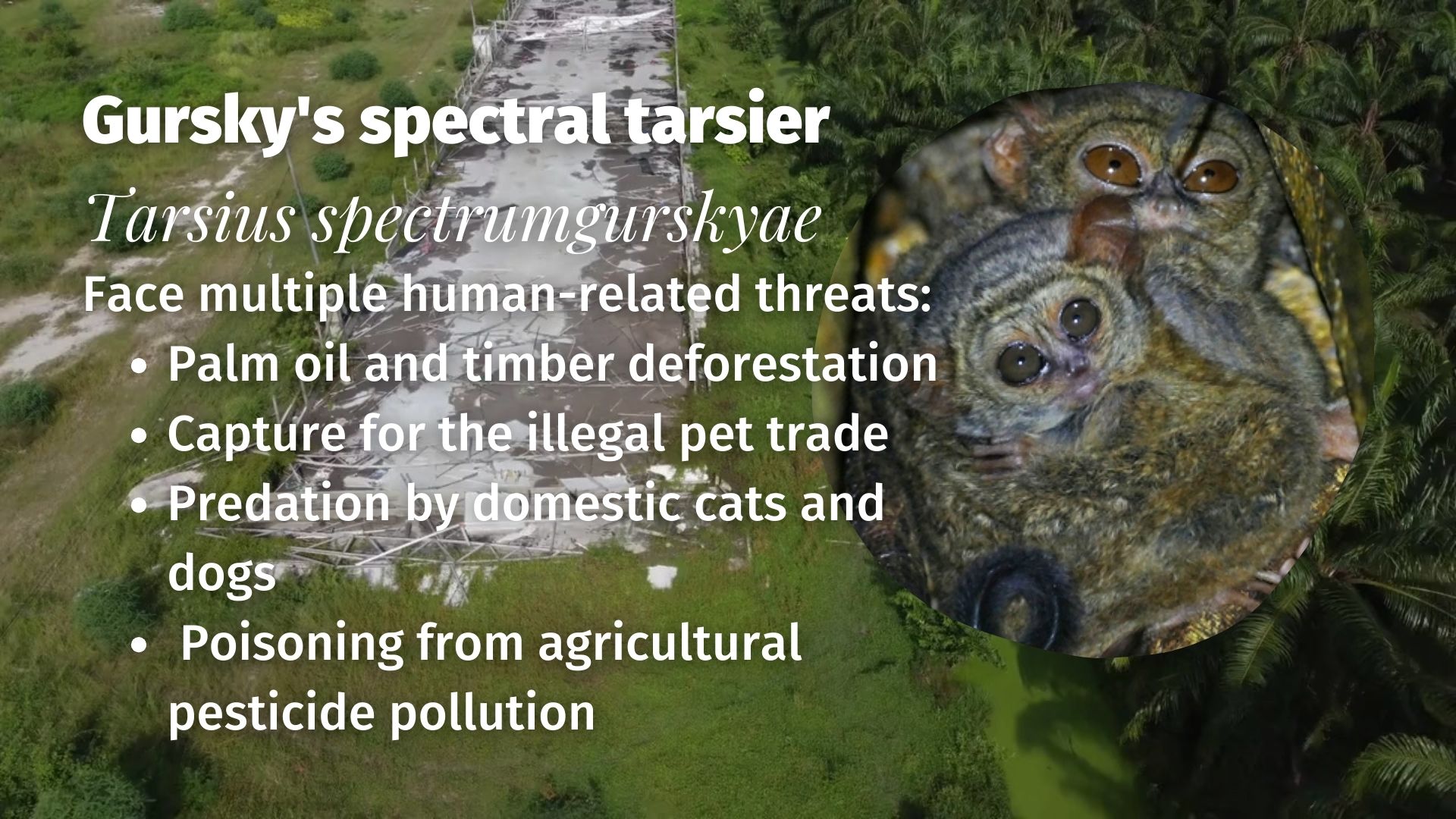
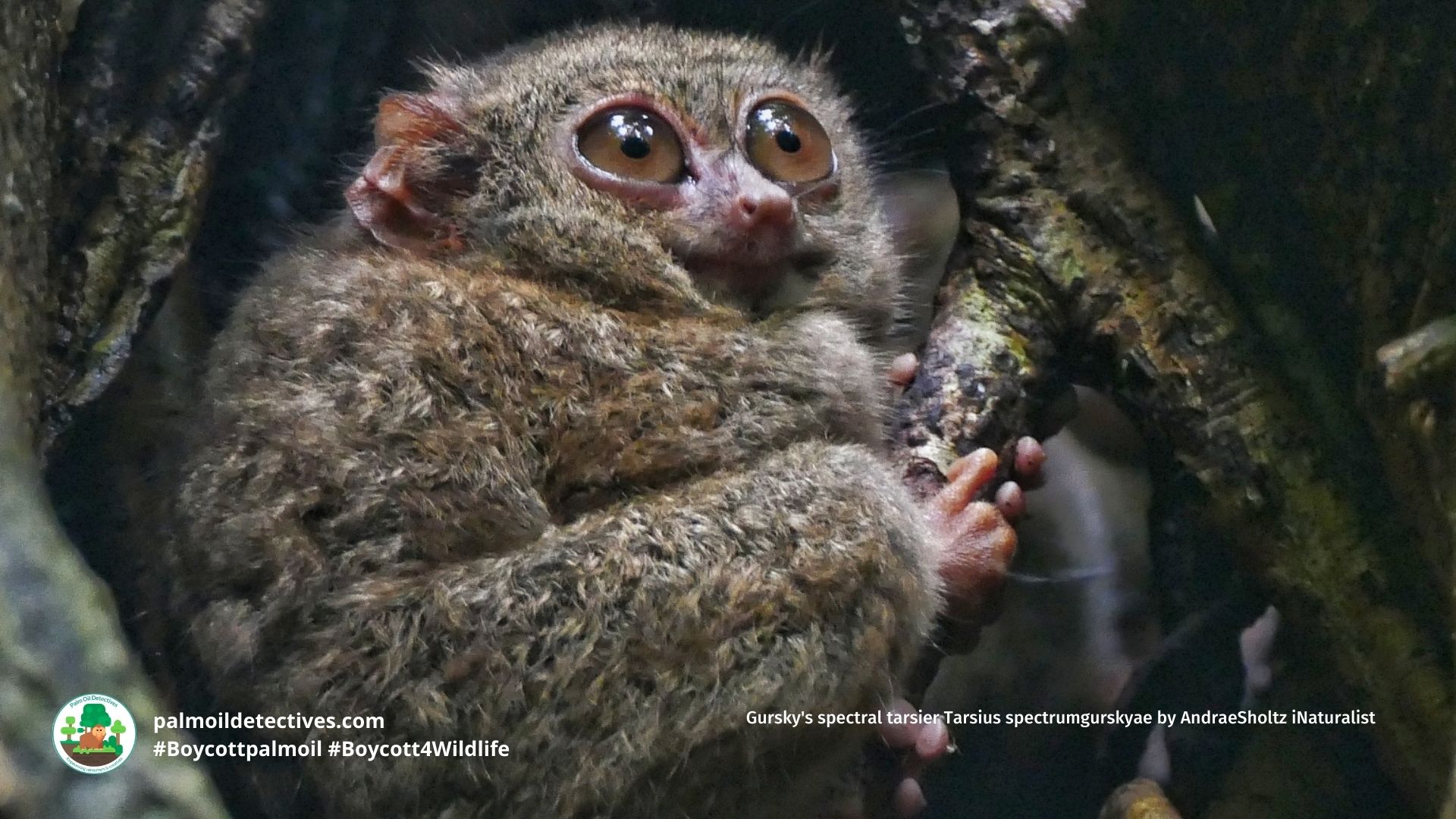
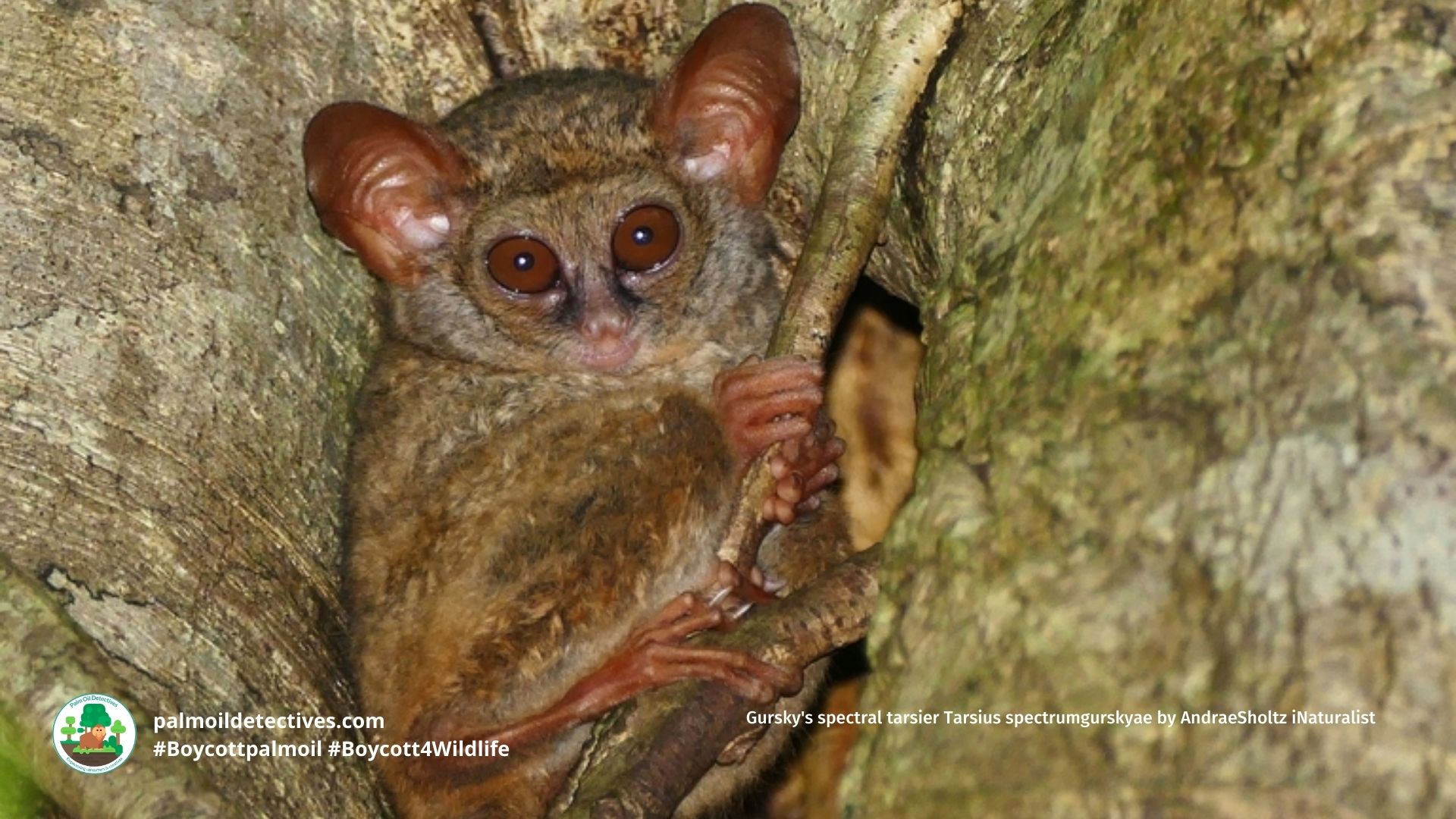
Threats
Habitat Loss from Illegal Logging
The primary threat to Gursky’s spectral tarsier is the ongoing destruction of Sulawesi’s forests due to illegal logging. These small nocturnal primates depend on dense understorey vegetation and tree cavities for shelter and foraging. When forests are cleared, their sleeping sites vanish and prey becomes scarce, forcing them into smaller, fragmented patches of habitat. Even moderate disturbance causes a sharp drop in population density—from over 150 individuals/km² to as few as 45 in degraded areas (Merker, 2003).
Agricultural Expansion and Palm Oil Plantations
Much of the Gursky’s Spectral Tarsier’s lowland habitat has already been converted to palm oil and timber agriculture, and expansion continues. Between 1990 and 2000, 15.26% of Sulawesi’s forests were cleared for crops, with at least 10% more lost since then (Salim, pers. comm. in IUCN, 2020). Palm oil plantations are one of the main drivers of this forest conversion. Although the species can survive in agroforestry and disturbed areas, their numbers drastically decline when natural vegetation is replaced with monocultures.
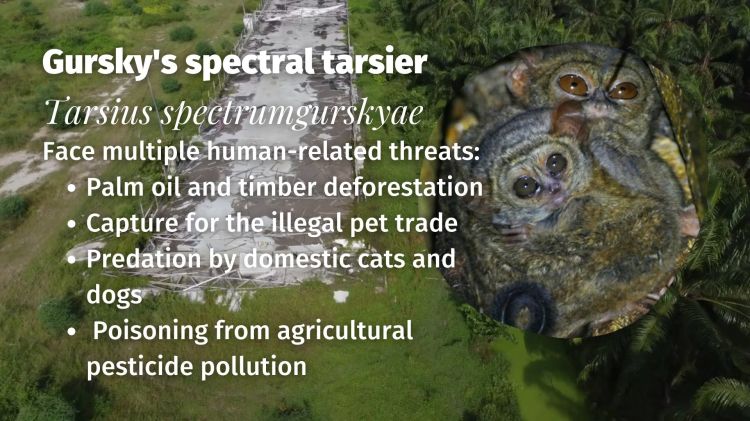
Pesticide Exposure from Nearby Farms
Chemical pesticides used in adjacent agricultural zones contaminate the tarsiers’ insect prey, leading to bioaccumulation and poisoning. Tarsiers consume a diet entirely composed of live animal prey, mostly insects, which makes them highly vulnerable to pesticide residues. Ingestion of contaminated insects can lead to neurological damage, reproductive failure, or death, further weakening populations in edge habitats near farmlands.
Predation by Domestic Animals
Domestic dogs and cats introduced into forested areas pose a significant predation risk to tarsiers. These animals often accompany humans into disturbed or agricultural areas, where they hunt or scavenge. Tarsiers are small-bodied, slow on the ground, and often descend to low levels of the forest, making them easy targets. Predation by pets fragments already-vulnerable populations and disrupts group dynamics.
Illegal Capture for the Pet Trade
Although not widespread, the illegal pet trade is an emerging threat. Gursky’s spectral tarsiers are occasionally taken from the wild to be sold in local markets or online. These sensitive, nocturnal animals suffer tremendously in captivity, often dying due to stress, malnutrition, or improper care. Removing them from the wild also breaks apart family groups and contributes to long-term population decline.
Geographic Range
Gursky’s spectral tarsier is endemic to Indonesia, restricted to northern Sulawesi, from the northern tip of the peninsula to the Isthmus of Gorontalo. Their habitat includes lowland primary forests, secondary growth, mangroves, and areas with some human disturbance, such as agroforestry and selectively logged landscapes. However, their density drops dramatically as habitat degradation increases.
Diet
Their diet is 100% carnivorous, consisting entirely of live animal prey. They primarily consume insects such as moths and crickets but also hunt small vertebrates like frogs and lizards. Their night-time hunting is punctuated by bursts of movement and quiet observation as they stalk their prey through the understorey.
Mating and Reproduction
Although detailed reproductive data are scarce for this species, Gursky’s spectral tarsiers likely follow similar breeding patterns to other tarsiers. They are known to breed throughout the year, producing one offspring at a time after a gestation period of about six months. The young are born furred and open-eyed, clinging to their parent as they learn to navigate the trees.
FAQs
How many Gursky’s spectral tarsiers are left in the wild?
Precise population numbers of these tarsiers are not known, but density estimates suggest that in pristine habitats, up to 156 individuals per km² may exist (Gursky, 1997). However, in heavily degraded areas, this number can plummet to as low as 45 individuals per km² (Merker, 2003). Their fragmented range and habitat loss make accurate counts difficult, but population declines are expected to continue if deforestation is not halted.
What is their lifespan in the wild?
While specific data for Tarsius spectrumgurskyae is not available, other tarsier species can live between 8–12 years in the wild. In captivity, where threats like predation are removed, their lifespan may be slightly longer. However, these animals do not thrive in captivity and should never be kept as pets.
What challenges do they face in conservation?
One major challenge is habitat degradation due to logging, agriculture, and the spread of palm oil plantations. Though they can tolerate some disturbance, their population density drops significantly with increasing habitat destruction. Additionally, their small size and elusive nature make them difficult to monitor, and they are sometimes misidentified as other tarsier species, complicating conservation strategies.
Do Gursky’s spectral tarsiers make good pets?
No. These sensitive and social primates should never be kept as pets. Capturing them from the wild is cruel and contributes directly to population collapse. It destroys their family groups, causes immense suffering, and feeds into illegal wildlife trade networks. If you care about their survival, never buy a wild animal and advocate against exotic pet ownership.
Take Action!
The future of the Gursky’s spectral tarsier hangs by a thread. Forests are falling at an alarming rate, replaced with monocultures and poisoned with pesticides. Speak up. Refuse to fund deforestation-driven industries. Boycott palm oil. Protect what’s left of Sulawesi’s dwindling forests and support indigenous-led conservation efforts. Never buy wildlife as pets. #BoycottPalmOil #Boycott4Wildlife #Vegan #BoycottMeat
Support Gursky’s Tarsiers by going vegan and boycotting palm oil in the supermarket, it’s the #Boycott4Wildlife
Support the conservation of this species
This animal has no protections in place. Read about other forgotten species here. Create art to support this forgotten animal or raise awareness about them by sharing this post and using the #Boycottpalmoil #Boycott4Wildlife hashtags on social media. Also you can boycott palm oil in the supermarket.
Further Information
Shekelle, M., Groves, C. P., Maryanto, I., & Mittermeier, R. A. (2017). Two new tarsier species (Tarsiidae, Primates) and the biogeography of Sulawesi, Indonesia. Primate Conservation, 31, 37–56. https://researchportalplus.anu.edu.au/en/publications/two-new-tarsier-species-tarsiidae-primates-and-the-biogeography-o
Shekelle, M. 2020. Tarsius spectrumgurskyae. The IUCN Red List of Threatened Species 2020: e.T162336422A162336580. https://dx.doi.org/10.2305/IUCN.UK.2020-3.RLTS.T162336422A162336580.en. Accessed on 06 April 2025.
Wikipedia. (n.d.). Gursky’s spectral tarsier. Retrieved April 6, 2025, from https://en.wikipedia.org/wiki/Gursky%27s_spectral_tarsier

How can I help the #Boycott4Wildlife?
Take Action in Five Ways
1. Join the #Boycott4Wildlife on social media and subscribe to stay in the loop: Share posts from this website to your own network on Twitter, Mastadon, Instagram, Facebook and Youtube using the hashtags #Boycottpalmoil #Boycott4Wildlife.
Enter your email address
Sign Up
Join 3,179 other subscribers2. Contribute stories: Academics, conservationists, scientists, indigenous rights advocates and animal rights advocates working to expose the corruption of the palm oil industry or to save animals can contribute stories to the website.
Wildlife Artist Juanchi Pérez
Read moreMel Lumby: Dedicated Devotee to Borneo’s Living Beings
Read moreAnthropologist and Author Dr Sophie Chao
Read moreHealth Physician Dr Evan Allen
Read moreThe World’s Most Loved Cup: A Social, Ethical & Environmental History of Coffee by Aviary Doert
Read moreHow do we stop the world’s ecosystems from going into a death spiral? A #SteadyState Economy
Read more3. Supermarket sleuthing: Next time you’re in the supermarket, take photos of products containing palm oil. Share these to social media along with the hashtags to call out the greenwashing and ecocide of the brands who use palm oil. You can also take photos of palm oil free products and congratulate brands when they go palm oil free.
https://twitter.com/CuriousApe4/status/1526136783557529600?s=20
https://twitter.com/PhillDixon1/status/1749010345555788144?s=20
https://twitter.com/mugabe139/status/1678027567977078784?s=20
4. Take to the streets: Get in touch with Palm Oil Detectives to find out more.
5. Donate: Make a one-off or monthly donation to Palm Oil Detectives as a way of saying thank you and to help pay for ongoing running costs of the website and social media campaigns. Donate here
Pledge your supportLearn about other animals endangered by palm oil and other agriculture
GlobalSouth America S.E. AsiaIndiaAfricaWest Papua & PNG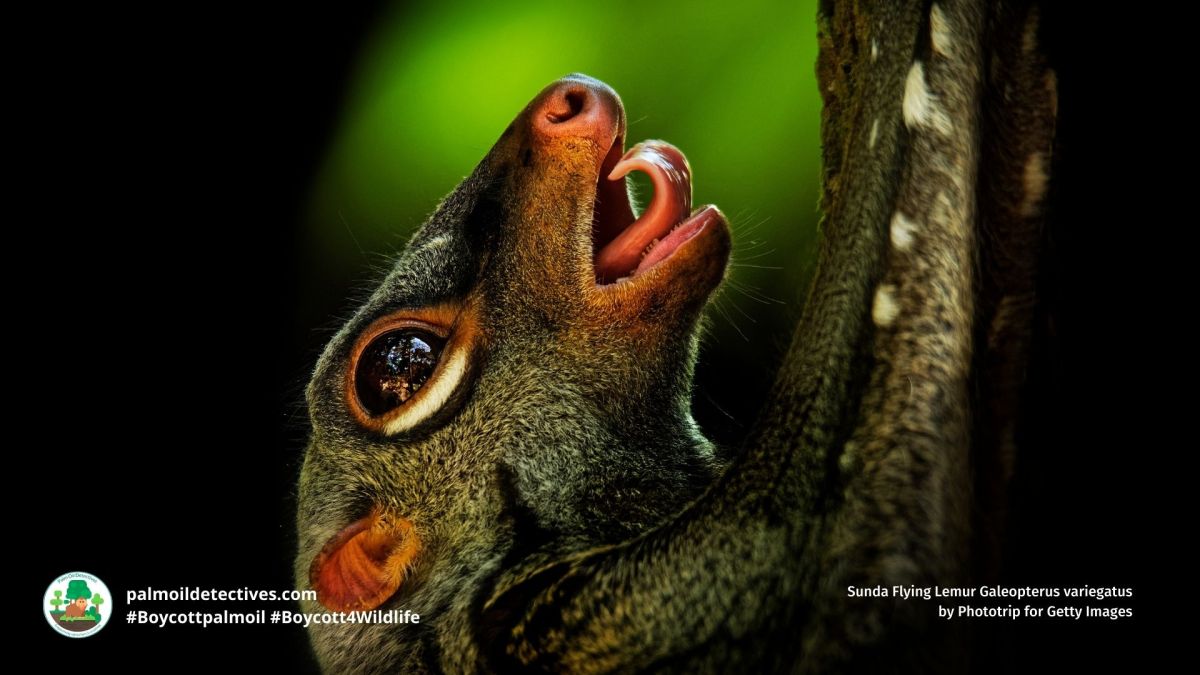
Sunda Flying Lemur Galeopterus variegatus
Keep readingWestern Parotia Parotia sefilata
Keep readingCapped Langur Trachypithecus pileatus
Keep readingMountain Tapir Tapirus pinchaque
Keep readingSaola Pseudoryx nghetinhensis
Keep readingTucuxi Sotalia fluviatilis
Keep readingLearn about “sustainable” palm oil greenwashing
Read more about RSPO greenwashing
Lying Fake labelsIndigenous Land-grabbingHuman rights abusesDeforestation Human health hazardsA 2019 World Health Organisation (WHO) report into the palm oil industry and RSPO finds extensive greenwashing of palm oil deforestation and the murder of endangered animals (i.e. biodiversity loss)
Read more#animals #Boycott4wildlife #BoycottMeat #BoycottPalmOil #BoycottPesticides #carnivores #deforestation #ForgottenAnimals #GurskySSpectralTarsierTarsiusSpectrumgurskyae #hunting #illegalPetTrade #Indonesia #insects #nocturnal #PalmOil #palmOilDeforestation #palmoil #pesticide #pesticides #pet #petTrade #pettrade #poaching #Primate #primates #primatology #Sulawesi #tarsier #tarsiers #timber #vegan #vulnerable #VulnerableSpecies
South America: Species Endangered by Palm Oil Deforestation

Papua New Guinea & West Papua: Species Endangered by Palm Oil Deforestation
Palm Oil Lobbyists Getting Caught Lying Orangutan Land Trust and Agropalma