Four Things to Know about Cholesterol
Cholesterol is among the most feared substances, but why? You need cholesterol to produce some hormones and to build vital structures in your body. But too much-referred to as high cholesterol-can build up in your arteries and lead to heart attack, stroke, and other cardiovascular diseases.
That’s why it’s important to get tested and know your cholesterol numbers; they show how much cholesterol is circulating in your blood.
We asked Sonia Tolani, MD, an expert in cardiovascular disease and cholesterol management, to explain the good and the bad about cholesterol, and how to have healthy levels. To start, she says, “Know your cholesterol numbers and keep them in check. You are in control. Maintaining normal cholesterol levels significantly reduces your risk of heart attack and stroke.”
A. Prof Sonia Tolani from @whccolumbia talks about why consuming #palmoil #meat and convenience foods may put you at risk of a #heartattack 🫀🫁 or #stroke. For your #health you should #Boycottpalmoil, go #vegan 🥕🥦 #Boycott4Wildlife @palmoildetect https://palmoildetectives.com/2022/10/19/four-things-to-know-about-cholesterol/
Share to BlueSkyShare to TwitterThis is a media release from Columbia University Irving Medical Center republished under Creative Commons licence, written by A. Prof Sonia Tolani, MD.
What is cholesterol?
Cholesterol is a substance that circulates in your blood. Your liver produces most of the cholesterol in your body. Other cholesterol enters your body through food.
The two most important types of cholesterol:
- LDL (low-density lipoprotein)
- This is the bad one; your target number depends on your risk for heart disease. Most people should aim for an LDL below 100, but those with diabetes or who have cardiovascular disease should aim for lower, below 70.
- HDL (high-density lipoprotein)
- This is the good one. For women, a good level is above 60; for men, it’s above 40.
Too much LDL, or too little HDL, increases health risk.
Where does cholesterol come from?
Your liver and cells in your body produce about 80% of the cholesterol in your blood. Food brings in the other 20%. Food that’s high in trans and saturated fats contributes to bad levels of cholesterol (not food that’s high in cholesterol, as once was thought). Bad means bad for your health.
When you take in more cholesterol, your liver reduces its cholesterol production and removes the excess. But some people’s livers don’t do this well, because of their genes.
Trans and saturated fats
Trans fats are primarily artificial (created by adding hydrogen to vegetable oil to make it more solid) but some occur naturally in animal products. The Food and Drug Administration banned trans fats in the United States in 2018, with the final allowable manufacturing date of Jan. 1, 2021. But some processed and packaged food may still have trans fat because of how it is processed.
Packaged food includes:
- Biscuits
- Cookies
- Crackers
- Frosting
- Microwave popcorn
- Pie crusts
- Pizza
- Vegetable shortening and oil
Look at the nutrition facts panel on packaged food to see how many trans fats it contains.
In addition to increasing heart disease and stroke risk, consuming trans fats increases risk of type 2 diabetes. The American Heart Association recommends that most people reduce or eliminate consumption of trans fats.
Saturated fats occur naturally in many foods, such as animal-based and tropical oils, including:
- Beef
- Butter, cheese, cream
- Coconut
- Lamb
- Lard
- Pork
- Poultry, especially with skin
- Palm oil
Research shows that not all saturated fats are bad to eat. The American Heart Association recommends that most people limit daily consumption of saturated fats to 13 grams per day.
Know your numbers
How much cholesterol do you have?
The amount of cholesterol you have depends on genetics, diet, age, activity, assigned sex at birth, and other factors.
Where, when, and how do I get a cholesterol test?
According to the Centers for Disease Control and Prevention:
- Healthy adults should have their cholesterol checked every four to six years.
- Children should have their cholesterol checked at least once between ages 9 and 11 and again between ages 17 and 21.
- People with family history of heart disease should get their cholesterol checked more often.
Ask your doctor about the lipid panel blood test.
Keep cholesterol levels in check (low!)
- Eat a low saturated fat diet, like the Mediterranean-style diet.
- Exercise regularly (30 minutes of moderate exercise five days a week of moderate exercise or 75 minutes of vigorous exercise a week).
- Maintain a healthy weight.
In addition, due to genetic factors, some people need medications to keep their cholesterol in check. Talk to your doctor about your known risk factors.
High cholesterol is one of the major risk factors for cardiovascular diseases that you can control with healthy eating and/or medication. The first step is knowing your cholesterol numbers.
This is a media release from Columbia University Irving Medical Center republished under Creative Commons licence written by A. Prof Sonia Tolani, MD, assistant professor of medicine at Columbia University’s Vagelos College of Physicians and Surgeons and co-director of the Columbia Women’s Heart Center. She is an expert in consultative cardiology, preventive medicine, and women’s heart disease, including the treatment of gestational hypertension and preeclampsia. See original media release.
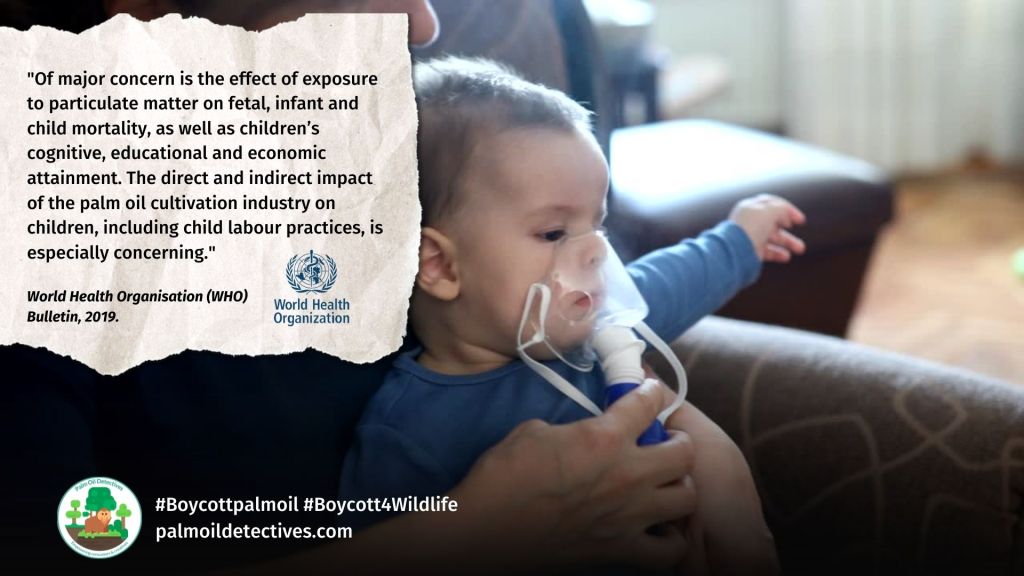
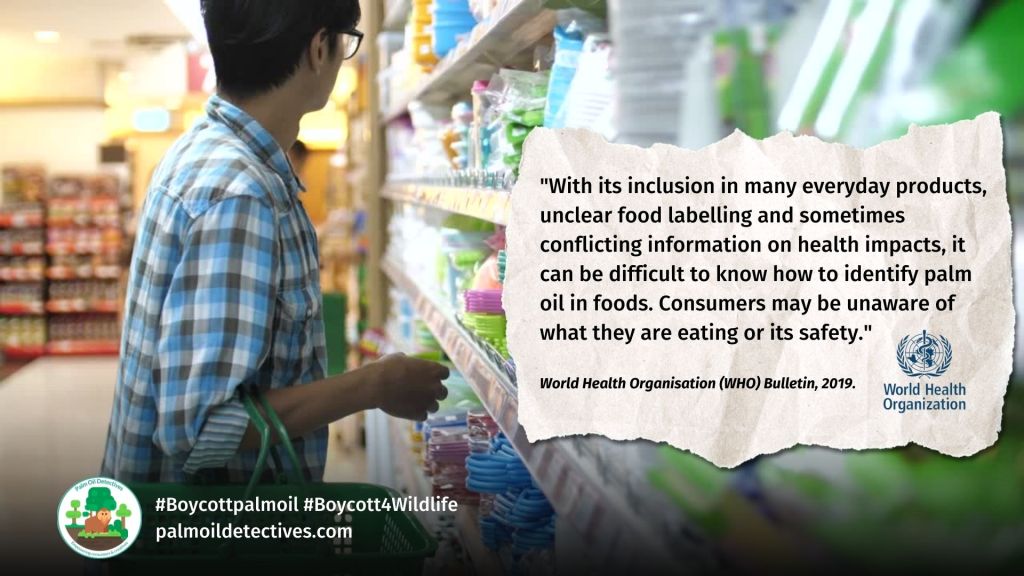
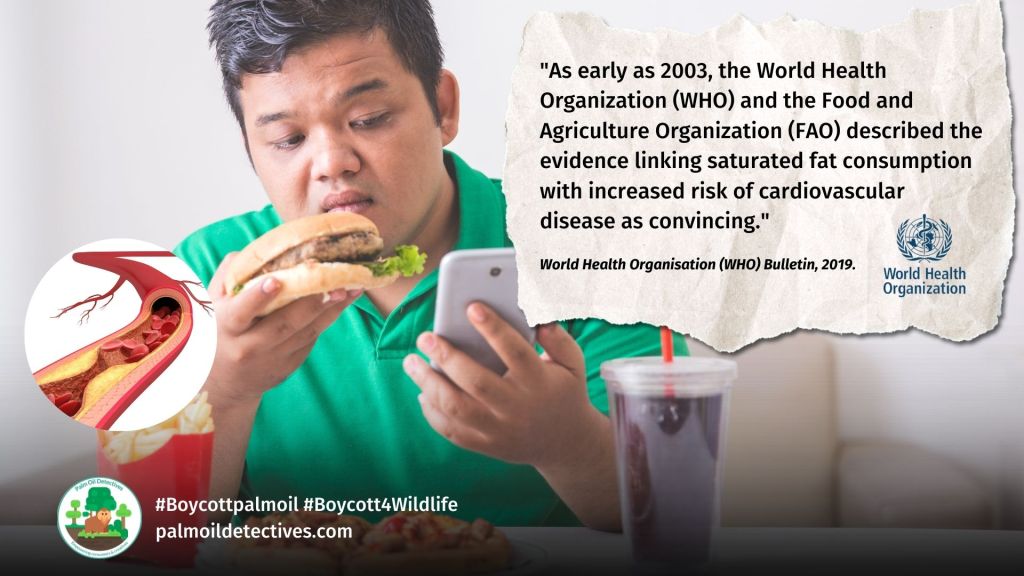
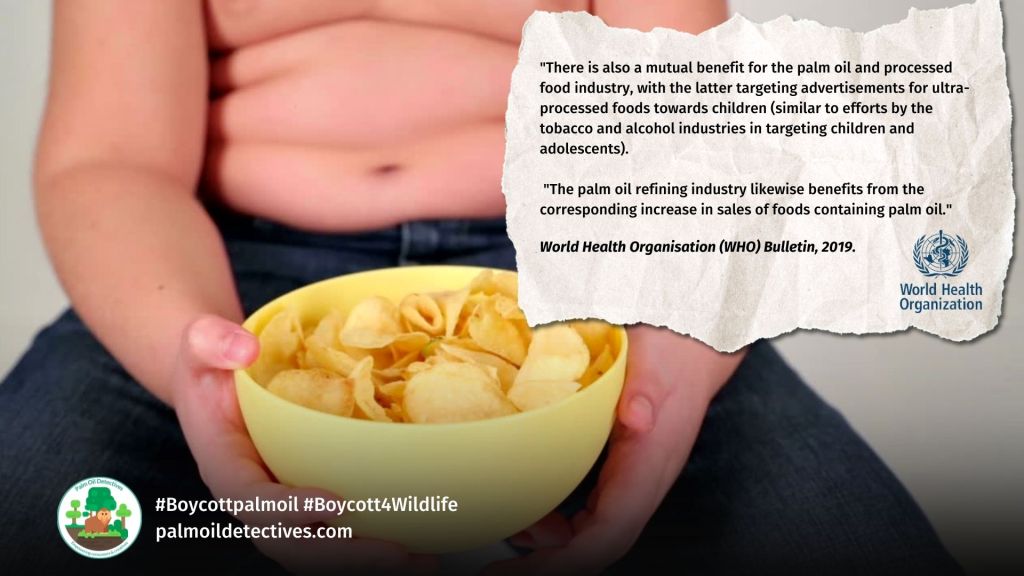
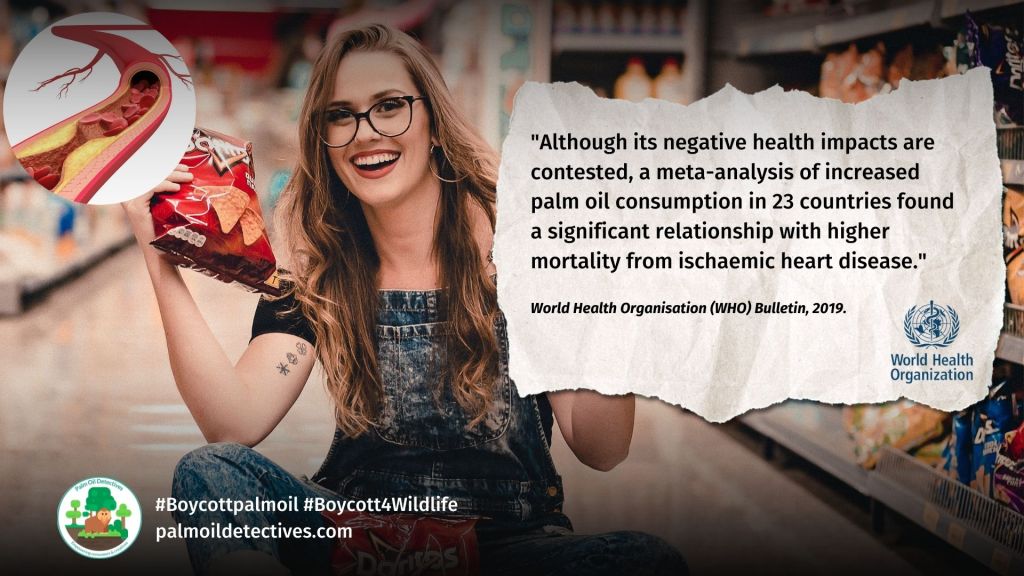
A 2019 World Health Organisation (WHO) report into the palm oil industry found that palm oil has severe impacts on cardiovascular health
 Read report
Here are some other ways you can help by using your wallet as a weapon and joining the #Boycott4Wildlife

What is greenwashing?

Why join the #Boycott4Wildlife?
Greenwashing Tactic #4: Fake Labels

The Counterpunch: Consumer Solutions To Fight Extinction
Contribute to my Ko-Fi
Did you enjoy visiting this website?

Palm Oil Detectives is 100% self-funded
Palm Oil Detectives is completely self-funded by its creator. All hosting and website fees and investigations into brands are self-funded by the creator of this online movement. If you like what I am doing, you and would like me to help meet costs, please send Palm Oil Detectives a thanks on Ko-Fi.
Say thanks on Ko-Fi

Contribute to my Ko-Fi
Did you enjoy visiting this website?
Palm Oil Detectives is 100% self-funded
Palm Oil Detectives is completely self-funded by its creator. All hosting and website fees and investigations into brands are self-funded by the creator of this online movement. If you like what I am doing, you and would like me to help meet costs, please send Palm Oil Detectives a thanks on Ko-Fi.
Say thanks on Ko-Fi#Boycott4wildlife #BoycottPalmOil #cardiovascularHealth #cholesterol #diet #health #heartHealth #heartattack #humanHealth #meat #nutrition #PalmOil #palmOilAndHealth #palmoil #plantBasedDiet #research #stroke #vegan #veganism
Stop Gambling Our Future for Meat Deforestation
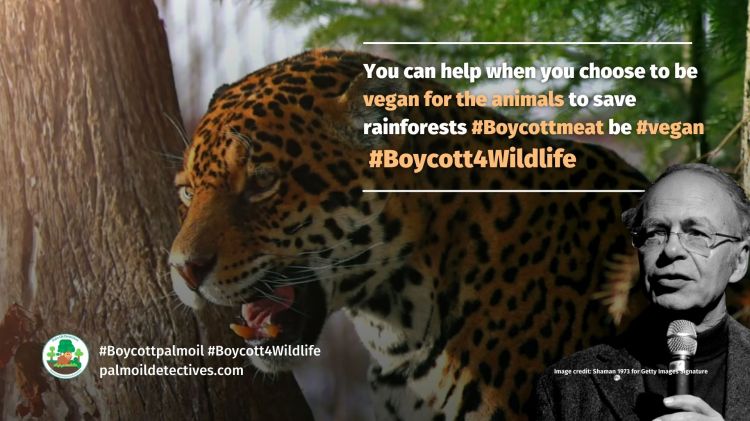
Renowned animal rights ethicist philosopher Peter Singer asserts that our dietary choices, particularly our consumption of meat and dairy, are jeopardising the Earth’s future. These industries contribute significantly to environmental degradation, deforestation, and greenhouse gas emissions, intensifying the impacts of climate change. By indulging in hamburgers and other meat-based products, we are not only compromising our health but also the wellbeing of our planet. For a more sustainable and compassionate future, consider boycotting meat and dairy. Choose to be vegan for the animals and to save our planet #Boycottmeat be #vegan #Boycott4Wildlife
Eating #meat 🥩 and #dairy 🥛is jeopardising the earth’s future says renowned #animalrights advocate Peter Singer. If you want to fight #climatechange 💚🌳🙏 be #vegan for the #animals 🐵 🦏 and planet 🌏 #Boycottmeat #Boycott4Wildlife @palmoildetect https://palmoildetectives.com/2024/05/05/peter-singer-we-are-gambling-with-the-future-of-our-planet-for-the-sake-of-hamburgers/
Share to BlueSky Share to TwitterFamous #animalrights ethicist Peter Singer links eating of #dairy and #meat to carbon emissions. If you want to fight #climatechange you should be #vegan! #Boycottmeat and dairy for the #animals 🐷🐍🐘💚 #Boycott4Wildlife @palmoildetect https://palmoildetectives.com/2024/05/05/peter-singer-we-are-gambling-with-the-future-of-our-planet-for-the-sake-of-hamburgers/
Share to BlueSkyShare to TwitterOriginally published by The Conversation June 15, 2023 and republished here under the Creative Commons Licence, read original.
Peter Singer, Princeton University
I wasn’t aware of climate change until the 1980s — hardly anyone was — and even when we recognised the dire threat that burning fossil fuels posed, it took time for the role of animal production in warming the planet to be understood.
Today, though, the fact that eating plants will reduce your greenhouse gas emissions is one of the most important and influential reasons for cutting down on animal products and, for those willing to go all the way, becoming vegan.

A few years ago, eating locally — eating only food produced within a defined radius of your home — became the thing for environmentally conscious people to do, to such an extent that “locavore” became the Oxford English Dictionary’s “word of the year” for 2007.
If you enjoy getting to know and support your local farmers, of course, eating locally makes sense. But if your aim is, as many local eaters said, to reduce greenhouse gas emissions, you would do much better by thinking about what you are eating, rather than where it comes from. That’s because transport makes up only a tiny share of the greenhouse gas emissions from the production and distribution of food.
With beef, for example, transport is only 0.5% of total emissions. So if you eat local beef you will still be responsible for 99.5% of the greenhouse gas emissions your food would have caused if you had eaten beef transported a long distance. On the other hand, if you choose peas you will be responsible for only about 2% of the greenhouse gas emissions from producing a similar quantity of local beef.
And although beef is the worst food for emitting greenhouse gases, a broader study of the carbon footprints of food across the European Union showed that meat, dairy and eggs accounted for 83% of emissions, and transport for only 6%.
More generally, plant foods typically have far lower greenhouse gas emissions than any animal foods, whether we are comparing equivalent quantities of calories or of protein. Beef, for example, emits 192 times as much carbon dioxide equivalent per gram of protein as nuts, and while these are at the extremes of the protein foods, eggs, the animal food with the lowest emissions per gram of protein, still has, per gram of protein, more than twice the emissions of tofu.

Animal foods do even more poorly when compared with plant foods in terms of calories produced. Beef emits 520 times as much per calorie as nuts, and eggs, again the best-performing animal product, emit five times as much per calorie as potatoes.
Favourable as these figures are to plant foods, they leave out something that tilts the balance even more strongly against animal foods in the effort to avoid catastrophic climate change: the “carbon opportunity cost” of the vast area of land used for grazing animals and the smaller, but still very large, area used to grow crops that are then fed — wastefully, as we have seen — to confined animals.
Because we use this land for animals we eat, it cannot be used to restore native ecosystems, including forests, which would safely remove huge amounts of carbon from the atmosphere. One study has found that a shift to plant-based eating would free up so much land for this purpose that seizing the opportunity would give us a 66% probability of achieving something that most observers believe we have missed our chance of achieving: limiting warming to 1.5℃.
Another study has suggested that a rapid phaseout of animal agriculture would enable us to stabilise greenhouse gases for the next 30 years and offset more than two-thirds of all carbon dioxide emissions this century. According to the authors of this study:
The magnitude and rapidity of these potential effects should place the reduction or elimination of animal agriculture at the forefront of strategies for averting disastrous climate change.
Climate change is undoubtedly the biggest environmental issue facing us today, but it is not the only one. If we look at environmental issues more broadly, we find further reasons for preferring a plant-based diet.
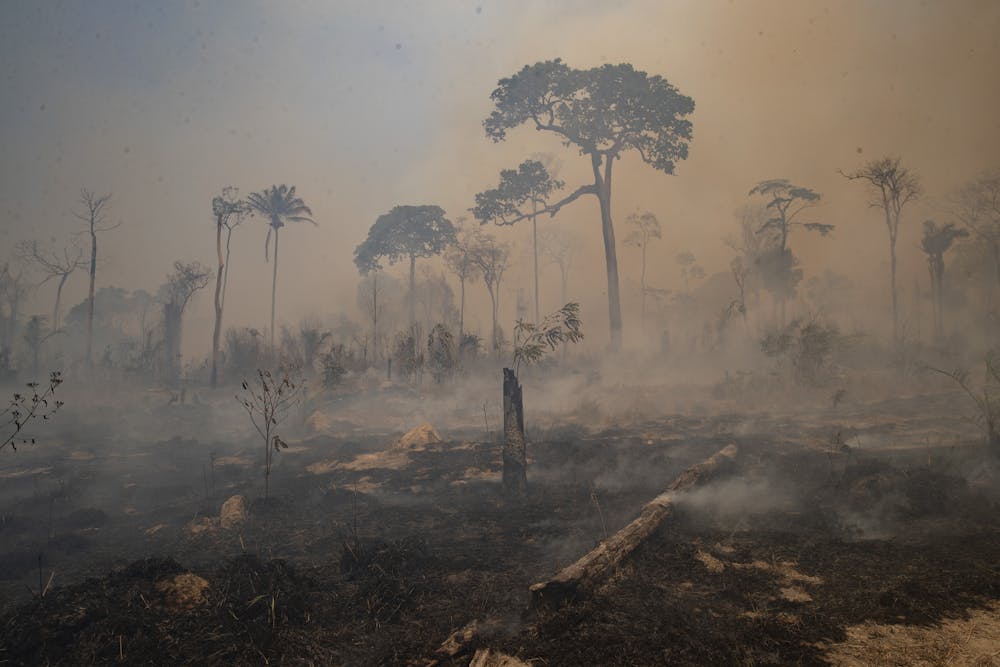 Fires in the Amazon and linked to cattle ranching. Andre Penner/AP Photo
The clearing and burning of the Amazon rainforest means not only the release of carbon from the trees and other vegetation into the atmosphere, but also the likely extinction of many plant and animal species that are still unrecorded.
This destruction is driven largely by the prodigious appetite of the affluent nations for meat, which makes it more profitable to clear the forest than to preserve it for the indigenous people living there, establish an ecotourism industry, protect the area’s biodiversity, or keep the carbon locked up in the forest. We are, quite literally, gambling with the future of our planet for the sake of hamburgers.
Joseph Poore, of the University of Oxford, led a study that consolidated a huge amount of environmental data on 38,700 farms and 1,600 food processors in 119 countries and covered 40 different food products. Poore summarised the upshot of all this research thus:
A vegan diet is probably the single biggest way to reduce your impact on planet Earth, not just greenhouse gases, but global acidification, eutrophication, land use and water use. It is far bigger than cutting down on your flights or buying an electric car, as these only cut greenhouse gas emissions.
Poore doesn’t see “sustainable” animal agriculture as the solution:
Really it is animal products that are responsible for so much of this. Avoiding consumption of animal products delivers far better environmental benefits than trying to purchase sustainable meat and dairy.
Those who claim to care about the wellbeing of human beings and the preservation of our climate and our environment should become vegans for those reasons alone.
Doing so would reduce greenhouse gas emissions and other forms of pollution, save water and energy, free vast tracts of land for reforestation, and eliminate the most significant incentive for clearing the Amazon and other forests.
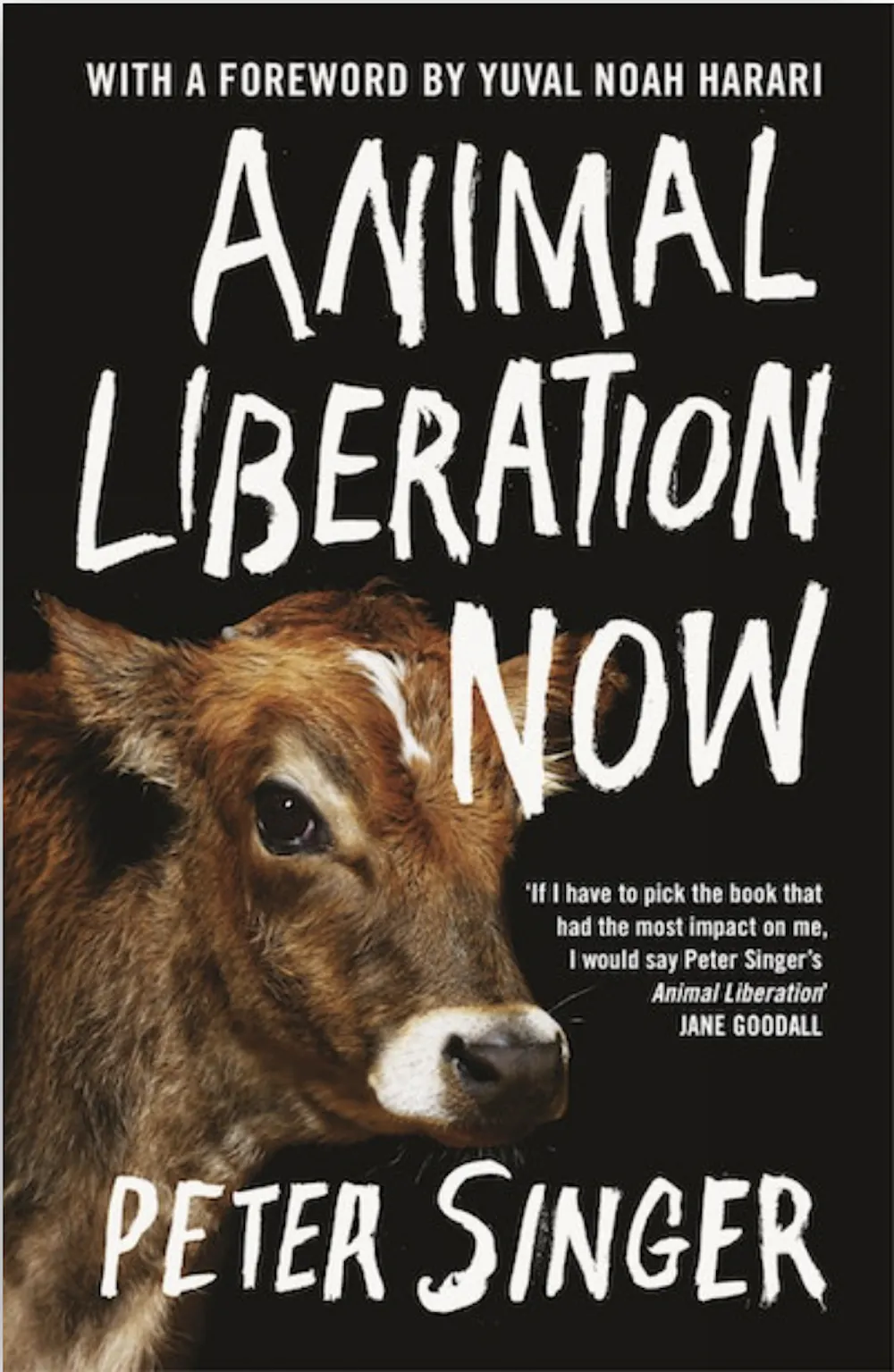
This is an edited extract from Animal Liberation Now by Peter Singer (Penguin Random House).
Peter Singer, Professor of Bioethics in the Center for Human Values, Princeton University
This article is republished from The Conversation under a Creative Commons license. Read the original article.
Originally published by The Conversation June 15, 2023 and republished here under the Creative Commons Licence, read original.
ENDS
Read more about human health, veganism, nutrition and why you should #Boycottpalmoil, #Boycottmeat for your own and the planet’s health
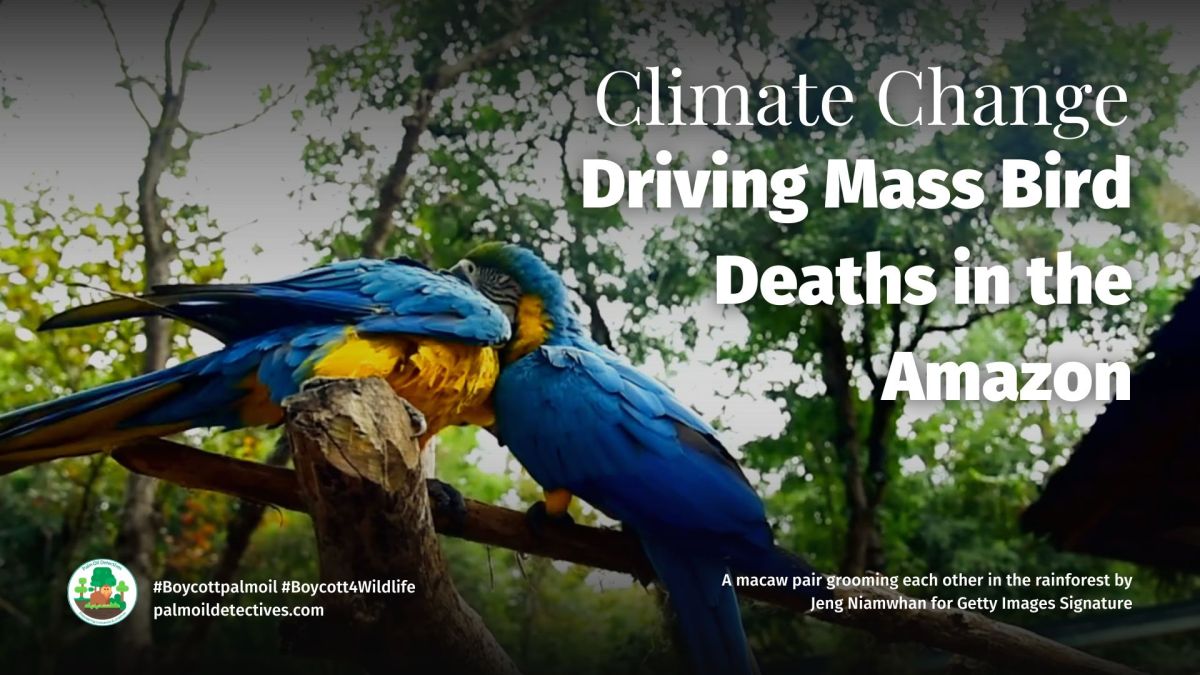
Climate Change Driving Mass Bird Deaths in the Amazon
A recent #study has revealed that even in the most isolated parts of the #Amazon, bird #populations are collapsing due to #climatechange. Research published in Science Advances found that a 1°C increase in…
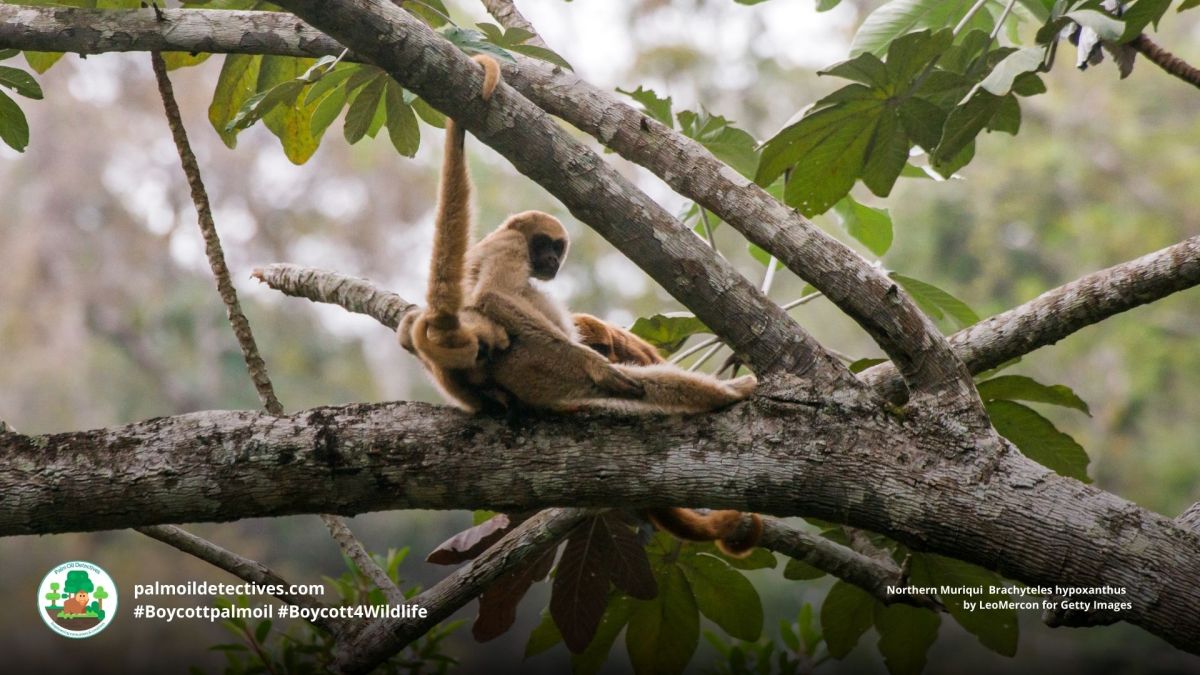
Declining primate numbers are threatening Brazil’s Atlantic forest
#Brazil’s Atlantic Forest, one of the most biodiverse ecosystems in the world, is facing severe threats due to deforestation and habitat fragmentation. This has led to a sharp decline in primate species, including…

Blue-streaked Lory Eos reticulata
Brilliantly coloured and full of energy, the Blue-streaked Lory (Eos reticulata) is a striking and unique #parrot living in the forests of the Banda Sea Islands, #Indonesia. Their scarlet plumage is decorated with…

Blonde Capuchin Sapajus flavius
The blonde #capuchin (Sapajus flavius) is an enigmatic and critically endangered #primate found in the northeastern forests of Brazil. With their striking golden-yellow fur and intelligent, expressive faces, these capuchins are among the…
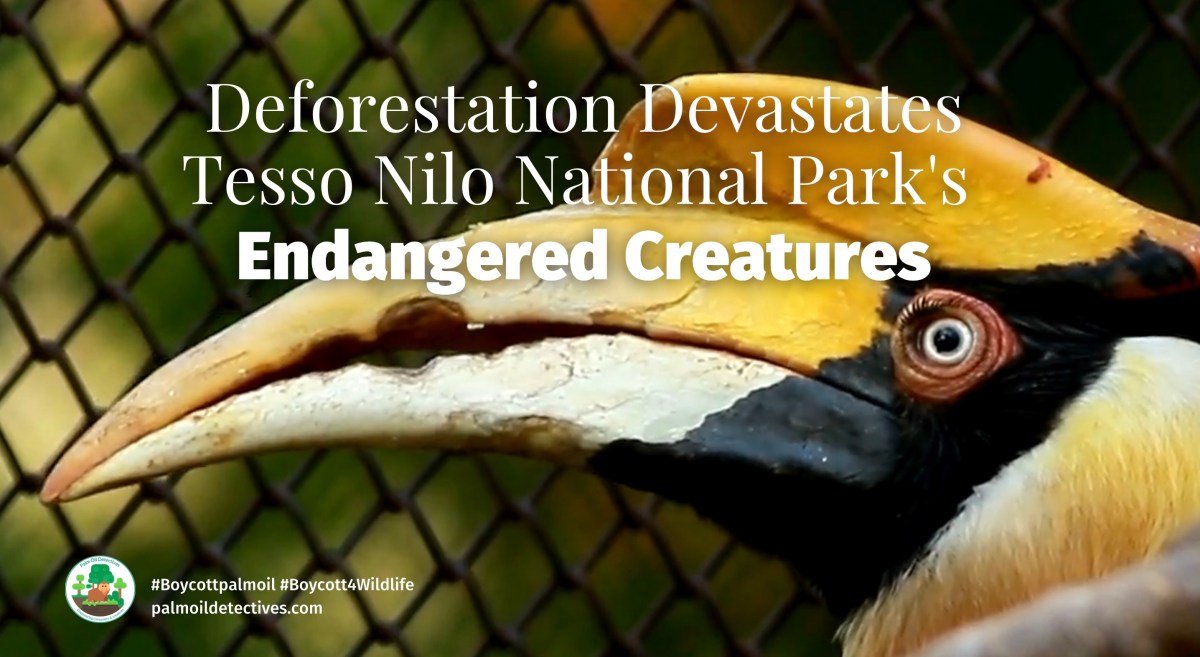
Deforestation Devastates Tesso Nilo National Park’s Endangered Creatures
Tesso Nilo National Park in #Sumatra, #Indonesia, has lost 78% of its primary forest between 2009 and 2023, primarily due to #palmoil plantations. This #deforestation threatens the habitat of critically endangered species like…
Load more posts
Something went wrong. Please refresh the page and/or try again.
Take Action in Five Ways
1. Join the #Boycott4Wildlife on social media and subscribe to stay in the loop: Share posts from this website to your own network on Twitter, Mastadon, Instagram, Facebook and Youtube using the hashtags #Boycottpalmoil #Boycott4Wildlife.
Enter your email address
Sign Up
Join 3,529 other subscribers2. Contribute stories: Academics, conservationists, scientists, indigenous rights advocates and animal rights advocates working to expose the corruption of the palm oil industry or to save animals can contribute stories to the website.

Wildlife Artist Juanchi Pérez
Mel Lumby: Dedicated Devotee to Borneo’s Living Beings
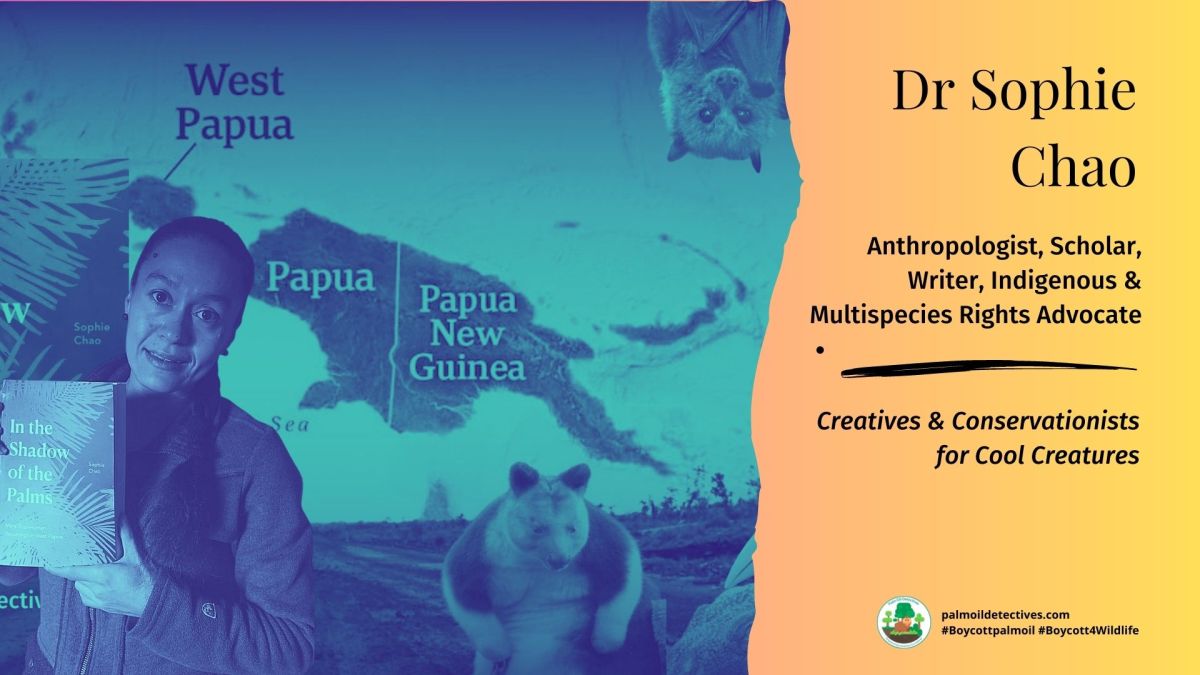
Anthropologist and Author Dr Sophie Chao
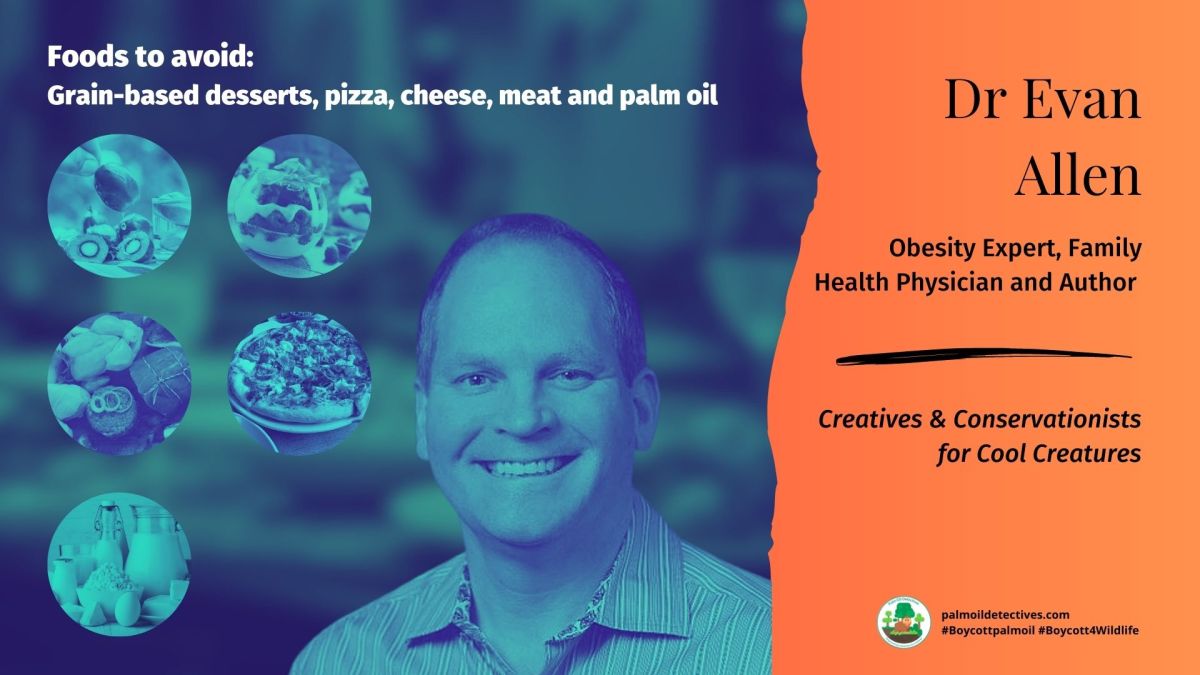
Health Physician Dr Evan Allen

The World’s Most Loved Cup: A Social, Ethical & Environmental History of Coffee by Aviary Doert

How do we stop the world’s ecosystems from going into a death spiral? A #SteadyState Economy
3. Supermarket sleuthing: Next time you’re in the supermarket, take photos of products containing palm oil. Share these to social media along with the hashtags to call out the greenwashing and ecocide of the brands who use palm oil. You can also take photos of palm oil free products and congratulate brands when they go palm oil free.
https://twitter.com/CuriousApe4/status/1526136783557529600?s=20
https://twitter.com/PhillDixon1/status/1749010345555788144?s=20
https://twitter.com/mugabe139/status/1678027567977078784?s=20
4. Take to the streets: Get in touch with Palm Oil Detectives to find out more.
5. Donate: Make a one-off or monthly donation to Palm Oil Detectives as a way of saying thank you and to help pay for ongoing running costs of the website and social media campaigns. Donate here
Pledge your support#animalRights #animalrights #animals #BoycottMeat #BoycottPalmOil #Boycott4wildlife #BoycottMeat #BoycottPalmOil #climateChange #climatechange #dairy #deforestation #diet #ethics #meat #nutrition #PalmOil #palmOilDeforestation #PeterSinger #plantBasedDiet #saturatedFats #vegan #veganism
Ecuadorean Viscacha Lagidium ahuacaense
Ecuadorean Viscacha Lagidium ahuacaense
IUCN Status: Critically Endangered
Location: Ecuador’s Cerro El Ahuaca
High in the remote granite outcrops of Cerro El Ahuaca, #Ecuador the Ecuadorean #Viscacha Lagidium ahuacaense is plump and fluffy #rodent sporting sage-like long whiskers. From their high perch they look down upon the world below with a permanent expression of what could interpreted as disappointment. Ecuadorean Viscachas were first spotted in 2005 and formally described in 2009, these mountain-dwelling large #rodents are the northernmost member of the Lagidium genus, marooned over 500 kilometres from their closest relatives in #Peru. Few creatures are as elusive or fascinating— tragically, only a handful of them remain alive.
Fires, #beef agriculture, and #deforestation for monoculture are carving away at their already fragile existence, pushing them ever closer to the brink of #extinction. Help them by sharing their story to social media. Join the #Boycott4Wildlife.
High in the mountains of #Ecuador 🇪🇨 lives a sage-like fluffy #rodent, the Ecuadorean #Viscacha, a critically endangered alpine wonder. Few remain alive due to #climatechange and #meat #agriculture 🥩🔥. Be #vegan for them #Boycott4Wildlife @palmoildetect https://wp.me/pcFhgU-aoV
Share to BlueSky Share to TwitterThe Ecuadorean #Viscacha is a fluffy epic #rodent of #Ecuador’s high mountains with long and wise whiskers and a bushy tail. These tenacious creatures are critically #endangered 😭😿 Help them to survive, be #vegan #Boycott4Wildlife 🥩🔥⛔️ @palmoildetect https://wp.me/pcFhgU-aoV
Share to BlueSky Share to TwitterAppearance & Behaviour
Built for survival in one of Ecuador’s harshest landscapes, the Ecuadorean Viscacha is a sturdy and big rodent with a compact body covered in thick, grey-brown fur. Their dense, woolly fur shields them from the biting Andean winds, while their long, silvery tails provide balance as they scale sheer rock faces. Their large, dark eyes scan the terrain for danger, and their long, sensitive whiskers twitch as they pick up the faintest vibrations in the wind.
Long and distinguished whiskers provide them with sensitive and deep understanding of their environment. A black dorsal stripe runs the length of their back, this disappears into the dense coat that keeps them warm against the mountain’s chill.
Most active at dawn and dusk, their every movement is deliberate. They bound effortlessly between jagged outcrops, using their powerful hind legs to launch themselves across treacherous gaps. Unlike burrowing rodents, they take refuge in narrow rock crevices, where they remain hidden from predators.





Threats
Once secure in their isolated stronghold, the Ecuadorean Viscacha now faces a gauntlet of human-driven threats. Their already tiny population is being squeezed into an ever-smaller fragment of land, where survival is becoming increasingly precarious.
Deforestation for eucalyptus and pine monoculture plantations
For generations, wildfires have been used to clear land for agriculture and livestock grazing, but in recent decades, these fires have intensified, spreading further into the Viscacha’s habitat. Each blaze devours critical vegetation, stripping away the food sources they rely on and forcing them into ever-smaller pockets of surviving habitat.
Farmed Animal Agriculture
Grazing cattle have become an unrelenting force in the region, trampling vegetation and outcompeting the Viscacha for food. Their presence has disrupted the delicate balance of this fragile ecosystem, leaving fewer resources for native wildlife.
Climate Change-related Environmental Shifts
With their entire known population confined to a single mountain, the Ecuadorean Viscacha is especially vulnerable to even the smallest environmental shifts. Changing rainfall patterns, prolonged droughts, and temperature fluctuations could alter the availability of food and water, placing further stress on their already limited numbers.
Population Fragmentation and Isolation
Trapped within a tiny range with no known neighbouring populations, the Viscacha is cut off from potential mates and genetic diversity. Without intervention, this isolation could lead to inbreeding, weakening the species’ ability to adapt and survive.


Geographic Range
The Ecuadorean Viscacha is found only in a single location—Cerro El Ahuaca, a rugged granite mountain in southern Ecuador. They inhabit steep, rocky surfaces at elevations between 1,950 and 2,480 metres, a world of exposed rock faces and sparse vegetation. No other known populations exist, making them one of the most geographically restricted mammals on the planet.
Though their habitat once stretched further, fires and deforestation have steadily chipped away at the fringes of their territory. Today, their entire known range spans just 120 hectares—an area smaller than many urban parks—leaving them with little room to escape the pressures of a changing world.
Diet
These high-altitude specialists are herbivores, feeding primarily on native grasses, shrubs, and small herbs that cling to the mountainside. Signs of their feeding are visible throughout their habitat—freshly grazed plants and stripped vegetation mark the places where they have foraged. Their diet is shaped by scarcity, forcing them to survive on whatever plant life they can find in their isolated, rocky home. Their close relatives Mountain Viscacha of Peru are preyed upon by Andean Mountain Cats.
Mating and Reproduction
Little is known about the reproductive habits of the Ecuadorean Viscacha, but they likely follow a pattern similar to their relatives in the Lagidium genus. Mountain Viscachas generally give birth to a single offspring after a long gestation period, ensuring that each newborn has a better chance of survival in the unforgiving terrain. Born with fur and open eyes, young Viscachas are relatively well-developed, an adaptation that allows them to quickly learn the skills needed to navigate their hazardous mountain environment.
FAQs
Are Ecuadorean Viscachas related to rabbits or chinchillas?
Despite their rabbit-like appearance, Ecuadorean Viscachas belong to the Chinchillidae family, making them closer relatives of chinchillas than rabbits. Their long whiskers, dense fur, and powerful hind legs are adaptations seen in other members of this family, allowing them to thrive in rocky, high-altitude environments.
How are Ecuadorean Viscachas different from other Mountain Viscachas?
Ecuadorean Viscachas are the northernmost species of the Lagidium genus, separated by more than 500 kilometres from their closest relatives in Peru. Genetic studies show that they diverged significantly from other Mountain Viscachas, with at least 7.9% DNA sequence differences. Morphologically, they have a more compact body, a distinct black dorsal stripe, and a tail that shifts in colour from grey-brown to reddish-brown. Their isolation and unique adaptations to the Cerro El Ahuaca environment make them a distinct species.
How do Ecuadorean Viscachas survive in their rocky habitat?
Perfectly adapted to life among sheer cliffs and granite outcrops, Ecuadorean Viscachas use their powerful hind legs to leap between rocks, navigating the treacherous terrain with ease. Their thick, woolly fur provides insulation against the cold, and instead of burrowing, they take refuge in rock crevices where they remain hidden from predators.
What do Ecuadorean Viscachas eat?
These herbivores feed on native shrubs, grasses, and small herbs found in their mountainous habitat. They leave behind distinct feeding traces, such as grazed vegetation and stripped plants, which provide insight into their foraging habits. Their diet is dictated by the limited plant life available in their isolated environment.
How many Ecuadorean Viscachas are left in the wild?
The total known population is alarmingly small, possibly consisting of only a few dozen individuals confined to a 120-hectare area on Cerro El Ahuaca. No other populations have been discovered, making them one of the most critically endangered rodents in the world.
What are the biggest threats to the Ecuadorean Viscacha?
Their biggest threats include:
• Habitat destruction – Uncontrolled fires and land clearing for eucalyptus and pine monoculture and cattle grazing are steadily erasing their already limited habitat.
• Livestock competition – Grazing cattle trample vegetation and outcompete Viscachas for food.
• Climate change – Shifting rainfall patterns and temperature fluctuations could further disrupt their delicate ecosystem.
• Genetic isolation – With only a single known population, they face the risk of inbreeding, which could weaken their resilience.
Why are they only found in one place?
Ecuadorean Viscachas are highly specialised mountain dwellers, perfectly suited to the rocky terrain of Cerro El Ahuaca. They may have once had a wider range, but habitat destruction and fragmentation have left them stranded in this isolated stronghold. Unlike more adaptable rodents, they cannot easily move to new areas due to their specific habitat needs.
Are Ecuadorean Viscachas protected?
The Ecuadorean Vischaca was only recently discovered and are considered a forgotten species. However conservation efforts have begun, there is no targeted species-wide protection in place. However, local conservation initiatives have helped establish protected areas that include their habitat. Researchers continue to push for stronger conservation measures to ensure their survival.
How can I help save the Ecuadorean Viscacha?
You can make a difference by:
• Supporting conservation organisations working to protect their habitat.
• Raising awareness about the threats they face by sharing this post and joining the #Boycott4Wildlife
• Advocating for stronger environmental policies in Ecuador to prevent further deforestation and habitat loss.
Without immediate action, these rare and remarkable mountain survivors could disappear forever.
Take Action!
The Ecuadorean Viscacha is teetering on the edge of extinction, but there is still time to act. Conservationists have already taken steps to protect their habitat, securing key areas under municipal conservation agreements. However, long-term survival depends on preventing further destruction of their fragile mountain refuge.
You can help by:
• Supporting organisations working to protect Ecuador’s high-altitude ecosystems.
• Spreading awareness about the threats facing the Ecuadorean Viscacha and the urgent need for conservation.
• Demanding stronger environmental protections to prevent further habitat loss in Loja Province.
Every effort counts. Without immediate action, these extraordinary mountain survivors could disappear forever.
Support Ecuadorean Viscacha by going vegan and boycotting palm oil in the supermarket, it’s the #Boycott4Wildlife
Support the conservation of this species
This animal has no protections in place. Read about other forgotten species here. Create art to support this forgotten animal or raise awareness about them by sharing this post and using the #Boycottpalmoil #Boycott4Wildlife hashtags on social media. Also you can boycott palm oil in the supermarket.
Further Information
Nature and Culture International. (2022). Ecuadorian Viscacha Conservation Project. Retrieved from https://www.natureandculture.org/directory/ecuadorian-vizcacha-conservation-project/
Roach, N. 2016. Lagidium ahuacaense. The IUCN Red List of Threatened Species 2016: e.T48295808A48295811. https://dx.doi.org/10.2305/IUCN.UK.2016-2.RLTS.T48295808A48295811.en. Accessed on 27 February 2025.
Werner, F. A., Ledesma, K. J., & Hidalgo B., R. (2006). Mountain vizcacha (Lagidium cf. peruanum) in Ecuador – first record of Chinchillidae from the northern Andes. Mastozoología Neotropical, 13(2), 271–274.
Wikipedia Contributors. (n.d.). Lagidium ahuacaense. Wikipedia, The Free Encyclopedia. Retrieved from https://en.wikipedia.org/wiki/Lagidium_ahuacaense


How can I help the #Boycott4Wildlife?
Take Action in Five Ways
1. Join the #Boycott4Wildlife on social media and subscribe to stay in the loop: Share posts from this website to your own network on Twitter, Mastadon, Instagram, Facebook and Youtube using the hashtags #Boycottpalmoil #Boycott4Wildlife.
Enter your email address
Sign Up
Join 3,529 other subscribers2. Contribute stories: Academics, conservationists, scientists, indigenous rights advocates and animal rights advocates working to expose the corruption of the palm oil industry or to save animals can contribute stories to the website.
Wildlife Artist Juanchi Pérez
Mel Lumby: Dedicated Devotee to Borneo’s Living Beings
Anthropologist and Author Dr Sophie Chao
Health Physician Dr Evan Allen
The World’s Most Loved Cup: A Social, Ethical & Environmental History of Coffee by Aviary Doert
How do we stop the world’s ecosystems from going into a death spiral? A #SteadyState Economy
3. Supermarket sleuthing: Next time you’re in the supermarket, take photos of products containing palm oil. Share these to social media along with the hashtags to call out the greenwashing and ecocide of the brands who use palm oil. You can also take photos of palm oil free products and congratulate brands when they go palm oil free.
https://twitter.com/CuriousApe4/status/1526136783557529600?s=20
https://twitter.com/PhillDixon1/status/1749010345555788144?s=20
https://twitter.com/mugabe139/status/1678027567977078784?s=20
4. Take to the streets: Get in touch with Palm Oil Detectives to find out more.
5. Donate: Make a one-off or monthly donation to Palm Oil Detectives as a way of saying thank you and to help pay for ongoing running costs of the website and social media campaigns. Donate here
Pledge your supportLearn about other animals endangered by palm oil and other agriculture
GlobalSouth America S.E. AsiaIndiaAfricaWest Papua & PNG
Southern Pudu Pudu puda
Blue-streaked Lory Eos reticulata
Blonde Capuchin Sapajus flavius

Savage’s Glass Frog Centrolene savagei
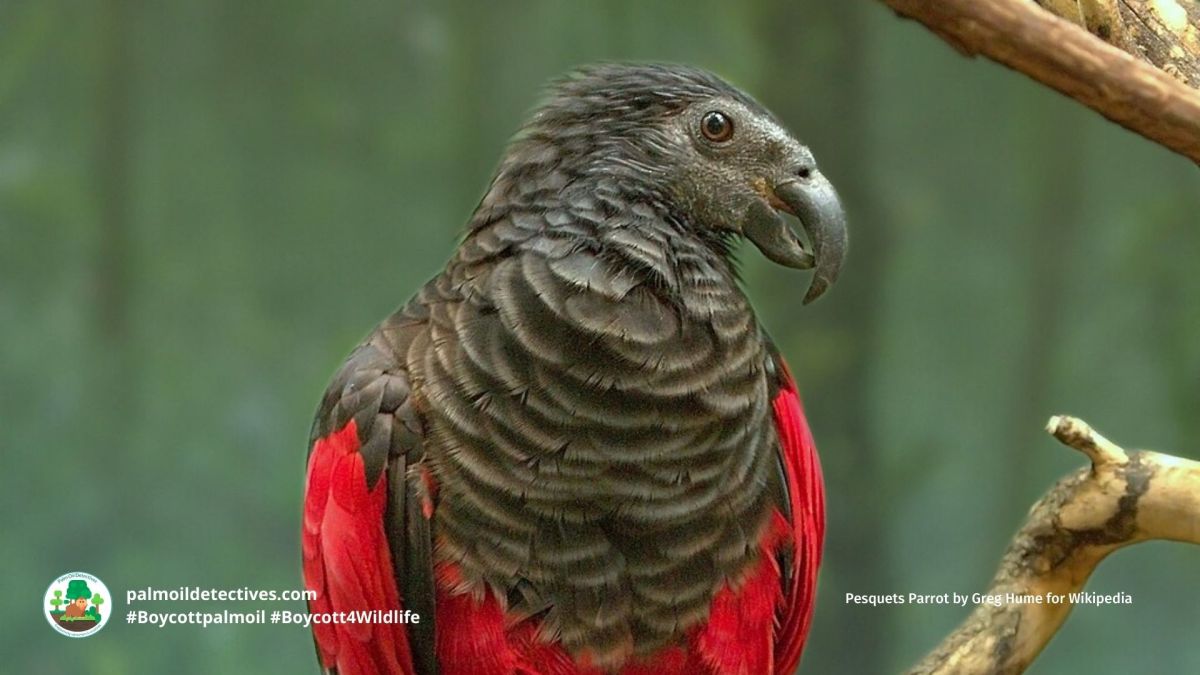
Pesquets Parrot Psittrichas fulgidus

Tanimbar Eclectus Parrot Eclectus riedeli
Learn about “sustainable” palm oil greenwashing
Read more about RSPO greenwashing
Lying Fake labelsIndigenous Land-grabbingHuman rights abusesDeforestation Human health hazardsA 2019 World Health Organisation (WHO) report into the palm oil industry and RSPO finds extensive greenwashing of palm oil deforestation and the murder of endangered animals (i.e. biodiversity loss)
Read more

#Agriculture #animals #beef #Boycott4wildlife #BoycottPalmOil #climatechange #CriticallyEndangeredSpecies #criticallyendangered #deforestation #Ecuador #EcuadoreanViscachaLagidiumAhuacaense #endangered #extinction #ForgottenAnimals #hunting #meat #meatDeforestation_ #PalmOil #palmOilDeforestation #Peru #poaching #rodent #rodents #SouthAmericaSpeciesEndangeredByPalmOilDeforestation #vegan #Viscacha
Beef, Palm Oil and Timber: How Wealthy Nations Fuel Deforestation
A major #research study reveals that demand for #beef #palmoil, and #timber in wealthy nations is driving mass deforestation and species extinction in tropical regions. Habitat destruction mainly for agriculture accounts for 90% of all tropical #deforestation. Countries like the US, UK, and Germany are main drivers of rainforest destruction in the #Amazon, #Indonesia, and #Africa, displacing indigenous communities and sending many rare species of animals towards #extinction. Advocates call for a boycott of deforestation-linked products to stop this crisis such as meat and #palmoil. Every time you shop you can resist and fight for them when you #BoycottPalmOil #Boycott4Wildlife and go #Vegan.
News: 🌍 #research finds 90% of wild animal #extinction caused by habitat loss mainly for #agriculture: #beef #palmoil, #timber, soy and cocoa. Reduce demand when you shop and fight back! Be #Vegan 🥦🍅 and #BoycottPalmOil 🔥🌴🙊⛔️ #Boycott4Wildlife https://wp.me/pcFhgU-alG
Share to BlueSkyShare to TwitterStudy Confirms Wealthy Nations’ Demand for Palm Oil, Beef & Timber is Driving Global Deforestation
A major new study has revealed that the world’s richest nations are directly responsible for mass deforestation and biodiversity loss through their consumption of palm oil, beef, timber, soy, and cocoa. The research confirms that these industries are fuelling habitat destruction, species extinction, and displacement of indigenous communities.

The study found that high-income countries account for 13% of global forest loss occurring beyond their own borders. The biggest culprits are:
- Beef 🐄 – The leading cause of global deforestation, responsible for nearly 60% of all forest loss. Rainforests in the Amazon and Central America are burned and cleared to make way for cattle ranching.
- Palm Oil 🌴 – Found in 50% of supermarket products, palm oil plantations have destroyed vast rainforests in Indonesia, Malaysia, and Africa, pushing orangutans, tigers, and hornbills to the brink of extinction.
- Timber and Paper 📄 – Logging for furniture, construction, and paper production is wiping out old-growth forests across South America, Africa, and Southeast Asia. Many so-called “certified” or “sustainable” wood products still drive illegal deforestation.
- Soy 🌱 – Vast areas of the Amazon and Cerrado are destroyed for soy production, most of which is used to feed animals in factory farms.
- Cocoa 🍫 – Chocolate production is linked to widespread deforestation in West Africa, where rainforests are illegally cleared to grow cocoa.
https://youtu.be/GNYH-yWC7ug?si=xv62Njdgrl7KD4oX
Exporting Extinction: The True Cost of Consumption
The study warns that wealthy nations are effectively outsourcing biodiversity destruction. The US, UK, Germany, and China import massive amounts of these deforestation-linked products, making them directly responsible for the loss of critical ecosystems.
- Thousands of species at risk 🦧🐅 – Around 90% of global biodiversity loss is caused by habitat destruction, most of which comes from agriculture.
- Indigenous communities under threat – Land grabs and deforestation for commodities like palm oil and beef displace indigenous peoples, violating their rights and destroying their traditional ways of life.
- Carbon emissions rising – Forest destruction is worsening climate change, eliminating the world’s most important carbon sinks.
Read the full article here in The Guardian
Weston, P. (2025, February 14). Richest nations ‘exporting extinction’ with demand for beef, palm oil and timber. The Guardian. Retrieved February 14, 2025, from https://www.theguardian.com/environment/2025/feb/14/richest-nations-exporting-extinction-with-demand-for-beef-palm-oil-and-timber-aoe.
ENDS
Learn about other animals endangered by palm oil and other agriculture
GlobalSouth America S.E. AsiaIndiaAfricaWest Papua & PNG
Grey Crowned Crane Balearica regulorum

Ecuadorean Viscacha Lagidium ahuacaense
Southern Pudu Pudu puda
Blue-streaked Lory Eos reticulata
Blonde Capuchin Sapajus flavius
Savage’s Glass Frog Centrolene savagei
Learn about “sustainable” palm oil greenwashing
Read more about RSPO greenwashing
Lying Fake labelsIndigenous Land-grabbingHuman rights abusesDeforestation Human health hazardsA 2019 World Health Organisation (WHO) report into the palm oil industry and RSPO finds extensive greenwashing of palm oil deforestation and the murder of endangered animals (i.e. biodiversity loss)
Read moreTake Action in Five Ways
1. Join the #Boycott4Wildlife on social media and subscribe to stay in the loop: Share posts from this website to your own network on Twitter, Mastadon, Instagram, Facebook and Youtube using the hashtags #Boycottpalmoil #Boycott4Wildlife.
Enter your email address
Sign Up
Join 3,519 other subscribers2. Contribute stories: Academics, conservationists, scientists, indigenous rights advocates and animal rights advocates working to expose the corruption of the palm oil industry or to save animals can contribute stories to the website.
Wildlife Artist Juanchi Pérez
Mel Lumby: Dedicated Devotee to Borneo’s Living Beings
Anthropologist and Author Dr Sophie Chao
Health Physician Dr Evan Allen
The World’s Most Loved Cup: A Social, Ethical & Environmental History of Coffee by Aviary Doert
How do we stop the world’s ecosystems from going into a death spiral? A #SteadyState Economy
3. Supermarket sleuthing: Next time you’re in the supermarket, take photos of products containing palm oil. Share these to social media along with the hashtags to call out the greenwashing and ecocide of the brands who use palm oil. You can also take photos of palm oil free products and congratulate brands when they go palm oil free.
https://twitter.com/CuriousApe4/status/1526136783557529600?s=20
https://twitter.com/PhillDixon1/status/1749010345555788144?s=20
https://twitter.com/mugabe139/status/1678027567977078784?s=20
4. Take to the streets: Get in touch with Palm Oil Detectives to find out more.
5. Donate: Make a one-off or monthly donation to Palm Oil Detectives as a way of saying thank you and to help pay for ongoing running costs of the website and social media campaigns. Donate here
Pledge your support#Africa #Agriculture #Amazon #animalBehaviour #AnimalBiodiversityNews #animalCommunication #animalCruelty #animalExtinction #animalIntelligence #animalRights #AnimalCruelty #animalrights #beef #biodiversity #Boycott4wildlife #BoycottPalmOil #deforestation #extinction #Indonesia #palm #PalmOil #palmOilDeforestation #palmoil #research #timber #vegan
Tucuxi Sotalia fluviatilis
Tucuxi Sotalia fluviatilis
IUCN Red List Status: Endangered
Location: #Brazil, #Peru, #Colombia, #Ecuador
Found throughout the #Amazon and Solimões River systems, including major tributaries and large lakes. Their range spans lowland rainforest areas of Brazil, southeastern Colombia, eastern Ecuador, and southern Peru.
The #Tucuxi, a small freshwater #dolphin of #Peru, #Ecuador, #Colombia and #Brazil now faces a dire future. Once common throughout the Amazon River system, they are now listed as #Endangered due to accelerating population declines. Threats include drowning in fishing nets, deforestation, mercury poisoning from gold mining, #palmoil run-off, oil drilling, and dam construction. A shocking 97% decline was recorded over 23 years in a single Amazon reserve. Without urgent action, this elegant and playful river dolphin could vanish from South America’s waterways. Use your wallet as a weapon against extinction. Choose palm oil-free, and #BoycottGold #BoycottPalmOil #Boycott4Wildlife
Playful and intelligent #Tucuxi are small #dolphins 🐬 of #Amazonian rivers in #Peru 🇵🇪 #Brazil 🇧🇷 #Ecuador 🇪🇨 and #Colombia 🇨🇴. #PalmOil and #GoldMining are major threats 😿 Fight for them! #BoycottGold #BoycottPalmOil #Boycott4Wildlife @palmoildetect https://palmoildetectives.com/2025/11/23/tucuxi-sotalia-fluviatilis/
Share to BlueSky Share to TwitterClever and joyful #Tucuxi are #dolphins 🐬💙 endangered by #hunting #gold #mining and contamination of the Amazon river 🇧🇷 for #PalmOil #agriculture ☠️ Use your wallet as a weapon and #BoycottGold 🥇🚫 #BoycottPalmOil 🌴🚫 #Boycott4Wildlife @palmoildetect https://palmoildetectives.com/2025/11/23/tucuxi-sotalia-fluviatilis/
Share to BlueSky Share to TwitterAppearance & Behaviour
Tucuxis are often mistaken for their oceanic dolphin cousins due to their streamlined bodies, short beaks, and smooth, pale-to-dark grey skin. But these freshwater dolphins are wholly unique—adapted to life in winding river systems where water levels rise and fall dramatically with the seasons.
What sets them apart is their remarkable intelligence and tightly knit social groups. Tucuxis are playful and curious by nature. They leap from the water in graceful arcs, sometimes spinning mid-air.


The Tucuxi, sometimes called the ‘grey dolphin’ due to their uniform colouring, resembles a smaller oceanic dolphin, with a streamlined body and slender beak. Their colour varies from pale grey on the belly to darker grey or bluish-grey along the back.
They travel in small groups of two to six, displaying coordinated swimming patterns. In rare cases, they may form groups up to 26 individuals, particularly at river confluences. Known for their agility, they leap and spin in the water with a grace that belies their size. Tucuxis are particularly drawn to dynamic habitats like river junctions, where waters mix and fish gather.
Threats


- Widespread deforestation from palm oil plantations Palm oil plantations are rapidly expanding across the Amazon, clearing vast tracts of forest that stabilise riverbanks and filter water. This deforestation leads to increased sedimentation in rivers, altering flow patterns and reducing water clarity—conditions that directly disrupt the Tucuxi’s feeding and movement. Run-off from fertilisers and pesticides used in palm oil monocultures also poisons aquatic ecosystems, harming Tucuxis other Amazonian dolphin species and the fish they rely on.
- Toxic mercury pollution from gold mining Artisanal and illegal gold mining in the Amazon releases massive quantities of mercury into the water, contaminating fish and other aquatic organisms. Tucuxis, as top predators, ingest this mercury through their prey, which accumulates in their tissues and causes neurological damage, weakened immunity, and reproductive failure. Mercury exposure is one of the most insidious threats, as it persists in ecosystems long after mining has ceased.
- Incidental drowning in fishing nets Tucuxis are frequently caught and killed in gillnets and other fishing gear as bycatch. Tucuxis and other Amazonian dolphins often inhabit the same confluence zones and productive fishing grounds targeted by local communities, making entanglement almost inevitable. Many carcasses are never recovered, having either been discarded by fishers or lost to river currents, meaning actual mortality rates are likely far higher than reported.
- Deliberate hunting for use as fish bait Though illegal, Tucuxis continue to be targeted and killed in parts of Brazil, especially near the Mamirauá and Amana Reserves, where they are used as bait in the piracatinga (catfish) fishery. This brutal practice involves harpooning or netting dolphins and using their flesh to lure fish, often alongside the killing of Botos. Despite a national ban, weak enforcement and ongoing demand mean this threat persists in remote and lawless regions.
- Illegal fishing with explosives and toxins In certain areas, particularly in Brazil and Peru, fishers use home-made explosives and poisoned bait to stun or kill fish en masse. These destructive methods harm or kill Tucuxis who are attracted by the sudden appearance of dead or stunned prey. The concussive force of explosions and the ingestion of poisoned prey result in slow, agonising deaths for affected dolphins.
- Construction of hydroelectric dams Dams fragment Tucuxi populations by blocking their movement along river corridors, reducing access to feeding and breeding grounds. These projects alter seasonal water flow, raise water temperatures, and flood critical habitats—conditions that significantly disrupt dolphin ecology. Brazil alone has 74 operational dams in the Amazon basin, with over 400 more planned, posing a long-term existential threat to freshwater cetaceans.
- Run-off and contamination from palm oil, soy and meat agriculture In addition to habitat loss, palm oil and soy plantations along with cattle ranching generates enormous volumes of chemical-laden waste, which enters waterways and poisons aquatic life. This pollution affects Tucuxis both directly and indirectly—exposing them to harmful substances and killing off sensitive fish species. As plantations replace biodiverse forests, the ecosystem becomes less resilient, accelerating the decline of species like the Tucuxi.
- Bioaccumulation of heavy metals and industrial pollutants Tucuxis, like many river dolphins, suffer from exposure to persistent organic pollutants such as PCBs, DDT, and flame retardants, as well as heavy metals like lead and cadmium. These toxins accumulate in dolphin tissues over time, weakening their immune systems, interfering with reproduction, and making them more vulnerable to disease. Contaminants originate from industrial waste, agriculture, and mining, and are now widespread across the Amazon basin.
- Habitat fragmentation from infrastructure and oil development Roads, oil pipelines, and shipping corridors criss-cross many parts of the Tucuxi’s range, slicing through their habitat and increasing the risk of collisions with boats. These developments also bring noise pollution, which can interfere with echolocation and communication. Fragmentation leads to isolated subpopulations, reducing genetic diversity and making recovery more difficult.
Geographic Range
The Tucuxi inhabits the Amazon River basin, spanning: Brazil, Peru, Colombia, Ecuador These river dolphins occur as far west as southern Peru and eastern Ecuador, and as far north as southeastern Colombia. They are notably absent from Bolivia’s Beni/Mamoré system, the Orinoco basin, and upper reaches above major waterfalls or rapids.
Their range includes wide, deep rivers and lakes, avoiding turbulent rapids and shallow areas. Despite overlapping with the Amazon River Dolphin (Inia geoffrensis), Tucuxis do not enter flooded forest habitats and stay closer to main river channels.
Diet
Tucuxis feed on more than 28 species of small, schooling freshwater fish, including members of the characid, sciaenid, and siluriform families. During the dry season, fish are concentrated in shrinking waterways, making them easier to catch. In contrast, flooding season disperses prey into forested areas, beyond the Tucuxi’s reach. They prefer to feed at river junctions and along confluences, where nutrient-rich waters concentrate fish populations.
Mating and Reproduction
Little is known about their mating behaviours. However, individuals appear to remain within familiar ranges for many years, and females likely give birth to a single calf after a long gestation. Calves are dependent for an extended period, learning complex navigation and foraging skills in rapidly changing river systems. The estimated generation length is 15.6 years.
FAQs
How many Tucuxis are left in the wild?
There is no comprehensive global population estimate. However, surveys from 1994–2017 in Brazil’s Mamirauá Reserve show a 7.4% annual decline—amounting to a 97% drop over three generations (da Silva et al., 2020). If this trend reflects the wider Amazon basin, the species could be on the brink of collapse.
How long do Tucuxis live?
Exact lifespans are unknown, but based on reproductive data and life history modelling, their generation length is around 15.6 years (Taylor et al., 2007), suggesting natural lifespans of 30–40 years.
How are palm oil and gold mining affecting Tucuxis?
Out-of-control palm oil expansion results in massive deforestation and run-off, clogging rivers with sediment and toxic agrochemicals. Gold mining adds mercury into aquatic ecosystems, where it bioaccumulates in fish—Tucuxis’ main food source. These pollutants cause reproductive harm, neurological damage, and immune system failure in dolphins.
Do Tucuxis make good pets and should they be kept in zoos?
Absolutely not. Tucuxis are intelligent, wild animals. Keeping them in captivity is deeply cruel and has no conservation benefit. Wild capture destroys families and can devastate local populations. If you care about these dolphins, say no to the exotic pet trade and the cruel zoo trade.
What habitats do they prefer?
Research in Peru’s Pacaya-Samiria Reserve shows that Tucuxis prefer river confluences and wide channels, particularly during the dry season when fish density is higher (Belanger et al., 2022). Feeding activity is especially concentrated in areas where whitewater rivers meet blackwater tributaries, creating nutrient-rich hotspots.
Take Action!
The Tucuxi is vanishing before our eyes. To protect them:
• Boycott palm oil and gold products linked to Amazon destruction.
• Choose fish-free and vegan products to reduce pressure on river ecosystems.
• Support indigenous-led conservation across the Amazon.
• Campaign for a ban on destructive dams, and the end of illegal fishing.
#BoycottPalmOil #Boycott4Wildlife #Vegan #BoycottMeat
Support the Tucuxi by going vegan and boycotting palm oil in the supermarket, it’s the #Boycott4Wildlife
Support the conservation of this species
This animal has no protections in place. Read about other forgotten species here. Create art to support this forgotten animal or raise awareness about them by sharing this post and using the #Boycottpalmoil #Boycott4Wildlife hashtags on social media. Also you can boycott palm oil in the supermarket.
Further Information
Belanger, A., Wright, A., Gomez, C., Shutt, J.D., Chota, K., & Bodmer, R. (2022). River dolphins (Inia geoffrensis and Sotalia fluviatilis) in the Peruvian Amazon: habitat preferences and feeding behaviour. Latin American Journal of Aquatic Mammals, 17(1). https://doi.org/10.5597/lajam00268
da Silva, V., Martin, A., Fettuccia, D., Bivaqua, L. & Trujillo, F. 2020. Sotalia fluviatilis. The IUCN Red List of Threatened Species 2020: e.T190871A50386457. https://dx.doi.org/10.2305/IUCN.UK.2020-3.RLTS.T190871A50386457.en. Accessed on 06 April 2025.
Monteiro-Neto, C., Itavo, R. V., & Moraes, L. E. S. (2003). Concentrations of heavy metals in Sotalia fluviatilis (Cetacea: Delphinidae) off the coast of Ceará, northeast Brazil. Environmental Pollution, 123(2), 319–324. https://doi.org/10.1016/S0269-7491(02)00371-8

How can I help the #Boycott4Wildlife?
Take Action in Five Ways
1. Join the #Boycott4Wildlife on social media and subscribe to stay in the loop: Share posts from this website to your own network on Twitter, Mastadon, Instagram, Facebook and Youtube using the hashtags #Boycottpalmoil #Boycott4Wildlife.
Enter your email address
Sign Up
Join 3,172 other subscribers2. Contribute stories: Academics, conservationists, scientists, indigenous rights advocates and animal rights advocates working to expose the corruption of the palm oil industry or to save animals can contribute stories to the website.
Wildlife Artist Juanchi Pérez
Mel Lumby: Dedicated Devotee to Borneo’s Living Beings
Anthropologist and Author Dr Sophie Chao
Health Physician Dr Evan Allen
The World’s Most Loved Cup: A Social, Ethical & Environmental History of Coffee by Aviary Doert
How do we stop the world’s ecosystems from going into a death spiral? A #SteadyState Economy
3. Supermarket sleuthing: Next time you’re in the supermarket, take photos of products containing palm oil. Share these to social media along with the hashtags to call out the greenwashing and ecocide of the brands who use palm oil. You can also take photos of palm oil free products and congratulate brands when they go palm oil free.
https://twitter.com/CuriousApe4/status/1526136783557529600?s=20
https://twitter.com/PhillDixon1/status/1749010345555788144?s=20
https://twitter.com/mugabe139/status/1678027567977078784?s=20
4. Take to the streets: Get in touch with Palm Oil Detectives to find out more.
5. Donate: Make a one-off or monthly donation to Palm Oil Detectives as a way of saying thank you and to help pay for ongoing running costs of the website and social media campaigns. Donate here
Pledge your supportLearn about other animals endangered by palm oil and other agriculture
GlobalSouth America S.E. AsiaIndiaAfricaWest Papua & PNG
Frill-Necked Lizard Chlamydosaurus kingii
Grey Crowned Crane Balearica regulorum
Ecuadorean Viscacha Lagidium ahuacaense
Southern Pudu Pudu puda
Blue-streaked Lory Eos reticulata
Blonde Capuchin Sapajus flavius
Learn about “sustainable” palm oil greenwashing
Read more about RSPO greenwashing
Lying Fake labelsIndigenous Land-grabbingHuman rights abusesDeforestation Human health hazardsA 2019 World Health Organisation (WHO) report into the palm oil industry and RSPO finds extensive greenwashing of palm oil deforestation and the murder of endangered animals (i.e. biodiversity loss)
Read more#agriculture #amazon #amazonRainforest #amazonia #amazonian #animalCruelty #animals #boycott4wildlife #boycottgold #boycottmeat #boycottpalmoil #brazil #colombia #dams #deforestation #dolphin #dolphins #ecuador #endangered #endangeredSpecies #forgottenAnimals #gold #goldMining #goldmining #humanWildlifeConflict #hunting #hydroelectric #mammal #mining #palmOil #palmOilDeforestation #palmoil #peru #poaching #saynotogold #tucuxi #tucuxiSotaliaFluviatilis #vegan
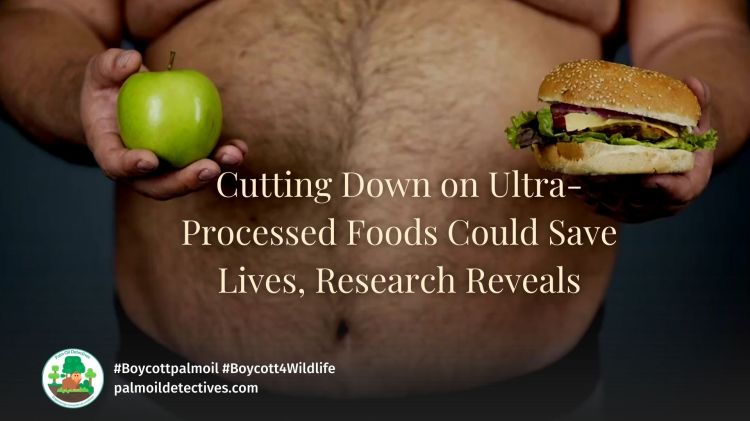
Cutting Ultra-Processed Foods Could Save Lives
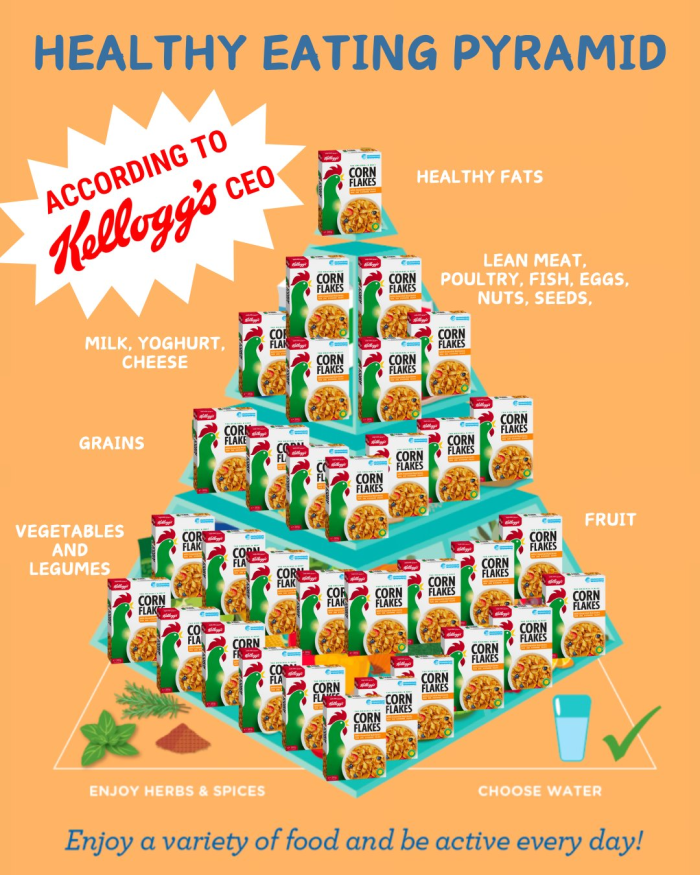
Recently, the CEO of breakfast giant Kelloggs Gary Pilnick promoted the benefits eating breakfast cereal for dinner as a way for people to cope with the increased cost of living and food:
“Cereal for dinner is something that is probably more on trend now, and we would expect [it] to continue as that consumer is under pressure,” Pilnick told CNBC about his stable of ultra-processed foods like Fruity Loops, Special K, and Frosted Flakes. He takes home a 4 million USD salary each year.
Many research studies released in the past decade have shown a clear link between the consumption of ultra-processed foods: [high sugar and high fat convenience foods, sugary breakfast cereals, processed baked goods and biscuits] with all of the biggest diseases that kill the most people: ischaemic heart disease, stroke, diabetes, obesity, dementia and many cancers.
Palm oil is a saturated fat that is present in many ultra-processed foods. Multiple studies including one by the World Health Organisation have linked palm oil consumption to increased mortality from heart disease and stroke. The UK’s National Health Service, Columbia Irving Medical Centre and others warn people against consuming palm oil due to its serious health risks.
The good news is, you can swap ultra-processed foods for whole foods in a way that is both healthier for you and budget-friendly. Read on to find out how.
Ultra-processed #foods 🍔🍟 are linked to #dementia #cancer 🤮💊🤒 #depression #stroke and #heart disease 🫀 #Palmoil is a saturated fat implicated in many of these same #health risks.#Boycottpalmoil in the supermarket, choose wholefoods! @palmoildetect https://palmoildetectives.com/2024/03/31/cutting-down-on-ultra-processed-foods-could-save-lives-research-reveals/
Share to BlueSkyShare to TwitterDid you know ultra processed #foods #UPF 🍔🍬 are linked to #stroke #heart disease, obesity, #dementia and #mentalhealth problems 💊🤮🫀🫁 Stay #healthy by avoiding #palmoil and other processed #food! #Boycottpalmoil 🌴🪔🤮☠️ @palmoildetect https://palmoildetectives.com/2024/03/31/cutting-down-on-ultra-processed-foods-could-save-lives-research-reveals/
Share to BlueSkyShare to Twitter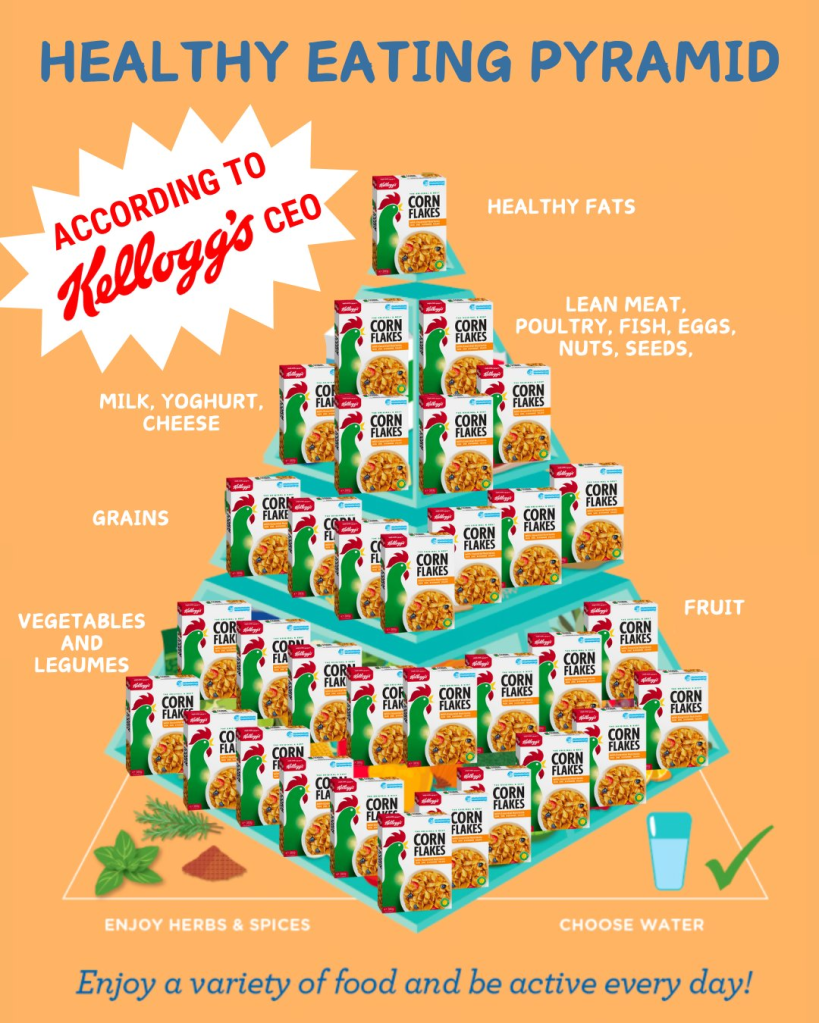 Kellogg’s CEO has suggested that people eat their sugary, highly processed cereal for every meal. Highly processed foods are linked to early death from many diseases
 Read more about why Ultra-Processed Food (UPF) is
A silent killerLinked to dementiaLinked to increased mortality ratteLinked to depressionLinked to colorectal cancer Linked to other cancersWhat are ultra-processed foods? Ultra-processed foods are convenient, low cost, quick to prepare or ready-to-eat. They are industrial formulations that include substances (oils, fats, sugars, starch, protein isolates). These foods result from extensive physical, biological, and chemical processes that create food products that are deficient in natural nutrients. Typically, ultra-processed foods include flavourings, colourings, preservatives and emulsifiers. Read on to find out how to replace these ingredients.
Could ultra-processed foods be the new ‘silent’ killer?
Study by Florida Atlantic University finds that hundreds of novel ingredients never encountered by human physiology are now found in nearly 60 percent of the average adult’s diet and nearly 70 percent of children’s diets in the U.S. An emerging health hazard is the unprecedented consumption of these ultra-processed foods in the standard American diet. This may be the new ‘silent’ killer, as was unrecognized high blood pressure in previous decades. Physicians provide important insights in a battle where the entertainment industry, the food industry and public policy do not align with their patients’ needs.
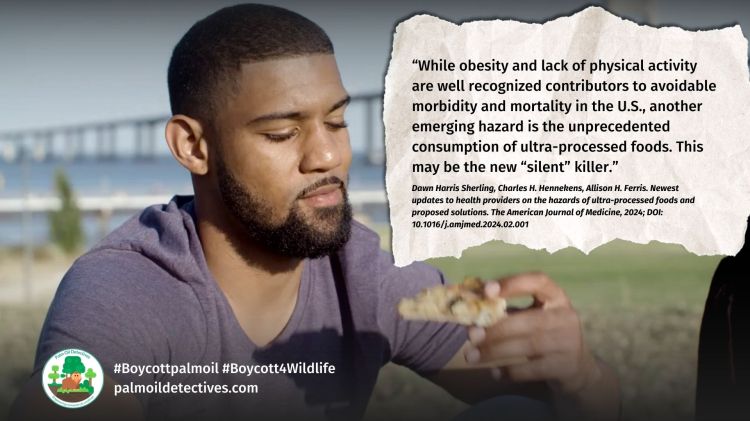
Hundreds of novel ingredients never encountered by human physiology are now found in nearly 60 percent of the average adult’s diet and nearly 70 percent of children’s diets in the United States.
While obesity and lack of physical activity are well recognized contributors to avoidable morbidity and mortality in the U.S., another emerging hazard is the unprecedented consumption of these ultra-processed foods in the standard American diet. This may be the new “silent” killer, as was unrecognized high blood pressure in previous decades.
Physicians from Florida Atlantic University’s Schmidt College of Medicine explored this hypothesis and provide important insights to health care providers in a battle where the entertainment industry, the food industry and public policy do not align with their patients’ needs. Their findings are published in a commentary in The American Journal of Medicine.
“Those of us practicing medicine in the U.S. today find ourselves in an ignominious and unique position — we are the first cohort of health care professionals to have presided over a decline in life expectancy in 100 years,” said Dawn H. Sherling, M.D., corresponding author, associate program director for the internal medicine residency and an associate professor of medicine, FAU Schmidt College of Medicine.
“Our life expectancy is lower than other economically comparable countries. When we look at increasing rates of non-communicable diseases in less developed nations, we can see a tracking of this increase along with increasing consumption of ultra-processed foods in their diets.”
Although professional organizations such as the American College of Cardiology cautions patients to “choose minimally processed foods instead of ultra-processed foods” in their 2021 dietary guidelines, there is a caveat that “there is no commonly accepted definition for ultra-processed foods, and some healthy foods may exist within the ultra-processed food category.”
“When the components of a food are contained within a natural, whole food matrix, they are digested more slowly and more inefficiently, resulting in less calorie extraction, lower glycemic loads in general, and lower rise in triglyceride-rich lipoproteins after eating, which could result in atherosclerotic plaque,” said Allison H. Ferris, M.D., senior author, an associate professor and chair, Department of Medicine, and director of the internal medicine residency program, FAU Schmidt College of Medicine. “Therefore, even if the troublesome additives were removed from the ultra-processed food, there would still be concern for an over-consumption of these products possibly leading to obesity, diabetes and heart disease.”
The authors add that public health organizations are increasingly making use of the NOVA classification system, which divides foods into four categories — whole foods, culinary ingredients (items like butter, oil and salt), traditionally processed foods (such as bread and yogurt made with few ingredients), and ultra-processed foods — or those foods that are industrially made and use ingredients not normally found in a domestic kitchen.
According to the authors, one plausible mechanism to explain the hazards is that ultra-processed foods contain emulsifiers and other additives that the mammalian gastrointestinal tract mostly does not digest. They may act as a food source for our microbiota, and as such may be creating a dysbiotic microbiome that can, in the right host, promote disease.
“Additives, such as maltodextrin, may promote a mucous layer that is friendly to certain species of bacteria that are found in greater abundance in patients with inflammatory bowel disease,” said Sherling. “When the mucous layer is not properly maintained, the epithelial cell layer may become vulnerable to injury, as has been shown in feeding studies using carrageenan in humans and other studies in mice models, using polysorbate-80 and cellulose gum, triggering immunologic responses in the host.”
The authors add that there have been marked increases in colorectal cancer in the U.S., especially among younger adults. They opine that increased ultra-processed food consumption may be a contributor as well as to several other gastrointestinal diseases.
“Whether ultra-processed foods contribute to our currently rising rates of non-communicable disease requires direct testing in analytic studies designed a priori to do so,” said Charles H. Hennekens, M.D., FACPM, co-author, the First Sir Richard Doll Professor of Medicine and senior academic advisor, FAU Schmidt College of Medicine. “In the meantime, we believe it is incumbent upon all health care professionals to discuss the benefits of increasing consumption of whole foods and reducing consumption of ultra-processed foods with their patients.”
The authors also opine that just as the dangers of tobacco began to emerge during the middle of the prior century, decades passed before the preponderance of the evidence and the efforts of forward-thinking health officials prompted policy change to discourage the use of cigarettes. They say there is likely to be a similar path for ultra-processed foods.
“The multinational companies that produce ultra-processed foods are just as, if not more, powerful than tobacco companies were in the last century, and it is unlikely that governments will be able to move quickly on policies that will promote whole foods and discourage the consumption of ultra-processed foods,” said Sherling.
“Importantly, health care providers also should remain cognizant of the difficulties that many of our patients have in being able to afford and find healthier options, which calls for a broader public health response.”
Dawn Harris Sherling, Charles H. Hennekens, Allison H. Ferris. Newest updates to health providers on the hazards of ultra-processed foods and proposed solutions. The American Journal of Medicine, 2024; DOI: 10.1016/j.amjmed.2024.02.001
Eating more ultra-processed foods associated with increased risk of dementia
Study the American Academy of Neurology finds that people who eat the highest amounts of ultra-processed foods like soft drinks, chips and cookies may have a higher risk of developing dementia than those who eat the lowest amounts, according to a new study. Researchers also found that replacing ultra-processed foods in a person’s diet with unprocessed or minimally processed foods was associated with a lower risk. The study does not prove that ultra-processed foods cause dementia. It only shows an association.
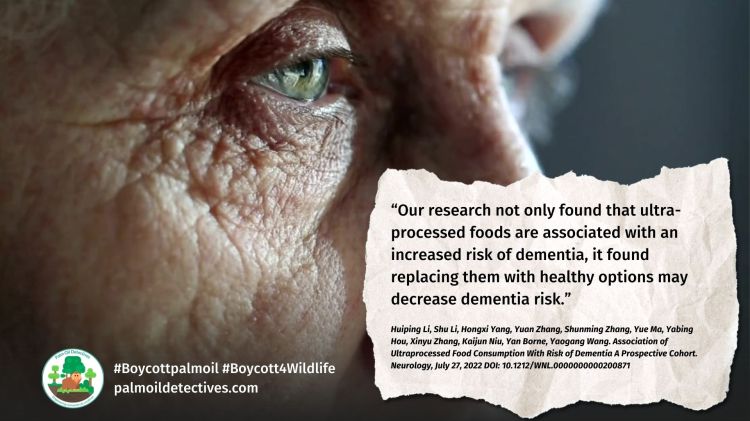
Ultra-processed foods are high in added sugar, fat and salt, and low in protein and fiber. They include soft drinks, salty and sugary snacks, ice cream, sausage, deep-fried chicken, yogurt, canned baked beans and tomatoes, ketchup, mayonnaise, packaged guacamole and hummus, packaged breads and flavored cereals.
“Ultra-processed foods are meant to be convenient and tasty, but they diminish the quality of a person’s diet,” said study author Huiping Li, PhD, of Tianjin Medical University in China. “These foods may also contain food additives or molecules from packaging or produced during heating, all of which have been shown in other studies to have negative effects on thinking and memory skills.
Our research not only found that ultra-processed foods are associated with an increased risk of dementia, it found replacing them with healthy options may decrease dementia risk.”
For the study, researchers identified 72,083 people from the UK Biobank, a large database containing the health information of half a million people living in the United Kingdom. Participants were age 55 and older and did not have dementia at the start of the study. They were followed for an average of 10 years. By the end of the study, 518 people were diagnosed with dementia.
During the study, participants filled out at least two questionnaires about what they ate and drank the previous day. Researchers determined how much ultra-processed food people ate by calculating the grams per day and comparing it to the grams per day of other foods to create a percentage of their daily diet. They then divided participants into four equal groups from lowest percentage consumption of ultra-processed foods to highest.
On average, ultra-processed foods made up 9% of the daily diet of people in the lowest group, an average of 225 grams per day, compared to 28% for people in the highest group, or an average of 814 grams per day. One serving of items like pizza or fish sticks was equivalent to 150 grams. The main food group contributing to high ultra-processed food intake was beverages, followed by sugary products and ultra-processed dairy.
In the lowest group, 105 of the 18,021 people developed dementia, compared to 150 of the 18,021 people in the highest group.
After adjusting for age, gender, family history of dementia and heart disease and other factors that could affect risk of dementia, researchers found that for every 10% increase in daily intake of ultra-processed foods, people had a 25% higher risk of dementia.
Researchers also used study data to estimate what would happen if a person substituted 10% of ultra-processed foods with unprocessed or minimally processed foods, like fresh fruit, vegetables, legumes, milk and meat. They found that such a substitution was associated with a 19% lower risk of dementia.
“Our results also show increasing unprocessed or minimally processed foods by only 50 grams a day, which is equivalent to half an apple, a serving of corn, or a bowl of bran cereal, and simultaneously decreasing ultra-processed foods by 50 grams a day, equivalent to a chocolate bar or a serving of fish sticks, is associated with 3% decreased risk of dementia,” said Li. “It’s encouraging to know that small and manageable changes in dietmay make a difference in a person’s risk of dementia.”
Li noted that further research is needed to confirm the findings.
Maura E. Walker, PhD, of Boston University in Massachusetts, who wrote an editorial accompanying the study, said, “While nutrition research has started to focus on food processing, the challenge is categorizing such foods as unprocessed, minimally processed, processed and ultra-processed. For example, foods like soup would be classified differently if canned versus homemade. Plus, the level of processing is not always aligned with diet quality. Plant-based burgers that qualify as high quality may also be ultra-processed. As we aim to understand better the complexities of dietary intake, we must also consider that more high-quality dietary assessments may be required.”
A limitation of the study was that cases of dementia were determined by looking at hospital records and death registries rather than primary care data, so milder cases may have been overlooked. .
The study was funded by the National Natural Science Foundation of China.
Huiping Li, Shu Li, Hongxi Yang, Yuan Zhang, Shunming Zhang, Yue Ma, Yabing Hou, Xinyu Zhang, Kaijun Niu, Yan Borne, Yaogang Wang. Association of Ultraprocessed Food Consumption With Risk of Dementia A Prospective Cohort. Neurology, July 27, 2022 DOI: 10.1212/WNL.0000000000200871
Ultra-Processed Foods Significantly Increase Risk of Early Death, Global Study Reveals
A comprehensive international study has established a strong link between the consumption of ultra-processed foods (UPFs) and premature deaths. Analyzing dietary and mortality data from eight countries—Australia, Brazil, Canada, Chile, Colombia, Mexico, the United Kingdom, and the United States—the research indicates that higher UPF intake correlates with a substantial increase in all-cause mortality.
UPFs are industrial formulations typically high in added sugars, fats, and artificial additives, offering minimal nutritional value. They include items like packaged snacks, sugary beverages, and ready-to-eat meals. The study found that for every 10% increase in UPF consumption, there is a corresponding 3% rise in the risk of premature death. Notably, in 2018 alone, the United States attributed approximately 124,000 early deaths to high UPF consumption.
Lead researcher Dr. Eduardo Augusto Fernandes Nilson from the Oswaldo Cruz Foundation in Brazil emphasized the broader implications: “UPFs affect health beyond the individual impact of high content of critical nutrients because of the changes in the foods during industrial processing and the use of artificial ingredients.” The study advocates for global action, including regulatory and fiscal policies, to reduce UPF consumption and promote healthier eating habits.
The findings highlight the pressing need for public health initiatives that encourage the consumption of fresh, minimally processed foods and discourage reliance on UPFs. Such measures are crucial in combating the rising tide of diet-related health issues worldwide.
Read more: Global study links consumption of ultra-processed foods to preventable premature deaths (ScienceDaily, 2025).
Eduardo A.F. Nilson, Felipe Mendes Delpino, Carolina Batis, Priscila Pereira Machado, Jean-Claude Moubarac, Gustavo Cediel, Camila Corvalan, Gerson Ferrari, Fernanda Rauber, Euridice Martinez-Steele, Maria Laura da Costa Louzada, Renata Bertazzi Levy, Carlos A. Monteiro, Leandro F.M. Rezende. Premature Mortality Attributable to Ultraprocessed Food Consumption in 8 Countries. American Journal of Preventive Medicine, 2025; DOI: 10.1016/j.amepre.2025.02.018
Feeling anxious or blue? Ultra-processed foods may be to blame
2022 Research by Florida Atlantic University finds than 70 percent of packaged foods in the U.S. are classified as ultra-processed food and represent about 60 percent of all calories consumed by Americans. A study in 10,359 adults 18 and older found those who consumed the most ultra-processed foods as compared with those who consumed the least amount had statistically significant increases in the adverse mental health symptoms of mild depression, ‘mentally unhealthy days’ and ‘anxious days.’ They also had significantly lower rates of reporting zero ‘mentally unhealthy days’ and zero ‘anxious days.’ Findings are generalizable to the entire U.S. as well as other Western countries with similar ultra-processed food intakes.
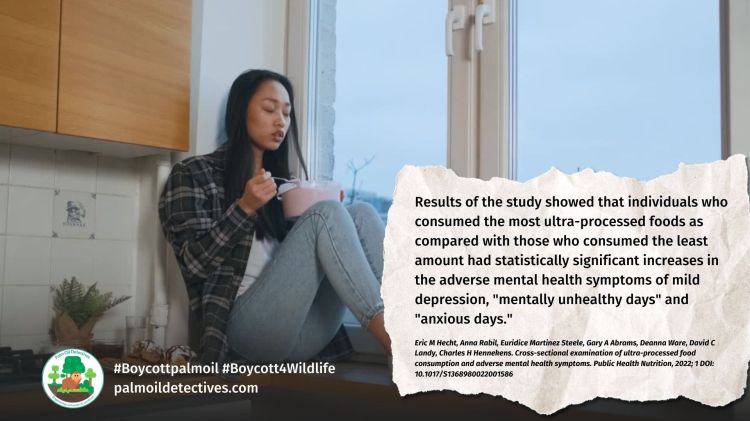
Do you love those sugary-sweet beverages, reconstituted meat products and packaged snacks? You may want to reconsider based on a new study that explored whether individuals who consume higher amounts of ultra-processed food have more adverse mental health symptoms.
Although ultra-processed foods are convenient, low cost, quick to prepare or ready-to-eat, these industrial formulations of processed food substances (oils, fats, sugars, starch, protein isolates) contain little or no whole food. They result from extensive ‘physical, biological, and chemical processes’ that create food products that are deficient in original and natural food. Ultra-processed foods typically include flavorings, colorings, emulsifiers and other cosmetic additives.
While there is some evidence regarding ultra-processed food consumption and depression, data are sparse regarding other adverse mental health symptoms including anxiety and mentally unhealthy days.
Researchers from Florida Atlantic University’s Schmidt College of Medicine and collaborators explored a nationally representative sample of the United States population to determine if individuals who consume high amounts of ultra-processed foods report significantly more adverse mental health symptoms including depression, anxiety and mentally unhealthy days.
They measured mild depression, number of mental unhealthy days and number of anxious days in 10,359 adults 18 and older from the U.S. National Health and Nutrition Examination Survey.
Results of the study, published in the journal Public Health Nutrition, showed that individuals who consumed the most ultra-processed foods as compared with those who consumed the least amount had statistically significant increases in the adverse mental health symptoms of mild depression, “mentally unhealthy days” and “anxious days.” They also had significantly lower rates of reporting zero “mentally unhealthy days” and zero “anxious days.” Findings from this study are generalizable to the entire U.S. as well as other Western countries with similar ultra-processed food intakes.
“The ultra-processing of food depletes its nutritional value and also increases the number of calories, as ultra-processed foods tend to be high in added sugar, saturated fat and salt, while low in protein, fiber, vitamins, minerals and phytochemicals,” said Eric Hecht, M.D., Ph.D., corresponding author and an affiliate associate professor in FAU’s Schmidt College of Medicine. “More than 70 percent of packaged foods in the U.S. are classified as ultra-processed food and represent about 60 percent of all calories consumed by Americans. Given the magnitude of exposure to and effects of ultra-processed food consumption, our study has significant clinical and public health implications.”
Researchers used the NOVA food classification for the study, which is a widely used system recently adopted by the Food and Agricultural Organization of the United Nations. NOVA considers the nature, extent and purpose of food processing in order to categorize foods and beverages into four groups: unprocessed or minimally processed foods, processed culinary ingredients, processed foods and ultra-processed foods.
“Data from this study add important and relevant information to a growing body of evidence concerning the adverse effects of ultra-processed consumption on mental health symptoms,” said Charles H. Hennekens, M.D., Dr.PH, co-author, the first Sir Richard Doll Professor of Medicine, and senior academic advisor, FAU Schmidt College of Medicine. “Analytic epidemiologic research is needed to test the many hypotheses formulated from these descriptive data.”
According to the National Institute of Mental Health, nearly 1 in 5 adults live with a mental illness. Mental illnesses, including depression and anxiety, are leading causes of morbidity, disability and mortality.
Co-authors of this original research are Anna Rabil, Institute of Etiological Research; Euridice Martinez Steele, Ph.D., University of Sao Paolo; Gary A. Abrams, M.D., University of South Carolina School of Medicine; Deanna Ware, M.P.H., Georgetown University Medical Center and Institute of Etiological Research; and David C. Landy, M.D., Ph.D., University of Kentucky College of Medicine.
This research was funded in part by the Bertarelli Foundation.
Eric M Hecht, Anna Rabil, Euridice Martinez Steele, Gary A Abrams, Deanna Ware, David C Landy, Charles H Hennekens. Cross-sectional examination of ultra-processed food consumption and adverse mental health symptoms. Public Health Nutrition, 2022; 1 DOI: 10.1017/S1368980022001586
New study links ultra-processed foods and colorectal cancer in men
2022 Research from Tufts University links men who consumed high rates of ultra-processed foods to a 29% higher risk for developing colorectal cancer than men who consumed much smaller amounts. The researchers did not find the same association in women.
For many Americans, the convenience of pre-cooked and instant meals may make it easy to overlook the less-than-ideal nutritional information, but a team led by researchers at Tufts University and Harvard University hope that will change after recently discovering a link between the high consumption of ultra-processed foods and an increased risk of colorectal cancer.

In a study published Aug. 31 in The BMJ, researchers found that men who consumed high rates of ultra-processed foods were at 29% higher risk for developing colorectal cancer — the third most diagnosed cancer in the United States — than men who consumed much smaller amounts. They did not find the same association in women.
“We started out thinking that colorectal cancer could be the cancer most impacted by diet compared to other cancer types,” said Lu Wang, the study’s lead author and a postdoctoral fellow at the Friedman School of Nutrition Science and Policy at Tufts. “Processed meats, most of which fall into the category of ultra-processed foods, are a strong risk factor for colorectal cancer. Ultra-processed foods are also high in added sugars and low in fiber, which contribute to weight gain and obesity, and obesity is an established risk factor for colorectal cancer.”
The study analyzed responses from over 200,000 participants — 159,907 women and 46,341 men — across three large prospective studies which assessed dietary intake and were conducted over more than 25 years. Each participant was provided with a food frequency questionnaire every four years and asked about the frequency of consumption of roughly 130 foods.
For the study in BMJ, participants’ intake of ultra-processed foods was then classified into quintiles, ranging in value from the lowest consumption to the highest. Those in the highest quintile were identified as being the most at risk for developing colorectal cancer. Although there was a clear link identified for men, particularly in cases of colorectal cancer in the distal colon, the study did not find an overall increased risk for women who consumed higher amounts of ultra-processed foods.
The Impacts of Ultra-Processed Foods
The analyses revealed differences in the ways that men and women consume ultra-processed foods and the prospective associated cancer risk. Out of the 206,000 participants followed for more than 25 years, the research team documented 1,294 cases of colorectal cancer among men, and 1,922 cases among women.
The team found the strongest association between colorectal cancer and ultra-processed foods among men come from the meat, poultry, or fish-based, ready-to-eat products. “These products include some processed meats like sausages, bacon, ham, and fish cakes. This is consistent with our hypothesis,” Wang said.
The team also found higher consumption of sugar-sweetened beverages, like soda, fruit-based beverages, and sugary milk-based beverages, is associated with an increased risk of colorectal cancer in men.
However, not all ultra-processed foods are equally harmful with regard to colorectal cancer risk. “We found an inverse association between ultra-processed dairy foods like yogurt and colorectal cancer risk among women,” said co-senior author Fang Fang Zhang, a cancer epidemiologist and interim chair of the Division of Nutrition Epidemiology and Data Science at the Friedman School.
Overall, there was not a link between ultra-processed food consumption and colorectal cancer risk among women. It’s possible that the composition of the ultra-processed foods consumed by women could be different than that from men.
“Foods like yogurt can potentially counteract the harmful impacts of other types of ultra-processed foods in women,” Zhang said.
Mingyang Song, co-senior author on the study and assistant professor of clinical epidemiology and nutrition at the Harvard T.H. Chan School of Public Health, added that, “Further research will need to determine whether there is a true sex difference in the associations, or if null findings in women in this study were merely due to chance or some other uncontrolled confounding factors in women that mitigated the association.”
Although ultra-processed foods are often associated with poor diet quality, there could be factors beyond the poor diet quality of ultra-processed foods that impact the risk of developing colorectal cancer.
The potential role of food additives in altering gut microbiota, promoting inflammation, and contaminants formed during food processing or migrated from food packaging may all promote cancer development, Zhang noted.
Analyzing the Data
With more than a 90% follow-up rate from each of the three studies, the research team had ample data to process and review.
“Cancer takes years or even decades to develop, and from our epidemiological studies, we have shown the potential latency effect — it takes years to see an effect for certain exposure on cancer risk,” said Song. “Because of this lengthy process, it’s important to have long-term exposure to data to better evaluate cancer risk.”
The studies included:
- The Nurses’ Health Study (1986-2014): 121,700 registered female nurses between the ages of 30 and 55
- The Nurses’ Health Study II (1991-2015): 116,429 female nurses between the ages of 25 and 42
- The Health Professional Follow-up Study (1986-2014): 51,529 male health professionals between the ages of 40 and 75.
After an exclusionary process for past diagnoses or incomplete surveys, the researchers were left with prospective data from 159,907 women from both NHS studies and 46,341 men.
The team adjusted for potential confounding factors such as race, family history of cancer, history of endoscopy, physical activity hours per week, smoking status, total alcohol intake and total caloric intake, regular aspirin use, and menopausal status.
Zhang is aware that since the participants in these studies all worked in the healthcare field, the findings for this population may not be the same as they would be for the general population, since the participants may be more inclined to eat healthier and lean away from ultra-processed foods. The data may also be skewed because processing has changed over the past two decades.
“But we are comparing within that population those who consume higher amounts versus lower amounts,” Zhang reassured. “So those comparisons are valid.”
Changing Dietary Patterns
Wang and Zhang previously published a study that identified a trend in increased ultra-processed food consumption in U.S. children and adolescents. Both studies underscore the idea that many different groups of people may be dependent on ultra-processed foods in their daily diets.
“Much of the dependence on these foods can come down to factors like food access and convenience,” said Zhang, who is also a member of the Tufts Institute for Global Obesity Research. “Chemically processing foods can aid in extending shelf life, but many processed foods are less healthy than unprocessed alternatives. We need to make consumers aware of the risks associated with consuming unhealthy foods in quantity and make the healthier options easier to choose instead.”
Wang knows that change won’t happen overnight, and hopes that this study, among others, will contribute to changes in dietary regulations and recommendations.
“Long-term change will require a multi-step approach,” Wang added. “Researchers continue to examine how nutrition-related policies, dietary recommendations, and recipe and formula changes, coupled with other healthy lifestyle habits, can improve overall health and reduce cancer burden. It will be important for us to continue to study the link between cancer and diet, as well as the potential interventions to improve outcomes.
Research reported in this article was supported by awards from the National Institutes of Health’s National Institute on Minority Health and Health Disparities (R01MD011501), National Cancer Institute (UM1CA186107; P01CA087969; U01CA176726; U01CA167552; and R00CA215314), and a Mentored Research Scholar Grant in Applied and Clinical Research from the American Cancer Society. The content is solely the authors’ responsibility and does not necessarily represent the official views of the National Institutes of Health.
Lu Wang, Mengxi Du, Kai Wang, Neha Khandpur, Sinara Laurini Rossato, Jean-Philippe Drouin-Chartier, Euridice Martínez Steele, Edward Giovannucci, Mingyang Song, Fang Fang Zhang. Association of ultra-processed food consumption with colorectal cancer risk among men and women: results from three prospective US cohort studies. BMJ, 2022; e068921 DOI: 10.1136/bmj-2021-068921
Ultra-processed foods may be linked to increased risk of cancer
2023 research by Imperial College London finds that higher consumption of ultra-processed foods may be linked to an increased risk of developing and dying from cancer, an observational study suggests.
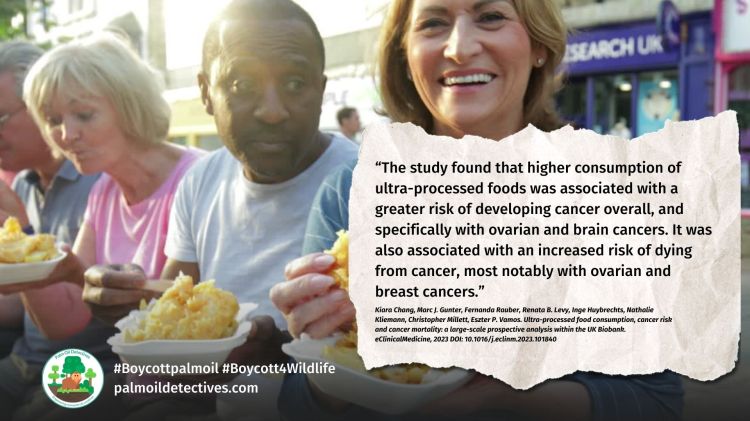
Higher consumption of ultra-processed foods may be linked to an increased risk of developing and dying from cancer, an Imperial College London-led observational study suggests.
Researchers from Imperial’s School of Public Health have produced the most comprehensive assessment to date of the association between ultra-processed foods and the risk of developing cancers. Ultra-processed foods are food items which have been heavily processed during their production, such as fizzy drinks, mass-produced packaged breads, many ready meals and most breakfast cereals.
Ultra-processed foods are often relatively cheap, convenient, and heavily marketed, often as healthy options. But these foods are also generally higher in salt, fat, sugar, and contain artificial additives. It is now well documented that they are linked with a range of poor health outcomes including obesity, type 2 diabetes and cardiovascular disease.
The first UK study of its kind used UK Biobank records to collect information on the diets of 200,000 middle-aged adult participants. Researchers monitored participants’ health over a 10-year period, looking at the risk of developing any cancer overall as well as the specific risk of developing 34 types of cancer. They also looked at the risk of people dying from cancer.
The study found that higher consumption of ultra-processed foods was associated with a greater risk of developing cancer overall, and specifically with ovarian and brain cancers. It was also associated with an increased risk of dying from cancer, most notably with ovarian and breast cancers.
For every 10 per cent increase in ultra-processed food in a person’s diet, there was an increased incidence of 2 per cent for cancer overall, and a 19 per cent increase for ovarian cancer specifically.
Each 10 per cent increase in ultra-processed food consumption was also associated with increased mortality for cancer overall by 6 per cent, alongside a 16 per cent increase for breast cancer and a 30 per cent increase for ovarian cancer.
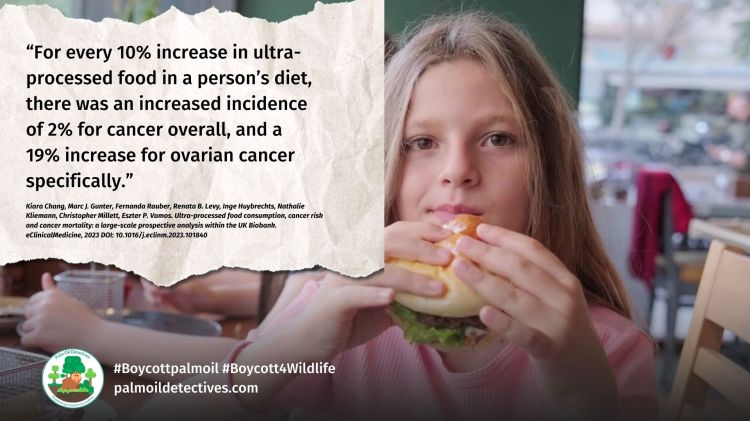
These links remained after adjusting for a range of socio-economic, behavioural and dietary factors, such as smoking status, physical activity and body mass index (BMI).
The Imperial team carried out the study, which is published in eClinicalMedicine, in collaboration with researchers from the International Agency for Research on Cancer (IARC), University of São Paulo, and NOVA University Lisbon.
Previous research from the team reported the levels of consumption of ultra-processed foods in the UK, which are the highest in Europe for both adults and children. The team also found that higher consumption of ultra-processed foods was associated with a greater risk of developing obesity and type 2 diabetes in UK adults, and a greater weight gain in UK children extending from childhood to young adulthood.
Dr Eszter Vamos, lead senior author for the study, from Imperial College London’s School of Public Health, said: “This study adds to the growing evidence that ultra-processed foods are likely to negatively impact our health including our risk for cancer. Given the high levels of consumption in UK adults and children, this has important implications for future health outcomes.
“Although our study cannot prove causation, other available evidence shows that reducing ultra-processed foods in our diet could provide important health benefits. Further research is needed to confirm these findings and understand the best public health strategies to reduce the widespread presence and harms of ultra-processed foods in our diet.”
Dr Kiara Chang, first author for the study, from Imperial College London’s School of Public Health, said: “The average person in the UK consumes more than half of their daily energy intake from ultra-processed foods. This is exceptionally high and concerning as ultra-processed foods are produced with industrially derived ingredients and often use food additives to adjust colour, flavour, consistency, texture, or extend shelf life.
“Our bodies may not react the same way to these ultra-processed ingredients and additives as they do to fresh and nutritious minimally processed foods. However, ultra-processed foods are everywhere and highly marketed with cheap price and attractive packaging to promote consumption. This shows our food environment needs urgent reform to protect the population from ultra-processed foods.”
The World Health Organisation and the United Nations’ Food and Agriculture Organisation has previously recommended restricting ultra-processed foods as part of a healthy sustainable diet.
There are ongoing efforts to reduce ultra-processed food consumption around the world, with countries such as Brazil, France and Canada updating their national dietary guidelines with recommendations to limit such foods. Brazil has also banned the marketing of ultra-processed foods in schools. There are currently no similar measures to tackle ultra-processed foods in the UK.
Dr Chang added: “We need clear front of pack warning labels for ultra-processed foods to aid consumer choices, and our sugar tax should be extended to cover ultra-processed fizzy drinks, fruit-based and milk-based drinks, as well as other ultra-processed products.
“Lower income households are particularly vulnerable to these cheap and unhealthy ultra-processed foods. Minimally processed and freshly prepared meals should be subsidised to ensure everyone has access to healthy, nutritious and affordable options.”
The researchers note that their study is observational, so does not show a causal link between ultra-processed foods and cancer due to the observational nature of the research. More work is needed in this area to establish a causal link.
This study was funded by Cancer Research UK and World Cancer Research Fund.
Kiara Chang, Marc J. Gunter, Fernanda Rauber, Renata B. Levy, Inge Huybrechts, Nathalie Kliemann, Christopher Millett, Eszter P. Vamos. Ultra-processed food consumption, cancer risk and cancer mortality: a large-scale prospective analysis within the UK Biobank. eClinicalMedicine, 2023 DOI: 10.1016/j.eclinm.2023.101840
Easy ways to replace ultra processed foods with whole-foods that are budget-friendly and healthy
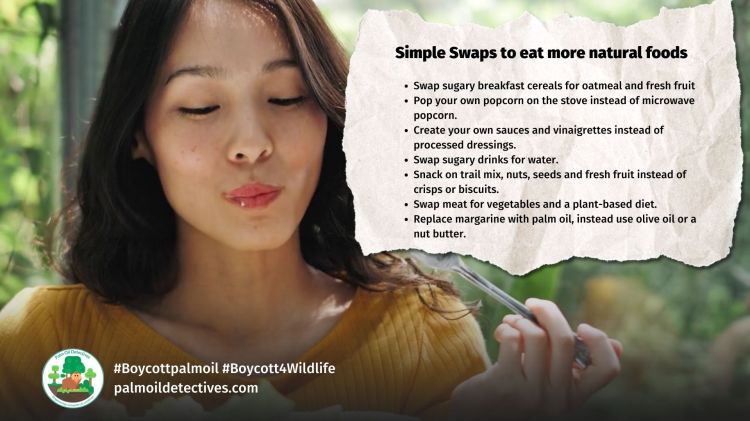
- Choose whole fruits over snack bars: Opt for fresh or frozen fruits instead of fruit-flavoured snacks or bars. They’re packed with natural sugars and essential nutrients without the added preservatives.
- Snack on nuts and seeds: Instead of reaching for chips or processed snacks, try a handful of unsalted nuts or seeds. They offer healthy fats, protein, and fibre.
- Use whole grain or brown bread and pasta: Replace white bread, pasta, and rice with their whole grain counterparts. Quinoa, brown rice, and whole wheat products add more nutrients and fiber to your meals.
- Sprinkle nuts and seeds over all of your meals: These add fibre, minerals and vitamins to every meal
- Make Smoothies instead of buying juices: Blend your own smoothies using whole fruits, vegetables, and a base like water, milk, or yogurt. This avoids the added sugars found in many store-bought juices.
- Make your own spice mixes with fresh or dried herbs: This enhance flavour without added salt or artificial seasonings.
- Use fresh or frozen vegetables: Use fresh or frozen vegetables in your meals instead of canned ones, which often contain added salt and preservatives.
- Make Your own sauces and dressings: Homemade sauces and dressings can be made with a few simple ingredients, allowing you to control the amount of sugar, salt and preservatives.
- Bake or air-fry your food instead of buying processed snacks: Make your own baked goods or use an air fryer for a healthier twist on traditionally fried foods, reducing the need for unhealthy fats and additives.
- Bulk up with beans: Incorporate beans, lentils, and chickpeas as a cost-effective, nutritious protein source to replace meat in dishes.

ENDS
Read more about human health, veganism, nutrition and why you should #Boycottpalmoil, #Boycottmeat for your own and the planet’s health

Tucuxi Sotalia fluviatilis
Tucuxi, small freshwater dolphins of Peru Ecuador Colombia and Brazil are Endangered due to fishing nets, deforestation, mercury poisoning from gold mining.
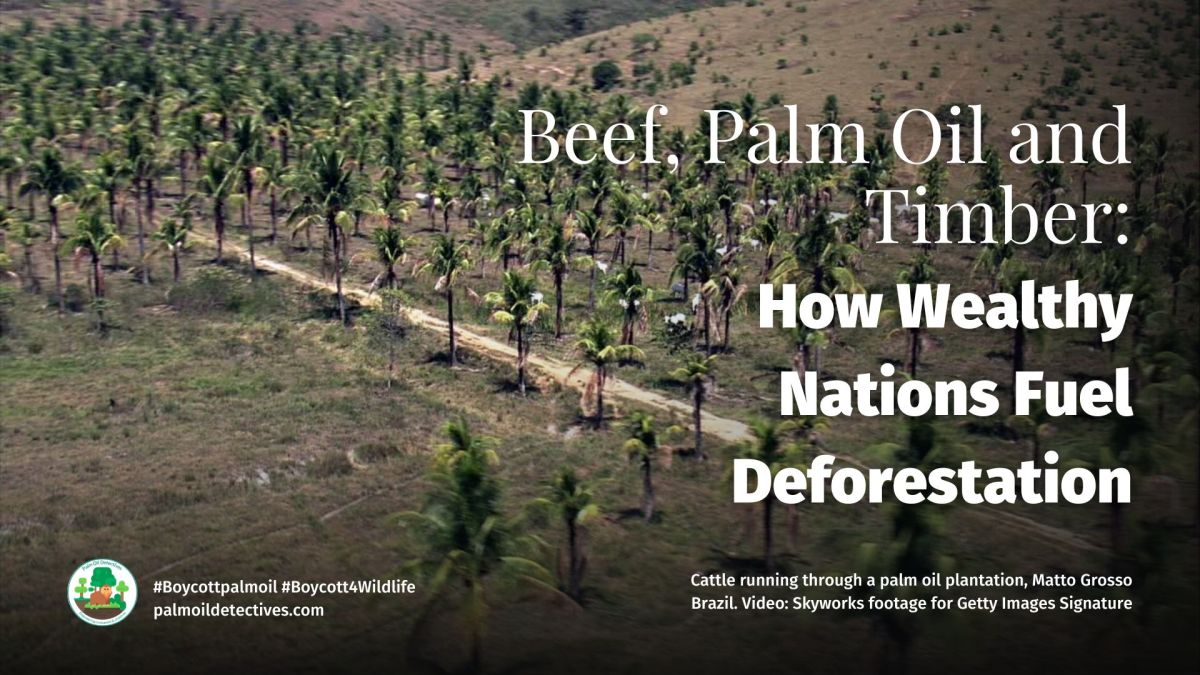
Beef, Palm Oil and Timber: How Wealthy Nations Fuel Deforestation
Beef palm oil, and timber consumption in wealthy nations is driving mass deforestation and species extinction in tropical regions. EUDR is vital to stop this!
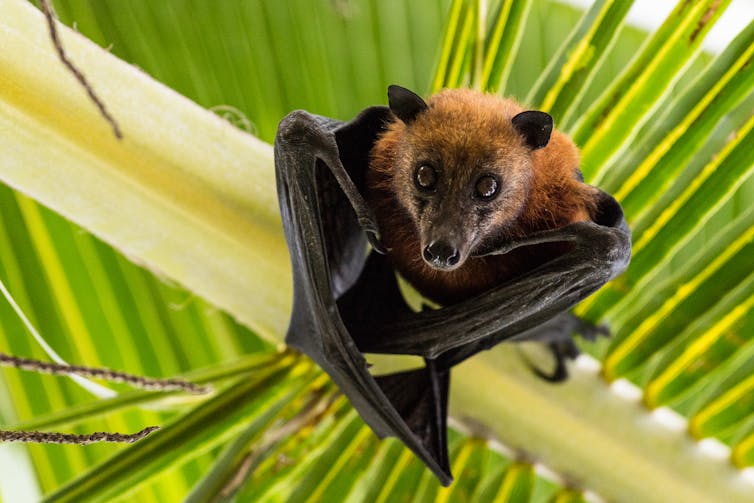
Fruit Bats: Super Seed Dispersers Growing African Forests
Fruit bats AKA flying foxes are vital in Africa’s forests as seed dispersers boosting biodiversity. Take action to save these protectors of the rainforest!
Ecuadorean Viscacha Lagidium ahuacaense
Ecuadorean Viscachas are plump and fluffy rodents with sage-like long whiskers, only a handful of them remain alive. Take action for them and boycott4wildlife!
Climate Change Driving Mass Bird Deaths in the Amazon
A recent #study has revealed that even in the most isolated parts of the #Amazon, bird #populations are collapsing due to #climatechange. Research published in Science Advances found that a 1°C increase in…
Load more posts
Something went wrong. Please refresh the page and/or try again.
Take Action in Five Ways
1. Join the #Boycott4Wildlife on social media and subscribe to stay in the loop: Share posts from this website to your own network on Twitter, Mastadon, Instagram, Facebook and Youtube using the hashtags #Boycottpalmoil #Boycott4Wildlife.
Enter your email address
Sign Up
Join 3,172 other subscribers2. Contribute stories: Academics, conservationists, scientists, indigenous rights advocates and animal rights advocates working to expose the corruption of the palm oil industry or to save animals can contribute stories to the website.
Wildlife Artist Juanchi Pérez
Mel Lumby: Dedicated Devotee to Borneo’s Living Beings
Anthropologist and Author Dr Sophie Chao
Health Physician Dr Evan Allen
The World’s Most Loved Cup: A Social, Ethical & Environmental History of Coffee by Aviary Doert
How do we stop the world’s ecosystems from going into a death spiral? A #SteadyState Economy
3. Supermarket sleuthing: Next time you’re in the supermarket, take photos of products containing palm oil. Share these to social media along with the hashtags to call out the greenwashing and ecocide of the brands who use palm oil. You can also take photos of palm oil free products and congratulate brands when they go palm oil free.
https://twitter.com/CuriousApe4/status/1526136783557529600?s=20
https://twitter.com/PhillDixon1/status/1749010345555788144?s=20
https://twitter.com/mugabe139/status/1678027567977078784?s=20
4. Take to the streets: Get in touch with Palm Oil Detectives to find out more.
5. Donate: Make a one-off or monthly donation to Palm Oil Detectives as a way of saying thank you and to help pay for ongoing running costs of the website and social media campaigns. Donate here
Pledge your support#boycottPalmOil #boycottmeat #boycottpalmoil #cancer #childhood #cholesterol #dementia #depression #diabetes #diet #food #foods #health #healthy #heart #heartHealth #humanHealth #mentalhealth #nutrition #palmOil #palmOilDeforestation #palmoil #plantBasedDiet #saturatedFats #stroke #upf